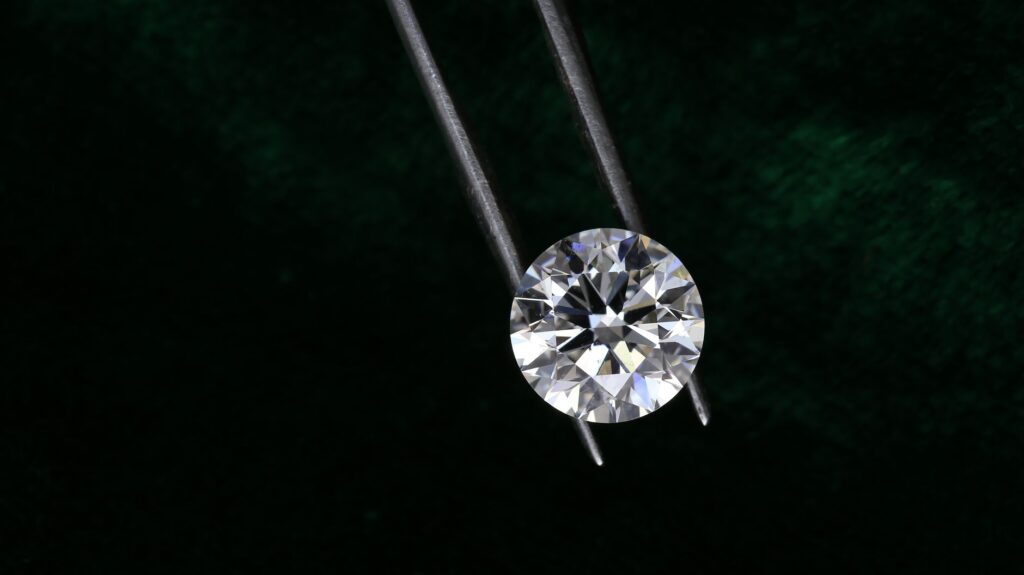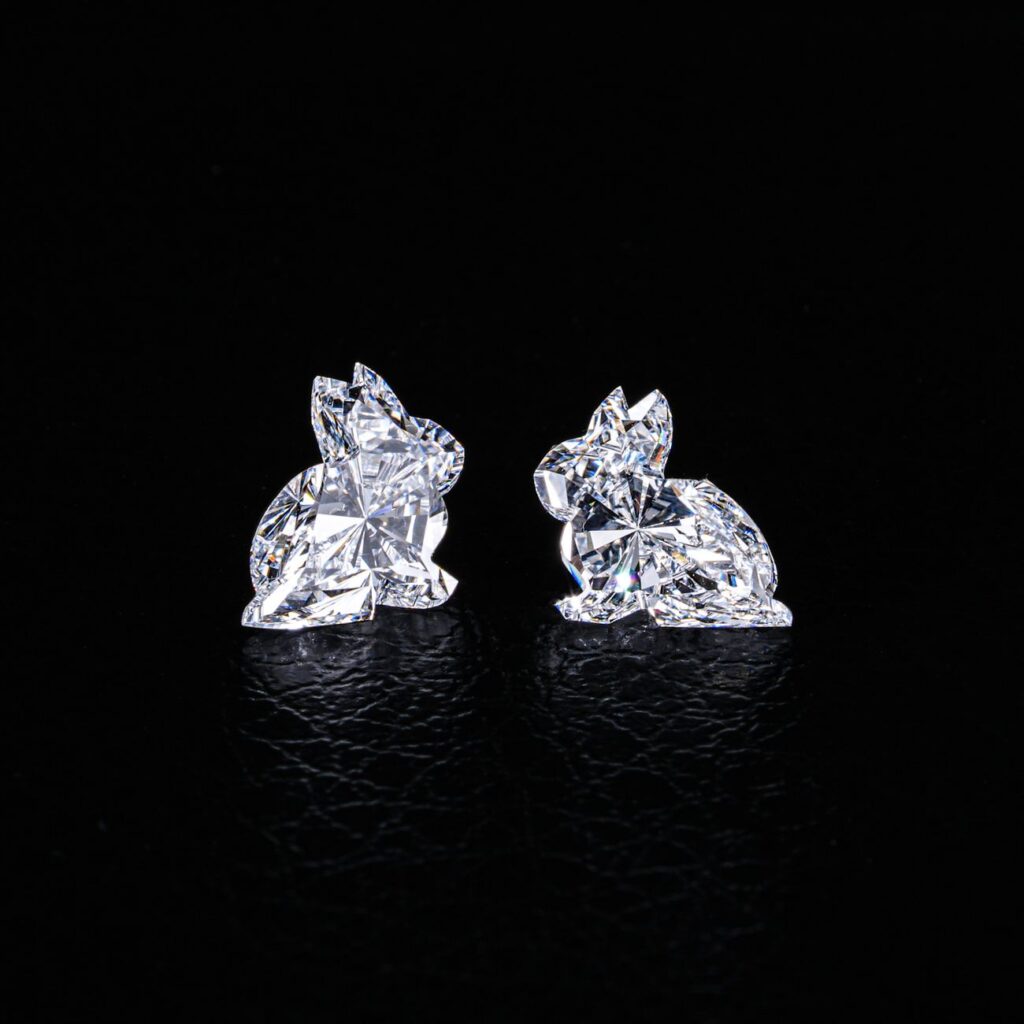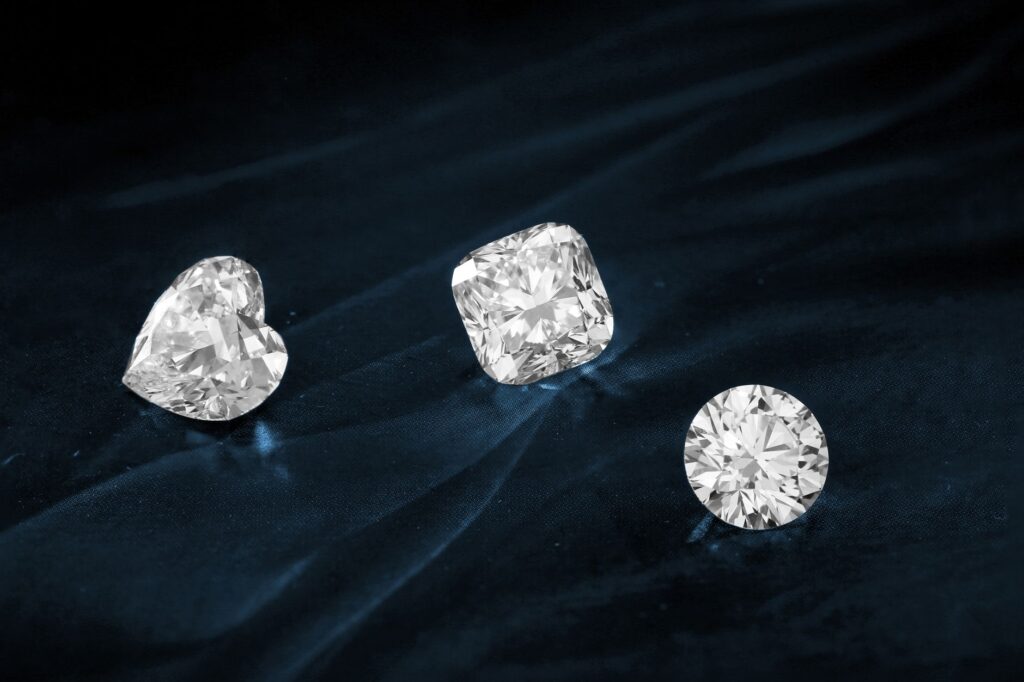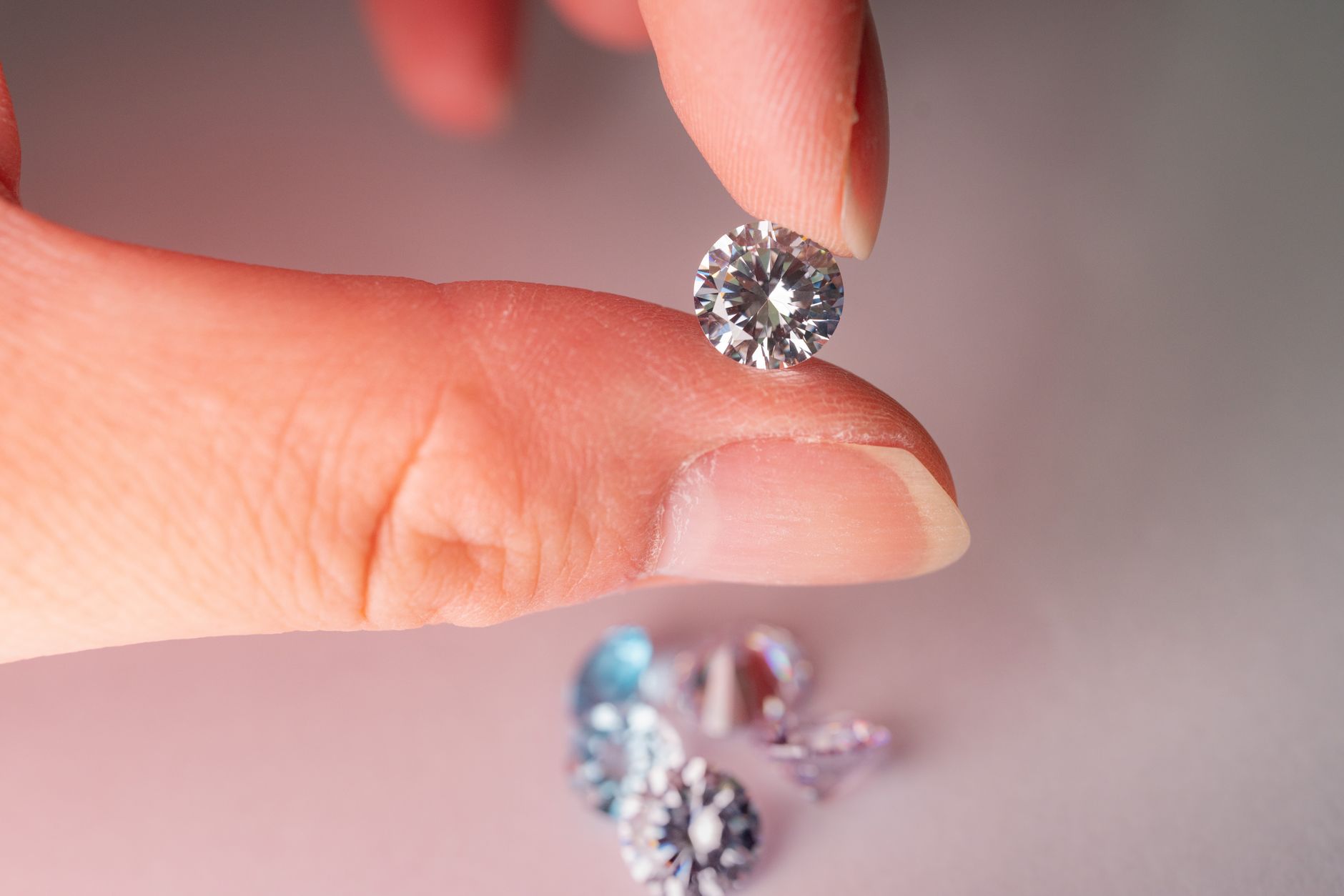
A round cut lab grown diamond is the most classic diamond shape, with a circular outline and a faceting pattern designed to maximize sparkle. For many buyers, it is the easiest shape to understand because it has the longest history, the broadest market recognition, and some of the most predictable light performance in the diamond market. In the lab grown diamond category, round cut stones remain especially popular because they offer strong brilliance, broad availability, and straightforward comparison shopping.
If you are researching what is a round cut lab grown diamond, the simplest answer is that it is a lab-created diamond shaped into a round brilliant style rather than a square, oval, pear, or other fancy shape. The diamond itself is chemically and physically a real diamond. The “lab grown” part refers to how it was formed, while “round cut” refers to its shape and faceting style.
Round cut lab grown diamonds are often chosen for engagement rings because they tend to deliver consistent sparkle from many viewing angles. They also hide certain imperfections more easily than some other shapes, which can make them feel forgiving for first-time buyers. Still, they are not the only option worth considering, and their popularity comes with trade-offs such as higher pricing per carat compared with many fancy shapes.
Quick Answer
A round cut lab grown diamond is a lab-created diamond shaped into a circular form with facets arranged to maximize brilliance, fire, and scintillation. It is the most popular diamond shape for engagement rings and is often considered the safest choice for buyers who want classic style and reliable light performance.
Because round diamonds are cut from more of the original rough crystal, they often cost more per carat than elongated or fancy shapes. In return, buyers usually get exceptional sparkle, broad style appeal, and a shape that tends to look balanced in many ring settings. For shoppers comparing options, round cut is often the benchmark against which other diamond shapes are judged.
Understanding the Round Cut in Lab Grown Diamonds
The round cut is the most recognizable diamond shape. It has a circular outline and is usually cut as a round brilliant, which is the standard faceting pattern associated with maximum sparkle. The goal of this cut is not just to make the diamond round, but to arrange the facets in a way that reflects light efficiently back to the eye.
In practical terms, that means a round cut diamond often looks lively and bright in a wide range of lighting conditions. Whether the diamond is natural or lab grown, the round shape typically offers some of the strongest all-around optical performance. This is one reason many buyers who want a classic engagement ring begin and end with a round stone.
Lab grown diamonds can be created through methods such as HPHT or CVD, but once they are cut and polished, their shape and beauty are evaluated the same way as other diamonds. A round cut lab grown diamond is still graded based on the familiar factors of cut, color, clarity, and carat weight. If you are learning about those basics, it can help to review diamond cut grades, diamond clarity grades, and diamond color grades alongside shape.
What “cut” means in this context
Many buyers use the word “cut” to mean shape, but in gemology it has two meanings. Shape refers to the outline, such as round, oval, or princess. Cut quality refers to how well the diamond is proportioned and faceted to handle light.
So when people say “round cut,” they are usually referring to the shape and style together. In most cases, a round cut diamond is cut as a round brilliant, which is the faceting pattern that gives the shape its signature sparkle.
Why Round Cut Diamonds Are So Popular
Round diamonds have remained popular for decades because they suit many tastes, many ring styles, and many hand shapes. Their circular outline feels balanced and timeless, which makes them easy to wear in both modern and traditional settings. They also tend to be easy to pair with different metal colors, from platinum to yellow gold.
Another reason for their popularity is visual performance. Round brilliant diamonds are engineered to return a high amount of light to the viewer, so they usually appear bright and lively even in everyday indoor lighting. Buyers who compare shapes side by side often notice that round diamonds can look more “sparkly” than step-cut shapes such as emerald or Asscher.
Market familiarity also plays a role. Because the round cut is so widely known, it is often easier to shop, easier to compare, and easier to insure than less common shapes. That does not make it inherently better for everyone, but it does reduce uncertainty for many buyers.
Key Characteristics of a Round Cut Lab Grown Diamond
Circular shape
The most obvious characteristic is the round outline. This shape creates a symmetrical appearance that looks classic from both the top view and the side view when set properly. The even shape also makes the diamond feel visually centered in a ring.
Brilliant faceting
Round brilliant diamonds are usually cut with a pattern designed to maximize sparkle. Brilliance is the return of white light, fire is the flashes of colored light, and scintillation is the sparkle that appears as the stone moves. Round brilliant cuts often perform well in all three areas because of the way the facets are arranged.
Strong versatility
Round cut diamonds work in many settings, including solitaire, halo, three-stone, and pavé designs. They also tend to look proportional in a wide range of carat sizes. That versatility is one reason they remain a common first choice for engagement rings.
Predictable visual performance
Compared with some fancy shapes, round diamonds are less likely to show issues like a pronounced bow tie or uneven light return. That does not mean every round diamond is equal, because cut quality still matters, but it does mean buyers often face fewer shape-specific surprises.
Appearance and Visual Performance
When people ask what makes a round cut lab grown diamond appealing, the answer is usually sparkle. A well-cut round diamond tends to return light efficiently, which gives it a bright and lively appearance. This is especially noticeable in motion, where the facets create quick flashes as the stone moves.
Round diamonds also tend to show a more even distribution of brightness across the top of the stone. In plain English, that means they often avoid dark zones that can sometimes appear in other shapes if proportions are less ideal. The result is a classic, well-balanced look that many buyers associate with high-quality diamond jewelry.
Because the shape is symmetrical, round diamonds can look flattering in many ring designs. They do not usually elongate the finger the way oval or marquise shapes can, but they create a centered and balanced look that works on most hands. For buyers who want a clean, traditional aesthetic, this is often a major advantage.
Why round diamonds sparkle so well
The round brilliant cut is engineered around light return. Its facets are arranged to reflect light back through the top of the stone rather than letting too much escape through the bottom or sides. This is why round diamonds often appear brighter than step-cut shapes, which have larger, flatter facets and a calmer, more mirror-like look.
That brightness is one part of sparkle. The other part is movement. Round diamonds often produce a strong combination of flashes and twinkle, which is why they remain the standard for buyers who prioritize maximum visual performance.
Fire, brilliance, and scintillation explained
Brilliance is how much white light the diamond reflects. A round brilliant often scores well here because of its optimized faceting.
Fire is the colored flash you sometimes see when a diamond catches light at certain angles. Round diamonds can show good fire, though the amount depends on cut quality and lighting.
Scintillation is the pattern of sparkle and contrast when the stone moves. Round cut diamonds are especially known for strong scintillation, which gives them that lively appearance shoppers often notice first.
Advantages of a Round Cut Lab Grown Diamond
Classic and widely appealing
Round diamonds have broad style acceptance. They rarely feel trendy in a way that quickly dates them, which makes them a safe option for buyers who want a ring that still feels appropriate years from now. This is one reason they are so common in engagement rings.
Strong light performance
For buyers who want sparkle above all else, round cut diamonds are usually the easiest place to start. They tend to deliver more consistent brilliance than many fancy shapes, especially when the cut quality is strong. This makes them a reliable option for everyday wear.
More forgiving with slight inclusions
Because round diamonds often disperse light so effectively, they can sometimes mask tiny inclusions better than step-cut shapes. That does not mean clarity is unimportant, but it does mean some inclusions may be less visible in a round brilliant than in an emerald cut of the same grade.
Easy to compare across sellers
Since round diamonds are so common, comparison shopping can be simpler. Buyers can compare cut grades, color, clarity, and pricing with fewer shape-related variables. This makes round diamonds especially useful for first-time buyers who want an easier decision path.
Flexible for many settings
Round diamonds fit nearly every ring style. They look natural in solitaire designs, halos, vintage-inspired settings, and modern minimal settings. This flexibility can make it easier to choose a ring without worrying that the shape will clash with the overall design.
Disadvantages of a Round Cut Lab Grown Diamond
Higher price per carat
Round diamonds often cost more per carat than many fancy shapes. One reason is efficiency. More of the rough crystal is lost during cutting to achieve the ideal round form, which increases production cost. In the lab grown market, this still affects pricing, even though lab diamonds generally offer lower prices than natural diamonds.
Less distinctive than some fancy shapes
Some buyers want a shape that feels more personal or less common. In that case, round may feel too traditional. Shapes like oval, pear, radiant, or emerald can create a more individualized look.
Does not elongate the finger
Unlike oval, marquise, or pear diamonds, round diamonds do not create a lengthening effect on the hand. Most people find the shape flattering, but buyers specifically looking for a slenderizing look may prefer an elongated shape.
Cut quality matters a lot
Round diamonds can look exceptional, but they can also look average if proportions are weak. Because so much of the shape’s appeal depends on light performance, buyers should pay close attention to cut grade, polish, symmetry, and overall proportions. A round diamond with poor cut quality may not look meaningfully better than a cheaper shape.
Who a Round Cut Lab Grown Diamond Is Best For
Round cut lab grown diamonds suit buyers who want classic style, dependable sparkle, and broad compatibility with different ring designs. They are especially good for people who do not want to spend a lot of time learning shape-specific trade-offs and simply want a shape that performs well across the board.
They are also a strong option for engagement ring shoppers who want long-term appeal. If you are choosing a ring that should still feel appropriate many years later, round is one of the safest choices. It has remained popular across changing fashion cycles, which suggests its appeal is not dependent on short-term trends.
Round diamonds may also work well for buyers who value easier comparison shopping. Because there are so many round diamonds on the market, it is easier to compare prices, cut quality, certification, and carat size across different vendors. That said, if you are looking for maximum face-up size per dollar, some other shapes may offer more apparent spread for the same budget.
How Round Cut Compares to Other Popular Diamond Shapes
Understanding round cut becomes easier when you compare it with other shapes. Each shape has strengths, and the best option depends on whether you value sparkle, size appearance, uniqueness, or budget efficiency.
| Shape | Appearance | Sparkle | Finger effect | Price per carat | Practical notes |
|---|---|---|---|---|---|
| Round | Classic, symmetrical, balanced | Usually the strongest | Neutral | Often highest among common shapes | Best all-around performance and broad appeal |
| Oval | Elongated, elegant | Very strong, though can vary | Can make fingers look longer | Often lower than round | May show bow tie depending on proportions |
| Princess | Square, modern | Strong, often lively | Compact look | Often lower than round | Sharp corners need more care |
| Emerald | Rectangular, elegant, step-cut | More subdued | Elongating | Varies, often efficient | Shows clarity more easily |
| Pear | Teardrop, distinctive | Strong, shape-dependent | Elongating | Often lower than round | May show bow tie and needs good symmetry |
| Radiant | Brilliant, slightly rectangular or square | Very strong | Varies by outline | Often lower than round | Good for sparkle with a less traditional look |
Round vs oval
Oval diamonds often give more apparent size for the same carat weight because their elongated shape spreads across the finger. They can also create a lengthening effect that some buyers prefer. However, ovals may show a bow tie in the center, which is a darker area caused by light performance patterns.
Round diamonds usually look more consistent and symmetrical. They also tend to offer more predictable sparkle, which is why buyers who want a safer visual choice often prefer round.
Round vs princess
Princess cut diamonds have a square or slightly rectangular outline and often appeal to buyers who want a modern look. They can sparkle strongly, but the corners are more exposed, so the setting must protect them well. Some shoppers also like the sharper geometry, while others prefer the softness of round.
Round diamonds are more traditional and typically have broader appeal. Princess cuts can sometimes offer a better price per carat, but round diamonds usually lead in all-around visual consistency.
Round vs emerald
Emerald cuts are step cuts, which means their facets are arranged in long, linear steps rather than a brilliant pattern. This gives them a refined, glassy look instead of a high-sparkle appearance. Emerald cuts often reveal clarity characteristics more easily, so buyers may need to consider clarity more carefully.
Round diamonds are more forgiving and much brighter in most lighting. If you want sparkle and liveliness, round is the stronger performer. If you want elegance and a more understated look, emerald may be the better fit.
Round vs pear
Pear-shaped diamonds are elongated and asymmetrical, which gives them a distinctive look. They can appear large for their carat weight and may lengthen the finger. However, symmetry matters a great deal, and some pear diamonds show a bow tie effect that can affect appearance.
Round diamonds are easier to evaluate and generally more balanced visually. Pear shapes may feel more stylish or individual, while round remains the classic, low-risk choice.
Important Buying Considerations for Round Cut Lab Grown Diamonds
Cut quality should be a top priority
For round diamonds, cut quality is often the most important factor affecting appearance. A diamond with excellent proportions can look noticeably brighter and more attractive than one with mediocre proportions, even if both have the same carat weight. This is why buyers should not focus only on size.
If a retailer provides a cut grade, it is worth understanding how that grade was assigned. Some grading systems are stricter than others, and some sellers provide more detailed light performance information than others. When possible, look for well-documented cut evaluation from respected labs or retailers with transparent data.
Carat weight does not tell the full story
Two round diamonds with the same carat weight can look different in size and performance. Depth and table proportions influence how large the diamond appears face-up. A well-cut stone may look larger than a heavier diamond with poor proportions because more of its weight is distributed where it can be seen.
This is where a lab grown diamond can be especially practical. Because lab grown stones often cost less than natural diamonds, buyers may be able to choose a larger or better-cut round stone within the same budget. That does not mean bigger is always better, but it can expand options.
Color grade matters, but round cuts can be forgiving
Round diamonds tend to hide slight color better than some step-cut shapes because of their sparkle and facet structure. That means many buyers can choose a near-colorless grade and still get a white-looking stone. Still, if the setting is white metal and the diamond is on the larger side, color can become more noticeable.
If you are learning about this topic, reviewing diamond color grades can help you decide where the best value lies. Many buyers find that a balance between color and budget works well in round lab grown diamonds.
Clarity needs depend on the individual diamond
Round diamonds can sometimes conceal small inclusions better than emerald or Asscher cuts. Even so, clarity still matters, especially if the inclusion is near the center or if it affects transparency. The best approach is to review the grading report and, when available, inspect magnified images or videos.
Lab grown diamonds can contain different clarity characteristics than natural diamonds, so it is especially important not to assume that every lab diamond with the same clarity grade will look identical. Eye-clean appearance matters more than a label alone.
Round diamonds do not use length-to-width ratio in the same way
Round diamonds do not have a length-to-width ratio in the way oval or pear shapes do, because the outline is meant to be circular. However, true roundness still matters. A diamond that is slightly out of round can look less balanced, especially in simple solitaire settings.
Check certification carefully
For any lab grown diamond, a reputable lab report is important. It confirms basic details such as carat weight, shape, color, clarity, and growth method where applicable. Certification is not just paperwork. It is a way to compare diamonds more confidently and avoid relying on seller descriptions alone.
If you are comparing options, looking at diamond certifications from recognized labs can help you evaluate whether one round diamond is fairly priced relative to another.
The setting changes the final look
The ring setting can change how a round diamond appears. A thin band can make the diamond look larger, while a halo can add extra sparkle and visual size. A four-prong setting shows more of the circular shape, while a bezel setting offers a cleaner, more modern frame and more protection.
When choosing a setting, think about daily wear, maintenance, and the visual style you want. A round diamond gives you flexibility, but the setting still shapes the final result.
Common Mistakes Buyers Make
Focusing only on carat weight
Many buyers assume a heavier round diamond automatically looks better. In reality, cut quality often has a larger effect on beauty than a small difference in carat weight. A well-cut 1.50 carat round can look more attractive than a poorly cut 1.70 carat stone.
Ignoring cut proportions
Round diamonds are sometimes purchased based on shape alone, with little attention to the proportions that determine sparkle. That can lead to a diamond that looks flat, dark, or less lively than expected. Since round diamonds are prized for performance, this is one of the most important details to evaluate.
Assuming all round diamonds look the same
Even within the round shape, visual differences can be significant. Table size, depth, crown angle, pavilion angle, and symmetry all affect appearance. Two diamonds with the same grading label may not look equally appealing in person.
Overpaying for a feature that is not visible
Some buyers spend extra on a high color or clarity grade even when the visual difference is minimal. In round lab grown diamonds, value often comes from finding the sweet spot between visible beauty and price efficiency. A thoughtful combination of cut, color, and clarity usually matters more than chasing the highest numbers.
Not comparing against other shapes
Round is a strong choice, but it should still be compared against other shapes. A buyer who wants a larger-looking stone for the same budget may prefer oval or pear. A buyer who wants a more architectural style may prefer emerald or princess. Understanding the alternatives helps confirm whether round is truly the best fit.
Round Cut Lab Grown Diamond Trends in 2026
Round diamonds remain one of the most stable trends in the market because they never fully go out of style. In 2026, many buyers are still choosing round lab grown diamonds for engagement rings, especially when they want a balance of quality, size, and value. The lab grown category has also made it more practical for buyers to choose higher carat weights without moving far outside budget.
At the same time, fancy shapes continue to gain attention because many buyers want a more individualized look. That does not reduce the importance of round diamonds. Instead, it highlights the difference between classic and expressive buying preferences.
For long-term appeal, round shapes have an advantage. Their design is familiar across generations, which tends to support steady demand. If you prefer something less trend-driven, round remains one of the most conservative shape choices in a good way.
Face-Up Size and Finger Appearance
Face-up size refers to how large the diamond looks when viewed from above. Round diamonds generally have a balanced face-up presence, though they do not usually maximize visual spread the way some elongated shapes can. Because of that, a round stone may appear slightly smaller than an oval of the same carat weight, even when the actual weight is identical.
On the finger, round diamonds create a centered and symmetrical look. They do not stretch the appearance of the hand, but they also do not emphasize length or width. This neutral effect is one reason they suit so many buyers, especially those who want a shape that feels easy to wear.
If a buyer is trying to make a diamond look larger, a round stone can still achieve that goal through smart proportions, a slim setting, or a halo design. However, buyers should understand that other shapes may offer more spread for the same budget.
Durability and Daily Wear
Round cut diamonds are considered very durable for everyday wear, especially because they do not have pointed corners like princess, marquise, pear, or heart shapes. Corners are often more vulnerable to chipping if the ring is knocked against a hard surface. Round diamonds avoid that issue by having a smooth perimeter.
This makes round diamonds a practical choice for engagement rings and rings worn daily. They still need proper setting protection, regular cleaning, and occasional maintenance, but the shape itself is one of the safest from a durability standpoint.
For buyers with active lifestyles, round diamonds are often easier to live with than sharper fancy shapes. That practical advantage is part of why the shape has stayed so popular over time.
How to Evaluate a Round Cut Lab Grown Diamond Before Buying
1. Start with the cut
Because round diamonds are built for sparkle, cut quality should be the first filter. Look for clear information about proportions, symmetry, and polish. If the seller offers videos, examine how the diamond reflects light when moved.
2. Balance color and clarity against budget
Round shapes can be forgiving, but not all grades are equally efficient. Many buyers find that a near-colorless range and an eye-clean clarity grade offer strong value. The right balance depends on the metal color, setting style, and carat size.
3. Review the certification
Make sure the diamond comes with a credible grading report. This helps verify the quality details and makes comparisons more reliable. If you are comparing multiple diamonds, certification consistency matters a lot.
4. Check the setting compatibility
Think about the ring style you want. A round diamond can work in almost anything, but a setting with prongs, a bezel, or side stones will change the final look. Make sure the setting suits daily wear, lifestyle, and maintenance preferences.
5. Compare price per visual appeal, not just per carat
In the lab grown market, round diamonds may cost more than some fancy shapes, but they often justify that premium through performance and classic appeal. Still, the best value is the diamond that looks the best for the budget, not simply the one with the largest number on paper.
Frequently Asked Questions
Is a round cut lab grown diamond the same as a round cut natural diamond?
They have the same physical structure and the same shape once cut and polished. The main difference is how they were formed. A lab grown diamond is created in a controlled environment, while a natural diamond formed underground over millions of years.
Does a round cut lab grown diamond sparkle more than other shapes?
Usually, yes. Round brilliant diamonds are designed to maximize light return, so they often appear brighter and more sparkling than step-cut shapes like emerald. Some fancy shapes can still be very lively, but round is typically the benchmark for sparkle.
Why are round diamonds usually more expensive per carat?
Round diamonds often require more rough material to be removed during cutting, which increases production cost. They also remain highly in demand. Even in the lab grown category, those factors can keep round prices higher than many other shapes of similar size and quality.
Do round diamonds hide flaws better than other shapes?
Often they do, especially compared with step cuts. Their faceting pattern can disguise small inclusions and slight color better than shapes with large open facets. That said, clarity and color still matter, particularly in larger stones.
Is a round cut a good choice for an engagement ring?
Yes. It is one of the most common and practical engagement ring shapes because it looks classic, sparkles strongly, and suits many setting styles. It is a particularly good choice for buyers who want timeless appeal and reliable performance.
How do I know if the round cut is well proportioned?
Look for a reputable grading report, then examine the diamond’s measurements, symmetry, polish, and ideally a video or image. A well-cut round diamond usually looks bright, even, and lively from multiple angles. If possible, compare it with another round stone of similar quality to notice differences in light performance.
Can a round lab grown diamond look larger than it is?
It can look larger with the right proportions and setting, but round diamonds generally do not maximize spread as efficiently as some elongated shapes. A thin band, a halo, or a well-planned setting can help improve perceived size. Still, carat weight and cut proportions both influence the final visual result.
Conclusion
A round cut lab grown diamond is a circular diamond shaped to deliver strong brilliance, balanced symmetry, and broad style appeal. It is the most established diamond shape for buyers who want classic beauty and dependable sparkle. In the lab grown market, it can also offer a practical way to prioritize quality and visual performance without moving into the highest natural-diamond price ranges.
For many shoppers, round is the safest all-around choice. It is durable, versatile, and easy to wear every day. It also holds a familiar place in engagement ring design, which gives it long-term appeal.
At the same time, buyers should understand the trade-offs. Round diamonds often cost more per carat, and they do not offer the elongated or distinctive look of some fancy shapes. The best decision depends on whether you value sparkle, classic style, visual size, uniqueness, or budget efficiency most.
If you are comparing shapes, use round as the standard reference point. From there, you can decide whether another shape offers a better fit for your style, budget, and ring design goals.