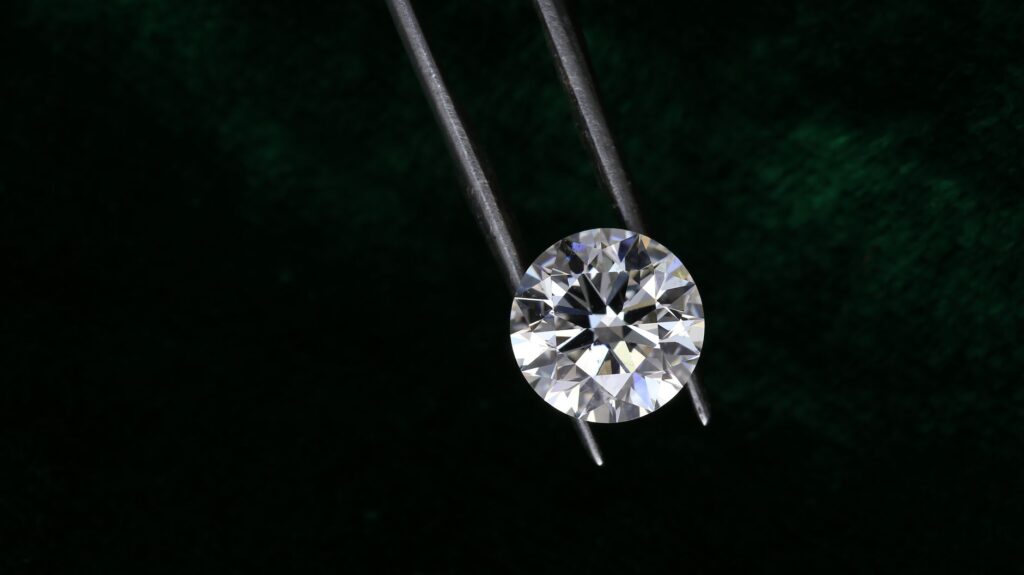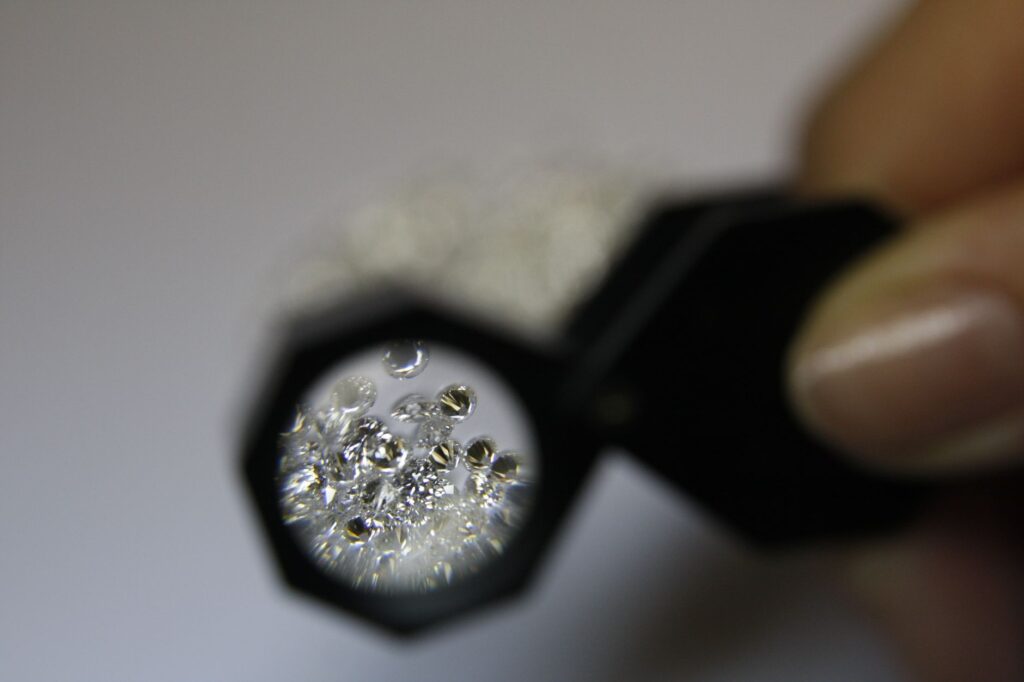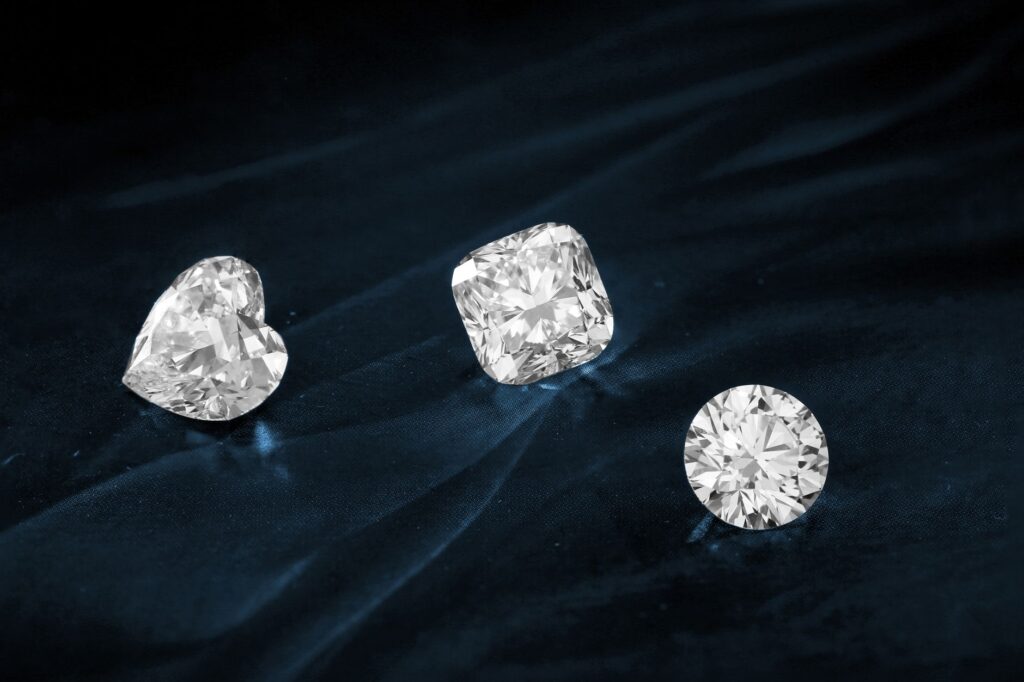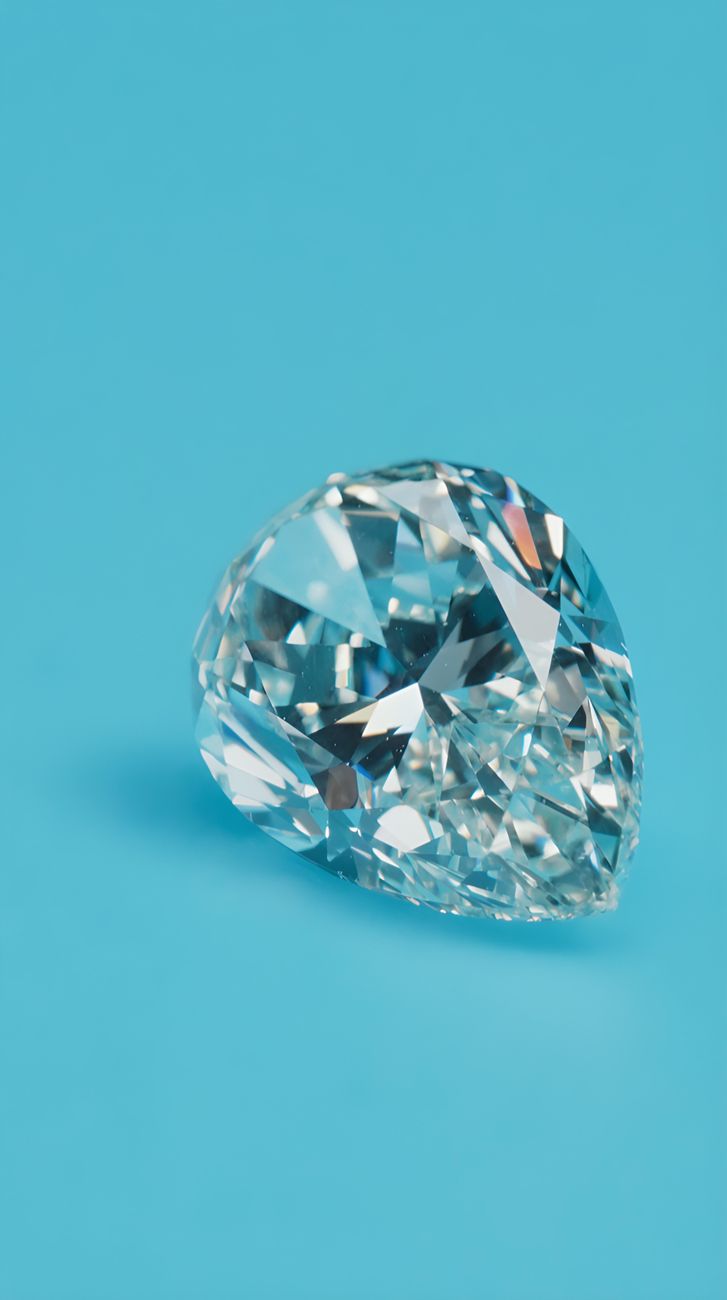
A colorless diamond is one that falls at the top of the diamond color scale, where the stone appears as white as possible and shows little to no visible tint. In practice, that sounds simple, but the buying decision is not always simple at all. A diamond can be graded colorless on paper and still look only slightly different from a near-colorless stone once it is set in a ring.
That is why What Is a Colorless Diamond is not just a gemology question. It is a practical buying question about appearance, price, and whether the premium for the highest color grades is actually noticeable in everyday wear. For many shoppers, the real issue is not what the grade says, but whether the diamond will look meaningfully whiter once it is on the hand.
Quick Answer
A colorless diamond is a diamond graded in the highest color range, typically D, E, or F on the standard diamond color scale. These diamonds are considered to have no noticeable yellow or brown tint when viewed face-up under controlled grading conditions.
For most buyers, the main takeaway is this: colorless diamonds look very white, but the difference between colorless and near-colorless diamonds is often subtle in real life. In many settings, especially once a diamond is mounted, a well-cut near-colorless stone can appear almost identical to a colorless one.
What Does “Colorless” Mean in Diamond Grading?
Diamond color grading measures the amount of visible color in a stone, not the presence of a fancy hue. In the normal white diamond range, the less color a diamond shows, the higher its grade. The industry uses a letter scale that runs from D to Z, with D being the most colorless.
The top part of that scale is considered colorless:
- D = colorless
- E = colorless
- F = colorless
Grades G through J are usually called near-colorless. These diamonds still appear white to many people, especially face-up, but they may show a faint warmth when compared side by side with a higher-color stone.
It helps to remember that color grading is done under controlled lighting and with the diamond viewed from the side against a white background. That method is useful for consistency, but it is not the same as how most people see a diamond in a ring.
What a Colorless Diamond Actually Looks Like
In everyday terms, a colorless diamond looks bright, crisp, and white. It does not usually look icy-blue or artificially white. Instead, it gives the impression of a clean, neutral stone with very little warmth.
The important part is that colorless does not mean visually identical to every other colorless diamond. Cut quality, shape, size, and setting all affect how white a diamond appears. A well-cut F color diamond can look brighter than a poorly cut D color diamond because cut controls how light returns to the eye.
Perceived whiteness
Most buyers want a diamond that looks white in the setting, not necessarily a diamond that scores the highest on a grading report. A colorless diamond usually delivers that look with confidence, especially in round brilliant shapes that return light efficiently.
In a loose stone, you may notice a faint distinction between D, E, and F if you compare them directly under the same lighting. Once the stone is mounted and viewed normally, those differences often become much harder to detect.
Warmth and tint
Colorless diamonds are valued because they minimize visible warmth. Warmth usually refers to subtle yellow, brown, or grayish body color. In a colorless stone, that tint is either absent or so faint that most people do not notice it without comparison stones.
That said, buyers sometimes overestimate how easy it is to see subtle warmth. A stone can be technically lower in color grade and still look beautifully white in real-world wear, especially when it is smaller or set in a metal that complements it.
How the Color Scale Works
The diamond color scale is designed to separate stones based on visible body color. It does not measure brilliance, sparkle, or overall beauty. A diamond can be colorless and still look dull if its cut is weak, and a slightly warmer diamond can look exceptional if the cut is excellent.
Here is a simplified view of the standard white diamond color categories:
| Color Grade | Category | General Appearance |
|---|---|---|
| D, E, F | Colorless | Very white, minimal visible tint |
| G, H, I, J | Near-colorless | Still white face-up, may show slight warmth in comparison |
| K and below | Faint to noticeable color | Increasing warmth or tint, more noticeable in larger stones |
For shoppers, the practical question is not where the technical boundary sits. It is whether a higher grade is visible enough to justify the higher price.
Can Most People See the Difference?
In many cases, the answer is no, not easily. Most people cannot reliably distinguish a D, E, or F diamond from a high-quality G or H diamond once the stones are set and viewed from a normal distance. This is especially true if the diamonds are well cut and not unusually large.
However, visibility depends on several factors:
- Side-by-side comparison: differences are easier to see when stones are compared directly
- Viewing distance: color becomes harder to detect at normal social distances
- Shape: some shapes retain color more visibly than others
- Size: larger diamonds can show color more easily
- Lighting: warm lighting can make tint appear stronger
- Metal color: the setting can influence how white the diamond appears
The average buyer usually notices brilliance, sparkle, and overall brightness before noticing subtle color differences. That is why experts often advise balancing diamond color with cut, clarity, and carat rather than chasing the highest color grade automatically.
Professional eyes vs consumer eyes
Trained graders and jewelers are more likely to spot small differences in color, especially when diamonds are loose and viewed under controlled conditions. That does not mean every shopper will see those differences in normal wear.
Consumers tend to judge a diamond in the real context of a ring, not in a grading lab. If a diamond looks white and attractive in everyday viewing, the technical distinction between grades may matter less than the grading report suggests.
How Colorless Diamonds Compare to Near-Colorless Diamonds
This comparison matters because near-colorless diamonds often represent the best value for many buyers. A well-chosen near-colorless stone can look white in most settings while costing less than a colorless stone of the same size and quality.
| Category | Visible Whiteness | Typical Buyer Perception | Value Consideration |
|---|---|---|---|
| Colorless (D-F) | Highest | Very white, premium look | Higher price for subtle visual improvement |
| Near-colorless (G-J) | Very white face-up | Usually appears white in normal use | Often stronger value for the money |
The key trade-off is diminishing returns. The closer you move toward the top of the color scale, the more you usually pay for increasingly small visual differences. That does not make colorless diamonds a bad choice. It simply means the premium is often about preference, not necessity.
How Shape Affects the Appearance of Color
Diamond shape plays a major role in how color is perceived. Some shapes hide color better because they return more light, while others allow tint to be more visible through the body of the stone.
Shapes that often show less color
Round brilliant diamonds tend to mask color well because their cutting style maximizes brightness and light return. A round diamond in the near-colorless range can often look very white face-up.
Shapes that may show more color
Shapes such as emerald, oval, pear, radiant, and marquise can show color differently depending on cut style and stone proportions. Step-cut shapes like emerald cuts are especially known for revealing body color more easily because they have larger open facets and less light “busy-ness” to disguise tint.
For that reason, buyers who prefer these shapes sometimes choose a higher color grade than they would for a round diamond. That does not mean a near-colorless stone cannot work. It means the shape may make color more noticeable, especially in larger sizes.
How Different Metals Change the Look of a Colorless Diamond
The metal surrounding the diamond can change your perception of color. This happens because the eye sees the diamond and setting together, not separately.
White gold and platinum
White metals usually reinforce a bright, color-neutral look. They are a common choice for buyers who want the diamond to appear as white as possible. In these settings, colorless diamonds and high near-colorless diamonds often look especially clean and consistent.
That said, white metals do not magically make a lower-color stone colorless. They can help the diamond look whiter by comparison, but very noticeable tint will still show if the stone is warm enough or large enough.
Yellow gold
Yellow gold often makes color less important. The warm tone of the metal can visually blend with slight warmth in the diamond, making near-colorless grades look quite natural and attractive. Because of that, many buyers feel comfortable choosing a slightly lower color grade in yellow gold without sacrificing appearance.
For a colorless diamond in yellow gold, the stone may still look white, but the premium for the highest color grades is often less noticeable once the ring is worn.
Rose gold
Rose gold behaves similarly to yellow gold in the sense that it can soften the appearance of subtle color differences. It does not hide color in the same way a white metal might highlight a stone’s whiteness, but it can make lower grades look harmonious instead of tinted.
How Lighting Changes What You See
Lighting has a big influence on diamond color perception. A stone can appear very white in one environment and slightly warmer in another. That is normal and does not necessarily mean the diamond changed. It means lighting changed the way your eye interprets the stone.
Daylight
Natural daylight is often the most revealing environment for color. If a diamond has visible warmth, daylight can make that easier to spot. At the same time, daylight also shows a diamond’s sparkle and contrast well, so many buyers like it for real-world evaluation.
Indoor lighting
Indoor lighting varies widely. Bright white LEDs may make a diamond seem cooler and whiter, while softer or warmer bulbs may make color appear more noticeable. Because homes and stores use different lighting styles, a diamond should never be judged in only one environment.
Jewelry store lighting
Store lighting is often designed to maximize sparkle and make diamonds look lively. This can reduce the appearance of warmth and make even near-colorless diamonds seem very white. Buyers should be aware that this environment can be flattering, but not always representative of everyday home lighting.
Warm vs cool light
Warm light can emphasize yellow tones in a diamond, while cool light can make a diamond appear brighter and more neutral. This is one reason a diamond grading report is only part of the story. What you actually see depends heavily on where and how the diamond is worn.
Price Premium vs Visual Benefit
Colorless diamonds usually cost more than near-colorless diamonds of similar size, cut, and clarity. The price difference can be significant, especially at larger carat weights. Yet the visible improvement is often modest once the diamond is set and viewed normally.
This is where many buyers make a value decision. If a D, E, or F diamond is important to you for personal preference or to satisfy a strict standard, that is a valid reason to buy one. If your goal is simply to have a diamond that looks white and beautiful in a ring, a high near-colorless grade may offer better value.
The most important buying principle is diminishing returns. The jump from a visibly tinted stone to a white-looking stone is usually more meaningful than the jump from one colorless grade to another. In other words, the visual gain from moving from J to G may be easier to notice than the visual gain from moving from E to D.
When Paying for Colorless Makes Sense
There are situations where a higher color grade is a sensible choice rather than an unnecessary luxury. The key is that the choice should be based on practical priorities, not on the assumption that higher always means better.
You want the most neutral appearance possible
If your personal preference is for the whitest possible look, a colorless diamond may be worth the premium. Some buyers simply prefer the security of knowing they have top-tier color, even if the visual difference is subtle.
You are choosing a larger diamond
As diamond size increases, color can become more visible. Buyers selecting larger stones may prefer higher color grades to maintain a crisp white appearance. This is especially relevant for shapes that reveal more body color.
You are using a shape that shows color easily
Step cuts and some elongated shapes may benefit from a higher color grade. If the diamond is an emerald cut or a large oval, moving up in color can help maintain a cleaner appearance.
You want a white metal setting and maximum whiteness
In platinum or white gold, higher color grades can create a very clean look, particularly when combined with excellent cut. Some buyers value that refined, minimal-color appearance enough to pay extra for it.
When You Can Save Money Without Losing Beauty
In many cases, buyers can confidently choose a near-colorless diamond and still get a beautiful result. That is especially true when the diamond is well cut, not unusually large, and set in a metal that works with its color grade.
You are prioritizing overall value
If your budget is fixed, a near-colorless diamond may allow you to allocate more money toward cut quality, carat weight, or a better setting. For many shoppers, those trade-offs create more visible impact than the highest color grade would.
You are choosing yellow or rose gold
Warm metals often make small color differences less important. In those settings, a G, H, or even I color diamond may still look bright and attractive face-up.
You are buying a smaller stone
Smaller diamonds generally show less color than larger stones. If the diamond is below a size where tint becomes more obvious, paying for the very highest color grade may not deliver much visible benefit.
You are focused on what people notice first
Most people notice sparkle, size, and overall brightness before they notice subtle color differences. If the diamond is well cut, a near-colorless stone can still deliver the appearance most buyers want.
Lab Grown Diamonds and Colorless Grades
Color is especially relevant in lab grown diamonds because the category often offers access to higher color grades at more approachable prices than many natural diamonds. That can make colorless grades easier to consider from a budget perspective.
Lab grown diamonds are chemically and visually similar to natural diamonds, but the production process can sometimes yield stones with fewer color impurities. As a result, higher color grades are common in the lab grown market. That does not mean every lab grown diamond is colorless, only that buyers may find a wider selection of D, E, and F stones compared with natural diamonds at similar budgets.
Still, the same practical rules apply. A lab grown diamond graded colorless may look excellent, but a near-colorless lab grown diamond can still look white and attractive in real-world wear. The buyer should evaluate the diamond the same way they would any other stone: cut first, then color, clarity, and price in context.
One additional consideration in lab grown diamonds is resale value. Buyers sometimes expect top color grades to hold value better, but broad market trends have shown that lab grown diamonds often face different resale dynamics than natural diamonds. Because of that, it is especially important to avoid overpaying for a color upgrade that may not be visible in daily wear.
Common Buyer Mistakes
Color is one of the easiest areas for shoppers to overpay or overthink. A few common mistakes show up again and again.
Paying for invisible upgrades
It is easy to assume that a higher color grade always looks noticeably better. In reality, the difference between adjacent high grades is often very subtle. Buyers sometimes pay a premium for a change they cannot easily see.
Ignoring the setting
The diamond does not exist in isolation. Metal color, ring style, and stone size all influence how white the diamond appears. Choosing a grade without considering the setting can lead to unnecessary spending.
Judging only from the grading report
A grading report is important, but it does not tell the whole visual story. Two diamonds with the same color grade can look different because of cut quality, proportions, fluorescence, or how they interact with light.
Assuming all color differences are obvious
Color grades are not all equally visible. The difference between a visibly tinted diamond and a colorless one is more noticeable than the difference between two neighboring colorless grades. Buyers should not assume every step on the scale creates a dramatic visual change.
Forgetting about viewing conditions
Some shoppers make a decision based on one lighting environment and are surprised by the diamond’s appearance in another. A smart purchase considers how the diamond will look in real daily use, not only in a showroom.
How to Evaluate a Colorless Diamond in Real Life
If you are comparing diamonds, focus on face-up appearance in the intended setting. That is the view that matters most once the ring is worn. Side-by-side comparisons can be useful, but they should be interpreted carefully because even small differences may look larger when stones are placed together for comparison.
Ask yourself a few practical questions:
- Does the diamond look white to me when I view it on its own?
- Do I see a difference when it is placed next to another stone?
- Will the setting metal make the diamond look warmer or cooler?
- Is the extra cost for a higher color grade worth the subtle visual gain?
- Would I rather spend that budget on cut, size, or design?
These questions are more useful than chasing the highest letter on the report. A diamond should be judged by how it looks and fits your priorities, not only by how it is classified.
Colorless Diamond Buying Priorities
For most shoppers, color should be considered alongside the other major diamond factors. Cut usually has the strongest influence on sparkle and overall beauty. Clarity affects whether internal marks are visible. Carat affects size. Color affects whiteness and warmth.
That balance matters because one factor should not be over-optimized at the expense of the others. A colorless diamond with weak cut may look less impressive than a near-colorless diamond with excellent cut. Likewise, a slightly warmer stone in the right setting may offer better overall value than a high-color stone that consumes too much of the budget.
Frequently Asked Questions
Is a colorless diamond always the best choice?
Not always. Colorless diamonds are the highest color grades, but they are not automatically the best value for every buyer. A near-colorless diamond may look very white and cost less, making it a smarter choice for some budgets.
Can I see the difference between D, E, and F color?
Sometimes, but usually only under controlled conditions or direct comparison. In a ring, especially at normal viewing distance, the differences are often very subtle.
Do colorless diamonds look better in white gold or platinum?
They often look especially clean in white metals because the setting supports a bright, neutral appearance. That said, near-colorless diamonds also perform well in white metals if the stone is well cut and not unusually large.
Are colorless diamonds worth the extra money?
They can be, if having the whitest possible look matters to you or if the diamond is large or in a shape that shows color more easily. If your goal is value, a near-colorless diamond may be a better use of budget.
Do lab grown diamonds have better color than natural diamonds?
Lab grown diamonds often appear in higher color grades more frequently and may be easier to find in D, E, or F. That does not mean every lab grown diamond is colorless, but it does mean shoppers often have more high-color options at lower price points.
Will a colorless diamond stay colorless over time?
Yes, a diamond’s body color does not change with normal wear. The appearance can vary with lighting, dirt, or the setting, but the actual color grade of the stone remains the same.
Should I prioritize color over cut?
Usually no. Cut tends to have a larger effect on a diamond’s beauty because it controls sparkle and brightness. A well-cut near-colorless diamond often looks more attractive than a poorly cut colorless one.
Does fluorescence affect how colorless a diamond looks?
It can. In some diamonds, fluorescence may make the stone appear slightly whiter in certain lighting, while in others it has little visible effect. Its impact depends on the strength of the fluorescence and the specific diamond.
Conclusion
A colorless diamond is one of the highest color grades on the diamond scale, and it is prized for its bright, neutral, white appearance. In controlled grading terms, D, E, and F diamonds are considered colorless. In real-world wear, though, the visible difference between a colorless diamond and a good near-colorless diamond is often smaller than shoppers expect.
The most practical takeaway is that color matters, but it should be judged in context. Shape, size, metal color, cut quality, and lighting all influence whether color is actually noticeable. For buyers who want the whitest possible look, a colorless diamond can be a strong choice. For buyers focused on value, a well-chosen near-colorless diamond often provides a very similar appearance at a lower cost.
If you are evaluating diamond color, the best question is not simply “What is a colorless diamond?” It is “What does this diamond look like to the eye, in the setting and lighting where it will actually be worn?” That question usually leads to a more confident and more cost-effective decision.