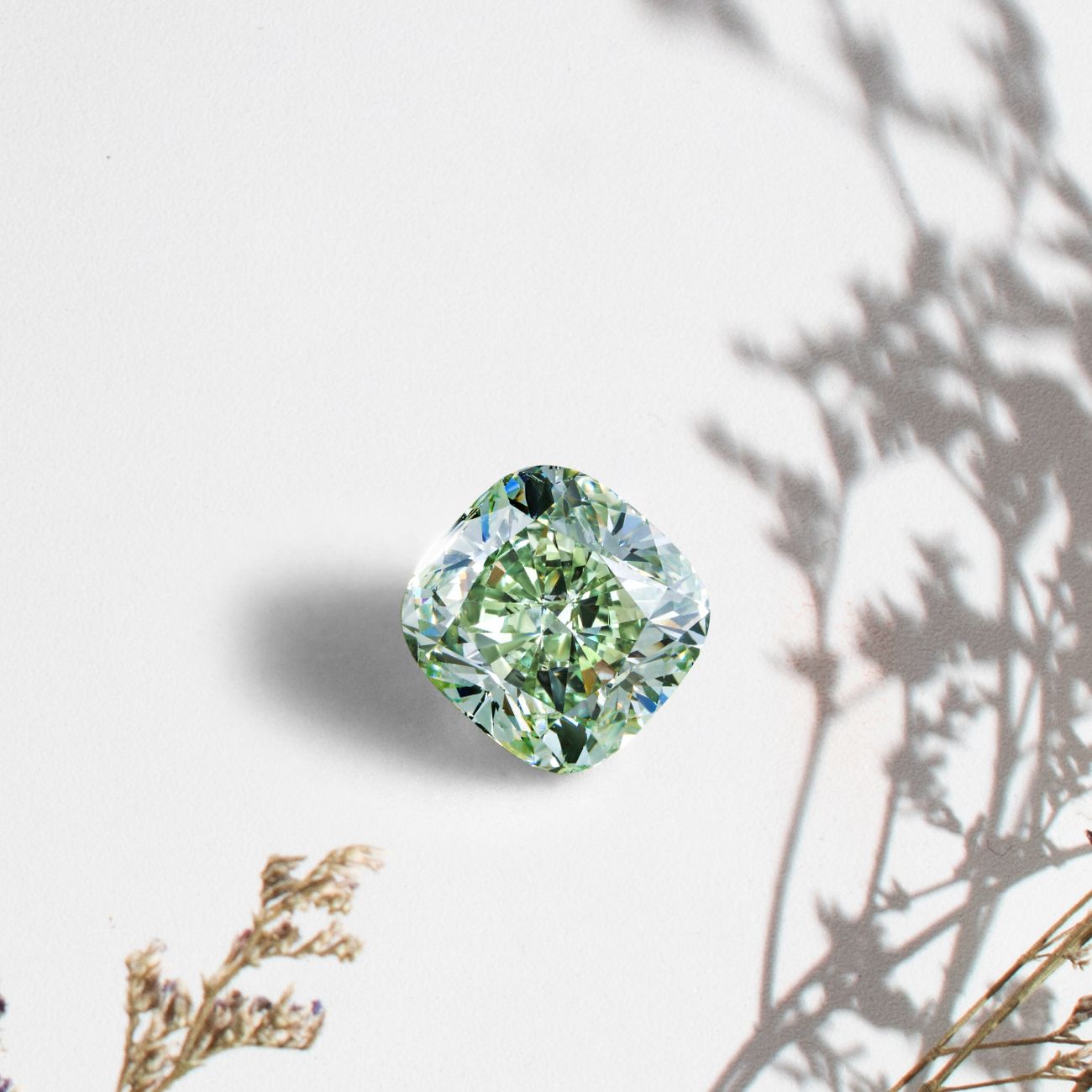
A cushion cut lab grown diamond combines a classic, rounded-square shape with the value and sourcing advantages of lab created diamonds. For many shoppers, it is one of the most balanced options because it offers a soft, romantic outline, strong sparkle, and often a lower price than a natural diamond of similar size and grade.
At the same time, cushion cuts are not all the same. Their appearance can change noticeably based on the length-to-width ratio, facet style, and proportions. If you are trying to understand What Is a Cushion Cut Lab Grown Diamond, the most useful answer is that it is a diamond cut shape with gently rounded corners and a cushion-like outline, grown in a laboratory and then cut to maximize beauty and performance for a given rough crystal.
This guide explains how cushion cut lab grown diamonds look, how they compare with other popular shapes, what affects sparkle and face-up size, and which buying factors matter most. If you are shopping for an engagement ring or comparing shape options, the details below will help you make a more informed decision.
Quick Answer
A cushion cut lab grown diamond is a lab created diamond shaped like a square or rectangle with rounded corners and soft edges, similar to a pillow. It is usually chosen for its vintage-inspired look, warm character, and attractive sparkle. Because it is a lab grown diamond, it generally costs less than a natural diamond of similar quality, which can allow buyers to prioritize size, color, or clarity within a set budget.
Cushion cuts can look quite different from one another. Some have a more antique, chunky pattern with larger flashes of light, while others have a more modern, brilliant appearance with greater overall sparkle. That variation is important, especially when comparing stones online.
Understanding the Cushion Cut Shape
The cushion cut is one of the oldest diamond shapes still widely used today. Its outline is typically square, though many cushions are slightly rectangular. The corners are rounded, which gives the shape a softer look than princess or radiant cuts.
The name comes from the resemblance to a pillow or cushion. Historically, this shape was common before modern cutting methods became widespread, and it has remained popular because it blends a classic silhouette with attractive light return.
In a lab grown diamond, the shape itself is the same as in a natural diamond. The difference is how the diamond was created. Lab grown diamonds are produced in controlled conditions using methods such as HPHT or CVD, then cut and graded like mined diamonds. For buyers, this means the shape and beauty standards are familiar, but the pricing structure is usually different.
How cushion cuts differ from other shapes
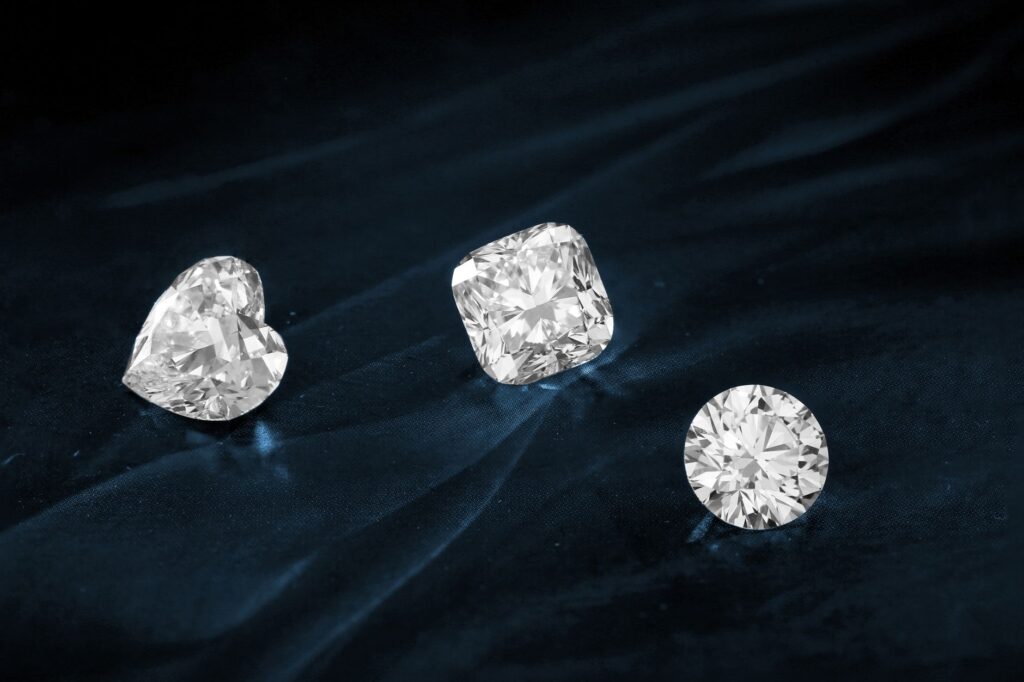
Cushion cuts sit somewhere between round brilliance and square fancy shapes in appearance. They do not have the angular sharpness of a princess cut, and they do not have the step-cut look of an emerald cut. Instead, they tend to offer a softer visual profile with a romantic feel.
That balance is one reason they remain popular in engagement rings. They can look classic without feeling overly formal, and they work well in both simple solitaire settings and more decorative vintage-inspired designs.
Key Characteristics of Cushion Cut Lab Grown Diamonds
Several features define a cushion cut diamond and influence how it looks on the hand. Understanding these traits makes it easier to compare stones and avoid judging a diamond by shape alone.
Rounded corners and soft outline
The most obvious characteristic is the rounded corner design. This softens the overall shape and can make the stone look elegant and approachable. It also slightly reduces the risk of corner chipping compared with some sharper shapes, though any diamond can still be damaged by a hard blow.
Square or rectangular proportions
Cushion cuts may be close to square or slightly elongated. A square cushion typically has a length-to-width ratio near 1.00 to 1.05, while an elongated cushion may fall around 1.10 to 1.20 or higher. That ratio affects how large the stone appears and how it fits the finger.
Elongated cushions often make the finger look slimmer, while square cushions create a more compact, balanced shape. Neither is inherently better, but the visual effect is different enough that buyers often have a clear preference once they see both.
Facet style
Facet style has a major impact on cushion cut appearance. Most cushion cuts fall into two broad categories:
- Modified brilliant cushion: Designed for stronger sparkle and more frequent light flashes.
- Antique or chunky cushion: Features larger facets that create broader flashes of light and a more vintage-like pattern.
The distinction matters because two cushion diamonds with the same carat weight can look very different. One may show more lively sparkle, while another may appear softer and more romantic.
Brilliance and fire balance
Many cushion cuts are valued for their mix of brilliance and fire. Brilliance refers to white light return, which creates brightness. Fire refers to colored flashes of light. Cushions can display both, although the exact balance depends on the facet pattern and proportions.
In practical terms, this means a well-cut cushion may look lively under many lighting conditions, especially in environments with mixed lighting such as restaurants, stores, and daylight near windows.
Appearance and Visual Performance
When buyers ask what a cushion cut lab grown diamond looks like in real life, the answer depends on cut style as much as shape. Cushion cuts do not have a single standardized visual pattern like some buyers expect, so the details matter.
Sparkle and light return
Cushion cuts can be very sparkly, but the type of sparkle is different from a round brilliant. Round diamonds usually produce the most intense and evenly distributed sparkle. Cushion cuts may show a more varied light pattern with flashes that can appear larger or softer depending on the facet structure.
This is why cushion cuts can feel more romantic or antique-inspired. Instead of an all-over glitter effect, some cushions show larger light events that move across the stone as it moves.
Fire
Because of their facet arrangement, cushion cuts often show noticeable fire. That can be especially attractive in candlelight or indoor settings. Buyers who like colorful flashes may appreciate this trait more than those who prefer a bright, icy look.
Not every cushion cut shows the same level of fire. A well-proportioned stone with good symmetry and polish will usually perform better than a poorly cut one, regardless of carat size.
Scintillation
Scintillation is the pattern of light and dark contrast that changes as the diamond moves. In cushions, scintillation can be either lively or more subdued, depending on the facet arrangement. Modified brilliant cushions usually have more active scintillation, while antique-style cushions may create larger, slower-moving flashes.
From a buyer’s perspective, this means you should look at videos if possible. Still photos can hide important movement that only appears when the stone shifts under light.
Face-up size
Face-up size is how large the diamond looks from above. Cushion cuts can look slightly smaller than some other shapes of the same carat weight, especially if the stone has deep proportions. Depth affects how much of the carat weight sits below the girdle rather than in the visible top view.
Elongated cushions may create a larger visual presence on the finger, even if the carat weight is the same as a square cushion. This is one reason ratios matter so much in cushion cut shopping.
The bow tie effect
Some elongated fancy shapes, including certain cushion cuts, can show a bow tie effect. This is a dark area across the center of the stone that resembles a bow tie. In moderate form, it may simply create contrast. In strong form, it can look like a distracting shadow.
Not every cushion cut has a noticeable bow tie, and it is not automatically a defect. The key is to judge whether the dark area adds contrast or reduces liveliness. Video and side-by-side comparisons help with this evaluation.
Advantages of Cushion Cut Lab Grown Diamonds
Cushion cut lab grown diamonds offer several practical benefits that explain why they remain a popular choice. These advantages are not the same for every buyer, but they are worth understanding.
Classic look with a softer profile
The rounded corners and gentle shape appeal to buyers who want something timeless but not overly common. A cushion cut can look traditional, romantic, and polished without the sharp edges of some square shapes.
Strong value in the lab grown market
Lab grown diamonds usually cost less than mined diamonds of similar size and quality. That pricing difference can matter a lot in cushion cuts, since it may allow a buyer to choose a larger stone, a higher clarity grade, or a better color grade within the same budget.
For example, someone comparing a 2-carat cushion cut natural diamond with a 2-carat cushion cut lab grown diamond may find the lab grown option significantly more budget-friendly. The exact difference depends on the stone’s specifications and market conditions, but the pricing advantage is often meaningful.
Good presence on the hand
Cushion cuts often have a visually pleasing shape for rings. The soft corners and balanced proportions can suit a wide range of finger sizes and settings. Elongated versions can also create a flattering lengthening effect.
Flexible styling options
This shape works well in a variety of ring designs. It can look elegant in a solitaire, vintage-inspired in a halo, or modern in a three-stone setting. That versatility helps explain why cushion cuts remain relevant across changing trends.
Potential for attractive fire
Buyers who like colorful flashes may find cushion cuts especially appealing. In some lighting, they can appear very lively without needing the exact brightness profile of a round brilliant.
Disadvantages and Trade-Offs
Like any diamond shape, cushion cuts have trade-offs. Understanding them helps prevent disappointment later.
Less standardized appearance
One downside is that cushion cuts vary more than some other shapes. There is no single cushion look, so two stones with the same grading report can still appear different in person. That variability makes careful comparison important.
Can face up smaller than expected
Some cushion cuts have deeper proportions that use more of the carat weight below the surface. This can make the diamond look smaller than another shape of the same weight. Buyers who prioritize visible size should pay attention to measurements, not just carat weight.
Possible bow tie in elongated stones
As mentioned earlier, elongated cushions may show a bow tie effect. Some buyers do not mind it, but others find it distracting. You should not assume all cushion cuts are free of this issue.
Clarity and color can still matter
Although lab grown diamonds are often purchased at larger sizes, the shape does not hide every flaw. Cushion cuts can sometimes show inclusions more readily than some brilliant shapes, depending on the type and location of the inclusion. Color visibility also changes with facet style and setting choice.
In other words, cushion cuts are not an automatic shortcut to an easier buying decision. They still require thoughtful evaluation of the 4Cs, especially cut, clarity, and color.
Who Cushion Cut Lab Grown Diamonds Are Best For
A cushion cut lab grown diamond suits buyers who want a softer, romantic shape with a classic feel. It is especially appealing if you like a shape that is recognizable but not as common as round.
It may be a strong option for:
- Buyers who want a vintage-inspired engagement ring
- Shoppers who like rounded corners and a softer silhouette
- People comparing larger carat sizes on a budget
- Buyers who prefer visible fire and broader light flashes
- Anyone who wants flexibility in ring design, from solitaire to halo
Cushion cuts may be less ideal for buyers who want the most standardized sparkle pattern or the highest possible brilliance. In those cases, a round brilliant or a well-cut radiant might be a better fit. That does not make the cushion cut inferior, only different.
How Cushion Cuts Compare to Other Popular Diamond Shapes
Shape comparison is one of the most important parts of diamond shopping. Many buyers narrow their decision by comparing how different shapes look on the hand, how they handle light, and how much value they offer for the price.
Cushion cut vs round brilliant
Round brilliants are the benchmark for sparkle and light return. They usually offer the most intense and even brilliance because their facet arrangement has been refined for maximum performance.
Cushion cuts, by contrast, often have more character and a softer silhouette. They may show broader flashes of light and more vintage charm. Round brilliants tend to look more symmetrical and familiar, while cushions often feel more distinctive.
| Feature | Cushion Cut | Round Brilliant |
|---|---|---|
| Sparkle | Strong, with broader flashes depending on facet style | Usually the most intense and consistent |
| Shape | Rounded square or rectangle | Perfect circle |
| Face-up size | Depends heavily on depth and ratio | Often faces up efficiently, but no corners means different visual balance |
| Style | Classic, romantic, sometimes vintage-inspired | Timeless and traditional |
| Value in lab grown form | Often strong | Strong, but usually priced higher than fancy shapes at similar specs |
Cushion cut vs princess cut
Princess cuts are square and angular, with sharp corners and a modern appearance. They can show strong brilliance and a crisp, geometric look.
Cushion cuts are softer and less angular. They are often better suited to buyers who want rounded lines and a more relaxed visual feel. Princess cuts may appeal more to shoppers who prefer structure and contemporary styling.
Cushion cut vs radiant cut
Radiant cuts are also brilliant-style fancy shapes, but they have cropped corners and a more rectangular, tailored appearance. They often look lively and can hide inclusions fairly well because of their facet pattern.
Cushion cuts can feel softer and more romantic, while radiants tend to look brighter and more structured. If you are torn between them, consider whether you prefer a pillow-like outline or a more architectural one.
Cushion cut vs oval
Oval diamonds are elongated and often make the finger appear slimmer. They can also offer strong face-up size because of their shape.
Cushion cuts have a different personality. They are usually less elongated and more symmetrical, with a softer edge. Oval stones often feel more fluid and modern, while cushions feel more classic and balanced.
Cushion cut vs emerald cut
Emerald cuts are step cuts, which means they have long, open facets that create a hall-of-mirrors effect instead of intense sparkle. They show clarity more easily and usually require better color and clarity grades for a clean appearance.
Cushion cuts are brilliant or modified brilliant shapes, so they generally sparkle more and are less demanding visually than emerald cuts. Buyers who like understated elegance may prefer emerald, while those who want more lively light return often choose cushion.
Cushion cut vs pear cut
Pear cuts are teardrop-shaped and have a more directional silhouette. They can be dramatic and elegant, but they also tend to show asymmetry more clearly than cushion cuts.
Cushion cuts are more even and easier to wear in many settings. Pears may appeal to buyers who want a more distinctive outline, while cushions are often chosen for softer symmetry.
Important Buying Considerations
Shopping for a cushion cut lab grown diamond is about more than choosing carat weight. The shape’s performance depends on several practical factors that are easy to overlook if you only compare price tags.
Length-to-width ratio
The length-to-width ratio affects whether a cushion looks square or elongated. A square cushion usually reads as more compact and classic. An elongated cushion often looks more modern and can appear larger on the finger.
There is no single ideal ratio. Preferences vary, but many buyers start by deciding whether they want a square or stretched look. That choice narrows the field quickly.
Depth and face-up spread
Depth percentage influences how the diamond looks from above. A stone with excessive depth may carry hidden weight in the lower portion, reducing face-up spread. A shallow stone may look larger but could also be less balanced if proportions are not well managed.
This is why carat weight alone is not enough. Two 2-carat cushions can look noticeably different in size and shape depending on their measurements.
Facet style and light performance
If you want a modern, lively cushion, look for a modified brilliant style. If you prefer larger light flashes and a more antique appearance, consider a chunky or antique-style cushion. Videos are often more useful than grading reports for evaluating this difference.
Clarity visibility
Cushion cuts can show inclusions differently depending on the facet pattern. Brilliant-style cushions may hide small inclusions better than step cuts, but large or centrally located inclusions can still be visible.
For many buyers, a higher clarity grade is not necessary if the diamond looks clean to the eye. A good rule is to prioritize eye-clean appearance rather than chasing the highest clarity grade on paper. This is especially useful when reading about diamond clarity grades and how they affect real-world visibility.
Color visibility
Color can appear differently in cushions depending on the stone’s depth, facet arrangement, and setting. Fancy shapes may show more color than rounds in some cases, but the effect is not always dramatic.
Lab grown diamonds are often available in higher color grades at lower prices than mined diamonds, which gives buyers more flexibility. If you prefer a bright, icy appearance, selecting a higher color grade may be worthwhile.
Setting style
The setting can change how a cushion cut looks. A halo setting can make the center stone appear larger and add extra sparkle. A solitaire keeps attention on the shape itself. Vintage-style settings often enhance the antique character of a cushion cut.
Rounded prongs and protective settings can also help reduce corner exposure, which is useful for active daily wear.
Certification
Certification matters because it gives you a third-party assessment of the diamond’s characteristics. For lab grown diamonds, buyers commonly look for grading reports from respected labs and should understand the basics of diamond certifications before comparing stones.
Keep in mind that certificates are useful, but they do not replace visual review. Two certified cushion cuts with similar grades can still have very different appearances.
Common Mistakes Buyers Make
Cushion cuts are popular enough that many shoppers assume they are straightforward to buy. In reality, a few common mistakes can lead to disappointment or poor value.
Choosing by carat weight alone
A diamond’s carat weight does not tell you how large it will look. Because cushion cuts vary in depth, spread, and outline, one 1.50-carat stone may appear larger than another. Measurements matter just as much as weight.
Ignoring shape ratio
Some buyers fall in love with the word “cushion” without noticing whether the stone is square or elongated. That difference can change the entire look of the ring. Always check the length-to-width ratio if you care about symmetry or finger coverage.
Not reviewing video
Still photos can hide bow ties, windowing, or uneven light performance. Video gives a much better sense of how a cushion cut behaves in motion. This is especially important if you are buying online.
Overpaying for unnecessary clarity
Some buyers assume a cushion must have very high clarity because it is a larger shape. That is not always true. A well-chosen eye-clean diamond may provide better value than a higher clarity stone with no visible improvement to the naked eye.
Ignoring setting compatibility
Certain cushions, especially those with longer outlines, can look more elegant in specific settings. A setting that is too bulky may reduce the shape’s softness, while one that is too delicate may not suit a larger center stone. The ring design should complement the diamond’s proportions.
Lab Grown Cushion Cuts and Value
Lab grown cushion cuts are often attractive to buyers because they can offer more size for the money. This is particularly relevant in shapes that do not carry the same premium as round brilliants in the broader market.
Value, however, is not only about price. It also includes appearance, grading, durability, and long-term satisfaction. A lower-cost stone that does not fit your style is not necessarily a better buy than a slightly more expensive one that looks right to you.
Lab grown diamonds also make it easier to compare multiple quality levels within the same budget. A buyer may be able to choose between a larger cushion with a lower color grade or a smaller one with better color and clarity. This flexibility is one of the main reasons lab grown diamonds are so relevant in shape-focused shopping.
That said, resale value is an important limitation to keep in mind. Lab grown diamonds generally do not have the same resale profile as natural diamonds. Buyers should approach the purchase as a jewelry decision first, not as a financial investment.
Style Trends and Long-Term Appeal
Cushion cuts have remained relevant because they are not tied to a single passing trend. Their look can shift based on setting and facet style, but the shape itself has lasting appeal.
At present, elongated cushion cuts are especially common in engagement ring shopping because they provide a slightly larger visual spread and a modern feel. Square cushions remain popular for buyers who want a more traditional outline.
For long-term appeal, the safest approach is to choose a cushion cut that fits your personal style rather than a temporary trend. A classic shape in a simple setting often ages better than a highly stylized ring chosen only because it is currently popular.
Daily Wear and Durability
Diamonds are durable, but shape still affects wearability. Cushion cuts have rounded corners, which can be slightly less exposed than the sharp corners of a princess cut. This can be a practical advantage for everyday jewelry.
Still, durability depends heavily on the setting. Even a cushion cut can chip if it is hit hard enough, especially at the girdle or along an exposed edge. For that reason, protective prong placement and a secure setting are important if the ring will be worn daily.
Daily wear buyers should also think about lifestyle. If the ring will be worn during sports, travel, or hands-on work, a lower-profile setting may be more practical than a tall, ornate design.
Frequently Asked Questions
Are cushion cut lab grown diamonds cheaper than natural cushion cut diamonds?
In most cases, yes. Lab grown diamonds generally cost less than natural diamonds of the same size and quality. The price difference can be substantial, though it varies depending on the exact grades and market conditions.
Do cushion cut diamonds sparkle as much as round diamonds?
They can sparkle beautifully, but usually in a different way. Round diamonds tend to have the strongest and most even sparkle pattern, while cushion cuts often show broader flashes and more vintage-style light behavior.
Which is better, square or elongated cushion cut?
Neither is universally better. Square cushions look more classic and compact, while elongated cushions can look larger on the hand and create a lengthening effect. The best choice depends on your style and finger shape.
Do cushion cuts hide inclusions well?
Sometimes, but not always. Brilliant-style cushions may disguise small inclusions fairly well, but larger or centrally located inclusions can still be visible. Eye-clean appearance is usually more useful than chasing a high clarity grade alone.
Is a bow tie in a cushion cut bad?
Not necessarily. A mild bow tie may add contrast and visual interest. A strong bow tie that looks dark or distracting can reduce the stone’s appeal. It depends on how noticeable it is in person or on video.
What setting looks best with a cushion cut lab grown diamond?
Many cushion cuts work well in solitaire, halo, and vintage-inspired settings. Elongated cushions can also look elegant in east-west or three-stone settings, depending on the design. The best setting depends on whether you want to highlight shape, sparkle, or finger coverage.
Are cushion cut lab grown diamonds good for engagement rings?
Yes. They are a common engagement ring choice because they combine a romantic shape, good durability, and strong visual appeal. They also give buyers more flexibility with size and quality when working within a budget.
Conclusion
A cushion cut lab grown diamond is a rounded-square or rectangular diamond shape with a soft, romantic look and strong versatility. It can offer attractive sparkle, good value, and a classic feel that works well in many engagement ring styles. For buyers comparing shapes, the most important details are not just the outline, but also the facet style, length-to-width ratio, depth, and whether the stone looks balanced in real life.
If you are deciding whether a cushion cut is right for you, focus on how it performs visually rather than relying on carat weight or shape name alone. Compare video when possible, check the measurements, and think about the setting that will best support the style you want. That approach usually leads to a better long-term result than choosing based on trend or size alone.