Diamond buyers often focus first on carat weight, color, and clarity, but cut quality is usually the factor that most affects how beautiful a diamond looks in everyday life. If you are trying to understand What Is Diamond Optical Symmetry, the simplest answer is that it describes how precisely a diamond’s facets are aligned so the stone handles light in a balanced, orderly way. In practical terms, optical symmetry can influence how crisp, even, and visually structured a diamond appears.
This matters because many shoppers assume all well-cut diamonds look the same once they receive a top cut grade. In reality, a diamond can have a strong overall cut grade and still differ in how precisely its facets are arranged. Those differences are often subtle, but they can affect light return, patterning, and the “hearts and arrows” look that some buyers value in round brilliant diamonds.
For shoppers comparing lab grown diamonds or natural diamonds, optical symmetry is worth understanding because it sits between laboratory grading and real-world beauty. It is not the only thing that creates sparkle, but it can influence the consistency and visual refinement of that sparkle. Knowing what it means helps you judge whether a diamond’s premium is justified or whether you can save money without giving up visible beauty.
Quick Answer: What Is Diamond Optical Symmetry
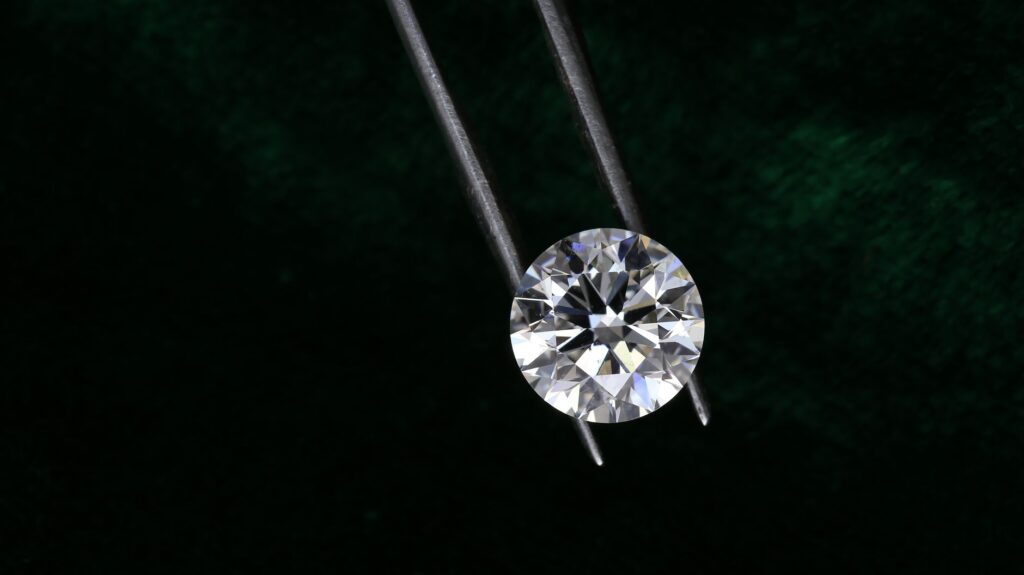
Diamond optical symmetry is the visual alignment of a diamond’s facets, especially how the reflections and patterns line up when the stone is viewed face up. In a round brilliant diamond, it is often discussed in connection with hearts and arrows precision, where the internal reflections create crisp, evenly arranged patterns. The more exact the alignment, the more organized and symmetrical the visual pattern tends to be.
In simple buying terms, optical symmetry is about how precisely the diamond was cut, not just whether it meets basic shape proportions. It can contribute to a more balanced and refined appearance, especially in round diamonds with excellent craftsmanship. However, most buyers will notice the effects only when comparing stones side by side or examining a diamond under magnification.
Optical symmetry is important, but it is not the same as the general lab grading term “symmetry,” and it is not always listed on standard grading reports. That means shoppers need to understand it as part of the broader picture of cut quality, not as a standalone guarantee of beauty. A diamond can still look attractive without perfect optical symmetry, especially if its proportions and polish are strong.
Understanding Diamond Optical Symmetry in Simple Terms
What “symmetry” means in diamond buying
In diamond grading, symmetry refers to how closely matching and orderly the facets, points, and angles are. If the facets line up well, the diamond tends to return light more evenly and create a cleaner visual pattern. If they are uneven, the stone may look a little less crisp, even if the issue is not obvious to the naked eye.
Optical symmetry is a more specific idea. It focuses on the way those facets work together visually, especially the reflection pattern you see when looking at the diamond from above. This is different from a diamond simply having a polished surface or a standard “Very Good” symmetry grade on a report.
How optical symmetry differs from standard symmetry
Standard symmetry on a grading report is usually an overall assessment of facet alignment, shape, and finish. Optical symmetry goes a step further by examining how those facet relationships affect the appearance of light and pattern. A diamond can sometimes receive a strong symmetry grade without showing especially precise optical patterning.
This distinction matters for shoppers because the grading report tells you part of the story, but not always the complete visual story. If you care about a diamond that looks especially crisp and balanced, optical symmetry can be an additional quality marker. It is most relevant for buyers comparing premium round brilliants, including many lab grown diamonds sold as precision-cut stones.
Why round brilliant diamonds come up most often
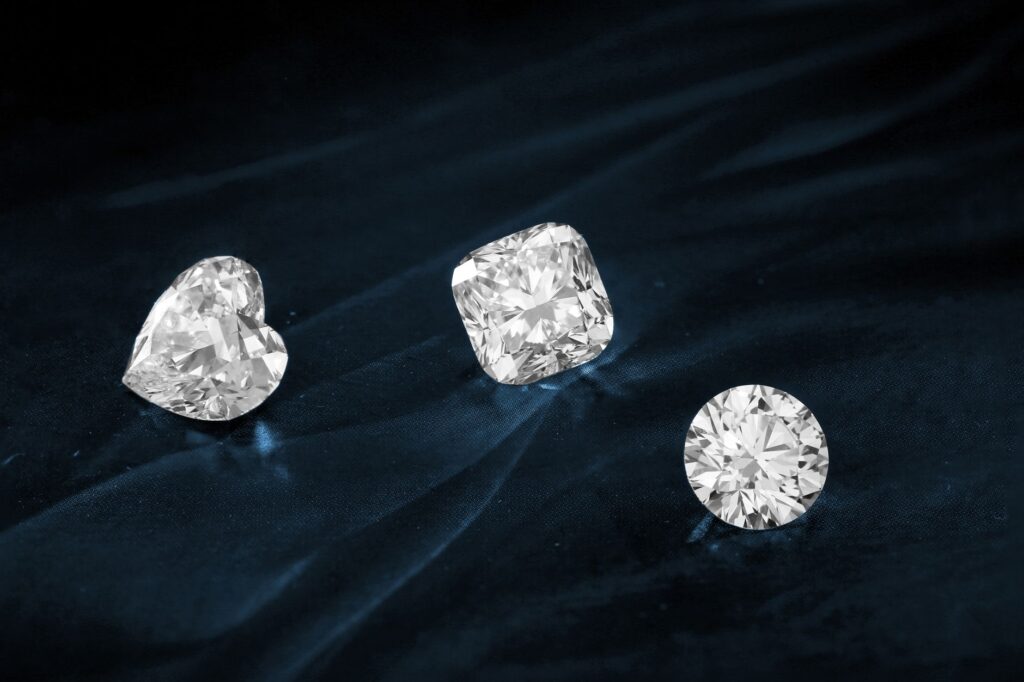
Optical symmetry is discussed most often in round brilliant diamonds because that shape is designed to maximize brightness and sparkle through a highly structured facet arrangement. Small variations in facet placement can show up more clearly in the pattern of reflections. Other shapes, such as princess, oval, cushion, and emerald, also have cut precision issues, but the term optical symmetry is most often used in the context of round stones.
That does not mean other shapes do not benefit from careful cutting. They do. It simply means the language around symmetry and optical patterning is most established in round brilliants, where buyers can sometimes see clear differences between a well-optimized diamond and one that is merely average.
Why Diamond Optical Symmetry Matters
It affects how organized the stone looks
A diamond with strong optical symmetry often looks more orderly. The reflections appear to repeat in a balanced way, which can make the diamond feel crisp and intentionally crafted. Many buyers describe this as a “clean” look, even if they do not know the technical reason behind it.
This does not mean every symmetrical diamond looks dramatically better from across a room. The effect is usually more noticeable in close viewing, especially under jewelry store lighting or natural light near a window. Still, for buyers who appreciate craftsmanship, the difference can be meaningful.
It can improve the impression of sparkle consistency
Sparkle is not only about how much a diamond flashes. It is also about how evenly those flashes appear. When the facets are aligned well, the sparkle can look more consistent and structured rather than random or slightly chaotic.
That said, sparkle is influenced by many factors, including cut proportions, facet angles, polish, and diamond shape. Optical symmetry is one piece of the puzzle, not the whole picture. A diamond with excellent optical symmetry but poor proportions may still disappoint visually.
It matters more to some buyers than others
Some shoppers care deeply about precision, especially when choosing a high-value engagement ring or a premium lab grown diamond. Others care more about size, color, or staying within budget. Optical symmetry is most relevant when you want the best possible visual refinement, not simply the biggest stone for the money.
If you are shopping for a diamond as a symbol piece or long-term purchase, attention to optical symmetry can help you avoid subtle disappointment. If your priority is getting the largest diamond at a set budget, you may choose to place that money elsewhere, such as on better proportions, higher cut grade, or a preferred setting.
How Diamond Optical Symmetry Affects Appearance
Sparkle
Sparkle refers to the flashes of light you see as the diamond moves. Strong optical symmetry can help those flashes appear more organized and even. This is especially noticeable when the diamond is rotated under bright light or viewed in motion.
To most buyers, the difference is not usually a simple yes-or-no issue. Instead, it is often a matter of how refined the diamond looks compared with similar stones. A diamond with excellent optical symmetry may appear more deliberate and balanced, while a less precise stone may look a bit less structured.
Brilliance
Brilliance is the overall white light return from a diamond. Good optical symmetry can support brilliance by helping the facet pattern work together efficiently. When the facet arrangement is accurate, light tends to be returned in a more uniform way.
However, brilliance depends heavily on cut proportions and face-up geometry. A diamond can have excellent optical symmetry and still not be especially bright if the proportions are off. Buyers should think of optical symmetry as a quality enhancer, not a substitute for well-executed cut design.
Fire
Fire is the colored flash of light a diamond produces when it splits white light into spectral colors. Optical symmetry does not directly create fire, but it can help present those colored flashes more cleanly. In a well-cut round brilliant, fire and symmetry together can create a more pleasing, balanced visual performance.
Buyers sometimes expect fire to be dramatic in every lighting condition, but that is not realistic. Fire shows best under spot lighting or other light sources with distinct points. Optical symmetry may help the pattern look more refined, but it will not transform a diamond into something it is not.
Scintillation
Scintillation is the pattern of light and dark flashes you see as the diamond moves. This is one of the most noticeable aspects of sparkle in real life. Strong optical symmetry can improve scintillation by making the pattern more even and visually appealing.
When symmetry is weaker, the flashes may still be bright, but the pattern can appear less balanced. Some buyers may not care, while others notice it immediately when comparing stones side by side. This is one reason experienced jewelers often say the best cut diamonds “look alive” in motion.
Brightness and light return
Brightness is closely related to how efficiently a diamond returns light to the eye. Optical symmetry supports that process by helping facets interact in a coordinated way. Better alignment often means less wasted light and a more uniform face-up look.
Still, brightness is not determined by symmetry alone. Table size, depth, crown angle, pavilion angle, and overall proportions all affect light return. If those basics are weak, optical symmetry cannot fully rescue the diamond’s appearance.
Face-up appearance
Face-up appearance is how the diamond looks from the top, which is how most people will see it in a ring. Optical symmetry can create a more pleasing pattern when the stone is viewed this way. The effect is often subtle at arm’s length, but it becomes more apparent when comparing diamonds carefully.
This is one reason some buyers feel that precision-cut diamonds look more “finished.” The stone does not just sparkle, it sparkles in a pattern that feels balanced. That visual order is what optical symmetry contributes to the buying experience.
What Buyers Actually Notice in Real Life
Many diamond terms sound dramatic in theory, but the real question is whether the average shopper can see the difference. With optical symmetry, the answer is usually yes, but only under certain conditions. It is rarely something a person notices from several feet away in casual lighting.
Most buyers see the strongest differences when they compare two diamonds side by side, especially under a jewelry store light or in bright daylight. A diamond with strong optical symmetry often appears more crisp, more organized, and sometimes more “premium” even if the difference is hard to describe in words. A less precise diamond may still be beautiful, but its pattern can look slightly softer or less structured.
One practical point is that optical symmetry is easier to see in round brilliant diamonds than in most other shapes. If you are buying an oval, emerald, or cushion cut, other factors like facet pattern, bow-tie effect, and overall proportions may matter more for what you notice day to day.
Optical Symmetry, Symmetry Grade, and Polish: How They Work Together
| Term | What it means | What buyers usually see | Why it matters |
|---|---|---|---|
| Symmetry grade | General assessment of how well the facets, shape, and finish line up | Usually subtle unless the stone is poorly finished | Helps indicate overall cutting precision |
| Polish | How smooth and well-finished the facet surfaces are | Impacts surface luster, usually not easy to see at a glance | Can affect the sharpness and cleanliness of reflections |
| Optical symmetry | How visually aligned the reflection pattern appears face up | Can be noticed as crisp, balanced, orderly light patterns | Contributes to refined light performance and patterning |
These three ideas overlap, but they are not identical. A diamond with excellent polish and symmetry grade may still not have ideal optical symmetry if the facet relationships are not especially precise. Likewise, a diamond with strong optical symmetry needs good polish to show the best possible visual result.
For buyers, the important takeaway is that cut quality is a combination of many factors. Focusing on only one term can lead to poor decisions. The goal is to understand how the report, proportions, and actual visual appearance work together.
How Optical Symmetry Relates to Hearts and Arrows
What hearts and arrows means
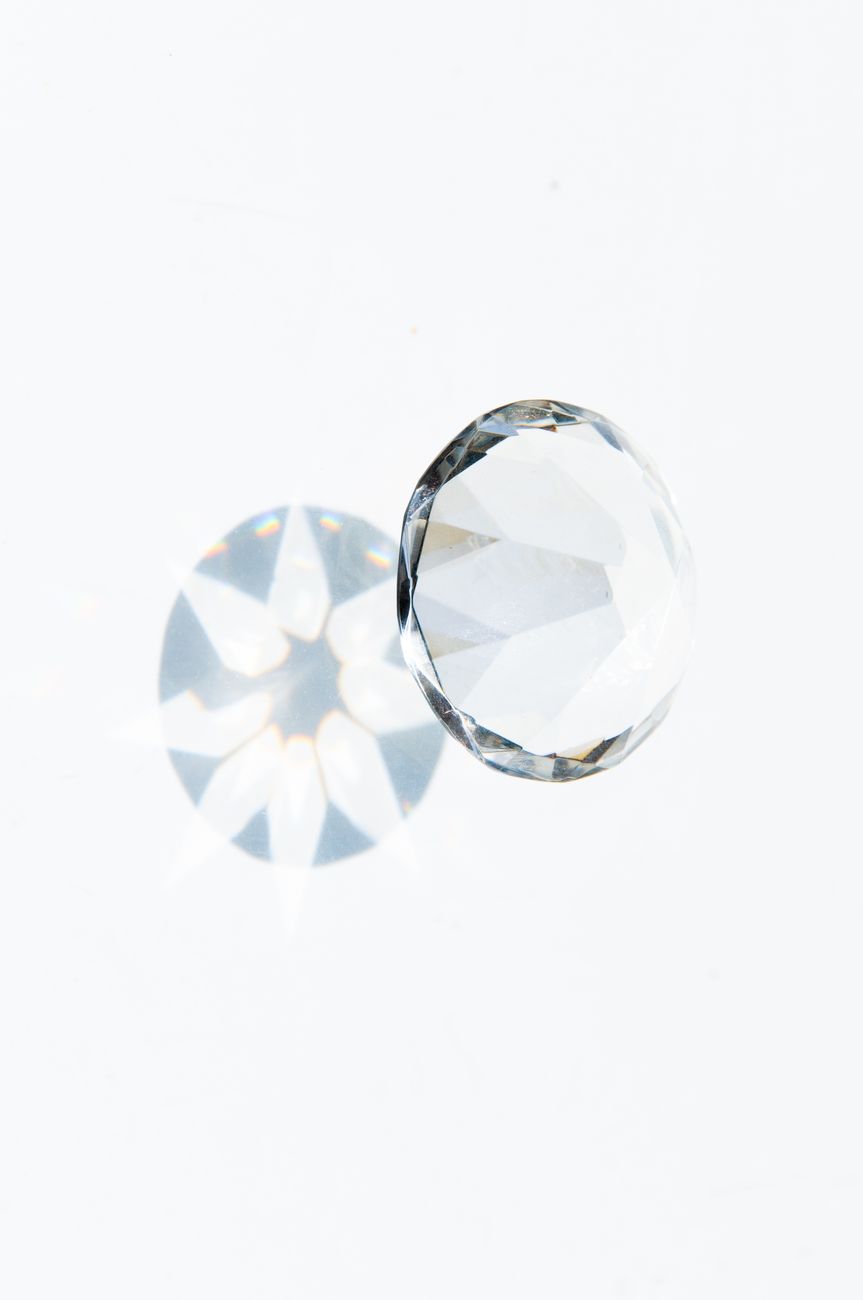
Hearts and arrows is a visual pattern seen in some precisely cut round brilliant diamonds when viewed through special tools. The “arrows” appear from the top view, and the “hearts” appear from the bottom view. This pattern is associated with very precise facet alignment and strong optical symmetry.
It is important to understand that hearts and arrows is not a basic guarantee of superior beauty by itself. It is one sign of precision, not a complete quality assessment. A diamond can show a strong pattern and still need good proportions to perform well.
Why some buyers care about it
Many buyers like hearts and arrows because it is a visible sign of craftsmanship. It often indicates that the diamond was cut with careful attention to detail. For shoppers who value precision, it can be reassuring to see that the stone was made to a high standard.
That said, not every buyer needs hearts and arrows specifically. Some people will never inspect a diamond with a scope or magnifier, and for them the practical question is simply whether the diamond looks bright, lively, and balanced in normal wear. If the diamond performs well face up, that may be enough.
Limitations of hearts and arrows as a buying tool
Hearts and arrows is most useful when it is verified by an experienced seller or independent imaging. It should not be assumed based only on marketing language. Some diamonds are described as “H&A style” or “hearts and arrows inspired,” which can mean the pattern is not fully crisp or complete.
Buyers should also remember that hearts and arrows is mainly relevant to round brilliants. It is not the main language used to evaluate most fancy shapes. For those shapes, the focus should shift to overall cut quality, symmetry, face-up pattern, and specific shape-related issues.
How Optical Symmetry Affects Value
When paying more can make sense
Paying more for strong optical symmetry can make sense if you want a diamond with refined visual performance and you appreciate precision. This is often the case for buyers choosing a center stone for an engagement ring or a special milestone piece. In those situations, the stone is expected to be looked at closely for years.
It can also make sense when you have already optimized the basics. If you have a diamond with excellent cut proportions, good color, and clarity that meets your visual needs, investing a bit more in optical symmetry may be worthwhile. At that point, the premium is paying for refinement rather than merely covering a flaw.
When the premium may be less worthwhile
If the budget is tight, a premium for optical symmetry may not be the best use of money. In many cases, a diamond with slightly less precise optical symmetry but stronger overall proportions, better size, or a more flattering shape will offer greater visible value. Buyers usually notice size and general brightness before they notice very fine symmetry differences.
This is especially true in lab grown diamonds, where pricing is often more flexible. A shopper may be able to choose a larger or better overall-performing stone without needing to pay extra for the most precise optical symmetry available. That trade-off depends on priorities.
Diminishing returns
Like many diamond quality factors, optical symmetry can have diminishing returns. Moving from poor to good often creates a visible improvement. Moving from very good to excellent may create a smaller, more nuanced gain that is only obvious to careful observers.
For that reason, buyers should avoid treating optical symmetry as an all-or-nothing standard. It is one of several quality markers, and the best value usually comes from balancing it with cut proportions, face-up appearance, and total budget.
Practical Buying Examples
Example 1: A well-cut 1.5-carat diamond versus a poorly cut 2-carat diamond
Many first-time buyers assume the 2-carat diamond will always look better because it is larger. In practice, a well-cut 1.5-carat diamond can look brighter, more lively, and more visually attractive than a poorly cut 2-carat stone. If the larger diamond leaks light or has weak optical symmetry, the extra size may not translate into better beauty.
This is a common lesson in diamond buying. Carat weight tells you size potential, but cut quality determines how effectively that size is displayed. A smaller diamond with strong optical symmetry often appears more polished and appealing to the eye.
Example 2: Excellent Cut versus Very Good Cut in everyday lighting
The difference between Excellent and Very Good cut can be subtle or noticeable depending on the stone. In a side-by-side comparison, an Excellent cut diamond with strong optical symmetry may show more orderly flashes and a cleaner pattern. A Very Good cut diamond may still look beautiful, but the sparkle can be slightly less refined.
In everyday lighting, most buyers will not see a dramatic difference from across the room. But when the diamonds are compared directly in natural daylight or under bright store lighting, the Excellent cut stone often looks a bit more crisp and balanced. That is the kind of difference many shoppers pay for when they choose a premium cut.
Example 3: Higher clarity with poor cut versus lower clarity with excellent cut
A diamond with very high clarity can still look underwhelming if the cut is poor. In that case, the stone may appear dull or have uneven light return, which reduces its overall beauty. On the other hand, a lower clarity diamond with excellent cut and strong optical symmetry can look more vibrant and pleasing because the eye is drawn to sparkle rather than minor inclusions.
This is one reason experienced shoppers often prioritize cut before clarity. Unless inclusions are obvious or structurally risky, a better-cut diamond often gives more visible value than a cleaner but weaker-performing stone.
Advantages of Strong Diamond Optical Symmetry
- Can create a more balanced and refined face-up appearance
- May improve the visual organization of sparkle and scintillation
- Often indicates careful craftsmanship and precise cutting
- Can support a premium feel in round brilliant diamonds
- May be especially appealing to buyers who value fine visual detail
These advantages are real, but they are best understood as refinements rather than dramatic transformations. Strong optical symmetry often improves the experience of looking at a diamond, especially in close viewing. It does not replace good overall cut proportions.
Disadvantages and Limitations
- It is not always easy to judge without specialized tools or side-by-side comparisons
- It can add cost without creating a dramatic visible difference for every buyer
- It is most relevant for round brilliant diamonds, not every shape
- It does not guarantee strong brightness if proportions are poor
- It may be overemphasized in marketing relative to its actual everyday visibility
The biggest limitation is that optical symmetry is often a refinement issue, not a make-or-break issue. Many diamonds with only moderate symmetry still look attractive in normal wear. If a buyer pays a large premium, it should be because the visual gain is meaningful to them, not because the term sounds impressive.
Buying Considerations for Lab Grown Diamonds
Why optical symmetry comes up often in lab grown stones
Lab grown diamonds are frequently sold with an emphasis on precision and value. Because the growth and cutting process can be controlled closely, many lab grown diamonds available in the market today have strong cut quality and appealing optical symmetry. This makes the topic especially relevant for shoppers comparing lab grown diamonds against natural stones.
Even so, the same rules apply. A lab grown diamond can still have weak proportions, uneven symmetry, or visual issues if it was not cut well. Buyers should not assume that all lab grown diamonds automatically have excellent performance simply because they were produced with modern technology.
What to look for on reports and imaging
If a grading report includes symmetry and polish, those grades are a useful starting point. However, they do not tell the whole story. Buyers should also look for additional imaging or videos when available, especially if the diamond is advertised as precision-cut or hearts and arrows.
For lab grown diamonds, this can be especially helpful because many shoppers are trying to balance size, price, and appearance. Seeing the actual light performance and face-up pattern may matter more than relying on technical descriptions alone. This is where learning about diamond cut, proportions, and optical symmetry becomes very practical.
Balancing optical symmetry with budget
Lab grown diamond pricing often gives buyers more room to prioritize visual performance. In some cases, that means a shopper can choose a slightly smaller stone with excellent optical symmetry or keep the size and still improve cut quality. The best choice depends on what matters most in the finished ring.
If a buyer is focused on size above all else, they may accept less precision. If the goal is a highly polished appearance, spending a little more for better cutting can be justified. The important part is knowing what the premium buys.
Common Buyer Mistakes
Prioritizing carat over cut
One of the most common mistakes is choosing the largest diamond within budget without enough attention to cut. A larger stone with poor optical symmetry and weak proportions may look less attractive than a smaller stone with excellent cutting. Size matters, but only if the diamond looks good face up.
Assuming all sparkle is equal
Some buyers think any diamond that reflects light well is performing at the same level. That is not true. Sparkle can be bright, but it can also be messy, uneven, or poorly organized. Optical symmetry helps create a more refined version of sparkle, which is why two diamonds with similar size can look different in person.
Overpaying for terminology instead of appearance
Terms like optical symmetry, hearts and arrows, and excellent symmetry sound impressive, but buyers should always connect them to visible results. If the diamond does not actually look better in normal viewing conditions, the premium may not be worth it. Good buying means paying for what you can see, not just for what sounds technical.
Ignoring the rest of the cut factors
Some shoppers fixate on one detail and ignore proportions, polish, and shape. Cut quality works as a system. If one part is strong but another is weak, the diamond may not perform as well as the report or marketing suggests.
Not comparing stones in similar lighting
Light conditions can change how symmetry and sparkle appear. A diamond viewed only under dim store lighting may not reveal the same differences you would notice in daylight or office lighting. Whenever possible, compare diamonds under similar conditions so you do not mistake lighting effects for cut quality.
How to Evaluate Diamond Optical Symmetry as a Buyer
Start with the grading report
Use the report as a first filter. Look at cut grade, symmetry, and polish, and check whether the diamond comes from a respected grading laboratory. For round diamonds, strong overall cut grading is usually a good sign, but it should not be the only factor you consider.
Look at videos or images if available
High-quality photos and videos can reveal whether the diamond’s reflections look crisp and orderly. If the stone is shown from multiple angles, you may be able to spot whether the pattern looks balanced or slightly uneven. This is especially helpful when shopping online.
Ask what the seller means by precision-cut
If a seller uses language like “optical symmetry,” “hearts and arrows,” or “precision cut,” ask what that means in practical terms. Is the diamond graded or imaged to support the claim? Is the difference visible in a video? A good seller should be able to answer clearly without relying on vague marketing terms.
Trust your eyes, not just the terminology
Ultimately, the diamond should look good to you in the conditions where it will be worn. If the stone has strong optical symmetry and also looks bright, balanced, and appealing, that is a strong sign. If the technical language sounds impressive but the diamond does not look special, keep comparing.
Frequently Asked Questions
Is diamond optical symmetry the same as symmetry on a grading report?
No. Symmetry on a grading report is a general assessment of facet alignment and finish. Optical symmetry is a more specific visual concept that focuses on how the facet arrangement appears face up and how the pattern of light is organized.
Can I see optical symmetry without special tools?
Sometimes, but not always. The differences are easiest to notice when comparing diamonds side by side or when viewing high-resolution images and videos. In everyday wear, most people will notice the overall sparkle and balance more than the technical symmetry itself.
Does optical symmetry matter more in lab grown diamonds?
Not inherently, but it often comes up more because many lab grown diamonds are marketed with precision and value in mind. The same visual principles apply to natural and lab grown stones. What matters is the actual cut quality, not the origin of the diamond.
Is optical symmetry worth paying extra for?
It can be, if you value refined visual performance and have already taken care of the major cut factors. If budget is limited, you may get more noticeable improvement by prioritizing overall cut quality, brightness, or a preferred size. The premium is most justified when the difference is visible to you.
Does optical symmetry affect durability?
Not directly. Durability depends more on the diamond’s shape, facet structure, setting, and whether the stone has vulnerable points like sharp corners or thin edges. Optical symmetry is mainly about appearance and light behavior.
Is hearts and arrows always better?
Not automatically. Hearts and arrows is a sign of precision in round brilliant diamonds, but it does not replace the need for good proportions and strong overall performance. A diamond should be judged by how it looks, not by one pattern alone.
Should I choose a diamond with excellent optical symmetry over a larger diamond?
That depends on your priorities. If beauty and refinement matter most, a smaller but better-cut diamond can often be the better visual choice. If size is the main goal, you may accept a bit less precision to stay within budget.
Does optical symmetry apply to fancy-shaped diamonds?
Yes, but the term is used less often. Fancy shapes like oval, cushion, emerald, and pear are usually evaluated more by shape quality, facet pattern, brilliance, and shape-specific visual issues. Round brilliants are where optical symmetry is most discussed.
Conclusion
Diamond optical symmetry is the visual precision of a diamond’s facet arrangement and light pattern. It matters because it can make a stone look more balanced, crisp, and refined, especially in round brilliant diamonds. For buyers, the practical value is not in the term itself, but in how it affects the diamond’s real-world appearance.
If you are comparing diamonds, remember that optical symmetry is only one part of cut quality. Overall proportions, polish, symmetry grade, and light performance all work together. A diamond with strong optical symmetry can look more elegant and organized, but it should still be judged as part of the full package.
The most useful approach is simple: compare diamonds in similar lighting, review videos when possible, and pay attention to what your eyes actually see. For many buyers, the best diamond is not the one with the most technical language attached to it, but the one that looks brightest, most balanced, and most satisfying in everyday wear.