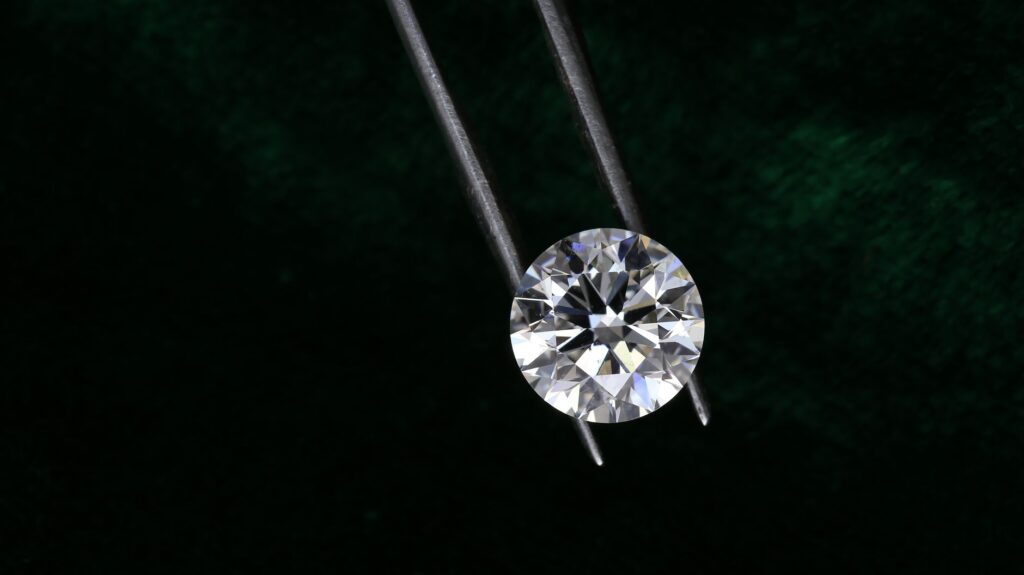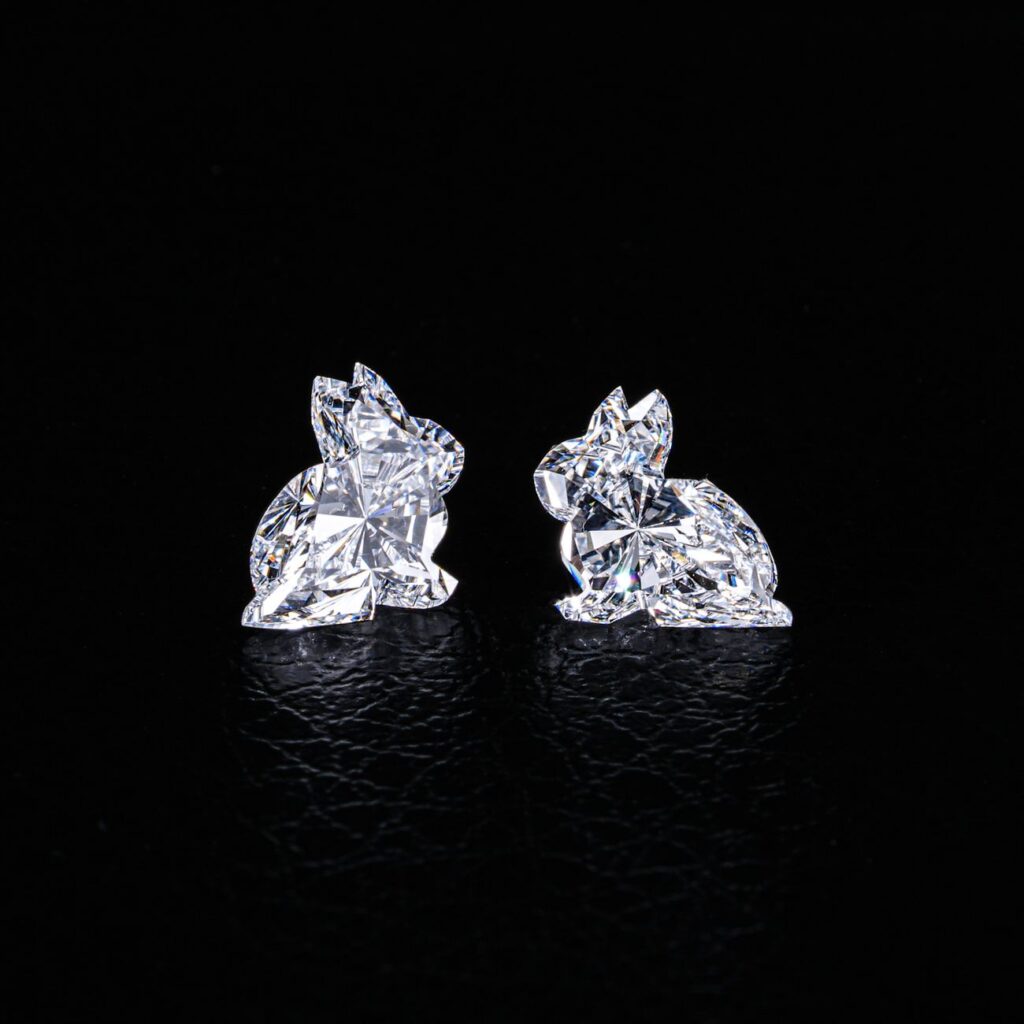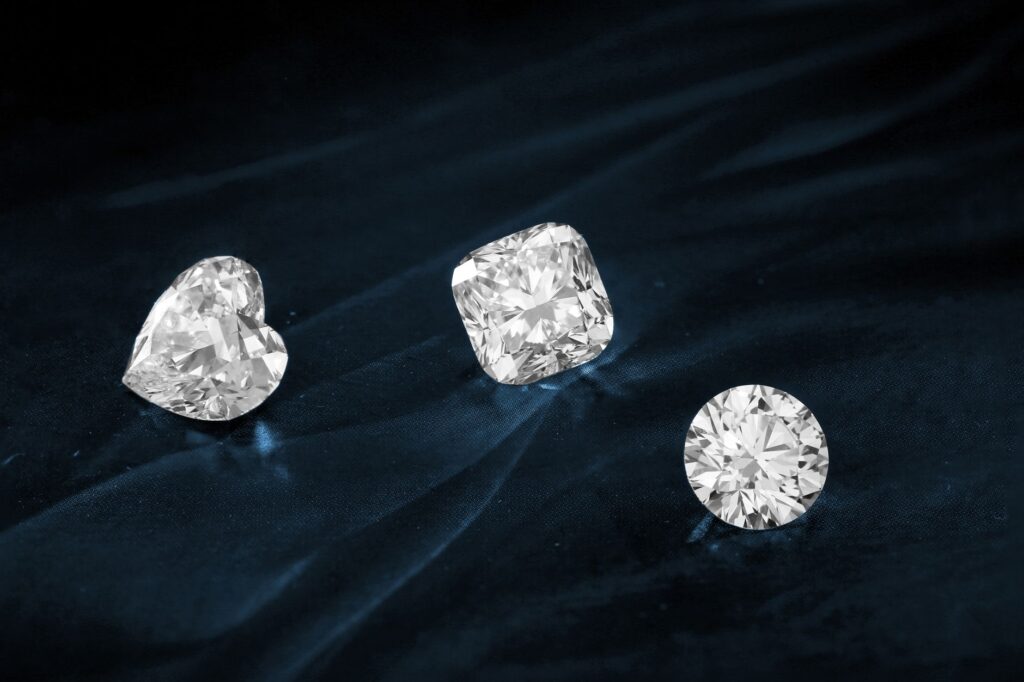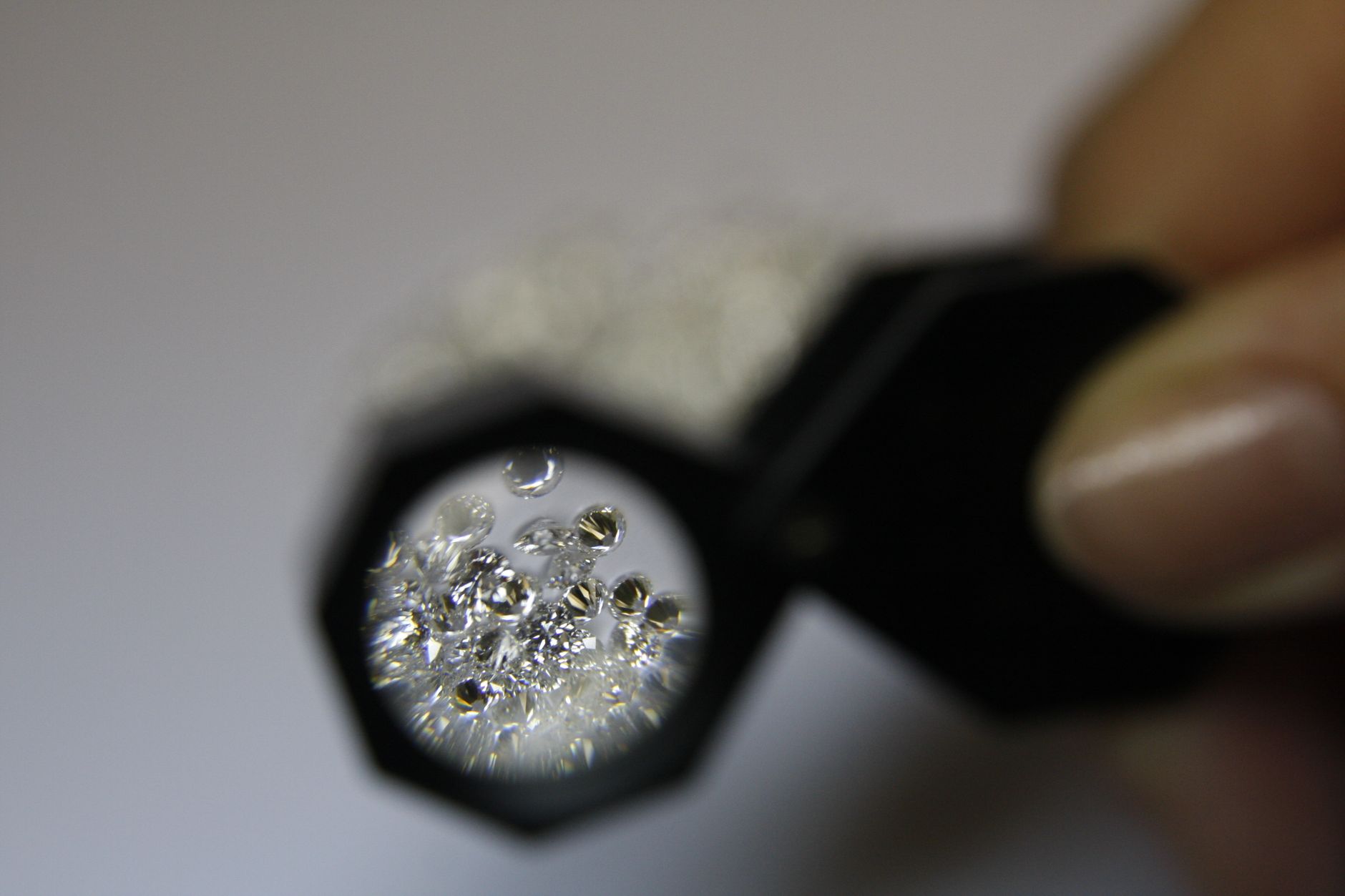
When people ask What Is FL Diamond Clarity, they are usually trying to understand whether the highest clarity grade is worth paying for, and whether it makes any visible difference in a real diamond. FL stands for Flawless, which means no inclusions or blemishes are visible under 10x magnification to a trained grader. In simple terms, it is the top of the clarity scale.
For most buyers, the more important question is not whether FL is the best grade on paper, but whether that extra clarity matters in everyday viewing. In many cases, the answer is no. A well chosen VS or SI diamond can look just as clean to the naked eye, especially in a smaller size or a well cut stone.
This is especially relevant in lab grown diamonds, where high clarity grades are more common and often cost less than they do in natural diamonds. That gives buyers more room to compare value, appearance, and budget without assuming that the highest clarity grade is automatically the smartest choice.
Quick Answer
FL diamond clarity means a diamond is flawless under 10x magnification, with no internal inclusions and no external blemishes visible to the grader. It is the highest clarity grade used in standard diamond grading reports.
In everyday life, most buyers will not be able to tell an FL diamond apart from a very high quality VS1, VS2, or even some SI1 diamonds if those stones are eye clean. The difference is mainly found under magnification, not in normal wear.
Because of that, FL clarity is usually about rarity and grading prestige rather than visible beauty. Some buyers value that exclusivity, but many others get better practical value by choosing a lower clarity grade and focusing more on cut, size, and overall appearance.
Understanding FL Diamond Clarity
What FL means
FL stands for Flawless. In diamond grading, it means that when a professional grader examines the stone under 10x magnification, they cannot find any internal inclusions or external blemishes. That does not mean the diamond is perfect in an absolute sense. It means no imperfections were seen at the standard grading magnification.
Diamond clarity is graded on a scale that typically includes FL, IF, VVS1, VVS2, VS1, VS2, SI1, SI2, and lower grades such as I1. FL sits at the top. It is followed by IF, which means internally flawless. IF diamonds have no internal inclusions visible under magnification, but they may have tiny surface blemishes.
How FL differs from IF and VVS
The difference between FL and IF is small on paper but still meaningful in grading terms. FL means no inclusions and no blemishes are seen. IF means no inclusions are seen, but minor surface marks may exist. To most shoppers, both grades look exceptionally clean.
Below those grades are the VVS categories. VVS stands for Very Very Slightly Included. These diamonds contain extremely tiny inclusions that are very difficult to see under magnification. In real-world viewing, many VVS diamonds appear identical to FL or IF stones.
| Clarity Grade | What It Means | Visible to the Naked Eye? | Typical Buyer Impact |
|---|---|---|---|
| FL | No inclusions or blemishes seen at 10x | Usually no | Top-tier rarity, highest price premium |
| IF | No inclusions seen at 10x, minor blemishes possible | Usually no | Very high clarity, slightly less rare than FL |
| VVS1 / VVS2 | Very tiny inclusions that are difficult to see | Usually no | Excellent visual quality, often better value |
| VS1 / VS2 | Minor inclusions that are somewhat easier to detect under magnification | Often no | Strong value for many buyers |
| SI1 / SI2 | Slight inclusions that may be visible under magnification or sometimes to the eye | Sometimes | Can offer excellent value if eye clean |
How FL is determined
Clarity is evaluated by trained diamond graders using controlled lighting and magnification. They look for both inclusions, which are internal characteristics, and blemishes, which are surface features. A diamond earns an FL grade only if nothing is seen at that level under the grading standard.
That process is precise, but it is also narrow. It does not mean the diamond will look different in normal jewelry wear. It simply means the stone met the strictest internal grading standard.
Why FL Diamond Clarity Matters
It sets the top end of the clarity scale
FL matters because it represents the highest clarity grade available on most diamond reports. For buyers who want the rarest possible clarity designation, FL is the benchmark.
It can also be useful as a reference point. Once you understand FL, it becomes easier to compare other grades and decide where the practical cutoff is for your own priorities.
It affects price, even when appearance is similar
Clarity grades do affect pricing, but not always in a way that tracks visible improvement. A move from VVS to FL can cause a noticeable price increase, even though the visual difference is usually minimal or nonexistent to the naked eye.
This is why clarity often becomes a value question. If two diamonds look the same in normal viewing, the more expensive one may only be justified if the grading prestige matters to the buyer.
It matters differently in lab grown diamonds
In lab grown diamonds, FL and IF grades are more common than many shoppers expect. The growth environment can produce very clean stones, and lab grown inventory often includes a higher percentage of high clarity diamonds compared with natural diamond supply.
That means buyers may see more FL lab grown diamonds in search results. Even so, the same practical question applies: if the stone already looks eye clean, is the extra clarity grade worth the added cost?
How FL Diamond Clarity Affects Appearance
What buyers actually see
In most cases, buyers cannot see the difference between FL and the next few clarity grades without magnification. Under normal viewing conditions, the eye is usually more affected by cut quality, color, lighting, and diamond shape than by the distinction between FL and IF or VVS.
This is especially true once the diamond is set in a ring. Prongs, mounting style, finger movement, and everyday lighting all influence what is visible more than a microscopic clarity difference does.
Eye-clean appearance versus top clarity
Many shoppers care most about whether a diamond is eye clean, which means no inclusions are visible to the naked eye from a normal viewing distance, usually around 6 to 12 inches. A diamond does not need to be FL to be eye clean.
In fact, many VS and some SI diamonds are eye clean. If a buyer’s goal is a diamond that looks clean in everyday use, a lower clarity grade may offer better value than paying for FL.
Why cut can matter more than clarity for appearance
Cut affects how much light returns to the eye, which influences sparkle, brightness, and the stone’s overall lively appearance. A well cut diamond can also help mask minor inclusions because the eye is drawn more to brilliance than to internal detail.
That is why experienced buyers often prioritize cut before chasing flawless clarity. A super high clarity grade in a poorly cut diamond does not create a stronger visual impression than an excellent cut with slightly lower clarity.
Shape can influence visibility
Some diamond shapes reveal inclusions more easily than others. Round brilliant diamonds often hide small inclusions well because of their facet pattern and sparkle. Elongated or step cut shapes, such as emerald cut and oval, may show inclusions more readily because their facet structure can be less forgiving.
So even if FL is the top clarity grade, it is not equally important for every shape. Buyers comparing diamond shapes should think about how the shape affects clarity visibility in real life.
How FL Diamond Clarity Affects Value
When the premium may make sense
An FL diamond may make sense for a buyer who values top grading prestige, wants the rarest clarity designation, or is selecting a stone for a very specific reason where microscopic perfection matters. Some collectors and highly detail focused buyers appreciate that level of grading rarity.
FL can also appeal to buyers who simply want peace of mind and prefer to choose the top grade available, even if the visible benefit is limited. That is a personal preference, not a universal necessity.
When it may not be the best value
For many buyers, the premium for FL clarity is hard to justify because the visible difference is usually negligible. Once a diamond is already eye clean, additional clarity improvements often yield diminishing returns.
In practical terms, that money may be better used on a stronger cut, a slightly larger carat weight, a better color grade, or a setting that better suits the stone. Those choices can have a bigger impact on what the jewelry actually looks like.
Common value sweet spots
Value often improves in the VS range, and sometimes in eye-clean SI1 stones, depending on shape, size, and inclusion placement. These grades can provide an excellent balance of visual cleanliness and price efficiency.
For lab grown diamonds in particular, shoppers often find that a well chosen VS1, VS2, or eye-clean SI1 offers the best combination of beauty and value. FL is available, but not always necessary for a satisfying result.
Practical Examples of FL Compared With Other Grades
FL versus IF
FL and IF are both very high clarity grades. The practical difference is that FL has no visible inclusions or blemishes under 10x magnification, while IF may have tiny surface blemishes but no internal inclusions.
Most buyers would not notice the difference in normal viewing. If the price difference is large, IF often makes more sense from a value standpoint. If the buyer wants the absolute top clarity grade on paper, FL is the higher designation.
FL versus VVS1 and VVS2
VVS stones contain tiny inclusions that are extremely difficult to find under magnification. In real-world viewing, they often look indistinguishable from FL or IF diamonds.
For many shoppers, VVS is a smarter value point than FL because the appearance gap is usually minimal while the price may be meaningfully lower. This is one reason VVS grades are popular in lab grown diamonds.
FL versus VS1 and VS2
VS1 and VS2 stones usually have minor inclusions that are visible to a grader under magnification, but still often invisible to the naked eye. Many experienced buyers consider these grades the practical sweet spot for everyday jewelry.
If the diamond is eye clean, VS grades often provide a better balance than FL. The buyer gets a clean looking stone without paying for microscopic perfection that may not be visible once the diamond is set and worn.
FL versus SI1
SI1 is where buying decisions become more nuanced. Some SI1 diamonds are eye clean, while others show inclusions from a normal viewing distance. The difference depends on the type of inclusion, its location, the diamond shape, and the stone’s size.
An eye-clean SI1 can be a strong value buy. A non-eye-clean SI1 may be less suitable if the buyer wants a clean appearance without visible imperfections. FL is more predictable, but not always necessary if the SI1 is carefully selected.
Common Inclusion Types and Why They Matter
Understanding inclusions helps buyers move beyond the grade label and judge whether a diamond will actually look clean. Not all inclusions affect the eye in the same way, and not all should be treated as equally serious.
Feather
A feather is a small internal fracture or fissure that can look like a tiny white or translucent line. Many feathers are harmless and have no visual effect, especially when they are small and away from the surface.
Buyers should pay attention if a feather is located near the edge of the stone or appears large enough to raise durability concerns. Most small feathers do not make a diamond fragile, but a jeweler should review anything that seems close to a thin point or girdle area.
Crystal
A crystal is a mineral crystal trapped inside the diamond. It may appear white, transparent, or sometimes dark depending on the material and lighting.
Crystals are common and often not a durability issue. They can, however, be visible if they are large enough or located near the center of the stone. In an FL diamond, no crystal should be visible under grading magnification.
Cloud
A cloud is a group of tiny inclusions that can create a hazy area when dense enough. Small clouds often do not affect appearance, but heavier clouds can reduce transparency or brilliance.
This is one of the inclusion types buyers should take seriously if a report mentions it prominently. A diamond can have a high clarity grade and still look slightly less lively if a cloud affects light return.
Needle
A needle is a long, thin inclusion that looks like a tiny line. Needles are often very small and may not be visible without magnification.
Most needles are not a concern unless they cluster together or create a visible pattern. They rarely affect durability by themselves.
Pinpoint
A pinpoint is a tiny dot-like inclusion. One pinpoint usually does not matter. A group of pinpoints can contribute to a cloud or make a stone less transparent in a specific area.
Pinpoints are among the least concerning inclusions in many diamonds. They are often part of what makes a diamond SI1 or VS rather than flawless, but they may not be visible at all in everyday wear.
Twinning wisp
A twinning wisp is a series of internal growth-related features common in some diamonds, including lab grown diamonds. It can appear as a subtle line, haze, or pattern of tiny inclusions.
These features may be difficult to see and are not automatically a problem. Their importance depends on density, placement, and whether they affect the diamond’s overall transparency.
Knot
A knot is a crystal that reaches the surface of the diamond and may protrude slightly. Because it connects the interior to the exterior, it can be more relevant to durability than many other inclusion types.
Knots are less common in high clarity diamonds. When present, they deserve closer inspection because they can be visible and may affect polishing or wear over time.
Cavity
A cavity is a small opening or indentation in the diamond surface, often caused when a crystal or inclusion is removed during cutting or polishing.
Small cavities may be harmless, but larger ones can be visible and can catch dirt. They deserve more attention if they are near the surface or in a place that is easy to see.
Chip
A chip is a surface break or missing piece. Unlike many internal inclusions, chips are a durability and wear concern, especially if they are near the edge or a facet junction.
A diamond with a chip may still be wearable, but it should be evaluated carefully by a professional. Chips are generally more concerning than tiny internal marks because they can worsen with impact.
Advantages of FL Diamond Clarity
- Top clarity grade: FL is the highest standard grade and is recognized as the clearest category under magnification.
- Very rare: It is uncommon in natural diamonds and still selective in lab grown inventory depending on size and shape.
- Minimal visible imperfections: If a buyer wants the cleanest possible grading result, FL delivers that.
- Peace of mind for detail focused buyers: Some people prefer knowing they purchased the highest grade available.
- Useful for collectors: For certain buyers, rarity and grading precision are part of the appeal.
Disadvantages and Trade-Offs
- Often little visual difference: FL usually looks the same as several lower grades to the naked eye.
- Higher price premium: Buyers may pay more for grading rarity rather than visible improvement.
- Diminishing returns: Once a diamond is eye clean, extra clarity often offers limited real-world benefit.
- Opportunity cost: Money spent on FL may reduce budget available for cut, size, or color.
- Not always necessary for satisfaction: Many buyers are equally happy with a well selected VS or SI diamond.
Buying Considerations for FL Diamond Clarity
Budget
Budget is the first practical filter. If purchasing FL pushes the diamond beyond the target budget, it is worth asking whether the extra clarity is producing any visible benefit.
Many buyers get more satisfaction from a diamond with excellent cut and a sensible clarity grade than from a flawless stone that required sacrificing size or cut quality.
Eye-clean priorities
If the goal is a diamond that looks clean in normal wear, eye-clean should be the real target, not necessarily FL. That means reviewing the diamond in context, not only by the grade on the report.
Eye-clean status depends on magnification, lighting, viewing distance, and diamond shape. A good listing or video should show enough detail to assess whether the stone appears clean to the naked eye.
Inclusion placement
Where an inclusion sits matters as much as what it is. A small inclusion near the edge may be hidden by prongs, while the same inclusion in the center of the table may be more noticeable.
For round brilliants, many small inclusions are easier to hide. For step cuts like emerald cut diamonds, central clarity is much more visible because the facet structure acts more like a window into the stone.
Lab grown diamond considerations
Lab grown diamonds often make high clarity more accessible, but that does not mean every buyer should default to the top grade. High clarity is common enough that the smarter question is often where the value lies.
For many lab grown buyers, a VS1, VS2, or carefully selected SI1 will deliver a visually clean result with better pricing. FL can still be chosen, but it is usually a preference, not a requirement.
Long-term satisfaction
Think about what will matter after the purchase. Most people do not inspect their ring with magnification every day. They notice sparkle, shape, size, and how clean the stone appears in normal light.
If you think you would always wonder whether you should have bought FL, the premium may be worthwhile for peace of mind. If you are focused on practical appearance, a lower grade may be the more rational choice.
Common Buyer Mistakes
Overpaying for invisible improvements
One of the biggest mistakes is paying a large premium for a clarity difference that cannot be seen without a loupe or microscope. That money could often improve the diamond’s cut or overall size, which affects appearance more directly.
Ignoring the location of inclusions
Two diamonds with the same clarity grade can look very different. A small inclusion hidden near the edge may be preferable to a similar inclusion right in the center.
That is why report grade alone is not enough. Buyers should look at magnified images or ask how the inclusion appears in the actual stone.
Assuming all SI diamonds look the same
SI diamonds vary widely. Some are eye clean, while others show visible marks. The same is true, to a lesser extent, within VS grades, though the variation is smaller.
Instead of focusing only on the label, buyers should judge the actual stone. This is especially important in online shopping, where the report cannot fully show visual appearance.
Assuming FL guarantees the best appearance
FL guarantees a very high clarity grade, but it does not guarantee the best looking diamond overall. A diamond with excellent cut and slightly lower clarity can look more impressive than an FL stone with weaker light performance.
Relying only on the report
A grading report is essential, but it is not the whole story. Reports confirm the stone’s grading characteristics, yet the real buying decision depends on how the diamond actually looks.
Whenever possible, review magnified images, videos, or in person inspection, especially when choosing among similar clarity grades.
How Experienced Buyers Often Think About FL
Experienced diamond shoppers and jewelers often treat FL as a luxury grade rather than a necessity. They understand that clarity is only one piece of the evaluation and that the visible impact of FL is often limited.
In practice, many knowledgeable buyers aim for an eye-clean diamond and then prioritize cut quality, shape preference, and budget efficiency. That approach is especially common in engagement ring shopping, where the stone will be seen in normal social distance rather than under magnification.
That does not mean FL is unimportant. It means FL is usually a choice for buyers who specifically value the top clarity designation, not the default answer for every diamond purchase.
Frequently Asked Questions
Is FL the same as perfect?
Not exactly. FL means no inclusions or blemishes were seen under 10x magnification by a trained grader. It does not mean the diamond is mathematically or physically perfect in every sense.
Can I see the difference between FL and VS2?
Usually not in normal viewing conditions. Many VS2 diamonds appear just as clean as FL diamonds to the naked eye, especially when the stone is well cut and the inclusions are not in an obvious location.
Is FL worth it for an engagement ring?
Sometimes, but not always. If the goal is the best visible appearance, an eye-clean VS or SI diamond may be better value. If the goal is the top clarity grade and budget is not a concern, FL can be a valid choice.
Do lab grown diamonds need FL clarity?
No. Lab grown diamonds often come in very high clarity grades, but most buyers do not need FL to get a beautiful looking stone. A well chosen VS or SI diamond can still appear very clean and may offer better value.
Does FL improve durability?
Not automatically. Durability depends more on the type, size, and placement of any inclusion or surface feature. FL diamonds may have fewer visible concerns, but strength still depends on the stone’s overall structure and setting.
Why are FL diamonds more expensive?
They are rare and sit at the top of the grading scale. The price premium reflects that rarity and grading prestige, even though the visible difference compared with nearby grades is often small.
Should I choose FL or better cut?
For most buyers, cut is the better place to prioritize budget because it has a stronger effect on sparkle and overall visual performance. FL is a high clarity designation, but a great cut often does more for the diamond’s appearance.
Is FL more important in larger diamonds?
Clarity can become more noticeable as diamond size increases, especially in shapes that reveal more of the interior. Even then, FL is not always necessary. Many larger diamonds still look excellent in VS or selected SI grades.
Conclusion
FL diamond clarity means the stone is flawless under 10x magnification, with no inclusions or blemishes visible to the grader. It is the highest clarity grade and represents a very rare level of cleanliness on paper.
For most buyers, the practical question is whether that grade creates a visible difference in normal wear. Often it does not. Once a diamond is eye clean, additional clarity improvements usually matter less than cut quality, shape, and how the stone actually looks in everyday lighting.
That is why many informed buyers compare FL with VVS, VS, and eye-clean SI stones before deciding where their budget is best spent. The right choice depends on priorities, not just on the highest grade available.
If you are evaluating FL as part of a diamond purchase, focus on the full picture: appearance, eye-clean status, inclusion type, inclusion placement, cut quality, and value. That approach usually leads to a more confident and practical decision.