Diamond cut is one of the most important quality factors in a diamond, yet it is also one of the easiest to misunderstand. Many buyers focus first on carat weight, color, or clarity, but cut is often what determines whether a diamond looks lively, bright, and eye-catching in real life. If you are trying to understand how to evaluate diamond light performance, the most useful place to start is with cut quality and how it affects the way a diamond handles light.
This matters for natural and lab grown diamonds alike. A lab grown diamond can have excellent or weak light performance just like a mined diamond, and the growth method does not guarantee beauty. What you see with your eyes depends on proportions, symmetry, polish, and how well the stone returns light to the viewer.
For many buyers, light performance is the difference between a diamond that looks average and one that looks noticeably more beautiful. The good news is that you do not need to be a gemologist to evaluate it well. You just need to know what to look for, what the grading terms mean, and which differences are actually visible in everyday viewing conditions.
Quick Answer
The best way to evaluate diamond light performance is to look at how much light the diamond returns to your eye, how evenly it spreads brightness, and how much sparkle it creates when it moves. In simple terms, a diamond with strong light performance usually looks brighter, more lively, and more balanced than one with weaker performance.
Cut quality plays the biggest role, but it is not the only factor. Proportions, symmetry, polish, and optical precision all contribute to how the stone handles light. A diamond with a top cut grade often appears more brilliant and can even look larger or more impressive than a bigger diamond with a weaker cut.
For buyers, the most practical takeaway is this: if you want a diamond that looks good in everyday lighting, prioritize cut and light performance before chasing size or minor clarity differences. That is especially true for engagement rings and other jewelry meant to be seen often.
What Diamond Light Performance Means
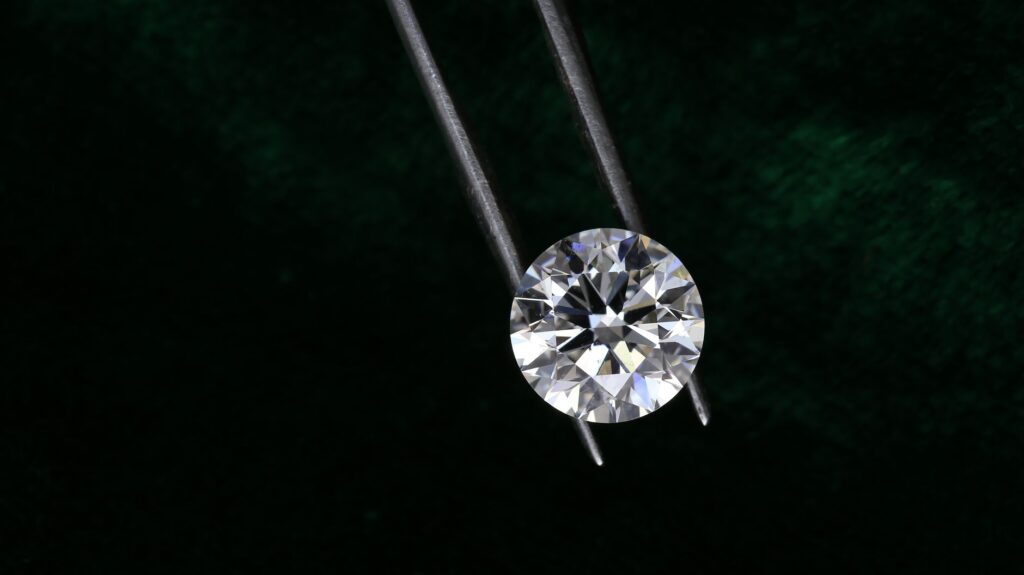
Diamond light performance describes how well a diamond interacts with light. When light enters the stone, some of it reflects back to your eye, some of it splits into colored flashes, and some of it leaks out through the bottom or sides. The balance among those effects determines how attractive the diamond looks.
In everyday language, light performance is about whether a diamond looks bright, sparkly, and lively. A well-performing diamond gives you a pleasing mix of:
- Brilliance, which is white light returned to the eye
- Fire, which is the colored flash you see when the diamond moves
- Scintillation, which is the contrast and sparkle pattern created by movement
These terms are related, but they are not identical. A diamond can be very bright yet not have strong fire. Another diamond may have plenty of sparkle but look uneven or watery if the proportions are poor. Good light performance is usually a balanced combination of all three.
Why Light Performance Matters to Buyers
Most shoppers do not judge a diamond by reading the grading report alone. They judge it by how it looks in real life, under store lighting, sunlight, office lighting, and home lighting. Light performance is what makes a diamond look beautiful in those situations.
If two diamonds have the same carat weight, the one with better light performance often looks more attractive even if it is slightly smaller on paper. That is why experienced buyers and jewelers often place so much emphasis on cut quality. It has a direct impact on what the eye sees.
Light performance also affects value. A diamond with excellent optics can justify a higher price than a comparable stone with weaker performance because the visual difference is often obvious. At the same time, there are limits. Once a diamond reaches a high level of cut quality, the improvement from paying more may become subtle rather than dramatic.
How Diamonds Handle Light
To understand light performance, it helps to know what happens when light enters a diamond. Diamond is highly refractive, which means it bends light strongly. It also has a high ability to disperse light into spectral colors, which is why you see flashes of rainbow-like fire.
When proportions are well balanced, light enters through the top, reflects inside the stone, and exits back through the crown toward your eye. This creates brightness and sparkle. When proportions are off, light can escape through the pavilion, creating dull areas or a window-like look.
That is why two diamonds with the same shape and carat weight can look very different. One may return light efficiently, while the other loses more of it. The difference is not just technical. It changes the way the diamond looks in real-world use.
What Is Diamond Cut?
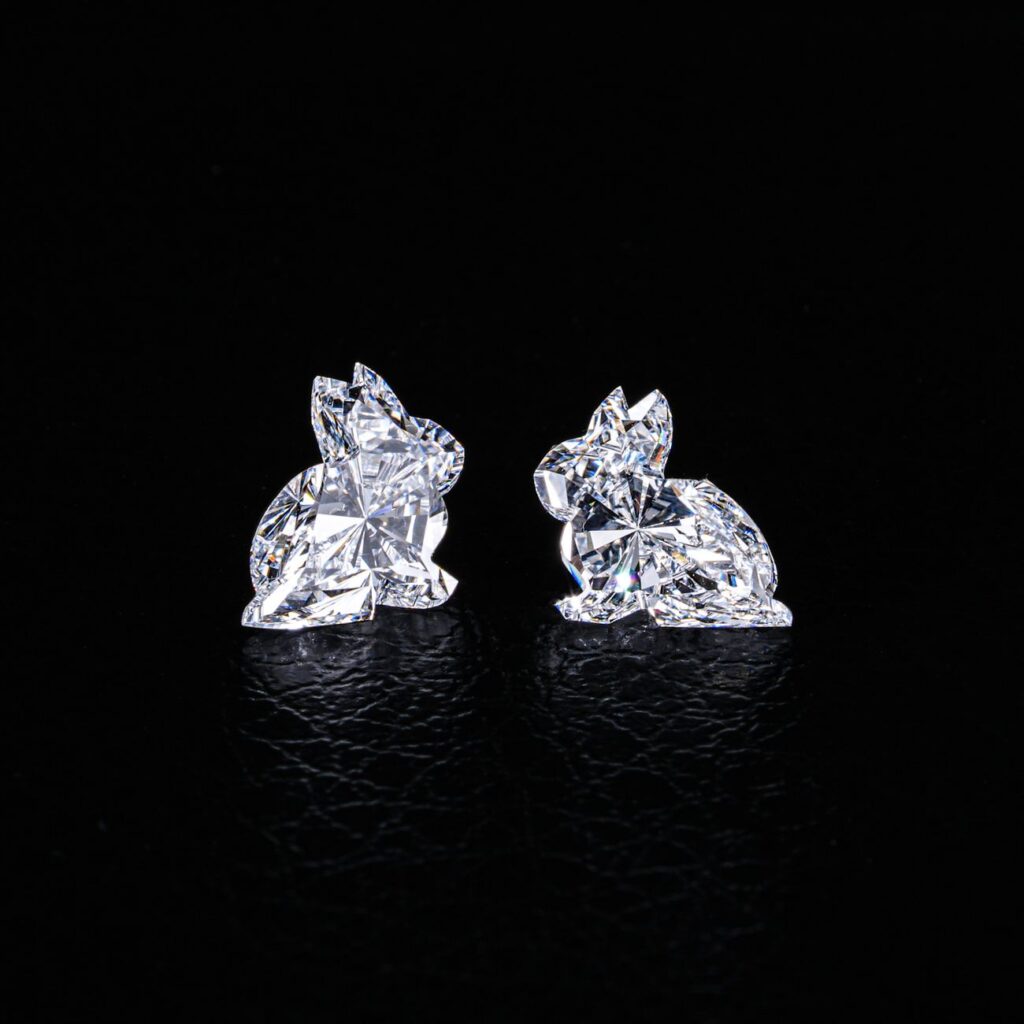
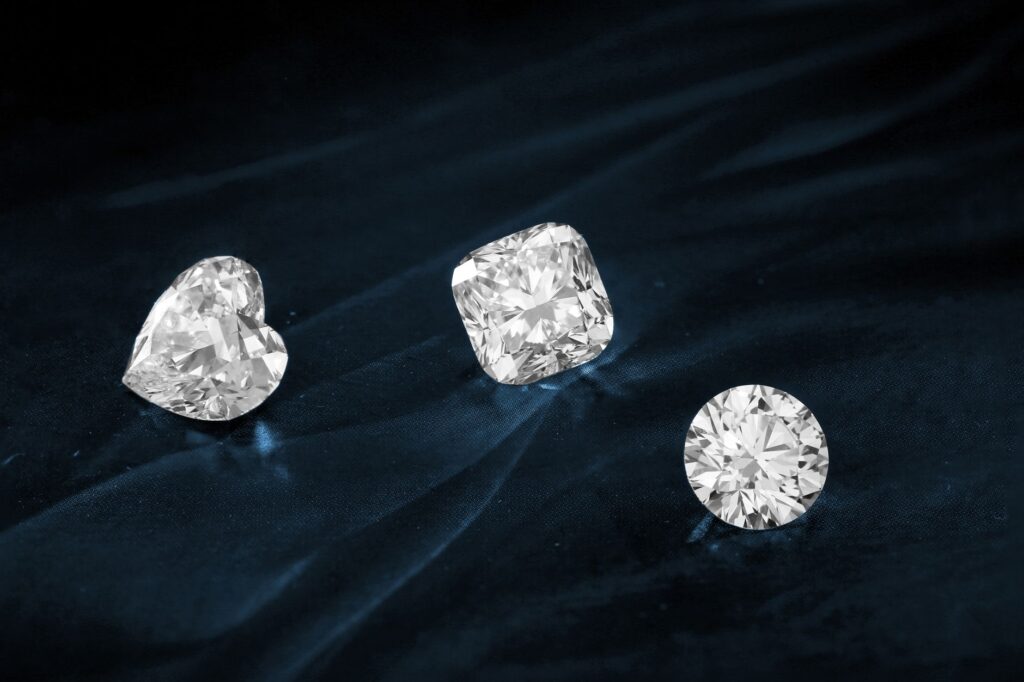
Diamond cut refers to how well a diamond has been shaped and faceted, not the shape itself. A round, oval, cushion, or emerald cut diamond can all be cut well or poorly. Cut quality affects proportions, facet arrangement, symmetry, and polish, all of which influence light behavior.
If you are new to this topic, our guide on what is diamond cut explains how cut differs from shape, why it is considered one of the most important quality factors, and how it influences a diamond’s overall appearance.
This is one of the most common areas of confusion for buyers. A lot of people use the word “cut” to mean shape. In gemology, cut is broader than shape and more important than many shoppers realize.
For round brilliant diamonds, cut grading is usually formalized by labs such as GIA or AGS. For fancy shapes like oval, pear, radiant, and emerald, cut grading is less standardized, which means buyers need to rely more on visual assessment, measurements, and trusted images or videos.
What Is Diamond Symmetry?
Symmetry refers to how precisely the facets are arranged and aligned. In a symmetrical diamond, the facets line up evenly, creating a cleaner pattern and more efficient light return. Poor symmetry can disturb the overall appearance and sometimes reduce sparkle or create unevenness.
From a buyer’s perspective, symmetry matters because it helps the stone look crisp and balanced. In very well-cut round diamonds, symmetry also contributes to attractive optical patterns such as Hearts and Arrows, though that is a specialized effect rather than a requirement for a beautiful diamond.
Minor symmetry differences are not always easy to notice with the naked eye. However, when symmetry becomes noticeably poor, the diamond may look less organized or have areas that seem uneven in brightness.
What Is Diamond Polish?
Polish describes the smoothness and finish of the diamond’s facet surfaces. A well-polished diamond allows light to move through and reflect cleanly. A diamond with poor polish may have tiny surface marks that interfere with the way light interacts with the stone.
Polish is often less visible to buyers than cut proportions, but it still matters. On high-quality diamonds, polish contributes to the overall crispness and sharpness of the sparkle pattern. If polish is poor enough, it can slightly dull the diamond’s surface appearance.
In most buying situations, polish matters most when comparing otherwise similar stones. It is one of the reasons a diamond can look sharper and more refined even if the differences are subtle.
What Is Light Performance Grading?
Light performance grading is a way of judging how well a diamond returns light, balances contrast, and creates sparkle. Some labs, retailers, and advanced imaging systems provide light performance analysis beyond standard cut grades. These systems may use photography, proportion analysis, or optical modeling to show how the diamond behaves under light.
For buyers, this can be helpful because traditional grading reports do not always tell the whole story, especially for fancy shapes. A grading report may confirm clarity, color, and basic cut information, but it may not fully show whether the diamond has strong brightness or uneven light leakage.
That said, light performance data should be interpreted carefully. It is useful as part of the decision-making process, but it should not replace seeing the diamond in person or viewing high-quality images and videos when possible.
How to Evaluate Diamond Light Performance in Practice
The most effective way to evaluate light performance is to combine grading information with direct visual observation. No single metric tells the whole story. A smart buyer looks at the report, the proportions, the imaging, and the diamond’s appearance under different lighting conditions.
1. Look for brightness first
Brightness, or brilliance, is the amount of white light the diamond returns to your eye. A bright diamond appears lively and well lit, even when viewed indoors. If a stone looks dark, sleepy, or glassy, its light return may be weak.
Brightness should be even across the stone. A diamond that has strong brightness in one area but dull zones in another may not be as visually pleasing as a stone with balanced light return.
2. Check for contrast and sparkle pattern
Scintillation is the pattern of light and dark areas that create sparkle when the diamond moves. Good scintillation gives a diamond life and definition. It prevents the stone from looking flat.
What buyers often notice is not individual technical details but the overall impression. A well-cut diamond tends to show crisp flashes rather than a chaotic or muddy pattern. That sense of organized sparkle is one of the clearest signs of good optical performance.
3. Watch how the diamond behaves when it moves
Movement reveals more than a still image does. When you tilt the diamond, does it flash evenly, or do some areas go dark too easily? Does it produce bright, lively flashes, or does it seem to lose life when it is not facing straight up?
Real-world sparkle comes from motion. This is why videos are often more useful than still photographs. A stone that looks fine in a single image may look dull once you rotate it under light.
4. Pay attention to dark areas
Some darkness is normal in a diamond. Contrast is part of what creates sparkle. The problem is excess darkness or uneven dark zones, which can make the diamond look less bright than it should.
Excessive darkness can come from poor proportions, poor symmetry, or facet arrangements that do not return light efficiently. Buyers often describe these stones as having a dead center, a window, or weak spread of brightness.
5. Review magnified images and light maps when available
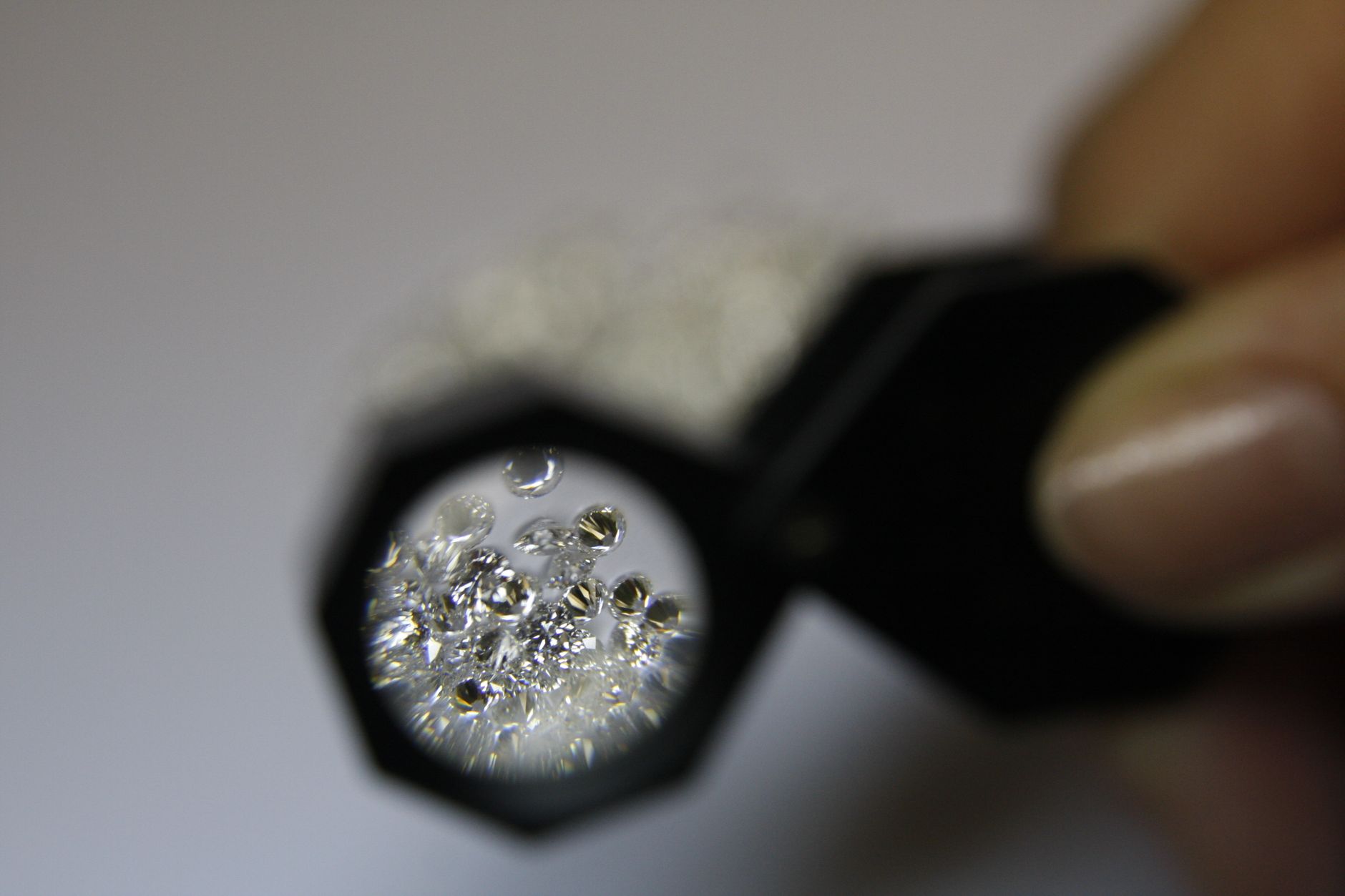
Some sellers provide ASET, Ideal-Scope, or other optical images. These tools can reveal where light is returned and where it leaks. They are especially useful for buyers comparing several diamonds remotely.
These images are not a substitute for seeing the diamond, but they can be helpful indicators. They are most useful when you know what you are looking at and when they are paired with accurate grading information.
Understanding the Main Components of Light Performance
To evaluate a diamond well, it helps to separate light performance into its major parts. Each one affects the appearance in a different way.
| Component | What It Means | What Buyers Notice |
|---|---|---|
| Brilliance | White light returned to the eye | Brightness, liveliness, overall glow |
| Fire | Colored flashes caused by light dispersion | Rainbow-like flashes, especially in movement or strong lighting |
| Scintillation | Pattern of light and dark contrast as the stone moves | Sparkle, on-off flashes, visual drama |
| Light Return | How much light comes back to the viewer instead of escaping | Brightness and presence face-up |
| Light Leakage | Light that escapes through the bottom or sides | Duller areas, windowing, less lively appearance |
How Cut Quality Affects Light Performance
Cut quality is the biggest driver of light performance because it controls how the diamond’s facets are arranged. If proportions are balanced, light is more likely to return to the eye. If proportions are off, light can leak out in ways that reduce beauty.
Round brilliant diamonds are the easiest to compare because cut grading is relatively standardized. For fancy shapes, cut quality is still crucial, but the evaluation is more visual and shape-specific. Ovals, pears, and cushions can all perform beautifully, yet they may show different patterns and different kinds of light behavior.
The main point is simple. Better cut usually means better light performance, but “better” should be understood in visual terms, not just grading terms. A buyer wants a diamond that looks attractive, not just one with a strong report.
Cut Grade and What It Really Tells You
For round diamonds, cut grade is often one of the most important lines on the grading report. Common cut grades include Excellent, Very Good, Good, Fair, and Poor, although the exact scale depends on the grading lab.
An Excellent cut round diamond is generally designed to maximize brightness, fire, and scintillation. A Very Good cut diamond may still look excellent to many buyers, especially if the proportions are close to ideal. A diamond with a lower cut grade may show more leakage, less sparkle, or a less balanced face-up look.
However, cut grade alone does not guarantee visual perfection. Two diamonds with the same cut grade can still perform differently. That is why shoppers should not rely on the grade in isolation.
How to Read Proportions Without Getting Lost in Numbers
Diamond reports often list measurements such as table percentage, depth percentage, crown angle, pavilion angle, and girdle thickness. These numbers matter because they help explain how the diamond was cut. Still, numbers are only part of the story.
A table percentage describes the size of the top flat facet relative to the diamond’s width. Depth percentage shows how deep the diamond is relative to its width. Crown and pavilion angles influence how light enters and exits the diamond.
Buyers do not need to memorize ideal ranges to make a smart decision, but they should understand the practical meaning. If the proportions are too shallow or too deep, the diamond may lose brightness or appear smaller than expected for its carat weight. If the proportions are balanced, the diamond is more likely to perform well visually.
Hearts and Arrows and Optical Symmetry
Hearts and Arrows is a pattern seen in some extremely well-cut round brilliant diamonds when viewed under specialized magnification. The pattern reflects precise optical symmetry. It is not just a decorative detail. It often signals careful facet alignment and strong craftsmanship.
For buyers, the practical question is whether this pattern matters in normal viewing. Usually, the answer is that the diamond may look exceptionally crisp and well organized, but most buyers will not see Hearts and Arrows without special tools. What they will notice is the overall precision and liveliness of the diamond.
Hearts and Arrows can be a useful sign of high quality, but it should not be treated as the only path to a beautiful diamond. Many diamonds without formal H&A patterning still perform very well.
Common Causes of Weak Light Performance
When a diamond does not look as lively as expected, the cause is often one of a few common issues. Understanding these can help buyers avoid disappointment.
- Excess depth: The diamond may look smaller face-up and lose brightness.
- Too much shallow cut: Light may escape and create a window-like appearance.
- Poor symmetry: The sparkle pattern can look uneven or disorganized.
- High light leakage: Brightness drops because light is not returning efficiently.
- Overly large table: In some diamonds this can reduce fire or alter balance, depending on the shape.
Not every issue is obvious in every stone. Some diamonds can still look pleasing despite less-than-ideal proportions. But once several issues are present at the same time, the visual result often suffers noticeably.
What Buyers Actually See in Everyday Lighting
One of the most important things to remember is that diamonds are not viewed only under perfect lighting. They are seen under office lights, natural daylight, restaurant lighting, and in motion. A diamond that looks great in one environment but lifeless in another may not deliver the experience the buyer expects.
In bright white lighting, diamonds with strong light performance usually show clear sparkle and crisp flashes. In softer lighting, they should still retain some brightness instead of going flat. Under direct sunlight, fire may become more noticeable. Under indoor lighting, brightness and scintillation tend to matter more than rainbow flashes.
This is why a diamond should be judged across conditions, not just under one carefully chosen spotlight. Real-life appearance is what matters most.
Comparison: Excellent Cut Versus Very Good Cut
Many buyers compare Excellent cut with Very Good cut and wonder whether the difference is worth the price. The answer depends on the specific stone, the shape, and the buyer’s tolerance for subtle visual differences.
| Feature | Excellent Cut | Very Good Cut |
|---|---|---|
| Brightness | Usually very strong and balanced | Often strong, but may be slightly less even |
| Fire | Typically well balanced with brightness | Can still be excellent, depending on proportions |
| Scintillation | Crisp and organized | May be slightly less precise or less lively |
| Visibility of Difference | Sometimes subtle, sometimes noticeable | Can look very good in everyday use |
| Value | Usually commands a premium | May offer better budget efficiency |
For many buyers, Very Good cut offers a smart balance of beauty and price. For shoppers who want the safest path to top visual performance, Excellent cut is often the better choice. The key is to compare actual stones, not just grade labels.
Comparison: Well-Cut 1.5-Carat Diamond Versus Poorly Cut 2-Carat Diamond
This is a common scenario because size often tempts buyers to stretch the budget. A larger diamond may seem like the obvious winner on paper, but cut quality can change the visual result dramatically.
A well-cut 1.5-carat diamond may appear brighter, more lively, and sometimes even more impressive than a poorly cut 2-carat diamond. The larger diamond may have weight hidden in the depth, a dull center, or visible leakage that makes it look less attractive face-up.
For many buyers, the 1.5-carat stone can feel like the better real-world purchase because it delivers more beauty per dollar. The 2-carat diamond only wins if its cut quality is good enough to support its size.
Comparison: Higher Clarity With Poor Cut Versus Lower Clarity With Excellent Cut
Many first-time buyers assume that clarity should always outrank cut, but that is not how most diamonds are actually experienced visually. A diamond with slightly lower clarity but excellent light performance often looks more beautiful than a cleaner diamond with poor optical performance.
If inclusions are not visible to the naked eye, paying for higher clarity may bring little visible benefit. Meanwhile, a poorly cut diamond can look dull no matter how clean it is on paper. In everyday viewing, sparkle and brightness often matter more than a difference between clarity grades that only shows under magnification.
This does not mean clarity is unimportant. It means that the buyer should prioritize visible beauty first, then refine the selection based on clarity and color.
How Light Performance Differs by Diamond Shape
Shape has a major effect on how a diamond handles light. The same light performance rules apply across shapes, but the way those rules appear visually can differ.
Round brilliant
Round diamonds are known for the strongest and most predictable light performance. Their facet structure is designed to maximize brightness, fire, and scintillation. For buyers who want the most reliable sparkle, round brilliants are often the easiest shape to evaluate.
Oval, pear, and marquise
These shapes can show beautiful light return, but they are more likely to display areas of darkness, bow-tie effects, or uneven brightness if cut poorly. A bow-tie is a dark band that runs across the center. Some degree of contrast can be normal, but an obvious bow-tie may reduce visual appeal.
Princess and radiant
These shapes can offer a lively, modern sparkle style. Radiant cuts often mix brilliance and chunkier flashes, while princess cuts can be bright but may show light leakage near the corners if proportions are not well managed.
Cushion and emerald
Cushion cuts vary widely in pattern and performance. Some prioritize soft, romantic sparkle, while others are designed for sharper brilliance. Emerald cuts behave differently because they have larger step facets and typically show more flashes of brightness than intense sparkle. Their beauty depends more on clarity, transparency, and elegant light return than on fast scintillation.
How Lab Grown Diamonds Fit Into Light Performance Evaluation
Lab grown diamonds should be evaluated by the same light performance principles as natural diamonds. A lab grown stone can be beautifully cut, average, or disappointing. The fact that it was grown in a laboratory does not guarantee superior optics.
For buyers, lab grown diamonds offer some practical advantages. They often provide more carat weight for the price, which gives shoppers room to prioritize cut quality without overspending. That can be especially useful if you want a diamond with strong light performance and a larger visual spread.
Still, the same caution applies. A larger lab grown diamond with weak cut quality may not look as appealing as a slightly smaller but better-cut stone. Good light performance remains the main visual advantage.
What Matters Most When Choosing a Diamond for Beauty
If your goal is a diamond that looks attractive to the naked eye, a practical priority order usually looks like this:
- Cut and light performance
- Shape-specific visual quality
- Color that looks good face-up
- Clarity that is clean enough for your needs
- Carat weight within your budget
This does not mean carat weight is unimportant. It means size should be considered after the stone’s visual performance is established. A diamond that sparkles beautifully often gives more satisfaction than one that is larger but less lively.
How to Use Certification Reports Wisely
Certification reports are important because they verify key details about the stone. They can confirm measurements, carat weight, color, clarity, and in many cases cut grade. They are a good starting point, but they are not the entire answer.
For round diamonds, trusted grading reports can help you screen out weaker performers. For fancy shapes, reports are less descriptive about visual performance, so buyers should look for additional imagery or expert guidance. If available, optical performance images can be very helpful.
The safest approach is to use the report as a foundation, not as the final decision-maker. A diamond should be judged both on paper and in person, or through reliable visual documentation if shopping online.
Common Buyer Mistakes When Evaluating Light Performance
Even careful shoppers make avoidable mistakes. Knowing them in advance can save time and money.
- Prioritizing carat over cut: Bigger is not always better if the diamond looks dull.
- Assuming all sparkle is the same: Diamonds can sparkle in very different ways.
- Ignoring shape-specific issues: Fancy shapes need more visual inspection than rounds.
- Overpaying for clarity: Clean appearance matters more than a high clarity grade if flaws are not visible.
- Relying on one image: Still photos can hide uneven brightness or leakage.
- Reading the report too literally: A good grade helps, but it does not replace visual review.
When Paying More for Better Light Performance Makes Sense
Paying more for stronger light performance makes sense when the visual difference is easy to see and the diamond will be worn often. Engagement rings are a good example because they are seen daily, under many lighting conditions. In that setting, a diamond that performs well can provide lasting satisfaction.
It also makes sense when you are comparing diamonds of similar size and price. If one stone looks obviously brighter and more balanced, the premium may be justified. Buyers are often happier when they spend a little more for something they can actually see and enjoy.
On the other hand, paying a very large premium for a marginal improvement may not be necessary. Once you reach a strong performance level, the return on additional spending can become smaller. That is where personal preference and budget matter most.
When the Premium May Not Be Worth It
There are situations where a very high-end cut premium may not be the best use of a buyer’s budget. If the difference is only visible under close comparison or special lighting, many shoppers may prefer to redirect money toward size, setting, or overall budget flexibility.
This is especially true if the buyer is already looking at a diamond that performs well enough to look beautiful in daily use. In that case, moving from very good to exceptional may be less noticeable than moving from average to good.
The right answer depends on how much visual precision matters to you. Some buyers want the best optics they can afford. Others care more about total size or staying within budget. Both approaches can be reasonable.
What Experienced Jewelers Often Look For
Experienced jewelers and diamond professionals usually do not rely on one metric alone. They look for a combination of balanced proportions, clean facet alignment, strong face-up brightness, and an attractive pattern of sparkle.
They also know that some technical issues matter more than others. A tiny polish imperfection may be less important than a stone with obvious light leakage. Likewise, a diamond with slightly lower color but excellent cut can often look better than a whiter-looking diamond with poor optics.
This practical mindset is useful for buyers too. The goal is not to chase the highest grade in every category. The goal is to find the diamond that looks best to the eye within your budget.
Buying Considerations for Lab Grown Diamond Shoppers
Lab grown diamond buyers often have more flexibility on size and price, which can be an advantage when evaluating light performance. A lower total cost may allow more room to focus on cut and appearance rather than making compromises just to reach a target carat weight.
At the same time, lab grown diamonds can vary just as much in cut quality as natural diamonds. Some shoppers assume that because lab grown stones are more affordable, the cut details matter less. In reality, they matter just as much, because the diamond still has to look good when worn.
It is also wise to consider certification, seller transparency, and imaging quality. Since the lab grown market moves quickly, clear documentation and reliable visual assessment are especially valuable.
How to Compare Diamonds Side by Side
Comparing diamonds side by side is one of the best ways to evaluate light performance. Try to compare them under the same lighting and from the same viewing distance. Look not just at brightness, but at the pattern of sparkle and how the stone behaves when moved.
If you are shopping online, use videos, optical images, and full measurements. A diamond that appears slightly smaller on paper may actually look more vibrant and substantial in person if the cut is better. This is one reason visual comparison is so important.
When possible, compare diamonds with similar color and clarity so that cut quality is the variable you are truly judging. That makes differences in light performance much easier to understand.
Practical Checklist for Evaluating Diamond Light Performance
Light performance is one part of overall cut quality. If you would like a broader step-by-step guide, see our article on how to evaluate diamond cut, which explains how proportions, symmetry, polish, and light performance work together when comparing diamonds.
If you want a simple buyer-friendly checklist, use the following questions:
- Does the diamond look bright across most of the face-up area?
- Does it sparkle evenly when moved?
- Does it show pleasing contrast rather than dull patches?
- Does the center stay lively, or does it look dark or washed out?
- Does the stone look beautiful in more than one lighting environment?
- Do the report and images support what your eyes are seeing?
If the answer to most of these is yes, the diamond likely has strong light performance. If several answers are no, it is worth comparing other stones before deciding.
Advantages of Strong Light Performance
A diamond with strong light performance offers several practical advantages for buyers.
- Better everyday appearance: It looks lively in a wider range of lighting conditions.
- More visual impact: Brightness and sparkle are easy to notice without special equipment.
- Better value perception: A well-cut diamond can look more impressive than a larger but weaker stone.
- Greater long-term satisfaction: Buyers are often happier when the diamond consistently looks attractive.
- More flexibility on other grades: Strong cut can help offset modest differences in color or clarity that are not visible to the eye.
Disadvantages and Trade-Offs
Strong light performance is valuable, but it does come with trade-offs depending on the market and the stone.
- Higher price: Better cut diamonds often cost more than average stones of the same size.
- Smaller size at the same budget: Prioritizing cut may mean choosing a lower carat weight.
- Not every premium is obvious: Very fine differences can be difficult to see without side-by-side comparison.
- Fancy shapes require more judgment: The lack of standardized cut grading for many shapes makes the process less straightforward.
These trade-offs do not mean buyers should avoid excellent light performance. They simply show why balance matters. The right diamond is one that looks good to you while staying within your budget.
Frequently Asked Questions
Is diamond light performance the same as sparkle?
Not exactly. Sparkle is part of light performance, but light performance also includes brightness, fire, and how the stone returns light overall. A diamond can sparkle but still have uneven brightness if the cut is not ideal.
Can a diamond with a lower cut grade still look good?
Yes. Some Very Good cut diamonds and even some lower-graded stones can still look attractive, especially if the proportions are close to well balanced. The key is to review the actual stone, not just the grade.
Do lab grown diamonds have better light performance than natural diamonds?
Not by default. Lab grown diamonds and natural diamonds can both perform beautifully or poorly depending on how they are cut. The growth origin does not determine optical quality.
What is the most important factor in diamond sparkle?
Cut quality is the most important factor. It determines how efficiently the diamond returns light and how the facets interact to create brilliance, fire, and scintillation.
Are videos more useful than photos when evaluating a diamond?
Usually yes. Videos show how the diamond behaves when it moves, which reveals more about scintillation and brightness than a single photo can. Photos are helpful, but they can hide subtle performance issues.
Does a bigger diamond always sparkle more?
No. Larger diamonds do not automatically perform better. A well-cut smaller diamond can look more lively and beautiful than a larger diamond with poor proportions or light leakage.
Should I pay extra for Hearts and Arrows?
Only if you value precision and want the assurance of very tight optical symmetry. It can be a sign of high craftsmanship, but many buyers will not notice the Hearts and Arrows pattern itself without magnification. The real benefit is the overall optical precision.
What should I prioritize if my budget is limited?
Focus first on cut and visible light performance. Then choose color and clarity ranges that look clean and attractive to your eye. Size should come after those priorities if you want the best-looking diamond for the money.
Conclusion
Evaluating diamond light performance is one of the smartest ways to choose a diamond that will look beautiful in everyday life. The most important idea is simple: a diamond’s visual appeal depends heavily on how well it returns light, not just on how large it is or how high its clarity grade appears on paper.
If you want the most practical approach, focus on cut quality, real-world sparkle, brightness, and whether the stone looks balanced in different lighting conditions. Use grading reports as a guide, but rely on visual evidence whenever possible. That is especially true for fancy shapes and for lab grown diamonds, where value can make it easier to prioritize quality over size.
In the end, the best diamond is not the one with the most impressive numbers alone. It is the one that looks lively, clean, and well balanced to your eye, while also fitting your budget and long-term expectations.
For a related comparison, see 8 Best Sparkle Lab Grown Diamonds.