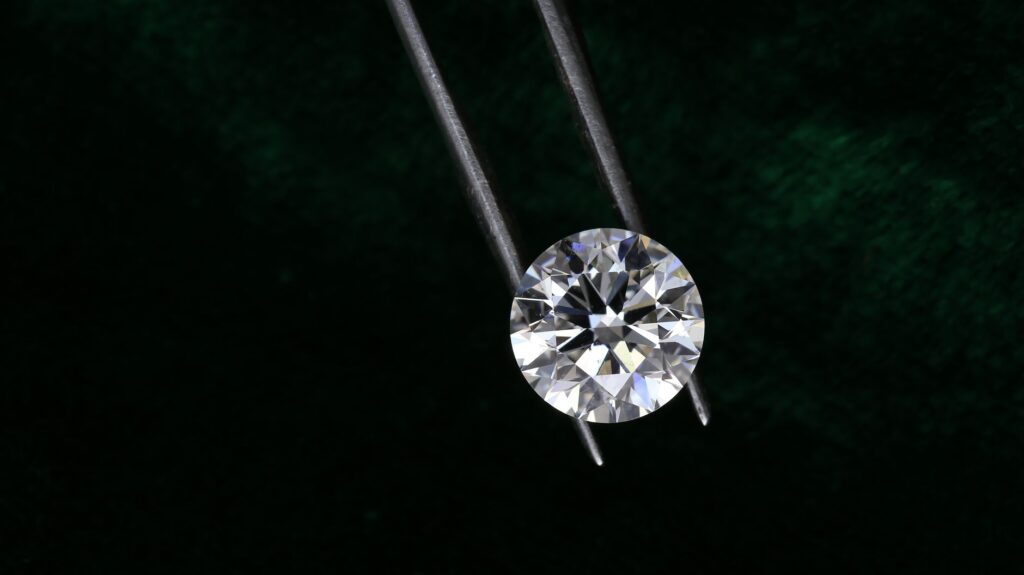
When shoppers ask which diamond shape has the most brilliance, they are usually asking a practical question: which shape reflects the most white light and looks the brightest in everyday wear. The short answer is that round brilliant diamonds are generally considered the most brilliant diamond shape because their facet arrangement is designed to maximize light return. In simple terms, they are cut to bounce more light back to the eye than any other standard shape.
That said, brilliance is only one part of a diamond’s visual performance. Fire, scintillation, proportions, cut quality, and even the setting all affect how bright a diamond looks. Some fancy shapes can look very lively and impressive, especially when they are well cut, but they do not usually match the consistent brightness of a top quality round brilliant.
Quick Answer: Which Diamond Shape Has the Most Brilliance?
Round brilliant diamonds have the most brilliance of any diamond shape in most cases. Their facet pattern was specifically engineered to maximize light return, which is why they often look the brightest and most sparkly under different lighting conditions.
If you are comparing diamond shapes for an engagement ring or other fine jewelry, round brilliant is usually the strongest choice for brightness and sparkle. If you want a shape that looks larger, more distinctive, or more elongated on the finger, other shapes may still be better for your personal style, even if they are not as brilliant overall.
What Brilliance Means in a Diamond
Brilliance refers to the amount of white light a diamond reflects back to the viewer. A diamond with strong brilliance looks bright and lively, especially in indoor lighting, office lighting, and everyday settings where people actually wear jewelry.
Brilliance is different from fire, which is the colored flashes of light you see when a diamond splits light into rainbow colors. It is also different from scintillation, which is the pattern of sparkle created by light and dark areas as the diamond moves. Buyers often use the word “sparkle” to describe all of these effects together, but gemologists separate them because each depends on different cut properties.
Why brilliance matters to buyers
For many shoppers, brilliance is the main reason a diamond catches the eye from a normal viewing distance. A bright diamond can look more lively and attractive even if its carat weight is modest. This is why cut quality is often more important than size alone when shoppers want a diamond that looks impressive in real life.
Why Round Brilliant Diamonds Are the Brightest Shape
The round brilliant diamond has 57 or 58 facets depending on whether the culet is present. Those facets are arranged to optimize the way light enters the diamond, reflects internally, and exits through the top. This design gives the round brilliant an advantage over other shapes that were not built around the same light-return model.
In practical terms, this means a well cut round diamond tends to look bright from more angles and in more kinds of lighting. Even when the diamond is not in direct sunlight, it usually retains a strong level of sparkle and white light return.
The role of ideal proportions
Not every round diamond looks equally brilliant. Proportions, symmetry, and polish all influence performance. A round diamond with poor proportions can leak light, which makes it look duller or less lively than a well cut stone of the same carat weight.
This is why buyers often focus on cut grade when comparing round diamonds. A diamond’s shape gives it the potential for brilliance, but the cut quality determines whether that potential is realized.
Brilliance Compared Across Popular Diamond Shapes
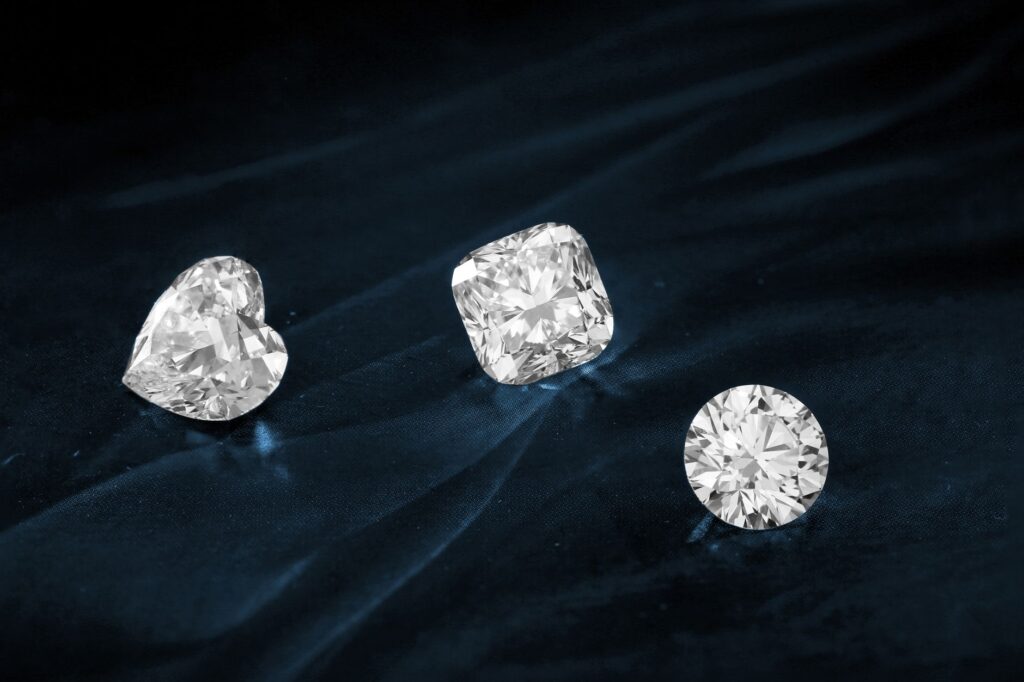
Round brilliant diamonds usually lead in brightness, but other shapes have their own visual strengths. The best shape for one buyer may not be the brightest overall if the buyer cares more about size appearance, uniqueness, or a specific style.
| Diamond Shape | Brilliance | Key Visual Strength | Common Trade-Off |
|---|---|---|---|
| Round brilliant | Highest | Strong white light return and balanced sparkle | Often the most expensive per carat |
| Princess | High | Sharp sparkle and modern look | More corner vulnerability |
| Oval | High to moderate | Elongated appearance and bright center when well cut | May show a bow tie effect |
| Cushion | Moderate to high | Soft, romantic look with broad flashes | Less intense sparkle than round |
| Emerald | Lower brilliance, more clarity of reflection | Elegant “hall of mirrors” effect | Shows inclusions more easily |
| Radiant | High | Combines brilliance with a rectangular or square outline | Facets can hide shape nuances in the best and worst ways |
| Pear | Moderate to high | Distinctive teardrop shape with lively sparkle | Can show uneven light behavior near the tip |
| Marquise | Moderate | Large face-up presence and elegant length | Ends can be prone to wear and light leakage |
This table is a useful starting point, but it should not be treated as a rigid ranking. A well cut oval can look brighter than a poorly cut round, and a radiant can look more lively than a deep round with poor light return. Shape matters, but cut quality still matters more.
Appearance and Visual Performance
Brilliance is only one part of how a diamond looks. Buyers also care about how a diamond appears on the hand, how large it looks relative to its carat weight, and whether it suits the style of the ring.
Round brilliant
Round diamonds are the most balanced shape in terms of light return. They generally offer the strongest combination of brightness, fire, and scintillation. That is one reason round diamonds remain the most popular choice for engagement rings.
Because the shape is symmetrical, a round diamond also tends to look visually even from every direction. There is no “face” that needs to be oriented upward in the same way some fancy shapes require.
Oval
Oval diamonds can appear bright and elegant, and they often look larger than round diamonds of the same carat weight because of their elongated outline. Their brilliance can be excellent, but it depends heavily on cut proportions and facet arrangement.
One common issue is the bow tie effect, a dark area across the center of the stone that can appear in ovals, pears, and marquises. A slight bow tie is common, but a strong one can reduce the overall appearance of brilliance.
Princess
Princess-cut diamonds are known for sharp, lively sparkle. They often produce a pattern of bright flashes that appeal to buyers who want a modern square shape with substantial sparkle.
They do not usually match a round brilliant for overall light return, but a well cut princess can still look very bright. The corners, however, are more exposed than on a round stone, so setting choice matters for durability.
Cushion
Cushion cuts have a softer, more rounded outline and often produce broader flashes of light rather than the intense pinfire sparkle seen in rounds or princess cuts. Some buyers prefer this look because it feels less sharp and more vintage-inspired.
Brilliance varies widely among cushion diamonds. Some are lively and bright, while others prioritize a softer glow over maximum light return.
Emerald
Emerald cuts are not usually chosen for maximum brilliance. They feature long, open step facets that create a reflective, elegant look instead of a highly sparkly one. This style is often described as a “hall of mirrors” effect.
Because the table is large and the facets are open, emerald cuts tend to show clarity and color more readily. That makes quality selection especially important.
Radiant
Radiant cuts combine a rectangular or square shape with brilliant-style faceting. They can be a strong option for buyers who want a fancy shape but still want significant sparkle.
Radiants are often visually lively and can be a good compromise between the brightness of a round and the shape preference of a fancy cut.
Fire, Scintillation, and Why They Matter Too
If you are asking which diamond shape has the most brilliance, it is still helpful to understand fire and scintillation because they influence the overall sparkle impression. Some shapes may have slightly less brilliance but still look more attractive to certain buyers because of these other effects.
Fire
Fire is the colored sparkle you see when light is split into rainbow flashes. Round brilliant diamonds often show strong fire because their facet pattern is efficient at dispersing light.
Fancy shapes can also show good fire, especially radiant and princess cuts. Step cuts like emerald and Asscher tend to show less fire because their facet arrangement is more about clean reflections than scattered flashes.
Scintillation
Scintillation is the sparkle pattern you see when the diamond moves. It includes the contrast between bright and dark areas as well as the flashes of light that appear and disappear.
Round brilliants usually have excellent scintillation because their facet pattern creates a dynamic mix of tiny flashes. Some buyers find this more visually exciting than the broader flashes of a cushion cut or the slower, more elegant reflections of an emerald cut.
How Cut Quality Changes the Answer
Even though round brilliant is the brightest shape on average, cut quality can change the ranking in real life. A poorly cut round may leak light and appear less lively than a well cut oval or radiant. That is why it is not enough to ask about shape alone.
For buyers comparing diamonds, the most useful question is often: Which diamond shape has the most brilliance when it is well cut? The answer is still round brilliant, but the gap narrows when other shapes are chosen carefully and cut to strong proportions.
What to look for in a well cut diamond
- Good symmetry and polish
- Balanced proportions
- No obvious light leakage
- A shape that suits the wearer’s style and setting
- Certification from a reputable lab when possible
For round diamonds, cut grades from major grading laboratories are especially useful. For fancy shapes, buyers usually need to rely more on proportions, images, videos, and overall visual assessment because cut grading standards are less uniform across shapes.
Advantages of Choosing the Brightest Shape
The biggest advantage of a round brilliant is its reliable light performance. Most buyers want a diamond that looks bright in everyday conditions, not only under display lighting. Round brilliant usually delivers that best.
Another advantage is consistency. Because the round brilliant has been refined over time for maximum light return, buyers have a higher chance of getting a diamond that performs well if they choose a good cut grade.
Key benefits of round brilliant diamonds
- Highest overall brilliance
- Strong fire and scintillation
- Classic, timeless appearance
- Versatile in many ring styles
- Easy to compare using cut grades
For many shoppers, especially those buying an engagement ring for the first time, that predictability is valuable. It reduces the risk of choosing a shape that looks good in photos but underperforms in person.
Disadvantages of Choosing the Brightest Shape
The main disadvantage of a round brilliant is that it is often the most expensive shape per carat. That price difference reflects both demand and the amount of rough diamond that is lost when the stone is cut into a round shape.
Round brilliants also look familiar. For some buyers, that is a benefit. For others, it can feel less distinctive than a fancy shape such as an oval, pear, or emerald.
Other trade-offs to consider
- Less unique than many fancy shapes
- Usually higher price per carat than elongated shapes
- May not appear as large as some fancy shapes of the same weight
So while round brilliant has the most brilliance, it is not automatically the best choice for every buyer. A shopper who values maximum face-up size, for example, may prefer an oval or marquise. A buyer who wants a vintage look may prefer an emerald or cushion cut.
Who a Round Brilliant Is Best For
A round brilliant diamond is usually best for buyers who want a safe, versatile choice with the strongest light performance. It is especially suitable for people who care most about sparkle, brightness, and long-term style flexibility.
It is also a strong option for buyers who want a diamond that is easy to compare across retailers and grading reports. Since round diamonds follow more standardized cut grading, the buying process can be more straightforward.
Round brilliant may suit you if you want:
- Maximum brightness and sparkle
- A classic engagement ring look
- A shape that works well in many settings
- Strong resale familiarity in the market, even though resale value is not guaranteed
- An easier shopping process with cut grades
If you are shopping for a lab grown diamond, a round brilliant is also a popular choice because it remains visually familiar while allowing buyers to prioritize higher color, clarity, or carat weight within a budget. That can be helpful if you want a brighter appearance without moving into a much higher price range.
How Round Brilliant Compares to Other Popular Shapes
To understand why round brilliant is considered the brightest shape, it helps to compare it with the most common alternatives. Each shape balances brilliance differently because of its facet style, outline, and how efficiently it returns light.
Round vs oval
Ovals can look larger and more elongated on the finger, which many buyers love. They can also appear bright, but their brilliance is less uniform than a round brilliant and they may show a bow tie effect.
If your main goal is the strongest sparkle, round is usually better. If you want a slender look and a slightly softer style, oval may be the more attractive option.
Round vs princess
Princess cuts are among the brightest fancy shapes. They offer a modern square outline and lively sparkle, but their brilliance is not usually as even or as consistently strong as a round brilliant.
They may appeal to buyers who want a more contemporary look with plenty of life. The main trade-off is the exposed corners, which need thoughtful setting protection.
Round vs cushion
Cushion cuts often have a gentler sparkle pattern with larger flashes of light. They can look romantic and soft, but usually not as bright overall as a round brilliant.
Some cushion cuts, especially modern modified versions, can be quite lively. Still, the visual character is different from the crisp, balanced brilliance of a round.
Round vs emerald
Emerald cuts are not designed for maximum brilliance. They emphasize clarity, transparency, and broad reflections. This makes them elegant and distinctive, but less sparkly than round brilliants.
If you want a diamond that flashes strongly from across a room, round is the better choice. If you want a sophisticated, architectural look, emerald may be more appealing even with lower brilliance.
Round vs radiant
Radiant cuts are among the brightest fancy shapes because they use brilliant-style faceting. They can come closer to the round brilliant than most other non-round shapes, especially in rectangular form.
Still, round brilliant typically has the edge in evenness of light return and overall brightness. Radiant is often a strong compromise for buyers who want shape and sparkle.
Important Buying Considerations
If brilliance is your top priority, shape is only the first step. Once you know that round brilliant usually has the most brilliance, the next question is how to choose a stone that actually performs well.
1. Cut quality matters more than carat weight
A larger diamond is not automatically a brighter diamond. A well cut 1.00 carat round can look more lively than a heavier stone with poor proportions. Cut quality influences how much light returns to the viewer, which directly affects brilliance.
For round diamonds, prioritize cut grade first. For fancy shapes, use a combination of proportions, video, and visual inspection when possible.
2. Face-up size can affect perception
Face-up size means how large the diamond looks from the top. Some shapes, like oval and marquise, can look bigger than round diamonds of the same carat weight because their outlines spread out more.
However, a bigger-looking diamond is not always a brighter one. Buyers often trade a little brilliance for a larger apparent size, depending on their budget and style preferences.
3. Color and clarity needs vary by shape
Round brilliant diamonds can hide minor color and inclusions better than step cuts like emerald. That gives buyers a little more flexibility when selecting grades. Even so, clarity and color still matter, especially as the diamond grows larger.
Fancy shapes with open facets, especially emerald and Asscher, can make inclusions easier to see. Shapes with strong sparkle, such as round and princess, can mask small imperfections more effectively.
4. Consider the setting
The setting can influence how bright a diamond appears. A high-set solitaire may expose more light, while a halo or side stones can make the center stone appear even more brilliant overall.
For shapes with vulnerable corners, such as princess and marquise, the setting also helps with protection. A secure setting matters for everyday wear as much as visual appeal.
5. Lab grown diamonds can widen your options
Many buyers exploring lab grown diamonds want more size or higher quality for the budget. Since round brilliant is often the most expensive shape per carat in natural diamonds, lab grown options can make it easier to choose a bright round stone without sacrificing as much on size, color, or clarity.
That said, the same buying principles still apply. A lab grown round brilliant is not automatically better than a fancy shape. The best choice still depends on your priorities, ring style, and how you plan to wear the diamond.
Common Mistakes Buyers Make
When people search for which diamond shape has the most brilliance, they sometimes oversimplify the decision. Avoiding a few common mistakes can help you get a diamond that actually looks better in person.
Assuming all round diamonds look equally bright
Shape alone does not guarantee performance. Two round diamonds can look very different if one has excellent proportions and the other leaks light. Always consider cut quality, not just shape.
Choosing size over cut
Some shoppers increase carat weight but accept a weaker cut to stay within budget. That can result in a diamond that looks less brilliant than a smaller, well cut alternative. In many cases, brilliance is more noticeable than a small difference in weight.
Ignoring the bow tie effect in fancy shapes
Ovals, pears, and marquises can be beautiful, but a strong bow tie can reduce brightness. Buyers should view these shapes in real images or video rather than relying on stock photos alone.
Overlooking setting style
A brilliant diamond can lose some of its visual impact if the setting blocks too much light. Likewise, a setting that does not protect corners can create durability issues for certain shapes.
Focusing only on online appearance
Lighting in product photos can be misleading. A diamond may look very bright in a studio environment but less impressive in everyday lighting. That is why videos, grading reports, and realistic viewing conditions matter.
Frequently Asked Questions
Is round brilliant always the sparkliest diamond shape?
In most cases, yes. Round brilliant is generally the sparkliest and most brilliant diamond shape because of its facet arrangement and light return. However, a poorly cut round can look less lively than a well cut fancy shape.
Which diamond shape looks biggest?
Shapes with elongated outlines, such as oval, marquise, and pear, often look larger than round diamonds of the same carat weight. This is because their surface area is spread out differently across the finger. Looking bigger is not the same as having more brilliance, though.
Do lab grown diamonds have the same brilliance as natural diamonds?
Yes, if they have the same shape and cut quality. Brilliance depends on the diamond’s optical properties and cut, not whether it is lab grown or natural. A lab grown round brilliant can be just as bright as a natural round brilliant.
Why do some oval diamonds have a dark center?
That is usually the bow tie effect. It happens when the diamond’s faceting and shape create areas that reflect less light back to the viewer. Some bow tie is normal in ovals, but a pronounced dark band can reduce the diamond’s beauty.
Are fancy shapes worse than round diamonds?
No. They are simply different. Fancy shapes may have less overall brilliance than a round brilliant, but they can offer other advantages such as a larger face-up size, a distinctive look, or a style that feels more personal.
What is the best diamond shape for a bright engagement ring?
If brightness is your top goal, round brilliant is usually the best choice. If you want a shape that still looks lively but offers a more unique outline, radiant or princess may be strong alternatives.
Does more brilliance mean better value?
Not always. Value depends on your priorities. A round brilliant may deliver the strongest sparkle, but another shape may offer a larger appearance or a preferred style for the same budget. The best value is the diamond that fits your goals most effectively.
Conclusion
If you are asking which diamond shape has the most brilliance, the answer is round brilliant. It remains the most efficient and consistent shape for white light return, fire, and overall sparkle. That is why it continues to be the benchmark for brightness in both natural and lab grown diamonds.
Still, the right diamond shape depends on more than brilliance alone. Some buyers want the strongest sparkle, while others prefer a larger face-up size, a softer outline, or a more distinctive style. Oval, princess, radiant, cushion, and emerald each offer different trade-offs that may suit different wearers.
If you are comparing shapes, focus on how the diamond looks in real lighting, not just on paper. Consider cut quality, proportions, durability, and how the stone fits your ring design and budget. That approach will help you choose a diamond that looks beautiful every day, not just in a showroom.