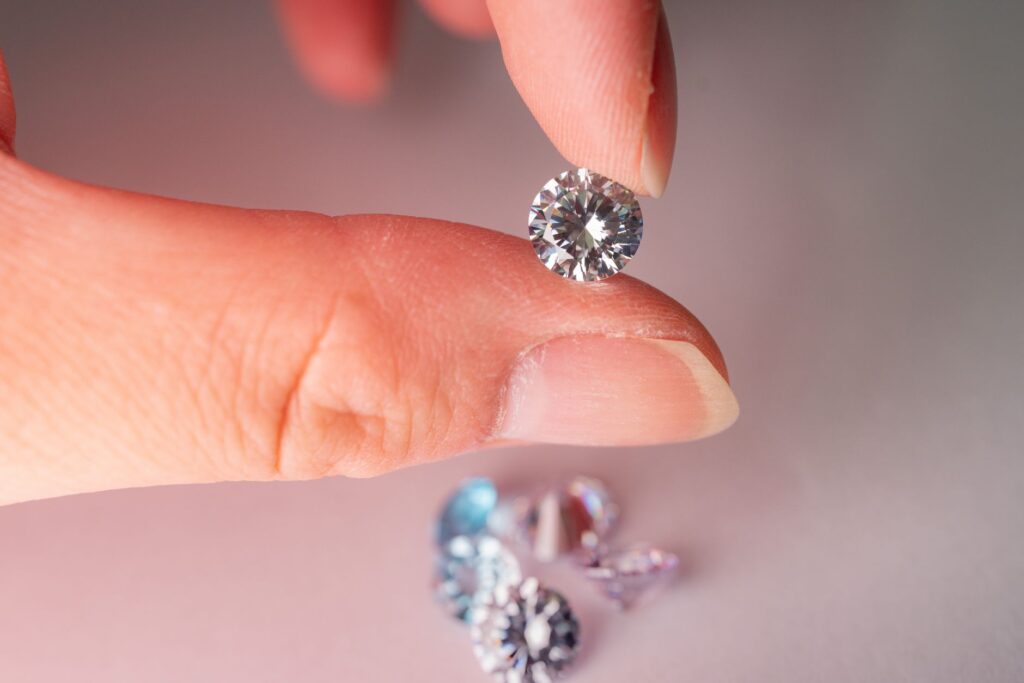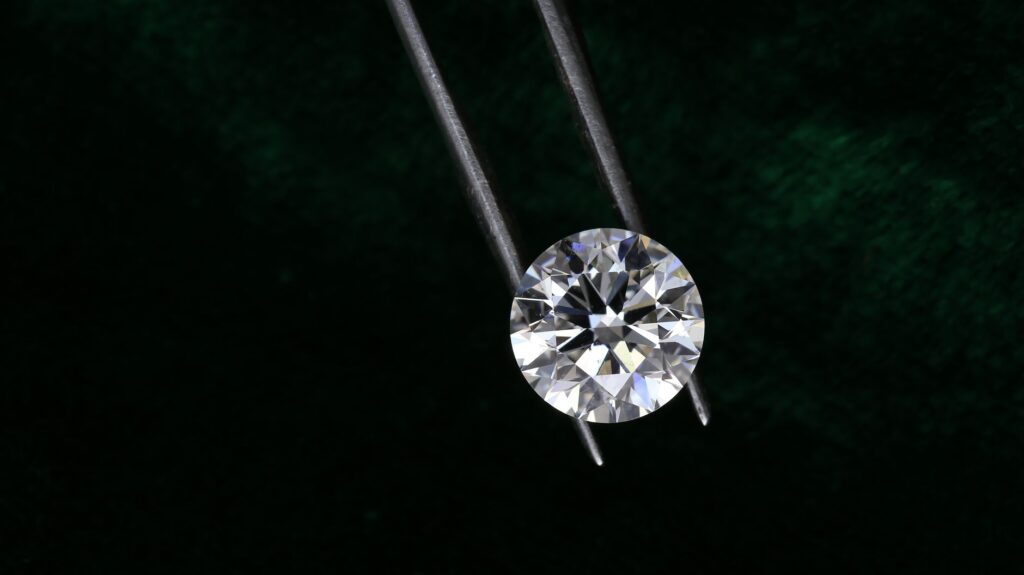
When shoppers ask Which Diamond Shape Is Most Durable, they are usually trying to answer a practical question: which shape is least likely to chip, break, or show wear over time? That is a smart question, especially for an engagement ring or any piece of jewelry meant for daily wear. The answer is not as simple as choosing one “best” shape, because durability depends on both the outline of the diamond and how it is set in the ring.
In general, some diamond shapes are more resistant to damage because they have fewer sharp points and a simpler outline. Others are more vulnerable because they include pointed corners or thin edges that can take more impact. Even so, a well-cut diamond in a protective setting can be worn every day with confidence, whether it is natural or lab grown.
This article explains how diamond shape affects durability, which shapes tend to be strongest, why some shapes need more care, and how to choose a shape that fits your lifestyle. It also compares popular shapes side by side so you can make a more informed decision based on more than just appearance.
Quick Answer
If durability is your top concern, the most durable diamond shapes are usually the round brilliant and shapes with rounded outlines such as oval and cushion. These shapes have fewer vulnerable points, which makes them less likely to chip under normal wear.
Shapes with sharp corners or pointed tips, such as marquise, pear, heart, and emerald, can still be durable, but they generally need more careful setting and everyday handling. The shape itself is only part of the story. The setting, diamond cut quality, and ring design matter just as much.
For most buyers, the best practical answer is this: round is usually the most forgiving shape for durability, but a well-protected fancy shape can also be a very good choice. If you are shopping for a lab grown diamond, the same durability principles apply.
What Durability Means in a Diamond
In diamonds, durability usually refers to how well a stone resists chipping, breaking, or wear over time. Diamonds are the hardest natural material on the Mohs scale, which means they resist scratching better than almost anything else. But hardness is only one part of durability.
A diamond can be very hard and still be vulnerable if it has thin edges, pointed corners, or areas that concentrate impact. This is why shape matters. A shape with a point at the tip or corners can be more likely to chip if it hits a hard surface or gets knocked against something during daily wear.
It also helps to distinguish between three related ideas:
- Hardness: resistance to scratching.
- Toughness: resistance to breaking or chipping.
- Stability: how well a diamond handles daily wear in a jewelry setting.
Diamonds are extremely hard, but not equally tough in every shape. That is why the question of which diamond shape is most durable depends on how the stone is cut and protected.
Why Diamond Shape Affects Durability
Shape influences durability because it changes how force moves through the stone. Rounded outlines spread impact more evenly. Sharp points or thin tips concentrate force in one area, which makes that area more vulnerable to damage.
For example, a round diamond has no corners to catch or chip. A marquise has two pointed ends, and a pear has one pointed end. Those points can be beautiful and elegant, but they usually need prongs that protect them. Without proper protection, they can be more exposed to damage.
Shape also affects how much of the diamond extends beyond the ring setting. A stone that sits high or has prominent points is more likely to bump into objects. This is why ring design matters so much for durability, especially for active wearers.
Most Durable Diamond Shapes, Ranked by Practical Wear
There is no universal ranking that applies to every diamond and every setting, but for everyday use, some shapes are generally considered more durable than others. The table below gives a practical overview.
| Diamond Shape | Durability Outlook | Main Reason | Care Level Needed |
|---|---|---|---|
| Round brilliant | Excellent | No corners or pointed tips | Low |
| Cushion | Excellent to very good | Rounded corners reduce chipping risk | Low to moderate |
| Oval | Very good | Rounded ends and smooth outline | Low to moderate |
| Radiant | Very good | Cut corners help reduce fragility | Moderate |
| Asscher | Very good | Square shape with trimmed corners | Moderate |
| Emerald | Good | Trimmed corners, but large open facets can show wear | Moderate |
| Pear | Good to very good | One pointed tip needs protection | Moderate |
| Heart | Good | Two top curves and a pointed bottom require careful setting | Moderate to high |
| Marquise | Good | Two pointed ends are more exposed | Moderate to high |
This ranking is about practical everyday durability, not beauty. Many less durable shapes are still excellent choices if they are set correctly and worn with normal care.
Round Brilliant: The Most Durable Choice for Most Buyers
The round brilliant is usually considered the most durable diamond shape because it has no sharp corners or pointed ends. Its circular outline spreads pressure evenly, which reduces the chance of chipping. This is one reason round diamonds are so common in engagement rings and other daily-wear jewelry.
Round diamonds are also forgiving in settings. A prong, bezel, or halo design can protect the stone effectively, and there are fewer delicate areas to worry about. If someone wants a ring that combines durability, sparkle, and broad long-term appeal, round is often the safest practical choice.
The trade-off is that round diamonds are usually the most in demand, which can make them more expensive per carat than many other shapes. That is not a durability issue, but it is a buying consideration. Buyers who compare pricing across shapes often notice that round stones cost more than fancy shapes of similar size and quality.
Why Cushion and Oval Shapes Are Also Very Durable
Cushion and oval diamonds are often close behind round in everyday durability. Both shapes have smooth curves and no sharp corners. That means they do not have the same chip risk as pointed shapes.
Cushion diamonds have rounded corners, which helps absorb impact. They are especially practical for buyers who want a softer, vintage-inspired look without adding much risk. Ovals also avoid corners, and their elongated shape can make the diamond look larger on the finger, which is one reason they are popular in engagement rings.
There is one thing to watch with ovals: a poorly proportioned oval can show a bow tie effect, which is a dark area across the center caused by light performance issues. The bow tie does not affect durability, but it does affect appearance. Buyers should review the diamond’s face-up look carefully, whether shopping natural or lab grown.
Shapes That Need More Care
Some shapes are still very wearable, but they deserve more attention because they have corners, tips, or thinner points that are more exposed.
Marquise
The marquise shape has two pointed ends. Those points can chip if they are not protected by prongs or if the ring gets bumped often. A marquise can be a durable choice when well-set, but it is not as forgiving as a round or cushion.
Pear
Pear-shaped diamonds have one pointed tip. That tip should usually be protected by a prong or V-prong. A pear can be durable in a thoughtful setting, but the tip is the main area of concern.
Heart
Heart shapes are attractive and distinctive, but they have a pointed bottom and delicate curves. They can be more vulnerable to damage than rounded shapes, especially if the ring is worn frequently.
Emerald and Asscher
Step-cut shapes like emerald and Asscher are not usually fragile in the same way as pointed shapes, because their corners are trimmed. However, they can be more prone to visible edge wear, and their large open facets can make any chip or inclusion more noticeable. This is less about breaking and more about showing imperfections.
Appearance Versus Durability: The Trade-Off
Buyers often have to balance the look they want with how much wear the jewelry will get. A more dramatic shape may stand out more visually, but it might also need more care. A simpler shape may be more durable, but it may not have the same style impact.
For example, a marquise diamond can create a striking elongated look on the finger, but its pointed tips require protection. A round diamond may not feel as distinctive, but it offers excellent daily-wear practicality. Neither choice is universally better. The right answer depends on the wearer’s habits and preferences.
This is especially important for engagement rings, which are often worn every day. If the wearer uses their hands a lot, works in an active environment, or prefers low-maintenance jewelry, durability should carry more weight in the decision.
How Diamond Settings Affect Durability
Even the most durable shape can be made less secure by a weak setting. Likewise, a more delicate shape can become much more wearable with the right setting. This is why shape alone does not determine how safe a diamond is in real life.
Here are a few setting considerations that matter:
- Prong settings can protect pointed tips if they are designed correctly.
- V-prongs are especially useful for pointed corners on pear, marquise, and heart shapes.
- Bezel settings wrap metal around more of the stone and usually offer strong protection.
- Low-set designs are less likely to catch on clothing or surfaces than very tall settings.
A well-made setting can make a noticeable difference in long-term durability. This is one reason buyers should think about the full ring, not just the center stone shape.
Shape Comparison: Durability and Visual Behavior
When buyers compare shapes, they usually care about more than just durability. Appearance, sparkle, finger coverage, and value all matter. The table below gives a broader comparison of the most common shapes.
| Shape | Durability | Sparkle Style | Face-Up Size | Clarity Visibility | Color Visibility | General Buying Notes |
|---|---|---|---|---|---|---|
| Round brilliant | Excellent | High brilliance and sparkle | Moderate | Moderate | Moderate | Most popular and versatile |
| Oval | Very good | Bright sparkle with elegant length | Large for its carat weight | Moderate | Moderate | Can show bow tie if cut poorly |
| Cushion | Excellent to very good | Soft, rounded sparkle | Moderate | Moderate | Moderate to higher | Popular for a classic or vintage feel |
| Radiant | Very good | Strong sparkle with a more angular outline | Good | Moderate | Moderate | Good balance of brilliance and shape protection |
| Emerald | Good | Subtle, mirror-like flashes | Large and elegant | High | High | Requires higher clarity and color consideration |
| Marquise | Good | Bright sparkle with dramatic length | Very large for carat weight | Moderate | Moderate | Tips need protection |
| Pear | Good to very good | Bright sparkle with asymmetric outline | Large for carat weight | Moderate | Moderate | Tip protection is important |
| Asscher | Very good | Clean, geometric flashes | Moderate | High | High | Needs careful selection for clarity and color |
This comparison shows why durability cannot be separated from appearance. Some shapes are safer, some are larger-looking, and some hide inclusions better than others.
Why Sparkle, Brilliance, and Fire Matter in Shape Selection
Many buyers focus on durability first and sparkle second, but shape also affects how a diamond handles light. Understanding this helps explain why some shapes are popular even if they are not the most durable on paper.
Brilliance refers to white light returned to the eye. Fire refers to flashes of colored light. Scintillation refers to the pattern of sparkle and contrast when the diamond moves. Round brilliant diamonds usually perform best in brilliance and scintillation because their facet pattern is engineered to return a lot of light.
Step cuts like emerald and Asscher behave differently. They produce larger, more orderly flashes and a calmer visual effect. They are not less valuable simply because they sparkle less in the traditional sense. Many buyers prefer that look because it feels elegant and refined.
These light-performance differences do not directly determine durability, but they affect buying satisfaction. A diamond shape should feel right both visually and practically.
Durability and Face-Up Size
Face-up size means how large the diamond looks from above, not just its carat weight. This matters because some shapes spread weight across a wider outline, making them appear larger than round diamonds of the same carat weight.
Oval, marquise, and pear shapes often look larger face-up than round diamonds with the same weight. That can be attractive from a value standpoint, especially for shoppers considering lab grown diamonds, where larger sizes are often more accessible. However, the larger outline may also include more exposed edges or tips.
So, a buyer may choose a shape for its visual spread but should check whether the setting offers enough protection. Bigger-looking is not automatically more durable, and more durable is not always bigger-looking.
Clarity and Color Visibility by Shape
Some diamond shapes reveal inclusions and color more easily than others. This is important because durability is only one part of long-term satisfaction. A shape that hides flaws well may let a buyer choose a lower clarity or color grade without visible issues. A shape that reveals more may require stricter grading.
Round brilliant diamonds are generally forgiving because of their intense sparkle. Their facet pattern helps mask small inclusions and slight color tints. Oval, cushion, radiant, and pear shapes can also be forgiving, depending on the specific stone.
Step-cut shapes like emerald and Asscher are different. Their large open facets act like windows, so inclusions are often easier to see. Color can also be more visible in these shapes. Buyers considering these cuts should pay closer attention to clarity and color grades.
This does not mean step cuts are a poor choice. It simply means the buying strategy should reflect the shape’s visual behavior.
How Lab Grown Diamonds Fit Into the Durability Question
Lab grown diamonds have the same crystal structure as natural diamonds, so their hardness and shape-related durability are the same. A lab grown round diamond is just as hard and wear-resistant as a natural round diamond of similar cut and proportions.
That said, lab grown diamonds can affect the buying decision indirectly because they often allow shoppers to choose a larger carat weight or higher quality at a lower price. A buyer who wants a larger oval or cushion may be able to afford a better cut or stronger setting design with a lab grown stone.
The shape itself still matters in the same way. A pointed shape in a lab grown diamond is not more durable simply because it was grown in a lab. It still needs proper setting and care.
Advantages of the Most Durable Shapes
Shapes that are generally more durable tend to offer some clear practical benefits.
- They are less likely to chip during everyday wear.
- They often work well in a wider range of ring settings.
- They are easier to maintain over time.
- They may be a better choice for active lifestyles.
- They usually require less worry about exposed corners or tips.
For many buyers, these advantages matter more than having an unusual or dramatic outline. A ring that is comfortable and durable tends to be worn more often, which is the real goal for most engagement rings and daily jewelry.
Disadvantages of the Most Durable Shapes
More durable shapes also have trade-offs. Round diamonds, for example, are very practical, but they are also often the most expensive shape per carat. Some buyers find them less distinctive than fancy shapes.
Rounded shapes may not create the elongated finger effect that oval, marquise, or pear shapes provide. They may also look more common, which matters to shoppers who want a less traditional style.
In other words, durability can come at the cost of uniqueness, finger coverage, or pricing efficiency. That is why many buyers end up making a compromise rather than choosing solely by toughness.
Who Each Shape Is Best For
Round Brilliant
Best for buyers who want the safest all-around choice, strong sparkle, and low maintenance. It is a particularly good fit for people who wear rings every day and do not want to worry much about shape-related damage.
Cushion
Best for buyers who want a soft, classic look with strong everyday durability. Cushion shapes are often appealing to shoppers who like vintage-inspired styles but still want a practical ring.
Oval
Best for buyers who want a larger-looking stone and elegant finger coverage without giving up too much durability. Ovals are a popular middle ground between practicality and style.
Radiant
Best for buyers who want sparkle similar to a round brilliant but prefer a more rectangular or square outline. Radiants offer a good mix of performance and protection.
Emerald
Best for buyers who value clarity, elegance, and a more subdued sparkle style. Emerald cuts are attractive, but they are better suited to buyers who are willing to pay attention to clarity, color, and careful setting design.
Marquise, Pear, and Heart
Best for buyers who want a distinctive shape and are comfortable with a little more care. These shapes can be beautiful and stylish, but they are less forgiving than round, oval, or cushion when it comes to points and tips.
Important Buying Considerations Beyond Shape
If you are asking which shape is most durable, it helps to remember that shape is only one part of the purchasing decision. Several other factors affect how well the diamond will hold up over time.
Cut Quality
Cut quality influences how light moves through the diamond and how the stone is shaped proportionally. A poorly cut diamond may have weak points, awkward edges, or an unstable outline. For round diamonds, cut quality is especially important because it affects sparkle and structure.
Cut quality also influences durability indirectly. A diamond with very thin points or overly shallow edges may be more vulnerable than one with balanced proportions, even if both have the same shape.
Setting Design
A protective setting can significantly improve wearability. A V-prong for a pointed tip, a bezel for edge protection, or a lower profile mounting can all help reduce damage risk. The best shape in a poor setting is still vulnerable.
Carat Weight and Proportions
Larger diamonds are not automatically less durable, but they often extend farther above the finger and may be more exposed to knocks. Proportions matter as much as size. A well-proportioned stone is generally safer and more comfortable to wear.
Elongated shapes also deserve close attention to length-to-width ratio. That ratio changes the look of the stone and can affect how much of the ends are exposed. A very slender marquise or pear may create more visual impact, but it can also be a little less forgiving in daily wear.
Daily Lifestyle
If you work with your hands, lift weights, garden, or frequently handle tools, durability should weigh heavily in your decision. A buyer with a more hands-off lifestyle may feel comfortable choosing a shape that needs a little more care.
Maintenance Habits
Some buyers remove jewelry before exercising or sleeping. Others prefer to leave rings on most of the time. If you are the second type, prioritize a shape and setting that is as forgiving as possible.
Common Mistakes Buyers Make
When people focus only on shape, a few common mistakes tend to show up.
- Choosing a pointed shape without protective prongs, which leaves the most vulnerable area exposed.
- Assuming harder means unbreakable. Diamonds are hard, but corners can still chip.
- Ignoring the setting. A secure setting often matters as much as the shape.
- Picking style over practicality without considering daily wear.
- Forgetting that step cuts show flaws more easily, which can affect long-term satisfaction.
- Not comparing proportions, especially on elongated shapes where ratio changes the look and sometimes the wearability.
- Choosing a shape only from photos without considering how it sits on the hand and how much it protrudes above the finger.
One of the most useful habits is to compare the diamond in the context of the full ring, not as a loose stone only. That is especially true when shopping online for engagement rings or lab grown diamonds.
How to Choose the Right Shape for Everyday Wear
If your first priority is durability, start with shapes that have no sharp corners. Round brilliant is the simplest answer. Cushion and oval are also strong options if you want a different look while keeping practical daily wear in mind.
If you prefer a more distinctive shape, choose one with a setting that protects the vulnerable areas. This is especially important for marquise, pear, and heart shapes. Good design can make a big difference in longevity.
If your ring will be worn daily, ask yourself three simple questions:
- Will this shape catch on clothing or objects?
- Are there corners or tips that need protection?
- Does the setting support the shape well enough for real-life use?
These questions are often more useful than asking which shape is “best” in the abstract.
How Shape Trends Influence Buying Decisions
Durability is only one part of why buyers choose a shape. Style trends also play a role. Over the past several years, oval diamonds have remained especially popular because they offer a larger face-up appearance and a soft, elegant outline. Cushion cuts continue to appeal to buyers who want a classic look with rounded edges. Round diamonds remain dominant because they are easy to wear, easy to match with many settings, and visually familiar.
More trend-driven shapes, such as marquise and heart, can be appealing for buyers who want something less common. The downside is that trend preference can change faster than the shape’s practical wear benefits. A buyer should think about whether the shape still makes sense after the trend cycle moves on.
In that sense, durability and long-term style often go together. A shape that is easier to wear every day usually has broader lasting appeal as well.
Frequently Asked Questions
Is round always the most durable diamond shape?
Round is usually the most durable because it has no corners or pointed tips. That makes it less likely to chip in everyday wear. Still, the setting and overall ring design matter a lot, so a well-protected fancy shape can also be very durable.
Are lab grown diamonds less durable than natural diamonds?
No. Lab grown diamonds have the same physical properties as natural diamonds. Shape, cut, and setting determine durability, not whether the diamond was mined or grown.
Which fancy shape is safest for daily wear?
Oval and cushion are often among the safest fancy shapes because they have smooth outlines and no sharp points. Radiant and Asscher are also practical choices when set well.
Do pointed shapes always chip easily?
Not always. Pointed shapes can be durable when properly protected, but they are more vulnerable than rounded shapes. A V-prong or other protective setting can reduce the risk significantly.
Does durability affect sparkle?
Not directly. Durability is about how well the diamond resists damage, while sparkle is about light performance. A diamond can be very durable and still have excellent brilliance, or it can be durable with a more subtle look, depending on the shape.
Should I avoid emerald cuts if I want durability?
No. Emerald cuts are generally durable enough for everyday wear, especially with a well-made setting. The main consideration is that their open facets and large windows can make inclusions and color more visible, so buyers often focus more carefully on quality.
What setting is best for a diamond with pointed corners?
Settings that protect the corners, such as V-prongs or a bezel, are usually the safest choices. They help shield the most vulnerable parts of the diamond from impact.
Is a larger diamond always less durable?
No. A larger diamond is not automatically less durable, but it may be more exposed if it sits higher or has a more prominent outline. The shape, depth, and setting style matter more than size alone.
Conclusion
If your main question is Which Diamond Shape Is Most Durable, the short answer is that round brilliant is usually the strongest everyday choice, with cushion and oval close behind. These shapes avoid sharp corners and pointed tips, which makes them less prone to chipping under normal wear.
That said, durability is not determined by shape alone. The setting, cut quality, and daily lifestyle all matter. A pointed shape can still be a good long-term choice if it is protected properly, while even a durable shape can become risky in a poor setting.
For most buyers, the best approach is to match the shape to the way the jewelry will actually be worn. If you want low maintenance and strong practicality, round, cushion, or oval are smart options. If you want a more distinctive look, choose a shape with proper protection and review the diamond carefully before buying.