When shoppers ask Which Diamond Shape Looks Most Expensive, they are usually asking a practical question, not a technical one. They want to know which shape creates the strongest impression of size, sparkle, and luxury, especially when shopping for an engagement ring or comparing lab grown diamonds with natural diamonds.
The short answer is that no single diamond shape always looks the most expensive. What looks “expensive” depends on a mix of shape, cut quality, carat weight, proportions, setting style, and even finger shape. That said, some diamond shapes tend to create a more premium-looking appearance than others because of how they reflect light and how much face-up size they show.
Quick Answer: Which Diamond Shape Looks Most Expensive?
If the goal is a diamond that often looks the most luxurious at first glance, round, oval, and emerald-cut diamonds are usually the strongest contenders. Each creates a different kind of high-end look.
- Round diamonds often look the brightest and most classic, which many people associate with premium quality.
- Oval diamonds can appear larger than their carat weight suggests and have a refined, elongated look.
- Emerald cuts look elegant and expensive in a more understated way, especially when the stone has excellent clarity and proportions.
If you want the diamond that looks the largest for its size, an oval, pear, or marquise shape often gives the strongest visual impact. If you want the most brilliant and traditionally luxurious appearance, round is usually the safest answer. If you want a sophisticated, high-jewelry look, emerald cut is often the most elegant choice.
What Makes a Diamond Look Expensive?
The “expensive” look is not just about price. It is about visual cues that people often connect with luxury. These include brightness, balanced proportions, a clean outline, strong sparkle, and a shape that flatters the hand.
Several factors influence that impression:
- Face-up size, which is how large the diamond looks from above.
- Light performance, including brilliance, fire, and scintillation.
- Shape proportions, such as length-to-width ratio in elongated shapes.
- Cut quality, which affects how well the stone handles light.
- Setting style, which can make a diamond look more substantial or refined.
A diamond can be expensive without looking impressive if it is poorly cut. The reverse is also true. A well-cut diamond with the right shape can look far more luxurious than a larger stone with weak proportions.
How Different Diamond Shapes Create a Luxury Look
Different diamond shapes create different visual impressions. Some shapes emphasize sparkle, while others emphasize elegance, size, or sophistication. Understanding this helps buyers choose a stone that matches their style and budget.
Round Brilliant: The Classic Choice
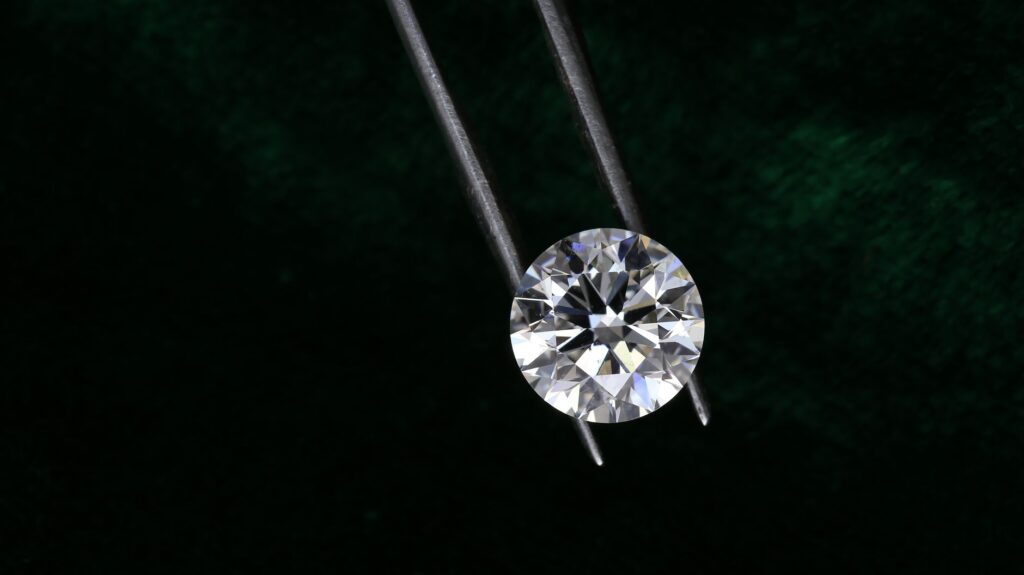
Round brilliant diamonds are the most popular shape for engagement rings, and for good reason. They are designed for maximum light return, which means they usually deliver the strongest sparkle and brightness.
Because of that, round diamonds are often perceived as the most valuable and most classic. Their symmetry and intense sparkle create a polished look that many buyers associate with quality. In both natural and lab grown diamonds, round cuts often appear refined and highly balanced.
One reason round diamonds can look expensive is that they hide minor inclusions and slight color better than many step cuts. That means a buyer can often focus more on brightness and less on small imperfections.
Oval: Elegant and Size-Forward
Oval diamonds have become a favorite for shoppers who want a larger-looking stone with a softer, elongated shape. Their length creates a flattering look on the finger, and many ovals have a face-up size advantage compared with round diamonds of the same carat weight.
When well cut, an oval can look elegant and expensive without being overly traditional. The shape also feels modern while still remaining timeless enough for many engagement ring styles.
One caution is the bow tie effect, a dark area that can appear across the center of some ovals. A small amount of bow tie is common, but if it is too strong, the diamond may look less refined. This is one of the reasons cut quality matters so much in oval diamonds.
Emerald Cut: Understated and High-End
Emerald cuts do not sparkle in the same way as round or oval brilliant cuts. Instead, they create broad flashes of light and a clean, mirror-like appearance. This step-cut style gives them a sophisticated look that many people associate with luxury jewelry.
Emerald cuts often look expensive because they have an elegant, architectural quality. They also tend to emphasize clarity and color more than brilliant cuts, which means the stone should usually be chosen more carefully. A high-quality emerald cut with good transparency can look exceptionally refined.
Many buyers who prefer a quiet, polished look choose emerald cut for exactly that reason. It does not shout for attention, but it often reads as deliberate and high-end.
Pear: Distinctive and Graceful
Pear-shaped diamonds combine a rounded end with a pointed tip, creating a shape that feels graceful and slightly unique. Like ovals, pears often look larger than their carat weight because of their elongated outline.
This shape can appear very expensive when the proportions are balanced and the point is well aligned. Pears also work well in settings that protect the tip, since that area is more vulnerable to chipping.
Buyers should watch for symmetry and bow tie effect, which can vary significantly from stone to stone. A well-cut pear can look very luxurious, while a poorly proportioned one may appear uneven.
Marquise: Dramatic and Size-Maximizing
Marquise diamonds have a long, narrow shape with pointed ends. They often create dramatic finger coverage and can look larger than many other shapes of the same weight.
Because of their strong visual length, marquise diamonds can look particularly expensive in vintage-inspired or fashion-forward designs. They are less common than round or oval diamonds, which can also make them feel more distinctive.
However, the pointed ends need protective settings, and proportion matters a great deal. If the shape is too narrow or too shallow, it may not look as balanced or elegant.
Cushion Cut: Soft, Romantic, and Often Bright
Cushion cuts have rounded corners and a pillow-like outline. Depending on the cutting style, they can range from softly sparkling to very brilliant. Some cushion cuts have a vintage feel, while others have a modern, crisp sparkle pattern.
They can look expensive because the shape feels soft and romantic, especially in well-proportioned stones with lively brilliance. The visual appeal depends heavily on the exact style of cushion cut, which is why two cushions can look very different.
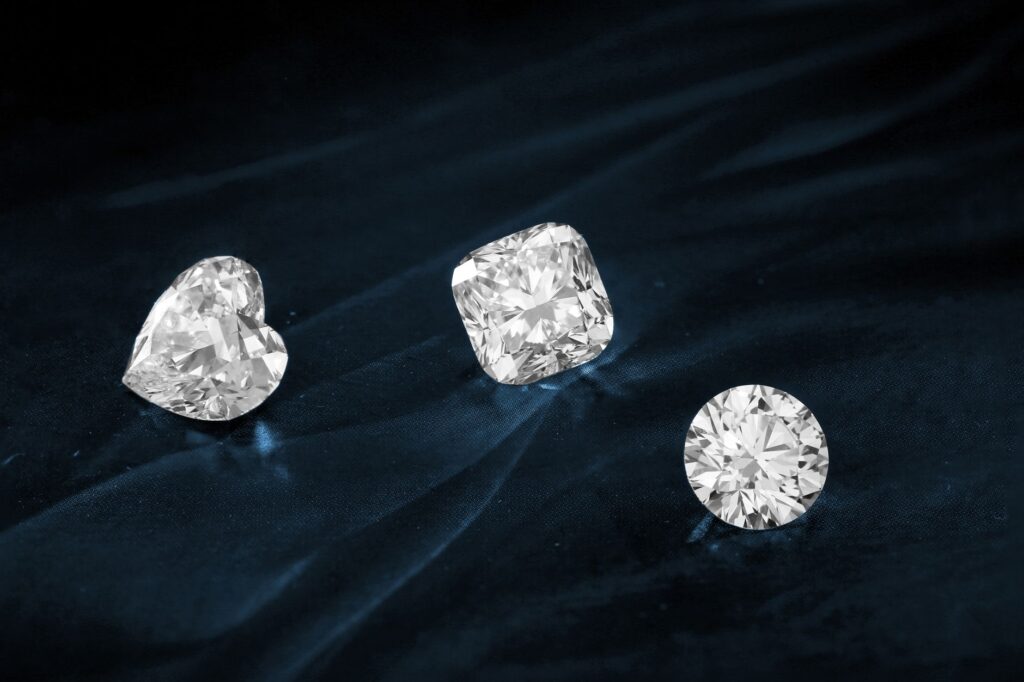
Buyers comparing diamond shapes often find that cushions strike a balance between sparkle and a softer outline.
Asscher Cut: Vintage and Geometric
Asscher cuts are similar to emerald cuts in that they use step-cut facets, but their shape is square rather than rectangular. They often have a vintage, architectural look that can feel elegant and expensive in a quieter way.
Like emerald cuts, Asscher diamonds reveal clarity more easily than brilliant cuts. A well-cut Asscher with strong symmetry can look very luxurious, but it will not create the same sparkle pattern as a round or oval.
This shape tends to appeal to buyers who want a distinctive, old-world look rather than maximum brilliance.
Side-by-Side: Which Shape Looks Most Expensive?
The table below compares common diamond shapes from the perspective of appearance and “expensive-looking” impact. This is not about which shape is best overall, but which shape tends to create a certain visual impression.
| Shape | Typical Luxury Impression | Why It Looks Expensive | Main Trade-Off |
|---|---|---|---|
| Round Brilliant | Classic, bright, premium | Strong sparkle and symmetry | Less face-up size than elongated shapes |
| Oval | Elegant, modern, size-forward | Elongated shape can look larger | Bow tie effect in some stones |
| Emerald Cut | Refined, high-jewelry, understated | Clean lines and elegant flashes of light | Shows inclusions and color more easily |
| Pear | Graceful, distinctive, elongated | Finger coverage and unique outline | Requires careful symmetry and tip protection |
| Marquise | Dramatic, distinctive, elongated | Creates strong visual length | Can look narrow or uneven if proportions are off |
| Cushion | Soft, romantic, occasionally vintage-luxury | Warm outline and lively sparkle in many versions | Performance varies widely by cut style |
| Asscher | Vintage, polished, architectural | Clean geometry and step-cut elegance | Less sparkle than brilliant cuts |
Why Round Diamonds Often Look the Most Expensive Overall
Round diamonds are often the answer when buyers want the safest “expensive” look. The reason is simple: round brilliant cut is optimized for light performance more than almost any other shape. That means it usually gives the most consistent sparkle, brightness, and liveliness.
Luxury is often associated with brilliance because the eye is naturally drawn to light and movement. A well-cut round diamond tends to show a lot of both. It also has universal appeal, which helps explain why it remains the most popular shape in engagement rings.
That said, round does not always look larger than other shapes. An oval or marquise of the same carat weight may cover more area on the finger. So if “expensive” means “largest-looking,” round is not always the winner.
When Elongated Shapes Look More Expensive Than Round
Elongated shapes like oval, pear, and marquise often look more impressive per carat because they spread weight over a longer outline. This can create a more dramatic presence on the hand, especially in lower-to-mid carat sizes.
These shapes can look especially refined when the proportions are balanced. A good length-to-width ratio can make the diamond look elegant rather than stretched or bulky. For example, an oval with a graceful outline often looks more polished than one that is too wide or too narrow.
For buyers who care about visual impact, elongated shapes are frequently a smart value choice. This is one reason they are especially common in lab grown diamonds, where shoppers sometimes prioritize size and style within a specific budget.
How Cut Quality Affects Whether a Diamond Looks Expensive
Shape alone does not create a luxurious appearance. Cut quality is what determines how well a diamond handles light. Even the most desirable shape can look dull or awkward if the cut is weak.
In brilliant-cut shapes, including round, oval, pear, marquise, and many cushions, good cut quality improves sparkle and brightness. In step-cut shapes like emerald and Asscher, cut quality affects the crispness of the lines, transparency, and flash pattern.
If you are comparing stones, it is worth learning the basics of diamond cut grades. Cut often has more impact on visual appeal than many first-time buyers expect.
Brilliance, Fire, and Scintillation
These three terms are often used when describing sparkle, but they mean different things.
- Brilliance is the white light returned by the diamond.
- Fire is the colorful light flashes you sometimes see.
- Scintillation is the sparkle and flicker created when the diamond moves.
Round diamonds usually excel at brilliance and scintillation. Some cushions and ovals can show a pleasing mix of sparkle and fire. Emerald cuts rely less on sparkle and more on broad flashes of light, which creates a more restrained, elegant feel.
Which Diamond Shapes Look Largest?
If a buyer wants the most size appearance for the money, the question changes from “Which looks most expensive?” to “Which looks biggest?” Those are related, but not the same.
Generally, elongated shapes often look larger than round diamonds of the same carat weight. This is because the diamond’s spread covers more of the finger when viewed from above.
Shapes that often appear large for their weight include:
- Oval
- Pear
- Marquise
- Emerald, depending on proportions
Round diamonds can still look substantial, especially when the cut is excellent, but they usually concentrate weight more evenly into a circular outline. That can make them slightly less spread-out visually than elongated shapes.
For buyers comparing options, diamond carat should always be considered alongside face-up size, not in isolation.
Shape, Finger Coverage, and Hand Appearance
One reason some diamond shapes look expensive is that they flatter the hand. An elongated diamond can make fingers appear longer and slimmer, which creates a graceful overall effect. Round shapes, by contrast, create a balanced and classic look.
Finger coverage matters because a diamond that sits well on the hand often feels more intentional and finished. This is part of why oval and pear shapes are so popular in engagement rings. They deliver a strong visual impression without needing extreme carat weight.
Setting style also matters here. A simple solitaire often emphasizes the stone’s shape, while a halo or side-stone design can make the ring look more elaborate.
How Color and Clarity Influence the “Expensive” Look
A diamond shape can look expensive only if the stone itself looks clean and bright enough to support that impression. Color and clarity do not affect every shape in the same way.
Color Visibility by Shape
Some shapes reveal body color more easily than others. Step cuts like emerald and Asscher usually show more color because they have larger open facets and less sparkling distraction. For that reason, buyers often need to pay closer attention to color grades in those shapes.
Round brilliant diamonds are more forgiving. Their intense sparkle can help mask slight color tint, especially in the near-colorless range. Ovals, pears, and marquise stones sit somewhere in the middle and may show color more or less depending on cut and setting.
If you want a clearer understanding of this, it helps to review diamond color grades before comparing shapes.
Clarity Visibility by Shape
Clarity is about internal features, called inclusions, and surface marks. Brilliant cuts often hide minor inclusions well because the sparkle draws the eye away from them. That means a buyer can sometimes choose a lower clarity grade without seeing visible flaws.
Step cuts are less forgiving. Emerald and Asscher diamonds often act like a window, making inclusions easier to see. If you want an expensive-looking step cut, clarity matters more than many shoppers initially expect.
For more detail, a guide to diamond clarity grades can help buyers understand where visible trade-offs start to matter.
Lab Grown Diamonds and Shape Perception
In the lab grown market, shape perception works much the same way as it does in natural diamonds. The shape itself still affects sparkle, size appearance, and overall style. What changes is the price structure, which can allow buyers to choose larger or higher-quality stones within a budget.
This is especially relevant for shapes that create strong finger coverage, such as oval and pear. Many shoppers use lab grown diamonds to move up in size while still keeping a polished, premium appearance. In practical terms, that can make a diamond look more expensive without increasing the budget as much as it would in the natural market.
That said, resale value, rarity, and market perception are different discussions. A large lab grown diamond can look impressive, but it should still be evaluated on cut, certification, and long-term wearability rather than size alone.
How Setting Style Changes the Way a Shape Looks
The setting can make a diamond look more expensive, or less so, regardless of shape. A simple solitaire places all the focus on the center stone. A halo setting adds more visual spread and can create a more elaborate appearance. A three-stone setting can make the ring look more substantial overall.
For example, a round diamond in a well-designed solitaire may look elegant and classic. The same diamond in a halo may appear larger and more decorative. An oval in a thin pavé setting may look sleek and premium, while an emerald cut in a bezel can feel modern and architectural.
These choices influence how the eye reads the ring. So if two diamonds are the same shape and carat weight, the setting can still change which one appears more expensive.
Pros and Cons of the Shapes That Usually Look Most Expensive
Round Brilliant
Advantages: brightest sparkle, timeless look, strong brilliance, excellent light return, broad consumer appeal.
Disadvantages: often less face-up spread than elongated shapes, usually the most common shape, can feel less distinctive.
Oval
Advantages: elegant shape, larger-looking appearance, flattering on the finger, modern but still classic.
Disadvantages: bow tie effect can be distracting, proportions vary widely, shape preference is more personal than round.
Emerald Cut
Advantages: refined, sophisticated, polished look, strong geometric style, timeless high-jewelry feel.
Disadvantages: less sparkle than brilliant cuts, more revealing of clarity and color, requires careful selection.
Pear and Marquise
Advantages: dramatic appearance, strong finger coverage, often excellent visual size for the weight.
Disadvantages: pointed tips need protection, symmetry matters greatly, shape is more style-specific.
Who Each Shape Is Best For
Different buyers read “expensive” in different ways. For some, it means the strongest sparkle. For others, it means elegant size or a refined, understated look.
- Round is best for buyers who want classic brilliance and broad appeal.
- Oval is best for buyers who want a larger-looking, elegant center stone.
- Emerald cut is best for buyers who want a sophisticated, clean-lined appearance.
- Pear is best for buyers who want a graceful shape with strong finger coverage.
- Marquise is best for buyers who want a dramatic and distinctive outline.
- Cushion is best for buyers who want a softer, romantic look with flexible sparkle style.
There is no universally best answer. A buyer focused on maximum sparkle may feel that round looks most expensive, while a buyer focused on size and elegance may prefer oval. A buyer who likes a quieter, high-end aesthetic may choose emerald cut instead.
Important Buying Considerations Before Choosing a Shape
When shopping for a diamond, shape should be considered alongside the rest of the stone’s quality. A shape that looks expensive on paper can disappoint if the proportions are poor or the diamond is not well matched to the setting.
Proportions and Length-to-Width Ratio
Elongated shapes are especially sensitive to proportions. Length-to-width ratio influences how balanced or stretched a diamond looks. A ratio that is too extreme can make the stone feel narrow, while a more moderate ratio usually looks more elegant.
For oval, pear, and marquise diamonds, this is one of the most important buying details. Two diamonds of the same shape and weight may look very different depending on these proportions.
Cut Quality and Light Return
Cut quality should never be treated as optional. It affects brightness, sparkle, and overall visual impact. A well-cut diamond often looks more expensive even if it is smaller than a poorly cut alternative.
This is true in both natural and lab grown diamonds. Buyers comparing stones should prioritize cut first, then shape preference, then color and clarity within the shape’s typical tolerances.
Certification
A reliable grading report helps confirm that the diamond matches its stated quality. This matters because a shape that looks luxurious should also be accurately documented. For lab grown diamonds, buyers should make sure the certification clearly states the diamond’s origin and grades.
Learning about diamond certifications can help buyers compare shapes fairly and avoid relying on appearance alone.
Common Mistakes Buyers Make When Choosing a Shape
Many shoppers focus too heavily on popularity or carat weight and overlook how the shape actually wears on the hand. Others choose based on online photos without understanding how lighting and angle affect appearance.
- Choosing shape before checking cut quality. A beautiful shape with weak proportions may look less expensive, not more.
- Ignoring bow tie effect. This is especially important for oval, pear, and marquise diamonds.
- Overlooking clarity in step cuts. Emerald and Asscher shapes need more careful selection.
- Assuming bigger carat always looks better. Spread, proportions, and setting can matter just as much.
- Not considering daily wear. Pointed shapes may need more protective settings for active wearers.
These mistakes are common because buyers often shop by headline statistics instead of visual performance. A thoughtful comparison usually leads to a better-looking result.
How Trends Affect What People Think Looks Expensive
Trends influence perception more than many buyers realize. At different times, certain shapes become associated with fashion-forward design, celebrity rings, or high-jewelry style. That association can make a shape feel more expensive even if the actual quality is similar to another shape.
In recent years, oval diamonds have had strong popularity because they look elegant and often appear larger. Round diamonds remain the classic choice for buyers who value sparkle and tradition. Emerald cuts continue to attract buyers who prefer a more restrained luxury aesthetic.
Trend-driven appeal can be useful, but it should not replace practical judgment. The best shape is still the one that suits the wearer, the setting, and the budget.
Frequently Asked Questions
Is round the most expensive-looking diamond shape?
Round diamonds are often considered the most expensive-looking because of their brightness, sparkle, and classic appeal. However, if your idea of expensive means larger-looking or more distinctive, oval or emerald cut may feel more luxurious to you.
Which diamond shape looks biggest for its carat weight?
Oval, pear, and marquise diamonds often look largest for their carat weight because they spread across the finger more than round diamonds. Face-up size depends on proportions, so not every stone of the same shape will look the same.
Do lab grown diamonds look different by shape?
The shape itself looks the same whether a diamond is lab grown or natural. What may differ is the budget flexibility. Lab grown diamonds often allow buyers to choose a larger or higher-quality shape for the same price range.
Why do emerald cuts look so elegant?
Emerald cuts use step-cut facets that create broad flashes of light rather than intense sparkle. Their clean geometry and open appearance give them a sophisticated, high-jewelry look that many buyers associate with luxury.
Which shape is best if I want the most sparkle?
Round brilliant diamonds usually offer the strongest sparkle because they are designed to maximize light return. Some well-cut cushions and ovals can also look lively, but round is generally the most consistent for brilliance and scintillation.
Are elongated shapes harder to buy online?
They can be, because oval, pear, and marquise diamonds vary more in proportions and bow tie effect than round diamonds. Online shoppers should pay close attention to photos, videos, measurements, and certification details.
Does a more expensive-looking shape mean better value?
Not necessarily. A shape that looks expensive may not be the best value if it requires stricter cut or clarity standards. Value depends on the balance of appearance, budget, and how important the shape is to the buyer.
Conclusion
If you are asking Which Diamond Shape Looks Most Expensive, the best answer depends on what kind of luxury you mean. Round diamonds usually look the most brilliant and classic. Oval diamonds often look larger and more elegant. Emerald cuts often look the most refined and understated.
The most expensive-looking diamond is not always the most expensive diamond. Shape, cut quality, proportions, color, clarity, and setting all work together to create the final impression. A well-chosen diamond can look far more impressive than a larger stone with weaker visual balance.
For first-time buyers, the most practical approach is to compare a few shapes side by side, then evaluate how each one performs in real light. That method gives a much clearer picture than carat weight or popularity alone and helps you choose a diamond that looks polished, balanced, and appropriate for the wearer.