An elongated cushion lab grown diamond is a cushion-shaped diamond that has been stretched slightly longer than it is wide. It combines the rounded corners and soft outline of a cushion cut with a more rectangular silhouette that can make the diamond look larger and more elegant on the finger. For many buyers, that blend of softness and length is the main appeal.
Because the shape is popular in engagement rings, understanding the proportions matters just as much as understanding the cut quality. Two elongated cushion lab grown diamonds can look quite different depending on their length-to-width ratio, faceting style, and overall polish. That is especially important in the lab grown market, where buyers often compare several stones at similar budgets and want the best balance of size, sparkle, and appearance.
Quick Answer
What is an elongated cushion lab grown diamond? It is a lab created diamond shaped like a cushion, but with a longer, rectangular outline rather than a nearly square one. The shape usually has rounded corners, a softened square or rectangular frame, and a face-up look that tends to appear larger than a square cushion of the same carat weight.
Buyers often choose this shape because it feels classic but not too traditional. It can offer a romantic look with more visible length on the finger, and in the lab grown category it may allow shoppers to choose a larger size or higher clarity for the same budget compared with many natural diamonds.
The main trade-offs are that elongated cushions can vary a lot in appearance, and some versions show a visible bow tie effect or uneven sparkle if the proportions are not well balanced. Choosing one requires attention to more than just carat weight.
Understanding the Elongated Cushion Shape
The cushion cut has been around for a long time and is known for its soft corners and pillow-like outline. Traditional cushion diamonds are usually close to square, but elongated cushions stretch the shape so it reads more like a rectangle with rounded edges. This makes the stone look different on the hand, even when the carat weight is the same.
In the lab grown market, elongated cushion diamonds are especially attractive because shoppers can often prioritize visual size and quality together. Lab grown diamonds generally cost less than natural diamonds of comparable size and grading, which gives buyers more flexibility when selecting a shape that may be more proportionally demanding.
What makes a cushion shape “elongated”?
The simplest way to think about it is through the length-to-width ratio. This ratio compares the diamond’s length to its width. A ratio near 1.00 means the stone is close to square, while higher numbers indicate a longer shape.
For elongated cushion diamonds, many buyers start noticing the shape becoming visibly rectangular around a ratio of about 1.10 or higher. Some prefer subtle elongation, while others prefer a more noticeably stretched look in the 1.20 to 1.35 range. There is no single correct ratio, but the ratio strongly affects the diamond’s personality.
Why the shape looks different from other cushions
The cushion cut is often described as a hybrid between a square and an oval. It has the softness of an oval in the corners, but more structure than a round diamond. When elongated, the result is a shape that feels refined and feminine to many buyers, while still having a modern profile.
Compared with a square cushion, the elongated version usually gives the impression of a longer finger and a more substantial top view. Compared with an oval, it tends to look a little more geometric and less fluid.
Key Characteristics of an Elongated Cushion Lab Grown Diamond
Several features define this shape beyond the outline alone. Understanding these details helps buyers compare stones more accurately, especially when shopping online or reviewing grading reports.
Rounded corners and softened edges
Like all cushion diamonds, elongated cushions have rounded corners. This softens the visual outline and can make the stone feel less sharp or angular than a radiant or emerald cut. The rounded corners also help the diamond look elegant in many ring settings.
Because the corners are less pointed, they are generally less likely to chip than shapes with sharper points. That can be helpful for daily wear, although proper setting style still matters.
Faceting style
Elongated cushion lab grown diamonds can come in different faceting styles. Some are more brilliant-cut in appearance, meaning they are designed to produce strong sparkle. Others may have a more antique or chunky facet pattern, which creates larger flashes of light rather than many tiny sparkles.
This variation is important because two cushions with the same shape ratio may perform very differently. A buyer should not assume that all elongated cushions will have the same look just because the outline is similar.
Face-up size
One reason people like elongated shapes is that they often appear larger than square shapes with the same carat weight. This is because the eye reads the added length as extra surface area. The actual face-up size still depends on the stone’s measurements, but the shape can create a strong size impression.
This is one of the reasons elongated cushion lab grown diamonds are popular among buyers who want a substantial look without moving to a much higher carat weight.
Proportion sensitivity
Elongated cushions are more sensitive to proportion choices than some buyers realize. A diamond that is too shallow may look spread out but lack depth and sparkle. A diamond that is too deep may look smaller than expected from the top.
Because cushion cuts do not have one universal ideal proportion range the way some buyers expect, visual evaluation is especially important. This is where review of certification details and images, such as videos or 360-degree views, becomes valuable.
Appearance and Visual Performance
The appearance of an elongated cushion lab grown diamond is shaped by both its outline and its light performance. Buyers usually care about how it looks in real life, not just on paper, so it helps to break down the visual effects.
Sparkle and brilliance
Brilliance refers to the white light returned by a diamond. Elongated cushions can show strong brilliance when cut well, although the pattern of sparkle may be broader and softer than what you see in a round brilliant diamond. This is part of the appeal for buyers who prefer a gentler, more romantic look.
The brilliance level depends heavily on cut quality and faceting. Some elongated cushions create a lively, bright appearance, while others can have larger dark areas or uneven light return if the cut is less balanced.
Fire
Fire is the display of colored flashes of light from a diamond. Cushion cuts often show attractive fire because of their facet arrangement, especially under lighting that creates strong reflection points such as spotlights or sunlight.
In an elongated cushion, fire can be quite noticeable, but the amount varies with the specific faceting pattern. Some stones emphasize broad flashes of light, while others produce more mixed sparkle and fire. This makes side-by-side comparison particularly useful.
Scintillation
Scintillation refers to the sparkle that appears when the diamond moves. In practical terms, it is the contrast between bright and dark areas that creates visual life. Well-cut elongated cushions can have appealing scintillation, but the effect depends on how the facets are arranged and how the diamond handles light across its length.
A stone with excellent scintillation will look lively rather than flat. Poorly balanced proportions can make a diamond look dull in certain areas, especially along the center or toward the ends of the shape.
Bow tie effect
Like ovals, marquise, and some pears, elongated cushions can show a bow tie effect. This is a darker area across the center that resembles a bow tie. A faint bow tie is common in many elongated shapes, but a strong one can be distracting.
The bow tie effect exists because of the way light enters and exits the diamond at certain angles. It does not automatically mean the stone is poorly cut, but it can affect appearance. Buyers should look for a bow tie that is subtle rather than prominent.
Color appearance
Color visibility in elongated cushion diamonds depends on the exact cut, setting, and carat size. In general, cushion shapes can show a bit more body color than a round brilliant, especially if the stone is larger or cut deeper. That does not mean every cushion looks tinted, only that color assessment matters.
For lab grown diamonds, many buyers choose a near-colorless grade such as G, H, or I when seeking strong value. The best choice depends on the setting metal and the buyer’s sensitivity to color.
Clarity appearance
Clarity refers to internal characteristics called inclusions and surface blemishes. Elongated cushion diamonds can sometimes hide small inclusions fairly well because of their facet pattern and sparkle, but this is not guaranteed.
Because buyers often prioritize visual size in this shape, it can be smart to review clarity more carefully than the minimum grade alone. An eye-clean diamond is often the practical goal, meaning no inclusions are visible without magnification under normal viewing conditions.
Why Buyers Choose Elongated Cushion Lab Grown Diamonds
There are several practical reasons this shape appeals to modern shoppers. The choice is usually not only about beauty, but also about how the diamond fits a budget, a hand shape, and a ring style.
It creates a larger-looking presence
The elongated outline often gives the diamond a stronger surface presence than a round or square shape of the same weight. For buyers focused on visual size, this can be an efficient use of budget. In the lab grown market, this can be especially useful because shoppers may be able to move into a more substantial-looking size range.
It flatters many finger types
The longer shape can make fingers appear a bit more elongated. Many buyers appreciate this effect because it creates a graceful silhouette. It can be particularly attractive in solitaire settings and in settings that highlight the shape without too much surrounding metal.
It feels classic but distinct
Elongated cushions have enough familiarity to feel timeless, but they are less common than round or oval diamonds. That balance makes them appealing to buyers who want a shape that feels a little different without being too trendy or dramatic.
It can work well in many ring designs
This shape is versatile. It can look elegant in a simple solitaire, a three-stone setting, or a halo style. It also works in east-west settings for buyers who want a more fashion-forward appearance, though that changes the visual effect significantly.
Potential Drawbacks to Consider
No diamond shape is perfect for every buyer, and elongated cushion lab grown diamonds have a few limitations worth understanding before making a purchase.
Cut quality is harder to judge
Cushion cuts do not have a single standardized cut grade in the same way round brilliants often do. That means buyers need to rely more on measurements, visual inspection, and retailer information. Without careful review, two stones with similar paperwork can look quite different.
Shape variation is wide
Some elongated cushions are subtly stretched. Others are much more rectangular. Some have chunky, antique-style facets. Others look more modern and lively. If a buyer wants a very specific look, this variety can be frustrating unless the stone is examined carefully.
Bow tie can be distracting
As noted earlier, a bow tie effect may appear in elongated stones. A minor bow tie is common and not necessarily a dealbreaker. Still, buyers should inspect the stone in different lighting conditions because a strong bow tie can reduce the visual appeal.
They may show color more than round diamonds
Depending on the cut and setting, a cushion can show more body color than some other shapes. That means color grade selection matters, especially for buyers using yellow gold or white metal settings where the contrast can change how color appears.
The style can feel trend influenced
While cushions have a long history, the elongated version has become especially popular in recent years. Popularity is not a negative, but buyers who want a very traditional look may prefer a round brilliant, a square cushion, or another classic shape with a more established visual identity.
Who Is an Elongated Cushion Lab Grown Diamond Best For?
This shape suits buyers who want a combination of softness, length, and a romantic feel. It is often a strong choice for people who want something recognizable but not overly common.
Good fit for first-time buyers
First-time buyers often like elongated cushions because the shape is easy to appreciate visually. It is not highly technical to understand, yet it still offers room for thoughtful selection. A buyer who learns a few basics about cut, ratio, color, and clarity can shop with confidence.
Good fit for buyers who want a larger look
Anyone prioritizing face-up size may like this shape. The elongated outline can create a more noticeable presence without requiring a dramatic increase in carat weight. That makes it practical for buyers comparing different diamond shapes and trying to balance size with budget.
Good fit for those who like soft geometry
Some buyers want a shape that is neither fully round nor sharply rectangular. The elongated cushion offers that middle ground. It can feel elegant and understated while still being distinctive.
May not suit buyers who want maximum precision
If a buyer wants highly standardized performance and easy grading comparisons, a round brilliant is simpler to assess. Elongated cushion lab grown diamonds require more visual judgment. That is not a flaw, but it does mean the buying process should be more careful.
How Elongated Cushion Lab Grown Diamonds Compare to Other Popular Shapes
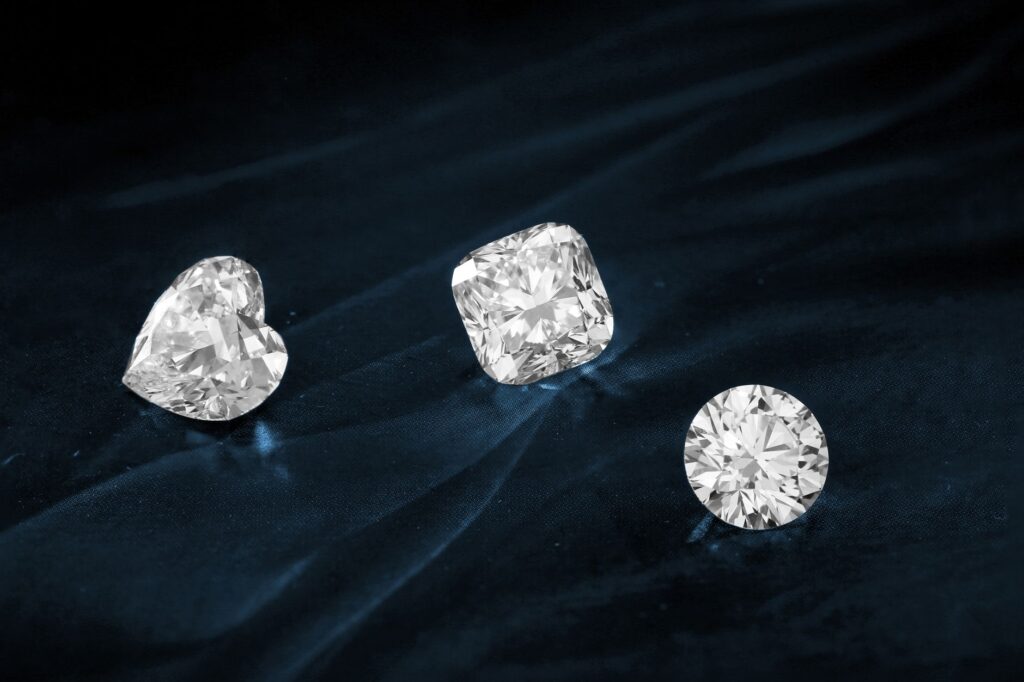
Shape comparisons help buyers understand what they are getting visually and financially. Below is a practical comparison of elongated cushion lab grown diamonds against several popular alternatives.
| Shape | Overall Look | Sparkle Style | Face-Up Size | Color Visibility | Common Buyer Appeal |
|---|---|---|---|---|---|
| Elongated Cushion | Soft rectangular outline with rounded corners | Mixed sparkle, often soft and romantic | Often looks large for its weight | Moderate | Balanced, elegant, slightly distinctive |
| Round Brilliant | Perfectly circular | Maximum brilliance and sparkle | Good, but not usually the largest-looking | Usually less visible | Classic and traditional |
| Oval | Long and smooth with no corners | Bright, lively, sometimes strong bow tie | Very strong face-up size | Moderate | Modern, elongating, popular |
| Radiant | Rectangular with trimmed corners | High sparkle, often very lively | Strong | Can hide color well | Bright and contemporary |
| Emerald Cut | Step-cut rectangle with open facets | Elegant flashes, less sparkle | Often appears large | More visible | Clean, sophisticated, understated |
| Square Cushion | Soft square shape | Similar to elongated cushion, but more compact | Usually less elongated on the finger | Moderate | Traditional cushion look |
Compared with round brilliant diamonds
Round brilliants are usually the benchmark for sparkle and predictable performance. They tend to offer the most consistent brilliance and are easy to compare because the cut grading system is well established. If a buyer wants maximum sparkle with less guesswork, round is often the easier choice.
Elongated cushion lab grown diamonds, by contrast, trade some of that predictability for a more unique shape and a softer visual effect. Many buyers prefer the cushion look specifically because it feels less common than a round diamond.
Compared with oval diamonds
Oval diamonds and elongated cushions both create a lengthening effect on the finger and can appear larger than their carat weight suggests. Ovals often have a more continuous, sleek outline, while elongated cushions feel a little more structured and plush.
Ovals can show a more noticeable bow tie in some stones. Elongated cushions can show one too, but the effect may appear differently because of the rounded corners and facet arrangement. Buyers who like an oval but want something slightly less trendy sometimes gravitate to elongated cushions.
Compared with radiant cuts
Radiant cuts are known for strong sparkle and a more angular outline. They often hide color well and can feel energetic and modern. Their corners are trimmed, which gives them a sharper visual frame than an elongated cushion.
An elongated cushion is generally softer in appearance and can feel more romantic. A radiant may appeal more to buyers who want maximum brightness and a bolder rectangular shape.
Compared with emerald cuts
Emerald cuts are step cuts, meaning their facets are arranged in long, parallel steps rather than many small sparkle-producing facets. This creates a hall-of-mirrors effect rather than classic brilliance. Emerald cuts also tend to show clarity more easily, so higher clarity is often preferred.
Elongated cushions offer more sparkle and a more forgiving look than emerald cuts. Buyers who want a diamond with more light return but still appreciate a rectangular outline may prefer the cushion.
Compared with square cushions
Square cushions share the same family but offer a shorter, more compact look. They can feel traditional and slightly more vintage. Elongated cushions provide more finger coverage and a more refined silhouette for buyers who want the cushion style with added length.
The choice often comes down to personal preference. Some people like the coziness of a square cushion, while others like the balanced stretch of an elongated version.
Important Buying Considerations
When shopping for an elongated cushion lab grown diamond, several factors matter more than just the shape name. These details can influence beauty, durability, and value.
Length-to-width ratio
This is one of the most important specifications for the shape. A ratio around 1.10 to 1.25 is often considered elongated, though preferences vary. Lower ratios create a softer, less rectangular look. Higher ratios create a longer, more dramatic silhouette.
Buyers should choose a ratio based on visual preference rather than chasing a number. A slightly shorter stone may suit one hand better, while a longer one may look ideal in a particular setting.
Table and depth
Although not every cushion cut follows the same ideal proportion formula, table and depth still matter. The table is the large top facet, and depth refers to how tall the diamond is from top to bottom. Extreme proportions can affect sparkle and apparent size.
A very deep diamond may hide carat weight in the body of the stone instead of showing it face-up. A very shallow one may look glassy or lose light performance. Balanced proportions are usually the safest path.
Cut quality and visual performance
Cushion cuts are not all graded the same way, so visual inspection matters. Look for a diamond with even brightness, good contrast, and minimal dead zones. Videos in natural and spotlight conditions are often more helpful than still photos alone.
If a retailer provides a certification from a respected laboratory, such as GIA or IGI, that report can support your evaluation, but it does not replace visual review. This is especially true when buying lab grown diamonds online.
Color grade
Elongated cushion diamonds can show body color depending on the stone and the setting. Many buyers prefer near-colorless grades for a clean look, especially in white gold or platinum settings. In yellow gold, some buyers may be comfortable with a slightly lower color grade because the metal can mask subtle warmth.
For buyers comparing multiple options, color can be one area where lab grown diamonds allow more flexibility within budget. That can be useful when trying to balance a larger elongated stone with a clean visual appearance.
Clarity grade
Because cushion shapes have a visually active faceting pattern, they can sometimes hide small inclusions well. Still, buyers should not assume every stone will be eye-clean. Inclusions near the center or under a larger facet may be more noticeable than inclusions near the edges.
Clarity becomes especially important if the stone is large or if you prefer a very clean, open look. Reviewing magnified images or asking whether the stone is eye-clean is often more useful than focusing on a label alone.
Setting style
The right setting can make the shape look more balanced and attractive. Solitaire settings emphasize the elongated silhouette. Three-stone settings can create a more luxurious look, while halos can make the center diamond appear larger and soften the outline further.
Prong style matters too. Rounded corners are generally easier to protect, but the diamond should still be secured properly. A setting that supports the corners and edges can help with long-term wear.
Metal color
Metal color affects how the diamond appears. White metals often emphasize the brightness and modernity of the stone. Yellow gold can add warmth and make a lower color grade look less obvious. Rose gold gives the ring a softer, more romantic tone that can suit cushion shapes well.
Advantages of Elongated Cushion Lab Grown Diamonds
It helps to summarize the strengths clearly so buyers can decide whether the shape aligns with their priorities.
- Soft rectangular outline that feels elegant and romantic.
- Often appears larger on the finger than a square cushion of the same weight.
- Rounded corners can suit many ring designs and feel comfortable in daily wear.
- Can offer a balanced look between classic and contemporary styles.
- In lab grown form, often provides strong size and quality potential within budget.
- Works well for buyers who want a distinctive shape without going too far from tradition.
Disadvantages of Elongated Cushion Lab Grown Diamonds
There are also practical downsides that should be part of the buying decision.
- Cut quality is harder to judge than with round brilliant diamonds.
- Visual performance can vary significantly between stones.
- Some diamonds show a bow tie effect across the center.
- Color and clarity may be more noticeable depending on proportions.
- Shape preference is subjective, so not every buyer will love the softer rectangular look.
- Resale value for lab grown diamonds is generally limited compared with the original retail price, regardless of shape.
How Lab Grown Diamonds Affect the Buying Decision
Since this article focuses on lab grown diamonds, it is worth noting how the category changes the practical buying experience. A lab grown elongated cushion can often give buyers more size or quality for the same budget than a comparable natural diamond. That can be especially useful when the shape itself already creates a larger-looking appearance.
At the same time, buyers should understand that lab grown diamonds still need to be evaluated carefully for cut, certification, and appearance. Lower cost does not eliminate the need for good selection. It simply gives more room to prioritize the qualities that matter most to the wearer.
It is also important to keep expectations realistic about long-term value. Lab grown diamonds are genuine diamonds with the same basic crystal structure as natural diamonds, but their resale market is typically different and often lower. Buyers should view them primarily as a personal-use purchase rather than a financial asset.
Common Mistakes Buyers Make
Buying an elongated cushion lab grown diamond can be straightforward if you know what to watch for. These are some of the most common mistakes.
Choosing by carat weight alone
Carat weight is only one part of the picture. Two diamonds with the same carat can have very different face-up sizes and light performance. For elongated cushions, length, depth, and cut style can change the result more than many buyers expect.
Ignoring the length-to-width ratio
Some buyers fall in love with the shape category without noticing that one diamond is much longer or squarer than another. If you want a specific look, ratio matters a great deal. Reviewing measurements helps avoid disappointment.
Buying without seeing the stone in motion
A still photo may look excellent while the diamond appears less lively in real life. Motion video is especially useful for evaluating scintillation and bow tie visibility. This matters even more when shopping online for lab grown diamonds.
Assuming all cushion cuts perform the same
The cushion family is broad. Some stones have antique-style faceting, others are more modern, and sparkle patterns can vary dramatically. Never assume that all elongated cushions are visually interchangeable.
Overlooking setting compatibility
A beautiful diamond can look underwhelming in the wrong setting. The setting should support the stone’s proportions and protect the corners. A style that looks flattering on one hand may not be the best match for another.
Overpaying for unnecessary specs
Because lab grown diamonds often offer more flexibility, some buyers end up paying extra for grades or proportions they would not actually notice. A thoughtful balance of color, clarity, and size usually produces the best practical result.
Frequently Asked Questions
What is an elongated cushion lab grown diamond in simple terms?
It is a cushion-shaped lab grown diamond that is longer than it is wide. The corners are rounded, but the overall outline looks more rectangular than square.
Is an elongated cushion the same as a cushion cut?
It is a type of cushion cut, but not all cushion cuts are elongated. Some are close to square, while others have a noticeably stretched shape.
Does an elongated cushion look bigger than other shapes?
It often appears larger than a square cushion of the same carat weight because the added length creates more visual spread. It may also look more substantial than some other shapes, depending on the exact proportions.
Do elongated cushion diamonds show a bow tie effect?
They can. The bow tie effect is a darker area across the center that appears in some elongated shapes. A mild effect is common, but a strong bow tie can be distracting.
Are elongated cushion lab grown diamonds good for engagement rings?
Yes, they can be excellent for engagement rings. They offer a classic but slightly distinctive look, and their rounded corners work well in many settings. The key is choosing a stone with balanced proportions and good visual performance.
Which color grade is best for an elongated cushion lab grown diamond?
There is no single best grade for everyone. Many buyers like near-colorless grades such as G, H, or I for a clean look and good value. The right choice depends on the setting metal and how sensitive you are to color.
Are elongated cushion lab grown diamonds a good value?
They can be. Lab grown diamonds generally offer strong value in terms of size and quality for the price, and the elongated shape can create extra visual presence. Still, value depends on choosing the right stone rather than simply choosing the lowest price.
Do elongated cushions hold value?
Like most lab grown diamonds, they usually do not retain retail value in the same way some buyers expect from natural diamonds. They are best viewed as a jewelry purchase rather than an investment.
Conclusion
An elongated cushion lab grown diamond combines soft corners, a stretched silhouette, and a romantic visual style that appeals to many engagement ring buyers. It can look larger than a square cushion, flatter the finger, and offer a good balance between classic and modern design.
The best results come from paying attention to the details that affect appearance, especially length-to-width ratio, cut performance, color, clarity, and setting choice. Because cushion cuts vary more than some other shapes, a careful visual review matters.
For buyers who want a shape that feels elegant, slightly distinctive, and practical within the lab grown diamond market, the elongated cushion is often worth considering. The key is to choose based on how the stone actually looks, not just on the shape name or carat weight alone.