Diamond cut is one of the most important quality factors in a diamond, but it is also one of the most misunderstood. Many buyers focus first on carat weight or color because those terms are easier to compare, yet cut often has the biggest effect on how attractive a diamond looks in real life.
If you are trying to understand Why Diamond Cut Matters, the short answer is simple: cut controls how well a diamond returns light. That affects brightness, sparkle, fire, and overall beauty more than most first-time buyers expect. A well-cut diamond can look lively and balanced even if it is smaller than another stone with a heavier carat weight.
This matters even more when shopping for lab grown diamonds, where buyers often compare multiple stones with similar color and clarity. In those cases, cut is often the factor that separates an average-looking diamond from one that appears crisp, bright, and visually impressive. Understanding cut helps you spend money on the qualities you can actually see.
Quick Answer: Why Diamond Cut Matters
Diamond cut matters because it determines how much light a diamond reflects back to your eye. When a diamond is cut well, light enters the stone, bounces around internally, and returns in a way that creates brightness and sparkle. When the cut is poor, light can leak out of the sides or bottom, making the diamond look dull, dark, or smaller than its actual size.
For most buyers, cut has a bigger visual impact than subtle differences in color or clarity. That does not mean the other grades are unimportant, but it does mean that cut should usually be near the top of your priority list, especially for an engagement ring or any diamond meant to be seen every day.
In practical terms, a well-cut diamond can make a modest budget go farther. It can also help a diamond look more lively under everyday lighting, which is where most people will actually see it.
What Diamond Cut Actually Means
In everyday conversation, “cut” can mean the shape of the diamond, such as round, oval, pear, or cushion. In grading terms, though, cut refers to how well a diamond’s proportions and facets are arranged to interact with light. Two round diamonds can have the same shape but very different cut quality.
Cut quality is influenced by several parts of the diamond’s craftsmanship. These include proportion, symmetry, and polish. Each one plays a different role in how light moves through the stone and how cleanly the surface reflects that light back.
Cut Is Not the Same as Shape
Shape describes the outline of the diamond. Cut describes how well that shape is executed. A round brilliant is the most commonly studied shape for cut grading, but other shapes also benefit from good cutting.
For fancy shapes like oval, cushion, emerald, or radiant, there is usually less standardized cut grading from major labs. That makes buyer education even more important, because you often need to judge the diamond visually rather than relying only on a simple grade.
The Main Components of Cut Quality
- Proportions, which affect how light enters and exits the stone.
- Symmetry, which refers to how precisely the facets line up with each other.
- Polish, which describes how smooth and clean the facet surfaces are.
- Facet arrangement, which influences sparkle pattern and brightness.
These elements work together. A diamond can have excellent polish but still perform poorly if its proportions are off. Likewise, a diamond can have a high carat weight and still look disappointing if the cut causes too much light leakage.
What Buyers Actually See in a Well-Cut Diamond
Most buyers do not study a diamond under laboratory lighting. They see it in stores, at home, outdoors, and in everyday settings like offices or restaurants. That is why cut quality matters so much. It affects what the diamond looks like in normal life, not just under ideal conditions.
A well-cut diamond usually appears brighter in the center and across the face of the stone. It tends to show stronger flashes of sparkle when it moves, and it often looks more balanced overall. The result is not just “more sparkle,” but better visual harmony.
The Main Visual Effects of Good Cut
- Brilliance, or white light return, which makes the stone look bright.
- Fire, or colored light dispersion, which creates flashes of rainbow color.
- Scintillation, the pattern of sparkle and contrast you notice when the diamond moves.
- Face-up appearance, meaning how the diamond looks from above when worn.
These qualities are all connected to cut, but they are not the same thing. A diamond can be bright without having dramatic fire. Another can flash color but still lack overall balance. Good cut helps all of these visual effects work together in a way that looks pleasing to most buyers.
Why Diamond Cut Matters More Than Many Buyers Realize
One reason cut is so important is that it can influence the diamond’s appearance more than a small increase in carat weight. A larger diamond with poor cut may not look as impressive as a slightly smaller diamond with excellent cut. This surprises many first-time buyers, especially when they assume size automatically means better visual impact.
Cut also affects how forgiving a diamond is under different lighting conditions. Some diamonds look strong in a showroom but less impressive at home. A well-cut diamond tends to be more consistent across environments, which is valuable if you want the stone to look good most of the time rather than only under perfect lighting.
For lab grown diamonds, this issue is especially relevant because buyers often have access to more carat options within a budget. It can be tempting to prioritize size, but cut often determines whether the stone looks elegant and lively or simply large on paper.
Understanding Cut Grades
Cut grades help buyers compare diamonds more easily, especially round brilliant diamonds. Major grading labs, such as GIA and AGS, use cut-related assessments to evaluate how a stone should perform visually. These grades are helpful, but they are not the whole story.
A cut grade usually reflects a combination of brightness, sparkle, proportions, symmetry, and polish. In practice, this means the grade gives you a strong starting point, but it does not replace careful evaluation of the actual diamond.
Typical Cut Grades for Round Diamonds
| Cut Grade | What It Usually Means | What Buyers Often Notice | Buying Takeaway |
|---|---|---|---|
| Excellent / Ideal | Strong light performance and careful craftsmanship | Bright, lively, balanced sparkle | Often the safest choice if cut is a priority |
| Very Good | Strong overall appearance with some variation | Usually attractive, sometimes slightly less crisp | Can be a good value if the specific diamond looks strong |
| Good | Acceptable light return, but less refined | May look smaller, duller, or less vibrant | Worth inspecting carefully before buying |
| Fair / Poor | Weaker proportions or light return | Noticeably reduced sparkle or brightness | Usually not the best choice for most buyers |
For many shoppers, the difference between Excellent and Very Good is subtle rather than dramatic. The difference between Excellent and Good, however, can be easier to see. This is why it helps to look beyond the label and consider how the diamond performs in real light.
Light Performance: The Real Reason Cut Matters
Light performance is the practical outcome of good cut. It describes how effectively a diamond handles light after it enters the stone. If the internal angles and facet arrangement are well designed, the diamond sends more light back to the viewer.
When people say a diamond “sparkles,” they are usually reacting to light performance. That includes brightness, flashes of fire, and the contrast pattern created as the diamond and viewer move. A diamond with strong light performance generally appears more attractive at a glance, even to people who do not know much about diamonds.
Brightness
Brightness refers to the white light reflected back from the diamond. A bright diamond often looks crisp and alive. If the cut is weak, the diamond may appear dark in the center or washed out in some lighting conditions.
Fire
Fire is the colored sparkle you see when white light splits into spectral flashes. Some buyers love fire because it adds drama and personality. Cut influences how much fire is visible, although lighting conditions and diamond shape also matter.
Scintillation
Scintillation is the pattern of flashes and dark-light contrast that appears when the diamond moves. It gives a diamond visual energy. A well-cut diamond often has more pleasing and orderly scintillation, which makes the sparkle feel lively rather than chaotic.
Symmetry and Polish: Smaller Details That Still Matter
Symmetry and polish are not usually the first things buyers think about, but they still affect appearance. These are the finishing details that help a diamond look clean and precise.
What Is Symmetry?
Symmetry refers to how accurately the facets are aligned with one another. In a round brilliant, for example, good symmetry helps the pattern look balanced from one side to the other. Poor symmetry can cause the diamond’s face-up pattern to look uneven or less refined.
What buyers actually see depends on the degree of mismatch. Minor symmetry differences are often hard to notice without magnification, but stronger issues can affect the diamond’s visual balance. In most cases, good or excellent symmetry is preferable, especially if you want a high-quality appearance.
What Is Polish?
Polish describes the smoothness of the diamond’s facet surfaces. Good polish allows light to reflect cleanly. Poor polish can create tiny surface features that slightly interfere with brightness and sharpness.
For most buyers, polish differences are subtle unless the grade is significantly lower. Still, polish is worth considering as part of the full cut picture, especially when comparing similar stones at the same price point.
Why Diamond Cut Matters for Lab Grown Diamonds
Lab grown diamonds are chemically and visually similar to natural diamonds, but that does not make cut any less important. In fact, because lab grown diamonds often give buyers more size and quality options for the price, cut becomes one of the best tools for narrowing the field.
Many lab grown diamonds are available in higher color and clarity ranges. That can create the impression that all of them should look equally impressive. In reality, a poorly cut lab grown diamond can still look flat or overly dark, even if it has excellent color and clarity on paper.
For buyers comparing lab grown diamonds, cut often provides the biggest visual difference per dollar. That is because a diamond with strong light performance can look more refined than a larger stone with less thoughtful proportions.
How Cut Affects Value
Cut affects value because it influences how much beauty you get for the price. A diamond with excellent cut often costs more than a lower-cut stone of the same size, but that extra cost can be worthwhile if the visual improvement is noticeable.
The key question is whether the premium produces a real benefit you will see every day. In many cases, the answer is yes. In others, especially when differences are very small, the premium may not be justified if it forces you to compromise on other priorities.
When Paying More for Cut Makes Sense
- You want the diamond to look bright and lively in normal lighting.
- You are comparing diamonds of similar size and want the most attractive option.
- You are buying an engagement ring that will be seen frequently and up close.
- You value visual performance more than maximizing carat weight.
When the Premium May Be Less Important
- The diamond is for occasional wear and viewed from a distance.
- The cut difference is very small and hard to see without magnification.
- You are balancing several priorities, such as budget, ring setting, and carat weight.
Cut usually offers strong value because it directly affects beauty. Still, the best purchase is not always the highest cut grade at any price. Buyers should think about the full combination of carat, color, clarity, shape, certification, and price.
Practical Examples Buyers Can Relate To
Concrete comparisons help make cut easier to understand. In real shopping, the differences are rarely abstract. They show up as brightness, contrast, and the overall feeling you get when looking at the stone.
A Well-Cut 1.5-Carat Diamond Versus a Poorly Cut 2-Carat Diamond
This is one of the most useful comparisons for buyers. A 2-carat diamond sounds more impressive on paper, but if the cut is weak, it may face up poorly and look less lively than the 1.5-carat stone.
The well-cut 1.5-carat diamond may appear brighter, more balanced, and visually cleaner. The larger stone may have more physical spread, but if too much light leaks out, that extra size does not translate into better beauty.
For many shoppers, this comparison makes the value of cut immediately clear. Size matters, but not if it comes at the expense of visible performance.
Excellent Cut Versus Very Good Cut in Everyday Lighting
In many cases, the difference between Excellent and Very Good is modest. Both can be attractive, and both can look strong in good conditions. The more noticeable difference tends to be how crisp and balanced the stone looks from different angles and in mixed lighting.
If the budget difference is meaningful, a carefully chosen Very Good diamond can be a reasonable option. However, if the price is close, many buyers prefer to choose the better-performing stone because the daily visual payoff can be worth it.
Higher Clarity With Poor Cut Versus Lower Clarity With Excellent Cut
This is another common buying mistake area. A cleaner diamond with poor cut may still look less attractive than a slightly lower clarity diamond with excellent light performance.
Why? Because clarity is about internal features, while cut determines how the diamond reflects light. If a diamond sparkles well, small clarity differences are often less noticeable to the eye. That is why many buyers find that cut has the bigger effect on everyday beauty.
What Experienced Jewelers Often Look For
Professionals do not rely on carat weight alone. They often inspect the diamond’s face-up look, observe its sparkle pattern, and compare it under different lighting conditions. They also pay attention to whether the diamond looks balanced or if one area seems too dark or too washed out.
Experienced jewelers often notice that a diamond with strong cut quality holds attention better. It looks active even when the light is not perfect. That does not mean every ideal-looking diamond must have the highest grade, but it does mean the stone’s visual behavior matters more than the number on the report alone.
Things Professionals Commonly Check
- How bright the center appears
- Whether the edges and table reflect light evenly
- Whether the sparkle pattern looks balanced
- Whether the diamond has visible dark areas from leakage
- Whether the proportions seem appropriate for the shape
Light Leakage: The Hidden Problem Poor Cut Can Create
Light leakage happens when light enters a diamond but escapes instead of returning to the viewer. This is one of the main reasons a diamond can look dull or less lively than expected. It is especially important in diamonds that appear darker in the center or around the edges.
Buyers usually cannot measure light leakage by eye in a simple way, but they can often see the result. A diamond with leakage may look less bright, less contrasty, or less “full of life.”
This is one reason cut matters so much. You are not just buying a diamond’s size and color. You are buying the way it handles light.
How Cut Works in Different Shapes
Round diamonds have the most established cut grading systems, which makes them easier to compare. Fancy shapes are more variable, and the ideal proportions can differ by shape. That means the same general rules apply, but evaluation becomes more visual and less standardized.
Round Brilliant
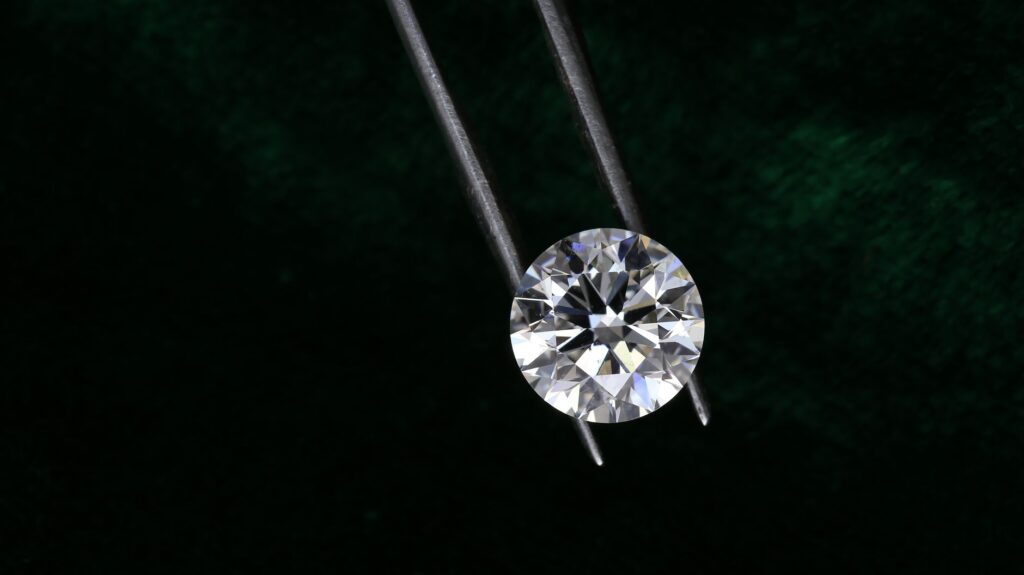
Round brilliants are designed for maximum brilliance and balanced sparkle. They tend to show the strongest and most predictable light performance when well cut. That is one reason rounds remain the most popular diamond shape for engagement rings.
Oval, Cushion, Pear, and Radiant
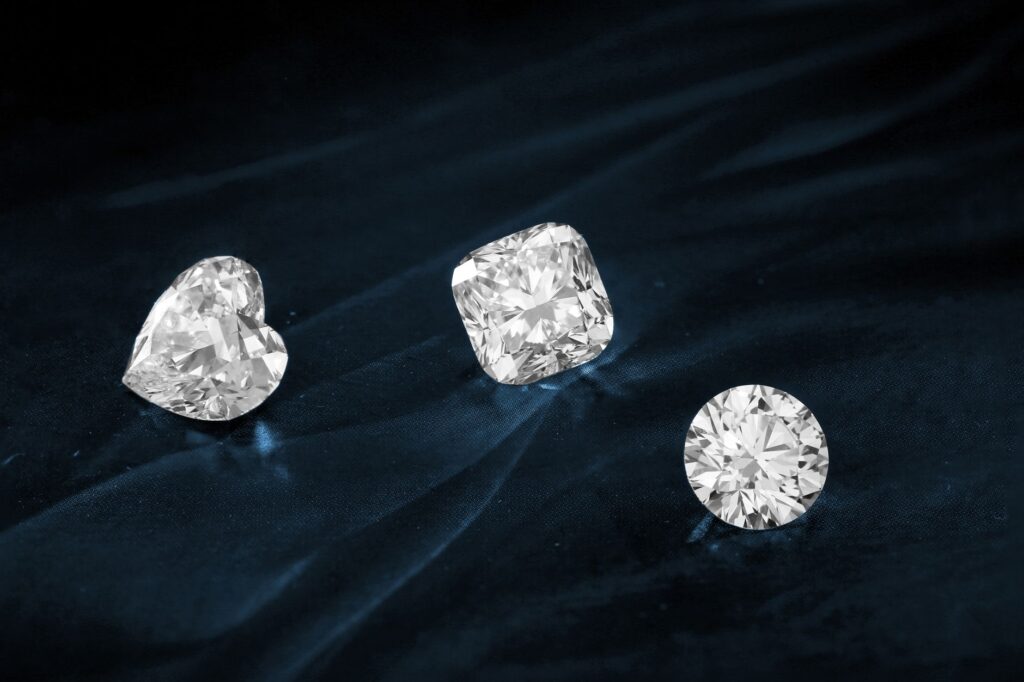
These shapes can be very attractive, but cut quality is more dependent on the individual stone. Buyers often look for even brightness, pleasing shape outlines, and minimal dark areas. Some fancy shapes also have specific concerns such as bow-tie patterns, which are areas of darkness that can appear across the middle of the stone.
Emerald and Asscher
Step-cut diamonds like emerald and Asscher have a different look. They usually show less sparkle in the traditional sense and more of a hall-of-mirrors effect. For these shapes, cut is still crucial, but the goal is elegance, clarity of reflection, and visual symmetry rather than maximum sparkle.
Advantages of Prioritizing Diamond Cut
There are several practical reasons to make cut a top priority when buying a diamond. Most of them come down to visible beauty and long-term satisfaction.
- Better everyday appearance: The diamond is more likely to look bright and lively in normal lighting.
- Stronger sparkle: Good cut supports brilliance, fire, and scintillation.
- Smarter value use: Money spent on cut often produces more visible benefit than spending the same amount on a minor increase in carat weight.
- More forgiving visually: A strong cut can help a diamond appear attractive even if color or clarity are not top-tier.
- Better long-term satisfaction: Many buyers are happier with a diamond that continues to look good in different environments.
Limitations and Trade-Offs
Cut is important, but it is not the only factor. There are also real trade-offs to consider. A buyer who spends too much chasing the highest cut grade may have to give up too much size or stay above budget.
It is also possible to overthink cut when the visual difference is small. In some cases, two diamonds with similar cut quality will both look appealing, and the better value may be the one that fits the buyer’s budget and overall priorities.
Another limitation is that grading reports do not always tell the full story for fancy shapes. The actual appearance of the diamond still matters. That is why photos, videos, and trusted vendor tools can be useful, especially for online purchases.
Buying Considerations for Cut
When evaluating diamond cut, it helps to keep the full buying picture in mind. A diamond is not selected from a single category. You are balancing appearance, budget, and the confidence you have in the grading information.
Start With the Viewing Priority
Ask yourself what matters most. If you want the most beautiful face-up appearance, cut should be a leading priority. If you want the largest possible look within a budget, you may accept a small trade-off in cut grade, but you should do so knowingly.
Use Certification Wisely
Certification is important because it gives you an independent assessment of the diamond. For round diamonds, grading reports from major labs can be very helpful. For fancy shapes, reports are still useful, but visual review becomes even more important because cut is less standardized.
If you are comparing lab grown diamonds, make sure you understand the report issuer and the grades being used. Some buyers focus on the words “excellent” or “ideal” without understanding what those grades actually reflect.
Consider the Shape
Some shapes hide weight better than others. Others may spread more across the finger. Cut quality affects how much of that size you actually see from the top. A thoughtful comparison of shape and cut can often help you choose a diamond that looks larger and more attractive than another stone of similar carat weight.
Think About Everyday Wear
Most people wear diamonds in changing light conditions, not just under showroom spotlights. A diamond that performs well in office light, daylight, and evening settings is often a better real-world choice than a stone that only looks great in a narrow set of conditions.
Common Buyer Mistakes
Many diamond shopping problems happen because buyers treat cut as an afterthought. Avoiding a few common mistakes can save money and improve the final result.
- Prioritizing carat over cut: A larger diamond is not automatically more beautiful.
- Overpaying for clarity: Clean clarity does not compensate for weak sparkle.
- Ignoring light performance: A diamond may have great paper grades but still look dull.
- Assuming all diamonds sparkle the same: Cut quality creates meaningful differences.
- Focusing only on the grade label: Two diamonds with the same cut grade can still look different.
- Not checking the shape-specific issues: Fancy shapes may have bow ties, uneven brightness, or other cut-related concerns.
How Cut Relates to Color, Clarity, and Carat
Cut does not exist in isolation. It affects how the other quality factors are seen. That is why diamond education works best when you think about all the 4Cs together.
Color can appear more noticeable in a poorly cut diamond because less light return leaves the stone looking flatter. Clarity can become less important if strong sparkle helps mask tiny inclusions from the eye. Carat can look more impressive when the diamond spreads well and returns light efficiently.
In other words, cut influences how the rest of the diamond presents itself. That is one reason experienced buyers and jewelers often treat it as a foundation, not just one more checkbox.
Frequently Asked Questions
Is cut more important than carat weight?
For most buyers, yes. Carat measures size, but cut determines how attractive that size looks. A smaller diamond with excellent cut often appears more beautiful than a larger diamond with poor cut.
Can two diamonds with the same cut grade look different?
Yes. Cut grades are useful, but they do not always capture every visual detail. Two diamonds with the same grade may differ in proportions, visual balance, or face-up brightness.
Is Excellent cut always worth the extra money?
Not always, but often it is. The answer depends on how large the price difference is and whether the visual improvement matters to you. If the premium is small, many buyers prefer the stronger-performing stone.
Do lab grown diamonds need to be cut well too?
Absolutely. Lab grown diamonds still depend on cut for brightness and sparkle. A lab grown diamond with weak cut can look less appealing than one with strong proportions, even if both have similar color and clarity.
Can I see cut quality with my eyes?
Yes, often to a degree. You may notice brightness, sparkle, and how balanced the stone looks. The difference is easier to see when comparing diamonds side by side in the same lighting.
What is more important for sparkle, cut or clarity?
Cut is more important for sparkle. Clarity matters for internal cleanliness, but cut controls how much light the diamond returns and how lively it looks.
Are fancy shapes harder to evaluate for cut?
Usually yes. Round diamonds have more standardized cut grading, while fancy shapes often require more visual judgment. That makes videos, images, and trusted dealer guidance especially useful.
Should I always choose the highest cut grade?
Not automatically. The best choice depends on your budget and the actual diamond in front of you. In many cases, a carefully selected Very Good or similar stone can offer strong value, especially if the specific diamond looks attractive.
Conclusion
Diamond cut matters because it shapes the way a diamond looks in the real world. It affects brightness, sparkle, fire, and the overall visual quality that buyers notice most. For many shoppers, especially those comparing lab grown diamonds or engagement ring options, cut is one of the smartest places to focus attention.
The most practical takeaway is this: do not judge a diamond by size alone. A well-cut stone often delivers more beauty, more consistency, and better long-term satisfaction than a larger diamond with weaker light performance. If you understand how cut works, you are much better prepared to compare diamonds with confidence and choose the one that actually looks best to you.