When shoppers compare round vs cushion cut diamonds, they are usually deciding between two very different ideas of beauty. Round diamonds are known for maximum sparkle and a classic look, while cushion cuts offer a softer outline with a more vintage feel. Both can be excellent choices for engagement rings and other fine jewelry, but they perform differently in appearance, pricing, and day-to-day wear.
If you are choosing between these two shapes, the right answer depends on what matters most to you. Some buyers want the brightest, most predictable sparkle. Others prefer a shape that feels a little more distinctive, with rounded corners and a softer profile on the hand. Understanding how these two cuts behave helps you choose a diamond that fits your style, budget, and long-term expectations.
Quick Answer: Round vs Cushion Cut Diamonds
Round diamonds are the most brilliant diamond shape and usually show the strongest sparkle because of their facet pattern and symmetrical proportions. They are also the most popular shape, which often means broader price demand.
Cushion cut diamonds have a square or rectangular outline with rounded corners. They tend to look softer and more romantic, with sparkle that can range from very lively to more subtle depending on the facet style and proportions.
In simple terms, choose a round diamond if you want maximum brilliance, a timeless look, and a shape that generally performs well in most settings. Choose a cushion cut if you like a softer outline, a more vintage-inspired style, and potentially better face-up size or value in certain cases. For lab grown diamonds, both shapes are widely available, which makes it easier to compare size, color, and clarity within your budget.
What Is the Difference Between Round and Cushion Cut Diamonds?
The difference starts with shape, but it does not end there. Shape affects how a diamond returns light, how large it looks, how clearly inclusions show, and how the ring feels on the hand.
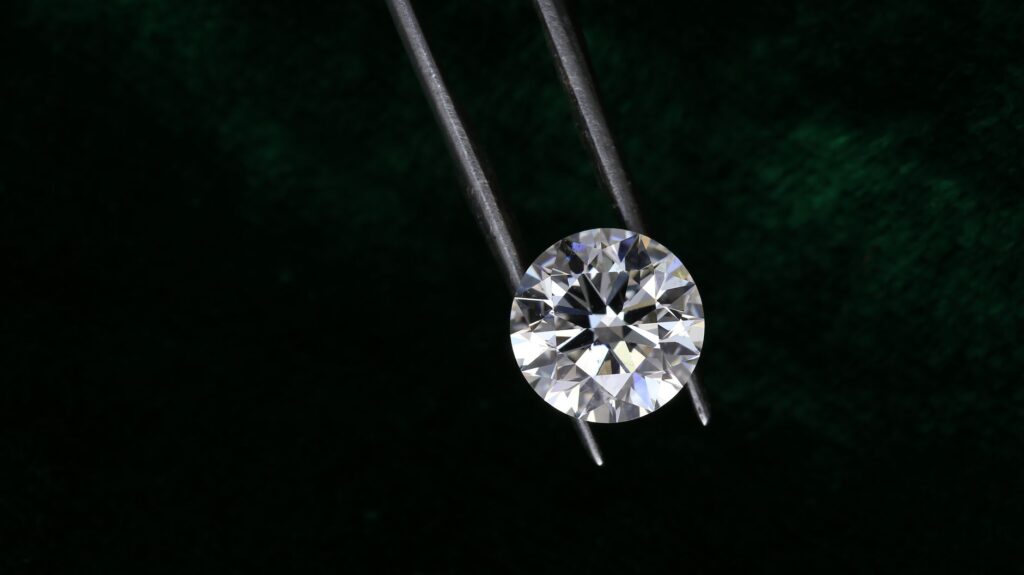
A round diamond is circular and is cut to maximize light performance. It is the most standardized of all diamond shapes, which is why shoppers often find round diamonds easier to compare.
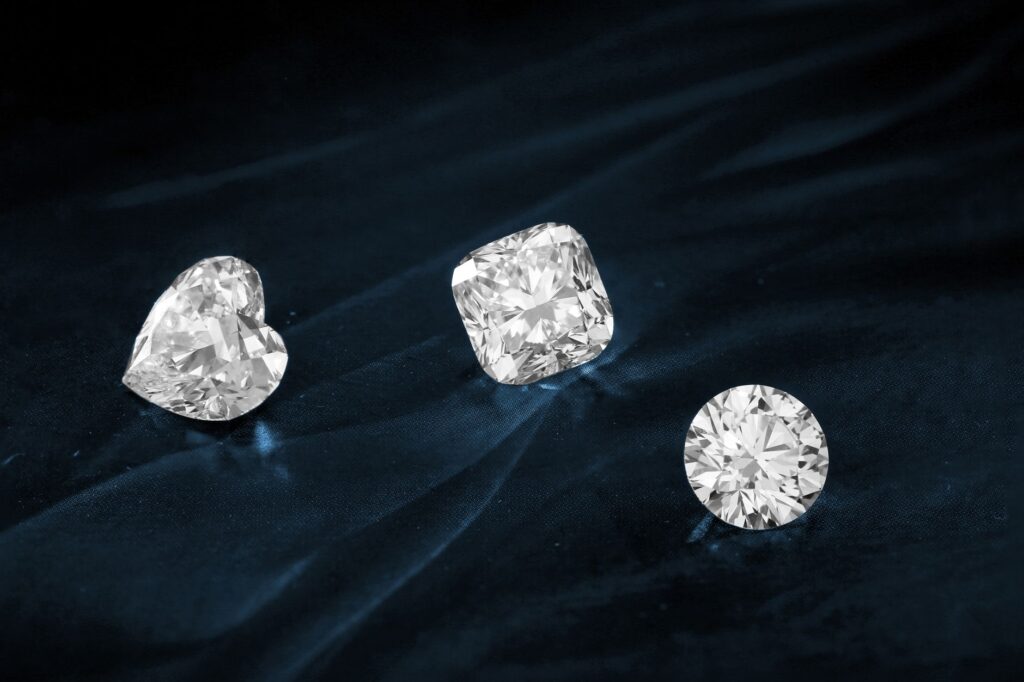
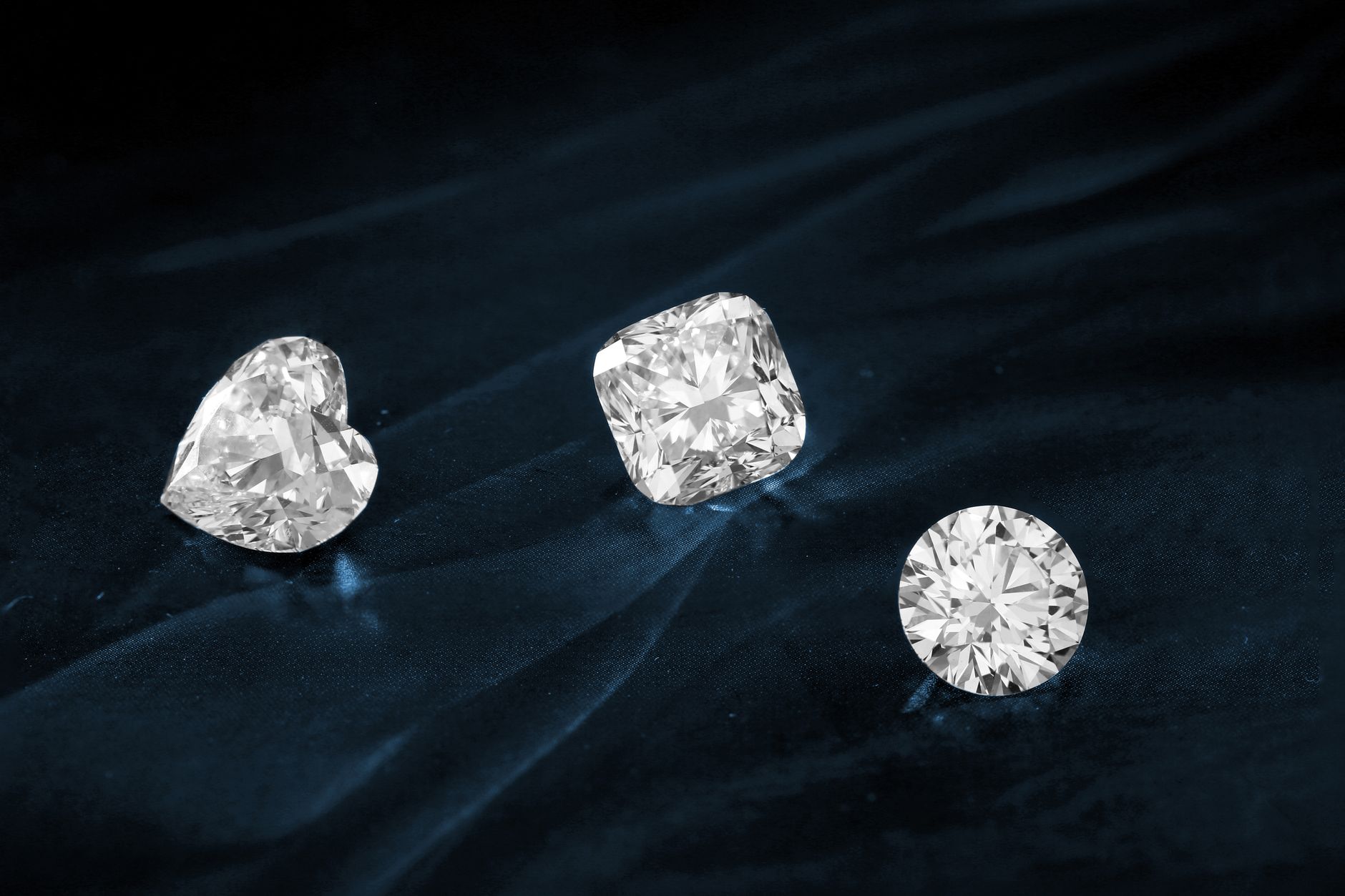
A cushion cut diamond has a square or rectangular outline with rounded edges, similar in concept to a pillow. The shape is older than the modern round brilliant and comes in several facet styles, which means two cushion cuts can look noticeably different from one another.
This is one reason comparisons between round vs cushion cut diamonds are not always straightforward. Round diamonds are more consistent in appearance. Cushion cuts offer more variation, which can be appealing to some shoppers and confusing to others.
How Each Shape Looks on the Hand
Round Diamond Appearance
Round diamonds create a clean, balanced look. Because the shape is symmetrical and fully circular, it tends to appear very polished and traditional. It also works well in nearly every ring style, from solitaire engagement rings to halo and three-stone designs.
On the finger, a round diamond usually looks visually centered and easy to style. It does not have directional length, so it is often chosen by buyers who want a classic appearance without strong visual trends.
Cushion Cut Diamond Appearance
Cushion cuts look softer and less geometric. Their rounded corners make them appear gentler than square cuts such as princess or Asscher. Depending on the length-to-width ratio, a cushion may look almost square or slightly elongated.
That elongation can matter. An elongated cushion can make the finger appear longer, while a squarer cushion may feel more compact and traditional. Many buyers like cushion cuts because they feel romantic and slightly antique without being overly formal.
Sparkle Comparison: Which Diamond Dazzles More?
For most buyers, sparkle is one of the biggest differences between these shapes. Sparkle is not just one thing. It includes brilliance, which is the white light a diamond reflects, fire, which is the colored flashes of light, and scintillation, which is the on-and-off sparkle you see as the diamond moves.
Why Round Diamonds Usually Sparkle More
Round brilliant diamonds are cut with a facet arrangement designed specifically for light return. That facet pattern is why the round shape remains the standard for maximum brilliance. The stone tends to produce a lively, consistent sparkle across the face of the diamond.
This does not mean every round diamond outshines every cushion cut. Cut quality still matters. But if all else is equal, a round diamond usually delivers the strongest and most predictable brilliance.
How Cushion Cut Sparkle Differs
Cushion cuts can have very attractive sparkle, but the effect depends heavily on the facet pattern. Some cushion cuts produce broad flashes of light, while others create more delicate sparkle. In general, cushion cuts may look softer and less fiery than a round brilliant, especially if they are cut in a more traditional style.
There are also different cushion faceting styles. Some have larger facets and a chunkier appearance, while others are more brilliant-cut and spark more like a round diamond. This is important because not every cushion cut behaves the same way.
Brilliance, Fire, and Scintillation Compared
| Feature | Round Diamond | Cushion Cut Diamond |
|---|---|---|
| Brilliance | Usually highest and most even | Can be strong, but varies by cut style |
| Fire | Good balance of white and colored light | Can show appealing flashes, often softer overall |
| Scintillation | Fast, crisp sparkle with movement | Can range from broad flashes to softer sparkle |
In practical terms, round diamonds are often the better choice for buyers who want the brightest possible look. Cushion cuts are better for buyers who prefer a softer, more romantic style of sparkle.
Face-Up Size: Which Shape Looks Bigger?
Face-up size refers to how large a diamond looks when viewed from above. This matters because two diamonds with the same carat weight can look different in size depending on shape and cut proportions.
Round diamonds are efficient, but they often face up a little smaller than elongated shapes at the same carat weight. Cushion cuts, especially elongated ones, can appear larger across the top because of their shape and surface outline.
This does not mean a cushion cut automatically looks bigger. A deep cut cushion can hide weight in the bottom of the diamond, which reduces face-up size. Proportions matter more than the shape name alone.
For buyers comparing round vs cushion cut diamonds, this is worth remembering: a well-proportioned cushion may offer a slightly larger visual spread, while a round may look brighter and more visually intense.
Durability and Everyday Wear
Both shapes are suitable for daily wear, including engagement rings. Diamond is hard, but that does not mean every shape handles wear in exactly the same way.
Round Diamond Durability
Round diamonds have no sharp corners, which makes them mechanically durable. This is one reason they are often considered the safest everyday shape. Their symmetry also makes them easier to protect in many settings.
If you want a shape that is less prone to corner wear, round is a very practical option.
Cushion Cut Durability
Cushion cuts also have rounded corners, which is one of their strengths. Compared with sharp-cornered shapes like princess cuts, cushion cuts are generally less vulnerable to damage at the edges.
That said, the exact setting still matters. A cushion diamond with a more elongated outline may need thoughtful prong placement to protect the corners and keep the stone secure.
From a durability standpoint, both are strong choices. The difference is that round diamonds are usually the easiest shape to wear with minimal concern, while cushion cuts may require a little more attention to proportions and setting style.
Clarity and Color Visibility
Shape affects how easily you notice inclusions and color. This is especially useful to understand if you are comparing diamonds in a specific budget.
Which Shape Hides Inclusions Better?
Cushion cuts often do a better job hiding small inclusions because their facet patterns can disguise imperfections. This can be helpful for buyers trying to balance size and clarity in a more affordable price range.
Round diamonds can also hide inclusions well, especially in smaller sizes or well-cut stones, but their consistent brilliance may make certain imperfections easier to detect under magnification. In normal viewing, however, most eye-clean round diamonds still look very clean.
Which Shape Shows Color More?
Round diamonds usually face up very bright, so they can sometimes show body color slightly more clearly in the lower color grades. Cushion cuts can also show color, and this becomes more noticeable in larger stones or those with deeper proportions.
If you are shopping near the borderline between color grades, comparing them side by side is a good idea. For lab grown diamonds, this is particularly relevant because buyers often prioritize larger carat sizes and may want to balance color with price.
In general, buyers often find that near-colorless grades work well in both shapes. The exact choice depends on setting metal, diamond size, and how sensitive you are to warmth.
Price Comparison: Why Round Diamonds Usually Cost More
Round diamonds typically carry the highest price per carat among popular shapes. This is not because they are rarer in nature alone. It is mainly because more rough diamond is lost during cutting, and because round diamonds are in very high demand.
Cushion cuts often cost less per carat than rounds of similar quality. This can make them appealing to buyers who want a larger-looking stone or more budget flexibility. In many cases, a cushion cut can allow you to move up in carat weight or improve color and clarity within the same budget.
That said, pricing is not always simple. A premium cushion with excellent brilliance, a desirable shape ratio, and strong overall proportions can still be expensive. Likewise, a poor-quality round may cost less but look less impressive than a carefully chosen cushion.
Why Lab Grown Diamonds Change the Comparison
Lab grown diamonds often make both shapes more accessible. Because lab grown pricing is generally lower than natural diamond pricing for comparable size and quality, many buyers can compare round and cushion shapes at carat weights that may have been out of reach otherwise.
This can be especially useful if you want to decide whether brightness or spread matters more to you. A lab grown round may let you buy a larger size than a mined round, while a lab grown cushion may maximize face-up presence even further. The main thing is to compare actual measurements, not just carat weight alone.
Popularity and Style Trends
Round diamonds remain the most popular diamond shape. Their appeal is easy to understand. They are versatile, timeless, and offer top-tier sparkle.
Cushion cuts are also popular, but for different reasons. They often appeal to buyers who want a softer look, a more vintage-inspired style, or a diamond that feels a bit less expected than a round brilliant.
Trends can influence demand, but long-term appeal matters more for most buyers. Round diamonds are the safest choice for buyers who want a style that is unlikely to feel dated. Cushion cuts have also shown strong staying power, especially in engagement ring designs that borrow from antique or romantic aesthetics.
Side-by-Side Comparison of Round vs Cushion Cut Diamonds
| Category | Round Cut | Cushion Cut |
|---|---|---|
| Appearance | Classic, symmetrical, circular | Softer, rounded square or rectangle |
| Sparkle | Usually the brightest and most consistent | Varies by facet style, often softer |
| Face-up size | Strong presence, but not always the largest spread | Can look larger, especially if elongated |
| Durability | Excellent for daily wear | Excellent, with rounded corners |
| Color visibility | May show warmth more in lower grades | Varies, but color can show in larger stones |
| Clarity visibility | Can hide some imperfections well | Often good at disguising inclusions |
| Price per carat | Usually highest among popular shapes | Often more budget-friendly |
| Style feel | Traditional and timeless | Romantic, vintage-inspired, softer |
Understanding Cushion Cut Variations
One of the biggest differences between cushion cuts and rounds is consistency. A round brilliant has a very familiar facet pattern. Cushion cuts, by contrast, come in several looks.
Traditional Cushion Cuts
Traditional cushion cuts often have larger facets and a more subtle, chunky sparkle. They can create broader flashes of light, which some buyers find elegant and distinctive.
Modified Brilliant Cushion Cuts
Modified brilliant cushions are designed to increase sparkle and look livelier. They may resemble a round brilliant more in performance, while still keeping the cushion outline.
Crushed Ice Effect
Some cushion cuts are described as having a crushed ice appearance. This means the facets create a more fragmented sparkle pattern, rather than distinct flashes. Some buyers like this look, while others prefer the sharper, more defined sparkle of a standard brilliant cut.
Knowing which type of cushion you are looking at is very important. Two cushion diamonds can have the same shape name but look quite different in person.
How Shape Affects Finger Appearance
Diamond shape can subtly change how a ring looks on the hand. This is one reason the same carat weight can feel different from one shape to another.
Round diamonds usually give a balanced, centered appearance. They work well on many finger types because they do not emphasize length or width.
Cushion cuts can create a softer visual profile. Elongated cushions often flatter shorter fingers by making them appear longer. Squarer cushions can feel more substantial and classic.
If you are shopping for an engagement ring, it can help to think about overall finger proportions and ring style, not just the diamond alone. The best shape is the one that looks harmonious in your preferred setting.
Important Buying Considerations
Choosing between round vs cushion cut diamonds is not just about shape preference. A smart purchase considers how the stone will actually look in real life.
Cut Quality Matters Differently in Each Shape
With round diamonds, cut quality is often the biggest driver of beauty. A well-cut round can look far more impressive than a larger but poorly cut stone.
With cushion cuts, cut quality is still important, but you also need to judge the outline, facet pattern, and whether the sparkle style matches your preferences. There is less standardization, so visual review becomes more important.
Pay Attention to Measurements, Not Just Carat Weight
Carat weight tells you how much a diamond weighs, not how big it looks. This is especially important with cushion cuts, which can vary in depth. Two diamonds with the same carat weight may have noticeably different face-up sizes.
Always check the millimeter dimensions. A cushion with a good spread may look larger than a round with similar weight, while a deep cushion may look smaller than expected.
Choose the Right Ratio for Cushion Cuts
If you are considering a cushion cut, length-to-width ratio matters. This ratio describes whether the stone looks more square or more elongated.
- Near 1.00 usually appears square.
- Above 1.10 often looks more rectangular or elongated.
- Below 1.00 may look slightly wider, though this is less common.
There is no single best ratio. It depends on whether you want a compact, square look or a slimmer shape that stretches visually across the finger.
Consider the Setting
The setting can change how both shapes look and wear. A solitaire puts all the attention on the stone, while a halo can make both round and cushion diamonds appear larger.
For cushion cuts, prongs should protect the corners without making the diamond look bulky. For rounds, settings are usually straightforward because the shape is easy to secure cleanly.
Think About Metal Color
Metal choice can influence how much color you notice in the diamond. White gold and platinum tend to emphasize brightness, while yellow gold or rose gold can make a slightly warmer diamond look more intentional.
This matters for both shapes, but especially for buyers near the lower end of the color range. If you want a very bright white look, compare the stone in the setting metal you plan to use.
Common Mistakes Buyers Make
Many shoppers focus only on carat size and overlook how shape changes appearance. That can lead to a diamond that looks smaller, less bright, or less balanced than expected.
Another common mistake is assuming all cushion cuts perform the same. They do not. Facet style, depth, and proportions can change the look dramatically.
Some buyers also compare a round and cushion by carat weight alone, without checking measurements. This is one of the easiest ways to misunderstand face-up size.
Other mistakes include:
- Choosing a cushion cut without checking if it has the sparkle style you want
- Ignoring color and clarity visibility differences between shapes
- Overlooking how the setting affects perceived size and shape
- Assuming the more expensive shape is always the better-looking one
- Not reviewing certification details when buying a lab grown diamond
These are avoidable issues if you compare diamonds carefully and use actual measurements, certifications, and high-quality images or videos when available.
Who Round Diamonds Are Best For
Round diamonds are usually the best fit for buyers who want predictable sparkle, classic style, and broad compatibility with most ring settings. They are also a strong choice for anyone who wants a safe, timeless option that is easy to evaluate and compare.
Round diamonds may be especially appealing if you:
- Want the most brilliant look possible
- Prefer a traditional engagement ring style
- Like symmetrical shapes
- Want a shape that is easy to style with any setting
- Value long-term appeal and broad market recognition
Who Cushion Cut Diamonds Are Best For
Cushion cuts are a good fit for buyers who want a softer outline, a romantic feel, or a diamond that stands apart from the standard round brilliant. They can also work well for shoppers who want a bit more spread or a shape that pairs nicely with vintage-inspired rings.
Cushion cuts may be especially appealing if you:
- Prefer a square or slightly rectangular shape
- Like a softer, more antique look
- Want to explore different sparkle styles
- May benefit from a more budget-friendly price per carat
- Enjoy a shape that feels less common than round
Round vs Cushion Cut Diamonds in Lab Grown Form
Lab grown diamonds make this comparison especially practical because buyers can often move up in size or quality more easily than with mined diamonds. That gives you room to focus on shape preference instead of being forced to compromise on every other factor.
In lab grown rounds, the strong light performance is often easy to appreciate because the shape is already designed for brilliance. In lab grown cushions, buyers may have more flexibility to choose a larger stone or a more distinctive look while still maintaining a reasonable budget.
If you are comparing lab grown diamonds, be sure to look at the same factors you would with natural diamonds: cut quality, color grade, clarity grade, certification, and proportions. The diamond’s origin does not change how the shape behaves visually.
How to Evaluate Round and Cushion Diamonds Before Buying
When shopping online or in person, the most useful approach is to compare real visual performance rather than relying on shape name alone.
For Round Diamonds
- Look for excellent or very good cut quality
- Check for even sparkle and symmetry
- Confirm that the diamond faces up bright and lively
- Review fluorescence and certification details if relevant
For Cushion Cuts
- Check the shape outline and length-to-width ratio
- Review the facet pattern to see if you like the sparkle style
- Look carefully at face-up spread and depth
- Compare several stones side by side when possible
For both shapes, high-quality photos, 360-degree videos, and reputable diamond certifications can make a major difference in your confidence. If you are learning about these details, related guides on diamond cut, diamond color, diamond clarity, and diamond certifications can help you interpret what you are seeing.
How Round and Cushion Cuts Compare in Different Ring Styles
Solitaire Settings
Round diamonds in solitaire settings look clean and timeless. The shape is easy to center visually, and the sparkle becomes the main feature.
Cushion diamonds in solitaire settings feel softer and often more personal. An elongated cushion solitaire can be especially attractive if you want the diamond to stretch across the finger.
Halo Settings
Halos can make both shapes appear larger. Round diamonds in halos create a very classic, full look. Cushion diamonds in halos can look especially elegant because the rounded corners blend naturally with the halo shape.
Three-Stone Settings
Rounds are often paired with smaller round side stones for a symmetrical appearance. Cushions can be paired with trapezoid, pear, or smaller cushion side stones depending on the design goal.
The setting choice can affect whether the ring looks traditional, vintage, modern, or romantic. This matters as much as the center stone shape in many cases.
Frequently Asked Questions
Do round diamonds sparkle more than cushion cuts?
Usually, yes. Round diamonds are cut to maximize brilliance, so they tend to produce the strongest and most consistent sparkle. Cushion cuts can still be beautiful, but their sparkle style depends more on the specific facet pattern and proportions.
Do cushion cut diamonds look bigger than round diamonds?
Sometimes they do, especially if the cushion is elongated and has good spread. But this depends on depth and proportions. A deep cushion can look smaller than expected, so compare measurements rather than carat weight alone.
Are cushion cuts cheaper than round diamonds?
Often they are, but not always. Round diamonds usually cost more per carat because of demand and cutting yield. Cushion cuts can offer value, but the exact price depends on cut quality, color, clarity, and overall appearance.
Which shape hides inclusions better?
Cushion cuts often hide inclusions well because their facet pattern can help mask small imperfections. Round diamonds can also hide inclusions well, especially if the stone is well cut and the inclusions are minor.
Which shape is better for an engagement ring?
Neither is automatically better. Round diamonds are ideal for buyers who want classic brilliance and broad appeal. Cushion cuts are a strong option for buyers who like a softer, romantic style and do not mind a slightly less standardized look.
Are cushion cut diamonds outdated?
No. Cushion cuts have been around for a long time and continue to be popular, especially in vintage-inspired and personalized ring designs. They are less common than round diamonds, but that does not make them outdated.
What is the most important factor when choosing between round and cushion?
The most important factor is how the diamond looks to you in real viewing conditions. Sparkle preference, face-up size, shape style, and budget all matter. If you are unsure, compare actual stones side by side and look at how each performs in the setting you want.
Conclusion
Round vs cushion cut diamonds is a comparison between two excellent but very different choices. Round diamonds are the strongest option for brilliance, symmetry, and timeless appeal. Cushion cuts offer a softer outline, more stylistic variety, and in many cases a more flexible price point.
If your top priority is maximum sparkle and a classic look, round is usually the easier choice. If you prefer a romantic shape with a gentler profile and more visual individuality, cushion may suit you better. For lab grown diamonds, both shapes can be especially appealing because the lower price structure makes it easier to compare size, quality, and appearance without stretching your budget.
The best decision comes from looking at more than carat weight alone. Focus on cut quality, measurements, shape ratio, and how the diamond actually looks in the setting you plan to wear every day. That approach will lead you to a shape that feels balanced, practical, and visually satisfying over time.