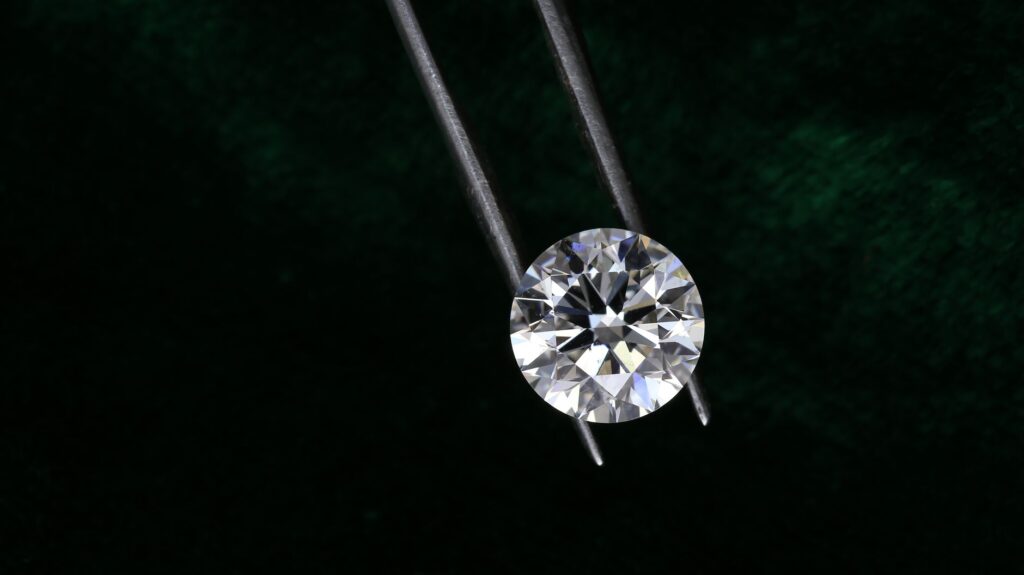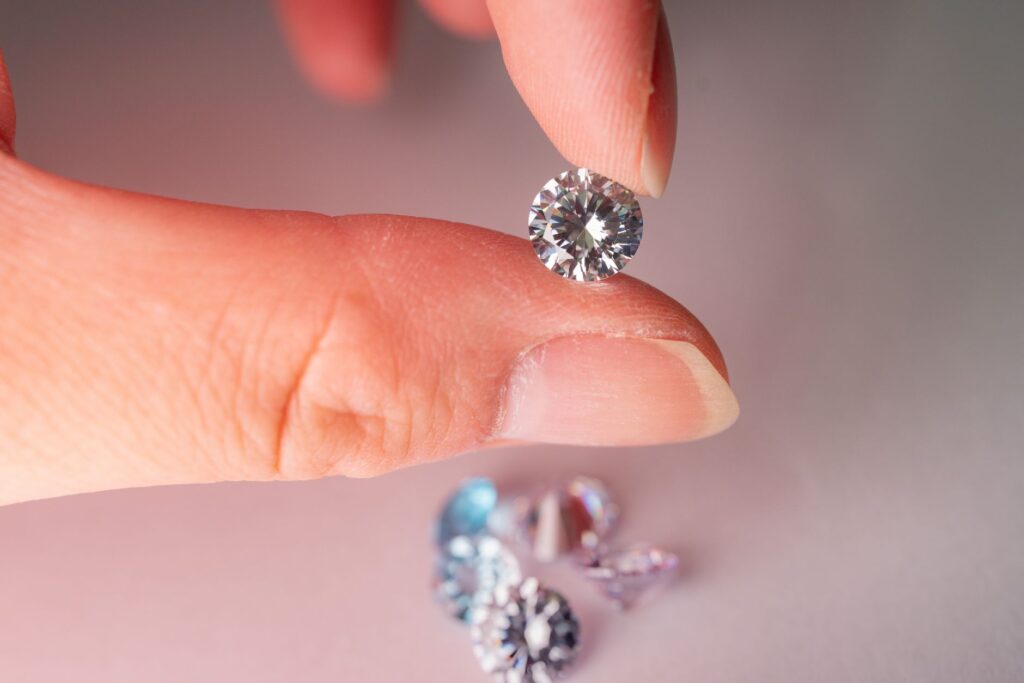
A diamond can look impressive on paper and still feel underwhelming in person if the cut is weak. That is why the question what is an Excellent cut diamond matters so much to buyers: it gets to the heart of whether the stone will actually look bright, lively, and attractive when worn.
Cut has a bigger effect on a diamond’s beauty than many first-time shoppers expect. It influences sparkle, brilliance, fire, and the overall way the diamond handles light. For lab grown diamonds especially, where buyers often have more room in the budget for quality, cut is often the factor that separates a decent diamond from one that really stands out.
An Excellent cut diamond is not just a diamond with a nice shape or a smooth finish. It is a diamond whose proportions, angles, symmetry, and polish work together to return light efficiently to the eye. In practical terms, that usually means better brightness, stronger sparkle, and a more balanced face-up appearance.
Quick Answer: What Is an Excellent Cut Diamond?
An Excellent cut diamond is a diamond that has received the highest cut grade in a grading system such as GIA’s cut scale for round brilliant diamonds. This grade indicates that the diamond’s proportions and craftsmanship are considered highly effective for light performance.
For most buyers, the main takeaway is straightforward. An Excellent cut diamond is more likely to look bright, lively, and attractive than a diamond with a lower cut grade. The difference is often visible in everyday lighting, not just under the intense lights of a jewelry store.
Still, Excellent cut does not mean every diamond with that grade looks identical. Two diamonds can share the same cut grade and still look different because of variations in proportions, optical symmetry, shape, and how the rest of the 4Cs are balanced.
Understanding Diamond Cut in Simple Terms
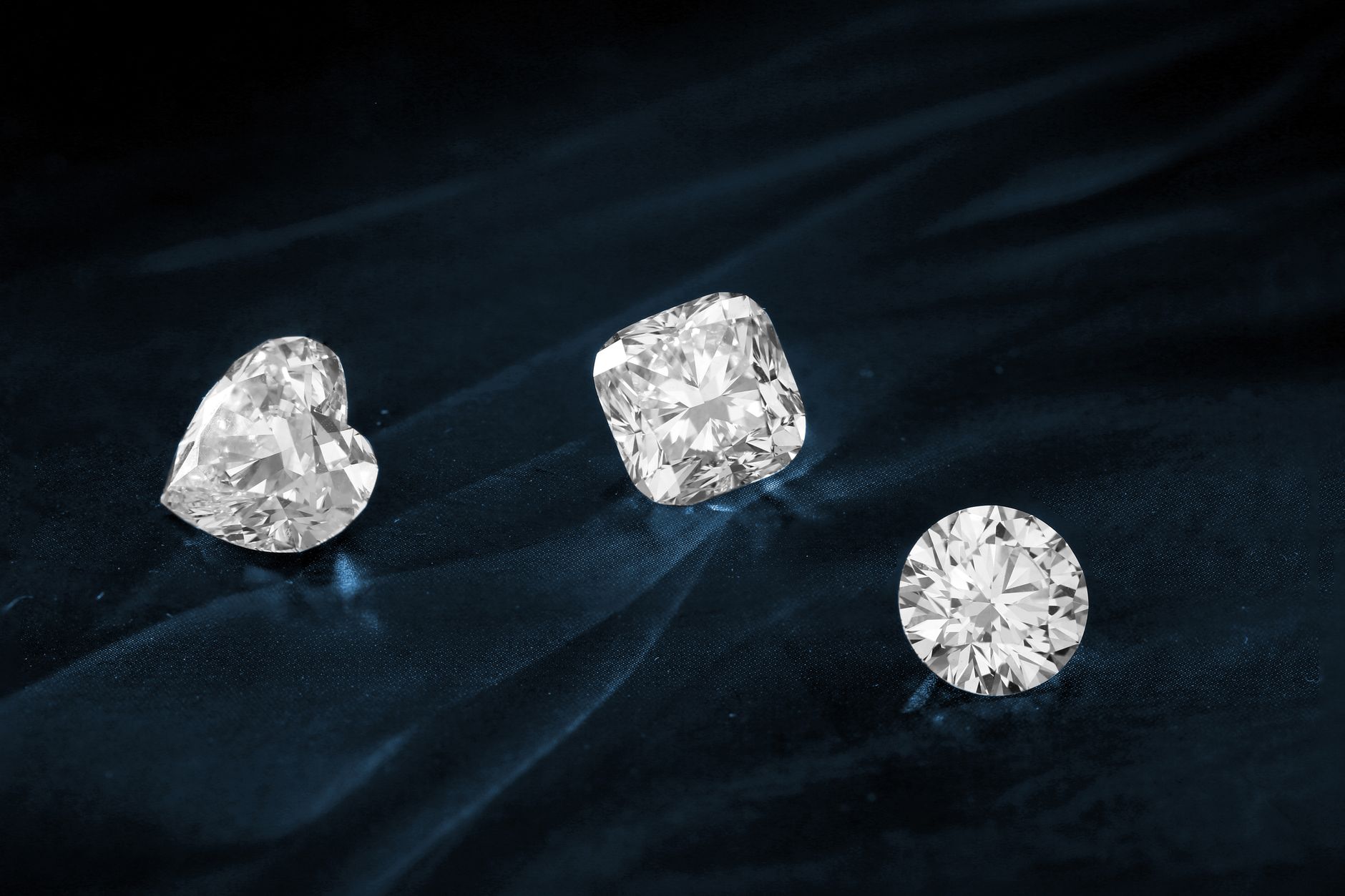
Diamond cut is often confused with diamond shape, but they are not the same thing. Shape refers to the outline of the stone, such as round, oval, cushion, pear, or emerald. Cut refers to how well the diamond has been fashioned, including its angles, proportions, symmetry, and polish.
A diamond can be round, oval, or emerald in shape. Within that shape, cut quality determines how well the diamond interacts with light. In other words, shape tells you what the diamond looks like from above, while cut helps determine how well it performs.
For round brilliant diamonds, cut is especially important because the shape was designed specifically to maximize brightness and sparkle. A well-cut round diamond can often look more impressive than a larger round diamond with poor proportions. For fancy shapes, cut still matters, but the grading approach is less standardized and visual performance can vary more widely.
Cut is more than a single grade
When buyers hear “Excellent cut,” they may assume it only means the diamond is technically good. In reality, the grade reflects several qualities working together. Those include proportions, table size, crown angle, pavilion angle, symmetry, and polish.
Each of those details affects how light enters the diamond, bounces inside it, and exits back to the viewer. If the angles are off, light can leak out of the sides or bottom instead of returning through the top. That is one reason cut has such a direct effect on the diamond’s visible beauty.
Cut and shape are not interchangeable
It is easy to assume that a beautifully shaped diamond is also well cut. That is not always true. A round diamond can have a weak cut, and a fancy-shaped diamond can be carefully fashioned even if its grading system is less strict.
This distinction matters because shape is often what catches a shopper’s eye first, but cut is usually what determines whether that shape looks bright and lively once the diamond is worn.
What Makes a Diamond an Excellent Cut?
An Excellent cut diamond generally falls within a narrow set of proportions and craftsmanship standards. For GIA grading on round brilliant diamonds, Excellent is the highest main cut grade. It represents a diamond expected to perform very well in real-world viewing conditions.
The grade is based on a combination of measurements rather than one magic number. That matters because a diamond can have a reasonable table percentage, for example, but still perform poorly if the depth or pavilion angle is off. Cut is a system, not a single statistic.
Key factors that influence an Excellent cut grade
- Proportions: The relationship between the diamond’s width, depth, and facet angles.
- Table percentage: The size of the top facet compared with the diamond’s width.
- Depth percentage: How deep the diamond is relative to its width.
- Crown angle: The angle of the upper portion of the diamond, which influences fire.
- Pavilion angle: The angle of the lower portion, which strongly affects brightness and light return.
- Symmetry: How precisely the facets align with one another.
- Polish: How smooth and well-finished the facet surfaces are.
Most buyers do not need to memorize every measurement. What matters is understanding that these factors work together. An Excellent cut grade usually means the diamond has been crafted with a strong balance between sparkle, brightness, and overall visual appeal.
Excellent cut is mainly about light performance
Light performance is how a diamond interacts with light. A well-cut diamond does not just reflect light like a mirror. It also returns white light and creates flashes of color and contrast that people often describe as sparkle.
When the cut is excellent, the diamond tends to send more light back through the top of the stone. That creates a brighter appearance and often makes the diamond look more alive in a range of lighting conditions. A poorly cut diamond may look dull, dark, or glassy by comparison.
Why Excellent Cut Matters to Buyers
Cut matters because it is one of the few diamond quality factors that can dramatically change how the stone looks to the naked eye. Many buyers start by comparing carat, color, or clarity, but cut often has the biggest immediate effect on beauty.
This is especially important when shopping with a budget. A smaller Excellent cut diamond can frequently look better than a larger stone with weak cut quality. That makes cut one of the smartest places to prioritize spending, especially when the goal is visible beauty rather than just a larger number on a grading report.
Appearance is where the difference shows up most
Most diamond shoppers are not viewing stones through laboratory reports. They are comparing how the diamonds look in real life. Under those conditions, an Excellent cut diamond often appears brighter and more balanced than lower-cut stones.
That improved appearance can make the diamond feel more noticeable on the hand. It can also help the stone look more lively in office lighting, natural daylight, restaurant lighting, and at home.
Cut often delivers strong visual value
Because cut has such a large effect on appearance, it often provides strong value for the money. Paying more for an Excellent cut diamond can be worthwhile if the premium is reasonable and the improvement in beauty is meaningful.
But once a diamond is already performing well, additional spending may bring only modest gains. That is why buyers should think of cut as a performance category. You are not just paying for a label. You are paying for how the diamond actually looks when worn.
How an Excellent Cut Diamond Looks in Real Life
Diamond discussions can become highly technical, but the practical question is simple: what will you actually see? An Excellent cut diamond typically shows stronger brightness, more balanced sparkle, and better contrast between light and dark areas.
These visual effects can make the stone look more lively. The diamond may also appear larger for its weight than a poorly cut diamond because more of its visual presence is concentrated face-up rather than hidden in extra depth.
Sparkle
Sparkle is the quick flashing effect you see when a diamond moves. Excellent cut usually produces more crisp and even sparkle because the facets are aligned to reflect light efficiently.
This is one of the easiest differences for most buyers to notice. A diamond with weaker cut may still sparkle, but the pattern can look less energetic or less organized.
Brilliance
Brilliance refers to white light return, or how bright the diamond appears overall. A well-cut diamond often looks lively even when it is not moving, because it reflects ambient light efficiently.
If brilliance is weak, the stone may look flat, dark, or sleepy. That difference can matter a great deal in engagement rings and other pieces meant for everyday wear.
Fire
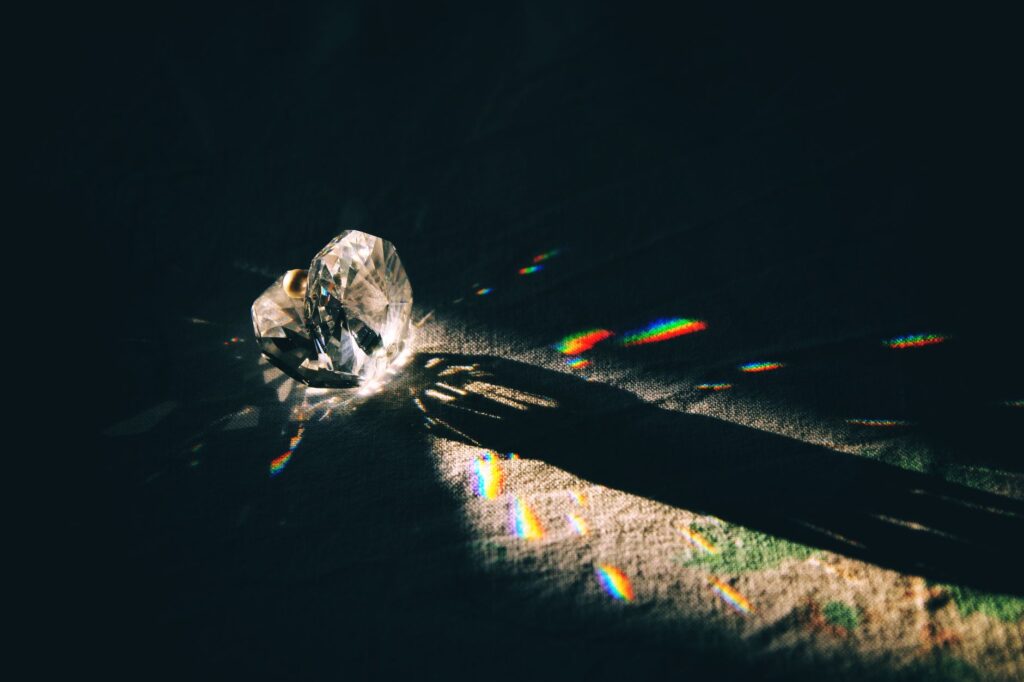
Fire is the colored flashes of light, usually seen as hints of rainbow-like color. Fire is influenced by cut, especially crown angles and facet arrangement.
Some buyers love strong fire, while others prefer a whiter, more balanced appearance. Excellent cut does not always mean the most fire possible, but it usually supports a pleasing balance of brightness and colorful flashes.
Scintillation
Scintillation is the pattern of sparkle and contrast you see as the diamond moves. It includes the balance between bright flashes and darker areas that create visual contrast.
A well-cut diamond usually has attractive scintillation because the facet pattern creates a lively, organized look. Poor cut can make the stone appear either too dark or too washed out.
Brightness and light return
Brightness is one of the most important practical effects of cut. A diamond with excellent light return sends more light back to the eye instead of losing it through the bottom or sides.
For buyers, this often translates into a diamond that simply looks more alive. The stone may draw attention even without being especially large or high in clarity.
Excellent Cut Versus Other Cut Grades
Cut grading systems vary a bit by lab, but the basic idea is similar. Higher cut grades generally mean better light performance and a more attractive face-up appearance. Lower cut grades may still be acceptable, but the visual differences can become noticeable, especially side by side.
| Cut Grade | General Appearance | What Buyers Usually Notice | Typical Trade-Off |
|---|---|---|---|
| Excellent | Bright, lively, balanced sparkle | Strong overall beauty and light return | Often costs more than lower grades |
| Very Good | Often attractive, may be slightly less lively | Differences can be subtle to moderate | Can offer good value if proportions are strong |
| Good | Acceptable, but less consistent light performance | May look smaller, darker, or less sparkly | Lower price, but more visual compromise |
| Fair or Poor | Often obvious light loss or unevenness | Duller appearance is usually noticeable | Lowest price, but significant beauty trade-offs |
For many buyers, the most useful comparison is Excellent versus Very Good. In some diamonds, the difference is subtle and may not justify a major price increase. In others, especially poorly proportioned stones, the jump to Excellent can be clearly visible.
The best approach is to evaluate the diamond itself, not only the label. Some Very Good cut diamonds perform impressively, while some Excellent cut diamonds are better than others within the same grade.
How Cut Affects Value
Cut often delivers the highest visual return per dollar, especially when compared with chasing slightly higher clarity or color grades. A diamond with excellent cut can look more luxurious than one with a higher carat weight but weaker proportions.
That said, value depends on the total package. A buyer who wants a larger face-up appearance may accept a Very Good cut if the stone still performs well. Another buyer may prefer a smaller but more lively diamond with an Excellent cut.
When paying more for Excellent cut makes sense
Paying more for Excellent cut usually makes sense when the difference in price is reasonable and the diamond is intended to be seen daily. This is common for engagement rings, right-hand rings, and studs where appearance matters every time the jewelry is worn.
It is also a smart choice when comparing diamonds that are otherwise similar in color and clarity. In that situation, cut may be the factor that most strongly separates one diamond from another in actual visual quality.
When the premium may not be worth it
There are cases where a premium for Excellent cut may not be necessary. For example, if a Very Good cut diamond already has strong proportions and looks excellent in person, the difference may be too small to justify a large price jump.
This can happen more often when buying within a strict budget or when choosing a larger diamond where carat weight is the top priority. In those cases, it may be more practical to find the best visually performing stone available rather than insisting on the highest cut grade alone.
Lab Grown Diamond Considerations
Cut is just as important in lab grown diamonds as it is in natural diamonds. In fact, because lab grown diamonds are often priced more affordably for a given size, buyers may have more room to prioritize cut quality without giving up as much size or color.
That said, the same buying principles still apply. A lab grown diamond with a poor cut can look less impressive than a smaller lab grown diamond with excellent proportions and strong light return.
Lab grown diamonds often give buyers more room to prioritize cut
Since lab grown diamonds usually cost less than natural diamonds of similar size and quality, some buyers use the savings to focus on beauty factors such as cut. That can be a practical strategy because cut is one of the qualities most directly tied to visible performance.
For example, a buyer might choose a slightly smaller lab grown diamond with Excellent cut rather than stretching for a larger stone with average cut. In many cases, the visually stronger option is the smarter long-term choice.
Certification still matters
When shopping for lab grown diamonds, look for a reputable grading report from a recognized laboratory. Certification helps confirm that the cut grade and other quality details were independently evaluated.
Not all grading standards are identical, and not all reports are equally strict. Buyers should understand the difference between a basic quality summary and a detailed gemological grading report. If cut is important to you, the grading source matters.
Cut matters even more when other grades are strong
Lab grown diamonds are often attractive because they offer higher color and clarity grades at lower prices. That can make cut the feature most likely to influence whether the diamond looks exceptional or merely good.
If the stone is already very clean and white, cut can become the deciding factor in overall visual appeal. This is one reason many experienced shoppers focus on cut first when comparing lab grown options.
Practical Examples Buyers Can Relate To
Real-world comparisons often make cut easier to understand than technical charts. Here are some common buying scenarios and what they usually mean in practical terms.
A 1.5-carat Excellent cut diamond versus a 2-carat poorly cut diamond
This is one of the most common trade-offs shoppers face. A 2-carat diamond may sound more impressive on paper, but if the cut is weak, the stone may lose brightness and face-up beauty.
In everyday viewing, the 1.5-carat Excellent cut diamond may actually look more attractive because it reflects light better and can appear more lively. The larger diamond may still be bigger, but size alone does not guarantee visual impact.
Excellent cut versus Very Good cut in normal lighting
In a bright jewelry store, differences may be easier to see because the lighting is intense and controlled. In normal environments, the difference can be more subtle. Some Very Good cut diamonds look nearly as attractive as Excellent cut stones, while others clearly show less sparkle or brightness.
What matters most is the specific diamond, not just the label. Buyers should look at the stone in multiple lighting conditions whenever possible.
Higher clarity with poor cut versus lower clarity with excellent cut
Many first-time buyers assume clarity should come first because it sounds like a purity measure. In real life, a diamond with high clarity but poor cut can still look dull, while a diamond with slightly lower clarity and excellent cut may appear more beautiful overall.
For most buyers, this is where priorities should be reconsidered. If inclusions are not visible to the naked eye, cut is often the better place to spend money for visible improvement.
The same carat weight can look very different
Two diamonds with the same carat weight can have very different visual impressions. One may look bright and well-proportioned, while the other may appear deep, narrow, or less lively because of its cut style.
This is why experienced buyers often compare face-up size and light performance, not carat weight alone. Carat tells you how much the diamond weighs, but cut helps determine how that weight actually looks.
What Experienced Buyers and Jewelers Often Look For
People with more diamond shopping experience rarely judge cut in isolation. They look at how cut interacts with color, clarity, shape, and size. They also know that a grading report is a starting point, not the full story.
Two diamonds with the same Excellent cut grade can still have different face-up appearances depending on proportions and optical behavior. That is why many experienced buyers want more than the cut label before making a decision.
Face-up size and visual spread
Experienced buyers often care about how large a diamond looks from above, not just its carat weight. A well-cut diamond can sometimes appear larger because it uses its weight efficiently.
A poorly cut diamond may hide carat weight in extra depth, meaning you pay for weight that does not translate into visible size. That is one reason cut affects value so strongly.
Light leakage
Light leakage happens when light escapes through the bottom or sides of the diamond instead of returning to the viewer. Buyers may not see the term on a product listing, but they can often see its effect.
Leakage can make a diamond look darker or less lively. Excellent cut aims to minimize that problem, which is why the diamond often appears more brilliant.
Optical symmetry and patterning
Optical symmetry refers to how the facet pattern behaves visually, not just whether the facets line up on paper. In some round brilliant diamonds, strong optical symmetry contributes to a cleaner and more balanced pattern of light and dark areas.
This may be especially noticeable to buyers who compare diamonds side by side. For many consumers, it creates an impression of precision and liveliness even if they cannot explain exactly why one stone looks better.
Hearts and Arrows patterning
Some round diamonds with strong optical symmetry show a hearts and arrows pattern under special viewing conditions. This pattern can be an indicator of precision cutting, but it is not a required feature of every Excellent cut diamond.
For buyers, the practical question is whether that precision produces a diamond that looks cleaner, more balanced, and more consistent in light performance. In many cases, it can, but it is still only one clue among several.
Advantages of Choosing an Excellent Cut Diamond
Excellent cut offers several clear benefits, especially for buyers who care most about appearance. These are the reasons cut is often considered the most important quality factor after shape and size preferences.
- Better sparkle: Excellent cut usually produces stronger and more appealing flashes of light.
- More brightness: The diamond often returns more light, so it looks more lively.
- More balanced appearance: Proportions tend to create a pleasing visual symmetry.
- Stronger everyday performance: The diamond often looks better in a wider range of lighting conditions.
- Better value than chasing size alone: A well-cut smaller diamond may look more impressive than a larger poorly cut one.
- Less guesswork: A strong cut grade gives buyers more confidence that the stone will look good in real life.
For many buyers, the biggest advantage is confidence. You are more likely to know that the stone will perform well in everyday wear, not just on a grading report.
Limitations and Trade-Offs
Excellent cut is valuable, but it is not a magic solution. It cannot fix every other issue, and it does not automatically make a diamond the best choice for every buyer.
Understanding the limitations helps prevent overpaying for features that may not matter as much in your specific purchase.
Not every Excellent cut diamond looks identical
The Excellent grade covers a range of diamonds, not a single exact recipe. Some stones are very close to ideal in their proportions, while others simply meet the upper standard of the grade.
That means buyers should not assume all Excellent cut diamonds are visually equal. If possible, compare actual diamonds, look at additional proportion data, and review images or videos rather than relying on the cut grade alone.
Higher cut grade may come with a price premium
In some cases, the premium for Excellent cut may be modest. In other cases, especially when paired with a desirable brand, size, or shape, the price difference can be significant.
That premium is not always a bad thing, but buyers should ask whether the extra cost leads to a visible improvement they will actually appreciate.
Cut does not override color or clarity completely
Although cut has a major effect on beauty, it does not erase other quality factors. A diamond with Excellent cut can still show obvious color tint if the color grade is low enough. It can also display visible inclusions if clarity is poor.
In other words, cut should be prioritized, but not in isolation. The best results come from balanced selection across the 4Cs: cut, color, clarity, and carat weight.
Fancy shapes can be trickier
Round brilliant diamonds have the most standardized cut grading. Fancy shapes such as oval, pear, emerald, and cushion often require more visual judgment because their cut grading is less uniform.
For those shapes, buyers should pay close attention to face-up appearance, bow-tie effect, windowing, outline symmetry, and how evenly the stone handles light.
Common Buyer Mistakes
Many first-time buyers make the same errors when shopping for diamonds. Avoiding these mistakes can lead to a better-looking stone and better overall value.
- Prioritizing carat over cut: Larger is not always better if the diamond looks dull or uneven.
- Overpaying for clarity: Paying for higher clarity often brings less visible benefit than improving cut.
- Assuming all sparkle is the same: Diamonds can sparkle differently depending on cut quality.
- Ignoring proportions: Two diamonds with the same grade can perform differently.
- Buying by report only: A certificate is important, but visual assessment matters too.
- Forgetting lighting conditions: A diamond that looks great under display lighting may not look the same in daily wear.
- Assuming Excellent means perfect: It is a strong grade, but it still includes a range of stones.
One especially common mistake is assuming a higher carat diamond is automatically the better-looking one. In practice, a well-cut smaller diamond often provides more pleasing overall beauty than a larger stone with weak proportions.
How to Shop for an Excellent Cut Diamond Wisely
Buyers do not need to become gemologists to shop intelligently. A few practical habits can dramatically improve the odds of choosing a diamond that looks beautiful in everyday wear.
Start with cut, then refine the other qualities
For round brilliant diamonds, cut should usually be one of the first filters you apply. Once you have stones with strong cut performance, you can compare color, clarity, and size based on budget and preference.
This approach helps prevent spending money on features that are less visible. It also keeps the focus on the diamond’s actual appearance rather than just its paperwork.
Look beyond the grade when possible
If the retailer provides proportion data, images, or video, use them. These details can help you understand whether a diamond is likely to have strong light return and attractive visual balance.
Some buyers also use Ideal Scope or ASET images when available. These tools help show light performance and can reveal leakage or uneven patterning. Not every buyer needs them, but they can be useful for comparison.
Consider how the diamond will be worn
Daily wear in an engagement ring is different from occasional wear in a pendant or pair of earrings. A ring is seen up close, in many lighting environments, and over long periods of time.
That means cut quality often has a bigger impact on satisfaction in a ring than in some other jewelry pieces. For earrings or pendants, the buyer may still value Excellent cut, but budget and overall design may play a larger role.
Use the grading report as a starting point, not the finish line
The report is useful because it standardizes basic information, but it does not replace seeing the diamond. Images, videos, and proportion data can reveal differences that a top-line grade cannot capture.
If shopping in person, compare the diamond with similar stones under different lighting. If shopping online, review the product details carefully and ask for additional images when possible.
Frequently Asked Questions
Is Excellent cut the best diamond cut grade?
For round brilliant diamonds graded by GIA, Excellent is the highest standard cut grade. In practical terms, it is usually the safest choice for buyers who want strong visual performance. Still, the specific diamond matters, and not every Excellent cut stone will look identical.
Can I see the difference between Excellent and Very Good cut?
Sometimes yes, sometimes only slightly. The difference is often more noticeable when the diamonds are compared side by side. In normal everyday settings, a strong Very Good cut can sometimes look close to Excellent, but a weaker one may look less bright or lively.
Does Excellent cut mean more sparkle?
Usually, yes. Excellent cut is designed to return light efficiently, which generally leads to stronger sparkle and brightness. The exact look also depends on the diamond’s shape, size, and proportions.
Should I always choose Excellent cut over a larger diamond?
Not always. If the larger diamond still has a strong visual presence and fits your budget, the size may be worth it to you. But if the larger stone has weak cut quality, a smaller Excellent cut diamond may look better overall.
Is Excellent cut important for lab grown diamonds?
Yes. Lab grown diamonds still need strong cut quality to look their best. Because lab grown stones can offer better price efficiency, many buyers choose to prioritize Excellent cut to maximize visible beauty.
Does Excellent cut guarantee a perfect-looking diamond?
No. Cut is very important, but it is only one part of the full picture. Color, clarity, shape, and personal preference also influence appearance. A diamond can be Excellent cut and still not be the right choice for every buyer.
Is cut more important than color and clarity?
For many buyers, yes, especially when the goal is visible beauty. Cut has the strongest influence on sparkle and brightness. That said, if color is too low or clarity includes visible inclusions, those factors can still affect satisfaction.
What is the safest way to judge cut when shopping online?
Use the grading report as a starting point, then look for proportion details, images, and videos if available. For round diamonds, an Excellent grade from a reputable laboratory is a strong sign, but it is still wise to review the stone itself when possible.
Conclusion
An Excellent cut diamond is a diamond fashioned to maximize beauty through strong proportions, symmetry, and light performance. For most buyers, it is the cut grade most likely to produce a bright, lively, and attractive stone in everyday wear.
The key point is that cut affects what you actually see. It influences sparkle, brilliance, fire, and the overall visual balance of the diamond more directly than many other quality factors. That is why a well-cut diamond can often outperform a larger or higher-clarity diamond with weaker proportions.
When shopping, think beyond the grade alone. Compare how the diamond looks, consider the grading report, and weigh cut alongside your budget, size preferences, and overall quality goals. For both natural and lab grown diamonds, understanding cut is one of the most effective ways to make a confident buying decision.