Diamond brightness is one of the most important reasons a stone looks appealing at a glance, yet it is also one of the easiest qualities to misunderstand. Buyers often hear about carat, color, and clarity first, but brightness is usually what makes a diamond look lively in real life.
In simple terms, brightness is the amount of white light a diamond reflects back to your eyes. A well-cut diamond returns light efficiently, so it looks crisp, lively, and well lit. A poorly cut diamond may look dark, sleepy, or uneven even if it has strong color and clarity grades.
For shoppers comparing engagement rings or lab grown diamonds, brightness helps explain why two stones with similar paper grades can look very different in person. It also shows why cut quality matters so much when the goal is visible beauty rather than just a better-looking certificate.
Quick Answer: What Is Diamond Brightness?
What is diamond brightness? It is the visible return of white light from a diamond to the eye. A bright diamond reflects light efficiently, which makes it appear lively and present.
Brightness is closely tied to cut quality, but it is not a single grade printed on every diamond report. It is a real-world visual effect that buyers notice in store lighting, sunlight, office lighting, and normal daily wear.
If you want a diamond that looks clean, crisp, and eye-catching, brightness matters a great deal. If cut quality is weak, no amount of carat weight or clarity can fully replace the loss in visual performance.
Understanding Diamond Brightness
What brightness means in plain English
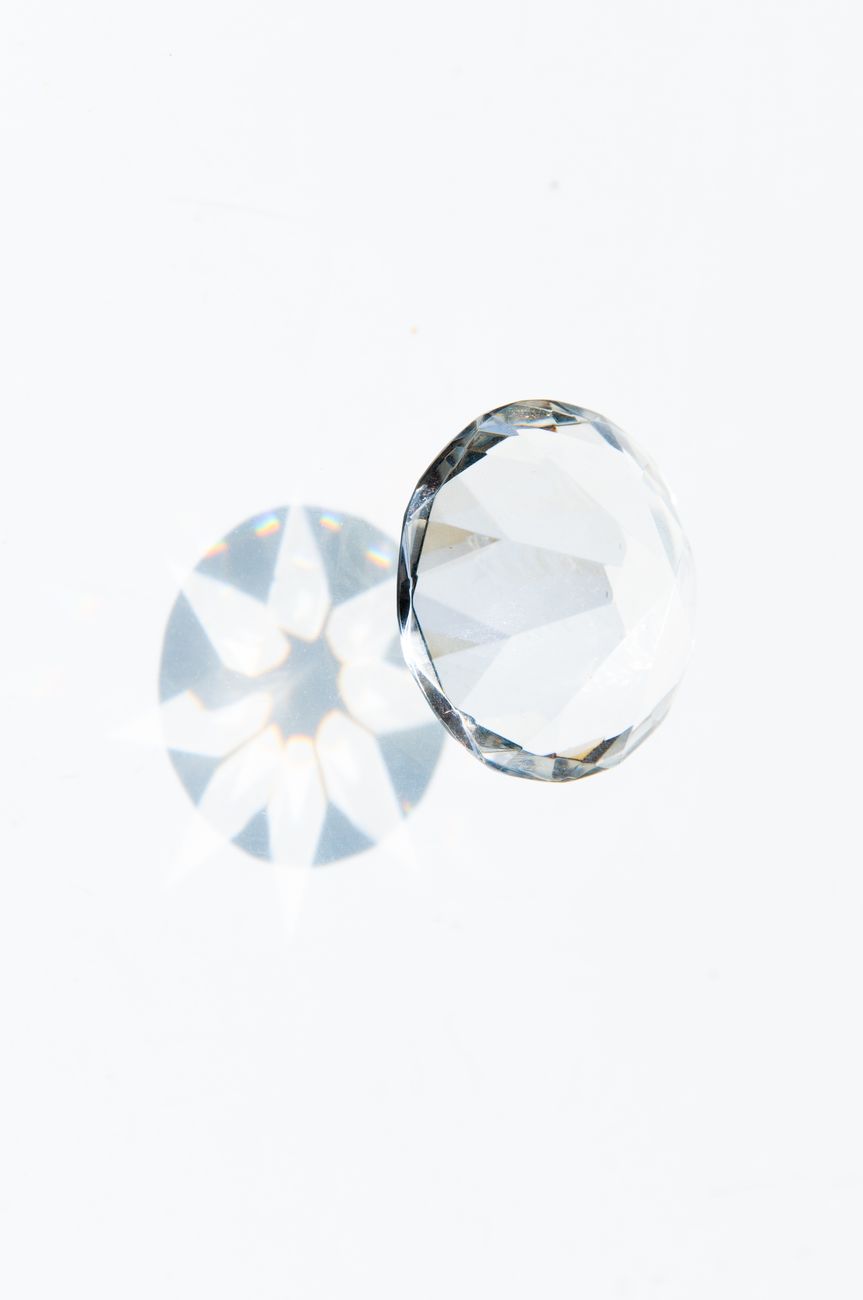
Brightness is the amount of white light a diamond sends back to the viewer. You can think of it as the stone’s overall light output. A bright diamond looks well illuminated from the top, with strong reflection and fewer dull or dead-looking areas.
This is different from simply being shiny. Many objects can look shiny under a light source, but diamond brightness depends on how the stone is cut and how it handles light entering and leaving the crown, pavilion, and table.
How brightness differs from brilliance, fire, and scintillation
These terms are related, but they do not mean exactly the same thing.
| Term | What it means | What buyers notice |
|---|---|---|
| Brightness | The amount of white light reflected back to the eye | How lively, lit, and visible the diamond looks |
| Brilliance | White light return and internal reflection | The overall glowing look of the diamond |
| Fire | Flashes of spectral color, like rainbow light | Colored flashes in brighter lighting |
| Scintillation | The pattern of light and dark flashes as the diamond moves | The lively sparkle effect when the stone is in motion |
In everyday shopping, brightness and brilliance are often used loosely to describe the same overall visual impression. For buyers, the practical takeaway is simple: a diamond with strong light return usually looks more attractive than one that does not.
Why cut quality drives brightness
Cut determines how well a diamond handles light. When the proportions, angles, symmetry, and polish work together properly, more light is reflected back through the top of the stone instead of leaking out the sides or bottom.
That is why two diamonds with the same carat weight can look very different. One may appear bright and full of sparkle, while another looks muted or dark because the light is not being managed effectively.
Why Diamond Brightness Matters to Buyers
Brightness has a direct effect on beauty
For most buyers, brightness is not a technical concept. It is the difference between a diamond that immediately catches the eye and one that only looks impressive on paper.
A bright diamond tends to look cleaner, more vibrant, and more polished in natural light and indoor lighting. That visual impact matters in engagement rings, earrings, pendants, and any piece where the stone is meant to be noticed.
It can influence perceived size
Brightness can affect how large a diamond appears. A well-cut stone with strong light return often looks more open and face-up larger than a poorly cut diamond of the same weight.
By contrast, a diamond with weak light return can look smaller or less impressive because dark areas interrupt the face-up view. This is one reason a well-cut 1.5-carat diamond can sometimes look more appealing than a heavier stone with less effective proportions.
It affects value in a practical way
Many buyers assume value is mostly about carat weight. In reality, brightness and cut quality strongly influence how satisfied you feel with the diamond after the purchase.
A stone that looks lively and balanced often provides better visual value than a larger diamond that appears dull. This matters especially with lab grown diamonds, where larger sizes can be easier to afford and cut quality becomes even more important to the final look.
How Diamond Brightness Affects Appearance
Brightness and sparkle are related, but not identical
When people say a diamond “sparkles,” they may be noticing several things at once. Brightness is the steady return of white light, while sparkle also includes the quick flashes created when the stone moves.
A diamond can have strong brightness but modest fire. It can also have strong fire but look less bright overall if the cut is off. The best-looking diamonds usually balance these qualities well.
What buyers actually see in everyday lighting
Most people do not evaluate diamonds under gem lab conditions. They see them in stores, restaurants, offices, homes, cars, and outdoors. In those settings, brightness affects whether the diamond remains lively or starts to look muted.
A well-cut diamond typically holds its presence in a wide range of lighting conditions. It reflects light efficiently, which helps it stay attractive even when the light is not ideal. That is one reason experienced jewelers often place so much emphasis on cut quality.
Brightness and face-up appearance
“Face-up” means how the diamond looks when viewed from the top in its normal setting. A bright diamond should appear balanced across its surface, without obvious dark patches that distract from the overall look.
Some darkness is normal. Diamonds are not supposed to look like light bulbs. The real question is whether the dark areas are part of a pleasing contrast pattern or signs that the stone is not returning light efficiently.
How brightness interacts with contrast
Good brightness is not about making every part of the diamond equally bright. A diamond also needs contrast, which creates the pattern of sparkle and movement. Without contrast, a stone can look flat or washed out.
The best cut diamonds usually balance brightness with contrast so the eye sees both light and dark flashes in a pleasing pattern. That balance is a major reason some diamonds look more dynamic than others.
What Actually Creates Diamond Brightness?
Cut proportions
Proportions are the measurements that affect how light travels through the diamond. Table size, depth percentage, crown angle, and pavilion angle all influence brightness.
If the proportions are too shallow or too deep, light may escape instead of returning to the viewer. That can reduce brightness and make the diamond look less lively.
Symmetry
Symmetry refers to how accurately the diamond’s facets align with one another. It matters because facet alignment affects how light moves through the stone.
Good symmetry helps create an even, balanced visual pattern. Poor symmetry can create uneven brightness, distracting reflections, or areas that look inconsistent from one side to another.
Polish
Polish is the smoothness of the facet surfaces. A well-polished diamond allows light to enter and exit cleanly.
For most buyers, polish differences are usually subtler than cut proportions, but poor polish can still reduce crispness and overall visual quality. In higher-end diamonds, polish supports the sharp, refined look many buyers want.
Light leakage
Light leakage happens when light enters the diamond but escapes out the bottom or sides instead of reflecting back to your eyes. This weakens brightness.
Buyers may see light leakage as dull zones, transparency issues, or areas that do not seem to light up the way the rest of the diamond does. It is one of the most important reasons a diamond can look disappointing even when its other grades seem strong.
Brightness in Lab Grown Diamonds
Lab grown diamonds can be very bright
Lab grown diamonds are real diamonds, so they share the same optical behavior as natural diamonds. That means brightness still depends on cut quality, not on whether the diamond was grown in the earth or in a laboratory.
Because lab grown diamonds often offer more carat weight for the budget, buyers sometimes focus too heavily on size and overlook cut. That can lead to a larger diamond that does not look as lively as a smaller, better-cut option.
Why cut matters even more when size is easier to afford
One advantage of lab grown diamonds is that larger sizes are often more accessible. But a larger diamond with weak proportions may not look as impressive as expected.
If brightness is the goal, it is usually smarter to choose a diamond with strong cut quality first, then balance size, color, and clarity around it. That approach tends to produce the best visual result for the money.
Certification still matters
When buying a lab grown diamond, look for a trusted grading report from a recognized laboratory. A report can help you compare cut information, symmetry, polish, and other quality details.
Keep in mind that not all reports measure light performance in the same way. Some focus on proportions and finish, while others provide more complete cut information. The report is useful, but your eyes still matter most.
How Brightness Relates to Cut Grades
Excellent cut usually supports better brightness
For round brilliant diamonds, cut grade is often the most useful shorthand for predicting brightness. Diamonds with Excellent cut grades usually reflect light more efficiently than lower cut grades.
That said, cut grade is still a summary, not a guarantee. Two diamonds with the same cut grade can perform slightly differently depending on their exact proportions and facet pattern.
Very Good cut can still look strong
Many Very Good cut diamonds look beautiful and bright to the naked eye. For buyers working within a budget, a high-end Very Good cut can offer an excellent balance of appearance and price.
The key is comparing the actual stone, not only the label. Some Very Good diamonds are very close to Excellent in real-world appearance, while others show a noticeable loss of brightness.
Good and lower grades often show more visible trade-offs
As cut grade drops, brightness problems become more likely. The diamond may look darker, less crisp, or less balanced.
For most buyers, this is where the difference becomes easy to see. A stone with a weaker cut can still be beautiful in some settings, but it often gives up too much visual performance to justify the savings.
Practical Examples Buyers Can Relate To
A well-cut 1.5-carat diamond versus a poorly cut 2-carat diamond
This is a common comparison, especially in engagement ring shopping. A 2-carat diamond sounds more impressive, but if the cut is poor, it may have dark zones, weak light return, and less sparkle.
A well-cut 1.5-carat diamond can often look brighter, cleaner, and more balanced. Many buyers who compare the two in person end up preferring the smaller stone because it looks more alive.
Excellent cut versus Very Good cut in everyday lighting
In controlled lighting, both can look attractive. In everyday lighting, the Excellent cut stone usually has a better chance of maintaining brightness and sparkle across more environments.
For some buyers, the difference is subtle. For others, especially those who are sensitive to sparkle and contrast, the Excellent cut stone is clearly worth the premium.
Higher clarity with poor cut versus lower clarity with excellent cut
Many first-time buyers assume clarity is the main driver of beauty. In reality, a diamond with very high clarity can still look underwhelming if it does not reflect light well.
Meanwhile, a lower clarity diamond can look stunning if the inclusions are not visible to the eye and the cut is excellent. This is a good example of why visual performance often matters more than chasing the highest grade on paper.
Lab grown diamond example
Imagine two lab grown diamonds with similar color and clarity, but one is cut to produce strong brightness and the other is cut slightly too deep. The first stone will usually look more vibrant and may even appear larger face up.
The second may have more carat weight, but some of that weight is hidden in depth rather than visible beauty. That trade-off is easy to miss if you only compare numbers.
Advantages of Strong Diamond Brightness
- Better visual beauty: The diamond looks lively and more attractive in real-world lighting.
- Improved face-up presence: A bright diamond often appears more open and noticeable.
- Stronger sparkle impression: Brightness supports a more dynamic overall look.
- Better value perception: Buyers often feel more satisfied with a diamond that looks crisp and lively.
- Useful across settings: Strong brightness helps the diamond perform well in a variety of environments.
Limitations and Trade-Offs
Brightness is not the same as every kind of beauty
A diamond can be very bright and still not suit every taste. Some buyers prefer a look with more fire, while others like a stronger contrast pattern or a different shape entirely.
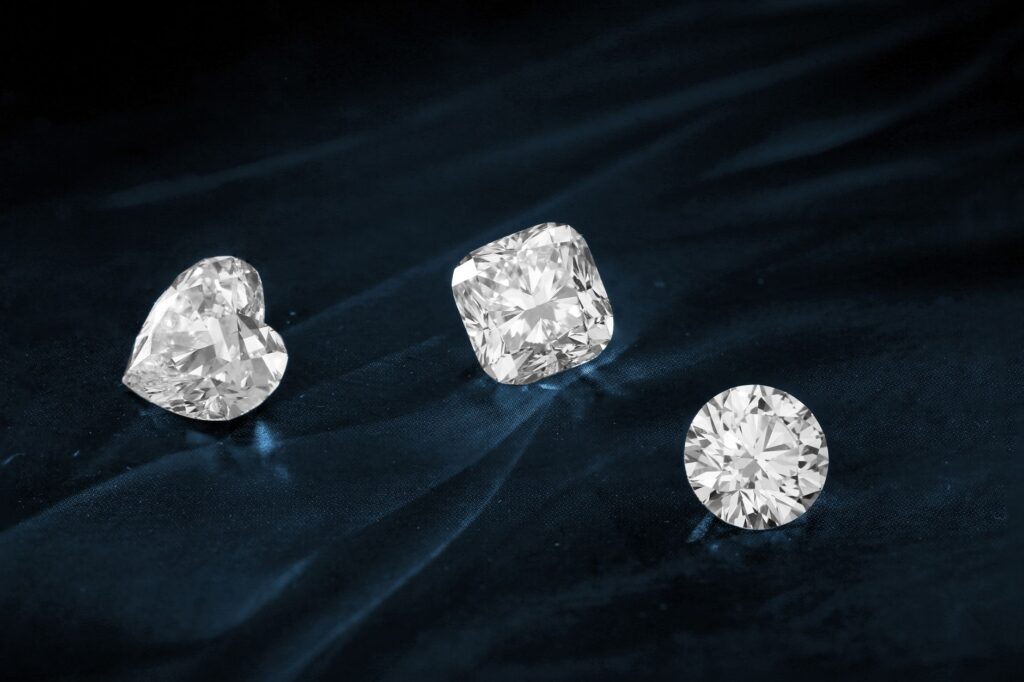
For example, fancy shapes do not always follow the same brightness patterns as round brilliants. An oval, cushion, or emerald cut may still be beautiful, but brightness shows up differently depending on the facet style.
Strong brightness can come with price premiums
Diamonds with top cut performance often cost more than similar stones with lower cut quality. That premium is not always necessary if the buyer is working within a strict budget and the difference is hard to see in the intended setting.
However, when a buyer wants the best visible beauty, paying more for brightness is often more rational than paying for small differences in clarity that no one will notice.
Not all lighting shows brightness equally
A diamond can look amazing under one type of lighting and less impressive under another. Spotlights often make diamonds seem brighter than they are in everyday life, while softer indoor light gives a more realistic impression.
This is why it helps to view a diamond in several lighting conditions if possible. Brightness should hold up, not just flash once under store lights.
Buying Considerations: How to Evaluate Diamond Brightness
1. Start with cut quality
If you want strong brightness, begin with cut. For round diamonds, cut grade is one of the most useful starting points because it directly influences light return.
For fancy shapes, cut grade may be less standardized, so you need to look more carefully at the individual stone and, when available, light performance images or videos.
2. Look at the diamond in motion
A still photo is helpful, but it does not show how the diamond behaves as you move your hand. Brightness and scintillation are easier to judge when the stone is tilted and turned under different lights.
If a diamond looks good only in one angle, that is worth noticing. A strong performer should look lively from a range of normal viewing positions.
3. Pay attention to dark zones
Some contrast is normal, but large dark patches can reduce brightness. Watch for stones that appear to turn off in the center or along the edges as they move.
That can be a sign of poor proportions, excessive depth, or light leakage. In practical terms, it means the diamond may not perform as well in daily wear.
4. Consider the setting
The ring setting can influence how bright a diamond appears. A bright, open setting may allow more light into the stone, while a heavy bezel or dark metal can slightly affect the face-up look.
This does not change the diamond’s cut quality, but it does affect the final appearance on the hand. Buyers should think about brightness together with setting style, not in isolation.
5. Compare actual stones, not just certificates
Certificates are important, but they do not tell the whole story. Two diamonds with similar paperwork can have different visual brightness because of small but meaningful differences in proportion and facet behavior.
When possible, ask for images, videos, and a comparison under similar lighting. That is often more useful than relying on numbers alone.
Common Buyer Mistakes
Prioritizing carat over brightness
This is one of the most common mistakes. A larger diamond with poor light performance can look less beautiful than a smaller diamond with excellent brightness.
Carat matters, but it should not be the only priority. The eye responds strongly to how a diamond handles light.
Overpaying for clarity that cannot be seen
Some buyers spend extra money on clarity grades that do not improve appearance. If the diamond is bright and the inclusions are not visible without magnification, that money may have been better spent on cut quality.
This is especially true for lab grown diamonds, where buyers often have room in the budget to choose stronger cut performance instead of chasing unnecessary clarity upgrades.
Assuming all diamonds sparkle equally
Not all diamonds return light the same way. Two stones of equal size and grade range can look dramatically different because their cuts are not equal.
Once buyers see this in person, it usually becomes obvious. Brightness is a major reason some diamonds stand out immediately while others feel flat.
Focusing only on grading terms
Grades are useful, but they are not a substitute for visual judgment. A diamond report is a map, not the whole landscape.
Experienced jewelers and informed buyers look at the actual performance of the stone, especially when comparing diamonds in the same price range.
Ignoring the impact of shape
Round diamonds are usually the easiest shape for evaluating brightness because their cut systems are more standardized. Fancy shapes can still be bright, but each shape has its own strengths and common issues.
For example, elongated shapes may show different brightness patterns near the ends, while step cuts like emerald cut diamonds emphasize clarity of reflection more than intense sparkle.
What Experienced Jewelers Look For
Balanced light return
Professionals look for a diamond that reflects light evenly across the face-up view. They want the stone to look bright without losing contrast or structural pattern.
That balance is often what separates a merely acceptable diamond from one that looks truly refined.
Consistency from angle to angle
A good diamond should not look impressive only in one exact position. Jewelers often tilt stones to see whether the brightness remains strong as the angle changes.
Consistency matters because real life is full of movement. Jewelry is rarely seen in a perfect, fixed position.
Visual “life”
Experienced eyes often use informal terms like life, personality, or presence. What they are really describing is the combination of brightness, sparkle, contrast, and movement.
When all of those elements work together, the diamond feels more dynamic and visually satisfying.
Frequently Asked Questions About Diamond Brightness
Is brightness the same as sparkle?
Not exactly. Sparkle includes the flashes of light you see as the diamond moves, while brightness refers more to the amount of white light the stone returns overall. They are closely connected, but brightness is only one part of sparkle.
Can a diamond be bright but not have much fire?
Yes. Brightness comes from white light return, while fire is the colored flash effect. A diamond can look very bright with modest fire, especially in lighting that does not strongly produce rainbow flashes.
Do lab grown diamonds have the same brightness as natural diamonds?
Yes, if the cut quality is comparable. Lab grown and natural diamonds have the same crystal structure, so brightness depends on cut, not origin.
What cut grade is best for brightness?
For round diamonds, Excellent cut is usually the safest starting point for strong brightness. However, some Very Good cuts can also perform well, especially if the exact stone has strong proportions.
Can brightness hide imperfections?
It can help reduce the visibility of some issues, but it does not make every problem disappear. Strong brightness may make a diamond look more attractive overall, but visible inclusions, poor color, or structural issues still matter.
Why does a diamond look bright in the store but less bright at home?
Different lighting changes how a diamond performs. Jewelry store lights are often designed to make diamonds look lively, while home lighting is usually softer and less intense.
That is why it helps to evaluate brightness in a range of conditions whenever possible.
Does a bigger diamond always look brighter?
No. A larger diamond can still look dull if the cut is weak. Brightness depends on how well the stone returns light, not just on size.
Should I pay extra for a diamond that looks brighter?
Usually, yes, if the difference is clearly visible and you value visual beauty. But if the improvement is subtle and the budget is tight, it may make sense to balance brightness against size, setting, or other priorities.
Conclusion
Diamond brightness is one of the clearest signs of strong cut quality and one of the easiest qualities for buyers to appreciate once they know what to look for. In practical terms, it is the diamond’s ability to reflect white light back to your eyes in a way that makes the stone look lively, crisp, and attractive.
For most shoppers, brightness matters more than chasing small differences in clarity or paper grades. A well-cut diamond often looks better, faces up more attractively, and provides stronger long-term satisfaction than a larger or higher-clarity stone with weak light performance.
When comparing diamonds, focus on how the stone actually looks under normal lighting, how evenly it returns light, and whether the sparkle feels balanced rather than flat. That approach is especially useful when shopping for lab grown diamonds, where it is easy to prioritize size and overlook the qualities that most affect real-world beauty.
If you understand brightness, you are already much closer to choosing a diamond that looks good not just in a report, but in everyday wear.