In 2026, diamond shoppers have more shape options than ever, and that is especially true in the lab grown market. The most popular choices still reflect a mix of timeless style, flattering finger coverage, and practical value, but the reasons behind those choices are not always obvious at first glance.
If you are comparing diamond shapes for an engagement ring or another fine jewelry purchase, the shape affects much more than appearance. It influences how large the diamond looks, how much sparkle you see, how easily inclusions show, how durable the corners are, and how the stone fits different ring styles.
The most popular diamond shapes in 2026 are not necessarily the same for every shopper, but several shapes continue to dominate because they balance beauty, versatility, and market availability. Understanding why these shapes remain popular can help you choose a diamond that fits your budget, your style, and your daily wear needs.
Quick Answer: Most Popular Diamond Shapes in 2026
The most popular diamond shapes in 2026 are round, oval, cushion, emerald, and pear. Princess and radiant cuts remain important choices as well, especially for buyers who want a modern look or strong value in lab grown diamonds.
Round diamonds remain the most widely chosen shape because they offer the highest brightness and the most familiar look. Oval diamonds continue to gain popularity because they often look larger than round diamonds of the same carat weight and create a flattering elongated effect on the hand. Cushion, emerald, and pear shapes appeal to buyers who want something a little more distinctive without becoming too unconventional.
In the lab grown diamond market, popularity also reflects pricing efficiency. Buyers can often choose larger sizes or higher quality grades at lower prices than they would pay for natural diamonds, which makes shape selection even more important. If you are comparing shapes, it helps to think about sparkle, face-up size, durability, and style longevity together rather than focusing on carat weight alone.
Why Diamond Shape Matters More Than Many Buyers Expect
Diamond shape is the outline of the stone when viewed from above. It is different from the cut grade, which describes how well the diamond has been proportioned and finished. A round diamond can be poorly cut, and an oval can be well cut or poorly cut. Shape and cut work together, but they are not the same thing.
For shoppers, shape affects several practical details:
- How the diamond looks on the hand, including whether it appears wider, longer, or more compact
- How much sparkle and fire you see, especially in different lighting
- How noticeable inclusions and color may be
- How durable the stone is, especially at points or corners
- How much value you get for your budget
- How well the shape fits your personal style
These factors matter in both natural and lab grown diamonds, but they can matter even more in lab grown shopping because buyers often have more room in the budget to compare shapes, sizes, and quality levels side by side.
The Most Popular Diamond Shapes in 2026
1. Round Brilliant
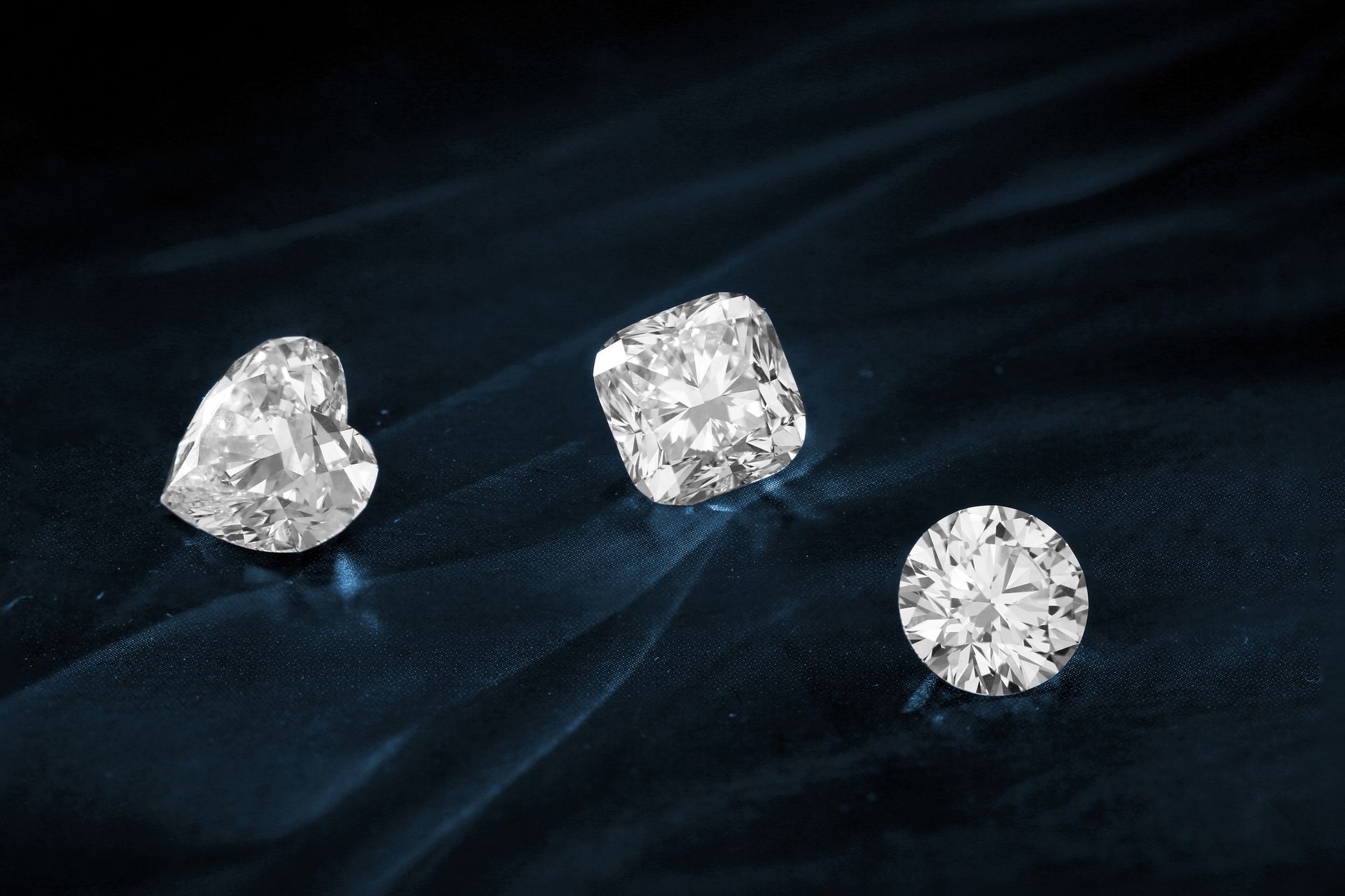
The round brilliant remains the most popular diamond shape overall. It is the classic choice for engagement rings and is still the standard against which many other shapes are measured.
Its popularity comes from performance. A well cut round brilliant tends to deliver the most balanced combination of brightness, sparkle, and fire. Because of its symmetrical shape and precise facet pattern, light returns efficiently to the viewer, which is why many buyers feel it has the strongest overall sparkle.
Round diamonds are also versatile. They fit nearly every ring style, from solitaire settings to halo and three stone designs, and they rarely look outdated. For buyers who want a safe, classic choice with long-term appeal, round remains a top option.
2. Oval
Oval diamonds continue to be one of the most sought-after shapes in 2026. Many buyers like the elongated outline because it creates a graceful look and often makes the diamond appear larger than a round diamond of the same carat weight.
Ovals are especially popular in engagement rings because they flatter the finger and pair well with many settings. They also tend to show a lot of sparkle, since most are cut with brilliant-style facet patterns.
One buying note is the bow tie effect. This is a dark area that can appear across the center of some oval stones. A slight bow tie is common, but a strong one can make the diamond look less lively. Shape proportion, cut quality, and facet alignment all influence how visible it is.
3. Cushion
Cushion-cut diamonds remain highly popular because they combine a softened square or rectangular outline with a romantic, vintage-inspired feel. They are often described as pillow-shaped, which is where the name comes from.
Cushions vary more than many other shapes. Some have a chunky facet pattern with broad flashes of light, while others have more brilliant-style faceting and finer sparkle. This variation gives shoppers options, but it also means two cushion diamonds can look noticeably different even if they have similar specifications.
In 2026, cushion diamonds continue to appeal to buyers who want a softer shape than a princess cut, but still want a shape that feels distinctive and elegant.
4. Emerald
Emerald cuts remain a strong choice for shoppers who prefer clean lines and a sophisticated, understated look. Instead of brilliant-style sparkle, emerald cuts use step-cut faceting, which creates broad flashes of light and a more mirror-like appearance.
This shape does not hide inclusions as well as many brilliant cuts, so clarity becomes more important. Color can also be more noticeable in an emerald cut because the large open facets reveal more of the body color of the stone.
Many buyers are drawn to emerald cuts because they look elegant and architectural. They are less about intense sparkle and more about crisp geometry and a refined presence on the hand.
5. Pear
Pear-shaped diamonds, also called teardrop shapes, remain popular with buyers who want something graceful and slightly different. The shape combines a rounded end with a pointed tip, which gives it a distinctive silhouette and an elongated look on the finger.
Pear shapes can appear very flattering, especially when worn with the point facing the fingertip. Like ovals, they can sometimes show a bow tie effect, depending on the cut. The pointed tip also makes setting quality important, since that area can be more vulnerable to chipping.
Pear diamonds appeal to buyers who want elegance with a more individual feel than round or oval shapes.
6. Princess
Princess cuts remain a major shape in 2026, though they are generally less dominant than round and oval. Their square outline and sharp corners create a modern appearance with strong brilliance.
Princess cuts often offer good value because they can retain more rough diamond material during cutting than round brilliants. That efficiency can translate into a lower price per carat in some cases.
Buyers should still pay attention to the corners, which can be more vulnerable to damage if the setting does not protect them well. For people who want a crisp, contemporary look, princess cuts remain a relevant and attractive option.
7. Radiant
Radiant cuts combine the rectangular or square outline of a step-cut shape with the sparkle of a brilliant cut. They are especially popular among buyers who want strong brightness but prefer something less traditional than a round diamond.
Radiants often hide inclusions well because of their complex faceting, which can make them a practical choice for buyers comparing clarity grades. Their trimmed corners also help with durability compared with square stones that have sharp points.
In lab grown diamonds, radiant cuts can be an efficient way to maximize visual size while keeping sparkle high.
Comparison Table: Popular Diamond Shapes in 2026
| Shape | Visual Style | Sparkle Type | Durability | Face-Up Appearance | Buyer Appeal |
|---|---|---|---|---|---|
| Round | Classic, symmetrical | Highest overall brilliance | Very good | Compact, balanced | Timeless and versatile |
| Oval | Elegant, elongated | Bright and lively | Very good | Often looks larger | Flattering and modern |
| Cushion | Soft, romantic | Varies from chunky to fine sparkle | Good | Rounded square or rectangle | Vintage-inspired and flexible |
| Emerald | Clean, elegant | Broad flashes, less sparkle | Very good | Large open face | Refined and understated |
| Pear | Graceful, unique | Bright, with possible bow tie | Good | Elongated, finger-flattering | Distinctive and elegant |
| Princess | Sharp, modern | Strong brilliance | Good to very good | Square and bold | Contemporary and efficient |
| Radiant | Structured with sparkle | High brilliance | Very good | Often faces up large | Bright and practical |
Why These Shapes Are So Popular in 2026
The most popular shapes in 2026 are popular for different reasons, but a few broad trends explain most of the demand. Buyers want diamonds that look good in photos, flatter the hand, and feel suitable for daily wear. They also want stones that justify their budget with a strong visual impact.
Lab grown diamonds have also changed buying behavior. Because lab grown stones can cost less than natural diamonds of comparable size and quality, shoppers often explore larger face-up shapes or higher color and clarity grades than they might have considered before. That has made shapes such as oval, radiant, and cushion even more appealing.
Another factor is social media influence. Elongated shapes photograph well, appear elegant in close-up shots, and often look larger in ring photos. That visibility has helped ovals, pears, and emeralds maintain strong interest.
Appearance and Visual Performance
Round Diamonds: Maximum Brightness
Round diamonds are generally the brightest because their facet pattern is designed to return a high amount of light to the viewer. This is why they often appear lively even in lower lighting. Their symmetry also makes light behavior more predictable than many fancy shapes.
For buyers who want the most classic diamond look, round remains a benchmark. If your main goal is sparkle and balanced performance, this shape is hard to overlook.
Oval and Pear Diamonds: Elongation and Finger Coverage
Oval and pear shapes both create an elongated look that can make the diamond appear larger when viewed from above. This is called face-up size, and it matters because two diamonds with the same carat weight can look very different depending on their outline and depth.
These shapes also tend to lengthen the appearance of the finger. That visual effect is one reason they are so popular in engagement rings. However, buyers should compare actual measurements, not just carat weight, since a well proportioned oval may offer much better face-up spread than a deeper one.
Cushion Diamonds: Soft Shape, Varied Sparkle
Cushions have a softer outline and often produce a more romantic look than round or princess shapes. Their sparkle can range from chunky flashes to finer scintillation depending on the facet style.
This variation means cushions are a good shape to evaluate in person or through high-quality videos. Two cushions with the same report card information may look very different if their facet structure or outline proportions differ.
Emerald Diamonds: Clarity and Elegance
Emerald cuts stand out because of their open table and step facets. Instead of intense sparkle, they create elegant flashes that emphasize clarity, symmetry, and transparency.
This means emeralds reward careful selection. If the stone has a distracting inclusion or visible color tint, you are more likely to notice it than you would in a round or radiant cut.
Sparkle, Fire, Brilliance, and Scintillation Explained
Buyers often use the word sparkle as a catch-all, but there are several different light effects involved in how a diamond looks.
- Brilliance is the return of white light from the diamond.
- Fire is the separation of light into flashes of spectral color.
- Scintillation is the pattern of bright and dark flashes you see as the diamond moves.
Round brilliant diamonds tend to lead in brilliance and scintillation because their facet structure is optimized for light return. Ovals, pears, princesses, and radiants can also be very lively, but the visual pattern differs from shape to shape. Emerald cuts are the main outlier because they emphasize broad flashes rather than heavy sparkle.
If you are choosing between shapes, think about what kind of light performance you prefer. Some buyers want intense sparkle. Others prefer elegant flashes or a calmer, more refined look.
How Shape Affects Durability
Durability is not only about hardness. Diamond is very hard, but some shapes are more vulnerable to chipping because of sharp corners or pointed tips.
Shapes with more exposed points, such as pear and marquise, need careful setting design. Princess cuts also need protection at the corners. Round, oval, and cushion shapes are generally easier to wear daily because they do not have sharp tips that are more likely to take impact.
For engagement rings, this matters a lot. If the ring will be worn every day, a shape with smoother edges or a protective setting may be the better practical choice.
| Shape | Corner or Tip Risk | Daily Wear Practicality |
|---|---|---|
| Round | Low | Excellent |
| Oval | Low | Excellent |
| Cushion | Low to moderate | Very good |
| Emerald | Moderate at corners | Very good with proper setting |
| Pear | Higher at the point | Good with protective setting |
| Princess | Higher at the corners | Good with secure prongs |
| Radiant | Moderate | Very good |
What Makes a Shape “Popular” in the Lab Grown Diamond Market?
In lab grown diamonds, popularity is shaped by both style and value. Since buyers can often afford a larger or higher-quality stone than they could with a natural diamond, they may choose shapes that maximize visual size or offer a distinctive look at a more accessible price point.
For example, a shopper may choose an oval or radiant lab grown diamond because it gives strong finger coverage without needing to move too far down in carat size. Another buyer may choose round because they want the most consistent sparkle and the most classic presentation.
Lab grown diamonds also make it easier to compare several shapes side by side. That tends to sharpen buyer preferences, because it becomes easier to notice differences in outline, sparkle pattern, and how each shape looks in a setting.
Advantages and Disadvantages of the Most Popular Shapes
Round
Advantages: strongest brilliance, timeless appeal, versatile in settings, easy to buy and compare.
Disadvantages: often costs more per carat than many fancy shapes, looks familiar rather than distinctive.
Oval
Advantages: elongated look, often appears larger, flattering on the hand, strong sparkle.
Disadvantages: may show bow tie effect, proportions can vary a lot between stones.
Cushion
Advantages: romantic style, many facet options, good value, vintage feel.
Disadvantages: less standardized, sparkle style can vary, some stones face up smaller than expected if they are deep.
Emerald
Advantages: elegant and sophisticated, often appears large, clean lines, timeless style.
Disadvantages: includes and color may be easier to see, less sparkle than brilliant cuts.
Pear
Advantages: distinctive look, flattering length, elegant and less common than round or oval.
Disadvantages: tip can be vulnerable, bow tie may appear, orientation and setting matter more.
Princess
Advantages: modern appearance, strong brilliance, often good value.
Disadvantages: sharp corners need protection, some buyers consider the look less timeless than round or oval.
Radiant
Advantages: lots of sparkle, good durability, often hides inclusions well, visually bold.
Disadvantages: facet pattern can feel busier than some buyers prefer, shape is less classic than round.
Who Each Popular Shape Is Best For
Round Is Best For Buyers Who Want a Classic, Low-Risk Choice
Round diamonds suit buyers who want the safest long-term option in terms of style and performance. If sparkle is the priority and you want a stone that works in almost any setting, round is an easy shape to understand and compare.
Oval Is Best For Buyers Who Want Elongation and Strong Finger Coverage
Oval diamonds are a strong choice for shoppers who like graceful shapes and want their diamond to appear slightly larger. They are particularly appealing in engagement rings because they combine modern popularity with a familiar feel.
Cushion Is Best For Buyers Who Like Soft, Romantic Styling
Cushions are ideal for people who want a shape that feels less rigid than a princess cut and less formal than an emerald cut. They also suit buyers who enjoy variations in facet style and do not mind comparing stones carefully.
Emerald Is Best For Buyers Who Prefer Clean, Sophisticated Design
Emerald cuts suit buyers who appreciate elegance over intense sparkle. They are often chosen by people who like a more architectural look and are comfortable prioritizing clarity and symmetry.
Pear Is Best For Buyers Who Want a Distinctive But Elegant Shape
Pear shapes work well for people who want a recognizable diamond shape that still feels different from the most common choices. They can be especially flattering in pendants and statement rings, as well as engagement rings.
Princess Is Best For Buyers Who Want Strong Sparkle in a Square Shape
Princess cuts appeal to buyers who like angular geometry and a crisp, modern feel. They can also be a smart value option in some cases, particularly in lab grown diamonds where price differences can make cut style more flexible.
Radiant Is Best For Buyers Who Want Sparkle and Practicality
Radiants suit buyers who want an active, lively look without choosing a round diamond. They are a practical shape for people who want brilliance, size, and a somewhat contemporary style.
How the Popular Shapes Compare to One Another
When choosing between the most popular diamond shapes in 2026, it helps to compare them by the factors that affect real buying decisions.
| Buying Factor | Round | Oval | Cushion | Emerald | Pear | Princess | Radiant |
|---|---|---|---|---|---|---|---|
| Sparkle | Highest overall | Very high | Moderate to high | Lower, broad flashes | High | High | High |
| Face-Up Size | Moderate | Often large | Varies | Often large | Often large | Moderate | Often large |
| Durability | Excellent | Excellent | Very good | Very good | Good with setting care | Good with setting care | Very good |
| Clarity Visibility | Moderate | Moderate | Moderate | Higher | Moderate | Moderate | Lower to moderate |
| Color Visibility | Moderate | Moderate | Moderate | Higher | Moderate | Moderate | Lower to moderate |
| Style | Classic | Modern classic | Romantic | Elegant | Graceful | Modern | Bold |
Important Buying Considerations for Diamond Shapes in 2026
1. Look at Proportions, Not Just Carat Weight
Two diamonds with the same carat weight can look noticeably different. A deeper diamond may carry more weight below the surface, which reduces face-up size, while a shallower diamond may spread wider across the top.
This is especially relevant for oval, pear, cushion, and emerald cuts. Buyers often compare carat weight first, but actual measurements and proportions can tell you more about how large the diamond will appear on the finger.
2. Ask How the Shape Handles Inclusions and Color
Some shapes hide imperfections better than others. Brilliant-style shapes like round, oval, princess, and radiant often disguise small inclusions well because the many facets break up the view.
Emerald cuts, by contrast, reveal more. That means you may need to prioritize higher clarity and color grades if you choose an emerald cut, especially in a clean, open setting.
If you want to understand grading basics more deeply, it helps to review diamond clarity grades and diamond color grades before comparing shapes.
3. Think About Setting Compatibility
Some shapes work better with certain settings than others. A round diamond is very adaptable. An oval can look elegant in a solitaire or hidden halo. A pear may need a more protective setting around the pointed tip. A princess cut usually benefits from prongs that protect the corners.
Setting choice matters because the setting can change both the look and the wearability of the diamond. If you plan to wear the ring every day, the best shape is one that fits comfortably into a durable setting style.
4. Consider the Long-Term Style of the Shape
Some shapes feel timeless, while others feel more tied to current trends. Round diamonds usually have the broadest long-term appeal. Ovals and cushions are popular now and likely to remain widely appreciated, but they are more trend-sensitive than round.
That does not make them less desirable. It simply means the shape should match your own preferences rather than market momentum alone.
5. Compare Lab Grown and Natural Diamonds with the Same Shape
The shape itself looks the same whether a diamond is lab grown or natural. The real differences usually come down to price, available sizes, and budget flexibility.
In lab grown diamonds, buyers often use the savings to move up in size or shape preference. For example, someone who wants an oval or radiant may be able to choose a larger stone with a higher grade than they would in a natural diamond. That can make shape selection feel more flexible and less constrained by price.
Common Mistakes Buyers Make When Choosing a Diamond Shape
- Choosing by popularity alone without considering how the shape looks on their hand
- Ignoring face-up size and focusing only on carat weight
- Not checking for bow tie effects in oval, pear, and marquise shapes
- Overlooking durability issues in pointed or cornered shapes
- Assuming all stones of the same shape look the same, when proportions can vary a lot
- Choosing an emerald cut without considering clarity and color visibility
- Buying online without reviewing measurements, videos, and certification details
These mistakes are easy to avoid if you slow down and compare more than one stone. The shape you like in photos may look different in person, and the best choice is often the one that balances beauty with wearability.
How Shape Trends Are Changing in 2026
Round diamonds still lead the market, but buyers in 2026 are showing stronger interest in elongated and design-driven shapes. Ovals remain especially influential because they combine a modern look with broad appeal. Pear shapes and emerald cuts are also more visible in fashion and engagement ring styling than they were a few years ago.
Another shift is the willingness to choose shapes with more personality. Lab grown diamond shoppers often feel comfortable exploring cushion, radiant, and emerald cuts because the lower price point gives them room to select something that feels less common. That has made the market more shape-diverse overall.
Still, popularity does not always mean the best choice. It only means a shape is widely chosen for a mix of performance, appearance, and practical value.
Frequently Asked Questions
What is the most popular diamond shape in 2026?
Round brilliant remains the most popular diamond shape in 2026. It is followed closely by oval in many engagement ring markets, especially among buyers who prefer an elongated look and strong finger coverage.
Which diamond shape looks the biggest?
Oval, pear, emerald, and some radiant cuts often look larger than round diamonds of the same carat weight because they spread across more visible surface area. The exact appearance depends on proportions, depth, and outline shape.
Which shape sparkles the most?
Round brilliant generally has the most balanced and intense sparkle. Princess and radiant cuts also offer strong brilliance, while oval and pear shapes can be very lively if cut well.
Are fancy shapes better value than round diamonds?
Sometimes, yes. Fancy shapes such as oval, pear, cushion, and princess can cost less per carat than round diamonds. However, value depends on cut quality, proportion, and demand, not shape alone.
Which shape hides inclusions best?
Brilliant-style shapes such as round, oval, princess, and radiant usually hide inclusions better than step-cut shapes like emerald. The many facets help mask small internal characteristics.
Is an emerald cut a good choice for a lab grown diamond?
Yes, an emerald cut can be a very good choice in a lab grown diamond, especially if you want a sophisticated appearance and can prioritize higher clarity and color. Because the shape is open and clean, it works best when the stone is selected carefully.
What shape is best for everyday wear?
Round and oval are often the easiest everyday choices because they have no pointed tips and are durable in most settings. Cushion and radiant are also practical. Pear and princess cuts can still work very well, but they need more attention to setting design.
Should I choose a shape based on trend or personal style?
Personal style is usually the better guide. Trends can help you discover what is current, but a diamond is typically worn for many years. Choosing a shape that suits your hand, lifestyle, and taste is more important than following popularity alone.
Conclusion
The most popular diamond shapes in 2026 reflect a balance of beauty, practicality, and value. Round diamonds still lead because they offer the most familiar look and the strongest overall sparkle. Oval, cushion, emerald, pear, princess, and radiant cuts each appeal to different buyer priorities, from finger coverage and elegance to modern styling and distinctiveness.
If you are shopping for a diamond, the best shape is the one that fits your priorities. If you want maximum brilliance and a timeless look, round is hard to beat. If you want a flattering elongated appearance, oval and pear are strong contenders. If you prefer refinement and clean lines, emerald may be the better match. If you want a shape with a little more personality, cushion, princess, and radiant each offer a different type of appeal.
In the lab grown diamond market, the lower price point can make shape comparison especially useful. You may be able to balance size, quality, and style more effectively than with a natural diamond budget, but the same core principles still apply. Pay attention to proportions, durability, clarity visibility, and how the shape actually looks in a setting. Those details matter more than popularity alone.