When people ask Which Diamond Shape Is Most Popular, they are usually trying to solve a practical buying question rather than a trivia question. They want to know which shape shows up most often in engagement rings, which shape feels the most timeless, and which choice is likely to be easiest to shop for. The answer depends on whether you are looking at overall jewelry demand, engagement ring center stones, or current style trends, but one shape has led the market for years: the round brilliant.
That does not mean the round brilliant is automatically the best choice for every buyer. Popularity reflects a mix of sparkle, familiarity, availability, and long-term appeal. Other shapes, including oval, cushion, pear, emerald, and princess, have become especially important in the lab grown diamond market because buyers often want larger visual size or a more distinctive look for the budget.
In this guide, we will look at why certain shapes dominate the market, how shape affects appearance and value, and what buyers should consider before choosing a diamond shape. If you are comparing shapes for an engagement ring, or trying to understand why some shapes cost more than others, this article will help you make a more informed decision.
Quick Answer: Which Diamond Shape Is Most Popular?
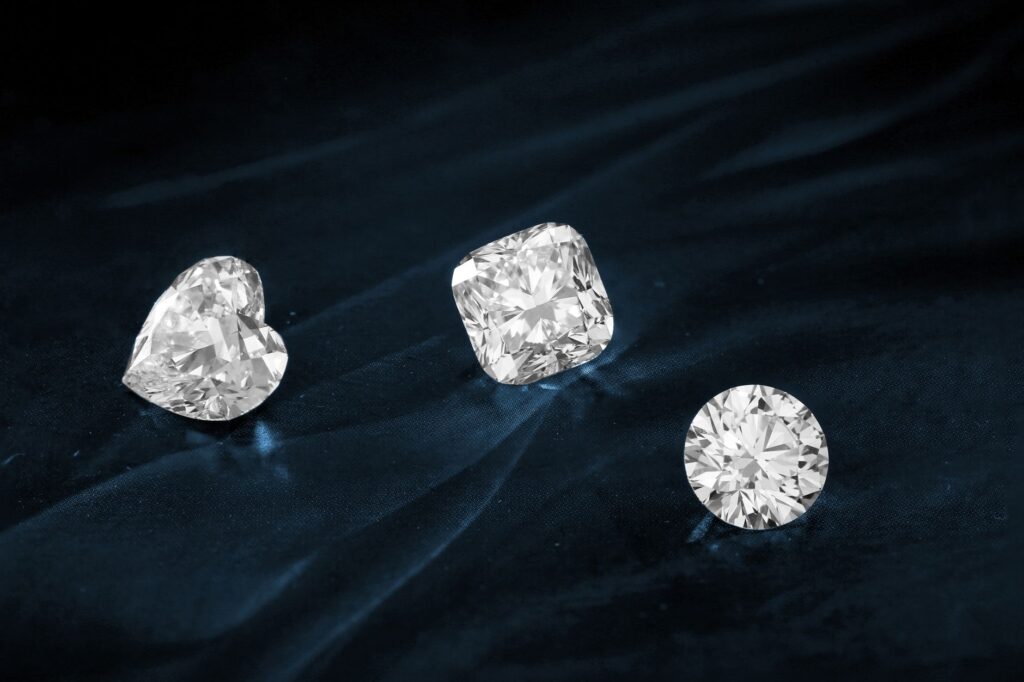
The round brilliant is the most popular diamond shape overall and the most common choice for engagement rings. It has remained the top seller for decades because it offers strong sparkle, a classic appearance, and broad appeal across different styles and generations.
However, popularity can look different depending on the market segment. In recent years, shapes like oval, cushion, and pear have gained noticeable momentum, especially among lab grown diamond shoppers. These shapes often appeal to buyers who want a larger face-up look or a style that feels slightly less traditional than a round diamond.
If you want the shortest practical answer, here it is:
- Most popular overall: Round brilliant
- Most popular alternative shapes in modern rings: Oval, cushion, pear
- Most traditional choice: Round brilliant
- Most fashion-forward options: Oval, emerald, marquise, pear
Why the Round Brilliant Is the Most Popular Shape
The round brilliant has held the top position because it performs well in almost every category most buyers care about. It is designed to maximize light return, which means it usually delivers excellent sparkle and brightness. For shoppers who are new to diamonds, that combination is easy to understand and easy to appreciate.
Another reason for its popularity is versatility. A round diamond works in solitaire settings, halo designs, three-stone rings, vintage-inspired rings, and modern minimalist styles. It also tends to look balanced from most angles, which makes it a safe and familiar choice for people who do not want a ring that feels overly trendy.
Round diamonds are also widely available at many price points. Because they are produced and stocked in high volume, shoppers often have more options for cut quality, color, clarity, and carat weight. That availability makes shopping simpler, especially when comparing natural diamonds and lab grown diamonds.
How Diamond Shape Affects Popularity
Diamond shape is not only about appearance. It also affects how a diamond faces up on the finger, how much sparkle it shows, how visible inclusions may be, and how much the stone costs. Buyers often notice these differences before they know the gemological terms behind them.
Different shapes are built differently. Some are brilliant cuts, which use many facets to increase sparkle. Others are step cuts, which create a cleaner, mirror-like look. A shape’s cut style strongly influences how it reflects light, and that, in turn, affects how people perceive beauty and value.
Brilliant cuts versus step cuts
Brilliant cuts include round, oval, pear, marquise, radiant, and cushion in many cases. These shapes are designed to scatter light and create sparkle. They generally appeal to buyers who want a lively diamond with more visual fire and brightness.
Step cuts include emerald and Asscher. These shapes have long, open facets that create a more elegant and structured look. They do not usually sparkle as intensely as brilliant cuts, but they offer a distinctive visual style that many buyers love.
Side-by-Side Comparison of Popular Diamond Shapes
The table below summarizes how the most common diamond shapes compare in practical buying terms.
| Shape | Popularity | Sparkle | Face-Up Size | Color Visibility | Clarity Visibility | Durability | Style Feel |
|---|---|---|---|---|---|---|---|
| Round Brilliant | Highest | Excellent | Moderate | Moderate | Moderate | Very good | Classic, timeless |
| Oval | Very high | Excellent | Large for carat | Moderate | Moderate | Very good | Modern, flattering |
| Cushion | High | Good to excellent | Moderate to large | Moderate | Moderate | Very good | Soft, romantic |
| Pear | High | Excellent | Large for carat | Moderate | Moderate to high | Good | Elegant, distinctive |
| Emerald | Moderate | Lower sparkle, high clarity style | Large visually | Higher | Higher | Very good | Refined, architectural |
| Princess | Moderate | Very good | Moderate | Moderate | Moderate | Good, corner sensitive | Sharp, modern |
Appearance and Visual Performance by Shape
Popularity is often tied to how a shape looks on the hand. Some shapes create more sparkle, some appear larger, and some have a stronger personality. Understanding these differences can help you choose a diamond that fits the wearer’s style, not just the market trend.
Round brilliant
The round brilliant is popular because it balances sparkle, symmetry, and familiarity. Its facet pattern is engineered to return a lot of light to the eye, which is why it often looks lively even in modest lighting. Buyers who want a dependable, bright diamond often start here.
Round diamonds also distribute weight efficiently. While they may not always look the largest for their carat weight, they usually deliver strong overall visual performance. This is one reason they remain a standard reference point in diamond cut discussions.
Oval
Oval diamonds have become one of the strongest alternatives to the round brilliant. They often face up larger than a round diamond of the same carat weight because their outline is elongated. That shape can also make the finger appear longer and slimmer.
Many buyers like oval diamonds because they feel fresh without being too unconventional. One practical consideration is the bow tie effect, a dark area across the center that can appear in elongated shapes. A well-cut oval minimizes this issue, but buyers should still inspect the stone carefully.
Cushion
Cushion cuts have rounded corners and a softer outline, which gives them a romantic appearance. They are available in a range of facet styles, from antique-looking chunky facets to more modern versions with brighter scintillation.
The popularity of cushion diamonds often comes from their versatile style. They can look vintage, contemporary, or somewhere in between depending on the setting and facet pattern. In the lab grown market, cushions are often chosen by buyers who want a larger stone with a softer outline than a round.
Pear
Pear-shaped diamonds combine a rounded end with a pointed tip, which gives them a distinctive silhouette. They can appear elongated and elegant, and they often look larger than a round diamond of the same carat weight.
Some buyers love the asymmetry because it creates movement and visual interest. The main trade-off is that the pointed end can be more exposed, so setting choice matters for protection. A well-designed prong or bezel setting can improve durability.
Emerald
Emerald cuts are step cuts, so their beauty comes from clarity, shape, and light reflection rather than intense sparkle. They produce a refined look with broad flashes of light instead of many small sparkles. For some buyers, that quieter appearance feels more elegant and luxurious.
Because emerald cuts have large, open facets, they can reveal inclusions and color more easily than brilliant cuts. This means quality selection matters more, especially if you want the stone to appear clean and bright face up.
Princess
Princess cuts are square or nearly square with sharp corners and a modern appearance. They are known for strong brilliance and a clean geometric outline. They have been especially popular in engagement rings for buyers who want a more angular look than a round diamond.
The corners can be vulnerable to chipping if the stone is not set properly, so ring design matters. In practical terms, princess cuts are a good option for buyers who like a contemporary style and do not mind a shape that is slightly less common than round.
Why Sparkle, Fire, and Brilliance Differ by Shape
Buyers often use the word “sparkle” to describe all diamond light performance, but gemologists separate it into a few ideas. Brilliance is the brightness of white light returned to the eye. Fire is the colored flashes of light that appear when the diamond disperses light. Scintillation is the pattern of light and dark movement when the diamond or viewer moves.
Round brilliants usually score highest in overall sparkle because their facet arrangement is optimized for light return. Other brilliant cuts can also sparkle strongly, but they may do so in a different pattern. Step cuts, on the other hand, are more about broad flashes and clean reflections than dense sparkle.
This is why popularity often tracks visual performance. Many buyers immediately notice sparkle when viewing diamonds under store lighting or in online videos. A shape that produces obvious brilliance will often feel more impressive at first glance.
Advantages of the Most Popular Diamond Shapes
Round brilliant advantages
The round brilliant leads the market because it offers a combination of strengths that are easy to value. It is bright, versatile, and broadly flattering in many settings. It also tends to work well across a wide range of metal colors and ring styles.
- Excellent sparkle and brightness
- Broad style compatibility
- Strong long-term appeal
- Large selection across budgets
- Easy to compare using cut quality standards
Oval advantages
Oval diamonds are popular because they can create a larger-looking stone for the same carat weight. Many buyers appreciate the elongated shape, which can make the finger look slimmer and longer. In lab grown diamonds, oval shapes are often a smart way to maximize visible size without moving into a much higher carat budget.
Cushion advantages
Cushion cuts offer a softer outline and a style that can feel both classic and modern. They are often chosen by buyers who want personality without moving too far away from traditional diamond aesthetics. Their shape can also work well in vintage-inspired settings.
Pear advantages
Pear diamonds can look elegant and distinctive. They often provide a graceful length-to-width profile that appeals to buyers wanting something different from the standard round. For some wearers, the shape is also visually slimming on the finger.
Emerald advantages
Emerald cuts have a calm, sophisticated appearance. They can make a diamond look larger from above because of their open shape, and they create a clean visual effect that some buyers find more refined than sparkle-heavy styles. They are especially appealing to people who value clarity and geometry.
Princess advantages
Princess cuts provide a modern square outline with strong brilliance. They can be an attractive choice for buyers who want a crisp shape and a lively sparkle pattern. They are also a familiar option in the engagement ring market, although less dominant today than round and oval.
Disadvantages and Trade-Offs to Know
No shape is ideal in every category. The best choice depends on the style you want, how much you want to spend, and what qualities matter most to the wearer.
Round brilliant trade-offs
Round diamonds are usually the most expensive shape per carat because demand is high and cutting a round from rough material often results in more weight loss. That does not make them poor value, but it does mean buyers may pay more for the same carat weight compared with fancy shapes.
Oval trade-offs
Oval diamonds can show bow tie effects, and their elongated shape can make proportions matter a great deal. Two oval diamonds with the same carat weight can look very different if one has a balanced outline and the other feels too stretched or too round. Shape quality is especially important here.
Cushion trade-offs
Cushion cuts can vary a lot in appearance because the term covers different facet patterns and proportion styles. Some cushions are lively and bright, while others look softer and less brilliant. Buyers need to inspect each stone individually instead of relying on the shape name alone.
Pear trade-offs
Pear diamonds can be susceptible to chipping at the tip if the setting does not protect it well. They can also show slight asymmetry more noticeably than symmetrical shapes. For buyers who want a very balanced look, this can matter.
Emerald trade-offs
Emerald cuts usually require better clarity and color because their open facets can reveal imperfections more easily. They also do not hide flaws as well as brilliant cuts. Buyers interested in emerald shapes should pay close attention to diamond clarity and diamond color grades.
Princess trade-offs
Princess cuts can be vulnerable at the corners, especially if the setting leaves them exposed. They may also feel a little less current than oval or pear shapes in many modern engagement ring trends. Still, they remain a practical option for buyers who like their geometry and sparkle.
Who Each Popular Shape Is Best For
Different shapes suit different priorities. A useful way to think about popularity is not just “what is most common,” but “what kind of buyer tends to choose this shape?”
| Shape | Best For | Why It Appeals |
|---|---|---|
| Round Brilliant | Buyers who want timeless style and strong sparkle | Classic look, reliable performance, easy to match with many settings |
| Oval | Buyers who want a larger-looking stone and modern elegance | Elongated shape, flattering on the finger, strong demand in current trends |
| Cushion | Buyers who like soft edges and a romantic feel | Versatile style, vintage or modern appearance, comfortable outline |
| Pear | Buyers who want something distinctive but still graceful | Elegant outline, often appears larger, strong visual personality |
| Emerald | Buyers who prefer elegance over intense sparkle | Refined look, clean lines, architectural style |
| Princess | Buyers who want a square shape with brightness | Modern outline, high brilliance, familiar engagement ring option |
How Diamond Shape Interacts With Lab Grown Diamonds
Shape popularity in the lab grown market often overlaps with natural diamond trends, but there are important differences in buying behavior. Because lab grown diamonds usually cost less than natural diamonds of similar visible quality, shoppers may be more willing to choose shapes that maximize size or visual impact.
That is one reason oval, cushion, and pear lab grown diamonds have become so attractive. Buyers can often move into larger carat sizes or higher grades without making the budget stretch as far. A shape that appears larger face up can be especially appealing when paired with the pricing structure of diamond pricing in the lab grown market.
Round lab grown diamonds remain highly popular too. The lower cost compared with natural diamonds does not reduce the round brilliant’s longstanding appeal. Instead, it often lets buyers prioritize cut quality or size within a shape that is already well loved.
Important Buying Considerations by Shape
Shape popularity is only one part of a smart purchase. Once a buyer narrows down the shape, the next step is to consider the details that affect beauty and value.
Face-up size
Face-up size means how large the diamond looks when viewed from above. Some shapes, such as oval, pear, and marquise, often look larger than round diamonds of the same carat weight because their outlines spread weight across a longer surface area. This can matter a lot to buyers who want the biggest possible visual presence.
Length-to-width ratio
Elongated shapes often have a length-to-width ratio that affects visual balance. A slightly longer oval may look elegant, while one that is too stretched may feel narrow. Pears and marquise cuts also depend heavily on proportion. Buyers should look at actual images or videos, not just measurements.
Color visibility
Some shapes show color more easily than others. Step cuts like emerald are more transparent and therefore can reveal body color more clearly. Brilliant cuts can hide color better because of their sparkle pattern. This is one reason many buyers can choose a slightly lower color grade in round or oval diamonds than they might in an emerald cut.
Clarity visibility
Clarity refers to the presence of internal or external features called inclusions and blemishes. Shapes with many facets, like round and princess, can hide minor clarity characteristics better than step cuts. Emerald cuts, with their open facets, often demand higher clarity if you want a clean appearance. If you want a deeper explanation, a guide on diamond clarity grades can help.
Durability
Some shapes are more prone to edge or corner damage. Round and oval diamonds generally have fewer sharp points, which can make them easier to wear every day. Princess, marquise, pear, and heart shapes have pointed sections that need more protective setting design.
Setting compatibility
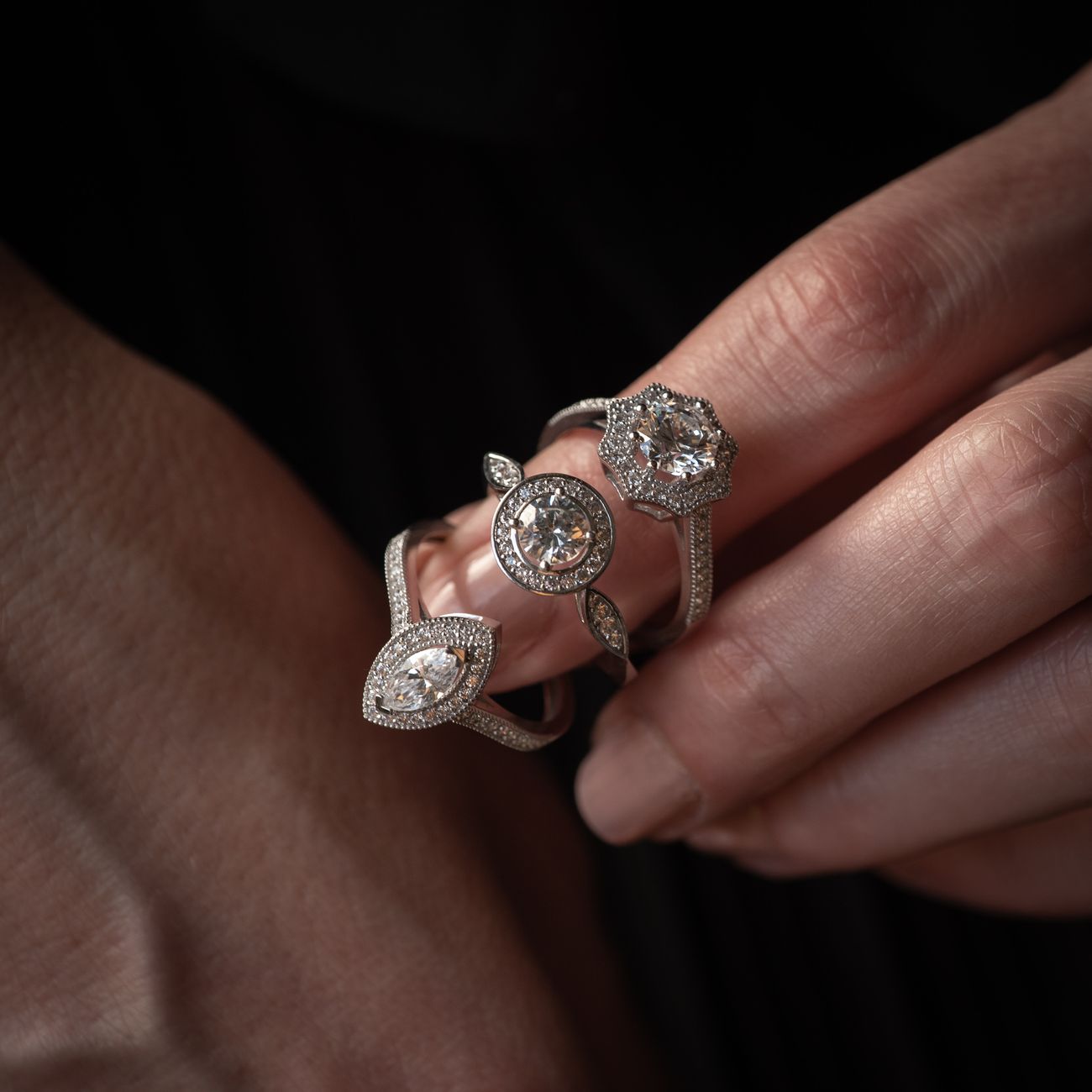
The best diamond shape for an engagement ring is often the one that works well with the setting style you want. A solitaire setting can highlight a round, oval, or emerald beautifully. A halo setting can add apparent size to almost any shape. Three-stone settings often use side stones that complement the center stone’s outline.
Why Some Shapes Feel More Popular Than Others Right Now
Popularity shifts with style trends, social media exposure, and changing preferences in engagement ring design. Round diamonds still lead overall, but other shapes can feel more visible in current fashion because they photograph well and look distinctive in online posts.
Oval diamonds, in particular, have become very common in modern bridal jewelry because they combine softness, size advantage, and a fashionable silhouette. Cushion and pear shapes are also used frequently by buyers who want a ring that feels more individual. Emerald cuts tend to appeal to people who want a more refined, less sparkly look, while princess cuts remain a strong choice for buyers who like symmetry and modern geometry.
One important point is that popularity does not always equal long-term preference. Some shapes may trend more heavily for a period of time, but the round brilliant remains the safest choice for buyers who want enduring mainstream appeal.
Common Mistakes Buyers Make When Choosing a Diamond Shape
Choosing a shape based only on trend can lead to disappointment later. A diamond should match the wearer’s style, not just a temporary wave of popularity.
- Ignoring proportions: A shape can look unbalanced if it is too long, too short, or too narrow.
- Focusing only on carat weight: Carat does not tell the whole story. Face-up size and shape matter just as much.
- Overlooking durability: Pointed shapes need settings that protect the tips and corners.
- Not considering clarity visibility: Step cuts reveal inclusions more easily than brilliant cuts.
- Choosing the trend without thinking about longevity: A ring should still feel right years later.
Another common issue is buying online without understanding how shape behaves in real life. Two diamonds with the same shape and carat weight can look quite different depending on cut quality, proportions, and the way they are photographed. This matters especially with lab grown stones, where buyers often compare several visually similar options and need a clear way to judge value.
How Popular Shapes Compare for Different Buyer Goals
Rather than asking only which diamond shape is most popular, many buyers are better served by asking which shape best fits their goal.
If you want maximum classic appeal
The round brilliant is still the strongest answer. It is the least risky choice if you want a shape that nearly everyone recognizes and accepts as timeless.
If you want the largest-looking stone
Oval, pear, and marquise shapes often provide more visible spread for the same carat weight. That can make them appealing to buyers who want a strong presence without always increasing size dramatically.
If you want a refined or minimal look
Emerald cuts stand out because of their structured appearance and elegant simplicity. They are a good fit for buyers who value line, proportion, and quiet sophistication over brilliance.
If you want something romantic or soft-edged
Cushion cuts are often a strong choice. Their rounded corners and softer outline can feel inviting and versatile, especially in vintage-inspired settings.
If you want a shape that feels distinctive but still familiar
Pear and oval diamonds often strike this balance well. They are recognizable, but they still look less conventional than round diamonds.
Popularity, Resale Value, and Long-Term Appeal
Buyers sometimes assume the most popular shape will also hold value best. That is only partly true. Popular shapes often have broader demand, which can help with future resale or trade-in interest, but diamond resale value depends on many factors beyond shape, including market conditions, quality, certification, and whether the stone is natural or lab grown.
Round diamonds often benefit from the broadest market recognition. That can make them easier to resell than niche shapes, although resale values are still usually well below original retail. Lab grown diamonds in particular tend to have different long-term value expectations than natural diamonds, so buyers should think in terms of wear and enjoyment rather than investment.
From a practical perspective, the most “valuable” shape is often the one the wearer will be happy to keep and wear for years. A shape that fits personal style has more lasting relevance than a shape chosen only because it is popular right now.
Frequently Asked Questions
Is the round diamond always the best choice?
Not always. The round brilliant is the most popular because it offers excellent sparkle and broad appeal, but the best choice depends on budget, style preference, and how the ring will be worn. Someone who wants a larger-looking stone or a more distinctive shape may prefer oval, pear, or cushion.
Which diamond shape looks biggest?
Oval, pear, and marquise shapes often look largest for their carat weight because they spread across more surface area when viewed from above. That said, exact appearance depends on proportions and cut quality, not just shape alone.
Which diamond shape sparkles the most?
The round brilliant usually produces the strongest overall sparkle because its facet pattern is optimized for light return. Some oval, cushion, and princess cuts can also sparkle beautifully, but round is typically the benchmark for brilliance.
Which shape is the most timeless?
Round diamonds are generally considered the most timeless because they have remained popular for generations. Emerald and cushion cuts can also feel enduring, but they have more style-specific appeal than the round brilliant.
Do lab grown diamonds change shape popularity?
They can influence it. Because lab grown diamonds often allow buyers to choose larger sizes or higher quality for the money, shapes that look large face up, such as oval and pear, can become especially attractive. Still, round remains the most popular shape overall.
What diamond shape is best for a small hand?
Elongated shapes such as oval, pear, and marquise can make fingers appear longer and slimmer. That effect can be helpful for smaller hands, but the final look also depends on ring setting and stone size.
Are fancy shapes cheaper than round diamonds?
Often, yes. Many fancy shapes cost less per carat than round diamonds because they are in lower demand and may yield more size from the rough crystal. However, some premium shapes or exceptional cuts can still be priced higher than expected.
Conclusion
If you are asking Which Diamond Shape Is Most Popular, the answer is still the round brilliant. It remains the leading choice because it combines sparkle, familiarity, and versatility better than any other shape. For many buyers, that makes it the safest and easiest shape to shop for.
At the same time, popularity does not automatically mean best for everyone. Oval, cushion, pear, emerald, and princess shapes each offer different strengths, from larger face-up appearance to a more distinctive style. In the lab grown diamond market, these alternatives can be especially appealing because buyers often want to maximize visual impact within a budget.
The most practical approach is to start with the look you want, then compare shape performance, durability, and clarity or color needs. If you understand how shape affects appearance and value, you can choose a diamond that feels right today and still makes sense years from now.
For more detail, see Which Diamond Shape Has the Best Light Performance? Round Brilliant Explained.