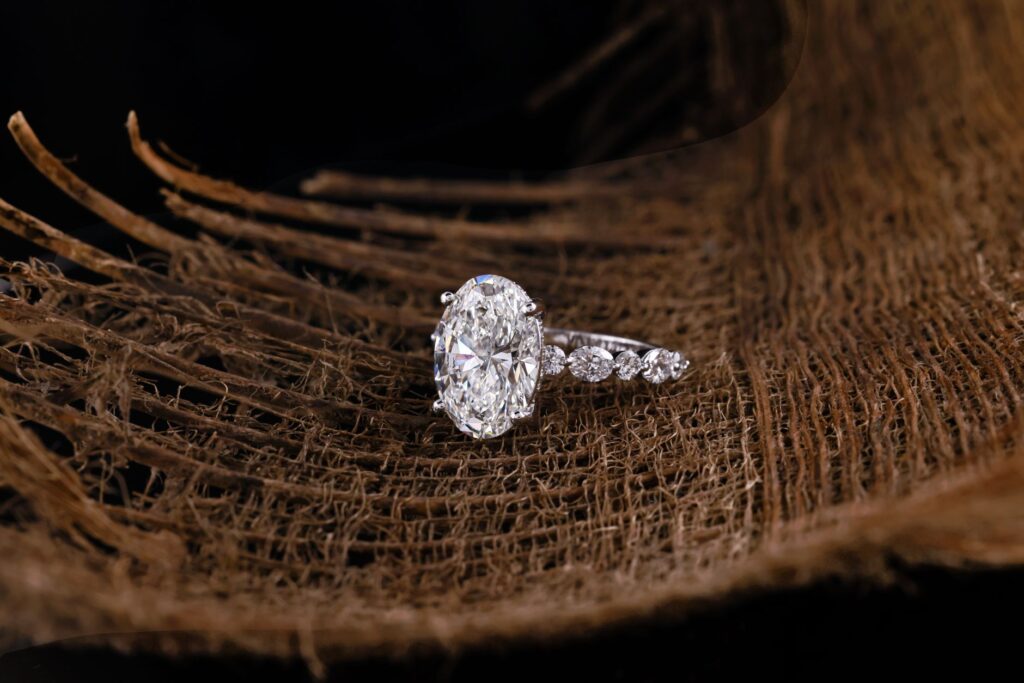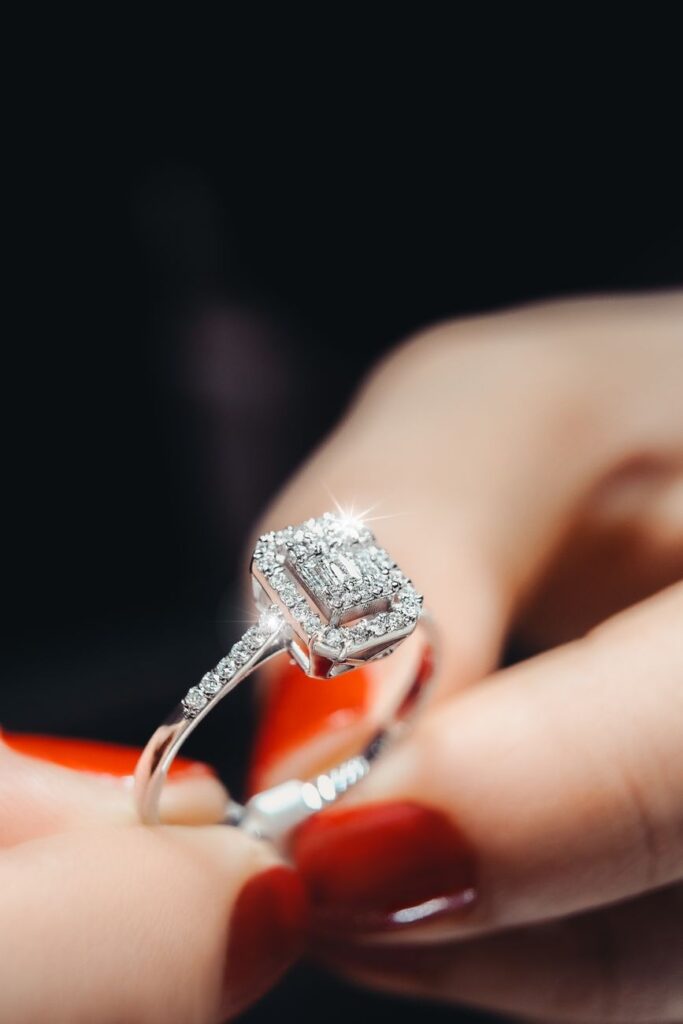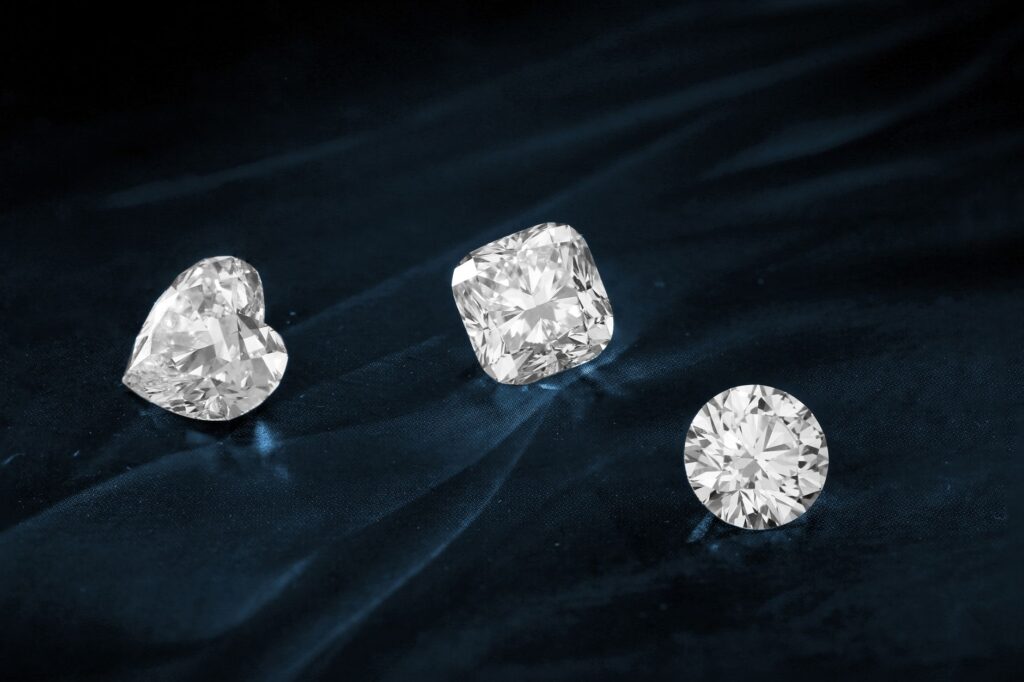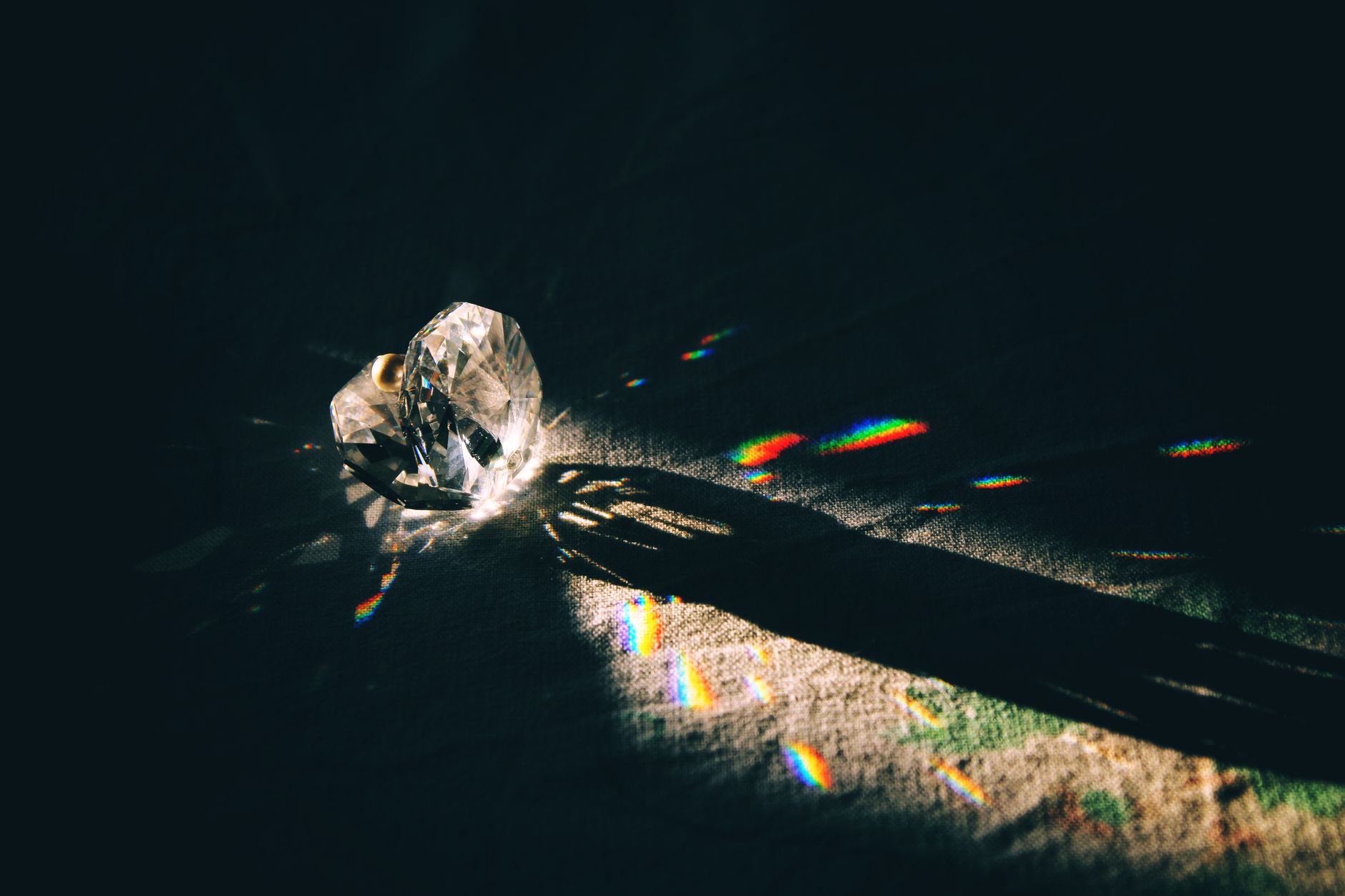
Diamond color is one of the easiest grades to misunderstand because the differences on paper often look bigger than what the eye can actually see. A diamond graded one or two color steps higher can sound meaningfully better, but in real life the change may be subtle, especially once the stone is set in a ring and viewed in normal lighting.
The central question is not whether color exists. It is whether the color difference is visible enough to matter to you, your setting, and your budget. That is why understanding how diamond color appears in different lighting is so important before making a buying decision.
Quick answer: diamond color usually looks whitest in bright, neutral lighting and can look slightly warmer in softer or warmer light. In many cases, near-colorless diamonds appear completely white to most people once mounted, especially in smaller sizes or in yellow or rose gold settings. Higher color grades do look cleaner on paper and sometimes in person, but the visual difference is often smaller than buyers expect.
What Diamond Color Really Means
Diamond color grading measures how much visible tint a diamond has, usually from the absence of color to a noticeable yellow or brown tone. In the standard GIA scale, D is the highest color grade, followed by E, F, G, and so on down to Z. D, E, and F are considered colorless, while G through J are typically called near-colorless.
For most buyers, the important thing is not the letter itself but what that letter looks like in a ring. A grading report is created under controlled conditions, often by comparing the diamond to master stones in a neutral environment. That is useful for consistency, but it does not always reflect how a diamond appears on a finger in everyday life.
Color is also only one part of the overall visual picture. Cut quality strongly affects brightness and sparkle, and those factors can influence how white a diamond appears. A well-cut diamond often masks slight warmth better than a poorly cut stone of the same color grade.
Why Lighting Changes How Diamond Color Looks
Diamonds do not have one fixed look in every environment. Their color appearance changes with the type, direction, and intensity of light around them. A diamond can look crisp and icy in one setting, then slightly warmer or more subdued in another.
This happens because diamonds interact with light in several ways. Bright light can make them look more reflective and brilliant, while warmer lighting can emphasize yellow or brown undertones. Shadows and low light can also reduce what you notice, which is why a diamond can seem different from one room to another.
For buyers, this means color should be evaluated as a real-world appearance issue, not only a lab grade. If you want to understand how a diamond truly performs, you need to think about where and how it will be worn.
What Diamond Color Actually Looks Like
D, E, and F Color Diamonds
These are the top colorless grades and usually look very white. In most everyday settings, the average person will not detect tint in a loose or mounted diamond of these grades. Under side-by-side comparison with lower grades, a trained observer may notice that they appear slightly cleaner or more neutral.
That said, the difference between D, E, and F is often extremely subtle. A buyer paying a premium for D color is usually paying for rarity and grade prestige more than a dramatic visual change. In many rings, the distinction between these grades is difficult to appreciate without a controlled comparison.
G, H, I, and J Color Diamonds
These grades are the heart of the near-colorless range and often represent the best value for many shoppers. G and H diamonds usually look white face-up, meaning from the top view most people see in a ring. I and J may show a bit more warmth, but they can still look excellent, especially in certain settings.
In larger stones, lower near-colorless grades are more likely to show some tint from the side or in softer lighting. Even then, the appearance may still be attractive and completely acceptable to many buyers. Whether that warmth is noticeable enough to matter depends on the shape, setting, and personal preference.
K and Below
Once a diamond moves into the lower near-colorless and faint color range, warmth becomes more obvious. Some buyers like this look, especially in yellow gold where the tint blends with the metal. Others prefer a whiter appearance and may find these grades too warm for an engagement ring.
These diamonds can still offer good value if the buyer is comfortable with a softer or slightly warmer look. The key is not to assume they will appear the same as a G or H color diamond. In many cases, they will not.
Can Most People See the Difference?
The short answer is that most people cannot easily spot small color differences in everyday wear, especially without direct comparison. A diamond that looks slightly warmer next to a colorless stone may still appear white on its own. This is one reason why color grading can feel more dramatic on paper than in normal viewing conditions.
Visibility depends on several factors:
- Stone size: larger diamonds show color more easily than smaller ones.
- Cut quality: a better-cut diamond often looks brighter and more white.
- Setting metal: white metals can make tint easier to notice, while yellow or rose gold can hide it.
- Viewing distance: color is easier to spot up close than from arm’s length.
- Lighting: warm indoor lighting can make tint more noticeable.
Professional graders are trained to see color differences that most consumers would never notice casually. That does not mean the grading is unimportant. It means the human eye is less sensitive to small changes once the diamond is set and worn in real-world conditions.
How Diamond Color Appears in Different Lighting
Lighting is one of the biggest reasons diamond color can seem inconsistent. A diamond can look nearly colorless in one setting and slightly warmer in another, even though the stone has not changed at all. This is especially relevant when shopping in person, where store lighting can influence perception.
Daylight
Natural daylight, especially balanced daylight outdoors or near a window, is one of the best environments for judging body color. In this light, subtle tint is often easier to see because the light is broad and neutral. D through H color diamonds usually appear very white in daylight, while I, J, and lower grades may show a little warmth depending on size and cut.
Daylight is useful because it shows a diamond in one of the most honest lighting conditions. However, not all daylight is the same. Bright overcast skies, direct sun, and shaded daylight can create different impressions, so one viewing is not enough to judge a diamond fully.
Indoor Lighting
Standard indoor lighting varies widely, which makes color evaluation less predictable. Cool LED lights can make a diamond look crisper and whiter, while warm bulbs can bring out cream or yellow tones. Mixed lighting in homes and offices often gives the most realistic view of how the stone will be worn day to day.
Near-colorless diamonds often look excellent indoors, even if they are not technically colorless. In many cases, the difference between G and F or between H and G is too small to matter once the diamond is on the hand and viewed casually.
Jewelry Store Lighting
Jewelry stores often use strong, bright lighting designed to maximize sparkle. That lighting can make many diamonds appear whiter and more lively than they will under softer everyday conditions. It is common for shoppers to fall in love with a diamond in the store only to notice slightly more warmth later at home.
This does not mean the diamond was misrepresented. It means intense store lighting can reduce the visibility of tint and make cut performance stand out more than body color. When possible, compare diamonds in different lighting before deciding.
Warm Lighting
Warm lighting, such as incandescent bulbs or soft yellow-toned lamps, tends to emphasize warmth in the diamond itself. Lower color grades can show more yellow or creamy tones in these conditions. White diamonds may still look attractive, but the appearance can shift from icy white to softly warm.
Many engagement rings are worn in homes, restaurants, and evening settings with warm light. If you want the diamond to look as white as possible in these environments, a higher color grade may be worth considering. If you are comfortable with a hint of warmth, you may be able to save money by choosing a lower grade.
Cool Lighting
Cool lighting, such as daylight-balanced LEDs, generally makes diamonds look cleaner and whiter. This environment is flattering for most near-colorless diamonds because it minimizes yellow appearance. It is also one reason lab grown diamonds often look especially bright in online images and showroom displays.
Still, cool light can also make the difference between grades easier to compare side by side. A D or E diamond may look marginally cleaner than an H or I under these conditions, but the visual gap is often smaller than the price gap.
How Setting Metal Changes Color Perception
The metal around the diamond affects how color appears to the eye. This is one of the most practical factors buyers overlook, even though it can change the best color grade for a ring. The same diamond can look different in platinum, white gold, yellow gold, or rose gold.
White Gold and Platinum
White metals reflect a cool, silvery appearance that tends to highlight the diamond’s own color. In these settings, a higher color grade may be more noticeable, especially for larger stones. Diamonds in the G to H range often look very good in white gold or platinum, while I and J may still perform well but can show slightly more warmth.
If your goal is a crisp, icy appearance, white metals are the most demanding setting choice. They are also the settings where buyers are most likely to notice small differences in diamond color.
Yellow Gold
Yellow gold is more forgiving of warmth in the diamond because the metal itself has a warm tone. This can make near-colorless and even lower-color diamonds look better than they might in a white metal setting. A diamond that appears slightly tinted in platinum may look perfectly balanced in yellow gold.
For buyers who prefer yellow gold, spending heavily for top color grades is often less important. The metal color can visually complement the stone and reduce the need for a colorless grade.
Rose Gold
Rose gold also blends well with warmer diamond tones, though in a different way than yellow gold. Its pinkish hue can soften the contrast between the stone and the metal. This makes lower color grades feel less noticeable and can create a cohesive overall look.
If you are choosing a rose gold ring, color grade often becomes more of a value question than a visibility question. In many cases, buyers can choose a more affordable grade without seeing a meaningful reduction in beauty.
How Diamond Color Appears by Shape
Diamond shape affects how color is perceived because different cuts distribute light differently. Some shapes hide body color better, while others show it more easily. This matters because the same color grade can look different in a round brilliant compared with an emerald cut or oval.
| Shape | Color Visibility | Buyer Note |
|---|---|---|
| Round brilliant | Low to moderate | Hides color well due to strong sparkle and light return |
| Oval | Moderate | Often shows some color near the ends, especially in larger stones |
| Princess | Moderate | Can look very white if well cut, but varies by stone |
| Emerald cut | High | Step cuts show body color more easily because they have large open facets |
| Radiant | Moderate to low | Good sparkle can help mask color |
| Pear, marquise, cushion | Moderate | Color visibility depends on cut style and spread |
Round diamonds are usually the easiest shape for color buyers because they are forgiving. Step-cut shapes like emerald cut reveal more of the diamond’s internal characteristics, including color and clarity. If you are choosing a shape known for transparency, upgrading color can matter more.
Price Premium vs Visual Benefit
One of the biggest decisions in diamond shopping is whether a higher color grade is worth the extra money. The answer depends on how much you value a subtle visual improvement versus the savings available at a slightly lower grade. In many cases, the price increase is larger than the visible gain.
The jump from D to E to F may be hard to notice without direct comparison, yet the price can rise meaningfully. Likewise, moving from G to H or H to I may produce a small visible change, but not always a dramatic one. This is where diminishing returns become important.
For many buyers, the best value often sits in the G to I range for round brilliant diamonds, especially when paired with a strong cut and a suitable setting. That range frequently gives a white-looking diamond without paying the highest premium for top colorless grades. However, the right choice depends on stone size, shape, and metal color.
When the Premium Makes Sense
Paying more for higher color can be justified when appearance is the priority and the budget allows for it. This is especially true if you want a very white look in a platinum or white gold setting, or if you are buying a large diamond where color is easier to see. It can also make sense for step-cut shapes, which tend to reveal body color more readily.
Some buyers also prefer higher color grades because they value the report itself or want the cleanest possible specification. That is a valid preference, as long as the cost difference is understood as part of the decision.
When the Premium May Not Be Worth It
If the diamond will be set in yellow or rose gold, the visual benefit of a top color grade may be small. The same is true if the diamond is modest in size or if you prioritize overall face-up beauty over lab grade prestige. In those cases, money spent on color could often have more impact if directed toward cut quality or size.
This is particularly relevant in lab grown diamonds, where buyers often have the option to choose a very high color grade without a dramatic price jump. Even then, it is still worth asking whether the visual difference matters enough to justify the upgrade.
Lab Grown Diamonds and Color Appearance
Lab grown diamonds are often available in higher color grades more frequently than natural diamonds at similar price points. That is because the growth process can produce many stones with very little body color, and the pricing structure is different from mined diamonds. As a result, buyers may see a larger share of D through F lab grown diamonds in the marketplace.
This does not mean every lab grown diamond is colorless. Lab grown stones can still show color, and the same visual rules apply. Lighting, shape, size, and setting all influence how color appears once the diamond is worn.
For buyers comparing lab grown and natural diamonds, color is usually not the biggest visual distinction between the two. The more practical question is whether paying extra for top color in a lab grown stone creates a meaningful improvement. In many cases, a near-colorless lab grown diamond can look excellent and offer better value than spending more for a color grade that is difficult to see.
How Size Affects Color Visibility
Diamond carat weight matters because larger diamonds have more surface area and depth, which can make tint easier to detect. A 0.75 carat diamond may look very white in a near-colorless grade, while a 2 carat diamond of the same grade may show more warmth. This is not a rule with strict boundaries, but it is a useful pattern.
As size increases, color differences become easier to see from the top view and especially from the side. That is why buyers of larger diamonds often pay closer attention to color grade. A small increase in color quality can have more practical value in a large stone than in a petite one.
In smaller diamonds, color differences are often harder to notice. That means many buyers can safely prioritize cut and overall design over the highest color grade.
Common Buyer Mistakes
Overpaying for Invisible Upgrades
One common mistake is assuming that a better letter on the grading report always means a visibly better diamond. In reality, the difference between two adjacent color grades can be extremely subtle once the stone is set. Buyers sometimes pay for an upgrade they will never clearly notice.
This is most likely to happen in standard engagement ring sizes where the diamond is not exceptionally large. The money may be better allocated to a better cut, a more suitable shape, or a stronger overall setting.
Ignoring the Metal Color
Another mistake is choosing color grade without considering the setting metal. A lower color grade in yellow gold can look perfectly white, while the same diamond in platinum may show more warmth. The ring design and diamond color should be evaluated together.
This is especially important for buyers who already know they prefer a specific metal. Matching the diamond to the metal can create a better visual result than simply chasing the highest color grade available.
Assuming All Color Differences Are Obvious
Color differences are often easier to see in controlled side-by-side comparisons than in regular wear. A diamond that looks clearly warmer next to a D color stone may still appear white on its own. Buyers sometimes overestimate how easy these differences are to spot in real life.
This can lead to unnecessary spending, particularly when the buyer has not seen the diamond outside a store’s ideal lighting. Always think about how the ring will look during actual daily use, not just under display lights.
Buying Based Only on the Grading Report
A grading report is useful, but it does not tell the whole story. Cut quality, setting style, shape, and lighting all influence how color is perceived. Two diamonds with the same color grade can look noticeably different if one is well cut and the other is not.
For practical shopping, the report should be treated as a guide rather than the final answer. The goal is to choose a diamond that looks right in the real world, not just one that reads well on paper.
Which Color Grades Offer the Best Value?
There is no single best grade for every buyer, but certain ranges tend to offer strong value. For round brilliant diamonds, many shoppers find G through I to be the sweet spot where the diamond still looks white while avoiding the steep premium of top colorless grades. In yellow or rose gold, J can sometimes be a smart choice if the buyer is comfortable with a slightly warmer appearance.
For step cuts or larger center stones, a higher grade may be more important because the stone shows body color more easily. In those cases, F through H can be more practical, depending on the setting and the buyer’s expectations. The best value is the grade that looks white enough for your eye without paying for unnecessary reserve quality.
Typical Buyer Preferences by Goal
- Maximum whiteness: D to F, especially in white metals or larger stones.
- Balanced value and appearance: G to H for many round brilliant diamonds.
- Budget-conscious and flexible: I to J, particularly in yellow or rose gold.
- Step cuts or larger stones: Consider staying closer to colorless or top near-colorless grades.
What an Experienced Buyer Usually Focuses On
Experienced diamond buyers tend to focus less on the most expensive grade and more on the most visible results. They know that a well-cut diamond can look brighter and whiter than a poorly cut one with a higher color grade. They also know that the setting and metal can significantly influence what the eye notices.
That approach usually leads to better value. Instead of asking, “What is the highest color I can afford?” a more practical question is, “What color grade looks white enough in the setting and size I want?” That shift in thinking often produces a better ring for the budget.
Frequently Asked Questions
Is diamond color easy to see without comparing stones side by side?
Usually not, especially in near-colorless and colorless grades. Most people only notice small differences when diamonds are placed next to each other under similar lighting. On its own, a well-chosen diamond often looks white enough to satisfy most buyers.
Does a higher color grade always look better?
Not always in a meaningful way. A higher grade does mean less body color, but the visual improvement can be very subtle once the diamond is mounted. In many cases, the price increase is more noticeable than the difference in appearance.
What color diamond looks best in white gold or platinum?
D through H often work very well, depending on size and shape. White metals can make body color easier to notice, so buyers who want a very bright look may prefer higher grades. That said, G and H are often a practical balance for many rings.
Can a lower color diamond still look white?
Yes, especially in yellow or rose gold settings and in smaller or well-cut diamonds. Many I and J diamonds still appear white when viewed face-up. The amount of visible warmth varies by stone, so context matters.
Do lab grown diamonds have better color than natural diamonds?
They are often available in higher color grades more frequently, but not because they are inherently “better” in appearance. The growth process and pricing structure simply make high-color lab grown diamonds more common and often more affordable. The visual question is still the same, which grade looks best to your eye in your setting.
Should I pay more for color or cut?
For most buyers, cut is the more important visual priority. Cut affects sparkle, brightness, and face-up appearance, all of which influence how white a diamond seems. If choosing between a modest color upgrade and a better cut, many buyers will see more benefit from the better cut.
Why does my diamond look whiter in some photos than in person?
Photos can be misleading because lighting, camera settings, and editing all affect color. A diamond may be photographed under bright, cool light that minimizes warmth. In person, warmer lighting or a different background may reveal more of the true appearance.
Is color more important for larger diamonds?
Yes, usually. As diamond size increases, body color becomes easier to notice. Buyers of larger stones often need to think more carefully about whether the added cost of higher color grades is worthwhile.
Practical Buying Takeaways
The most important thing to understand is that diamond color is not judged the same way by a grading report and the human eye. A diamond can carry a lower color grade and still look very white in a real ring. It can also look warmer or cleaner depending on lighting, metal, and shape.
If you are choosing a diamond for everyday wear, focus on what you are likely to see most of the time. In many cases, near-colorless diamonds offer the best balance of beauty and value. If you want the cleanest possible look and budget is less of a concern, higher color grades can make sense, especially in white metals and larger stones.
For buyers comparing options, the best decision usually comes from looking at color in context. Think about the setting metal, the diamond shape, the stone size, and how much warmth you personally notice. Once those factors are considered together, it becomes much easier to decide whether a higher color grade is truly worth paying for.