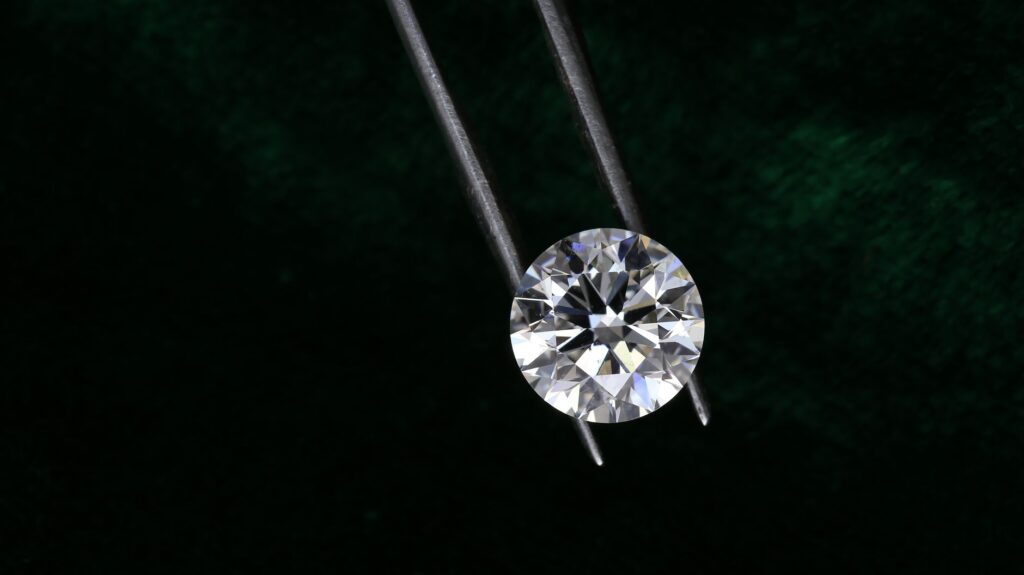
Lighting can change a diamond’s color appearance more than most buyers expect. A stone that looks crisp and icy in one setting can appear slightly warmer in another, even when nothing about the diamond itself has changed. That is why understanding How Lighting Changes Diamond Color Appearance matters before comparing grades, shopping in a showroom, or choosing between a colorless and near-colorless diamond.
Color is one of the most misunderstood parts of diamond buying because the grading report gives a fixed letter, but the human eye sees a diamond in changing environments. A diamond is not viewed in a laboratory. It is seen in daylight, under LED lights, in warm home lighting, and beside different metals and settings. Those conditions can make the same diamond look brighter, whiter, or slightly warmer.
Quick Answer: Does Lighting Change Diamond Color Appearance?
Yes. Lighting can make a diamond’s color look more or less noticeable, even though the diamond’s actual color grade does not change. Bright white light often makes a diamond appear cleaner and more colorless, while warm indoor light can make subtle warmth easier to see.
The practical takeaway is simple. If you are comparing diamond color grades, do not judge them under only one type of lighting. A diamond that looks perfectly white in a jewelry store may look a little different at home, and a diamond that seems slightly warm in one setting may look nearly colorless in another.
What Diamond Color Really Means
Diamond color refers to the amount of body color seen in a white diamond. In grading terms, the scale runs from D, which is the most colorless, down through the alphabet as color becomes more noticeable. The most common consumer discussion focuses on colorless diamonds, near-colorless diamonds, and the point where slight warmth starts becoming visible.
For most buyers, the key question is not the letter itself. It is whether the diamond looks white to the eye in normal wearing conditions. That depends on the grade, the shape, the cut quality, the setting, the metal color, and the lighting around it.
Color Grade vs Real-World Appearance
A grading report describes the diamond under controlled conditions. Real life is less controlled. The report is useful, but it does not tell you exactly how the stone will look in every room, every season, or every outfit.
This is especially important for buyers looking at lab grown diamonds, because they are often available in higher color grades at more accessible prices. That can create the impression that a higher color grade is always the better choice, even when the visual difference is subtle in everyday wear.
What This Color Actually Looks Like
In practical terms, diamond color is about how white or warm the stone appears. Colorless diamonds tend to look crisp and neutral, while near-colorless diamonds can still look very white, especially once mounted. Lower color grades may show a faint yellow or grayish warmth, depending on the stone and the environment.
Most buyers are not looking at diamonds in isolation under a gem lab lamp. They are looking at them on a hand, in a ring, or in a necklace. Once set, the diamond’s appearance becomes part of the whole piece, which is why a subtle grade difference may be hard to notice.
How the Eye Interprets Whiteness
The human eye compares the diamond to its surroundings. A diamond beside a white metal like platinum or white gold may appear whiter than the same diamond beside yellow gold. A diamond surrounded by strong sparkle can also hide small traces of body color because brilliance draws attention away from warmth.
This is one reason buyers sometimes overestimate the visibility of color. A well-cut diamond often reflects enough white light and contrast that the stone appears very bright, even when the grade is not at the top of the scale.
Can Most People See the Difference?
Sometimes yes, but often not easily. The visibility of diamond color depends on how big the difference is, where the stone sits on the grading scale, and how the diamond is being viewed.
In everyday wear, subtle differences between adjacent grades can be difficult to notice without a side-by-side comparison. A shopper may clearly see a difference between a very colorless diamond and a noticeably warmer one, but may struggle to distinguish two closely related near-colorless grades once the diamonds are mounted.
Side-by-Side Comparison Is Not the Same as Daily Wear
When two diamonds are placed next to each other on a white background, the color difference becomes easier to spot. That kind of comparison is useful for training the eye, but it can exaggerate how important color looks in actual use.
Once a diamond is set and worn alone, there is no reference point for comparison. The eye no longer sees two diamonds side by side, so the grade difference may become much less obvious.
Professional Eyes vs Consumer Eyes
Gemologists and experienced jewelers are trained to notice subtle color distinctions. Most buyers are not. That does not mean buyers cannot see color at all. It means the threshold for noticing a difference is usually higher than many people think.
In practical terms, a consumer may notice whether a diamond looks white or slightly warm, but not always which exact letter grade it is. That is why color decisions should be based on appearance in context, not just the grading letter alone.
How Lighting Changes Diamond Color Appearance
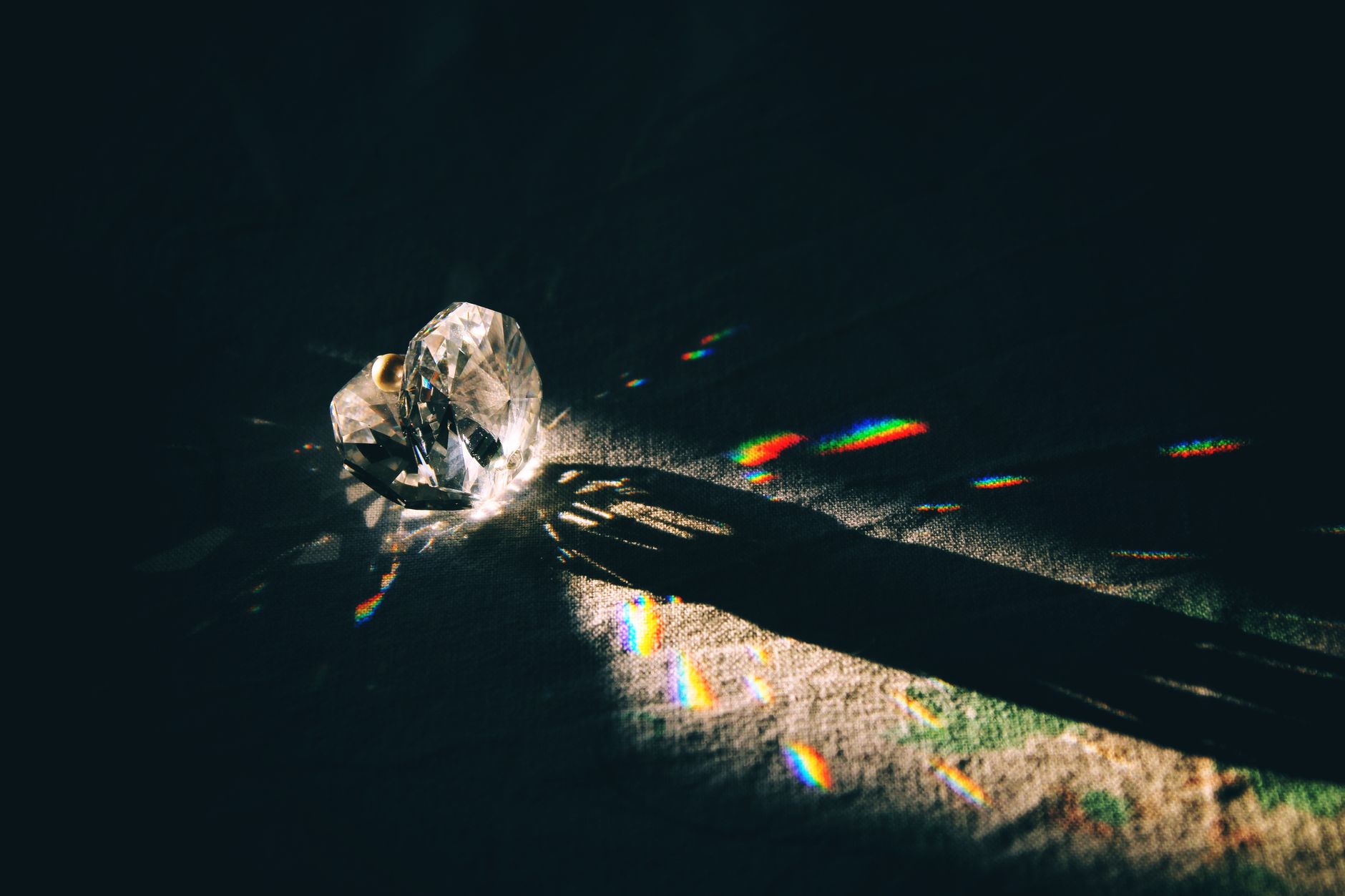
This is where the topic becomes especially important. Diamond color is not seen in a vacuum. Different lighting conditions can either hide or reveal warmth. Bright, balanced lighting usually helps diamonds look livelier and whiter, while dim or warm light can make body color more visible.
The same diamond may therefore seem to change as the day changes. That is not a defect. It is a normal part of how gemstones interact with light.
Daylight
Daylight often provides the most honest view of diamond color because it is relatively balanced and broad-spectrum. In natural daylight, many diamonds show their true face clearly. Colorless and near-colorless stones typically appear bright and neutral, while diamonds with more warmth may show it more readily.
Overcast daylight can sometimes make warmth easier to see than direct sun because the light is softer and less sparkly. Direct sun, by contrast, can make a diamond look highly brilliant, which can help mask subtle color.
Indoor LED Lighting
Modern indoor LED lighting varies widely. Some LEDs are cool and white, while others are warmer. Under cool white LEDs, a diamond may appear crisper and less tinted. Under warmer LEDs, the same diamond may take on a slightly creamier tone.
This variability matters because many homes and stores use different LED temperatures. A buyer may think a diamond changes color dramatically when, in fact, the lighting itself is changing the perception.
Jewelry Store Lighting
Jewelry store lighting is designed to make diamonds look brilliant. It often includes bright spotlights and reflective surfaces that maximize sparkle. This can make diamonds appear whiter than they will in more ordinary settings.
That does not mean store lighting is misleading in a dishonest sense. It is simply optimized for sparkle. A buyer should still ask to see the diamond in more neutral lighting if color is an important concern.
Warm Home Lighting
Warm lighting, such as soft lamps and yellow-toned bulbs, can make a diamond’s body color more noticeable. This is the environment where some near-colorless stones start to look a bit creamier, especially in larger sizes or in certain shapes.
If you usually wear jewelry in indoor evening settings, this is worth considering. A diamond that looks near-colorless in daylight may appear a little warmer at home, though it may still look attractive and balanced in the setting.
Cool Lighting
Cool lighting tends to reduce the perception of warmth. That can make a diamond look cleaner and whiter. Offices, bathrooms, some kitchens, and certain retail environments use cooler bulbs, which may flatter the appearance of a diamond with moderate color.
Still, cooler light can also make contrast and reflections more obvious, so the overall appearance is not just about color. Cut quality remains a major factor in how white or bright the diamond seems.
How Metal Color Affects Diamond Color Appearance
The setting can change how color is perceived just as much as the lighting. Metal color creates contrast, and contrast affects the eye’s interpretation of whiteness. This is especially relevant when deciding between white gold, platinum, yellow gold, or rose gold.
White Gold and Platinum
White metals tend to highlight diamond color more than warmer metals because they provide a bright, neutral frame. This is why buyers who want a very white look often prefer higher color grades in white gold or platinum.
Near-colorless diamonds can still look excellent in white metal settings, especially if the cut is strong. However, if a diamond has visible warmth, a white metal mounting may make that warmth easier to notice.
Yellow Gold
Yellow gold can make a diamond appear whiter by comparison. The warm metal reflects warm tones into the setting, which can help mask slight body color in the diamond.
This is one reason many buyers comfortably choose lower color grades for yellow gold rings. The diamond may still look bright and appealing, while the setting softens the visibility of warmth.
Rose Gold
Rose gold behaves somewhat like yellow gold in that its warmth can make a diamond’s color less obvious. Depending on the exact tone of the metal, it can be especially forgiving of near-colorless diamonds.
For buyers who like a softer, warmer overall look, rose gold can be a practical choice. It can also make color grading less critical from a visual standpoint.
How Different Diamond Shapes Affect Color Visibility
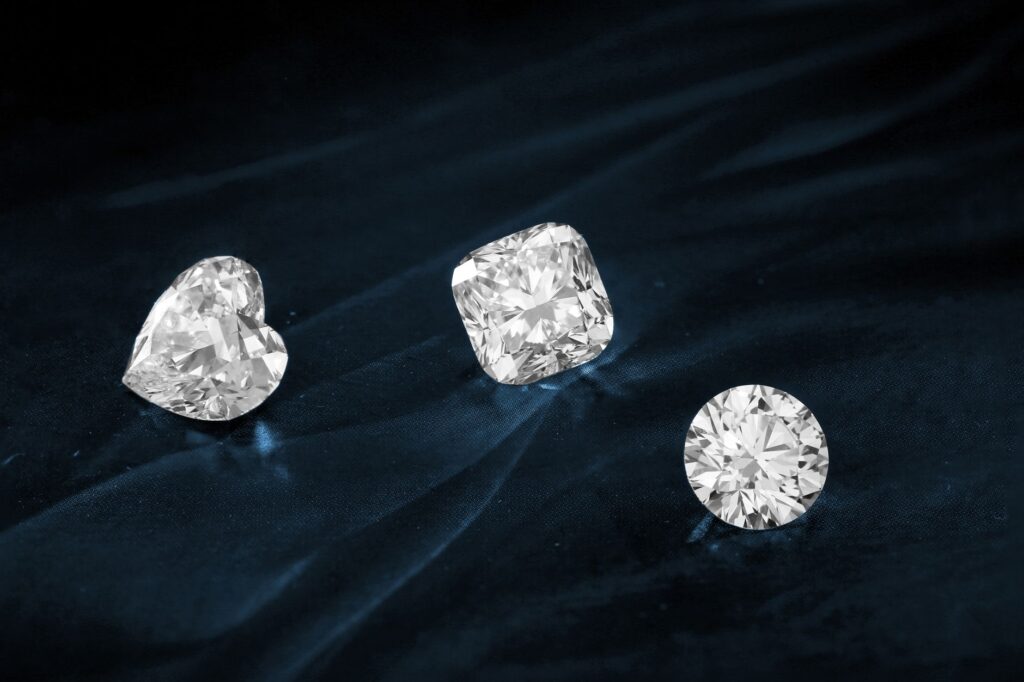
Not all diamond shapes show color the same way. Some shapes hide color better because they reflect more brilliance and dispersion. Others have larger open facets or distinctive facet patterns that make body color easier to notice.
This matters because a diamond color grade that looks perfectly fine in one shape may be more or less noticeable in another. Shape is part of the buying decision, not just an aesthetic preference.
Shapes That Often Hide Color Well
Round brilliant diamonds are often the most forgiving when it comes to color. Their faceting pattern creates strong sparkle, which can help mask slight warmth. Princess cuts can also do well, though results depend heavily on cut quality.
Radiant and cushion cuts often show good brightness too, although some cushions may reveal warmth more than rounds depending on their facet style and proportions.
Shapes That May Show Color More Easily
Oval, pear, marquise, emerald, and asscher cuts can reveal color more readily in some cases. Emerald and asscher cuts in particular have larger, step-style facets that act more like mirrors, so color can be easier to see. Ovals and pears may show warmth near the ends or in the body of the stone.
That does not mean these shapes are poor choices. It means color grade may deserve slightly more attention if you want a very white appearance in these shapes.
Why Lab Grown Diamonds Often Appear Very White
Lab grown diamonds are often available in high color grades because the growth process can be controlled more precisely than natural diamond formation. As a result, buyers frequently see more D through F and other high-color stones in the lab grown category than they might expect in a comparable natural diamond selection.
That said, lab grown diamonds still follow the same color principles once they are cut and set. Lighting, metal choice, shape, and cut quality all affect the way the diamond looks to the eye.
Does Color Behave Differently in Lab Grown Diamonds?
Color does not behave differently in a visual sense once the diamond exists as a finished gemstone. A lab grown diamond and a natural diamond of similar color grade can both appear white, slightly warm, or somewhere in between depending on viewing conditions.
The main difference is availability and pricing. Lab grown diamonds often allow buyers to choose a higher color grade without paying the same premium associated with natural diamonds. That can make the question of visual benefit even more important, because the cost step between grades may still not match the degree of visible change.
Price Premium vs Visual Benefit
One of the most important questions is whether a higher color grade is worth the extra cost. In many cases, the answer depends on how visible the difference is in the finished ring. The closer the grades are, the smaller the visual improvement tends to be.
Paying more for color can make sense if the buyer strongly prefers a crisp, icy appearance, if the diamond will be set in platinum or white gold, or if the shape is one that shows color easily. But there is a point where the premium becomes harder to justify because the visual improvement becomes very subtle.
Diminishing Returns Are Real
Diamond color often follows a diminishing returns pattern. The jump from a visibly warm stone to a near-colorless one may be noticeable. The jump from one near-colorless grade to the next may be much harder to see.
That means the “best” grade is not always the highest grade. The best value is usually the grade where the diamond still looks white to your eye without paying for improvement you are unlikely to notice.
A Simple Value Mindset
Buyers often get the most satisfaction from choosing a color grade that looks white in the intended setting and then directing budget toward other visible factors such as cut quality or overall size. That does not mean color is unimportant. It means color should be balanced against the features that most affect visible beauty.
Who Should Upgrade Color?
Paying more for a higher color grade may be justified in certain situations. The most common reason is visual preference. Some buyers simply want the cleanest, whitest appearance possible, and that preference is valid.
There are also practical situations where higher color makes sense. If the diamond is large, set in a white metal, or cut in a shape that shows more body color, an upgrade may improve the overall appearance enough to be worthwhile.
Situations Where a Higher Color Grade Can Be Useful
-
You want a very crisp white look in platinum or white gold.
-
You are choosing a shape that tends to show body color more easily, such as emerald, asscher, oval, or pear.
-
The diamond is larger, and you want to reduce the chance of seeing warmth from the side.
-
You are especially sensitive to subtle warmth in diamonds.
-
The diamond will be viewed frequently under cool, bright lighting where color differences are easier to notice.
Who Can Save Money on Color?
Many buyers can choose a lower color grade without seeing a meaningful difference in everyday wear. This is especially true when the diamond is well cut, mounted in yellow or rose gold, or chosen in a shape that hides color effectively.
For these buyers, moving down one or more color grades can create a useful budget advantage without sacrificing the visual impression of a white diamond.
Situations Where Lower Color Grades Often Make Sense
-
The diamond will be set in yellow or rose gold.
-
You prioritize cut, size, or overall value more than top color grade.
-
The diamond shape naturally helps mask warmth.
-
You are comparing stones only a grade or two apart and cannot see a clear difference in person.
-
You want a balanced purchase rather than paying for minimal visual change.
Common Buyer Mistakes
Color is easy to misunderstand because it seems simple on paper. In practice, buyers often make decisions based on grading letters without considering how the diamond will actually look once worn.
Overpaying for Invisible Upgrades
One common mistake is paying a premium for a higher color grade that is nearly impossible to distinguish in the finished ring. This happens most often when buyers compare stones only by report instead of by appearance.
If two diamonds both look white in normal viewing conditions, the extra cost of the higher color grade may be better spent elsewhere.
Ignoring Metal Color
Another mistake is choosing a color grade without considering the setting. A diamond in yellow gold does not need the same color strategy as a diamond in platinum.
Matching the color grade to the metal can create better value and a more cohesive visual result.
Assuming All Color Differences Are Obvious
Some buyers assume every grade step is easy to see. That is not true. Many adjacent grades look extremely similar once mounted and viewed casually.
Judging color only from a certificate can create unnecessary fear of choosing a lower grade, or unnecessary spending on a higher one.
Relying on One Lighting Condition
Lighting can flatter or expose color, so seeing a diamond in just one environment can be misleading. A stone that looks ideal under store spotlights may not look identical at home.
For a realistic assessment, compare diamonds in more than one type of light whenever possible.
How to Evaluate Diamond Color in Real Life
If you are trying to decide whether a diamond is white enough, focus on practical observation. Look at the diamond loose if possible, then mounted, and try to view it in more than one environment. The goal is not to memorize the grading scale. The goal is to see whether the stone looks right to you.
What to Look For
-
Does the diamond look white from the top view?
-
Do you notice warmth from the side?
-
Does the diamond still look clean in warm indoor lighting?
-
Does the metal make the diamond look whiter or more yellow by contrast?
-
Do you prefer a bright icy look or a slightly softer appearance?
These questions are more useful than asking whether a diamond is “good enough” according to a label. A diamond can be technically lower in color and still look excellent on the hand.
Color in Lab Grown Diamonds: What Buyers Should Know
Lab grown diamonds are often sold in a wider range of high color grades, so buyers sometimes focus heavily on D, E, or F. While those grades are attractive on paper, the visual difference between very high grades may be small once the stone is mounted.
That is why some lab grown diamond shoppers benefit from broadening the search to include near-colorless grades as well. The savings can be meaningful, and the diamond may still face up very white in daily wear.
Is It Worth Paying More for Top Color in Lab Grown Diamonds?
Sometimes yes, but not always. If a buyer values the highest stated color grade or is extremely sensitive to warmth, then a premium color grade may be worth it. If the buyer simply wants a beautiful white stone, a near-colorless diamond often offers stronger value.
Because lab grown diamonds can make higher grades more accessible, the temptation is to focus on top color alone. A more balanced approach is to weigh color against cut, clarity, size, and setting, just as you would with any other diamond.
Comparison Table: How Lighting Affects Diamond Color Visibility
| Lighting Condition | Typical Effect on Appearance | Color Visibility | Buying Takeaway |
|---|---|---|---|
| Direct daylight | Bright, natural, balanced | Moderate to high | Good for seeing true overall appearance |
| Overcast daylight | Softer light, less sparkle | Often higher | Useful for spotting subtle warmth |
| Jewelry store spotlights | Very bright, highly reflective | Often lower | Great for sparkle, less reliable for judging color alone |
| Cool LED lighting | White, crisp appearance | Often lower | Can make diamonds look whiter than in warm environments |
| Warm home lighting | Soft, yellow-toned | Often higher | Helpful for checking how warmth may appear in daily wear |
Comparison Table: Color Grades and Practical Visibility
| Color Range | General Look | Visibility of Warmth | Best For |
|---|---|---|---|
| Colorless | Crisp, bright, very white | Usually very low | Buyers who want the whitest appearance |
| Near-colorless | Very white in most settings | Low to moderate, depending on shape and setting | Value-focused buyers who still want a white look |
| Lower near-colorless to faint color | May show gentle warmth | More noticeable in some lighting | Yellow or rose gold settings, or buyers comfortable with a warmer look |
Common Questions Buyers Ask About Lighting and Diamond Color
Does a diamond’s color grade change in different lighting?
No. The grade stays the same. What changes is how visible the color appears to the human eye under different lighting conditions.
Why does my diamond look whiter in the store than at home?
Store lighting is often bright and flattering, which can reduce the appearance of body color. Home lighting, especially warm bulbs, may reveal a little more warmth.
Is daylight the best way to judge diamond color?
Daylight is one of the most useful ways to evaluate color because it is relatively balanced. It is still smart to see the diamond in indoor lighting too, since that is where many people wear their jewelry most often.
Do lab grown diamonds show color more than natural diamonds?
Not inherently. Both types of diamonds are evaluated by the same visual principles once finished. The main difference is that lab grown diamonds are often available in higher color grades at lower price points.
Can yellow gold make a diamond look better if the color grade is lower?
Yes. Yellow gold often helps mask slight body color, which can make a lower color grade look more acceptable or even more appealing in the setting.
What color grade looks white to most people?
That depends on the shape, setting, and lighting. In many cases, near-colorless diamonds look white to most observers once mounted, especially in yellow gold or in shapes that hide color well.
Should I always buy the highest color grade I can afford?
Not necessarily. The best choice is the grade that looks right to you in the intended setting without paying for color improvements you are unlikely to notice.
Conclusion
Lighting has a major impact on how diamond color appears. A diamond can look cleaner, warmer, brighter, or softer depending on whether you are seeing it in daylight, store lighting, cool LEDs, or warm home light. That is why the grading letter alone does not tell the whole story.
For most buyers, the most useful question is not whether a diamond is technically colorless. It is whether it looks white in the setting and lighting where it will actually be worn. In many cases, near-colorless diamonds offer strong value because the visual difference from higher grades can be subtle once the stone is mounted.
If you are comparing diamonds, pay attention to shape, metal color, and lighting conditions as much as the grade itself. Those factors often determine whether color is visible in a meaningful way, and they are the key to making a practical buying decision.