Lab grown diamonds can absolutely show a yellow tint, but not because they are lab grown. The same color rules apply to lab grown and natural diamonds, which means a diamond’s color depends on its grade, size, cut quality, and how it is set, not just on how it was created.
For buyers, the practical question is simpler than the gemological one: Can lab grown diamonds turn yellow in a way you will actually notice? The short answer is yes, some can look slightly warm or visibly yellow depending on the color grade and viewing conditions, but many lab grown diamonds still appear bright white to the eye. In most cases, the issue is not that the diamond “turns yellow” over time. It is that lower color grades can show a yellow, brownish, or grayish tint from the start.
Quick Answer: Can Lab Grown Diamonds Turn Yellow?
Lab grown diamonds do not normally change from white to yellow simply because they are lab created. A properly made lab grown diamond is still a real diamond, so it should be stable and durable under normal wear. If a lab grown diamond looks yellow, that usually means it was already near the lower end of the color scale, or the setting, lighting, or comparison environment is making the tint easier to see.
In other words, the better question is not whether lab grown diamonds can turn yellow, but which lab grown diamond color grades may appear yellowish to the eye. That is where buyers can make a smarter decision.
What Diamond Color Actually Means
Diamond color is usually judged on a scale that measures how much body color a stone shows. In most cases, the industry uses a range from D, which is considered colorless, down through near-colorless grades and then into faint, very light, and light color ranges. The more color a diamond shows, the less white it generally appears.
For shoppers, color is one of the easiest grades to misunderstand because the difference between grades can be extremely subtle. A diamond may be graded lower because it has a slight warmth that is hard to see in everyday wear, especially once it is mounted in a ring. This is why color grading and actual face-up appearance are not always the same thing.
Color Grade Versus Real-World Appearance
A grading report may tell you the precise color range, but it does not always tell you how a diamond will look in a ring. A diamond with a lower color grade can still look bright and attractive, especially if it has an excellent cut. On the other hand, a poorly cut diamond can appear less lively and may make color more noticeable.
This is one reason buyers should not evaluate color in isolation. Cut, shape, metal choice, and size all affect how much color the eye can pick up.
Why Lab Grown Diamonds Can Show Color
Lab grown diamonds are created using advanced technology that produces the same basic carbon crystal structure as natural diamonds. Because they are true diamonds, they can still be graded for color, clarity, and cut in much the same way as mined diamonds.
However, the manufacturing process can influence how color appears. Some lab grown diamonds are grown in ways that make it easier to produce very high color grades. That is one reason lab grown diamonds often offer more D, E, and F color stones at lower prices than natural diamonds. Still, lower color lab grown diamonds exist too, and those are the ones more likely to show warmth.
It is also worth noting that a lab grown diamond can sometimes show a slightly different type of tint than a natural diamond. Buyers may hear descriptions such as yellow, brown, gray, or even greenish in rare cases, depending on trace elements and growth conditions. For most everyday shoppers, the key concern is simple visible warmth rather than the exact scientific cause.
What a Yellowish Lab Grown Diamond Actually Looks Like
When people say a diamond looks yellow, they often mean the stone does not look fully white. The tint may be subtle, like a soft cream or champagne tone, or more obvious, especially in larger stones or certain lighting. In some cases, the diamond may not look yellow from every angle, but may show warmth when viewed face-up against a white background.
The degree of color you see depends on several factors:
- Color grade, with lower grades generally showing more tint
- Diamond shape, because some shapes reveal color more easily
- Size, since larger diamonds often show color more clearly
- Setting metal, which can either mask or highlight color
- Lighting, especially warm indoor lighting versus daylight
In practical terms, a diamond graded in the near-colorless range may still look quite white to most people. A diamond in the faint or lower color range is more likely to show warmth, especially when compared side by side with a higher-grade stone.
Is Yellow Tint the Same as Damage?
No. Color tint is not damage. It is part of the stone’s appearance and grading. A diamond that looks slightly yellow is still a durable diamond and can still be beautiful, but the value and visual preference may be different from a higher-color stone.
Can Most People See the Difference?
Usually, the difference is easier to see side by side than in real life. Two diamonds placed next to each other under controlled lighting can reveal a color difference that is hard to spot when the stones are worn separately on the hand. This matters because most buyers do not compare their ring directly against another diamond every day.
For many shoppers, the real question is whether a diamond looks white enough when worn normally. In that setting, small color differences often disappear. A grade that looks slightly tinted in a grading tray may still appear white and clean in a ring.
Professional Eyes Versus Everyday Eyes
Gemologists, jewelers, and experienced buyers are trained to notice subtle color differences more easily. They often compare stones under controlled lighting, unmounted, and against a neutral background. That makes it easier for them to detect warmth that most consumers would miss.
Everyday buyers tend to notice broader differences. They are more likely to see obvious warmth in a lower-color diamond, but not minor distinctions between adjacent grades. This is why a stone that is technically lower on the grading scale can still be perfectly acceptable for a consumer if it looks good in normal wear.
How Distance Changes Visibility
Diamond color is more noticeable up close. As viewing distance increases, the eye becomes less sensitive to small color shifts. This is one reason many ring buyers can comfortably choose a lower color grade than they expected, especially if the diamond is viewed mostly from a normal social distance.
For engagement rings, most people see the diamond from arm’s length or farther. At that distance, the average viewer is usually paying attention to sparkle and shape rather than tiny color differences.
How Shape Affects Whether a Lab Grown Diamond Looks Yellow
Not all diamond shapes reveal color the same way. Some shapes hide it well, while others make it more obvious. This is true for both lab grown and natural diamonds.
| Shape | Color Visibility | Buyer Note |
|---|---|---|
| Round brilliant | Lower | Usually hides color well because of strong sparkle |
| Princess | Moderate | Often performs well, though corners can show body color differently |
| Oval | Moderate to higher | Longer shapes may show tint more easily in the center or ends |
| Emerald | Higher | Large open facets make body color easier to see |
| Radiant | Moderate | Can hide color fairly well, but depends heavily on cut quality |
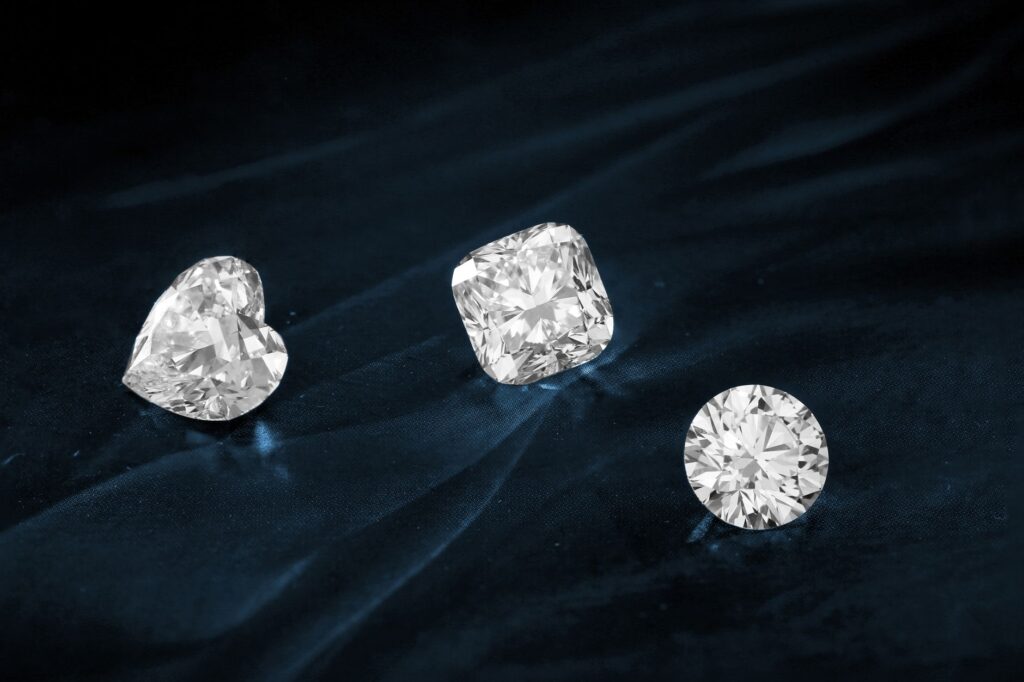
| Pear, marquise, heart | Moderate to higher | Color may concentrate in certain areas, especially near the tips |
If you are worried about a diamond looking yellow, shape matters as much as color grade. A round brilliant in a near-colorless grade may still look very white, while an emerald cut in the same grade might show more warmth. That does not mean the emerald cut is inferior. It just means the buying strategy should be different.
How Metal Choice Changes Color Appearance
The ring metal can either blend with the diamond or make color more noticeable. This is one of the most overlooked parts of diamond buying, especially for first-time shoppers.
White Gold and Platinum
White metals tend to make color differences more noticeable because they provide a cool, pale background. If a diamond has a yellowish tint, a white gold or platinum setting may make that warmth easier to spot.
That does not mean you need a top color grade in every white metal ring. It just means buyers who want the whitest-looking result may prefer a higher color grade when the setting is white gold or platinum.
Yellow Gold
Yellow gold is more forgiving. Its warm tone can blend with a slightly warmer diamond and make lower color grades look intentional rather than tinted. This is why many buyers choose to save money on color when setting the stone in yellow gold.
If your diamond is in a yellow gold ring, a near-colorless or even some faint-color stones may still look attractive to the naked eye. The gold can help reduce contrast.
Rose Gold
Rose gold also softens the look of lower color diamonds, though in a different way than yellow gold. Its pinkish tone can complement warm diamonds and make them feel less stark against the setting.
For buyers who like a slightly warmer overall look, rose gold can make a lower color grade feel balanced and stylish rather than obviously tinted.
How Lighting Changes the Look of Color
Lighting can dramatically change how a lab grown diamond appears. A stone that looks white in one environment may seem warmer in another, even though the diamond itself has not changed.
Daylight
Natural daylight tends to reveal diamond color more honestly than many store lights. In bright, diffuse daylight, subtle body color may be easier to detect. This is useful if you want to judge how the diamond will look in real-world conditions.
If a diamond still looks white in daylight, that is often a good sign for everyday wear.
Jewelry Store Lighting
Jewelry stores often use bright, focused, and flattering lighting that can make diamonds appear whiter and more brilliant than they look in standard home settings. This can be helpful for sparkle, but it may hide some warmth.
Buyers should be cautious about evaluating color only under store lights. A diamond that looks perfectly white in a showroom may show more color in a kitchen, office, or outdoor setting.
Warm Indoor Lighting
Warm bulbs and evening lighting can make yellow tint more noticeable. This is especially true for lower color grades, because the environment itself adds a warmer tone to the scene.
If your home uses warm lighting, and you are sensitive to color, you may want to lean toward a higher grade or a shape that naturally hides color better.
Cool Lighting
Cool white or blue-leaning lighting can make a diamond look whiter. It can also make sparkle stand out more strongly. This is one reason many diamonds look especially crisp in office or retail environments with cool lighting.
Because lighting can be deceptive, a smart buyer evaluates a diamond under multiple conditions whenever possible.
Price Premium Versus Visible Benefit
One of the most important parts of the color conversation is value. Higher color grades cost more, but the visible improvement is not always equal to the price increase. This is where many buyers spend more than necessary.
In lab grown diamonds, the pricing spread between color grades can still be meaningful, especially as size increases. Yet the eye often becomes less sensitive to small differences once the diamond is mounted. That means the premium for a higher color grade may buy prestige more than visible improvement.
Diminishing Returns Are Real
As you move up the color scale, the visual improvement gets smaller while the cost often rises. Going from a clearly tinted diamond to a near-colorless one can be noticeable. Going from one high color grade to another may be much harder to see.
For many buyers, the smartest value point is not the highest color grade available. It is the grade that looks white enough in the chosen setting and lighting without paying for distinctions that are too subtle to matter in everyday wear.
Lab Grown Diamonds and Color Value
Because lab grown diamonds are generally less expensive than natural diamonds, some buyers choose to “spend up” on higher color. That can make sense if a buyer is very color-sensitive or wants a whiter look in a white metal setting.
Still, the same value principle applies. If a diamond already looks white to you, paying extra for a higher grade may not provide a meaningful visible benefit. It is better to evaluate appearance than to chase a report number alone.
Who Should Upgrade to a Higher Color Grade?
Some buyers genuinely benefit from a higher color grade. The extra cost can be justified when the visible difference matters to the wearer or when the setting makes color more noticeable.
You may want to consider a higher color grade if:
- You are very sensitive to warmth in diamonds
- You prefer a crisp, icy-white appearance
- The diamond is large, especially in a shape that reveals color easily
- You are choosing a white gold or platinum setting
- The diamond is an emerald, oval, pear, or other shape that can show tint more readily
- You want the safest choice for a proposal or gift when the buyer does not know the recipient’s preferences well
In these cases, moving up in color can reduce the risk of visible warmth. That does not mean the top grades are necessary, only that they may provide peace of mind for certain buyers.
Who Can Save Money on Color?
Other buyers can comfortably choose a lower color grade without a noticeable loss in beauty. This is especially true when the setting and shape are color-friendly and the buyer does not obsess over tiny differences.
You can often save money on color if:
- The diamond is set in yellow gold or rose gold
- The shape is a round brilliant or another shape that hides color well
- The diamond is small enough that color is less visible
- You care more about cut and sparkle than the absolute whitest appearance
- You have compared the stone in person and do not see visible warmth
For many shoppers, this is the practical sweet spot. The diamond still looks attractive and bright, but money is not spent on a difference that may be hard to see once the ring is worn.
Common Buyer Mistakes When Judging Diamond Color
Color is easy to overthink and also easy to underestimate. Buyers often make the same few mistakes, and avoiding them can lead to a better purchase decision.
Overpaying for Invisible Upgrades
Some shoppers assume that a higher color grade is always better, even when the eye cannot detect the difference in a mounted ring. They end up paying more for a change that exists mainly on paper.
This is a common issue in lab grown diamonds because buyers may see high grades as more attainable and feel tempted to move up repeatedly. A more useful approach is to ask whether the improvement is visible in the actual ring.
Ignoring the Metal Color
Another mistake is choosing color without considering the setting. A diamond in yellow gold may look completely fine at a lower color grade, while the same stone in platinum may show more warmth.
The ring’s metal should be part of the color decision from the beginning, not an afterthought.
Assuming All Color Differences Are Obvious
Some buyers think they will easily see differences between adjacent grades. In reality, small changes can be extremely subtle, especially once the diamond is set. Unless you are comparing stones directly under consistent lighting, many of those differences disappear.
This is why trust in the grading report alone can be misleading. A report is important, but visual inspection matters just as much.
Looking Only at the Center of the Stone
Color can show differently across a diamond, not just in the center. In some shapes, the edges or tips may show more warmth than the middle. Buyers should view the diamond from multiple angles before deciding.
Does Lab Grown Diamond Color Behave Differently Than Natural Diamond Color?
In everyday buying terms, the answer is mostly no. A diamond’s visible color is a color issue, whether the stone was created in a lab or formed underground. The eye responds to the stone’s appearance, not its origin story.
That said, lab grown diamonds often have a different color profile available at retail because the production process makes high-color stones more accessible. Buyers may see more D through F lab grown diamonds than in natural diamond inventory at a similar budget. This can make it easier to choose a whiter-looking stone without spending as much.
The important point is that lab grown does not automatically mean colorless. It just means buyers may have more options in higher grades and can sometimes choose based on look rather than scarcity.
How Lab Grown Diamond Color Is Graded
Lab grown diamonds are typically graded using the same color concepts used for mined diamonds. Independent grading laboratories evaluate body color under controlled conditions and assign a grade based on how much color is visible.
For shoppers, this matters because the grading report gives a useful starting point, but it does not replace an in-person look. Two diamonds with the same grade can still appear slightly different because of cut, shape, fluorescence, or overall appearance.
If you are comparing lab grown diamonds, it is smart to use the report as a filter and your eyes as the final test. That combination usually leads to a better buying decision than relying on either one alone.
Color and Diamond Size: Why Bigger Stones Reveal More
Size affects color visibility more than many buyers expect. Larger diamonds present more surface area, and that makes body color easier to notice. A grade that looks acceptably white in a small stone may show more warmth in a larger one.
This does not mean you need to avoid larger diamonds unless you buy the highest color grades. It simply means that color should be considered more carefully as carat weight increases. Buyers looking at engagement rings and larger center stones should pay extra attention to face-up appearance.
In lab grown diamonds, this is especially relevant because larger sizes are often more attainable. A buyer might choose a bigger stone and save money on color, but that trade-off should be made consciously, not accidentally.
How Cut Influences Color Perception
Cut does not change the diamond’s actual color grade, but it changes how color is perceived. An excellent cut reflects light efficiently, which can make a diamond look brighter and more lively. That brightness can reduce the visual impact of slight warmth.
A poorly cut diamond may look duller and allow body color to be more visible. In practical terms, this means a lower color stone with strong cut quality can often look better than a higher color stone with weak cut quality.
For shoppers trying to balance color and budget, this is an important reminder. Cut is often the first quality to prioritize if the goal is a diamond that looks attractive in normal wear.
Best Value Color Choices for Lab Grown Diamonds
The best value grade depends on the shape, metal, size, and the buyer’s personal sensitivity to warmth. There is no single number that works for every ring. Still, a few practical patterns show up often.
- For maximum whiteness, higher color grades are the safest choice, especially in white metal settings.
- For balanced value, near-colorless grades often provide a very white appearance without the top-tier premium.
- For yellow or rose gold settings, lower color grades can be an efficient way to save money while keeping a pleasing look.
- For color-sensitive buyers, seeing the diamond in person matters more than any general rule.
In many cases, the smartest choice is the one that looks best in the intended ring, not the one with the highest grade on paper. That is especially true for lab grown diamonds, where buyers often have more flexibility and can be strategic about value.
Frequently Asked Questions
Do lab grown diamonds naturally turn yellow over time?
Normally, no. Lab grown diamonds should not yellow with age under standard wear. If a diamond appears yellow, it usually means it has body color from the start, or the lighting and setting are making that color more noticeable.
Is a yellowish lab grown diamond still a real diamond?
Yes. Color does not determine whether a stone is a real diamond. A yellowish lab grown stone can still be a genuine diamond with the same basic durability and structure as any other diamond.
Can cleaning make a lab grown diamond look less yellow?
Cleaning can remove dirt, oil, and residue that make a stone look dull, but it will not change the diamond’s actual body color. A clean diamond often looks brighter, which can reduce the impression of color, but it will not transform a lower grade into a higher one.
Which color grades are most likely to look yellow?
Lower color grades are more likely to show visible warmth, especially in larger stones or shapes with bigger open facets. The exact point where color becomes noticeable depends on the buyer’s eye, the setting, and the lighting.
Do lab grown diamonds show color more than natural diamonds?
Not in a simple universal way. Both lab grown and natural diamonds can show warmth if the color grade is low enough. The bigger difference is that lab grown diamonds often offer higher color grades at lower prices, which gives buyers more flexibility.
Should I avoid lower color grades in white gold?
Not always, but white gold can make warmth easier to see than yellow or rose gold. If you want a very white look in white gold, a higher grade may be a safer choice. If you are comfortable with a slightly warmer appearance, a near-colorless stone may still look very good.
What matters more, color or cut?
For most buyers, cut has a bigger effect on overall beauty. A well-cut diamond looks lively and bright, which can help mask slight warmth. A weak cut can make even a higher color diamond look less appealing.
Can I trust the grading report alone?
The grading report is useful, but it should not be the only factor. A report tells you the color grade, yet the actual appearance also depends on shape, cut, metal, and lighting. Whenever possible, judge the ring as it will be worn.
Practical Buying Takeaways
If you are trying to decide whether a lab grown diamond can turn yellow, the most useful answer is that the issue is usually visible tint, not color change over time. Some lab grown diamonds are simply lower on the color scale, and that can make them appear warm, creamy, or slightly yellowish depending on the circumstances.
For most buyers, the smartest approach is to judge the diamond in context. Consider the shape, the setting metal, the size, and the lighting you will actually live with. A lower color grade can be a great value when it still looks white enough to your eye.
On the other hand, if you are highly sensitive to color or choosing a shape and setting that reveal tint more easily, paying for a higher grade may be worthwhile. The key is to spend where the improvement will be visible, not just where the number sounds better.
That is the most practical way to evaluate lab grown diamond color: not by asking whether it can turn yellow in theory, but by asking whether the stone looks white, balanced, and attractive in the real ring you plan to wear.