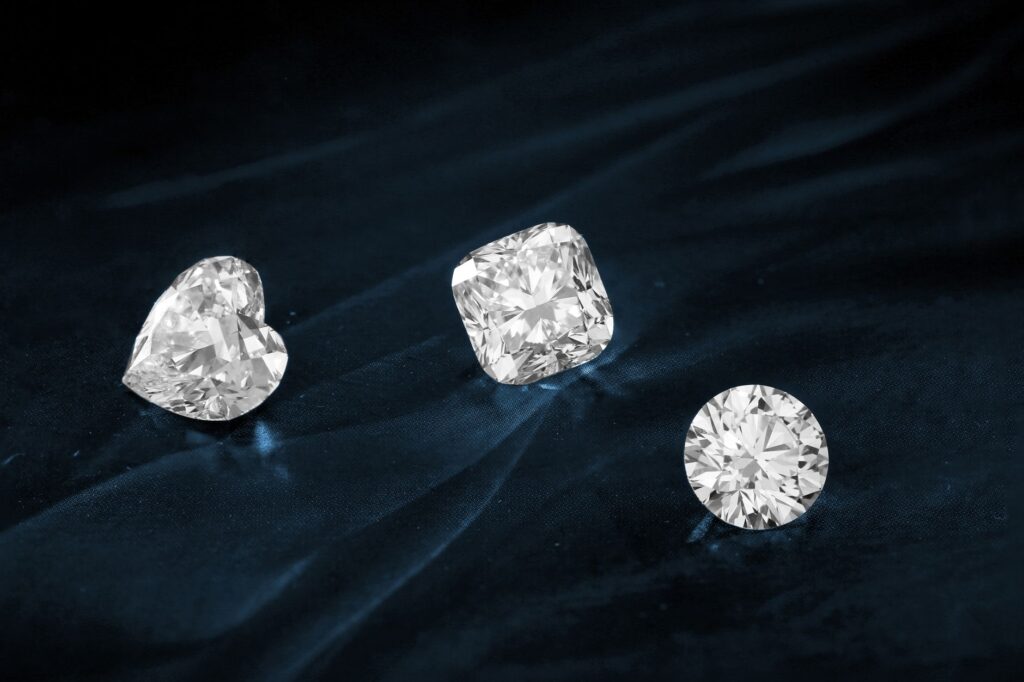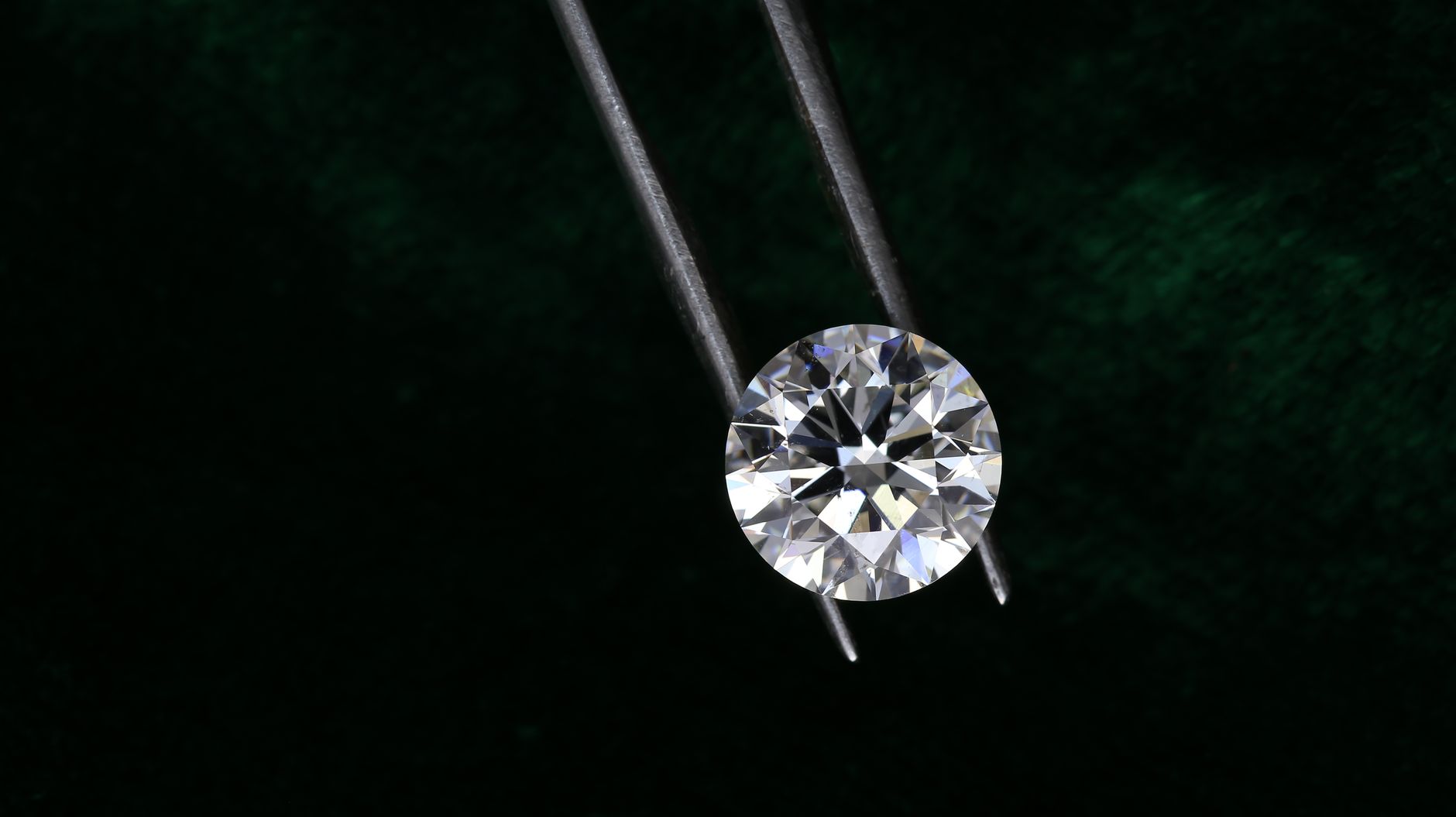
A 1.5 carat diamond sits in a size range that looks clearly substantial without automatically crossing into oversized territory. On most hands, it appears noticeably larger than a 1 carat diamond, offers strong finger coverage, and usually looks like a “large” diamond to the average observer. That said, whether is a 1.5 carat diamond big enough has a different answer depending on finger size, diamond shape, cut proportions, setting style, and budget.
The reason this question matters is simple. Carat weight sounds precise, but what buyers actually notice is visible size. Two diamonds with the same carat weight can face up differently, and a 1.5 carat round can look different from a 1.5 carat oval, cushion, or pear. A buyer who understands those differences is much less likely to overpay or feel disappointed after purchase.
This guide explains what a 1.5 carat diamond really looks like, how it compares to other common sizes, when it feels large enough, and when a different option may offer better value.
Quick Answer
Yes, for most buyers, a 1.5 carat diamond is big enough. In fact, on many hands it looks distinctly large and offers a strong balance between visual presence and wearability. A well-cut 1.5 carat diamond usually gives more than enough size for an engagement ring or everyday fine jewelry piece.
However, “big enough” is not just about carat weight. A 1.5 carat diamond may look smaller than expected if it has a deep cut, a compact shape, or is worn on a larger finger. It may also look larger than expected if it has an elongated shape, a thin band, or is set to maximize spread.
For buyers deciding between 1 carat and 1.5 carats, the visual increase is real and noticeable. For buyers debating 1.5 versus 2 carats, the 1.5 carat size often represents a practical middle ground with strong visual impact and lower cost.
Understanding the Carat Concept
What Diamond Carat Actually Means
Carat is a unit of weight, not a direct measurement of visible size. One carat equals 200 milligrams. A 1.5 carat diamond weighs 50 percent more than a 1 carat diamond, but that does not mean it looks 50 percent larger from the top.
This is where buyers often get tripped up. Your eye sees width, length, shape, and finger coverage. It does not see weight hidden in the bottom of the diamond.
What Face-Up Size Means
Face-up size refers to how large the diamond appears when viewed from above, which is how a ring is usually seen. This is the most practical way to think about diamond size in real life.
A diamond with better spread has a larger face-up appearance for its weight. A deep diamond may carry more weight in its lower portion, which can make it look smaller than another diamond with the same carat weight.
Why Measurements Matter More Than Buyers Expect
When evaluating whether a 1.5 carat diamond is big enough, millimeter measurements often tell you more than the carat number alone. For a round diamond, buyers typically compare the diameter. For elongated shapes, they compare both length and width.
A typical well-cut 1.5 carat round diamond often measures about 7.3 to 7.5 mm in diameter. That range is useful because it helps set visual expectations. If a 1.5 carat round is significantly smaller than that, it may be carrying weight in depth rather than visible spread.
What “Magic Size” Means
Some carat weights, such as 1.0, 1.5, and 2.0 carats, are often called magic sizes because buyers recognize them quickly and demand is strong. That demand can affect pricing.
In practice, this means a 1.49 carat diamond may look nearly identical to a 1.50 carat diamond but cost less. Buyers focused on appearance rather than milestone numbers often compare just-below sizes carefully.
What Buyers Usually Expect From a 1.5 Carat Diamond
Expectation 1: It Will Look Huge
Some buyers expect a 1.5 carat diamond to look dramatically large in every setting and on every hand. Sometimes it does, especially in elongated shapes or on smaller fingers. But “huge” is subjective.
On a size 4.5 finger, a well-cut 1.5 carat round may look impressively prominent. On a size 8 finger, it still looks substantial, but less oversized. The same diamond can create very different visual impressions depending on who wears it.
Expectation 2: All 1.5 Carat Diamonds Look the Same Size
This is one of the most common misunderstandings. Buyers often assume that once they choose 1.5 carats, the size question is settled. It is not.
A 1.5 carat oval can look larger than a 1.5 carat round because its elongated shape spreads weight differently across the finger. A 1.5 carat cushion may look a bit smaller face-up because many cushion cuts carry more weight in depth and have rounded corners.
Expectation 3: A 1.5 Carat Diamond Is Always Worth the Price Jump
The move from 1 carat to 1.5 carats is visually meaningful, but the price increase can be much steeper than the visible difference suggests. This is especially true in natural diamonds, where price per carat rises as size increases.
That does not mean 1.5 carats is poor value. It means buyers should weigh the visual gain against what they are giving up in budget, cut quality, setting budget, or other quality factors such as color and clarity.
What a 1.5 Carat Diamond Actually Looks Like
Typical Face-Up Appearance
A well-cut 1.5 carat diamond usually looks clearly larger than what many people think of as a standard engagement ring diamond. It has enough spread to stand out across a room and enough size to create obvious visual presence up close.
In round shape, the look is balanced and classic. In oval, pear, marquise, and elongated radiant cuts, a 1.5 carat diamond can appear even more prominent because the length creates more finger coverage.
Approximate Measurements by Shape
| Shape | Typical 1.5 Carat Face-Up Measurements | How It Tends to Look |
|---|---|---|
| Round | About 7.3 to 7.5 mm diameter | Balanced, classic, obviously substantial |
| Oval | About 9.0 x 6.5 mm | Appears larger and longer on the finger |
| Pear | About 9.2 x 6.2 mm | Elongated, elegant, strong finger coverage |
| Marquise | About 10.5 x 5.5 mm | Often looks larger than its carat weight |
| Cushion | About 6.8 to 7.2 mm | Softer shape, may face up smaller |
| Princess | About 6.5 to 6.8 mm | Square look, decent coverage, compact outline |
| Emerald | About 8.0 x 6.0 mm | Refined, flatter look, elegant spread |
| Radiant | About 7.5 x 6.0 mm | Brilliant sparkle with moderate elongation |
These numbers are approximate, not absolute. They vary with cut style and proportions. Still, they help answer the practical question of how large a 1.5 carat diamond may appear in real life.
How Much Finger Coverage It Gives
Finger coverage refers to how much of the visible top of the finger the diamond occupies. A 1.5 carat round gives good coverage on most ring sizes and looks especially prominent on smaller hands.
Elongated shapes such as oval and marquise tend to stretch visually across the finger and can make a 1.5 carat diamond look larger than the number suggests. Square and rounded shapes often look slightly more compact.
Will It Look Big to Other People?
In most everyday settings, yes. A 1.5 carat diamond usually looks noticeably large compared with the center stones many people see day to day. It is not the kind of size that usually goes unnoticed.
At the same time, social context matters. In areas or social circles where large center stones are common, 1.5 carats may look elegant but not unusually large. In more understated environments, it can look quite substantial.
Factors That Change How Big a 1.5 Carat Diamond Looks
Shape
Shape is one of the biggest influences on apparent size. Even at the same carat weight, certain shapes look larger face-up.
- Shapes that often look larger: oval, pear, marquise, elongated radiant
- Shapes that often look balanced: round, emerald
- Shapes that can look smaller or more compact: cushion, princess, Asscher
This does not make one shape better than another. It simply means that buyers who care most about visible size often choose elongated outlines, while buyers who prefer a classic or softer look may accept a slightly smaller face-up appearance.
Cut Quality
Cut quality affects both sparkle and spread. In simple terms, cut refers to how well the diamond’s proportions and facet arrangement handle light.
A well-cut diamond can look lively, bright, and visually crisp. A poorly cut diamond may appear smaller, darker, or less impressive. For rounds especially, strong cut quality is often more important than a slight increase in carat weight.
Depth and Proportions
Some diamonds are cut too deep. That means more weight sits in the lower half of the stone, where it does not add to face-up size. A deep 1.5 carat diamond can look closer in spread to a lighter stone.
This is why measurements matter. Two diamonds may both weigh 1.5 carats, but if one has a small diameter for the weight, it may not deliver the visual impact the buyer expects.
Setting Style
The ring setting can strongly affect size perception. A thin band tends to make the center stone look larger. A thick band can make the same diamond appear smaller by comparison.
Halo settings add a border of small diamonds around the center, increasing the overall visual footprint. Prong styles, bezel settings, and cathedral settings also change how much of the diamond is visible and how dominant it looks on the hand.
Finger Size
A 1.5 carat diamond looks larger on a size 4.5 finger than on a size 8 finger because it covers a greater proportion of the visible width. This is one of the most overlooked parts of the “big enough” question.
That means the same carat weight can feel abundant on one person and merely moderate on another. Buyers should always think about size in relation to the wearer’s hand, not in isolation.
Band Width and Ring Design
A slim solitaire often makes a diamond feel more prominent. A wide multi-row setting or side-stone design can reduce the center stone’s dominance, even if the ring as a whole looks larger.
Design preferences matter here. Some buyers want the center stone to command attention. Others want a more integrated look where the ring feels balanced rather than center-stone heavy.
Real-World Size Examples
1.5 Carat Round on a Size 4 Finger
On a smaller finger, a 1.5 carat round usually looks distinctly large. The diameter fills a meaningful portion of the finger width, so the stone has strong presence even in a simple solitaire.
For buyers with smaller hands, this size often feels comfortably luxurious without necessarily looking excessive.
1.5 Carat Round on a Size 7 Finger
On a size 7 finger, a 1.5 carat round still looks substantial, but more balanced and less oversized. It usually reads as a strong center stone rather than an unusually large one.
This is one reason the 1.5 carat range is so popular. It works well across many finger sizes and offers visible size without becoming difficult for everyday wear.
1.5 Carat Oval vs 1.5 Carat Round
A 1.5 carat oval often looks larger than a 1.5 carat round because its elongated outline covers more length across the finger. The visual footprint can feel more dramatic even when the weight is the same.
Buyers who want maximum apparent size often prefer oval. Buyers who prioritize traditional symmetry and consistent light performance often prefer round.
1.5 Carat Cushion vs 1.5 Carat Round
A 1.5 carat cushion may face up a bit smaller than a round because of its shape and typical cutting style. It can still look beautiful and substantial, but buyers focused strictly on spread may find it less size-efficient.
This does not mean cushion is a poor choice. It means the appeal is often in the softer outline and personality of the cut, not in maximizing visible dimensions.
1.49 Carat vs 1.50 Carat
Visually, almost no one will notice a difference between a 1.49 and 1.50 carat diamond if shape and measurements are similar. Pricing, however, may differ because 1.50 is a recognized benchmark size.
For value-focused buyers, slightly under the milestone can be a smart place to compare options.
1.25 Carat vs 1.5 Carat
The step from 1.25 to 1.5 carats is visible, especially in round shape and especially on smaller fingers. It is not a night-and-day difference from a conversational distance, but up close it is meaningful.
Whether that difference is worth the added cost depends on the buyer’s priorities. Some would rather put the budget into cut quality or setting design. Others specifically want that stronger visual presence.
1.5 Carat Compared With Other Popular Sizes
| Carat Weight | Typical Round Diameter | Visual Impression Compared With 1.5 Carat |
|---|---|---|
| 1.0 ct | About 6.4 to 6.5 mm | Noticeably smaller, more modest coverage |
| 1.25 ct | About 6.8 to 7.0 mm | Somewhat smaller, still substantial |
| 1.5 ct | About 7.3 to 7.5 mm | Strong middle ground, clearly prominent |
| 1.75 ct | About 7.6 to 7.8 mm | Slightly larger, visible but not dramatic leap |
| 2.0 ct | About 8.0 to 8.2 mm | Clearly larger, stronger statement look |
This table shows an important point. As carat weight increases, visible diameter increases more gradually than many buyers expect. Price often rises faster than face-up size.
Price vs Visual Benefit
The Size Increase Is Real, but Not Proportional
A 1.5 carat diamond does not look 50 percent larger than a 1 carat diamond, even though it weighs 50 percent more. The visible diameter increase is meaningful, but more modest than the weight increase.
This is one of the central truths in diamond buying. Larger diamonds cost more because they are rarer and more in demand, not because each additional fraction of a carat creates a proportional visual jump.
Diminishing Returns Become More Noticeable
As buyers move higher in carat weight, each extra visual millimeter tends to cost more. Going from 1.0 to 1.5 carats can make sense for someone who strongly values a larger appearance. Going from 1.5 to 2.0 carats often involves a much bigger budget step for a smaller relative gain.
This is where personal priorities matter. If visual size is the top priority and budget allows, 2 carats may be justified. If balance matters more, 1.5 carats often sits in an efficient zone.
Natural vs Lab Grown Price Context
Lab grown diamonds have changed this conversation significantly. Buyers who once had to choose between 1 carat and 1.5 carats may now be able to reach 1.5 carats or even 2 carats without the same budget strain.
That does not mean bigger is always better. It means the cost barrier has shifted. A buyer choosing a lab grown diamond may prioritize size more freely, while still needing to consider cut, shape, certification, and overall proportions.
Natural diamonds and lab grown diamonds can look the same to the eye when quality is comparable. The main buying differences often involve price, rarity, and resale expectations rather than visible appearance.
Is the Upgrade Worth It?
For many buyers, yes. The move to 1.5 carats often creates a noticeable improvement in presence without entering a very large, less practical size range. It is often one of the most satisfying upgrades visually.
Still, the answer depends on what the buyer is giving up. A poorly cut 1.5 carat diamond may be less impressive than a beautifully cut 1.3 carat diamond. Size alone does not guarantee beauty.
Who Should Size Up to 1.5 Carats or More
Buyers Who Prioritize Visible Presence
If the ring is meant to have strong visual impact, 1.5 carats often makes sense. This is especially true in solitaire settings where the center stone does most of the visual work.
Buyers With Larger Fingers
On larger finger sizes, a 1 carat diamond can sometimes feel smaller than expected. A 1.5 carat diamond may create the balance and finger coverage the buyer had in mind.
Buyers Choosing Shapes That Face Up Smaller
If someone prefers cushion, princess, or Asscher shapes, sizing up can help maintain a substantial look. These shapes can be beautiful, but they do not always maximize apparent size.
Buyers Shopping Lab Grown for More Size Within Budget
Lab grown diamonds often allow buyers to reach 1.5 carats without sacrificing as much on cut or setting budget. For appearance-focused shoppers, this can be a practical path to a larger-looking ring.
Who Can Save Money and Still Be Happy
Buyers Comfortable With Slightly Smaller Weights
A 1.3 to 1.4 carat diamond can still look substantial, especially if it is well cut and set thoughtfully. Buyers who are not attached to the 1.5 carat milestone may find better value just below it.
Buyers Choosing Elongated Shapes
An oval, pear, or marquise under 1.5 carats can often deliver the appearance of a larger stone because of its shape. This is one of the best ways to maximize face-up size without paying for a heavier diamond.
Buyers Who Value Cut Over Carat
A beautifully cut 1.25 or 1.35 carat diamond can look brighter, more lively, and sometimes even more impressive than a larger stone with weak proportions. Visual quality matters as much as size.
Buyers Concerned About Budget Allocation
Saving a bit on center stone weight may allow room for a better setting, stronger certification, or improved color and clarity. Depending on priorities, that trade-off can produce a more satisfying final ring.
Common Buyer Mistakes
Focusing Only on the Carat Number
Carat weight is important, but it is not the whole story. Buyers who ignore measurements and proportions may end up with a diamond that sounds larger on paper than it looks in person.
Ignoring Shape Differences
A 1.5 carat round and a 1.5 carat oval do not create the same visual effect. Comparing by carat alone can lead to unrealistic expectations.
Overpaying for a Magic Size
The jump from 1.49 to 1.50 carats may bring little or no visible benefit, but pricing can increase. Buyers should always compare just-below benchmark sizes.
Neglecting Finger Size
A diamond does not exist in a vacuum. The same stone can look quite different from one hand to another. Buyers should think in terms of proportional appearance, not abstract carat weight.
Choosing Depth Over Spread
Some diamonds hold too much weight below the girdle, which reduces face-up size. This is why checking measurements is essential, especially in shapes where spread can vary.
Using Online Photos Without Context
Magnified product photos can make diamonds look much larger than they do in real life. Without reference points such as millimeter dimensions, finger size, and setting style, images can be misleading.
How to Decide Whether a 1.5 Carat Diamond Is Big Enough for You
Ask What “Big Enough” Really Means
For some buyers, “big enough” means clearly noticeable. For others, it means elegant but not flashy. For others, it means maximizing visible size within budget. Clarifying that definition makes the decision much easier.
Think About Daily Wear
A 1.5 carat diamond is usually very wearable for everyday use, but practicality still matters. Consider lifestyle, comfort, work environment, and setting height.
Some buyers love the look of a larger center stone but prefer a lower-profile setting that feels more secure and less obtrusive. Size and wearability should be considered together.
Use Millimeter Expectations, Not Just Carat Goals
Instead of fixating only on “1.5 carat,” think in terms of actual dimensions. For a round, roughly 7.3 to 7.5 mm is a useful visual expectation. For other shapes, compare length and width.
This approach reduces the chance of buying a stone that technically meets the carat goal but appears smaller than expected.
Balance Size With Quality
It is usually better to choose a well-cut diamond with strong face-up performance than to stretch budget for extra weight at the expense of sparkle and proportions. Buyers remember how a diamond looks, not just what it weighs.
Frequently Asked Questions
Does a 1.5 carat diamond look big on a finger?
Yes. On most fingers, a 1.5 carat diamond looks substantial and clearly noticeable. On smaller fingers it may look quite large, while on larger fingers it tends to look balanced but still prominent.
Is a 1.5 carat diamond too small for an engagement ring?
No. For most buyers, it is well above the threshold of looking substantial for an engagement ring. Whether it feels small depends mostly on personal taste, finger size, shape, and local norms.
Is a 1.5 carat diamond considered large?
In many real-world settings, yes. It is often considered a large diamond by average consumer standards, especially in round shape or larger-looking elongated shapes.
How much bigger does 1.5 carats look than 1 carat?
The difference is noticeable, but not proportional to the weight difference. A 1.5 carat round generally has a visibly larger diameter and stronger finger coverage than a 1 carat round, though it does not look 50 percent larger to the eye.
Which 1.5 carat shape looks the biggest?
Marquise, oval, and pear shapes often look the largest for the weight because they have elongated outlines and strong finger coverage. Round offers a classic look, while cushion and princess may appear a bit more compact.
Can a 1.5 carat diamond look small?
It can look smaller than expected if it has a deep cut, a compact shape, a thick surrounding band, or is worn on a larger finger. It can also look less prominent if the setting design visually competes with the center stone.
Should I buy 1.49 carats instead of 1.5 carats?
It is often worth comparing both. If the measurements and appearance are similar, a 1.49 carat diamond may offer better value because it avoids the price premium sometimes associated with a benchmark weight.
Does lab grown make 1.5 carats a better choice?
For budget-conscious buyers who want more size, lab grown can make 1.5 carats much more accessible. The visual appearance can be the same as a natural diamond of comparable quality, though pricing structure and resale expectations differ.
Conclusion
A 1.5 carat diamond is big enough for most buyers, and in many cases it is more than big enough. It usually offers a visible, satisfying size upgrade over 1 carat while remaining practical for everyday wear. On the hand, it tends to look substantial, noticeable, and well balanced.
The most important thing to remember is that carat weight alone does not determine appearance. Shape, cut quality, depth, measurements, finger size, and setting design all affect how large the diamond actually looks. A well-cut 1.5 carat diamond with strong spread can look impressive, while a poorly proportioned one may underperform.
For buyers deciding whether to choose 1.5 carats, the best approach is to focus on face-up dimensions, not just the carat milestone. Consider whether you want classic balance, maximum finger coverage, or the best value below a benchmark size. When those factors are weighed together, a 1.5 carat diamond often stands out as one of the strongest combinations of size, visual impact, and practicality.