Asscher cut and emerald cut diamonds are often grouped together because both are square or rectangular step cuts with a refined, geometric look. They share a similar visual language, but they do not perform the same way in real life. For buyers comparing Asscher vs Emerald Cut Diamonds, the differences matter in appearance, sparkle, face-up size, durability, and the way each shape looks on the hand.
This comparison is especially useful for engagement ring shoppers and lab grown diamond buyers who want a more distinctive shape than a round brilliant. Step cuts can look elegant and modern, but they also reveal more about a diamond’s proportions, clarity, and color than many people expect. That means choosing between Asscher and emerald cut is not only a style decision, but also a practical buying decision.
Quick Answer
If you want a square diamond with a bold, symmetrical “hall of mirrors” look, an Asscher cut is usually the better fit. If you prefer a rectangular diamond with a longer appearance on the finger and a more elongated, elegant shape, an emerald cut is typically the better choice.
In simple terms, Asscher cut diamonds tend to look more compact and structured, while emerald cut diamonds tend to look larger and more graceful in a ring. Both are step cuts, which means they create broad flashes of light rather than the intense sparkle of a brilliant cut. Buyers should expect a more subtle, elegant effect from both shapes.
For many shoppers, the deciding factors are finger shape, ring style, and how much emphasis they want on clean lines versus elongated proportions. Lab grown diamonds can make either shape more accessible at larger sizes, which is helpful because step cuts often benefit from strong color and clarity grades.
What Makes Asscher and Emerald Cuts Different?
Asscher and emerald cuts are both step-cut diamonds. Instead of many small triangular and kite-shaped facets like a round brilliant, step cuts use long, parallel facets arranged in a staircase pattern. This structure produces flashes of light, open reflections, and a more architectural appearance.
The biggest difference is the outline. An Asscher cut is square, or very close to square, with cropped corners and a layered center that draws the eye inward. An emerald cut is rectangular, usually with a length-to-width ratio that makes it look longer than it is wide. That change in shape has a big impact on how the diamond looks on the hand.
Another important difference is how the facets interact with light. Asscher cuts often have a stronger sense of depth and symmetry, while emerald cuts often highlight length and a cleaner, more linear arrangement. Both can be beautiful, but they serve different tastes.
Side-by-Side Comparison: Asscher vs Emerald Cut Diamonds
| Feature | Asscher Cut | Emerald Cut |
|---|---|---|
| Shape | Square with cropped corners | Rectangular with cropped corners |
| Visual style | Vintage, geometric, symmetric | Elegant, sleek, elongated |
| Sparkle | Broad flashes, mirror-like reflections | Broad flashes, more linear reflections |
| Brilliance | Moderate compared with brilliant cuts | Moderate compared with brilliant cuts |
| Face-up size | Often looks balanced, but less elongated | Usually looks larger for the same carat weight |
| Finger effect | Emphasizes width and symmetry | Often makes fingers look longer and slimmer |
| Clarity visibility | High, especially toward the center | High, step facets can reveal inclusions easily |
| Color visibility | Moderate to high | Moderate to high, especially in larger stones |
| Durability | Good, but corners need protection | Good, but corners need protection |
| Typical style preference | Collectors, vintage lovers, symmetry-focused buyers | Classic buyers, minimalist styles, modern elegance |
Asscher Cut Diamonds Explained
The Asscher cut was developed in the early 20th century and is strongly associated with Art Deco design. It is square in outline, though some examples can look slightly rectangular depending on the proportions. The defining feature is the step-cut arrangement, which creates a layered, almost hypnotic look in the center.
Compared with many other shapes, Asscher cuts feel more structured and architectural. They often have a visible “X” or windmill-like pattern when viewed from above, especially in well-proportioned stones. This symmetry is part of the shape’s appeal.
Key Characteristics of Asscher Cuts
Asscher cuts are known for their cropped corners, deep pavilion, and concentric facet pattern. Because of the square outline, they can look very balanced in a ring setting. The cut tends to suit buyers who want something refined but not overly common.
The shape usually has a smaller face-up spread than an emerald cut of the same carat weight. That means two diamonds with the same weight may look different in size once set in a ring. Asscher cuts can also appear deeper, which affects how much of the diamond is visible from the top.
Appearance and Visual Performance
Asscher cuts produce flashes of light rather than a lot of tiny sparkle. That effect comes from the step facets, which behave like mirrors. When the diamond moves, you may see dramatic light-and-dark contrasts instead of the fast glitter seen in brilliant cuts.
This visual style is often described as vintage or “hall of mirrors.” The effect depends heavily on symmetry and proportions. A well-cut Asscher can look crisp and elegant, while a poorly proportioned one may appear dark or cramped in the center.
Advantages of Asscher Cut Diamonds
- Distinctive, vintage-inspired appearance
- Strong symmetry and geometric appeal
- Looks elegant in both simple and detailed ring settings
- Can pair well with Art Deco or antique-style designs
- Offers a refined alternative to more common shapes
Disadvantages of Asscher Cut Diamonds
- Can show inclusions and color more easily than brilliant cuts
- Usually does not look as large as an emerald cut of the same carat weight
- Less sparkle than cuts designed for maximum brilliance
- Quality differences are easier to notice because of the open facet pattern
- Fewer top-quality stones are available compared with round or oval diamonds
Emerald Cut Diamonds Explained
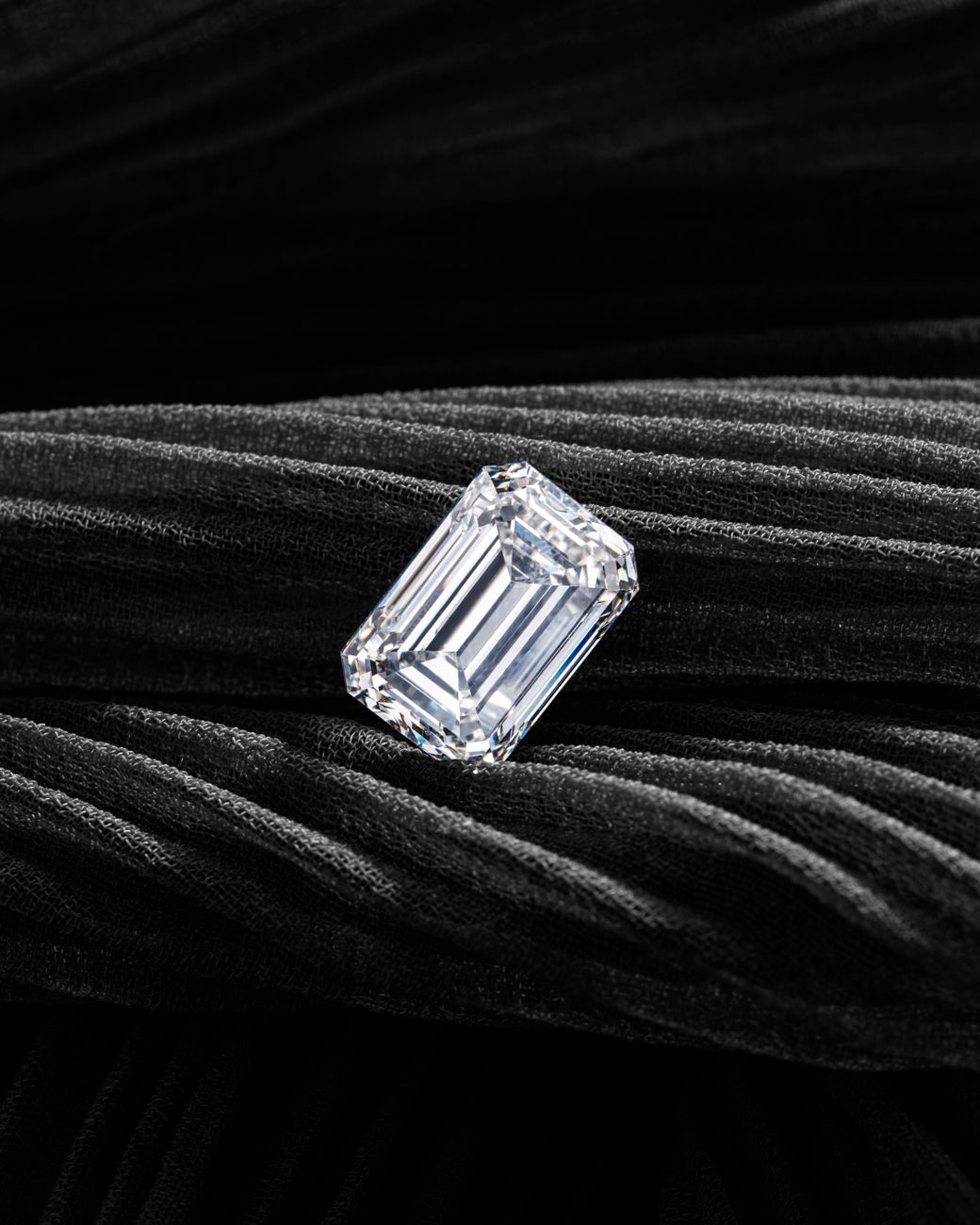
Emerald cuts are one of the most recognizable step-cut diamond shapes. The rectangle is typically longer than it is wide, with cropped corners and a broad, open table that creates an elegant, sophisticated appearance. The shape originally comes from the cutting style used for emerald gemstones, which is how it got its name.
In diamond form, the emerald cut is prized for its clean lines and understated beauty. It does not rely on intense sparkle to make an impression. Instead, it emphasizes clarity, proportion, and graceful symmetry.
Key Characteristics of Emerald Cuts
Emerald cuts often look larger than their actual carat weight because of their elongated shape. This makes them appealing to buyers who want a diamond with strong visual presence. The long silhouette can also create a flattering effect on the finger.
The length-to-width ratio matters a lot here. A ratio near 1.30 to 1.50 is common, but preferences vary. A slightly narrower rectangle can look more dramatic, while a more balanced rectangle can feel classic and restrained.
Appearance and Visual Performance
Emerald cuts create broad, elegant flashes of light. Because the facets are large and open, they can also show what is happening inside the stone more clearly than many other shapes. That means cut quality, clarity, and color all become important buying considerations.
One visual trait many buyers notice is the “hall of mirrors” effect. Instead of a lot of glitter, the diamond reflects large panes of light and dark. This gives the emerald cut a calm, sophisticated look that many people find timeless.
Advantages of Emerald Cut Diamonds
- Looks larger face-up than many other shapes of the same carat weight
- Elegant, elongated shape flatters the finger
- Clean lines suit modern and classic settings
- Open facet pattern highlights transparency and clarity
- Strong long-term appeal for buyers who prefer understated design
Disadvantages of Emerald Cut Diamonds
- Less sparkle than brilliant cuts
- Can show inclusions, color, and windowing more easily
- Proportions matter a great deal, so not every stone looks equally attractive
- Long rectangular shape may not suit everyone’s hand shape or style preference
- Lower-cut-quality stones can look flat or watery
How They Compare in Sparkle, Fire, and Brilliance
Many buyers compare shapes by asking which one sparkles more. With Asscher vs Emerald Cut Diamonds, the answer is a little more nuanced because both are step cuts. They do not have the intense scintillation of a round brilliant, cushion brilliant, or oval brilliant.
Brilliance refers to the white light returned by a diamond. Fire is the colored flash created when light splits into spectral colors. Scintillation is the pattern of sparkle and contrast as the diamond moves. Step cuts tend to emphasize brilliance and scintillation in broader flashes, while fire is generally more subtle.
| Light Performance Factor | Asscher Cut | Emerald Cut |
|---|---|---|
| Brilliance | Moderate, with strong symmetry-based reflections | Moderate, often more linear and open |
| Fire | Usually subtle | Usually subtle |
| Scintillation | Distinct flashes with a checkerboard-like rhythm | Broad flashes that appear calmer and more linear |
| Overall effect | More geometric and centered | More elegant and elongated |
The reason these cuts behave differently is facet architecture. Asscher cuts have a symmetrical square structure that concentrates attention toward the center, while emerald cuts spread those reflections along a longer rectangle. Neither is “better” in an absolute sense. It depends on whether you prefer a more compact and graphic look or a longer, sleeker one.
Face-Up Size and Why It Matters
Face-up size means how large a diamond looks when viewed from above in a setting. This is one of the most practical differences between Asscher and emerald cut stones. Because emerald cuts are elongated, they often appear larger than Asscher cuts of the same carat weight.
This happens because carat measures weight, not visible surface area. A deeper square stone can weigh more without showing as much on the top view. Since Asscher cuts are generally squarer and can have a deeper profile, they may look smaller than a comparably weighted emerald cut.
For buyers who want maximum visible size per carat, emerald cuts often have the advantage. For buyers who want a more compact, symmetrical shape, that trade-off may not matter. Lab grown diamonds can make this distinction easier to manage because shoppers may be able to choose a larger carat weight without moving far beyond budget.
Clarity and Color Visibility in Step Cuts
One of the most important buying considerations for both shapes is clarity. Because step cuts use larger, open facets, they can make inclusions easier to see than many brilliant-cut diamonds. A tiny inclusion that might be difficult to notice in a round diamond can be much more visible in an Asscher or emerald cut.
Color visibility is also important. The open facet structure can reveal body color more readily, especially in larger stones. This is why many shoppers choose higher color grades for step cuts than they would for some other shapes.
What Clarity Grades Usually Work Best?
There is no single rule, but many buyers prefer VS2 or better for Asscher and emerald cuts, especially if the diamond is not lab grown and is being purchased at a larger size. Some eye-clean SI1 stones exist, but they should be reviewed carefully. The goal is not just a grade on paper, but a stone that looks clean to the naked eye.
For lab grown diamonds, buyers sometimes have more flexibility because the price difference between clarity grades can be smaller than in natural diamonds. Even so, the same visual principles apply. Step cuts reward careful inspection because the openness of the facets makes quality easier to see.
What Color Grades Usually Work Best?
Many buyers look at G or higher for a white appearance, especially in platinum or white gold settings. Some people are comfortable with slightly lower grades if the setting is yellow gold or if they prefer a warmer tone. However, the more open the cut, the more important it becomes to think about visible color rather than just the certificate grade.
In both shapes, color preference is personal. What matters is whether the diamond looks white enough to you in the chosen metal and lighting conditions.
Durability and Everyday Wear
Asscher and emerald cuts are both fairly durable because their corners are cropped rather than sharp and pointed like a princess cut. That said, corners are still one of the more vulnerable parts of any square or rectangular diamond. A protective setting can help reduce the risk of damage over time.
Durability is not only about physical toughness. It also includes how well a shape hides everyday wear. Because step cuts show reflections clearly, a diamond with a damaged polish, uneven facet junctions, or poor symmetry may be more noticeable than in a more forgiving cut.
For engagement rings worn daily, the setting matters as much as the shape. Bezel and four-prong or six-prong settings can offer added protection, while low-profile settings may reduce snagging. Buyers should think about lifestyle, hand use, and how often the ring will be exposed to knocks.
Which Shape Looks Better on the Finger?
Finger appearance is a big part of shape selection, especially for engagement rings. Emerald cuts tend to elongate the look of the finger because of their rectangular outline. This can create a slimmer, more graceful visual effect.
Asscher cuts, by contrast, tend to emphasize balance and symmetry rather than length. They can look especially good on longer fingers or on buyers who prefer a more centered, compact style. On smaller hands, an Asscher can look bold and proportionate without feeling overly elongated.
| Finger Appearance Factor | Asscher Cut | Emerald Cut |
|---|---|---|
| Elongating effect | Low to moderate | High |
| Balanced appearance | High | Moderate to high |
| Statement look | Structured and distinctive | Elegant and elongated |
| Best for small hands | Good if you like square symmetry | Good if you want length |
The right choice often depends on whether the wearer wants the diamond to stand out as a geometric centerpiece or visually lengthen the hand. This is one reason ring try-ons are helpful. Even when the carat weight is identical, the shape can create a very different impression.
Style Differences: Vintage vs Modern Elegance
Asscher cuts often feel more vintage because of their Art Deco roots and strong geometry. They are popular among buyers who like architectural design, symmetry, and a somewhat unusual look. In the right setting, an Asscher can feel both old-world and contemporary at the same time.
Emerald cuts are more often associated with sophisticated minimalism. They are common in classic engagement ring designs, three-stone settings, and sleek solitaire mountings. Their long lines work especially well in designs that keep the focus on the diamond itself.
Neither shape is limited to one style category. An Asscher can look modern in a clean bezel setting, and an emerald cut can look vintage in a halo or ornate design. Still, the underlying visual tone remains different.
Pricing Considerations
Pricing can vary widely based on cut quality, carat weight, color, clarity, and whether the diamond is natural or lab grown. In general, the shape itself is not the only factor that drives cost. Availability and demand also matter.
Asscher cuts are less common than round brilliant or oval diamonds, which can affect the range of available stones. Emerald cuts are also not as common as some mainstream shapes, but they are more familiar to many shoppers. In both cases, excellent cut and clean clarity can push a diamond into a higher price bracket.
Lab grown diamonds can be particularly useful for shoppers comparing Asscher vs Emerald Cut Diamonds because they may allow for a larger stone or higher clarity grade at a more manageable price point. That does not mean every lab grown stone is automatically the better value. Buyers still need to compare cut quality, certification, and overall appearance carefully.
Why Pricing Can Vary So Much
Step cuts can be expensive when the proportions are excellent because a good cut makes a major difference in appearance. A poorly cut stone may look flat, dark, or overly transparent. Since these shapes reveal their structure clearly, buyers often pay more attention to how the diamond actually looks rather than relying on the grade alone.
Another reason for price variation is that larger step-cut diamonds with strong clarity and color are harder to source. As size increases, the number of visible inclusions or noticeable color can become more important. This is especially true if the buyer wants a bright, crisp-looking stone.
How Lab Grown Diamonds Change the Comparison
Lab grown diamonds are relevant in this comparison because step cuts often look especially compelling in larger sizes. Many buyers considering Asscher or emerald cuts want a diamond with visual presence, and lab grown options can make that more accessible. This is one reason these shapes have become more visible in the lab grown market.
There are a few practical benefits. Buyers may be able to choose a larger emerald cut or a higher-clarity Asscher without the same cost pressure as a natural diamond. At the same time, the openness of step cuts still means quality matters. A lab grown diamond that is inexpensive but poorly proportioned may not look attractive in real life.
It is also worth noting that resale value and market behavior differ between natural and lab grown diamonds. Buyers should think about beauty, durability, and personal use first, rather than assuming a diamond will behave like an investment asset.
Important Buying Considerations for Asscher and Emerald Cuts
When shopping for either shape, start with how the diamond looks in person or in detailed imaging. Certificates matter, but they do not tell the whole story for step cuts. Proportions, symmetry, and facet pattern can make a large difference in how pleasing the stone appears.
Check the Length-to-Width Ratio
For Asscher cuts, many buyers prefer a ratio close to 1.00 to 1.05, which keeps the shape square or nearly square. Some slightly rectangular Asschers exist, but the classic look is square. If the stone is too rectangular, it can start to feel less like a true Asscher.
For emerald cuts, the ratio is a style choice. A shorter rectangle can look chunky and bold, while a longer rectangle can feel elegant and elongated. There is no universal best ratio, but buyers should choose the outline that matches the intended look.
Pay Attention to Symmetry and Cut Quality
Because step cuts are so geometric, poor symmetry is easier to spot. Misaligned facets, uneven corners, or awkward proportions can make the diamond look less refined. This is one reason many buyers view top-down images and videos before purchasing.
If a certificate does not include a specific cut grade, as is often the case with fancy shapes, the buyer needs to be more hands-on in evaluating the stone. This is where images, light performance, and trusted guidance become especially valuable.
Choose the Right Setting
The ring setting can significantly change the appearance of both shapes. A halo may make the center stone seem larger, while a simple solitaire keeps attention on the shape itself. Prong placement is also important because corners need protection.
Asscher cuts often look strong in vintage-inspired settings, while emerald cuts look especially clean in minimal mountings. Still, there is room for creativity. The main goal is to support the diamond’s geometry rather than compete with it.
Balance Clarity and Color with Budget
Step cuts are less forgiving of visible inclusions and body color, so buyers should not automatically choose the lowest grades available. At the same time, it is not always necessary to buy the highest grade on the certificate. The best value usually comes from finding a diamond that looks clean and bright to the eye.
For many shoppers, this is where a lab grown diamond can be a practical option. It may be possible to prioritize clarity and size without sacrificing too much on budget, which is helpful in a shape where visible quality matters so much.
Common Mistakes Buyers Make
- Choosing by carat weight alone instead of face-up appearance
- Ignoring length-to-width ratio in emerald cuts
- Assuming a higher certificate grade guarantees a better-looking stone
- Underestimating how visible inclusions can be in step cuts
- Buying without seeing images or videos of the actual diamond
- Not considering how the shape will look in the intended ring setting
- Expecting brilliant-cut sparkle from a step-cut diamond
These mistakes happen because step cuts behave differently from many popular shapes. Buyers who are used to round, oval, or cushion brilliant diamonds may expect more sparkle and less transparency than they actually get. Taking time to understand the shape can prevent disappointment.
Which Shape Is Best for Different Types of Buyers?
Asscher Cut May Suit Buyers Who Want:
- A square diamond with strong symmetry
- A vintage or Art Deco feel
- A distinctive look that stands apart from common shapes
- A center stone that feels compact and geometric
- A design that focuses on pattern and balance
Emerald Cut May Suit Buyers Who Want:
- A rectangular diamond with an elegant silhouette
- A shape that visually lengthens the finger
- A larger face-up look for the carat weight
- A clean, modern, understated style
- A diamond that emphasizes clarity and proportion
Both shapes can work beautifully in engagement rings, but they suit different personalities and style goals. Some buyers are drawn to the bold symmetry of an Asscher. Others prefer the refined length of an emerald cut. Understanding that distinction makes the decision much easier.
How Asscher and Emerald Cuts Compare to Other Shapes
It can be helpful to place both shapes in the broader context of diamond buying. Compared with a round brilliant, both Asscher and emerald cuts are less sparkly but more architectural. Compared with cushion cuts, they look more structured and less soft at the edges. Compared with princess cuts, they often appear more refined and less fiery.
For buyers comparing diamond shapes, this matters because the shape is not only about style. It also affects how much light the stone returns, how large it looks, and how visible imperfections may be. A diamond shape guide or a detailed look at diamond cut can help readers compare those trade-offs more clearly.
Asscher vs Emerald vs Round Brilliant
| Feature | Asscher | Emerald | Round Brilliant |
|---|---|---|---|
| Sparkle intensity | Moderate | Moderate | High |
| Face-up size | Moderate | Often large | Moderate |
| Style | Vintage geometric | Elegant and sleek | Classic and versatile |
| Clarity sensitivity | High | High | Moderate |
| Finger elongation | Low | High | Low to moderate |
This comparison shows why step cuts attract a specific kind of buyer. They are not designed primarily for maximum sparkle. They are designed for elegance, structure, and visual clarity.
What to Look for in Certification and Grading Reports
Whether the diamond is natural or lab grown, certification matters. A grading report from a reputable lab can confirm the stone’s measurements, carat weight, color, clarity, and other details. For buyers comparing step cuts, these details are useful but should not replace visual inspection.
Step cuts can vary significantly in appearance even when the paperwork looks similar. A report may tell you that a diamond is G color and VS2 clarity, but it will not tell you whether the stone has pleasing facet symmetry or an attractive hall-of-mirrors effect. That is why images, videos, and trusted sellers matter so much in this category.
If you are comparing lab grown diamonds, certification is equally important. It helps verify what you are buying and makes it easier to compare options fairly. Buyers who want to understand grading basics may also benefit from reading about diamond certifications, diamond color grades, and diamond clarity grades.
Daily Wear and Maintenance Tips
Both Asscher and emerald cuts are relatively easy to maintain, but their open facet structures can make dirt more noticeable. Oils, lotion, and dust can dull the appearance of the stone faster than some buyers expect. Regular cleaning helps preserve the crisp reflections that make step cuts attractive.
Gentle cleaning with warm water, mild soap, and a soft brush is usually enough for routine care. It is also smart to check the prongs periodically, especially around the corners. A secure setting helps protect the diamond and keeps it looking its best over time.
Because these shapes are so dependent on reflection patterns, a dirty diamond can look flatter than it really is. That makes jewelry care especially relevant for Asscher and emerald cuts.
Frequently Asked Questions
Is an Asscher cut or emerald cut more sparkly?
Neither is especially sparkly compared with brilliant cuts. Asscher cuts often show more central symmetry and flash-like reflections, while emerald cuts tend to show broader, more linear flashes. The difference is more about the style of sparkle than the amount.
Which shape looks bigger face-up?
Emerald cuts usually look larger for their carat weight because they are elongated. Asscher cuts are more compact and square, so they often appear smaller by comparison even when the carat weight is the same.
Do Asscher and emerald cuts hide inclusions well?
No, both shapes can reveal inclusions more easily than many brilliant cuts. Their large, open facets make clarity more visible, which is why many buyers prioritize better clarity grades in these shapes.
Which shape is better for a vintage engagement ring?
Asscher cuts are often the stronger vintage choice because of their Art Deco history and square geometry. That said, emerald cuts can also work beautifully in vintage-inspired settings, especially with halos or ornate side details.
Which shape is better for a modern look?
Emerald cuts are often seen as more modern because of their sleek rectangular shape and minimal appearance. However, Asscher cuts can also look modern in the right setting because their geometry is clean and symmetrical.
Are lab grown diamonds a good choice for these shapes?
Yes, lab grown diamonds can be a practical choice for both Asscher and emerald cuts. They may allow buyers to choose a larger size or higher clarity grade within budget. The same quality considerations still apply, especially for cut, clarity, and color.
What setting works best for Asscher or emerald cut diamonds?
Simple solitaires, bezel settings, and classic prong settings all work well. The best choice depends on the buyer’s style and how much protection they want for the corners. The setting should support the geometry rather than overpower it.
Which shape holds value better?
Neither shape should be purchased mainly for resale value. Market value depends on many factors, including whether the stone is natural or lab grown, its quality, and current demand. Buyers should focus first on appearance, durability, and overall suitability for the intended piece.
Conclusion
When comparing Asscher vs Emerald Cut Diamonds, the main difference comes down to shape and visual effect. Asscher cuts are square, symmetrical, and vintage-inspired. Emerald cuts are rectangular, elongated, and elegantly understated.
Both are step cuts, so both prioritize broad flashes and clean geometry over intense sparkle. That means buyers should pay close attention to clarity, color, proportions, and how the diamond looks in person. The open facet structure makes these details more important than they would be in many other shapes.
If you want a compact, architectural diamond with strong symmetry, the Asscher cut is often a better fit. If you want a longer, more graceful stone that flatters the finger and looks larger face-up, the emerald cut is usually the more practical choice. For buyers comparing natural and lab grown diamonds, either shape can work well as long as the stone is selected carefully and matched to the right setting.
The best decision is the one that balances style, visual performance, and budget in a way that makes sense for everyday wear.