Diamond clarity is one of the easiest parts of diamond shopping to misunderstand. A higher clarity grade can sound like a better diamond, but that does not always translate into a visible difference once the stone is set and worn. For most buyers, the real question is simpler: can you actually see the inclusion, and does it change how the diamond looks in normal use?
This matters even more with lab grown diamonds. Because lab grown stones often have very high clarity, shoppers frequently see a lot of VS and VVS options and assume they need the cleanest grade available. In practice, many diamonds with lower clarity grades still look completely clean to the eye, especially when the inclusion is small, well placed, or hidden by the shape of the stone.
Understanding how diamond clarity is evaluated helps you shop with more confidence. It also helps you avoid paying extra for a grade that looks no different in everyday viewing. In many cases, the best choice is the diamond that looks eye-clean, fits your budget, and leaves room for priorities like cut quality, carat size, or color.
Quick Answer
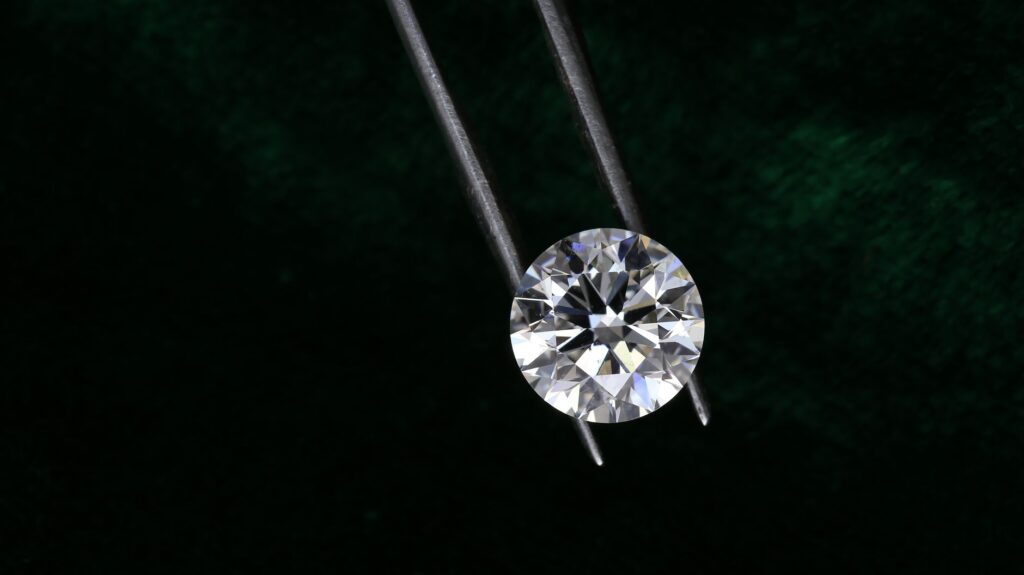
How Diamond Clarity Is Evaluated depends on how visible internal and external characteristics are when a diamond is examined under 10x magnification. Gemologists look at the size, number, type, location, and visibility of inclusions and blemishes, then assign a clarity grade based on established grading standards.
For buyers, the practical issue is not the report label alone. It is whether the diamond is eye-clean, meaning the inclusions are not visible without magnification in normal viewing conditions. Many VS diamonds and even some SI diamonds look just as clean as higher clarity stones once they are viewed face-up at normal distance.
That is why clarity should be treated as one part of the buying decision, not the final word. A carefully chosen VS2 or SI1 can often offer better value than a much more expensive VVS or FL diamond, particularly in lab grown diamonds where higher clarity is common. The goal is to find a diamond that looks clean, suits the shape and setting, and does not charge a premium for details you will never notice.
Understanding Diamond Clarity
What diamond clarity means
Diamond clarity refers to the presence of internal inclusions and external blemishes. Inclusions are features inside the stone, such as crystals, feathers, clouds, needles, or pinpoints. Blemishes are surface features, such as tiny scratches, chips, pits, or polish marks.
Clarity grading measures how noticeable those features are and whether they affect the diamond’s appearance. The fewer and less visible the features, the higher the clarity grade. Still, a higher clarity grade does not always mean a diamond will look better to the naked eye.
How clarity grading works
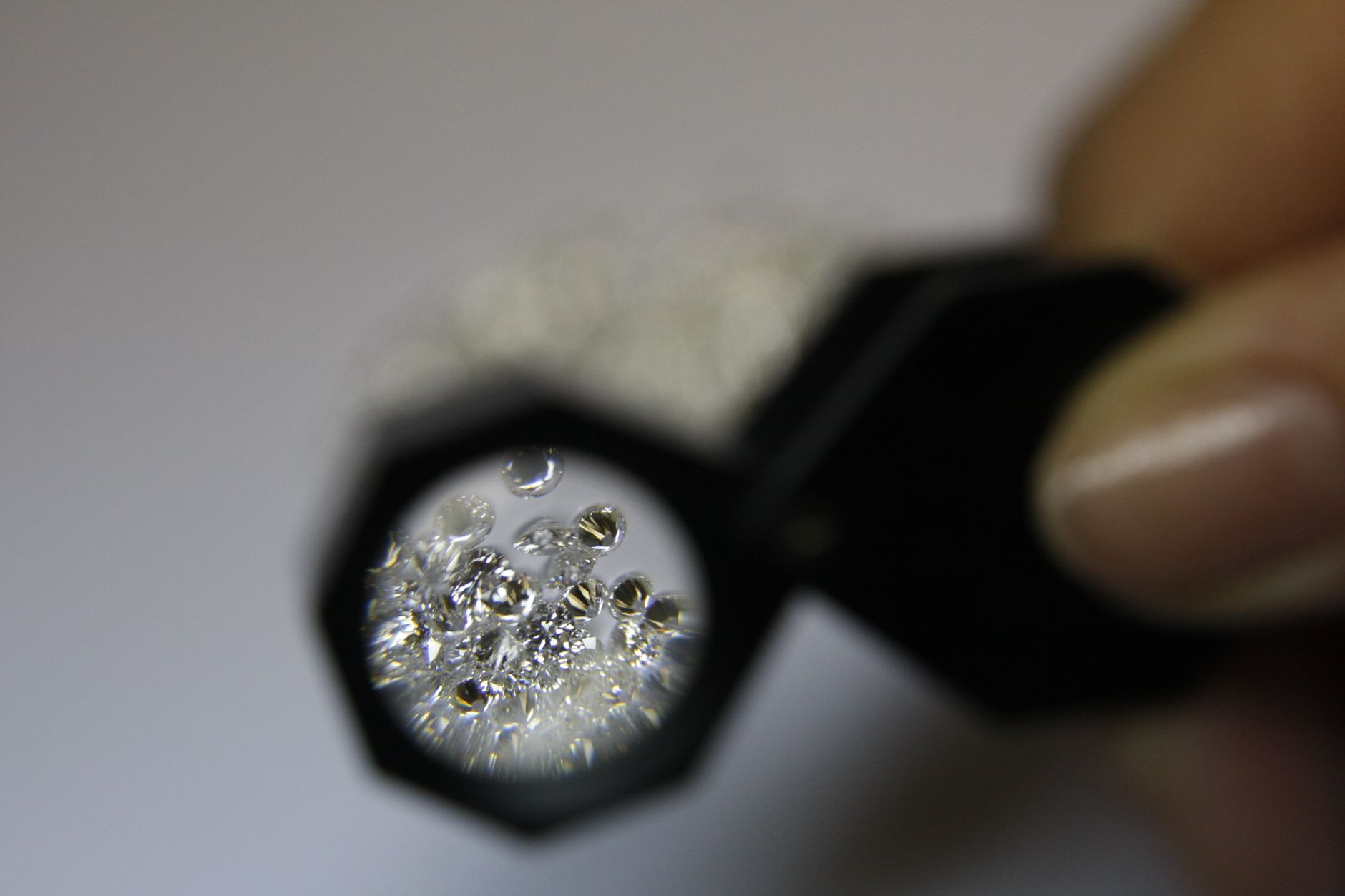
Clarity is generally assessed by trained gemologists using 10x magnification. That is the standard used in most diamond grading reports. Under this level of magnification, graders evaluate several factors at once.
- Size of the inclusion or blemish
- Number of characteristics present
- Type of inclusion or blemish
- Location within the stone
- Relief, meaning how easy it is to see
- Impact on appearance, transparency, and overall visual impression
This is why two diamonds with the same clarity grade can look different. One SI1 may appear completely eye-clean, while another SI1 may have a dark crystal near the center that stands out right away. The clarity grade gives you a range, not a guarantee of appearance.
Why lab grown diamonds raise clarity questions
Lab grown diamonds often have fewer and less severe inclusions than many natural diamonds. That means buyers frequently encounter very clean stones, sometimes at grades that would be considered exceptional in other markets. As a result, clarity becomes a bigger value question than a visibility question.
That does not mean every lab grown diamond needs to be VVS or higher. If a diamond already looks clean to the eye, paying more for a cleaner grade may not improve the way it looks in real life. In many cases, the smartest decision is to focus on visual performance rather than chasing a report grade that sounds impressive.
Why Clarity Matters to Buyers
Appearance is the main concern
Most buyers care about clarity because they want a diamond that looks attractive and crisp. Inclusions that cannot be seen without magnification usually do not affect how the diamond looks from normal viewing distance. Inclusions that are visible, however, can make a stone appear less transparent or less refined.
Clarity matters most when the inclusion is large, dark, centrally located, or near the surface. Those characteristics are more likely to draw attention in everyday wear. For many shoppers, the goal is not perfection on paper, but a diamond that looks bright, clean, and balanced in real life.
Clarity affects value
Higher clarity grades often carry higher prices, sometimes by a meaningful amount. The challenge is that the price increase does not always produce a visible improvement. Once a diamond is eye-clean, going to a higher grade may mostly improve the report, not the viewing experience.
That is one reason clarity is a common place to overspend. If two diamonds look equally clean, the extra money may be better used on better cut, slightly larger size, or a shape that the buyer prefers. Those features often have a more obvious impact on beauty.
Clarity affects buyer confidence
Some buyers simply feel more comfortable with a cleaner clarity grade. That is a valid preference, especially for larger diamonds, open settings, or shoppers who want maximum peace of mind. Confidence is part of the buying experience, and it can matter even when the visual difference is small.
The key is to know what the premium is buying. A higher grade may provide reassurance and rarity, but it is not always giving a meaningful visible benefit. Understanding how diamond clarity is evaluated makes that trade-off much easier to judge.
How Diamond Clarity Is Evaluated in Practice
The 10x magnification standard
Most clarity grading is based on 10x magnification, which is the long-standing industry standard. This level of magnification makes tiny details visible that the human eye would not normally detect. The diamond is then graded according to how those features compare with clarity benchmarks.
That is important for consumers to remember, because a clarity grade is not the same thing as a promise of visible flaws. It is a technical assessment made under magnification. A diamond can have inclusions and still appear clean when viewed normally.
Face-up appearance matters most
When a diamond is worn in a ring, the face-up view is the most important one. That is the top-down look people see in daily life. If an inclusion is tucked near the edge or blends into the facet pattern, it may never be noticed during ordinary wear.
By contrast, an inclusion in the center of the table area is more likely to be seen, especially if it is dark or reflective. This is why inclusion placement matters just as much as the grade itself. A well-hidden inclusion can be less noticeable than a more obvious one in a diamond with a higher clarity grade.
Different shapes reveal clarity differently
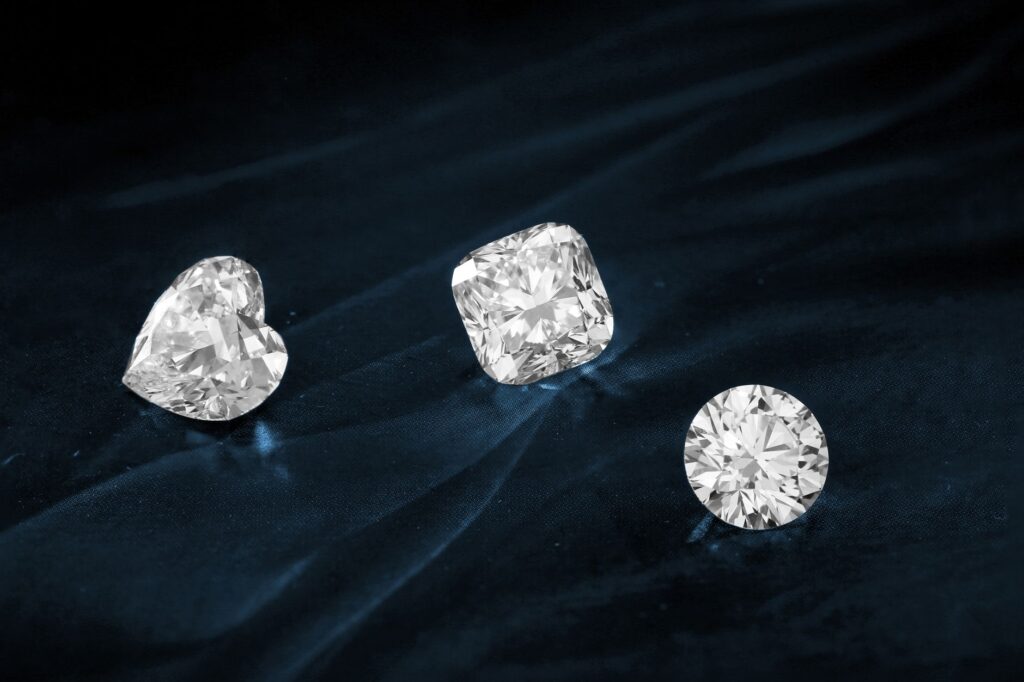
Diamond shape has a major influence on how visible inclusions are. Round brilliant diamonds often hide inclusions well because of their strong sparkle and busy facet pattern. Shapes like emerald, Asscher, oval, pear, marquise, and radiant can sometimes show inclusions more easily because of their larger open areas or distinctive facet structure.
This does not mean those shapes are poor choices. It simply means clarity needs to be judged in context. An SI1 round brilliant may look completely eye-clean, while an SI1 emerald cut may show the inclusion more readily.
Setting style can change visibility
The way a diamond is set can also change how obvious an inclusion appears. Prongs may hide edge inclusions, while a bezel can protect the stone and cover more of the perimeter. A solitaire with a more open view may make inclusion placement more important.
This is why clarity should be considered alongside the final jewelry design. A diamond that looks fine loose may behave differently once it is mounted. For many buyers, the setting is part of the clarity decision, not an afterthought.
Common Clarity Grades Explained
| Clarity Grade | What It Means | What Buyers Usually See | Value Consideration |
|---|---|---|---|
| FL | Flawless under 10x magnification | No inclusions or blemishes visible under magnification | Rare and expensive, usually more about prestige than visible benefit |
| IF | Internally flawless, with only very small surface blemishes | No internal inclusions under magnification | Very high-end, but often unnecessary for appearance |
| VVS1 / VVS2 | Very, very slight inclusions that are extremely hard to see under magnification | Typically eye-clean in normal viewing conditions | Can be expensive for a difference most buyers will not see |
| VS1 / VS2 | Very slight inclusions, usually easy to find under magnification but not obvious to the naked eye | Often eye-clean, depending on inclusion type, size, and placement | Frequently a strong value range for everyday buyers |
| SI1 | Slightly included, with inclusions that may be visible under magnification and sometimes to the eye | Can be eye-clean or visibly included depending on the stone | Can offer excellent value when carefully selected |
| SI2 | Slightly included, with inclusions more likely to be visible | Often not eye-clean, though some stones perform better than others | Can be a value option only if inspected carefully |
| I1 | Included, with inclusions usually easy to see | Often visibly included to the naked eye | Usually best only for buyers who accept visible inclusions |
FL and IF
FL means flawless, and IF means internally flawless. These are the cleanest clarity grades available. The difference between them is very small, and for most buyers it does not change how the diamond looks once it is set in jewelry.
These grades are usually purchased for rarity, prestige, or personal preference rather than visible improvement. If your goal is a beautiful diamond, FL or IF is rarely necessary. If your goal is to own a top-tier graded stone, the premium may make sense.
VVS1 and VVS2
VVS stands for very, very slight inclusions. Inclusions in this range are extremely difficult to see under magnification and are generally invisible in everyday wear. Most VVS diamonds are eye-clean.
The main issue is cost. VVS grades often command a premium that may not produce a visible benefit over a well-chosen VS diamond. For many shoppers, VVS offers reassurance and a cleaner report more than a noticeable difference in appearance.
VS1 and VS2
VS means very slight inclusions. In most cases, the inclusions are easy to find with magnification but not obvious to the naked eye. Many buyers find VS1 and VS2 to be the most practical clarity grades because they often look clean without carrying the price of VVS or FL.
That said, VS is not a guarantee of invisibility. A VS2 with a dark crystal in the center can look more noticeable than an SI1 with a tiny inclusion tucked near the edge. The specific stone always matters more than the label alone.
SI1 and SI2
SI stands for slightly included. These diamonds can range from eye-clean to visibly included, which is why careful screening matters so much. One SI1 may look excellent, while another may show a distracting inclusion in normal viewing conditions.
SI1 is often where value hunters find the best balance between price and appearance. SI2 can still work in some cases, but it requires more caution. Buyers should not assume that all SI diamonds are acceptable or unacceptable. The individual stone is what matters.
I1 and lower clarity
I1 diamonds usually have inclusions that are easy to see without magnification. Some buyers are comfortable with that if price or size is the priority. Others prefer to avoid visible inclusions entirely.
These diamonds can still have a place in the market, but they require careful inspection. If you want a center stone that looks clean from normal viewing distance, I1 is usually not the safest starting point.
What Different Inclusions Mean for Buyers
Feather
A feather is a fracture inside the diamond that often appears white, wispy, or slightly reflective under magnification. Many feathers are minor and do not affect durability. Others deserve more attention, especially if they reach the surface or are located near an edge or point.
For most buyers, a small feather is not automatically a problem. The concern rises when the feather is large, open to the surface, or positioned in a vulnerable area. In a ring worn every day, those details matter more than the inclusion name alone.
Crystal
A crystal is a tiny mineral inclusion trapped inside the diamond during formation. Crystals can be transparent, white, gray, or dark. Dark crystals are more likely to be visible because they create contrast against the diamond body.
Crystals are one of the most common reasons an inclusion becomes noticeable face-up. Small crystals are often harmless and invisible without magnification. Larger or darker crystals near the center can be much more distracting.
Cloud
A cloud is a group of many tiny pinpoints that can create a hazy area. A small cloud is often not a concern. A dense cloud, however, can reduce transparency and make the diamond appear less lively or slightly milky.
Buyers should pay attention when a report or seller mentions that a cloud affects brilliance or transparency. That matters more than simply seeing the word cloud on a grading report. A cloud that changes appearance is more important than one that only appears under magnification.
Needle
A needle is a thin, elongated inclusion. Needles are often difficult to notice unless they are grouped together or arranged in a way that creates visible contrast. On their own, they are usually a minor concern.
They matter more when they contribute to a cluster or cloud. If they are isolated and not prominent, most buyers do not need to worry much about them.
Pinpoint
A pinpoint is an extremely small dot-like inclusion. Most pinpoints are so tiny that they are invisible without magnification. A few scattered pinpoints generally do not affect appearance.
The concern arises when many pinpoints gather together and create a hazy area. In that case, the issue is not the individual dots, but the way they affect transparency or brightness.
Twinning wisp
A twinning wisp is a feature associated with the diamond’s growth pattern. It can appear as faint internal lines, irregular wisps, or small reflective structures. These are fairly common in lab grown diamonds and can also appear in natural stones.
In many cases, twinning wisps are only visible under magnification. If they are dense or reflective, they can sometimes create a subtle pattern that affects appearance. They are not automatically a problem, but they should be viewed in context.
Knot
A knot is an included crystal that reaches the surface and remains visible from the outside. Because it breaks the surface, it can be more noticeable than a fully internal inclusion.
Knots deserve attention because they may affect both appearance and durability. If a knot appears raised or obvious, it is worth inspecting carefully before buying.
Cavity
A cavity is a small opening or indentation in the diamond surface, often left when an inclusion is dislodged during cutting or polishing. Cavities are generally not desirable because they can be visible and may collect dirt over time.
A small cavity in a protected area is not the same as one in a highly exposed location. Still, cavities should be reviewed closely because they are surface-related rather than purely internal.
Chip
A chip is a small piece missing from the diamond surface. Chips are usually more serious than internal inclusions because they can affect durability and may be more noticeable in daily wear.
Buyers should be cautious with chips, especially in pre-owned diamonds or loose stones that have already been handled. If a chip is visible or mentioned on a report, it should be inspected before purchase.
What Eye-Clean Really Means
Eye-clean is a practical term
Eye-clean means the diamond does not show visible inclusions to the naked eye in normal viewing conditions. It is not an official clarity grade. Two diamonds with the same grade can differ greatly in whether they appear eye-clean.
This is one of the most useful concepts for buyers to understand. A lower-graded diamond can still look excellent if the inclusions are not visible. A higher-graded diamond may still have an inclusion that matters to the eye if it is placed poorly.
Viewing conditions change what you see
Whether a diamond is eye-clean depends on distance, lighting, and the viewer’s eyesight. A diamond may look clean from 8 to 12 inches away, but an inclusion may become visible at very close range. Bright store lighting can also make small details easier to spot.
For everyday wear, arm’s-length viewing is the most useful reference point. If an inclusion is only noticeable with a loupe or microscope, many buyers would reasonably consider the diamond eye-clean.
Different people notice different details
Some people have a very sharp eye for tiny details. Others will never notice a small inclusion unless someone points it out. That means the same diamond may feel flawless to one person and slightly included to another.
Because of that, it is smart to look at both the grading report and the actual images or videos of the stone. A report is useful, but a visual review tells you much more about how the diamond will look in real life.
How Clarity Affects Appearance
Some inclusions are invisible, others are distracting
Not all inclusions matter equally. Tiny internal features may have no visible effect at all. Larger, darker, or centrally located inclusions are more likely to draw the eye and change the diamond’s overall appearance.
For most buyers, the best clarity choice is the lowest grade that still looks clean in normal viewing conditions. That approach avoids paying extra for visibility that does not actually exist.
Transparency can matter more than the grade itself
A diamond can have a strong clarity grade and still look less appealing if transparency is affected. For example, a cloud cluster can make a diamond look slightly hazy or soft, even if the report number appears favorable.
This is why experienced diamond shoppers look at the stone, not just the label. A diamond should look sharp, lively, and open under different lighting conditions. That visual check often matters more than the technical grade on paper.
Cut and clarity interact
Cut and clarity are different factors, but they affect each other in practice. A well-cut diamond tends to sparkle more, which can help mask tiny inclusions. A weakly cut diamond may show details more easily because it lacks the brilliance that helps disguise them.
That is why many buyers find it better to prioritize cut first, then choose the lowest clarity grade that still looks eye-clean. A slightly lower clarity diamond with excellent cut can look better than a cleaner diamond with poorer light performance.
How Clarity Affects Value
Higher grades often have diminishing returns
As clarity improves, the price often rises faster than the visible benefit. The move from SI to VS can sometimes provide a real improvement if the inclusions were becoming noticeable. But the move from VS to VVS, or VVS to FL, often makes a much smaller difference to the naked eye.
That is the classic diminishing returns problem. Once a diamond is eye-clean, additional clarity usually buys rarity rather than a better-looking stone. For many buyers, that is not the best place to spend money.
Where value often sits
Many buyers find strong value in the VS2 to SI1 range, provided the individual diamond is screened carefully. In that range, it is often possible to find a stone that looks clean without paying a premium for top-tier clarity.
This is especially relevant for lab grown diamonds, where higher clarity is common. A good eye-clean VS2 or SI1 can often deliver the same visual result as a much cleaner grade at a lower price.
When a higher grade may be worth it
Higher clarity can make sense in some situations. Large diamonds, open shapes, minimal settings, and buyers who want maximum peace of mind may prefer VVS or higher. Some shoppers also simply like knowing that their diamond ranks very highly on the grading scale.
That is a preference-based decision, not a universal requirement. If the diamond already looks clean, the upgrade is about reassurance and rarity more than visible appearance.
Practical Examples Buyers Can Relate To
VS2 versus SI1 in normal viewing conditions
In real shopping situations, a VS2 and SI1 can look almost identical if the SI1 has a well-hidden inclusion. If the inclusion is near the edge or blends into the facet pattern, it may be completely eye-clean. If it is dark and centered, the difference becomes much easier to see.
This is why buyers should not assume VS2 is automatically better than SI1. The most useful comparison is visual, not just based on the letter grade. A carefully chosen SI1 can sometimes look cleaner than a more expensive VS2 with poor inclusion placement.
Eye-clean SI1 versus non-eye-clean SI1
Not all SI1 diamonds are the same. One SI1 may look perfectly clean from a normal distance, while another shows a visible crystal or feather in everyday lighting. The grade alone does not tell you which type you are getting.
This is where images, videos, and a knowledgeable jeweler’s evaluation become important. If you are considering SI1, ask whether the diamond is eye-clean face-up and how close a viewer has to be before any inclusion becomes visible.
VVS versus VS for everyday wear
For many buyers, VVS and VS look nearly identical once the diamond is set. The difference is usually visible under magnification, not in daily wear. In a ring worn on the hand, most people will not notice the extra clarity.
That is why experienced buyers often stop at VS unless the budget is generous or the stone has a shape that reveals inclusions easily. The savings can sometimes be redirected toward cut quality or carat weight, both of which may have a bigger impact on what people see.
Lab grown diamond example
Because lab grown diamonds often appear in high clarity grades, some shoppers think they need to aim for VVS to be safe. In many cases, that is not necessary. An eye-clean VS diamond can provide nearly the same visual appearance for less money.
This is a good reminder that a rare-sounding report is not the same as added beauty. With lab grown diamonds in particular, buyers often get the best value by focusing on appearance first and using the clarity grade as a check, not a goal in itself.
Advantages of Higher Clarity
Cleaner appearance in some cases
Higher clarity can help when inclusions are close to the center or when the shape reveals more detail. A cleaner stone may look sharper and more open under close inspection, especially in larger sizes or more transparent-looking shapes.
That can matter to buyers who want the least visible internal detail possible. It is a real advantage, but it is not always necessary for an attractive diamond.
More peace of mind
Some buyers feel more comfortable knowing they purchased a cleaner-graded diamond. They may never notice the difference visually, but the higher grade gives them reassurance. That emotional comfort has value if it fits the budget.
This is a legitimate reason to upgrade, as long as the buyer understands the trade-off. A higher grade can bring confidence, but it may not bring a visible improvement.
Potentially better secondary market perception
While diamond resale value is generally limited compared with the original retail price, cleaner grades can look more appealing to future buyers. That does not guarantee a better resale result, but it may help the stone appear more desirable in the secondary market.
Even so, buyers should keep expectations realistic. Resale depends on many factors, including size, cut, certification, shape, and current market demand.
Disadvantages and Trade-Offs
Cost may rise without a visible payoff
The biggest downside to high clarity is that the premium may not improve the diamond in a way you can see. A buyer can pay significantly more for a VVS or FL stone that looks nearly the same as a VS diamond in everyday use.
That matters especially for budget-conscious shoppers. If the stone is already eye-clean, extra money may be better spent on cut quality or a more appealing size.
It is easy to focus on the report instead of the stone
Buyers sometimes become fixated on the clarity grade label rather than the actual appearance of the diamond. That can lead to poor choices, such as paying more for a cleaner report while passing over a better-looking stone with a slightly lower grade.
The practical question is not whether the grade sounds impressive. It is whether the diamond looks good in real life and whether the price is justified for what you are actually getting.
Lower clarity requires more careful review
As clarity drops, the need for inspection increases. SI1, SI2, and I1 diamonds can be excellent values in the right cases, but they require more attention to inclusion type, placement, and size.
That extra work is not necessarily bad. It simply means the buyer has to be more involved in the selection process. If you prefer a simpler purchase, a higher grade can feel easier.
Buying Considerations That Matter Most
Start with budget
It helps to decide how much of your budget should go toward clarity before you start comparing diamonds. For many buyers, it makes more sense to aim for an eye-clean diamond than to chase the highest grade available. That approach often leaves room for better cut quality, which can have a bigger effect on sparkle.
If you are comparing several diamonds, ask whether the extra cost is tied to a visible improvement or only a cleaner report. That one question can prevent a lot of overspending.
Always consider inclusion location
Location can matter as much as grade. Inclusions near the center are more likely to be seen than those near the edge or tucked under a prong. This is especially true in larger diamonds and in shapes with open facets.
If you are shopping online, look closely at images and ask where the inclusions are positioned. If you are shopping in person, view the diamond from different angles in normal lighting to see whether anything stands out.
Think about the shape
Some shapes hide inclusions better than others. Round brilliant and radiant cuts often mask small features well because they create strong sparkle. Emerald and Asscher cuts can reveal more because their step-cut structure is less forgiving of visible inclusions.
This does not mean one shape is better than another. It means the same clarity grade can behave differently depending on the shape and facet style.
Lab grown diamond considerations
Lab grown diamonds often give buyers more flexibility with clarity because high grades are common and pricing is typically lower than for comparable natural diamonds. That can make it easier to find an eye-clean stone without paying a large premium.
Still, the same buying rules apply. You should check inclusion type, placement, and whether the stone looks clean in the setting style you plan to use. Lab grown does not eliminate the need for visual judgment.
Certification matters, but it is not enough
A grading report is important because it gives a consistent description of the diamond’s characteristics. But the report does not replace visual inspection. It tells you what the graders saw under magnification, not exactly how the diamond will look in daily wear.
When possible, use the report together with magnified images, video, and a knowledgeable seller’s explanation. That gives you a much more complete picture of the diamond’s clarity.
Common Buyer Mistakes
Paying for differences you cannot see
One of the most common mistakes is paying more for VVS or FL without confirming that a lower grade would have looked any different. If both stones are eye-clean, the premium may not improve the wearer’s experience.
A simple test helps: will I actually see the difference without magnification? If the answer is no, the upgrade may not be worth it.
Ignoring inclusion type
Not all inclusions have the same importance. A tiny crystal and a surface-reaching chip are not equal. Some features mainly affect appearance, while others can create durability concerns.
That is why the grade letter alone is not enough. Two diamonds with the same clarity grade can have very different practical implications.
Assuming all SI diamonds are the same
SI diamonds vary widely. Some are nearly impossible to distinguish from VS in normal wear. Others have visible inclusions that are easy to spot. The label alone does not tell you which type you are getting.
If you are considering SI clarity, examine the actual stone carefully. This is where screening creates real value.
Forgetting about the setting
The setting can change how visible an inclusion appears. A prong setting may hide a small edge inclusion, while a more open solitaire may leave the diamond exposed. The final jewelry design should be part of the clarity decision.
A stone that works well in one setting may not be the best fit for another. That is especially true for shapes and clarity levels that are already more revealing.
Frequently Asked Questions
Is clarity the most important diamond quality factor?
No. Clarity matters, but cut usually has the biggest effect on sparkle and overall visual beauty. A diamond with excellent cut and good eye-clean clarity often looks more attractive than a higher-clarity stone with weaker light performance.
Is VS2 good enough for an engagement ring?
For many buyers, yes. VS2 is often eye-clean and offers a strong balance of appearance and value. The exact answer depends on the individual diamond, especially the inclusion type and location.
Can an SI1 look flawless to the eye?
Yes. Many SI1 diamonds are eye-clean and can look completely clean in normal viewing conditions. The key is to check the actual stone, not just the grade.
Do lab grown diamonds need higher clarity?
Not necessarily. Lab grown diamonds often have excellent clarity already, so many buyers can find a clean-looking stone without choosing the highest grades. The best choice still depends on appearance, budget, and the individual diamond.
Does clarity affect sparkle?
Not in the same way cut does, but it can have an effect if inclusions are large enough to reduce transparency or interfere with the look of the stone. A clean, transparent diamond generally has a better visual impression than one with haze or obvious inclusions.
Are blemishes and inclusions the same thing?
No. Inclusions are internal features inside the diamond. Blemishes are surface imperfections. Both are considered in clarity grading, but they are not the same thing.
Should I avoid a diamond with a feather?
Not automatically. Many feathers are minor and do not affect durability. But if a feather reaches the surface or sits in a vulnerable area, it should be reviewed carefully.
What clarity grade is the safest choice?
There is no single safest grade for every buyer. For many people, VS2 or a carefully screened SI1 is a practical place to start. If you want very little risk of visible inclusions, higher grades provide more reassurance, but usually at a higher cost.
Conclusion
How Diamond Clarity Is Evaluated comes down to a technical grading process, but the buying decision is much more practical. The important question is whether the diamond looks clean enough to your eye in normal viewing conditions, without paying for a level of clarity that does not improve the stone’s appearance.
For many buyers, the best value sits in the VS2 to SI1 range, especially in lab grown diamonds where high clarity is common. VVS, IF, and FL can be appealing, but they often offer more prestige than visible improvement.
The smartest approach is to look past the label and judge the individual stone. Check the inclusion type, where it is located, how visible it is, and how the diamond looks in the setting you plan to wear. When you do that, clarity becomes a useful buying tool rather than a confusing number on a report.