When people compare Emerald vs Asscher Cut Diamonds, they are usually deciding between two step-cut shapes that look refined, structured, and different from the more common round brilliant. At first glance, they can seem similar because both have rectangular or square outlines and clean, mirror-like facets. In practice, though, they create very different visual effects, and those differences matter a lot when you are choosing an engagement ring or another important piece of jewelry.
The comparison becomes even more relevant in the lab grown diamond market, where many shoppers have more flexibility on carat weight, color, and clarity. Because lab grown diamonds can offer more size for the budget, buyers often focus more closely on shape and visual style. That makes understanding the difference between emerald and Asscher cuts especially useful before you shop.
Quick Answer
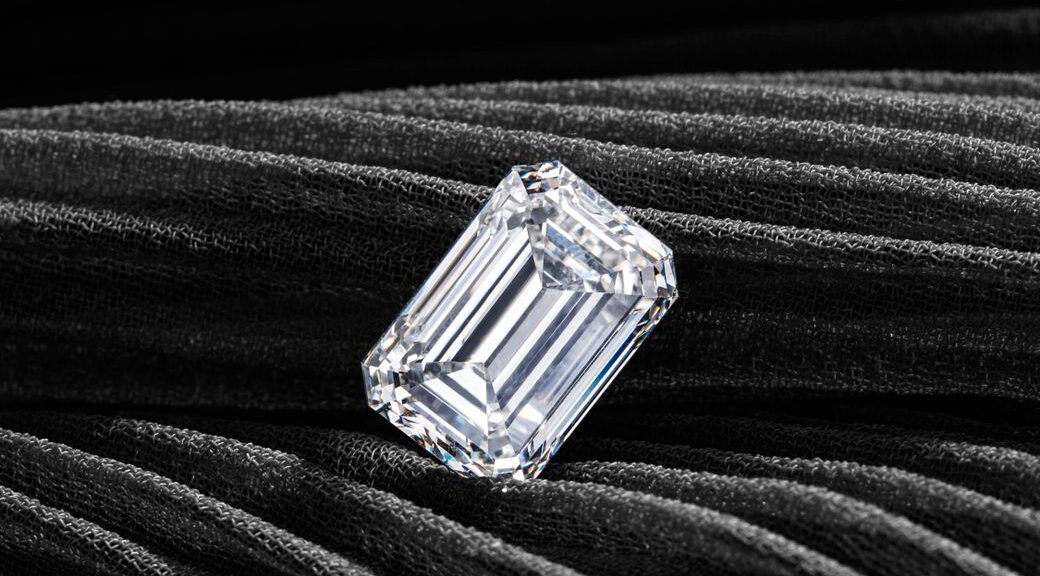
Emerald cut diamonds are rectangular step-cut stones known for their long, elegant lines and open “hall of mirrors” appearance. They often look larger face-up than many other shapes of the same carat weight because of their elongated outline. Asscher cut diamonds are square step-cut stones with cropped corners and a vintage feel, known for their deep, geometric symmetry and concentrated center pattern.
If you want a diamond that looks sleek, elongated, and understated, emerald cut is usually the better fit. If you prefer a more symmetrical, art deco-inspired look with a distinctive center pattern, Asscher cut is often more appealing. Neither is objectively better. The right choice depends on your style, your budget, and how you want the diamond to look on the hand.
What Makes Emerald and Asscher Cuts Different?
Both shapes belong to the step-cut family, which means the facets are arranged in long parallel rows rather than in the many triangular and kite-shaped facets found in brilliant cuts like round, oval, or pear shapes. Step cuts do not produce the same kind of busy sparkle as brilliant cuts. Instead, they create broad flashes of light and a more transparent, glass-like look.
If you would like a more detailed introduction to this shape, our guide on what is an emerald cut diamond explains its proportions, facet structure, and the characteristics that distinguish it from other diamond cuts.
The main difference is shape. An emerald cut is rectangular, usually with softened corners and a length greater than its width. An Asscher cut is square, or close to square, and also has cropped corners, but it tends to have a more compact and symmetrical look. That difference in outline changes how each diamond appears on the finger and how the facets reflect light.
Why Step-Cut Faceting Matters
Step cuts show the interior of the diamond more clearly than many other shapes. That means the cut quality, clarity, and proportions are especially important. Instead of hiding everything with intense sparkle, these diamonds present what is inside the stone in a more open way.
For buyers, that has two practical implications. First, small inclusions may be easier to see in step cuts. Second, the diamond’s overall shape and symmetry become more noticeable, so proportion matters a great deal.
Side-by-Side Comparison: Emerald vs Asscher Cut Diamonds
| Feature | Emerald Cut | Asscher Cut |
|---|---|---|
| Shape | Rectangular | Square |
| Style | Modern, elegant, elongated | Vintage, geometric, structured |
| Facet pattern | Broad step facets, “hall of mirrors” effect | Deep step facets with a pinwheel-like center |
| Sparkle type | Large flashes of light | Broad flashes with strong symmetry |
| Face-up appearance | Often looks larger and longer | Looks compact and balanced |
| Clarity visibility | High | High |
| Color visibility | Moderately high | Moderately high |
| Durability concerns | Corner protection matters | Corner protection matters |
| Typical appeal | Clean, refined, elongated finger look | Vintage character, symmetry, centered look |
| Best for | Buyers who want elegance and length | Buyers who want symmetry and a distinctive square profile |
Appearance: How Each Shape Looks in Real Life
Emerald Cut Appearance
Emerald cut diamonds are known for their sleek, architectural appearance. The long rectangular outline gives the stone a graceful look, and the step facets create broad flashes instead of tiny sparkles. Many buyers describe the effect as clean, sophisticated, and understated.
This shape often creates a flattering visual line on the finger because the length draws the eye vertically. That can make the hand appear more elongated, especially in rings with thinner bands or minimal side stones.
Emerald cuts also tend to emphasize transparency. Because the facets are open and the surface area is broad, you often see more of the stone’s interior structure. For buyers who like a diamond that looks crisp and uncluttered, that can be a major advantage.
Asscher Cut Appearance
Asscher cut diamonds have a square outline with trimmed corners, which gives them a distinctive art deco character. Their faceting pattern creates a strong sense of depth and symmetry, often with a square “windmill” or concentric effect when viewed from above.
The appearance is more compact than an emerald cut, which gives the stone a centered, balanced feel. Some buyers like that the diamond looks grounded and symmetrical rather than stretched.
Asscher cuts usually feel more vintage than emerald cuts, even when set in modern settings. That makes them appealing to buyers who want a shape with personality and a classic design heritage.
How Shape Affects Finger Appearance
The shape you choose changes how the diamond looks on the hand. An emerald cut’s longer profile can create a slimming effect and make the finger look longer. An Asscher cut, being square, tends to emphasize balance rather than length.
This is not just a style issue. It can affect how proportioned the ring feels overall, especially if you are considering different stone sizes or ring settings. A 2-carat emerald cut can spread across the finger differently than a 2-carat Asscher cut, even if they weigh the same.
Sparkle, Brilliance, and Fire: What to Expect
Buyers often use the word “sparkle” for everything, but diamond professionals usually separate it into a few different visual effects. Brilliance is the return of white light. Fire is the colored flash you see when light splits into different colors. Scintillation is the pattern of sparkle and movement as the diamond or light source changes.
Emerald and Asscher cuts behave differently from brilliant cuts because their facet structure is built for elegance and reflection, not maximum sparkle. They can still be beautiful and lively, but the effect is more restrained.
Emerald Cut Light Performance
Emerald cuts are known for broad flashes of light and a mirror-like reflection pattern. Instead of many small flashes, you get larger panes of light that move across the stone. This can look very refined, especially in good lighting.
Because the facets are large, the light behavior is less “busy” than in a round or oval diamond. Some buyers love that calm, polished look. Others may find it less lively if they are used to brilliant-cut sparkle.
Asscher Cut Light Performance
Asscher cuts also produce broad flashes, but the square shape and deeper faceting create a stronger sense of depth in the center of the stone. The light pattern can feel more concentrated and geometric than emerald cut light performance.
This is one reason Asscher cuts are often described as having a more dramatic or vintage character. The stone seems to draw the eye inward, especially when viewed from the top.
Fire and Color Splits
Neither shape is famous for extreme fire in the way a round brilliant can be. That said, both can show attractive flashes of color under the right lighting. Fire is usually more noticeable when the stone has excellent proportions and is viewed in direct light.
If you want strong fire, these may not be the first shapes to consider. If you prefer a sophisticated, less sparkly appearance, both can be excellent options.
Why Clarity Matters More in Step Cuts
One of the biggest buying differences between emerald and Asscher cuts is clarity sensitivity. In step cuts, the facet pattern does not hide inclusions as effectively as the many small facets in brilliant cuts. This means imperfections can be more visible, especially in larger stones.
That does not mean you need the highest clarity grade possible. It does mean you should be more selective than you might be with a round or cushion cut.
Emerald Cut Clarity Considerations
Emerald cuts tend to act like windows into the diamond. Inclusions near the center may be easier to notice because the facets are large and open. For many buyers, a clarity grade in the VS range is a practical starting point, though some stones in the SI range can still look clean if the inclusions are minor and off to the side.
Always inspect a lab report and, ideally, magnified images or video. Two diamonds with the same clarity grade can look very different in a step cut.
Asscher Cut Clarity Considerations
Asscher cuts are also clarity-sensitive, but their square symmetry sometimes helps distribute the eye’s attention across the stone. Inclusions can still be easy to spot if they are near the center.
As with emerald cuts, visible clarity is more important than the label alone. A well-chosen VS2 may look cleaner than a poorly positioned VS1. The location, type, and contrast of the inclusion matter as much as the grade.
Color Visibility in Emerald and Asscher Diamonds
Step-cut diamonds usually show color more readily than brilliant cuts. The open facet structure reveals more of the body color, which is the underlying tint of the diamond. This matters whether you are buying a natural diamond or a lab grown diamond.
Emerald cuts often show color slightly more because of their large, open facets and rectangular spread. Asscher cuts can also show color clearly, especially in larger sizes, but the square pattern can sometimes make color distribution feel more uniform.
How to Think About Color Grades
If you want a crisp white appearance, many buyers prefer to stay in the near-colorless range or higher, especially for larger emerald cuts. In some settings, an H or I color may still appear attractive, particularly if paired with yellow gold or if the buyer is comfortable with a warmer look.
Lab grown diamonds can make this balancing act easier because price differences between color grades may allow you to choose a higher color stone without pushing the budget too far. Still, the best choice depends on your preferred metal color, setting style, and whether you want a cool or warm appearance.
Face-Up Size: Which Shape Looks Bigger?
Face-up size refers to how large a diamond appears when viewed from above, not how much it weighs. This is one of the most practical comparisons between these two shapes.
Emerald cuts often look larger for their carat weight because the elongated outline spreads weight across a longer surface area. Asscher cuts tend to hold more of their weight in depth, so they can look a bit smaller face-up at the same carat weight.
Why Emerald Cuts Often Appear Larger
The rectangular shape allows the diamond to cover more visible surface area across the finger. This can create the impression of a larger stone without increasing carat weight dramatically. It is one reason emerald cuts are popular with buyers who care about visual spread.
Why Asscher Cuts Can Look More Compact
Asscher cuts are square and typically deeper, which can make them feel denser and more contained. They still have strong presence, but the visual spread is usually not as dramatic as with an emerald cut of the same weight.
For someone who wants a balanced, centered look, that compactness may be desirable rather than a drawback.
Durability and Daily Wear
Both shapes have cropped corners, which is helpful because pointed corners are more vulnerable to chipping. Even so, these are not indestructible shapes. The corners and edges still need thoughtful setting and routine care, especially for everyday wear.
If the diamond is going into an engagement ring, the setting is just as important as the shape. A well-designed setting should help protect the corners while keeping the diamond visible and secure.
Emerald Cut Durability
Emerald cuts are generally durable, but the elongated shape means the corners should be protected. A bezel, partial bezel, or prong setting with secure corner coverage can help reduce risk. This is especially important if the ring will be worn daily.
Asscher Cut Durability
Asscher cuts also benefit from corner protection. Because they are square, the shape can feel a bit more balanced in a setting, but the same caution applies. The cropped corners reduce risk compared with a pointed square shape, yet they still need care.
Practical Wear Considerations
If you are active with your hands, work in a setting where rings may contact hard surfaces, or simply want lower-maintenance wear, the quality of the mounting matters. In all cases, periodic inspections are a smart idea. That is true for both natural and lab grown diamonds.
Advantages of Emerald Cut Diamonds
- Elongated look: The rectangular shape can make the finger look longer.
- Large face-up presence: It often looks bigger than its carat weight suggests.
- Sophisticated style: The clean lines feel elegant and modern.
- Distinctive light pattern: Broad flashes create a polished, mirror-like effect.
- Versatile in settings: Works well in solitaire, three-stone, and side-stone designs.
Disadvantages of Emerald Cut Diamonds
- Clarity-sensitive: Inclusions are easier to notice than in brilliant cuts.
- Color can show more: Buyers may need to pay closer attention to color grade.
- Less sparkle: Those expecting intense glitter may find it understated.
- Corner care needed: The shape requires a secure setting.
Advantages of Asscher Cut Diamonds
- Strong symmetry: The square shape has a balanced, centered look.
- Vintage character: It suits art deco and classic-inspired designs.
- Distinctive depth: The center pattern creates visual interest.
- Elegant rather than flashy: Appeals to buyers who want understatement.
- Compact appearance: The square outline can feel substantial and grounded.
Disadvantages of Asscher Cut Diamonds
- Can appear smaller: It usually has less face-up spread than an emerald cut of the same carat weight.
- Clarity matters a lot: Open facets can reveal imperfections.
- Color is visible: Higher color grades may be desirable in larger sizes.
- Less common in stores: Fewer options may mean more searching to find the right stone.
Who Each Shape Is Best For
Emerald Cut Is Best For Buyers Who Want
Emerald cuts tend to suit buyers who like a sleek, elongated look and do not need maximum sparkle. They are a strong choice if you want a diamond that feels elegant, refined, and somewhat architectural. They are also popular with shoppers who want the stone to look larger across the finger.
This shape often appeals to people who prefer clean design over decorative detail. If you like modern minimalist jewelry or a classic Hollywood-style look, emerald cut may fit your taste well.
Asscher Cut Is Best For Buyers Who Want
Asscher cuts work well for buyers who like symmetry, vintage style, and a more compact square shape. They can be an excellent choice if you appreciate geometric design and want something a little less common than the typical round or oval.
People who are drawn to art deco aesthetics often gravitate toward Asscher cuts. The shape has a personality of its own, which is part of its appeal.
How They Compare in Popularity and Style Trends
Emerald cuts are generally more widely recognized and requested than Asscher cuts, especially in engagement rings. Their elongated shape fits many current preferences, including slim profiles, minimalist settings, and elongated center stones that appear substantial on the hand.
Asscher cuts are less common, which can be appealing if you want something distinctive. They do not follow mass-market trends as closely, but that is also part of their long-term appeal. A buyer choosing Asscher cut is often choosing a style that feels intentional rather than trendy.
For people who care about timelessness, both shapes have staying power because they are rooted in classic diamond design. Emerald cut feels more modern-classic, while Asscher cut feels more vintage-classic.
How They Compare to Other Popular Diamond Shapes
Emerald vs Round Brilliant
Round brilliant diamonds are designed for maximum sparkle. Emerald cuts are designed for broad flashes and elegant lines. If you want the most light return and scintillation, round brilliant usually wins. If you want a calmer, more architectural look, emerald cut is often the better fit.
Asscher vs Princess Cut
Princess cuts are square but have a much more brilliant-style facet pattern. They tend to sparkle more intensely than Asscher cuts. Asscher cuts have a softer, more geometric and vintage look, while princess cuts feel sharper and more modern.
Emerald vs Asscher vs Cushion
Cushion cuts are rounded and often feel softer and more romantic. Emerald and Asscher cuts are more linear and structured. If you want edges and symmetry, choose between emerald and Asscher. If you want a softer outline with more sparkle, cushion may be a stronger option.
Important Buying Considerations
1. Look at the Actual Stone, Not Just the Grade
Step-cut diamonds can vary a lot within the same grade. A lab report tells you the basics, but it does not fully capture visual appearance. Since emerald and Asscher cuts reveal more of the diamond’s interior, images and videos are especially valuable. If you decide that an emerald cut is the better fit, our guide on how to evaluate emerald cut diamond quality explains what to look for when comparing proportions, clarity, symmetry, and overall visual performance.
This is where shopping for lab grown diamonds can be practical. Because the price may allow more room in the budget, you can often be more selective about cut quality, color, and clarity instead of compromising on all three.
2. Pay Attention to Proportions
For emerald cuts, length-to-width ratio matters a lot. A lower ratio creates a broader, more square-leaning look, while a higher ratio creates a longer and slimmer appearance. Buyers often have a preference, even if they do not use the technical term.
For Asscher cuts, the goal is usually a balanced square outline. A diamond that is too rectangular may not feel like a true Asscher-style stone, while one that is too deep may appear smaller than expected.
3. Check the Cut Quality Even Though Fancy Shapes Often Lack Cut Grades
Many grading laboratories do not assign a formal cut grade to fancy shapes in the same way they do for round brilliants. That means the buyer must evaluate the shape using dimensions, facet symmetry, depth, table size, and visual inspection.
In practical terms, this means looking for a stone with pleasing proportions and a facet pattern you enjoy. A diamond can have the right shape on paper but still look underwhelming in person.
4. Choose a Setting That Protects the Corners
Because both shapes have corners, the setting should be built to support them. Prongs should be secure and well placed. If the ring is for daily wear, a setting that provides good protection is worth prioritizing over a purely decorative design.
5. Consider the Metal Color
Metal color affects how the diamond is perceived. White gold and platinum can enhance a cool, crisp look, while yellow or rose gold can soften the appearance and sometimes make near-colorless diamonds feel warmer and richer.
This can matter even more with step-cut stones because the open facets do not disguise body color as much as brilliant cuts do.
Common Mistakes Buyers Make
Choosing by Carat Weight Alone
Carat weight does not tell you how a diamond will actually look. An emerald cut and an Asscher cut of the same carat weight can look very different on the hand. Face-up dimensions are just as important as weight.
Ignoring Clarity in Step Cuts
Buyers sometimes assume a lower clarity grade will be fine because they are used to brilliant cuts hiding inclusions. That assumption can lead to disappointment with emerald and Asscher cuts. Visibility matters more here than it does in many other shapes.
Assuming All Square Shapes Are the Same
An Asscher cut is not the same as a princess cut or a square emerald cut. The facet pattern, light performance, and overall feel are different. If you want a square diamond, it helps to compare these shapes directly rather than relying on the outline alone.
Not Considering the Setting
A beautiful stone can look less impressive in a poorly chosen setting. The band width, prong style, and overall setting height all influence how the diamond appears and how well it wears over time.
Price Considerations: Which Shape Gives More Visual Value?
There is no universal rule that one shape is always cheaper or better value than the other. Prices depend on size, quality, market demand, and the specifics of the stone. In many cases, emerald cuts may feel like they give stronger visual spread for the carat weight, while Asscher cuts may require more attention to proportions and depth to avoid looking overly compact.
Lab grown diamonds can shift the conversation because larger, high-quality emerald or Asscher cuts may be more accessible than in the natural diamond market. That does not make them automatically better value in every sense, but it can make shape preference a more important part of the decision.
If you are comparing pricing, it helps to look at the full picture:
- face-up size
- clarity visibility
- color appearance
- proportions
- setting cost
That approach gives a more realistic view of value than carat weight alone. The best purchase is usually the stone that looks best to your eye while fitting your budget and setting.
How Lab Grown Diamonds Change the Decision
In the lab grown market, buyers often find more flexibility when choosing step-cut diamonds. Because the price per carat is generally lower than for natural diamonds, it may be easier to select a larger emerald or Asscher cut with stronger color and clarity grades.
That can be especially helpful for these shapes because both are clarity-sensitive. A lab grown stone may allow you to prioritize a cleaner, whiter appearance without moving out of budget.
It is still important to review certification, proportions, and the actual stone. Lab grown diamonds are not all equal in visual quality, and the same step-cut buying principles still apply. The main difference is that your budget may stretch further, which gives you more room to focus on the details that affect appearance.
Which Shape Has the Better Long-Term Appeal?
Both emerald and Asscher cuts have long-term appeal, but in different ways. Emerald cuts tend to align with modern minimalist design, which gives them broad style versatility. Asscher cuts have a more distinctive vintage identity, which can make them feel special and less influenced by short-term trends.
If long-term appeal means “easy to wear with many styles,” emerald cut may have the advantage. If long-term appeal means “unique and classic with a strong design personality,” Asscher cut can be very compelling.
The better question is not which shape will stay popular forever. It is which shape you will still enjoy looking at years from now.
Frequently Asked Questions
Do emerald cuts sparkle more than Asscher cuts?
Not usually in the way most people mean sparkle. Both are step cuts, so they produce broad flashes rather than the intense scintillation of a round brilliant. Emerald cuts may seem more open and mirror-like, while Asscher cuts often have a more concentrated geometric pattern.
Which shape looks bigger, emerald or Asscher?
Emerald cuts usually look larger face-up because of their elongated outline. Asscher cuts often appear more compact and square, so they may show less surface spread at the same carat weight.
Which shape is better for an engagement ring?
Neither is universally better. Emerald cuts suit buyers who want elegance and length. Asscher cuts suit buyers who want symmetry and a vintage feel. The right choice depends on personal style and how the ring will be worn.
Are emerald and Asscher cuts good for lab grown diamonds?
Yes. Both shapes can work very well in lab grown diamonds, especially because lab grown pricing may make larger sizes and better color or clarity grades more accessible. The same principles still apply, though, so you should pay close attention to proportions and clarity.
Which cut is more forgiving with inclusions?
Neither shape is especially forgiving. Both are step cuts with open facet patterns, which means inclusions can be easier to spot than in brilliant cuts. That is why clarity should be reviewed carefully.
Is Asscher cut the same as square emerald cut?
No. Although both can appear square, the faceting style is different. A square emerald cut uses emerald-style step facets in a square outline, while an Asscher cut has its own distinctive pattern and deeper, more vintage look.
What length-to-width ratio is best for emerald cuts?
There is no single best ratio, but many buyers prefer a rectangular look that feels balanced rather than overly narrow. The right ratio depends on personal preference and ring style. What matters most is whether the stone looks proportioned and attractive to you.
Should I choose a higher color grade for step cuts?
Often, yes, if you want a crisp white appearance. Step cuts can show color more readily than brilliant cuts, especially in larger sizes. That said, the best color grade also depends on the metal color and your own preference for warmth versus whiteness.
Conclusion
When comparing Emerald vs Asscher Cut Diamonds, the real difference comes down to shape, symmetry, and light behavior. Emerald cuts are elongated, elegant, and often appear larger for their weight. Asscher cuts are square, symmetrical, and carry a stronger vintage identity.
Both shapes are clarity-sensitive and show color more readily than many brilliant cuts, so careful evaluation matters. That is true for natural diamonds and lab grown diamonds alike. If you want a sleek, elongated look, emerald cut is usually the stronger match. If you want a balanced square profile with art deco character, Asscher cut may be the better fit. If you’ve decided that an emerald cut matches your style, you may also find it helpful to explore our selection of the best emerald cut lab grown diamonds, where we compare different options and explain what to look for when narrowing your choices.
The most practical next step is to compare actual stones side by side, not just the shape name on paper. Pay attention to face-up dimensions, clarity, color, and the setting design. Those details will tell you far more about how the diamond will look and wear than carat weight alone.
For a related comparison, see 8 Best Lab Grown Diamond Princess Cut Rings.
For more detail, see Asscher vs Emerald Cut Diamonds.