Choosing a diamond shape is about more than personal taste. It also affects how large the stone looks on the finger, how much sparkle it shows, how easily inclusions are noticed, and how practical it may be for daily wear. For buyers considering Best Diamond Shapes for Large Knuckles, these details matter even more because the goal is often to create visual balance on the hand, not just to choose a beautiful diamond.
Large knuckles can make ring shopping more complicated than standard size charts suggest. A diamond that looks balanced on a slender finger may appear too small, too narrow, or too centered on a hand with broader joints. The right shape can help create a more proportional look, especially when combined with the proper carat weight, setting style, and band width.
The short answer is that elongated shapes, wider-looking shapes, and designs that create strong finger coverage often work well for larger knuckles. Oval, pear, marquise, radiant, emerald, cushion, and round shapes are common choices because they can either stretch the appearance of the finger or provide more face-up presence. That said, the best choice depends on the overall hand shape, ring size, and personal style, not just the knuckle measurement alone.
Quick Answer: Best Diamond Shapes for Large Knuckles
If you want the most flattering visual effect, these diamond shapes are often strong options for larger knuckles:
- Oval for a lengthening effect and good face-up size
- Pear for tapering the eye and creating an elongated look
- Marquise for maximum length and dramatic finger coverage
- Radiant for a bright, modern look with strong presence
- Emerald for width, elegance, and a refined rectangular outline
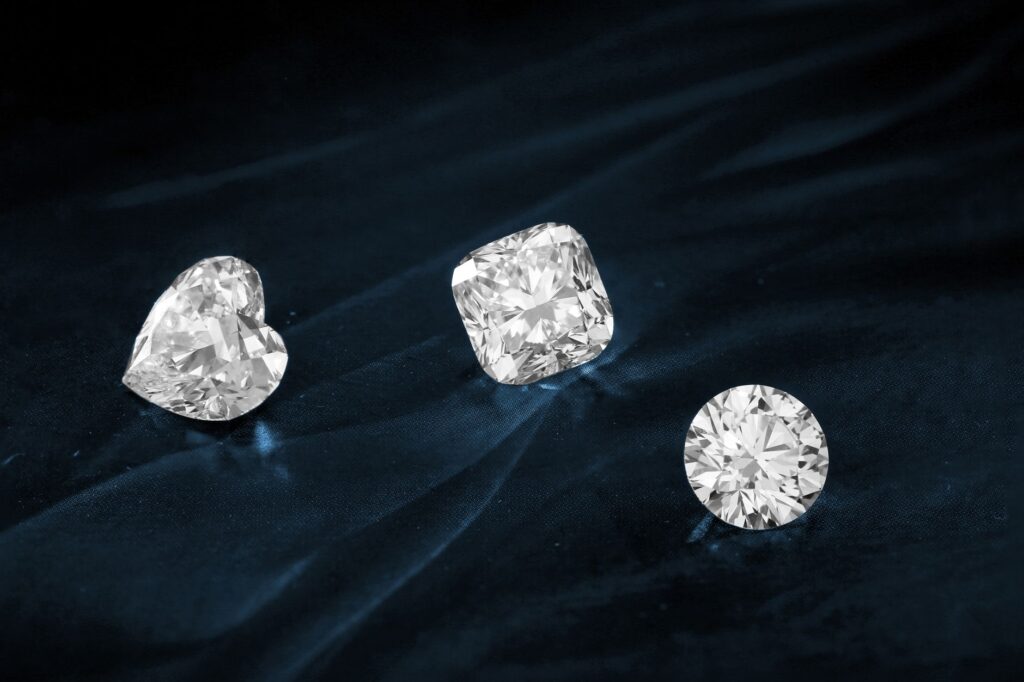
- Cushion for a softer shape with a fuller-looking outline
- Round for classic sparkle and balanced visual weight
For many buyers, the best result comes from choosing a shape that creates a visually larger face-up size and pairing it with a setting that helps the diamond sit securely over the finger. In lab grown diamonds, this can often mean getting more size or better cut quality within the same budget, which makes shape selection even more important.
Why Diamond Shape Matters for Larger Knuckles
Large knuckles create a practical and visual fitting challenge. A ring has to slide over the knuckle comfortably, but once it is on the finger, the diamond should still look proportionate and centered. If the center stone is too small or too compact, the ring can seem visually lost on the hand.
Diamond shape affects perception in several ways. Some shapes stretch the appearance of the finger. Others create width and presence across the top of the hand. Some shapes emphasize sparkle, while others emphasize outline and elegance. Understanding those differences helps buyers choose a ring that looks intentional rather than simply oversized.
It also helps to separate two issues that are often confused. One is the ring size, which must accommodate the knuckle. The other is the visual balance of the ring, which depends on the shape, proportion, and setting. A larger knuckle may require a slightly different approach to both.
How Large Knuckles Affect Ring Fit and Appearance
Knuckles are often wider than the base of the finger. That means a ring must be sized to pass over the knuckle, then still feel secure once it reaches the lower part of the finger. Because of this, some people experience spinning, sliding, or a ring that feels loose after it clears the knuckle.
This matters when choosing a diamond shape because the top of the ring can visually counterbalance the hand. A slim or very small center stone may appear understated, especially if the band is narrow. A broader or elongated shape often creates better proportions.
There is no single shape that works for everyone. A buyer with broad fingers and large knuckles may want a shape that adds finger length. Another buyer may prefer a shape that adds width and presence for a more balanced top-down view. The right answer depends on the overall look you want.
Key Diamond Shape Characteristics to Consider
When comparing the best diamond shapes for large knuckles, these are the most important characteristics to understand.
Face-up size
Face-up size refers to how large the diamond appears when viewed from above. Two diamonds with the same carat weight can look very different depending on shape and proportions. For example, an oval or marquise may appear larger than a round diamond of the same weight because the shape spreads the weight over a wider or longer surface area.
Length-to-width ratio
This describes how long a diamond is compared with how wide it is. Elongated shapes, such as oval, pear, marquise, and some emerald cuts, can make fingers look longer and slimmer. Wider ratios may feel more balanced on broader hands, especially if the buyer wants less length emphasis.
Brilliance, fire, and scintillation
Brilliance is the white light a diamond reflects. Fire is the colored flash of light. Scintillation is the pattern of sparkle you see when the diamond moves. Brilliant-style cuts, such as round, oval, radiant, and cushion, tend to show more sparkle than step cuts like emerald cuts.
Durability
Some shapes have pointed corners or delicate tips that need extra protection. Marquise and pear cuts can be more vulnerable to chipping if the setting does not protect the points. For daily wear, especially in engagement rings, this should be part of the decision.
Clarity and color visibility
Some shapes hide small inclusions better than others. Brilliant cuts with lots of sparkle often disguise minor inclusions well. Step cuts, such as emerald cuts, have larger open facets and a hall-of-mirrors effect, which can make inclusions and color more noticeable. This is important when selecting a diamond, especially if you are comparing diamond clarity grades and diamond color grades.
Comparison Table: Best Diamond Shapes for Large Knuckles
| Shape | Visual Effect | Sparkle Style | Face-up Presence | Durability Notes | Best For |
|---|---|---|---|---|---|
| Round | Balanced, classic, compact | Highest brilliance | Good, but not elongated | Very durable | Buyers who want timeless sparkle |
| Oval | Lengthens the finger | Bright, lively brilliance | Excellent | Good, with care for the ends | Those wanting a larger look |
| Pear | Slenderizing and directional | Bright, with some variation | Excellent | Point needs protection | Buyers who like a distinctive shape |
| Marquise | Strong lengthening effect | Good sparkle, dramatic shape | Very high | Pointed ends need care | Those who want maximum visual length |
| Radiant | Bold, modern, substantial | Strong brilliance and fire | Excellent | Generally sturdy | Buyers wanting sparkle and presence |
| Emerald | Elegant, structured, rectangular | Subtle, mirrored flashes | Strong, especially in larger sizes | Good, with protected corners | Those who prefer understated refinement |
| Cushion | Soft, fuller outline | Warm, lively sparkle | Strong | Good overall | Buyers wanting softness and volume |
Best Diamond Shapes for Large Knuckles: Detailed Breakdown
Oval diamonds
Oval diamonds are one of the most practical choices for larger knuckles because they create length without looking overly angular. Their elongated outline draws the eye up and down the finger, which can make the hand appear slimmer and more balanced. They also tend to show strong face-up size for their carat weight.
Another reason buyers like ovals is that they combine a classic look with a slightly modern feel. In lab grown diamonds, oval shapes can be especially appealing because shoppers often aim for a larger visual footprint without increasing the budget dramatically.
One thing to watch for is the bow tie effect, which is a dark area across the center of some elongated diamonds caused by light behavior. A small amount can be normal, but an overly visible bow tie can reduce the stone’s brightness. Viewing the diamond in person or through detailed videos is helpful.
Pear-shaped diamonds
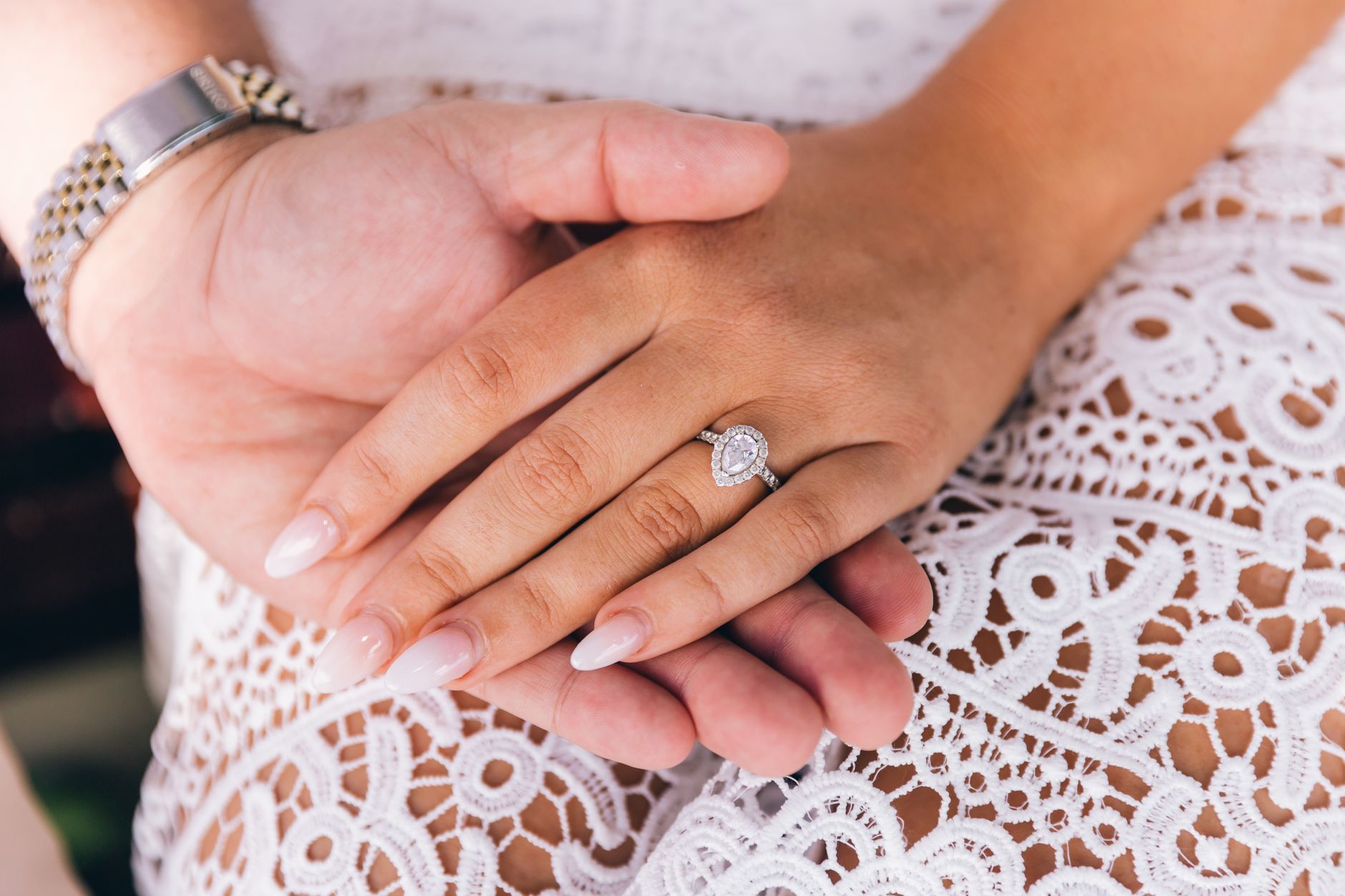
Pear-shaped diamonds taper to a point, which naturally guides the eye and creates a lengthening effect. That makes them attractive for buyers who want the stone to appear elongated over a wider finger or knuckle area. They can look especially elegant in solitaire or halo settings.
Pear diamonds offer a mix of brilliance and individuality. They can also appear larger than round diamonds of the same weight because the shape spreads out across the finger. The pointed end, however, should be protected with a secure setting because that tip is more vulnerable to chipping than a rounded edge.
For buyers who want a graceful, slightly distinctive shape, pear can be a strong option. It is especially useful when the goal is to make the top of the ring feel more balanced on a larger hand.
Marquise diamonds
Marquise diamonds have a long, narrow shape with pointed ends. They are among the best shapes for creating the illusion of finger length, which is why they can be flattering on hands with larger knuckles. They also offer impressive face-up size, often looking larger than their carat weight suggests.
This shape has a bold, vintage-inspired appearance. Because of the elongated outline, marquise diamonds make a strong visual statement without necessarily requiring a very high carat weight. That can make them a practical choice for buyers comparing natural and lab grown diamonds.
The trade-off is durability. Both points need protection, and the shape can be more prone to catching or showing wear if the setting is not well designed. Buyers should pay close attention to prong placement and setting security.
Radiant diamonds
Radiant cuts combine a rectangular or square outline with brilliant-style faceting. The result is a diamond that often looks substantial and lively. For larger knuckles, radiants can work well because they offer good coverage and a modern feel without looking overly narrow.
Radiant diamonds are also popular among buyers who want sparkle with a more geometric shape. They usually hide small inclusions well, and they tend to perform well under everyday lighting. Their corners are typically cut more safely than a true square princess cut, which can help with durability.
If you want a shape that feels bold and visually full, radiant is often worth considering. It is a particularly practical option in the lab grown market, where larger sizes and better clarity grades are often more accessible.
Emerald diamonds
Emerald cuts are elegant, rectangular step cuts with long lines and a clean outline. They do not sparkle in the same way as brilliant cuts, but they create a distinct visual presence. For larger knuckles, that presence can be useful because the shape gives the hand a refined, intentional look.
Emerald cuts show broad flashes of light rather than many tiny sparkles. They can make fingers look longer and work especially well for buyers who prefer a sophisticated, understated style. Because the facets are open and the design is less forgiving, clarity matters more in this shape than in many brilliant cuts.
The result is beautiful when the diamond is well chosen, but it is less ideal for buyers who want maximum sparkle or who are trying to minimize visible inclusions. If you are evaluating clarity grades, emerald cuts usually deserve extra attention.
Cushion diamonds
Cushion cuts have rounded corners and a soft square or rectangular outline. They often look fuller than some other shapes, which can help balance larger knuckles without creating an overly long appearance. Their softened outline also gives them a gentle, classic appeal.
Cushions can vary a lot in style. Some have a chunky, vintage-like sparkle pattern, while others are more brilliant and lively. That flexibility makes them attractive to buyers with different preferences, but it also means two cushion diamonds can look very different even at the same carat weight.
For buyers who want a ring that feels substantial but not sharp or overly angular, cushion is a strong option. It tends to work well in many engagement ring styles and can look good on both wider and narrower bands.
Round diamonds
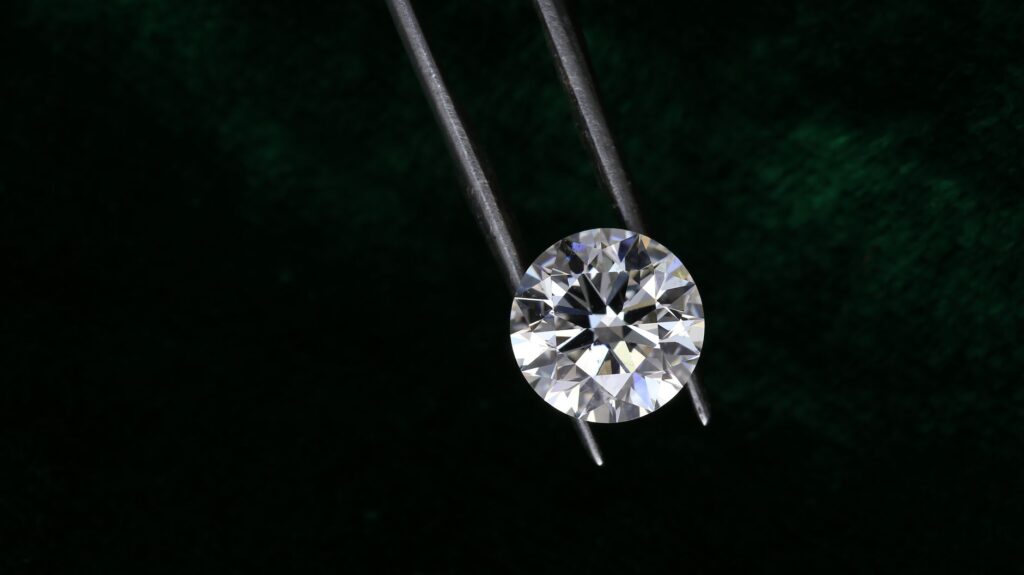
Round diamonds are the most popular shape for a reason. They offer the strongest brilliance, excellent fire, and classic symmetry. For large knuckles, a round diamond can still work very well if the goal is balanced sparkle rather than a strong lengthening effect.
One advantage of round diamonds is that they are generally less affected by the bow tie issue and are forgiving in many settings. They also tend to hide small imperfections well because the sparkle pattern is so active. If a buyer wants timelessness and easy styling, round remains a dependable choice.
The main limitation is that a round diamond does not visually stretch the finger the way an oval or marquise can. It is balanced rather than lengthening, so the ring may need a larger carat weight or a more substantial setting to achieve the desired presence on the hand.
Appearance and Visual Performance by Shape
Understanding how each shape performs visually helps explain why some diamonds look better on larger knuckles than others. The shape itself changes the way the eye moves across the hand.
Sparkle pattern
Brilliant cuts, including round, oval, radiant, and many cushions, create a lively sparkle pattern that can make the stone feel energetic and bright. This is helpful on broader hands because strong sparkle can keep the diamond from looking flat or lost.
Step cuts like emerald have a more elegant, mirror-like appearance. They look refined, but they do not create the same busy sparkle. If the wearer wants a bold visual impression, step cuts may depend more on size and proportion than on intense scintillation.
How shape affects finger appearance
Elongated shapes usually create the strongest slimming effect. This is because the eye moves vertically, making the finger look longer. Pear, marquise, and oval are the most commonly chosen for that reason.
Round, cushion, and emerald shapes can still look balanced and attractive, but they usually provide a more symmetrical or broad visual impression. That may be ideal for someone who wants the ring to feel proportionate rather than lengthened.
How shape affects perceived size
Some diamond shapes naturally spread their weight over a larger top surface area. This is why an oval or marquise can often appear larger than a round diamond of the same carat weight. The viewer sees more outline, which increases perceived size.
This matters especially for lab grown diamonds, since buyers often have the flexibility to choose between a slightly smaller carat weight in a premium shape or a larger stone in a more compact shape. Both strategies can work, but they create different visual outcomes.
Advantages of Choosing the Right Shape for Large Knuckles
Choosing the right shape can improve both comfort and appearance. A thoughtful shape selection can make the ring look better balanced on the hand without needing to overspend on carat weight alone.
- It can make the finger look longer and more refined.
- It can create better proportion between the stone and the hand.
- It can increase the apparent size of the diamond.
- It may help the ring feel more intentional and tailored.
- It can let buyers maximize value, especially with lab grown diamonds.
Another advantage is style flexibility. Large knuckles do not limit buyers to one look. They can choose from classic, modern, vintage, or minimalist styles as long as the stone shape and setting work together.
Disadvantages and Trade-Offs to Keep in Mind
No shape is perfect for every hand. Some of the most flattering shapes for large knuckles also come with practical trade-offs that buyers should understand before making a decision.
- Elongated shapes may show more asymmetry if proportions are not well balanced.
- Pointed shapes like pear and marquise need more protective settings.
- Step cuts may reveal clarity issues more easily.
- Very slim shapes can sometimes look too narrow on wide fingers if the stone is undersized.
- Bigger-looking shapes may require a larger setting footprint, which can affect comfort or band pairing.
It is also worth noting that some shapes can look different depending on ring orientation, setting style, and even the hand itself. What appears flattering in a photo may feel different when worn. That is why it helps to review multiple examples and compare actual measurements rather than relying on carat weight alone.
Who Each Shape Is Best For
Oval
Best for buyers who want finger-lengthening, strong face-up size, and a versatile appearance. Oval is often a safe and attractive option for large knuckles because it combines elegance and practicality.
Pear
Best for those who want a distinctive shape that directs the eye and creates a slimmer look. It suits buyers who are comfortable with a slightly less traditional appearance.
Marquise
Best for buyers who want dramatic length and a vintage or fashion-forward feel. It is one of the strongest options if the goal is to maximize apparent length.
Radiant
Best for buyers who want a brighter, more contemporary look with a substantial outline. It is a solid middle ground between sparkle and presence.
Emerald
Best for buyers who prefer clean lines, understated elegance, and a more architectural style. It works well when the wearer wants a ring that feels refined rather than flashy.
Cushion
Best for buyers who want softness, warmth, and a fuller shape. Cushion is a good choice when the goal is visual balance rather than strong elongation.
Round
Best for buyers who value classic style and maximum sparkle. It works well when the focus is on symmetry and timeless appeal rather than a strong lengthening effect.
How These Shapes Compare in Real Buying Situations
It is often easier to understand shape choice through practical examples.
If you want the finger to look longer
Oval, pear, and marquise are usually the strongest choices. Their elongated outlines guide the eye vertically, which can visually narrow the hand. Among these, oval is often the most versatile, while marquise creates the most dramatic length effect.
If you want the diamond to look larger without a huge budget increase
Oval, pear, marquise, and radiant often deliver good face-up size for the carat weight. In the lab grown market especially, this can make it easier to select a stone that looks substantial without moving into a much higher price bracket.
If you want sparkle first
Round, oval, radiant, and brilliant-style cushion cuts are strong candidates. These cuts tend to show more brightness and scintillation, which can help a ring stand out on a broader hand.
If you want a clean, sophisticated look
Emerald cut is often the best match. It is not the most sparkly shape, but it delivers elegance and strong visual lines. For buyers who prefer a quieter look, that can be a meaningful advantage.
Important Buying Considerations for Large Knuckles
Shape is only one part of the decision. The setting, carat weight, band width, and proportions matter just as much, especially when fitting over a larger knuckle.
Choose a setting that fits securely
If a ring must pass over a wide knuckle, the setting should not be too top-heavy or unstable. Low-profile settings may feel more comfortable, while taller settings can offer more presence. The best option depends on wear habits and lifestyle.
Protective prong placement matters for shapes with points, such as pear and marquise. A good setting should support the stone without making it look bulky.
Pay attention to proportions, not just carat weight
Two diamonds with the same carat weight can look very different. An elongated shape may appear larger than a round diamond of equal weight. A shallow or wide stone may also spread out differently on the finger. This is why face-up measurements matter as much as carat.
Consider band width
A very thin band can make a larger hand look even broader if the center stone is also small. A slightly wider band may create better balance. On the other hand, a very wide band can sometimes compete with the diamond, so proportion is important.
Think about daily wear
If the ring will be worn constantly, durability should matter as much as appearance. Rounded and well-protected shapes may be easier to live with than pointed shapes. For buyers with active routines, practical durability can outweigh minor differences in style.
Review lab grown diamond quality carefully
Lab grown diamonds give buyers more flexibility, but quality still matters. Shape should be considered alongside cut, color, clarity, and certification. For many buyers, reading a diamond guide on cut grades or diamond certifications helps prevent surprises.
Color and Clarity Tips by Shape
Some shapes are more forgiving than others when it comes to visible imperfections.
Shapes that hide inclusions well
Round, oval, radiant, and many cushion cuts often conceal small inclusions more effectively because their faceting creates more sparkle. That can make them practical choices if a buyer wants to prioritize size or budget efficiency.
Shapes that show inclusions more easily
Emerald cuts are the main example. Their open facets and cleaner lines mean that clarity becomes more important. A higher clarity grade can be worth considering if you want the stone to look crisp and transparent.
Color visibility by shape
Some shapes can show warmth more easily, especially in larger stones. Step cuts like emerald may reveal color more readily than brilliant cuts. Buyers looking for a bright white appearance may want to compare diamond color grades carefully rather than assuming all shapes will look the same.
Common Mistakes Buyers Make When Choosing a Shape for Large Knuckles
One common mistake is choosing a shape solely because it is popular. A popular shape may not be the most flattering shape for a specific hand. Fit and visual balance are more important than trend.
Another mistake is focusing only on carat weight. A 1.50-carat diamond with an elongated shape may appear more substantial than a 1.70-carat round diamond, depending on proportions. Carat alone does not tell the whole story.
Buyers also sometimes ignore durability. A beautiful pear or marquise diamond can become frustrating if the setting does not protect the points. Daily wear should always be part of the decision.
A final mistake is not checking the ring on the actual hand shape. Photos can be misleading. If possible, compare several shapes on similar finger sizes or use hand visualization tools before finalizing the purchase.
How Lab Grown Diamonds Fit Into the Decision
Lab grown diamonds can be especially relevant when shopping for large knuckles because they often allow buyers to prioritize face-up size and shape without stretching the budget as far as some natural diamonds would. That does not mean bigger is always better, but it does give shoppers more flexibility.
For example, a buyer may be able to choose an oval, radiant, or pear in a size that feels proportional to the hand while still meeting quality expectations. This can be especially useful when the ring needs to look balanced over a wider knuckle area.
As with any diamond, certification matters. A reputable grading report helps confirm the stone’s characteristics and supports informed comparison. Buyers should not assume that all lab grown diamonds are identical just because they are created through the same general process.
Practical Examples of Shape Selection
Example 1: A buyer with broad fingers wants a ring that looks elegant and slightly slimming. An oval diamond in a simple solitaire setting may create a strong balance between sparkle and length.
Example 2: A buyer wants a bolder, more dramatic look and does not mind a fashion-forward style. A marquise diamond could provide the most visual length and a striking outline.
Example 3: A buyer prefers clean sophistication and does not want a very sparkly stone. An emerald cut may look refined and proportional, especially in a slightly larger carat weight.
Example 4: A buyer wants a soft, fuller shape that still has presence. A cushion cut may offer the right mix of volume, comfort, and classic appeal.
FAQs About Best Diamond Shapes for Large Knuckles
What diamond shape makes large knuckles look smaller?
Elongated shapes such as oval, pear, and marquise often create the strongest slimming effect. They draw the eye vertically and can make the finger appear longer.
Is a round diamond a bad choice for large knuckles?
No. Round diamonds are classic and brilliant, and they can look very balanced on broader hands. They just do not create as much finger-lengthening as elongated shapes.
Which shape looks biggest on the hand?
Marquise, oval, pear, and radiant shapes often appear larger than round diamonds of the same carat weight because they spread their surface area more broadly across the finger.
Are pointed diamond shapes safe for everyday wear?
They can be, but they usually need more protective settings. Pear and marquise diamonds should have secure prongs or bezels that help protect the points from impact.
Does a larger knuckle mean I need a bigger carat weight?
Not necessarily. Carat weight is only one factor. Shape, proportions, and setting style can create the impression of size without requiring a much heavier stone.
Are lab grown diamonds a good option for larger shapes?
Yes, especially if you want a larger-looking diamond shape within a specific budget. Many buyers use lab grown diamonds to choose a shape with more face-up presence while still maintaining quality standards.
Should I choose shape before or after setting style?
Shape should usually come first because it strongly affects appearance. Setting style should then be chosen to support the shape, protect vulnerable points, and fit the hand comfortably.
Final Thoughts
The best diamond shapes for large knuckles are the ones that create balance, proportion, and comfort at the same time. For many buyers, oval, pear, marquise, radiant, emerald, and cushion cuts offer the strongest combination of visual presence and flattering appearance. Round diamonds remain a dependable choice for sparkle and timeless style, even if they do not lengthen the finger as much.
The most useful approach is to think beyond carat weight and focus on how the stone will look on the actual hand. Face-up size, length-to-width ratio, durability, and clarity visibility all influence the final result. In the lab grown market, those trade-offs can often be explored more flexibly, which makes careful comparison especially worthwhile.
For buyers with large knuckles, the right diamond shape is not just about style. It is about choosing a stone that feels proportionate, practical, and visually balanced for everyday wear.