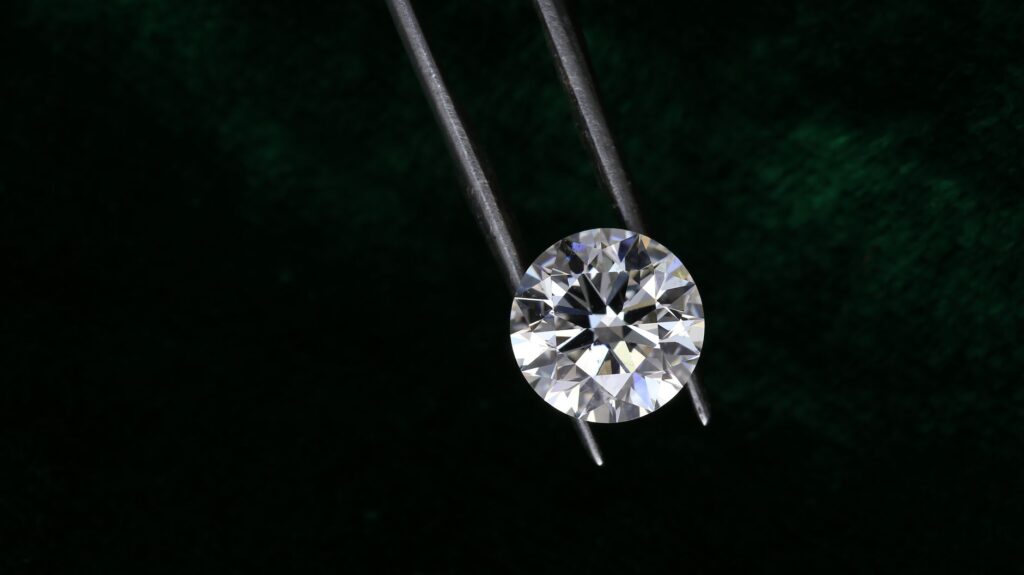
G color is often where diamond color starts to become a practical buying decision rather than a purely gemological one. It is high enough to look white in most real-world settings, but not so high that you are automatically paying for a visual difference most people cannot spot.
For shoppers comparing What Is G Color Diamond against higher grades like D, E, or F, the key question is usually not what the grading report says. It is whether the diamond still looks bright, white, and clean in the setting and lighting you will actually use every day.
Quick Answer: What Is G Color Diamond?
A G color diamond is a near-colorless diamond on the GIA color scale. In practical terms, it has a very slight tint that is usually difficult to see without comparison to higher-color diamonds.
To most buyers, a well-cut G color diamond still appears white, especially once it is set in jewelry. It is often considered one of the best balance points between appearance and price, particularly for engagement rings and everyday wear.
In lab grown diamonds, G color can be an especially smart middle ground. Lab grown stones commonly reach higher color grades more easily than many natural diamonds, so G color is often available at a strong value without forcing you to pay for the top color tiers.
Understanding the G Color Grade
Diamond color grades run from D, which is colorless, down through the alphabet as color becomes more noticeable. G sits near the top of the scale and is part of the near-colorless range, along with H, I, and sometimes J depending on the grading context.
The important thing to understand is that color grading is relative. A diamond does not need to look yellow in the everyday sense to receive a lower grade. Graders compare it under controlled lighting and against master stones, so tiny differences that are hard to notice with the naked eye can still affect the grade.
G is one of the grades where the lab report and the visual experience can seem disconnected. The report shows a definite color category, but the diamond may still look very white to most observers.
Where G Sits on the Diamond Color Scale
On the GIA color scale, the common groupings are:
- D to F: Colorless
- G to J: Near-colorless
- K and below: Noticeable warmth or tint becomes more likely
G is the highest grade in the near-colorless range and the first grade below the official colorless category. That placement matters because it often makes G feel like a strategic compromise for buyers who want a very white diamond without paying the premium of D, E, or F.
What a G Color Diamond Actually Looks Like
A G color diamond usually looks bright and clean, especially when it is well cut. In many cases, it will appear white when viewed face up, meaning from the top view you use most often in a ring.
The slight warmth in a G color diamond is usually subtle rather than obvious. Most people will not describe it as yellow. Instead, they may simply notice that it is a little less icy-white than a D or E when the stones are side by side.
Whether that difference matters depends heavily on the setting, the metal, and the lighting. On its own, a G color diamond often looks plenty white for everyday wear.
Face-Up Appearance Versus Side View
Buyers usually judge diamonds from the top, not from the side. That matters because diamonds often show more body color from the side than from the face-up view.
A G color diamond can look almost identical to a higher-grade diamond from above, especially if the cut is strong. From the side, subtle warmth may be more noticeable, though it is still usually mild at this grade.
This is why a grading report alone does not tell the whole story. A diamond can technically have a visible color grade and still look very white once mounted in a ring.
Can Most People See the Difference?
For most shoppers, the difference between G and higher color grades is subtle and often difficult to detect without direct comparison. In everyday life, a G color diamond typically reads as white rather than tinted.
Professional graders, jewelers, and experienced diamond buyers are trained to notice smaller differences. A casual viewer usually is not. This is especially true when the diamond is set, worn on the hand, and seen in mixed lighting rather than examined under controlled lab conditions.
Side-by-Side Visibility
Comparing a G color diamond next to a D or E can reveal a slight difference. The higher-color stone may look a bit crisper or more colorless.
That said, the difference is often much smaller than buyers expect. Without a direct comparison, many people would not identify a G as being lower color simply by looking at it alone.
Everyday Visibility
In normal daily wear, G color is usually very safe visually. In a ring on the hand, the average observer is unlikely to notice color unless the diamond is viewed carefully or compared against a whiter stone.
If the diamond is well cut, the sparkle and brightness can also help mask slight color. Cut quality often affects how white a diamond appears more than many shoppers realize.
Professional Versus Consumer Perception
A trained diamond professional may be able to distinguish G from higher grades more easily than a first-time buyer. That does not mean the difference is important to the average wearer.
This is one of the most common sources of overpaying. Shoppers sometimes assume that a color grade difference they can barely detect in person is worth a large premium, when in reality the practical visual benefit may be small.
How G Color Looks in Different Metals
Metal choice affects how color is perceived. Some metals reflect more warmth into the diamond, while others emphasize whiteness.
This matters because a diamond that seems very white in one setting may look slightly warmer in another. For G color, that effect is generally manageable, but it is still worth understanding before buying.
G Color in White Gold
White gold tends to complement G color well. The cool appearance of the metal helps the diamond look bright and clean.
In white gold settings, G usually looks very safe and balanced. Many buyers choose this combination because it offers a polished white look without needing to pay for the top color grades.
G Color in Platinum
Platinum is also a strong match for G color diamonds. Because platinum has a naturally white appearance, it does not add much warmth to the stone.
This pairing works well for buyers who want the ring to look bright and refined. The difference between G and higher colors is still usually subtle, but platinum can help the stone present at its best.
G Color in Yellow Gold
Yellow gold can make a G color diamond look even whiter by contrast. The warmth of the metal often minimizes any slight tint in the stone.
For many buyers, G is more than sufficient in yellow gold. In some cases, paying for a higher color grade in yellow gold offers little visible return because the metal itself already shifts the overall look warmer.
G Color in Rose Gold
Rose gold is similar to yellow gold in that it can reduce concern about slight warmth in the diamond. The metal’s tone blends with the stone rather than highlighting tiny color differences.
That makes G a practical choice for rose gold rings. Many buyers focus more on cut and shape than on squeezing out a higher color grade in this setting.
How G Color Looks in Different Lighting
Lighting changes color perception significantly. A diamond that looks very white in one environment may reveal a little warmth in another, even though the stone itself has not changed.
G color is usually stable enough to look attractive in a wide range of lighting situations, but it can appear differently depending on the light source and surrounding materials.
Daylight
Natural daylight is one of the best ways to judge diamond color. In daylight, G color often appears white or very nearly white, especially face up.
If you are sensitive to color, daylight may be where you can see the slight difference between G and higher grades most clearly. Even then, the difference is generally small.
Indoor Lighting
Standard indoor lighting tends to soften color differences. Under many home or office lights, a G color diamond often looks bright and appealing without drawing attention to tint.
Because many people wear their jewelry indoors much of the time, this is one reason G remains popular. It delivers a clean look in the environments where rings are actually seen.
Jewelry Store Lighting
Jewelry store lighting often makes diamonds look especially lively and bright. This lighting can help mask subtle color and emphasize sparkle.
That means a G color diamond may look excellent in store displays, but buyers should remember that store lighting is not the same as everyday lighting. A diamond should be judged across multiple conditions whenever possible.
Warm Lighting Versus Cool Lighting
Warm light can make a diamond’s slight tint more noticeable, while cool light can make it appear whiter. G color usually handles both reasonably well, but it may not look identical in each setting.
If you are highly sensitive to color, it is smart to consider the lighting in the spaces where the ring will be worn most often. That is often more useful than focusing only on the grading letter.
Price Premium Versus Visual Benefit
One reason G color is so popular is that it often sits in a useful value zone. You are paying for a high-looking diamond, but you may not be paying for the very top color grades that offer only a subtle visual improvement.
That said, price differences can vary widely based on shape, carat weight, cut quality, and whether the diamond is natural or lab grown. Color is only one part of the price equation.
Why Higher Colors Cost More
Higher color grades, especially D through F, usually command higher prices because they are rarer and positioned as premium categories. The market often rewards stones that grade closer to colorless, even when the visible difference is small.
That does not automatically mean the upgrade is worthwhile for every buyer. It means the premium is real, but the practical benefit may be modest once you reach the near-colorless range.
Diminishing Returns in Color Upgrades
The visual jump from K to J or J to I can be more noticeable than the jump from G to F or G to E. As you move toward the top of the scale, each improvement often becomes smaller to the eye.
This is why G is often discussed as a value grade. It is close enough to colorless for most people, while avoiding some of the cost of the highest-tier stones.
Is the Upgrade Worth It?
Whether the upgrade is worth it depends on your priorities. If you are highly color-sensitive or want the most colorless look possible, paying more may make sense.
If your goal is a beautiful diamond that looks white in normal wear, G can be a very practical choice. Many buyers would notice a bigger improvement by putting extra budget into cut quality than by moving from G to a higher color grade.
Who Should Consider Upgrading Above G?
There are situations where paying for a higher color grade can be justified. The decision is not wrong, but it should be based on the right reasons.
Buyers Who Are Very Color Sensitive
Some people are naturally more sensitive to small color differences. If you know you can spot tint easily, you may prefer D, E, or F for peace of mind.
This is especially true if you expect to compare stones in person or you simply want the brightest possible look regardless of cost.
Large Diamonds and Certain Shapes
Color can be more noticeable in larger diamonds, particularly as carat weight increases. Some fancy shapes also reveal more body color than round brilliants.
If you are buying a larger stone or a shape that does not hide color as well, upgrading above G may have more practical value. This is not true in every case, but it is worth considering.
Minimalist White-Metal Settings
In platinum or white gold, especially with a very simple setting, a higher color grade can contribute to a slightly crisper look. For some buyers, that subtle refinement matters.
Still, this is a preference decision rather than a necessity. A G color diamond can still look excellent in white metals.
Who Can Save Money with G Color?
G color is often an ideal place to save money without making a noticeable sacrifice in beauty. That is especially true for buyers who care most about overall appearance rather than the exact grading letter.
Buyers Focused on Value
If your goal is to maximize visible beauty per dollar, G is often a strong option. It gives you a diamond that usually looks white while leaving room in the budget for better cut, size, or setting quality.
In many cases, those factors have a bigger impact on the ring’s overall impression than moving up one or two color grades.
Yellow Gold and Rose Gold Buyers
In warmer metals, G color is often more than sufficient. The metal itself already reduces the visibility of subtle warmth, which means paying for the highest color grade can be less important.
Buyers choosing yellow gold or rose gold often get excellent visual results from G without needing to stretch for D, E, or F.
Lab Grown Diamond Shoppers
Lab grown diamonds frequently offer higher color grades at more accessible prices than natural diamonds. That can make the choice between G and a higher grade feel different in the lab grown market.
Even so, the same visual logic still applies. If G already looks white to your eye, paying extra for a higher color may not add much visible value. In lab grown diamonds, buyers sometimes have the opportunity to prioritize cut or size instead of chasing top color grades.
Common Buyer Mistakes with G Color Diamonds
G color is a useful grade, but it is also misunderstood. The most common mistakes come from treating the color letter as more important than how the diamond actually looks.
Overpaying for Invisible Upgrades
Some buyers move from G to a higher color grade expecting a dramatic visual change. In many real-world settings, that improvement is subtle.
If the price jump is significant, it is worth asking whether you are paying for a visible difference or just a better number on the report.
Ignoring the Setting Metal
Metal color strongly influences how white the diamond appears. A buyer may worry about G color in yellow gold when the metal itself largely neutralizes the concern.
Likewise, someone choosing platinum may care more about a crisp look and want to evaluate the full ring as a whole, not just the stone in isolation.
Assuming All Color Differences Are Obvious
Color differences on paper are not always easy to see in person. The leap from one grade to another may sound important, but the visual impact can be modest, especially between G and higher near-colorless or colorless grades.
This is why side-by-side viewing matters more than relying on theory alone.
Buying Based Only on the Grading Report
A diamond report is important, but it does not tell you everything about appearance. Cut, shape, and setting all affect how color is perceived.
A well-cut G color diamond can often look more appealing than a poorly cut stone with a higher color grade. Buyers who focus only on color sometimes miss the bigger picture.
G Color in Lab Grown Diamonds
Lab grown diamonds deserve special attention because color expectations can be different in this category. Many lab grown diamonds are produced in higher color ranges, and top color grades are more accessible than they usually are in natural diamonds.
That can make G color feel like a mid-to-upper choice rather than a compromise. It is still a strong grade, but the market often offers a wider spread of color options at reasonable prices.
Why Lab Grown Diamonds Often Reach Higher Colors
Because lab grown diamonds are created in controlled environments, producers can often achieve more consistent high color outcomes. That does not mean every lab grown diamond is colorless, but it does mean buyers often see many D, E, F, and G options.
As a result, the price gap between G and a higher grade may sometimes be smaller than it is in natural diamonds. Even so, small savings can still matter when the visual difference is limited.
Does Color Behave Differently in Lab Grown Diamonds?
No. Color in a lab grown diamond is evaluated in essentially the same visual way as in a natural diamond. A G color lab grown diamond is still a near-colorless stone with similar appearance expectations.
What changes is the market context. Because higher color is more available, some buyers feel more pressure to upgrade. That is not always necessary if G already looks white to the eye.
Is G a Good Choice in Lab Grown Diamonds?
For many buyers, yes. G color lab grown diamonds can offer a very clean look and strong value, especially when paired with a good cut and a sensible setting.
If you are shopping lab grown, it can be smart to compare G against F or H in person or through reliable images, then decide whether the premium is actually noticeable to you.
How Cut Affects the Appearance of G Color
Color does not exist in isolation. The cut quality of a diamond can make it appear brighter, livelier, and sometimes whiter than a stone with a weaker cut.
Light return, brilliance, and contrast patterns all influence how the eye perceives color. A strong cut can help G color look crisp and attractive.
Why a Good Cut Matters
When a diamond is well cut, light travels through it more efficiently and returns to the eye in a lively way. This brightness can reduce the emphasis on subtle warmth.
In practical terms, a well-cut G color diamond may look better than a higher-color diamond with poor cut quality.
Shape Also Matters
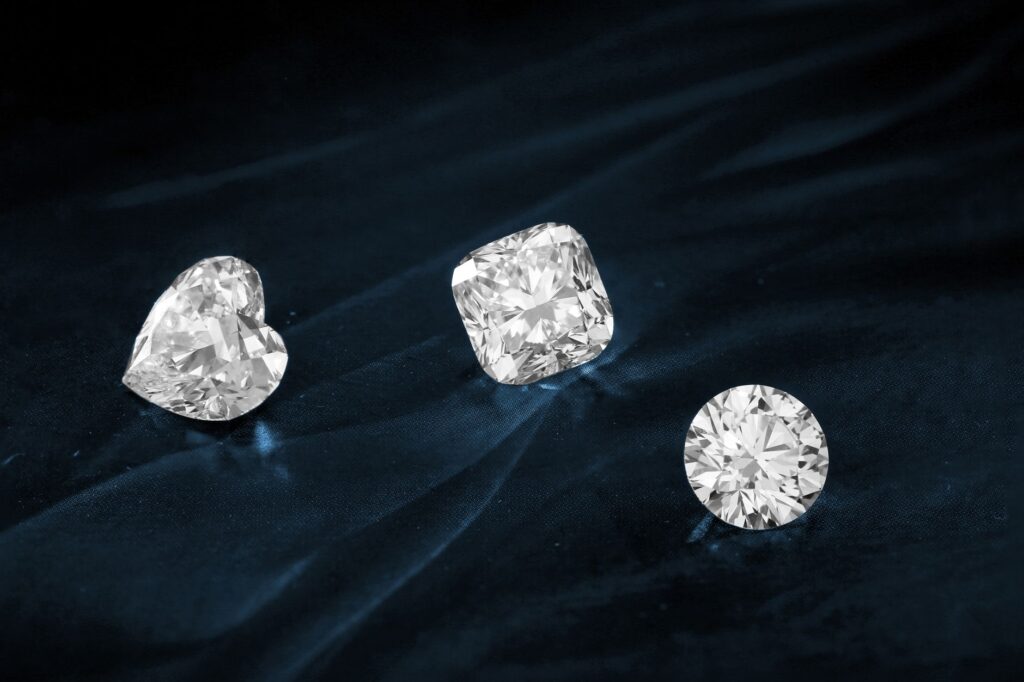
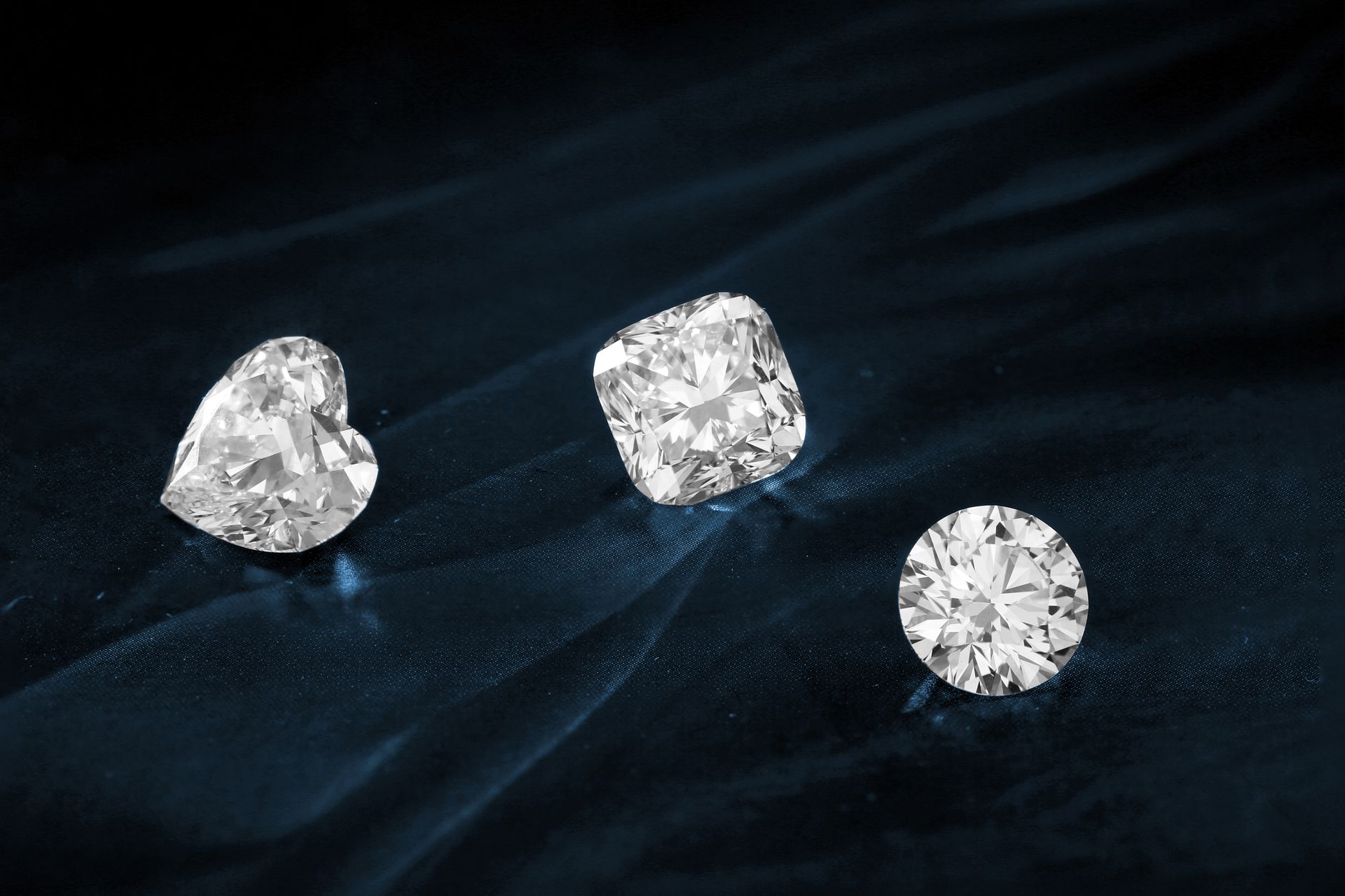
Round brilliant diamonds tend to hide color better than many fancy shapes because of the way they return light. Shapes such as oval, pear, cushion, and emerald can sometimes show more warmth, depending on the specific stone.
If you are buying a shape that tends to reveal color more easily, G may still be a fine choice, but it becomes more important to evaluate the stone in person or through detailed images.
Comparison Table: G Color Versus Nearby Grades
The most useful way to understand G color is to compare it to nearby grades. The differences are often small, but the price can change enough to matter.
| Grade | General Appearance | Visibility of Color | Typical Value | Best For |
|---|---|---|---|---|
| F | Colorless to near-colorless boundary | Very difficult to see | Higher premium than G | Buyers who want a more colorless look without reaching D or E |
| G | Very white in most settings | Subtle, usually hard to detect face up | Often a strong balance of price and appearance | Buyers seeking value and a clean look |
| H | Still white, slightly warmer than G | May be a little more noticeable in certain settings | Often better value than G | Value-focused buyers, especially in yellow gold |
| I | Still attractive, more warmth possible | More likely to show a tint in some lighting | Lower price, more visible trade-off | Buyers prioritizing size or budget over higher color |
How to Decide if G Color Is Right for You
The right answer depends less on theory and more on how you shop. If you care most about a diamond that looks white in real life, G is often a sensible target.
If you are highly color-sensitive or want the cleanest possible grading result, a higher grade may be worth the extra cost. But if your goal is strong visual appeal and practical value, G is often close to the sweet spot.
G Color Is Often a Good Fit If You:
- Want a diamond that looks white in most settings
- Prefer better value than D, E, or F
- Are buying a round brilliant or another shape that hides color well
- Plan to set the diamond in yellow gold, rose gold, white gold, or platinum
- Would rather spend more on cut, size, or setting quality
You May Want a Higher Color If You:
- Are extremely sensitive to tint
- Want the most colorless appearance possible
- Are comparing stones side by side and can see the difference clearly
- Are buying a larger diamond or a shape that shows more body color
What Experienced Buyers Often Prioritize
Experienced buyers usually treat G color as part of a bigger trade-off. They often know that a small color upgrade can be less important than the overall look of the diamond.
That usually means considering cut first, then color, then clarity, while also factoring in the setting and budget. G frequently lands in a strong position because it supports a bright look without pushing the price into premium territory.
For many engagement rings, that is exactly the kind of balance that makes sense. The ring looks white and polished, but the buyer avoids paying for a level of color improvement that may be hard to notice in daily wear.
Frequently Asked Questions
Is a G color diamond considered white?
Yes, in most real-world settings a G color diamond looks white to the eye. It is technically near-colorless, but the slight tint is usually difficult to notice once the diamond is set.
Is G color good for an engagement ring?
Yes, G color is a popular and practical engagement ring choice. It offers a clean appearance and strong value, especially when paired with a good cut.
Can you see the difference between G and D color?
Sometimes, but usually only when the stones are compared side by side. In normal wear, most people will not notice the difference unless they are trained to look for it.
Does G color look different in yellow gold?
Yellow gold often makes G color look even whiter by contrast. Because the metal is warm, it tends to minimize any subtle tint in the diamond.
Does G color look different in white gold or platinum?
Yes, white metals can make color differences a little easier to notice than yellow gold, but G still usually looks very white. Platinum and white gold are both good matches for G color diamonds.
Is G color better than H color?
G is slightly higher than H and usually appears a bit whiter. Whether that difference is worth paying for depends on your budget and how sensitive you are to color.
Is G color a good choice for lab grown diamonds?
Yes. In lab grown diamonds, G color can be an excellent value point because it still looks white while often costing less than the highest color grades.
Should I choose color or cut first?
For most buyers, cut has a bigger effect on beauty than a small move from G to a higher color grade. A well-cut G diamond often looks more attractive than a poorly cut diamond with a higher color grade.
Conclusion
G color diamonds sit in one of the most practical places on the color scale. They are near-colorless, usually appear white in everyday wear, and often provide a better value than the highest color grades.
The difference between G and D, E, or F is often subtle in real life, especially once the diamond is set and viewed from a normal distance. In many cases, the extra money spent on a higher color grade brings only a small visual gain.
For buyers who want a bright, white-looking diamond without chasing the top grade for its own sake, G is often a sensible choice. The best decision usually comes from balancing color with cut, shape, metal, and overall budget rather than focusing on the grading letter alone.