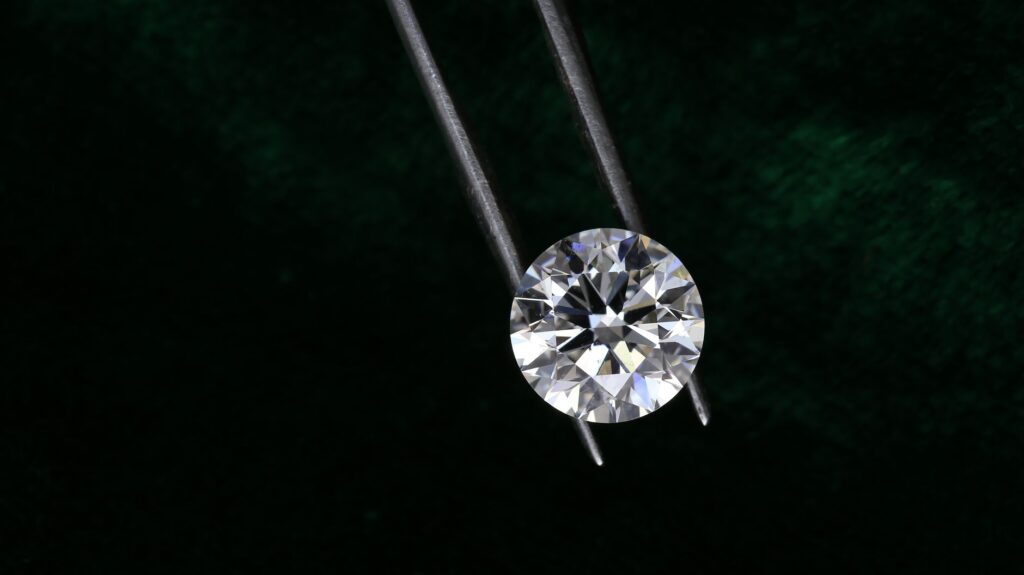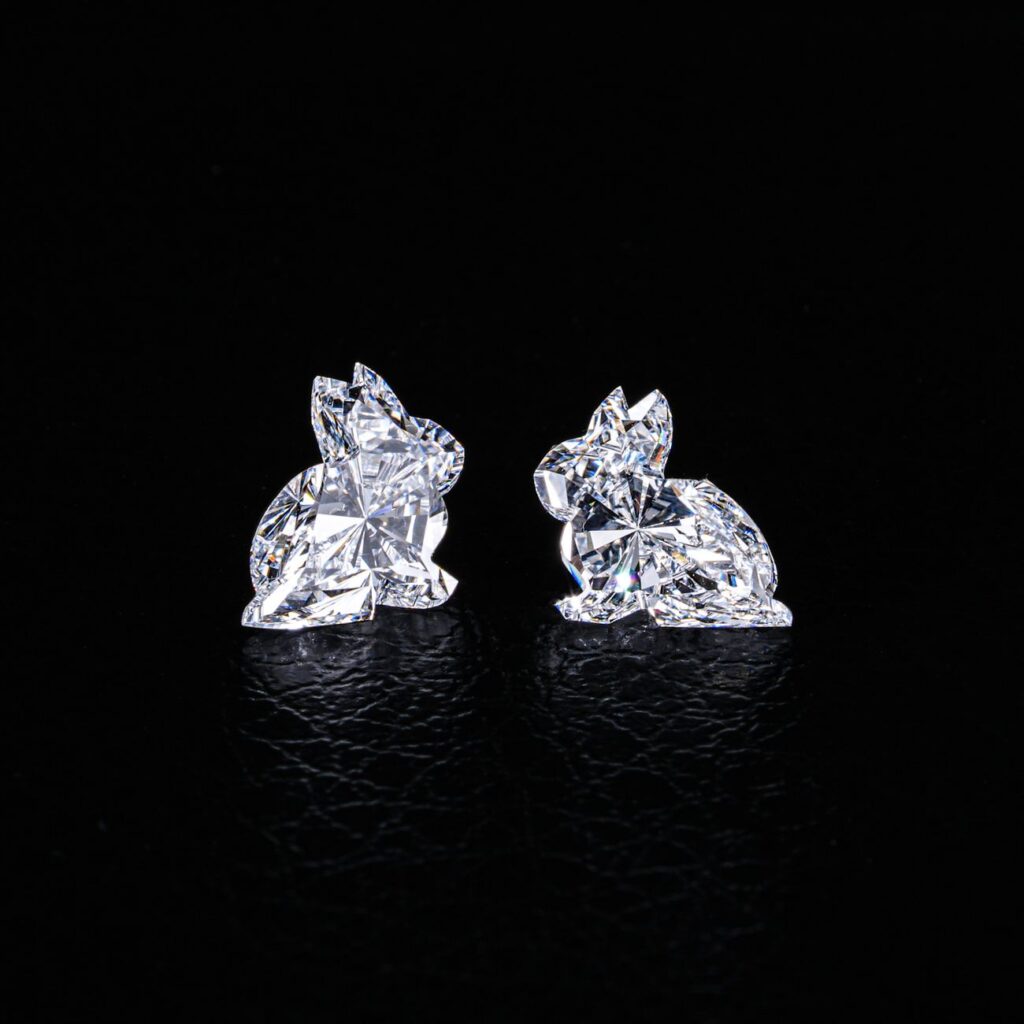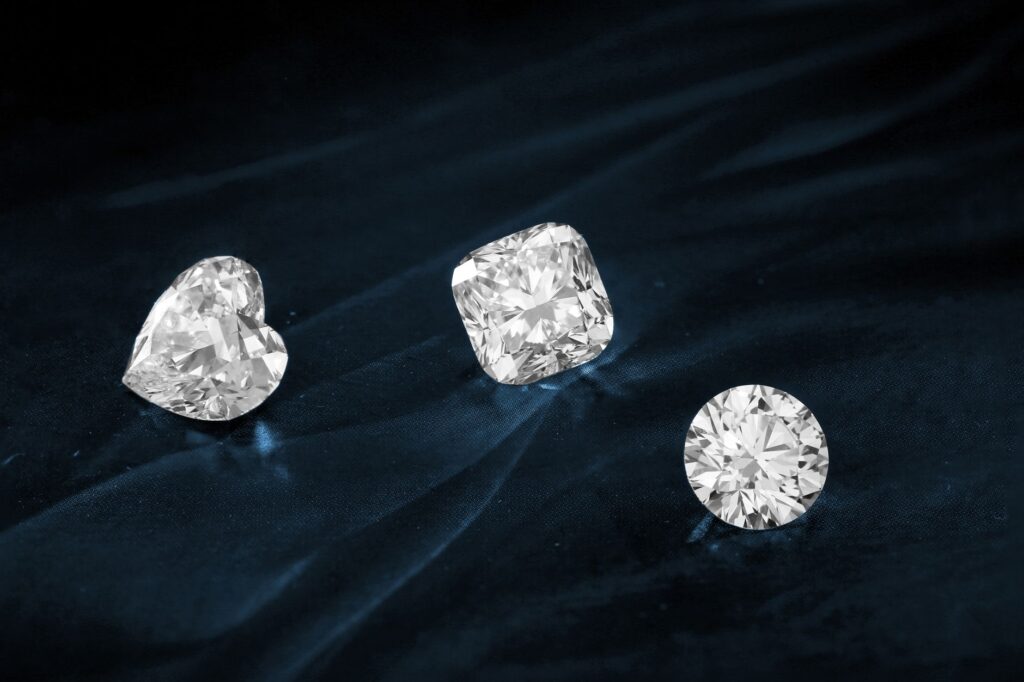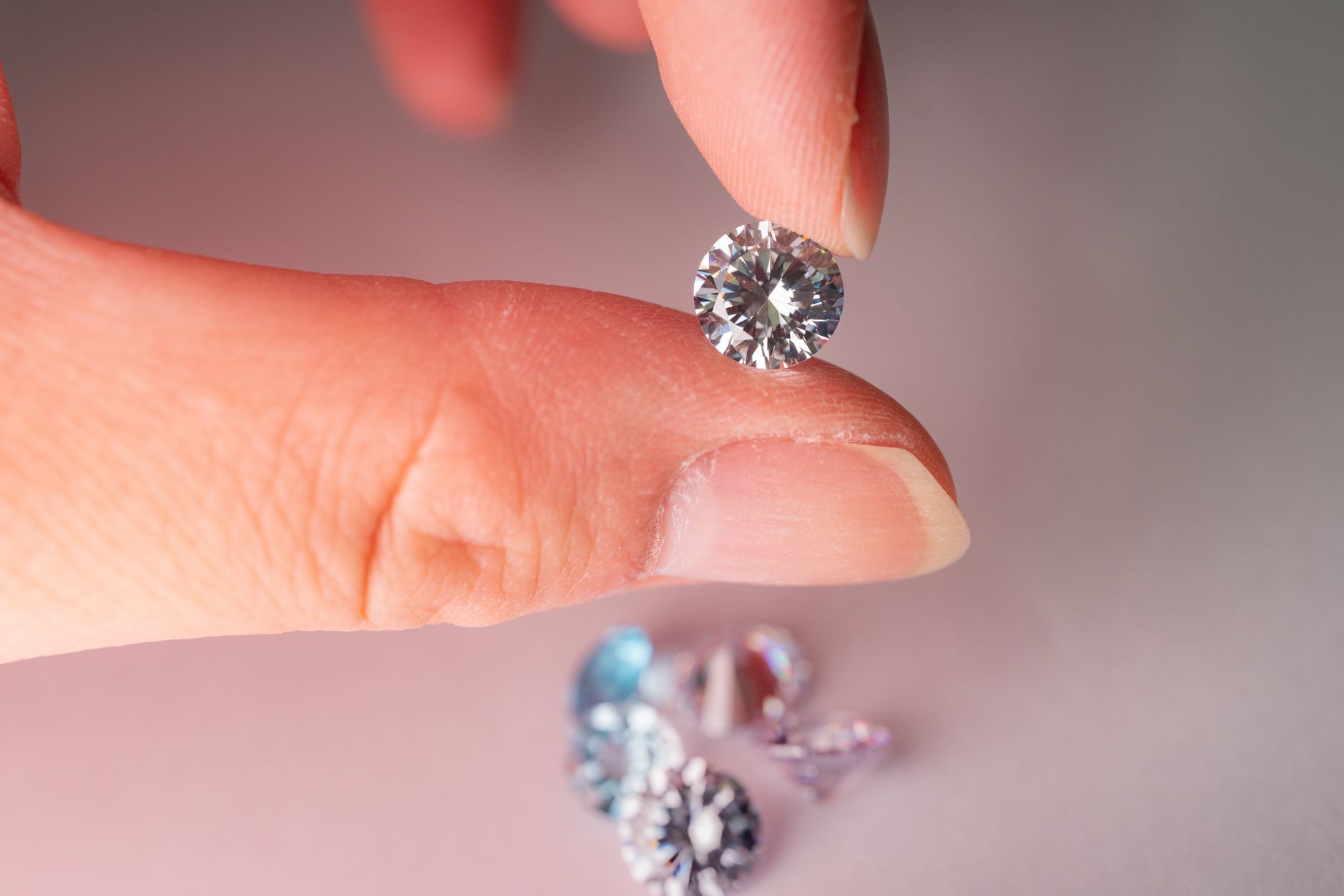
When people compare diamonds, they often focus on carat, color, and clarity first. Those factors matter, but Brilliance vs Sparkle in Diamonds is one of the most useful comparisons for understanding what a diamond actually looks like in real life. A stone can have impressive size and still appear flat if it is not cut well enough to return light effectively.
For buyers, this topic is important because the words “brilliance” and “sparkle” are often used interchangeably, even though they describe different visual effects. Understanding the difference can help you judge whether a diamond looks bright, lively, and well balanced, or simply large on paper. It also helps explain why two diamonds with similar grading reports can still look noticeably different in person.
This matters even more with lab grown diamonds, where buyers often compare many stones online at similar price points. Since lab grown diamonds can offer more carat weight for the budget, cut quality becomes one of the biggest factors separating a diamond that looks impressive from one that looks ordinary. In many cases, the difference is not subtle.
Quick Answer
Brilliance is the white light a diamond reflects back to the eye. It is what gives a diamond its bright, glowing appearance. Sparkle is the pattern of bright flashes and dark areas that appear when the diamond moves. Sparkle is often discussed as a mix of scintillation, fire, and contrast, depending on the viewing angle and lighting.
In simple terms, brilliance is about overall brightness, while sparkle is about lively flashes and movement. A well-cut diamond usually has both. A poorly cut diamond can appear bright in some areas but still lack the crisp, lively sparkle most buyers expect.
For most buyers, the best diamond is not the one with the biggest numbers on a grading report. It is the one that balances brilliance, sparkle, proportions, and face-up beauty in a way that looks attractive in everyday lighting.
Understanding Brilliance and Sparkle
What brilliance means
Brilliance is the amount of white light a diamond sends back to the eye. When a diamond is cut well, light enters the stone, bounces around internally, and returns through the top instead of leaking out the sides or bottom. That return of white light makes the diamond look bright and lively.
Buyers often notice brilliance as the overall glow of the diamond. It is easiest to see in daylight, office lighting, and other bright environments. A diamond with strong brilliance tends to look clean and bright even when it is not moving.
What sparkle means
Sparkle is the flashing effect you see when a diamond moves, the lighting changes, or the viewing angle shifts. It is not a single gemological term, but in everyday buying language it usually refers to the combined visual effect of brilliance, fire, and scintillation.
Scintillation describes the pattern of light and dark areas that appear as the diamond moves. Fire refers to flashes of color, usually seen when white light breaks into spectral colors. Both contribute to what people call sparkle, but they are not identical.
Why the distinction matters
A diamond can be bright without being especially sparkly. For example, a stone with large, broad areas of white light return may look luminous, but if the pattern is too open or too shallow, it may not produce the crisp flashes many buyers want. On the other hand, a diamond with strong contrast patterns may look lively and full of movement even if it is not the brightest stone in the case.
This is why experienced shoppers and jewelers look at diamonds from multiple angles. The best stones usually combine strong brilliance with balanced sparkle, rather than emphasizing only one effect.
How Diamond Cut Creates Brilliance and Sparkle
Cut is about more than shape
Many first-time buyers assume cut means the outline of a diamond, such as round, oval, cushion, or pear. In gemology, cut is broader than shape. It refers to how well the stone’s proportions, angles, facet arrangement, symmetry, and polish work together to control light.
Two round diamonds can look very different if one is cut for efficient light return and the other is not. The same idea applies to fancy shapes, although the grading and performance standards can be less uniform outside round brilliants.
How light behaves in a diamond
When light enters a diamond, several things can happen. Ideally, the light enters through the top, reflects internally, and exits back to the viewer. That creates brightness and sparkle. If the angles are off, too much light may escape through the sides or bottom, reducing the stone’s lively appearance.
This is why cut quality has such a direct effect on appearance. Color and clarity are important, but cut influences how those characteristics are perceived. A well-cut diamond can appear more attractive than a larger stone with weaker light performance.
The main visual components buyers notice
- Brilliance, or overall brightness
- Fire, or colored flashes of light
- Scintillation, or the pattern of flashing light and dark areas
- Light return, or how much light comes back to the eye
- Contrast, which helps sparkle look crisp rather than flat
These effects work together. A diamond does not need to maximize one at the expense of the others. In practice, the best-looking stones usually show a balanced mix.
What Buyers Actually See in Real Life
In daylight
Daylight is one of the most revealing environments for brilliance. A diamond with excellent light return tends to look bright and lively without needing strong artificial lighting. This is especially important for engagement rings, which are worn in many different settings throughout the day.
In natural light, sparkle often becomes more subtle than in a jewelry case, but the quality of the brightness is easier to judge. A good diamond should still look active, not dull or glassy.
Under indoor lighting
Most people first notice sparkle under spotlights, pendant lights, or store lighting. These environments can make almost any diamond look bright for a moment, which is why a quick glance in a jewelry case can be misleading. The more important question is whether the diamond still looks balanced and attractive in normal room lighting.
A well-cut diamond typically maintains a lively appearance across different indoor settings. Poorly cut stones may look flashy directly under a spotlight, then lose life as soon as the lighting changes.
When the diamond moves
Movement is where sparkle becomes easiest to judge. As the diamond tilts, the viewer should see a rhythm of bright flashes and darker contrast areas. This pattern gives a diamond visual life. If the pattern is too mushy, too windowed, or too evenly bright in a flat way, the stone may appear less dynamic.
This is one reason buyers often prefer to view a diamond from a few angles rather than only face-up. The best stones usually remain interesting from multiple directions.
Brilliance vs Sparkle: Side-by-Side Comparison
| Aspect | Brilliance | Sparkle |
|---|---|---|
| What it is | White light returning from the diamond | Flashes of light, color, and contrast as the diamond moves |
| Main visual effect | Brightness and glow | Liveliness and flashing pattern |
| Best seen in | Daylight and steady indoor lighting | Movement and changing light |
| Related concepts | Light return | Scintillation and fire |
| Common buyer impression | “This diamond looks bright” | “This diamond really sparkles” |
| What affects it most | Proportions, depth, table size, angle quality | Facet arrangement, contrast, proportions, symmetry |
| Buyer takeaway | Important for overall brightness | Important for visual excitement and movement |
Why Brilliance and Sparkle Matter to Buyers
They determine how attractive a diamond looks day to day
Most buyers do not examine a diamond with gemological tools. They see it on the hand, in the office, in a car, outdoors, and under restaurant lighting. The real-world appearance of a diamond depends heavily on how well it handles light in those ordinary moments.
A diamond with strong brilliance and sparkle tends to look more appealing in normal use. A stone with weaker optical performance can still be beautiful, but it may require the right lighting to look its best.
They affect perceived size and presence
Cut quality can influence how large a diamond appears face-up. A well-cut stone often looks more open and bright, which can make it seem more lively than a larger diamond with a duller presentation. This is especially noticeable when comparing diamonds of similar carat weight.
Buyers sometimes assume bigger always looks better. In reality, a 1.5-carat diamond with excellent brilliance may outshine a 2-carat diamond with poor cut quality in everyday viewing. The larger stone may still be physically bigger, but the smaller well-cut stone can look more balanced and attractive.
They can influence value for money
If two diamonds are similar in size, color, and clarity, the one with better light performance often delivers more visible beauty. That does not mean buyers should always choose the highest cut grade available, but it does mean cut deserves serious attention in any buying decision.
When a budget is limited, spending more on cut often makes a bigger visual difference than spending the same money on a small jump in clarity. This is especially true for eye-clean diamonds where inclusions are not obvious to the naked eye.
Cut Grades and What They Really Mean
Cut grade in round brilliant diamonds
For round brilliant diamonds, grading reports often assign a cut grade such as Excellent, Very Good, Good, Fair, or Poor. This grade is meant to summarize how the diamond’s proportions and finish affect light performance and appearance. In general, higher cut grades indicate better light return and more attractive optical behavior.
That said, not all Excellent diamonds look identical. A grading range still allows some variation, which is why buyers should not rely on the grade alone. Two Excellent stones can differ in table size, depth, crown angle, pavilion angle, and symmetry, all of which affect how the diamond looks.
Why Very Good can still be appealing
A Very Good diamond can look excellent to the naked eye, especially if the proportions are close to ideal and the stone is well polished. For some buyers, the price difference between Very Good and Excellent is not justified by the visual improvement. The right choice depends on how closely you will inspect the stone and how sensitive you are to subtle differences in light performance.
However, once cut quality drops further, the trade-offs become much easier to see. Some Good or Fair diamonds can look visibly less lively, especially in bright conditions where contrast and brilliance should be most apparent.
Fancy shapes are different
Oval, cushion, radiant, pear, emerald, marquise, and other fancy shapes may have different cut standards. Some have no universal cut grade from major labs, so buyers need to judge visual performance directly. This is where photos, videos, and proportion knowledge become especially useful.
For fancy shapes, the main question is not simply whether the stone has a high grade. It is whether the face-up pattern looks balanced, bright, and attractive without obvious dark areas or light leakage.
Brilliance, Fire, and Scintillation Explained Simply
Brilliance
Brilliance is white light. Think of it as the diamond’s overall brightness. It is what gives a diamond its clean, luminous look when it is sitting still.
Fire
Fire is colored flash. When white light passes through a diamond and splits into spectral colors, small flashes of red, blue, green, and other colors can appear. Some buyers love a strong display of fire, while others prefer a more neutral bright look.
Fire is often easiest to notice in larger facets, in spotlighting, or when the diamond moves near a light source. It contributes to beauty, but it is not the only measure of quality.
Scintillation
Scintillation is the on-and-off flashing pattern created as the diamond moves. It includes both the sparkle you see and the contrast between bright and dark areas. Good scintillation usually makes a diamond look lively rather than washed out.
Many buyers use the word sparkle to refer to scintillation. That is understandable, since scintillation is one of the main reasons diamonds feel dynamic and alive.
How they work together
A diamond with strong brilliance but weak scintillation may look bright yet somewhat static. A diamond with strong scintillation but weak brilliance may flash nicely but not appear sufficiently luminous. The most appealing stones usually balance all three effects in a way that looks natural and proportional.
What Is Light Performance?
Light performance is a practical way of describing how effectively a diamond handles light. It includes how much light enters the stone, how much returns to the viewer, and how the pattern of brightness and contrast looks to the eye. For buyers, it is one of the most useful ways to think about cut quality.
Instead of asking only whether a diamond has a high grade, light performance asks whether the diamond actually looks good. This is especially helpful for lab grown diamonds, where buyers may compare many similar stones online and need a better way to separate strong performers from average ones.
Some jewelers use tools, imaging, or advanced diagnostics to assess light performance. As a consumer, you do not need to become a gemologist, but it helps to understand the basic idea: a diamond should return light in a way that looks bright, balanced, and lively.
What Is Hearts and Arrows?
Hearts and Arrows is a pattern seen in some exceptionally symmetrical round brilliant diamonds when viewed through special tools. The “hearts” appear from the pavilion side, and the “arrows” appear from the crown side. This pattern indicates a high degree of optical precision, though it is not the same thing as a formal grading category.
For buyers, Hearts and Arrows can matter because it often signals excellent symmetry and careful craftsmanship. In practical terms, that can contribute to a more consistent pattern of sparkle and light return. However, the term is sometimes used loosely, so it is wise to verify whether the pattern is truly present and whether the stone still performs well face-up.
Not every buyer needs a Hearts and Arrows diamond. Many people care more about the overall appearance than the pattern itself. Still, for shoppers comparing premium round brilliants, it can be a useful indicator of precision.
How Symmetry and Polish Affect Sparkle
Symmetry
Symmetry refers to how precisely the facets line up and relate to one another. Better symmetry can help create even light behavior and a more balanced visual pattern. In practical terms, strong symmetry may make sparkle look more orderly and appealing.
Minor symmetry differences are not always easy to see without magnification. But if symmetry is poor, the effect can influence how the diamond behaves in light and how attractive the pattern looks face-up.
Polish
Polish describes how smooth and clean the facet surfaces are after finishing. Good polish helps light move cleanly across the diamond’s facets. Poor polish can interfere slightly with brilliance and make the stone look less crisp.
For most buyers, polish differences are subtle unless the finish is noticeably poor. In a well-made diamond, polish supports sparkle, but it is usually not the first factor a buyer notices on its own.
What matters more to the eye
Between symmetry and polish, symmetry tends to have the more noticeable effect on pattern and visual balance, while polish is often more of a supporting factor. That is why cut quality is usually evaluated as a whole rather than by one feature in isolation.
How Cut Can Outperform Size
One of the most important lessons for diamond buyers is that cut can matter more than carat weight in what you actually see. A smaller diamond with excellent cut quality can look brighter, sharper, and more attractive than a larger diamond with poor light return. This is especially true when comparing diamonds in everyday lighting rather than under jewelry-store spotlights.
For example, a well-cut 1.5-carat round diamond may face up beautifully and have lively scintillation. A poorly cut 2-carat diamond may look bigger on paper, but if too much light leaks out, it can appear sleepy or glassy. Many experienced buyers are surprised by how often the smaller stone looks better overall.
The same logic applies to clarity and color. A diamond can have a higher clarity grade or a slightly better color grade, but if the cut is weak, those gains may not translate into a more attractive-looking stone. Light performance affects the whole appearance of the diamond.
Practical Examples Buyers Can Relate To
Example 1: 1.5-carat excellent cut versus 2-carat poor cut
The 2-carat diamond may be larger in diameter, which matters if size is the buyer’s top priority. But in terms of everyday appearance, the 1.5-carat Excellent cut stone may look much more lively. It may return light more efficiently, show better contrast, and avoid the dullness that sometimes appears in poorly proportioned stones.
If the buyer wants maximum visual impact, the smaller stone may be the better value. If the buyer wants the largest possible face-up size and is less concerned with optical performance, the bigger diamond may still be acceptable. The right choice depends on what matters most to the buyer.
Example 2: Excellent cut versus Very Good cut
In many cases, the difference between Excellent and Very Good is subtle to the naked eye. A Very Good diamond can still look bright and beautiful, especially if the proportions are strong and the stone is well finished. For budget-conscious buyers, this can be a sensible trade-off.
That said, the top end of the Excellent range often provides the most consistent results. Buyers who want the most dependable brilliance and sparkle usually prefer to stay in that category, especially for round brilliants. The premium is often about consistency, not just prestige.
Example 3: Higher clarity with weaker cut versus lower clarity with better cut
Imagine choosing between a diamond with a higher clarity grade but less attractive light performance and a diamond with slightly lower clarity that still appears eye-clean. In many cases, the better-cut stone will look more beautiful on the hand. Inclusions that cannot be seen without magnification matter less than the visible brightness and sparkle you will notice every day.
This does not mean clarity is unimportant. It means buyers should prioritize what is most visible. For many shoppers, especially in engagement rings, cut quality offers the strongest visible return on investment.
Advantages of Strong Brilliance and Sparkle
- More attractive appearance in a wide range of lighting conditions
- Better face-up brightness, which helps the diamond look lively
- More visual movement, making the stone feel active and dynamic
- Stronger everyday appeal on the hand, not just in a store
- Better value perception, especially when comparing similar diamonds
For most buyers, these advantages are easy to appreciate without any special tools. Strong optical performance simply makes a diamond more pleasant to look at.
Limitations and Trade-Offs
You may pay more for subtle gains
As cut quality rises, the cost often rises too. The visual improvement from a Very Good diamond to an Excellent diamond can be noticeable, but the improvement from one excellent stone to another may be subtle. Buyers sometimes overpay for tiny differences that only matter under magnification or specialized lighting.
This is why it helps to compare stones in person or through high-quality imaging. The goal is not to chase the highest grade at any cost. The goal is to choose the diamond that looks best for the budget.
Some premium features are hard to see
Terms like Hearts and Arrows, optical symmetry, or narrow proportion ranges can sound very important, and sometimes they are. But not every buyer will notice the difference without side-by-side comparison. If a premium feature does not create a visible improvement to your eyes, it may not be worth a large extra cost.
That is especially true for online shopping, where photos can be influenced by lighting, camera settings, and editing. Buyers should rely on meaningful data, not just marketing language.
Fancy shapes can be less predictable
Round brilliants have the most standardized cut grading and the most predictable sparkle pattern. Fancy shapes can be beautiful, but their brilliance and sparkle are more variable. Some buyers love the broader flashes of an oval or radiant, while others prefer the structured pattern of a round diamond.
There is no universal winner here. It depends on the shape, the cut quality, and the buyer’s preference for the type of sparkle they enjoy.
Buying Considerations for Lab Grown Diamonds
Cut matters even more because prices are often size-driven
Lab grown diamonds often allow buyers to buy more carat weight for the same budget compared with natural diamonds. That can be a real advantage, but it also creates a common mistake: choosing the biggest diamond available and assuming it will look best. In reality, a larger lab grown diamond still needs strong cut quality to perform well.
Because lab grown diamonds can be competitively priced, it is often possible to prioritize cut without making major sacrifices elsewhere. That makes cut one of the smartest areas to focus on when comparing lab grown stones.
Certification still matters
Lab grown diamonds should still come with a reputable grading report from a recognized lab. The report helps confirm the diamond’s measurements, proportions, color, clarity, and cut grade when available. It is useful for comparing stones fairly and avoiding guesswork.
For round lab grown diamonds, a strong cut grade is often a good starting point. But buyers should still look at the stone’s real appearance, because the report alone does not show the full light performance.
Online images are helpful, but not enough by themselves
Lab grown diamonds are often purchased online, so buyers may rely on videos, images, and grading documents. These tools are valuable, but they should be interpreted carefully. Lighting can make a diamond appear brighter or more sparkly than it really is in normal conditions.
When possible, look for consistent brightness, balanced contrast, and minimal dark zones that are not part of the intended pattern. A good video should help you understand how the diamond behaves as it moves.
How to Judge Brilliance and Sparkle When Shopping
Look for balanced brightness
A diamond should not look dead or overly dark. At the same time, brightness alone is not enough. The diamond should also have enough contrast to create movement and pattern.
If a stone looks uniformly bright but lacks distinct flashes, it may appear flat. If it has too many dark areas, it may lose brilliance. Balance is the key.
Watch the stone move
Movement reveals a lot about sparkle. Tilt the diamond slowly and see whether the flashes are crisp and lively or broad and dull. The best stones usually produce a pleasing mix of white light, contrast, and occasional fire.
If you are shopping online, use high-quality videos rather than still photos alone. Sparkle is a dynamic effect, so motion matters.
Compare stones side by side when possible
Side-by-side comparison often makes differences much easier to understand. A diamond that seems impressive on its own may look average next to a better-cut stone. This is one reason jewelers often display multiple diamonds together.
When comparing, pay attention to which stone catches your eye first and which one keeps looking lively as the viewing angle changes. That tends to be more useful than focusing on technical labels alone.
Common Buyer Mistakes
Prioritizing carat over cut
Many buyers start with size and work backward. That can lead to a diamond that looks larger on paper but less attractive in real life. Cut quality should not be treated as a secondary detail, because it strongly shapes the stone’s overall appearance.
Assuming all sparkle is the same
Not all sparkle looks identical. Some diamonds flash in a crisp, lively way, while others produce broader or less distinct flashes. A diamond under a bright store light may look impressive for a moment but fail to deliver the same energy in ordinary conditions.
Ignoring lighting conditions
A diamond that looks excellent under one light can look much less impressive under another. Buyers should try to assess stones in a variety of settings when possible. This is especially important for engagement rings, which are worn in changing environments every day.
Overpaying for clarity that you cannot see
Clarity can matter, but many buyers pay extra for grades that do not improve visible beauty. If a diamond is eye-clean, additional clarity often adds less to the look than better cut. This is a common place where budget can be used more effectively.
Trusting the grading report without viewing the stone
A report is important, but it is not the entire story. Two diamonds with the same grade range may still look different because of proportion choices, facet alignment, and optical behavior. Whenever possible, the visual impression should confirm the paperwork.
How Brilliance vs Sparkle Affects Different Buyers
First-time buyers
First-time buyers often benefit most from focusing on cut before anything else. If you are not yet comfortable reading grading reports, a strong cut grade and a visually attractive stone are good starting points. You do not need to memorize every gemological term to make a sound decision.
Lab grown diamond shoppers
Buyers of lab grown diamonds often have access to more size for the budget, which makes cut selection even more important. The temptation is to choose the largest stone and stop there. But if brilliance and sparkle are weak, the value proposition drops quickly.
Engagement ring shoppers
Engagement rings are worn often and seen in many different lighting conditions. A diamond with strong brilliance and sparkle usually has the most consistent everyday appeal. For many buyers, that consistency is more important than chasing the highest possible carat weight.
Jewelry enthusiasts
Buyers who enjoy studying diamond details may appreciate finer distinctions in light performance, symmetry, and optical precision. These shoppers may notice differences that casual buyers never think about. In that case, premium cut qualities can be worth extra consideration.
Frequently Asked Questions
Is brilliance the same as sparkle?
No. Brilliance refers to white light returned by the diamond, while sparkle usually refers to the overall flashing effect, including brilliance, fire, and scintillation. In everyday conversation, people often use the terms loosely, but they are not exactly the same.
Which is more important, brilliance or sparkle?
Neither one should be considered alone. A beautiful diamond usually needs both. Brilliance creates brightness, while sparkle creates movement and visual interest. The best stones balance the two.
Can a diamond sparkle even if it is not bright?
Yes, but it may not look as attractive overall. A diamond can show flashes and contrast without strong overall brightness, but most buyers prefer a stone that looks both lively and luminous. Sparkle without enough brilliance can feel incomplete.
Do lab grown diamonds sparkle less than natural diamonds?
No. Lab grown diamonds have the same physical and optical properties as natural diamonds. Sparkle depends on cut quality, not on whether the diamond was grown in the earth or in a laboratory.
Does a higher cut grade always mean more sparkle?
Not always. A higher cut grade usually improves the odds of better sparkle, but visual differences can still vary within the same grade. Proportions, symmetry, and the diamond’s shape all matter.
Should I choose cut over carat weight?
For many buyers, yes, especially if the two options are otherwise similar. A well-cut smaller diamond often looks more attractive than a larger diamond with weak light performance. If size is important, try to preserve enough cut quality so the diamond still looks lively.
Are sparkle and fire the same thing?
No. Sparkle is the overall flashing effect, while fire is the display of colored flashes. Fire is one part of what people notice when they describe a diamond as sparkly.
Can I tell brilliance vs sparkle without training?
Yes. Most buyers can notice whether a diamond looks bright, lively, and balanced. You do not need technical training to see when a diamond feels dull or overly flat. A side-by-side comparison makes the difference even easier to judge.
Conclusion
Understanding Brilliance vs Sparkle in Diamonds helps buyers look beyond size and grading labels to judge how a diamond actually appears. Brilliance is the white brightness you see, while sparkle is the lively pattern of flashes and contrast created by movement and light interaction. Together, they are a major part of what makes a diamond attractive.
For most shoppers, especially those comparing lab grown diamonds or engagement ring options, cut quality is one of the most important factors in overall beauty. A well-cut diamond often looks better than a larger stone with weaker proportions or less balanced light performance. That is why the smartest buying decisions usually start with how the diamond handles light.
If you are comparing diamonds, focus on what you can actually see. Look for brightness, balanced sparkle, clean contrast, and a face-up appearance that feels lively in ordinary lighting. Those are the features that matter most in daily wear and long-term satisfaction.