When comparing Cushion vs Emerald Cut Diamonds, buyers are really choosing between two very different visual styles. Cushion cuts tend to look softer, more romantic, and more sparkly in a traditional brilliant-cut way, while emerald cuts look clean, elegant, and architectural with broad flashes of light rather than intense sparkle.
The better choice depends on what you want the diamond to do on the hand. If you prefer a lively, softer-looking stone that often hides small imperfections well, a cushion cut may appeal to you. If you prefer a refined, elongated look with a more open view into the stone, an emerald cut may be the better fit.
For many buyers, especially those comparing lab grown diamonds, the decision comes down to appearance, clarity expectations, and how each shape performs at different sizes. Both shapes can be beautiful in engagement rings and fine jewelry, but they create very different buying experiences.
Quick Answer
Cushion cut diamonds have rounded corners and a pillow-like outline. They usually show more sparkle and fire than emerald cuts because they are faceted to return more light in a brilliant pattern.
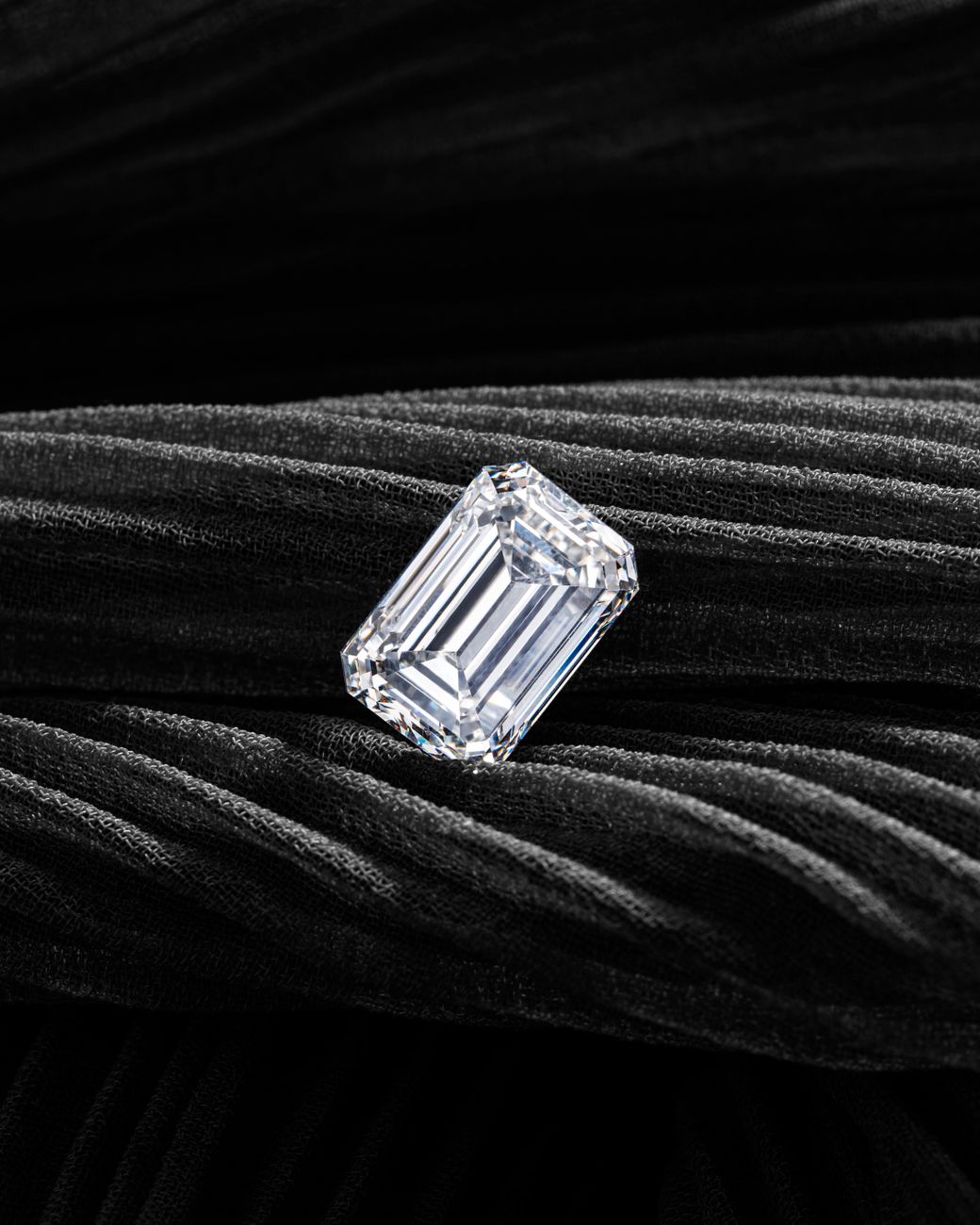
Emerald cut diamonds have a rectangular or square shape with trimmed corners and step-cut facets. They usually look more transparent and elegant, with long flashes of light instead of the glittery sparkle people often associate with round or cushion shapes.
If you want maximum sparkle and a softer, more classic look, cushion cut diamonds are often the better match. If you want a sleek, sophisticated appearance and do not mind a shape that reveals more of the stone’s interior, emerald cut diamonds are usually the stronger choice.
What Makes Cushion and Emerald Cuts So Different?
The biggest difference between cushion and emerald cut diamonds is the way they are faceted. Facets are the small flat surfaces cut into the diamond. Their job is to control how light enters, reflects, and exits the stone.
Cushion cuts are usually brilliant-cut or modified brilliant-cut stones. That means they are designed to create sparkle, scintillation, and a lively appearance. Some cushion cuts also have a chunky facet pattern, which gives them a distinct personality compared with round or oval diamonds.
Emerald cuts are step cuts. Their facets are arranged in long, parallel rows that resemble stair steps. This style does not produce the same kind of sparkle as a brilliant cut. Instead, it creates broad flashes of light and a hall-of-mirrors effect that many buyers find elegant and understated.
This difference in cut style affects nearly everything a buyer notices, including brilliance, fire, clarity visibility, and how large the diamond appears on the finger.
Side-by-Side Comparison: Cushion vs Emerald Cut Diamonds
| Feature | Cushion Cut | Emerald Cut |
|---|---|---|
| Overall look | Soft, rounded, romantic | Clean, sleek, sophisticated |
| Sparkle style | More sparkle and fire | Broad flashes of light, less glitter |
| Facet pattern | Usually brilliant or modified brilliant | Step cut |
| Clarity visibility | Often hides inclusions well | Shows inclusions more easily |
| Color visibility | Can be forgiving, especially in some styles | Color tends to show more |
| Face-up appearance | Can look slightly smaller or fuller depending on proportions | Often looks larger for its carat weight because of spread |
| Durability | Rounded corners are relatively protective | Trimmed corners help, but step cuts still need care |
| Style trend | Classic and versatile | Vintage-inspired, modern, and fashion-forward |
| Best for | Buyers wanting sparkle and softness | Buyers wanting elegance and clean lines |
Understanding Cushion Cut Diamonds
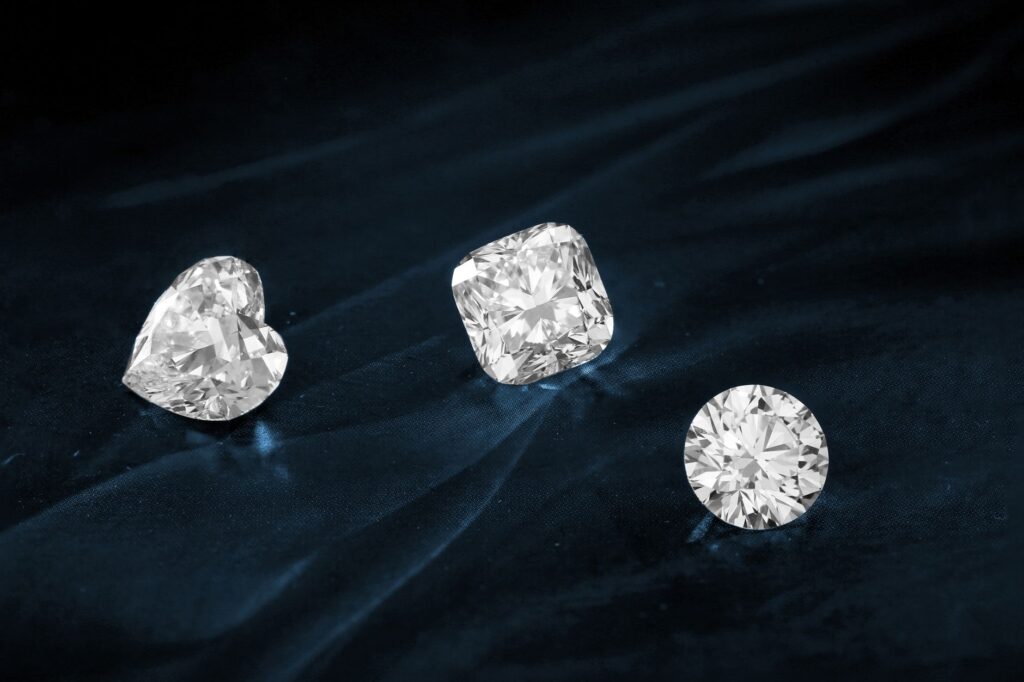
Cushion cut diamonds get their name from their pillow-like outline. They usually have rounded corners and a shape that can be either square or rectangular. This shape has been popular for well over a century, which gives it a classic and familiar feel.
Modern cushion cuts come in a few different visual styles. Some have a more traditional, chunky sparkle pattern. Others are more modified and can look livelier or more crushed-ice-like, depending on how the facets are arranged.
Because cushion cuts are not defined by one exact facet arrangement, two cushion diamonds can look noticeably different even if they share the same shape category. That is one reason it is important to evaluate them individually, not just by shape name.
How Cushion Cut Faceting Affects Appearance
Cushion cuts often mix brilliance and fire in a way that produces a softer, romantic sparkle. Brilliance refers to white light returned by the diamond. Fire refers to flashes of color. Cushion cuts can show both, though the exact balance depends on the cut style and proportions.
Some cushion cuts have a more open center, while others produce a densely sparkly appearance. Buyers who like visible sparkle across the stone often prefer cushions because the shape tends to look more animated than emerald cuts.
Cushion cuts can also be more forgiving of minor imperfections. Inclusions are internal features, and because cushion cuts have more sparkle and a less transparent appearance than emerald cuts, these imperfections are often less noticeable to the eye.
Understanding Emerald Cut Diamonds
Emerald cut diamonds are rectangular or square stones with cut corners and long, step-like facets. The shape originated from cutting emerald gemstones, which is where the name comes from. In diamonds, the style creates a refined, architectural look that stands apart from brilliant-cut shapes.
Emerald cuts do not aim for intense sparkle in the same way a round brilliant or cushion does. Instead, they offer broad flashes of light and a clear view into the center of the stone. This creates a dramatic, elegant look that many buyers associate with vintage glamour and understated luxury.
Because the facets are so open and structured, emerald cuts tend to reveal more about the diamond’s clarity and color. That makes the quality range more important for this shape than for many others.
How Emerald Cut Faceting Affects Appearance
Emerald cuts are known for the hall-of-mirrors effect. This refers to the way the step facets reflect light in broad, mirrored flashes rather than tiny sparkles. The effect can look graceful and sophisticated, but it also means the stone will not hide internal features as well as a brilliant cut.
Emerald cuts often look larger on the finger than some other shapes of the same carat weight because they usually have a larger visible surface area. This is a practical reason many buyers consider them, especially when comparing diamonds in a similar budget range.
The shape also tends to emphasize length, especially in rectangular versions. That can create a slimming visual effect on the finger, which is part of its appeal in engagement rings and right-hand rings.
Appearance and Visual Performance
Appearance is one of the main reasons buyers choose one shape over the other. Cushion and emerald cuts create very different impressions, even when they are similar in carat weight and price.
Sparkle
Cushion cuts usually sparkle more intensely because their facet patterns are designed to return light in a more scattered, brilliant way. This makes them a strong choice for buyers who want the diamond to catch the eye in normal indoor lighting as well as in brighter environments.
Emerald cuts have a softer visual performance. They flash more than they sparkle. In other words, light appears in larger sections rather than in many small points. That makes emerald cuts feel calm and elegant rather than lively and glittery.
Fire
Fire is the colored light you sometimes see in a diamond when it disperses white light into rainbow flashes. Cushion cuts can show noticeable fire because their brilliant-style faceting breaks light into many directions.
Emerald cuts can show fire too, but generally less dramatically. Their long facets are not optimized for that kind of colorful sparkle. Buyers who love rainbow flashes often prefer cushion cuts for this reason.
Brilliance
Brilliance is the amount of white light reflected back to the eye. Cushion cuts often have strong brilliance, especially well-cut examples. That is part of why they are often described as “sparkly.”
Emerald cuts have a different kind of brilliance. Instead of a bright, glittering effect, they create broad, calm reflections. The brilliance is more about contrast and structure than about intense sparkle.
Scintillation
Scintillation is the pattern of sparkle that appears as the diamond moves. Cushion cuts often have more scintillation because their many small reflections create movement and life in the stone.
Emerald cuts have less scintillation, but their movement can be striking in a different way. The flashes turn on and off in larger bands as the stone moves. This is one reason some buyers find emerald cuts more artistic or architectural.
Face-Up Size
Face-up size is how large a diamond appears from the top when it is set in jewelry. Emerald cuts often appear larger than cushion cuts of the same carat weight because their step-cut structure can produce more surface spread.
Cushion cuts may carry more of their weight in depth, depending on the proportions. That does not mean they are a poor value. It simply means a buyer should compare actual measurements, not carat weight alone.
For buyers comparing engagement rings, this matters because two diamonds with the same carat weight can create very different visual impressions.
Advantages of Cushion Cut Diamonds
Cushion cuts offer several practical advantages for buyers who want a stone with strong visual presence and broad versatility.
- More sparkle than emerald cuts in most cases.
- Romantic and classic look that suits many ring styles.
- Often more forgiving of inclusions because the faceting masks internal features better.
- Flexible style range, from traditional to more modern versions.
- Works well in lab grown diamonds, where buyers can often select larger sizes or higher clarity for the budget.
Cushion cuts are especially appealing to buyers who want a diamond that feels soft and timeless without looking overly formal. They also tend to pair well with halo settings, solitaire settings, and vintage-inspired designs.
Disadvantages of Cushion Cut Diamonds
Cushion cuts are not ideal for every buyer. Their advantages in sparkle can also come with trade-offs.
- They may look less crisp or structured than step-cut shapes.
- Some styles can appear slightly smaller than expected for their carat weight.
- Facet patterns vary widely, so quality assessment can be less straightforward.
- Buyers who want a very sleek or minimal look may prefer a different shape.
Another point to consider is that “cushion cut” does not describe one fixed look. The shape can vary enough that two stones with the same label may perform very differently. This makes direct comparison essential, especially when shopping online.
Advantages of Emerald Cut Diamonds
Emerald cuts are highly valued for their refined, elegant appearance. Their strengths are different from those of cushion cuts, which is why they attract a different type of buyer.
- Elegant and sophisticated style with a strong visual identity.
- Often appears larger than some other shapes at the same carat weight.
- Long, clean lines create a flattering finger appearance.
- Clear step facets create an organized, architectural look.
- Popular in both vintage and modern settings.
Emerald cuts are often chosen by people who want a more understated diamond presence. They do not depend on intense sparkle to look impressive. Instead, they rely on proportion, symmetry, and clarity.
Disadvantages of Emerald Cut Diamonds
Emerald cuts have some practical downsides that buyers should understand before choosing one.
- Show inclusions more easily because of the open facet pattern.
- Color can be more noticeable, especially in lower color grades.
- Less sparkle than brilliant cuts, which may disappoint buyers expecting flash.
- Cut quality matters greatly, and poor proportions can make the stone look dull or lifeless.
Because emerald cuts reveal more of the diamond’s interior, many buyers need to prioritize clarity and color more carefully. This is especially important if the stone will be viewed frequently in daylight or under bright lighting.
Who Cushion Cut Diamonds Are Best For
Cushion cut diamonds are a good fit for buyers who want sparkle, warmth, and versatility. They are often chosen by people who appreciate classic engagement ring styles but want something slightly softer than a round brilliant.
This shape may suit you if:
- You want a diamond with noticeable sparkle and fire.
- You prefer rounded edges and a softer outline.
- You want a shape that can hide minor inclusions more easily.
- You like vintage-inspired or romantic ring designs.
- You are comparing lab grown diamonds and want a larger-looking, visually active stone within budget.
Cushion cuts can also work well for buyers who want a diamond that feels expressive without being overly trendy. The shape has history, but it still feels current in many modern ring designs.
Who Emerald Cut Diamonds Are Best For
Emerald cut diamonds are a strong choice for buyers who prefer elegance, structure, and a more transparent look into the stone. They are often selected by people who value refined style over maximum sparkle.
This shape may suit you if:
- You like a sleek, sophisticated aesthetic.
- You want a shape that often appears larger face-up.
- You appreciate clean lines and symmetry.
- You are comfortable prioritizing clarity and color.
- You want a diamond that feels timeless but distinctive.
Emerald cuts are especially appealing to buyers who want the ring to feel elegant from every angle. They are also popular for those who prefer a more tailored or fashion-forward look.
How Cushion and Emerald Cuts Compare on Clarity and Color
Clarity and color are especially important when comparing Cushion vs Emerald Cut Diamonds because the two shapes behave differently with light.
Clarity Visibility
Cushion cuts often hide small inclusions better because their sparkle and facet pattern are more forgiving. That does not mean clarity does not matter. It simply means many buyers can choose a lower clarity grade and still get a beautiful result if the stone is eye-clean.
Emerald cuts are the opposite. Their open, step-cut facets act almost like windows into the stone. Internal features are easier to spot, so buyers usually need to be more careful with clarity selection.
For emerald cuts, eye-clean is more important than relying only on the grading report. A diamond may technically have inclusions that are acceptable on paper but still look distracting in real life if the placement is poor.
Color Visibility
Cushion cuts can be somewhat forgiving with color, especially when they have a chunkier or more brilliant appearance. Some buyers choose slightly lower color grades and still feel satisfied with the result.
Emerald cuts tend to show color more easily because the step facets do not disguise body color as well. If you want a bright, icy look, you may want to prioritize higher color grades in an emerald cut.
This is one reason emerald cuts often require a more careful balance of the 4Cs. You may not need the highest grades in every category, but the stone should be selected intentionally.
How Proportions Affect Each Shape
Proportions matter in both shapes, but they affect the final look in different ways. Proportions include the stone’s length, width, depth, and table size, among other measurements.
Cushion Cut Proportions
Cushion cuts can range from nearly square to noticeably rectangular. Some look full and chunky, while others appear slimmer and more elongated. Because there is no single standardized look, buyers should pay attention to actual dimensions and not rely only on the shape name.
Some cushion cuts may show more fire, while others emphasize brilliance. This variation can be useful if you have a specific visual style in mind, but it also means you should compare stones in person or with high-quality videos when shopping online.
Emerald Cut Proportions
Emerald cuts are also available in square and rectangular versions, though rectangular versions are more common. A longer emerald cut can make the finger appear slimmer and the stone feel more dramatic.
Because the shape is so clean and open, even small differences in proportion can affect the overall look. A well-proportioned emerald cut will feel balanced and elegant, while a poorly proportioned one may look too narrow, too deep, or less lively than expected.
Durability and Everyday Wear
Both cushion and emerald cuts can be suitable for everyday wear, but they have different durability considerations.
Cushion cuts have rounded corners, which can make them somewhat less vulnerable to chipping than shapes with sharp points. This is useful for active wearers or for people who want a more forgiving ring shape.
Emerald cuts have cut corners rather than sharp points, which is an improvement over pointed shapes like marquise or pear cuts. Still, because emerald cuts are often large and open, they should be set carefully, ideally with a setting that offers good protection.
For both shapes, the setting matters. A secure setting can protect vulnerable edges and help the diamond survive years of daily use. This is particularly important for engagement rings, which are worn more often than most other jewelry.
Pricing Considerations
Pricing for Cushion vs Emerald Cut Diamonds depends on carat weight, color, clarity, cut quality, and whether the diamond is natural or lab grown. The two shapes can behave differently in the market because of how buyers value them.
Cushion cuts are often priced competitively because they are widely available and come in many styles. However, highly desirable cushion cuts with strong sparkle and good proportions can still command solid prices.
Emerald cuts may appear to offer more visible size for the carat weight, which can make them feel like a good value from a face-up perspective. But because they reveal clarity and color more easily, buyers may need to spend more to achieve the visual quality they want.
In the lab grown market, this comparison becomes even more interesting. Buyers may find that lab grown emerald cuts allow them to prioritize larger size and higher clarity within a comfortable budget, while lab grown cushions can provide a very sparkly look at attractive price points.
That does not mean one is universally cheaper or better value. It means each shape offers value in a different way.
Popular Settings for Each Shape
The right setting can enhance the strengths of either diamond shape. It can also help balance any weak points in the stone’s appearance.
Best Settings for Cushion Cuts
Cushion cuts work well in many popular engagement ring styles.
- Solitaire settings for a classic look
- Halo settings for added visual size and sparkle
- Three-stone rings for a more substantial design
- Vintage-inspired settings that complement the soft outline
Because cushions already have a romantic feel, they pair naturally with settings that enhance warmth and sparkle. They are also versatile enough to work in minimalist settings when the goal is a soft, elegant center stone.
Best Settings for Emerald Cuts
Emerald cuts often look especially strong in settings that emphasize clean lines.
- Solitaire settings for a modern, understated appearance
- Side-stone settings that echo the rectangular shape
- Bezel settings for a contemporary look and added protection
- Art Deco or vintage-inspired designs that highlight geometry
Because emerald cuts have such a distinct shape, the setting should not compete with the diamond’s visual structure. A setting that is too busy can distract from the clean, elegant outline.
Long-Term Appeal and Style Trends
Style trends change, but both shapes have staying power for different reasons. Cushion cuts are beloved because they feel classic and versatile. Emerald cuts have remained relevant because they offer a strong visual identity that never looks ordinary.
In recent years, many engagement ring buyers have shown interest in elongated shapes and more distinctive silhouettes. That has helped emerald cuts remain popular. At the same time, cushion cuts continue to appeal to buyers who want a softer, more traditional sparkle.
If long-term appeal matters to you, the best question is not which shape is trendier. It is which shape fits your taste well enough that you are likely to enjoy it for years to come.
Common Mistakes Buyers Make
Buying by shape alone can lead to disappointment. Cushion and emerald cuts both require more than a quick glance at the shape category.
1. Choosing by carat weight only
Two diamonds with the same carat weight can look very different. A well-proportioned emerald cut may appear larger face-up than a cushion cut of the same weight. Always compare measurements and not just carat.
2. Ignoring clarity in emerald cuts
Emerald cuts are less forgiving of inclusions. A buyer who focuses only on size may end up with visible internal marks that affect the appearance of the stone.
3. Assuming all cushion cuts sparkle the same
Cushion cuts vary a lot. Some have a lively, glittery look. Others are more subdued. Reviewing images, videos, and if available, light performance details can help you avoid surprises.
4. Overlooking color in emerald cuts
Emerald cuts can show body color more easily than cushion cuts. Buyers who want a bright, crisp appearance should pay attention to color grade and how the diamond looks in different lighting conditions.
5. Forgetting that settings change the look
The setting can make a cushion appear larger or an emerald cut appear more dramatic. It also affects durability and comfort. Shape should be considered together with the ring design, not in isolation.
Buying Considerations for Lab Grown Diamonds
Lab grown diamonds are especially relevant when comparing Cushion vs Emerald Cut Diamonds because buyers often use the category to maximize size or quality for the budget. This can be useful, but the same shape rules still apply.
With cushion cuts, lab grown diamonds can make it easier to prioritize sparkle and size without sacrificing clarity. Many buyers are able to choose a stone with excellent visual performance and a more generous carat weight than they could afford in a natural diamond.
With emerald cuts, lab grown diamonds can be particularly appealing because the shape often benefits from higher clarity and color grades. Since the open facets reveal more of the stone, the improved affordability of lab grown diamonds can help buyers access a cleaner-looking emerald cut.
That said, buyers should still evaluate the stone carefully. A lab grown diamond is not automatically “better” just because it is lab grown. The same principles of cut quality, proportions, clarity, and color still determine how good the diamond looks in real life. If you are new to the category, a guide to lab grown diamonds and diamond grading can help you make a more informed comparison.
How to Choose Between Cushion and Emerald Cut Diamonds
The right shape depends on which visual trade-offs matter most to you. Some buyers value sparkle above all else. Others care more about line, shape, and elegance.
Choose a cushion cut if you want:
- More sparkle and fire
- A softer, romantic outline
- Better forgiveness with inclusions
- A shape that works across many ring styles
Choose an emerald cut if you want:
- A refined, elegant look
- Broad flashes rather than glittery sparkle
- A diamond that may appear larger face-up
- A shape with strong architectural character
If you are undecided, compare real stones side by side rather than relying on photos alone. Lighting, camera angle, and editing can change how each shape looks online. Independent grading reports also matter, especially if you are comparing cut quality, diamond clarity, or diamond color.
Frequently Asked Questions
Which shape sparkles more, cushion or emerald?
Cushion cuts usually sparkle more because they are designed with brilliant-style faceting. Emerald cuts produce broader flashes of light instead of many small sparkles.
Which shape looks larger on the finger?
Emerald cuts often appear larger face-up at the same carat weight because their surface area can spread across more of the top view. Actual proportions still matter, so two stones of the same shape can look different.
Which shape is better at hiding inclusions?
Cushion cuts usually hide inclusions better than emerald cuts. Emerald cuts have an open facet pattern that makes internal features easier to see.
Do emerald cuts need higher clarity grades?
In many cases, yes. Because emerald cuts are so transparent, buyers often need to place more emphasis on clarity if they want a clean-looking stone.
Are cushion cuts outdated?
No. Cushion cuts have been popular for a long time and remain common in modern engagement rings. Their mix of classic shape and lively sparkle keeps them relevant.
Are emerald cuts good for everyday wear?
Yes, emerald cuts can work well for daily wear if they are set securely. As with any diamond shape, the setting and ring lifestyle matter just as much as the shape itself.
Which shape is better for a lab grown diamond?
Neither shape is automatically better. Cushion cuts can offer strong sparkle and value, while emerald cuts can benefit from the larger size and higher clarity buyers often can access with lab grown diamonds.
Should I buy based on shape or cut quality first?
Both matter, but cut quality should come first within the chosen shape. A well-cut cushion or emerald will look more attractive than a poorly cut one, even if the shape itself is desirable.
Conclusion
When comparing Cushion vs Emerald Cut Diamonds, the most important difference is not just shape, but visual behavior. Cushion cuts are softer, more sparkly, and often more forgiving. Emerald cuts are cleaner, more elegant, and more revealing of the diamond’s interior.
If you want a diamond that feels lively and romantic, a cushion cut is often a strong fit. If you want a diamond with structured beauty and a refined, classic presence, an emerald cut may be the better choice.
The best decision comes from matching the shape to your priorities around sparkle, clarity, finger appearance, and budget. For buyers also exploring lab grown diamonds, both shapes can offer excellent value when chosen carefully with attention to proportions, grading, and everyday wear.