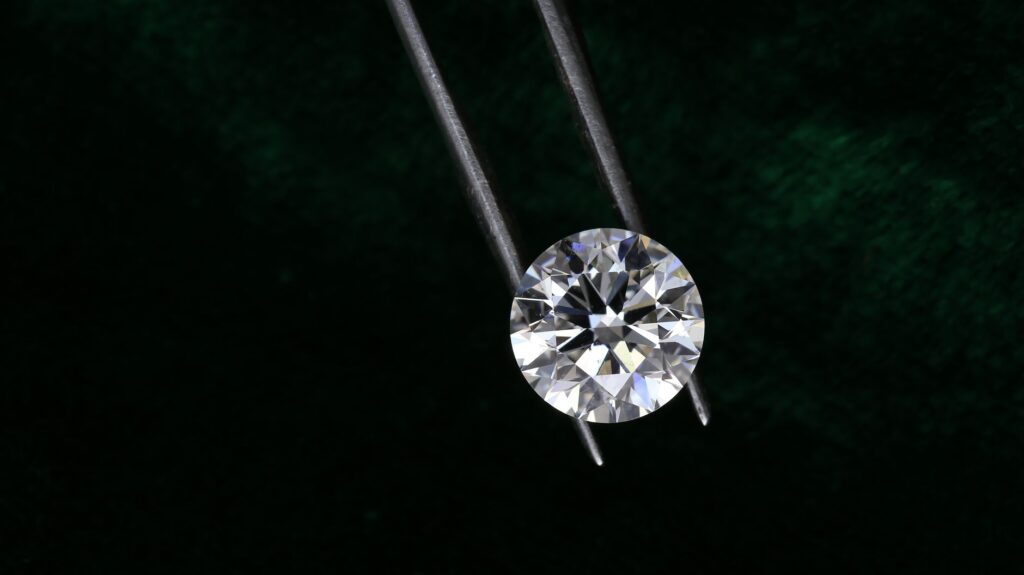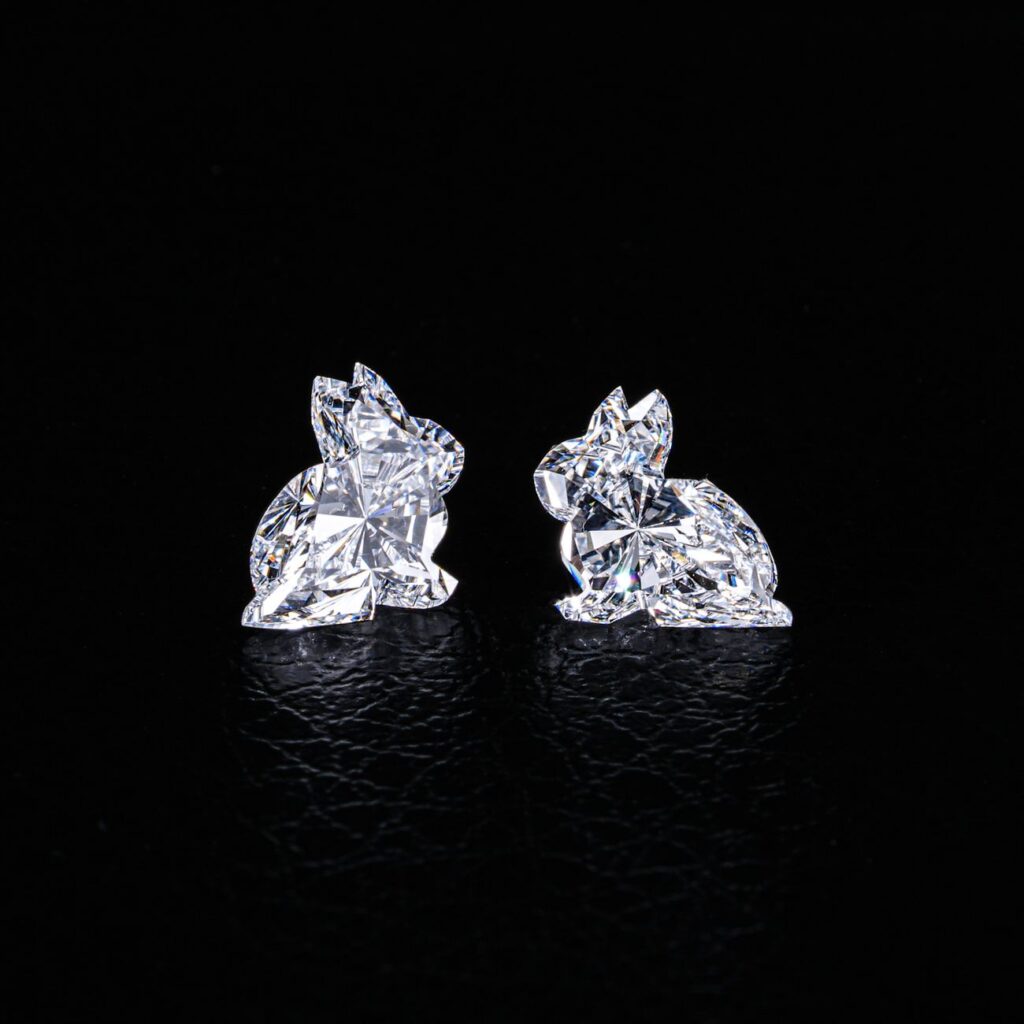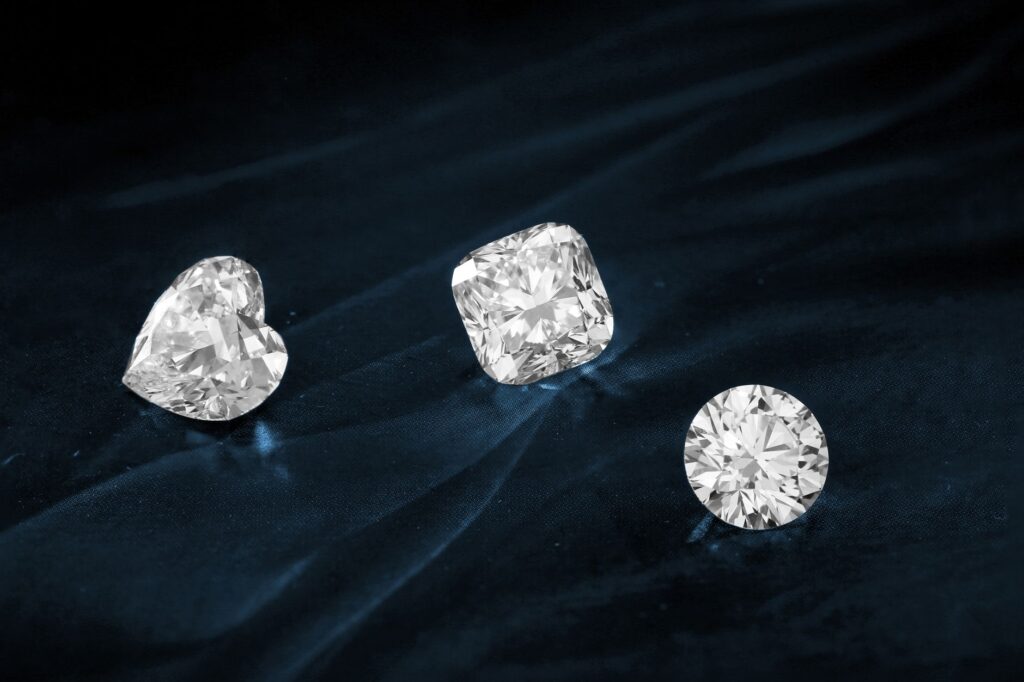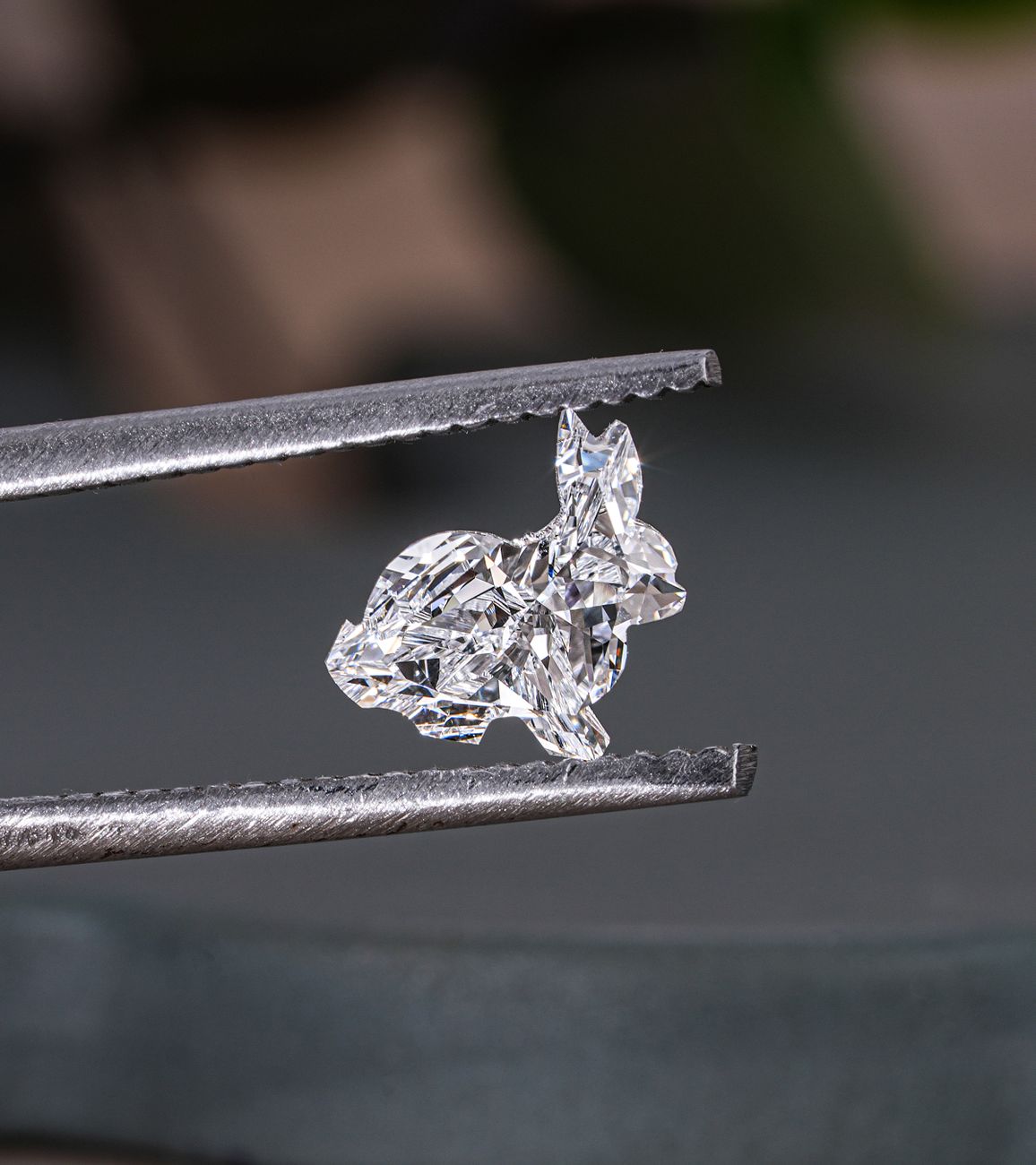
Yes, lab grown diamonds have cut grades, and the cut grade is one of the most important quality factors to review when buying one. In most cases, the cut grade tells you how well a diamond was proportioned and polished to return light, which directly affects sparkle, brightness, and overall visual appeal.
This matters because two lab grown diamonds with the same carat weight, color, and clarity can look noticeably different if one is cut better than the other. A well-cut diamond can look brighter and more lively, while a poorly cut one may appear dull, dark, or smaller than expected, even if the laboratory report looks impressive in other areas.
If you are shopping for an engagement ring or comparing lab grown diamond options, understanding cut grades can help you avoid one of the most common buying mistakes: focusing too much on size and not enough on how the diamond actually performs in real life. Cut is the quality factor that most directly influences what you see with your eyes.
Quick Answer
Lab grown diamonds are graded for cut in the same general way as natural diamonds, especially for round brilliant shapes. Cut grade is usually based on how the diamond’s proportions, symmetry, and polish affect light performance. In simple terms, it measures how efficiently the diamond handles light and how attractive it looks face-up.
For round lab grown diamonds, the cut grade can often range from Poor to Excellent, depending on the grading laboratory. For fancy shapes like oval, pear, marquise, emerald, and cushion, cut grading is less standardized. Those shapes may still have reports that list polish and symmetry, but they often do not receive a full cut grade from major labs.
For buyers, the practical takeaway is straightforward. If you want the best balance of sparkle and beauty, cut should usually be one of your top priorities, whether the diamond is lab grown or natural. A strong cut grade is often more noticeable than small differences in color or clarity.
What Does Diamond Cut Grade Mean?
Diamond cut grade is a quality assessment of how well a diamond has been fashioned from rough material into its final shape. It is not the same as a diamond shape, such as round, oval, or princess. Instead, it refers to how the stone is proportioned, finished, and aligned so it can reflect and transmit light effectively.
Cut grade is usually influenced by several factors, including:
- Proportions, such as table size, depth, and angles
- Symmetry, meaning how accurately the facets align with each other
- Polish, which refers to the smoothness of the facet surfaces
- Light performance, or how the diamond returns light to the eye
When these factors work together well, the diamond tends to look brighter, more lively, and more attractive. When they are off, the diamond can leak light, look less vibrant, or create dead zones where sparkle is reduced.
How Cut Grade Differs From Shape
Many first-time buyers confuse cut and shape, but they are different. Shape describes the outline of the diamond, such as round, oval, or emerald. Cut grade describes the quality of the craftsmanship behind that shape.
For example, two round diamonds can both be round, but one may have an Excellent cut grade while the other has a lower grade. The Excellent stone will usually show better brightness and sparkle, even though both are the same shape.
How Cut Grade Differs From Carat, Color, and Clarity
Cut is often the quality factor that has the biggest visual impact. Carat tells you the weight of the diamond, color describes how much tint it has, and clarity tells you how many internal features or blemishes are present. Those matter too, but cut often determines whether the diamond looks lively or flat.
This is especially important in lab grown diamonds, because buyers often focus on size and price. Since lab grown diamonds can offer larger sizes for less money than many natural diamonds, shoppers may be tempted to prioritize carat weight. A well-cut diamond can make a smaller stone look more impressive than a larger but poorly cut one.
Do Lab Grown Diamonds Have Cut Grades on Grading Reports?
Yes, many lab grown diamonds come with grading reports that include cut information. The exact format depends on the laboratory and the diamond shape. For round brilliant lab grown diamonds, the report often includes a formal cut grade in addition to color, clarity, and carat weight.
The most common major laboratories used in the market are GIA and IGI. These labs may differ in how they present grading information, so it is important to read the entire report rather than focusing on one line item. A cut grade on a report can be very helpful, but it does not replace seeing the diamond itself or reviewing its proportions carefully.
Some lab grown diamonds, especially fancy shapes, may not have a full cut grade. In those cases, buyers should pay close attention to polish, symmetry, measurements, and images or videos when available. Light performance matters for every diamond, even when the report does not assign a formal cut grade.
Why Round Brilliant Diamonds Get the Most Cut Attention
Round brilliant diamonds are designed to maximize light return. Because of that, cut grading standards for rounds are more established and more meaningful than for many other shapes. Small changes in proportion can noticeably change how a round diamond looks, which is why grading systems are especially useful here.
Fancy shapes are more varied in design. An oval diamond can be beautiful with many different proportion combinations, and an emerald cut has a very different visual character than a round brilliant. Since there are more acceptable appearances for fancy shapes, cut grading is harder to standardize in a simple, universal way.
Understanding the Main Parts of Cut Quality
To understand whether lab grown diamonds have cut grades, it helps to know what is actually being judged. Cut is not one single number. It is a combination of design and finish factors that affect how the diamond interacts with light.
Proportions
Proportions refer to the diamond’s physical measurements and angles. These include table percentage, depth percentage, crown angle, pavilion angle, and other details. In plain English, proportions help determine whether light enters the diamond, bounces around inside it, and returns to the viewer’s eye efficiently.
What buyers see: well-proportioned diamonds often look brighter and more balanced. Poor proportions can create light leakage or make the stone look too deep or too shallow.
Symmetry
Symmetry means how precisely the facets are arranged and aligned. If the facets line up cleanly, the diamond is more likely to reflect light evenly. Symmetry can also affect patterning, especially in round diamonds and stones with Hearts and Arrows-style precision.
What buyers see: better symmetry can improve visual crispness and overall harmony. In many cases, small symmetry differences are subtle, but in high-quality stones they can contribute to a more refined look.
Polish
Polish is the smoothness of the facet surfaces after finishing. A well-polished diamond has facets that reflect light cleanly. Poor polish can cause tiny surface distortions that interfere with light return.
What buyers see: polish usually has a subtle effect unless it is very poor. For most shoppers, Excellent or Very Good polish is more than sufficient, especially if other aspects of cut are strong.
Light Performance
Light performance describes how well a diamond returns light to your eye. This includes brightness, fire, and scintillation. It is the practical result of good proportions, symmetry, and polish working together.
What buyers see: strong light performance makes the diamond look lively, bright, and attractive in different lighting conditions. This is one of the most important real-world benefits of good cut quality.
What Buyers Actually See: Sparkle, Brilliance, Fire, and Scintillation
Cut grades are useful because they connect directly to visible appearance. Most buyers do not inspect diamonds under a microscope. They notice how the diamond looks in a jewelry store, in daylight, under office lighting, and while moving on the hand.
Brilliance
Brilliance is the white light returned by the diamond. A diamond with strong brilliance looks bright and lively, especially in normal everyday lighting. It can also appear larger and more eye-catching because the face-up area seems more evenly illuminated.
Practical note: brilliance is often what people mean when they say a diamond “sparkles,” even though sparkle is actually a mix of several light effects.
Fire
Fire is the flashes of colored light you see when a diamond disperses white light into spectral colors. This effect is usually more noticeable in certain lighting and when the diamond moves. A good cut can help bring out fire without sacrificing brightness.
Practical note: fire is often more obvious in well-cut diamonds with balanced proportions. If a diamond is too shallow or too deep, some of that optical balance can be lost.
Scintillation
Scintillation is the pattern of sparkle you see as the diamond or light source moves. It includes the contrast between bright and dark areas and the flashes you notice during motion. Many shoppers respond strongly to scintillation even if they do not know the term.
Practical note: good scintillation makes a diamond look active and lively. Poorly cut stones can look mushy or lack crisp flashes.
Brightness and Contrast
Brightness is the overall amount of light the diamond returns. Contrast is the mix of light and dark areas that gives the diamond visual definition. Both matter, and both are affected by cut quality.
A diamond that is all brightness with no contrast can look washed out. A diamond with too much darkness can look dull. The best stones usually strike a balanced pattern that feels lively without looking dark.
How Cut Grade Affects Real-World Appearance
The question most buyers really care about is not whether a diamond has a cut grade. It is whether that cut grade changes what they will actually see. The answer is yes, often quite noticeably, especially when comparing a top-tier cut with a poorly cut stone.
In Daylight
In natural daylight, well-cut diamonds tend to show a strong, even sparkle with good brightness. Lower cut quality may show dead spots or a flat look, especially if the stone leaks light around the edges or center.
Daylight is useful because it reveals whether a diamond has balanced light return. It is one of the best conditions for comparing cut quality side by side.
Under Store Lighting
Jewelry store lighting is designed to make diamonds look lively, but cut still matters. A diamond with strong cut quality will respond well to many kinds of light, not just spotlight conditions. Poorly cut stones may look acceptable in a showcase but less impressive in everyday environments.
This is one reason experienced buyers try to view diamonds in different lighting. A stone that only looks good under intense display lighting may not deliver the same result in daily wear.
On the Hand
When worn, a diamond’s cut affects how it catches light during movement. Better cut stones usually show more dynamic sparkle as the hand moves. This is one reason a well-cut smaller diamond can sometimes look more noticeable than a larger stone with weak proportions.
On the hand, the difference between Excellent and lower grades may be subtle in some situations, but it becomes more meaningful when the lower grade results in visible darkness, reduced life, or less appealing face-up appearance.
Do Lab Grown Diamonds Need the Same Cut Attention as Natural Diamonds?
Yes. Lab grown diamonds obey the same laws of optics as natural diamonds. They may be created by different methods, but once the crystal is formed and cut into a polished diamond, the same rules apply to light performance.
This means a lab grown diamond still benefits from strong proportions, symmetry, and polish. The fact that it is lab grown does not reduce the importance of cut. If anything, it makes cut even more important for buyers who want the best visual value for their budget.
Many lab grown buyers are shopping for maximum size and appearance at a lower price point than a natural diamond. That can be a smart approach, but it also means cut quality should not be sacrificed simply to reach a larger carat weight. A larger diamond with poor cut may not look better than a smaller diamond with excellent optics.
How Cut Grade Affects Value
Cut grade often has a major impact on what a diamond is worth to a buyer, even if the price difference seems small compared with the total budget. This is because cut quality directly affects visible beauty. It is one of the few grading factors that most people can see without special equipment.
When Paying More Makes Sense
Paying more for a better cut usually makes sense when the improvement is visible. For round brilliant lab grown diamonds, stepping up to Excellent or top-tier cut quality often gives you better sparkle and a more attractive overall look. If the price difference is modest, many buyers find the upgrade worthwhile.
It can also make sense to pay more for cut if you are choosing a diamond for an engagement ring or another piece meant for frequent wear. A well-cut diamond tends to deliver more consistent visual enjoyment over time.
When the Premium May Be Less Important
There are cases where paying extra for the absolute highest cut grade may not add much noticeable value. For example, a diamond already graded Very Good may look excellent to the naked eye if the proportions are strong and the stone has a pleasing face-up appearance.
In those situations, a buyer might prefer to allocate budget toward size, setting design, or a shape they personally prefer. The key is understanding whether the premium is buying a clearly visible improvement or a more technical difference that may be harder to notice.
Diminishing Returns
Like many quality categories, cut performance has diminishing returns at the top end. The jump from Poor or Fair to Good or Very Good is often easy to notice. The jump from Very Good to Excellent may be meaningful, but it can be more subtle depending on the stone.
That is why experienced shoppers compare actual diamonds, not just report grades. A grading label helps narrow the field, but visual inspection is still important.
Comparison: Excellent Cut Versus Lower Cut Grades
For many buyers, the clearest way to understand cut grades is through comparison. The table below shows what differences are typically visible in everyday buying conditions for round brilliant lab grown diamonds.
| Cut Grade | Typical Appearance | What Buyers Usually Notice | Value Consideration |
|---|---|---|---|
| Excellent | Bright, lively, balanced sparkle, strong light return | Most consistent performance in many lighting conditions | Often worth paying for if the price premium is reasonable |
| Very Good | Usually bright and attractive, with some variation in performance | Often looks excellent to the naked eye, though not always as crisp as top stones | Can be strong value if the diamond is well chosen |
| Good | Can still look nice, but light return may be less efficient | Some shoppers notice less sparkle or less even brightness | May be acceptable for budget-focused buyers, but caution is needed |
| Fair or Poor | May appear dull, dark, or uneven | Differences are often obvious to the eye | Usually not the best choice unless price is very low and expectations are modest |
This comparison is a general guide, not a guarantee. Some Very Good diamonds outperform others, and some lower-graded stones may still look acceptable. However, the table reflects the practical reality that cut quality strongly influences overall beauty.
Practical Buyer Scenarios
Real buying decisions often involve trade-offs. Here are a few examples of how cut can matter more than other factors.
A 1.5-Carat Well-Cut Diamond Versus a 2-Carat Poorly Cut Diamond
This is one of the most common comparisons. A 2-carat diamond sounds more impressive on paper, but if the cut is weak, it may not look as beautiful as the smaller stone. The 1.5-carat diamond may actually face up brighter, more balanced, and more visually appealing.
In real-world viewing, many buyers would choose the better-cut diamond if the size difference is not dramatic. The larger diamond might only win if the buyer strongly prioritizes size over sparkle and is comfortable with the trade-off.
Excellent Cut Versus Very Good Cut in Everyday Lighting
In many everyday settings, the difference between Excellent and Very Good may be subtle. Some buyers will clearly see the difference, while others may not. The deciding factor often comes down to the exact stone, the setting, and the lighting environment.
If the price difference is small, Excellent is often the safer choice. If a Very Good diamond is meaningfully less expensive and still shows strong proportions and light return, it may represent solid value.
Higher Clarity With Poor Cut Versus Lower Clarity With Excellent Cut
Many shoppers overestimate the importance of clarity and underestimate cut. A higher clarity diamond with poor cut can look less appealing than a lower clarity diamond with excellent cut, especially if the inclusions in the lower clarity stone are not visible without magnification.
For most buyers, a diamond with a better cut and an eye-clean clarity grade often offers the more attractive real-world result. This is especially true for engagement rings, where sparkle and overall presence matter a great deal.
What About Symmetry and Polish Grades?
Symmetry and polish are often listed on grading reports alongside cut. They are related to cut quality, but they are not the same as the full cut grade. Buyers should understand how these terms work together.
Symmetry Grade
Symmetry describes how precisely the facets are arranged. On a report, you may see grades such as Excellent, Very Good, Good, or lower. Better symmetry can support better visual performance, though the effects are often subtle unless the symmetry is poor or the diamond is being viewed very carefully.
What buyers actually notice: clean, balanced facet patterns, especially in well-cut round diamonds. Most buyers will not spot minor symmetry differences without comparison, but they may notice an overall sense of refinement in better stones.
Polish Grade
Polish refers to the smoothness of the facet surfaces. It helps determine how cleanly the diamond reflects light. Most buyers will not notice the difference between Excellent and Very Good polish in everyday wear, especially if the diamond is otherwise well cut.
What buyers actually notice: usually very little unless polish is lower or the stone has surface issues that affect appearance. For many shoppers, polish is important, but usually secondary to overall cut performance.
Light Leakage: What It Means and Why It Matters
Light leakage occurs when light passes through the diamond instead of reflecting back to the eye. In simple terms, this means the diamond is not using its material efficiently to create brilliance and sparkle.
Some leakage is minor and hard to notice. Other times, it can create obvious dark areas or a washed-out look. The most well-cut diamonds are designed to minimize undesirable leakage while preserving attractive brightness and contrast.
Buyers do not need to become optical experts, but it helps to know that a cut grade is not just an abstract label. It is connected to whether the diamond appears lively or lifeless in real settings.
Hearts and Arrows: A Special Type of Cut Precision
Hearts and Arrows refers to a pattern visible in some very precisely cut round brilliant diamonds when viewed under special tools. It is a sign of optical symmetry, meaning the facets are aligned with a high degree of consistency.
Not every Excellent cut diamond is a Hearts and Arrows diamond, and not every Hearts and Arrows stone is automatically the best choice for every buyer. But the pattern can indicate highly precise craftsmanship.
What buyers actually see: in normal viewing, Hearts and Arrows stones often show a very crisp, balanced look. The special pattern itself is not visible in everyday wear, but the precision behind it can contribute to a refined appearance.
Is it worth paying more? sometimes yes, but not always. For buyers who value precision and are comparing top-tier round diamonds, it can be a meaningful feature. For others, the visual difference may be smaller than the price difference suggests.
How Cut Grades Are Determined on Lab Grown Diamonds
Cut grades are determined through a combination of measurement data and human assessment, depending on the laboratory. Laboratories evaluate factors such as proportions, facet relationships, symmetry, polish, and how the diamond is expected to perform with light.
Because different labs can use slightly different methods and standards, it is important not to assume all grades mean exactly the same thing across every report. A cut grade should be read alongside the entire grading report, including measurements and any imaging or performance data available.
Why the Laboratory Matters
Some laboratories are more conservative or more detailed than others. That does not necessarily mean one diamond is better than another just because it has a different report. It means buyers should understand the grading context before comparing stones.
For lab grown diamonds, this is especially useful because pricing can vary significantly between stones with similar paper grades. The actual face-up beauty may depend on details that are not obvious from the top-line numbers alone.
How to Evaluate a Lab Grown Diamond Beyond the Cut Grade
A cut grade is very helpful, but it should not be the only thing you look at. Experienced buyers and jewelers often review a combination of report data, images, and videos before making a decision.
Look at the Diamond Face-Up
Face-up appearance means how the diamond looks from the top when mounted or viewed in a normal orientation. This is the perspective most buyers care about most. A diamond that looks bright, balanced, and lively face-up is often more satisfying than one with merely strong paper grades.
Review Proportions, Not Just the Label
Table size, depth, crown angle, and pavilion angle can all influence beauty. These numbers do not need to be memorized, but they should not be ignored. They help explain why one stone with the same cut grade may outperform another.
Use Images and Videos When Available
High-quality photos and videos are especially useful for lab grown diamonds sold online. They let buyers observe brightness, contrast, and patterning in a more realistic way than a grading report alone.
If imaging is available, it can help identify issues like uneven light return, excessive bow-tie darkness in some fancy shapes, or a lack of visual life. These are practical clues that matter in everyday wear.
Consider the Setting
The ring setting can affect how a diamond appears. A halo, bezel, or prong style may slightly change the way light enters the diamond and how large it looks. The best cut still matters, but it should be evaluated in context.
Buying Considerations for Lab Grown Diamond Shoppers
When shopping for a lab grown diamond, cut grade should be one part of a broader decision. Your budget, shape preference, and desired appearance all play a role. Still, cut is one area where many buyers can make a smarter decision without spending dramatically more.
Budget
If your budget is fixed, cut quality is often worth protecting before making trade-offs in clarity or color. Lab grown diamonds can offer good value, but that value can be reduced if the stone is cut poorly and fails to deliver the sparkle you expected.
Visual Performance
If the diamond is meant to be noticed in everyday wear, prioritize how it performs in normal lighting. A diamond should look attractive in daylight, indoors, and on the hand. Good cut quality helps support that consistency.
Certification
Always check the grading report. For lab grown diamonds, the report confirms not only the diamond’s identity but also the quality factors being claimed. If a vendor does not provide a reliable report, it is harder to compare stones accurately.
Learning about diamond certifications can help you understand the differences between laboratories and what details matter most.
Shape
Round diamonds are the easiest shape for standardized cut grading. Fancy shapes require more judgment and are often more dependent on visual inspection. If you are comparing fancy shapes, ask more questions about proportions and light performance rather than relying on the report alone.
Long-Term Satisfaction
Many buyers are happiest when the diamond looks beautiful every time they wear it. That usually comes from a strong combination of cut, clarity, and color, not simply the largest size available. A well-cut diamond often holds up better emotionally because it continues to look attractive over time.
Common Buyer Mistakes
Cut-related mistakes are common, especially among first-time shoppers. Avoiding these errors can help you get better visual value for your budget.
Prioritizing Carat Over Cut
Size matters, but not if the diamond looks dull. A larger diamond with poor cut may appear less impressive than a slightly smaller stone with excellent light return. Many shoppers regret choosing size alone once they compare the diamonds in person.
Overpaying for Clarity
Some buyers chase high clarity grades even when the inclusions would not be visible without magnification. In many cases, that money would be better spent on better cut or a more appealing shape. A diamond can be very clean on paper but still underwhelm if the cut is weak.
Ignoring Light Performance
Light performance is the practical outcome that matters most. A report may show acceptable grades, but if the diamond does not return light well, it may still look lifeless. Buyers should look for signs of brightness, contrast, and balanced sparkle.
Assuming All Diamonds Sparkle the Same
This is one of the biggest misconceptions in diamond shopping. Sparkle depends heavily on cut quality. Even two diamonds with similar grades in other categories can look very different if one is cut more efficiently.
Relying Only on the Report
A grading report is important, but it does not tell the whole story. Visual appearance, actual proportions, and imaging can reveal details that the report summary may not capture. Smart buyers use the report as a guide, not the only decision-making tool.
Advantages of Paying Attention to Cut Grades
There are several clear advantages to understanding cut grades when buying a lab grown diamond.
- Better sparkle and brightness: a well-cut diamond usually looks more attractive in everyday light.
- More efficient spending: you can avoid paying for size or clarity that does not translate into visible beauty.
- Greater confidence: understanding cut helps you compare diamonds more effectively.
- Improved long-term satisfaction: diamonds with strong cut quality tend to remain visually pleasing over time.
For many buyers, these benefits are worth the extra attention. Cut is one of the few quality areas that consistently influences what the eye sees.
Limitations and Trade-Offs
Cut grades are useful, but they are not perfect. Different shapes have different standards, and not every laboratory grades cut in the same way. This means buyers still need to look beyond the single grade and consider the full diamond.
There are also trade-offs. A diamond with an excellent cut may cost more, or it may require accepting a slightly smaller carat size, lower color grade, or different shape. None of those trade-offs are automatically bad. The best choice depends on what matters most to the buyer.
Another limitation is that minor differences in top-tier cut grades may be difficult for many people to notice without side-by-side comparison. That means buyers should be careful not to pay a premium for a difference they are unlikely to see.
Frequently Asked Questions
Do lab grown diamonds have cut grades on every certificate?
Not always. Round brilliant lab grown diamonds are the most likely to receive a formal cut grade. Fancy shapes may only show polish, symmetry, and measurement data, not a full cut grade.
Is cut more important than color and clarity?
For most buyers, yes. Cut usually has the biggest effect on how attractive a diamond looks. Color and clarity still matter, but they often become more important only after cut quality is already strong.
Can a lab grown diamond with a lower cut grade still look good?
Yes, especially if the cut is not far below the top range and the stone has favorable proportions. However, as cut quality drops, the chance of seeing reduced sparkle or uneven brightness increases.
Are Excellent cut lab grown diamonds always worth the price?
Not always, but often. If the price premium is small and the stone looks better to your eye, the upgrade can be worthwhile. If the difference is large and the visual improvement is subtle, a Very Good stone may be better value.
Does cut affect the size of the diamond?
Cut does not change the carat weight, but it can affect how large the diamond looks face-up. A well-cut diamond may appear larger than a poorly cut diamond of the same weight because it presents more appealing brightness and spread.
Should I only buy diamonds with Excellent cut?
Not necessarily. Excellent cut is a strong target, especially for round brilliants, but some Very Good diamonds can still be beautiful and offer good value. The best choice depends on the actual stone and your budget.
Do lab grown diamonds sparkle more than natural diamonds because they are lab grown?
No. Sparkle depends on cut quality, not whether the diamond was grown in a lab or formed in the earth. A well-cut natural diamond and a well-cut lab grown diamond can both be very brilliant.
What is the most important thing to check besides cut grade?
Check the diamond’s actual face-up appearance and the full grading report. If available, review images or videos to see how the diamond handles light. That combination gives a more complete picture than any single grade alone.
Conclusion
Lab grown diamonds do have cut grades, and those grades matter a great deal for appearance, sparkle, and overall value. Cut is the quality factor that most directly affects how a diamond looks in real life, especially in round brilliant shapes where grading is most standardized.
For buyers, the smartest approach is to treat cut as a priority rather than an afterthought. A well-cut diamond can look brighter, more balanced, and more impressive than a larger stone with weaker proportions. That does not mean every buyer needs the highest grade available, but it does mean cut should be carefully considered before finalizing a purchase.
If you understand how cut grades relate to light performance, symmetry, polish, and face-up beauty, you are better equipped to choose a lab grown diamond that looks good not just on paper, but in everyday wear.