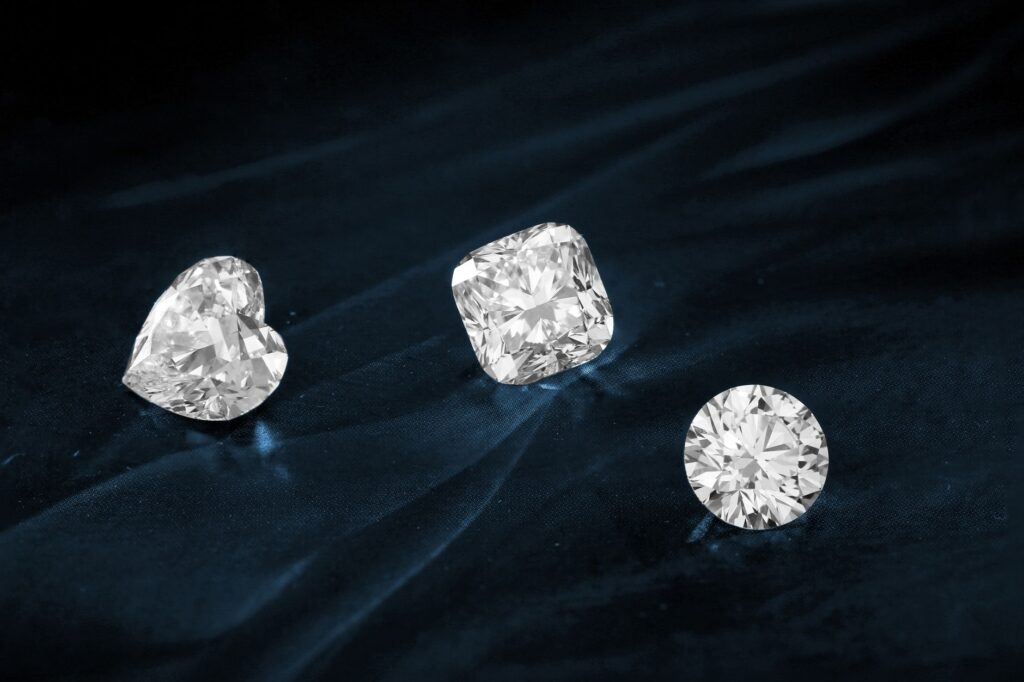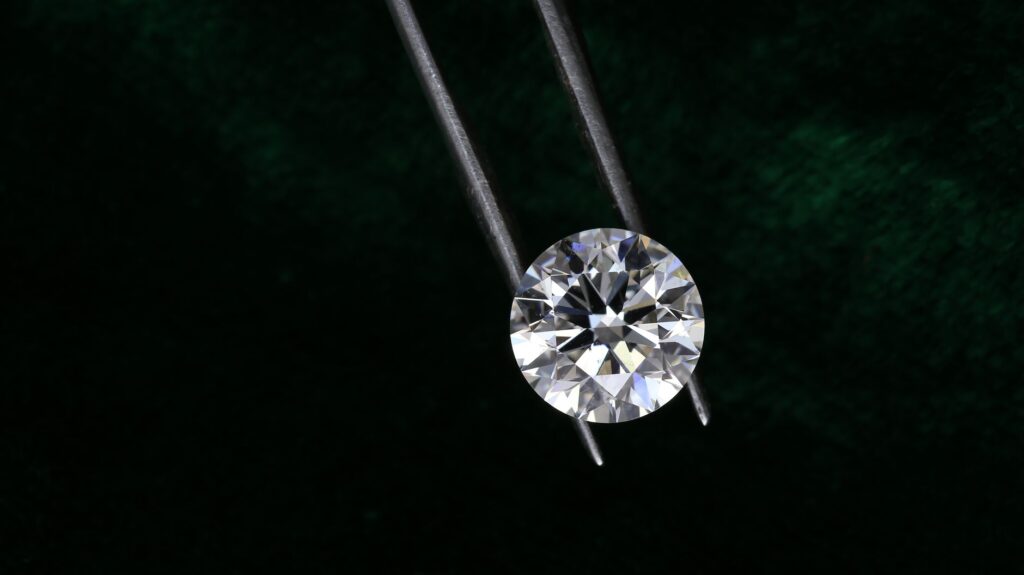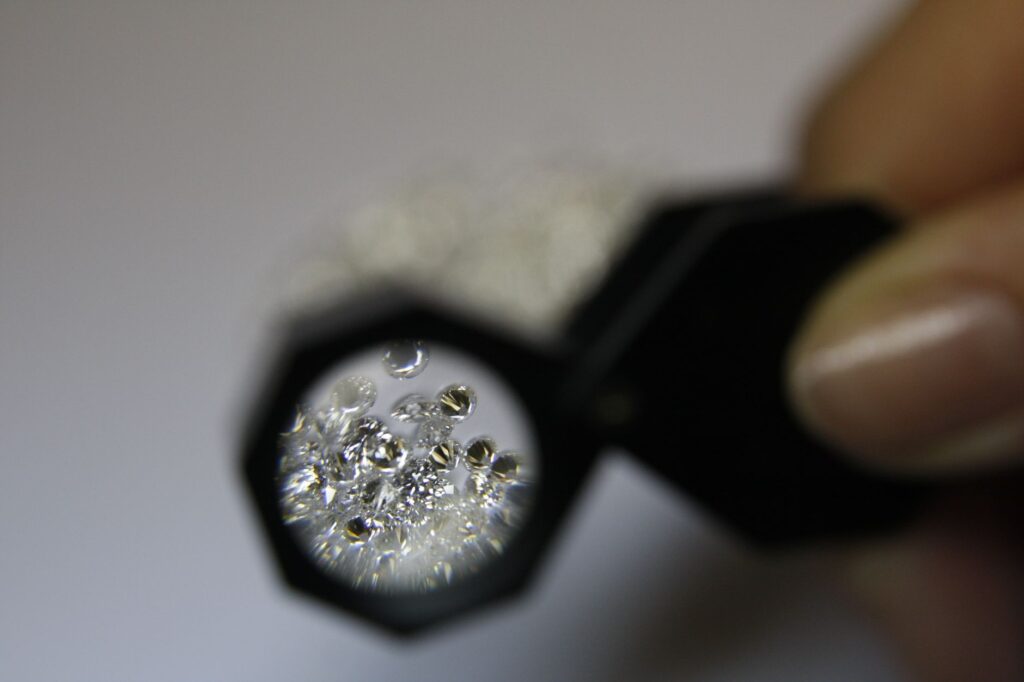
Lab grown diamonds can create a practical color-buying question that is easy to overlook: do lab grown diamonds show color differently than natural diamonds, and if so, does it matter in real life? The short answer is that lab grown diamonds do not follow a different visual rulebook, but they do present color in a way that can influence buying decisions because they are often offered in higher color grades at lower prices.
For most shoppers, the real issue is not whether a lab grown diamond can show color. It is whether the difference between grades is noticeable enough to justify paying more. In many cases, the answer depends on the size of the diamond, the shape, the setting metal, and how closely you examine it in everyday lighting.
Quick answer
Do lab grown diamonds show color differently? Not in a fundamental visual sense. A lab grown diamond with a certain color grade will usually look similar to a natural diamond with the same grade under normal viewing conditions.
What does differ is the buying context. Lab grown diamonds are commonly available in higher color grades, so shoppers often compare very white stones against slightly lower color grades more often than they would in the natural diamond market. That can make color differences feel more important, even when they are subtle to the eye.
In practical terms, most buyers can choose a well-cut lab grown diamond in the near-colorless range and still get a stone that looks bright and white. Very high color grades can be attractive, but the visible improvement is often smaller than the price difference suggests.
Why diamond color matters in the first place
Diamond color refers to how much yellow, brown, or gray tint a diamond shows when viewed face-up. The most desirable grading scale for standard white diamonds runs from D, which is colorless, down through the alphabet as tint becomes more noticeable.
Color matters because a diamond’s appearance is shaped by more than sparkle alone. A diamond can be well cut and still look less crisp if its body color is obvious, especially in larger sizes or in certain settings. On the other hand, a slightly lower color grade may still appear bright and attractive, especially if the cut is strong.
For buyers comparing lab grown diamonds, color often becomes one of the main value trade-offs. Since lab grown stones tend to cost less than natural diamonds at the same size and quality level, some shoppers choose to spend more on a higher color grade. Others realize they can save money by choosing a grade where color is still difficult to detect visually.
How diamond color is graded
Diamond color is graded on a scale established by gemological labs such as GIA and IGI. The usual range for white diamonds is from D to Z.
The grading scale breaks down like this:
- D to F: colorless
- G to J: near-colorless
- K to M: faint color
- N and below: increasingly noticeable color
The names are helpful, but they do not tell the whole story. A diamond’s actual appearance depends on cut quality, shape, size, and the metal around it. Two diamonds with the same color grade can still look a little different in person.
This is one reason buyers should not make color decisions based on the grading report alone. A report tells you the lab’s opinion of the stone under controlled conditions. It does not fully describe how the diamond will appear once it is set in a ring and viewed in normal life.
What lab grown diamond color actually looks like
When shoppers ask about color, they often want to know whether a diamond looks white, slightly warm, or visibly tinted. That is the practical question that matters most.
In lab grown diamonds, the visual effect of color is usually the same as in natural diamonds. A diamond that grades lower on the color scale may show a soft yellow or warm tint, especially when viewed from the side or compared directly against a higher-grade stone. A higher-grade diamond usually looks brighter and more neutral.
Still, the key word is usually. The visibility of color is not only about the grade. It also depends on the shape and the setting.
Face-up color versus side view color
Most buyers judge a diamond face-up, meaning from the top view. That is how the stone appears when worn. From this angle, many near-colorless diamonds look quite white, especially in smaller sizes.
Side view is different. Tint is often easier to notice from the side or through the pavilion, the lower part of the diamond. This is why a diamond may look very white from above but show a bit of warmth when examined closely.
This difference matters because a diamond ring is not always seen under controlled showroom conditions. A well-set diamond should still look attractive from the side, but the top view is usually the most important for daily wear.
Why shape changes color perception
Diamond shape affects how color is perceived because different shapes trap or return light differently. Round brilliant diamonds tend to hide color better than step-cut shapes such as emerald cuts or Asscher cuts.
Some shapes commonly show color more easily:
- Emerald cut
- Asscher cut
- Radiant cut
- Oval
- Pear
Round brilliant diamonds are often the most forgiving. Their sparkle can help mask subtle tint, which is useful for buyers trying to maximize value in the near-colorless range.
Can most people see the difference?
For most buyers, color differences are easiest to see when diamonds are compared side by side. A single diamond worn on a hand is harder to judge because the eye adapts quickly to the overall look of the stone.
That means a color difference that looks obvious in a showroom tray may become much less noticeable once the diamond is set. This is especially true when the cut is good and the stone is not extremely large.
Everyday visibility
In everyday life, many people will not notice the difference between a well-cut G, H, or even I color lab grown diamond and a higher color stone, particularly in a ring with a white metal setting. The stone may still look white and clean to the eye.
In contrast, a lower color grade may begin to show warmth more clearly in larger carat weights, in step-cut shapes, or when viewed next to a whiter stone. Even then, the difference may be subtle rather than dramatic.
Professional perception versus consumer perception
Trained diamond professionals are better at spotting color differences because they compare stones regularly and know what to look for. A consumer shopping for a ring usually does not examine diamonds that way.
This matters because a grading chart can make color differences seem more important than they are in real-world use. Buyers should focus on what they can actually see, not what looks significant on paper.
Distance matters
At normal viewing distance, color becomes less obvious. A diamond viewed from a few feet away often appears brighter than it would under a loupe or close inspection.
That is why many shoppers can choose a slightly lower color grade and still end up with a diamond that looks excellent. If a difference cannot be seen at normal distance, the premium for a higher grade may be less compelling.
How lab grown diamonds compare to natural diamonds in color appearance
From a visual standpoint, lab grown and natural diamonds with the same color grade should not be expected to look dramatically different. Color grading is intended to describe appearance, not origin.
However, there is a practical difference in the marketplace. Lab grown diamonds are frequently sold in very high color grades, which means consumers are more likely to compare D, E, and F stones against G, H, and I stones while shopping.
That abundance of higher grades can create the impression that lab grown diamonds are “whiter” by nature. In reality, they are simply more often available at those grades, and buyers may be seeing a narrower slice of the color spectrum.
Another point worth understanding is that lab grown diamonds can sometimes show internal growth characteristics that are unrelated to color but still influence the overall look. Those features are not the same as tint, yet they can affect how the stone appears under certain lighting. A good grading report and a careful visual review are still important.
How the setting metal changes what you see
The metal around a diamond can change how white or warm it appears. This is one of the most overlooked factors in color buying.
A diamond does not exist in isolation once it is set. The surrounding metal reflects light and influences how your eye reads the stone.
White gold and platinum
White gold and platinum are the most common settings for buyers who want a bright, modern look. They tend to emphasize whiteness in the diamond and make slight tint easier to compare.
In these settings, many buyers prefer near-colorless or colorless diamonds because the contrast is more obvious. A D, E, or F color lab grown diamond can look especially crisp in white metal, but a well-cut G or H can still look very white to most people.
If the goal is to maximize the impression of whiteness, white metals are usually the most demanding settings for color. They do not hide warmth as effectively as yellow gold or rose gold.
Yellow gold
Yellow gold can make a diamond’s body color less noticeable because the metal itself is warm-toned. This does not mean a lower color grade disappears, but it does mean the eye is less likely to compare the diamond against a cool white background.
For this reason, some buyers choose to save money on color when setting a diamond in yellow gold. A near-colorless stone can still look beautiful and balanced in that environment.
Rose gold
Rose gold behaves somewhat like yellow gold in that it introduces warmth into the setting. It can soften the appearance of color differences in a diamond.
Some people find that warm metals pair especially well with slightly lower color grades because the overall look feels harmonious rather than starkly white. This is a style preference more than a gemological rule.
How lighting changes diamond color
Lighting has a major effect on how diamond color appears. A stone that looks bright in one environment can look warmer or cooler in another.
Daylight
Natural daylight is often the most revealing environment for diamond color. It tends to show the true body color more clearly than many indoor lights.
That said, daylight also varies. Bright direct sun, shaded outdoor light, and window light can all create slightly different impressions. A diamond that looks fine indoors may show more warmth outdoors if the color grade is lower.
Indoor lighting
Standard indoor lighting can make a diamond look whiter than it really is, especially in warmer light bulbs. This can be helpful for lower color grades, but it can also create false confidence if the buyer never sees the diamond in more neutral light.
For that reason, it is wise to view a diamond in more than one lighting condition before deciding. A stone should look good not only under showroom spotlights but also in real everyday settings.
Jewelry store lighting
Jewelry stores often use bright, controlled lighting designed to make diamonds sparkle. This can reduce the apparent visibility of body color because intense brightness can distract from subtle tint.
While this environment is useful for comparing sparkle, it can make color differences harder to judge. A buyer may not realize how a diamond will look in softer home lighting until after the purchase.
Warm versus cool light
Warm light can make diamonds appear slightly yellower. Cool light can make them appear crisper and more neutral.
This is another reason some buyers feel that color is more visible in certain rooms than others. The diamond itself has not changed, but the light around it has changed the way the eye interprets it.
Price premium versus visible benefit
One of the most important questions is whether paying more for a higher color grade actually produces a noticeable improvement. In many cases, the answer is only partially yes.
Higher color grades do cost more. In lab grown diamonds, the price difference between grades can still be meaningful even though the overall cost is lower than comparable natural diamonds. The key issue is whether the added whiteness is visible enough to justify the premium.
For many buyers, the leap from a lower near-colorless grade to a higher near-colorless or colorless grade produces a subtle improvement, not a dramatic one. If the difference is difficult to see without comparison, the value of the upgrade becomes subjective rather than obvious.
The idea of diminishing returns
Diminishing returns is a useful concept in diamond color. The closer you get to top color grades, the smaller the visible improvement tends to be relative to the added cost.
For example, moving from a noticeably warm diamond into the near-colorless range may be a visible upgrade. Moving from G to F or F to E may be much harder to see in everyday wear. Buyers often pay more for these upper grades because they sound better on paper, even when the visual difference is modest.
Where the money may be better spent
For many shoppers, it makes sense to balance color against other factors such as cut quality and size. A well-cut diamond often has a bigger effect on visual beauty than a small color upgrade.
That does not mean color is unimportant. It means the best value usually comes from making trade-offs thoughtfully rather than assuming the highest color grade is always the best choice.
Who should upgrade color in a lab grown diamond?
There are situations where paying for a higher color grade is justified. The goal is not to buy the highest grade automatically, but to match the diamond to the setting, shape, and personal preference.
You may want a higher color grade if:
- You prefer a very crisp, icy-white look.
- The diamond will be set in platinum or white gold.
- You are choosing an emerald cut, Asscher cut, or other shape that shows color more easily.
- The diamond is larger, where tint may be easier to notice.
- You know you are sensitive to warmth in diamonds.
- The ring design has minimal side detail and leaves the diamond visually exposed.
In these situations, paying for a higher color grade can improve peace of mind. Even if the difference is subtle, some buyers value that assurance.
You may not need to upgrade if:
- The diamond will be set in yellow gold or rose gold.
- You are choosing a round brilliant with strong cut quality.
- You are focused on overall value rather than top grading.
- You are shopping for a ring where the diamond will not be viewed at very close range often.
- You are comfortable with slight warmth if it saves money.
In these cases, a near-colorless lab grown diamond can often deliver excellent visual results without the premium attached to the highest grades.
Who can save money on color without sacrificing beauty?
Buyers who are not strongly focused on ultra-white diamonds often have room to save in the near-colorless range. This is especially true if the diamond has strong cut quality and is paired with a setting that does not emphasize tint.
Many first-time buyers are surprised by how white a G, H, or I color lab grown diamond can look once set. The right stone can appear bright and balanced rather than obviously tinted.
That does not mean every lower grade looks the same. It means the visual threshold for “looks white enough” is often lower than many shoppers expect, especially when the diamond is not compared directly to a higher-grade stone.
Common buyer mistakes when evaluating lab grown diamond color
Color shopping becomes easier when buyers avoid a few common mistakes. These errors can lead to overspending or disappointment.
1. Overpaying for invisible upgrades
Some shoppers move from a very good near-colorless diamond to a top color grade because the report looks impressive. If the difference is not visible in normal viewing, the upgrade may not deliver much practical benefit.
This is a classic example of paying for rarity instead of appearance. Rarity has value, but only if that matters to the buyer.
2. Ignoring the setting metal
A buyer may choose a lower color grade in a white metal setting and later notice more warmth than expected. Another buyer may spend heavily on a colorless stone in yellow gold, where the extra whiteness is less useful.
The setting should be part of the color decision from the beginning.
3. Assuming all lab grown diamonds look extremely white
Because lab grown diamonds are often marketed at high color grades, some buyers assume they always look colorless. That is not true. Lab grown diamonds can show the same range of body color as natural diamonds.
The difference is availability, not a different visual standard.
4. Judging color only by the grading report
A report is important, but it is not a substitute for a visual review. Cut quality, shape, and lighting affect appearance just as much as the grade itself.
A G color diamond with excellent cut may look whiter than an F color diamond with weaker light return. The report alone does not tell the entire story.
5. Comparing stones in inconsistent lighting
Color comparisons can be misleading if one diamond is seen in bright spotlighting and another in softer light. To compare fairly, the lighting should be as similar as possible.
Without that consistency, buyers may think they are seeing a meaningful difference when they are actually seeing a lighting effect.
Comparison table: color grades in lab grown diamonds
The table below summarizes how different color ranges are usually perceived. These are general tendencies, not absolute rules.
| Color range | Typical appearance | Visibility of tint | Common value note |
|---|---|---|---|
| D to F | Very white, colorless appearance | Usually minimal face-up tint | Higher price, often chosen for top whiteness |
| G to H | White to the eye in many settings | Subtle warmth may appear in certain lighting | Often strong balance of appearance and price |
| I to J | Still attractive, may show slight warmth | More likely to be noticed in white metals or larger stones | Usually better value for buyers comfortable with a touch of warmth |
| K and below | Warm appearance becomes more apparent | Tint often visible without comparison | May suit yellow gold or buyers who like warmth |
Buying guidance by metal and shape
The best color grade depends on the full ring design, not just the diamond itself. Matching the stone to the setting can improve both appearance and value.
Best general approach for white gold or platinum
For white metals, many buyers find the sweet spot in the near-colorless range, especially if the diamond is well cut. G and H are often strong choices because they can look white while avoiding some of the premium attached to top color grades.
If the diamond is a larger size or a shape that reveals more body color, some shoppers move up a grade or two for peace of mind. The best choice depends on how sensitive the buyer is to tint.
Best general approach for yellow gold or rose gold
In warm-toned metals, a slightly lower color grade can still look very good. The setting naturally softens any warm undertone in the diamond.
That allows more flexibility for buyers who want to prioritize size, cut, or overall budget. In many cases, the diamond will still read as white enough in daily wear.
Best general approach for step cuts
Step cuts like emerald and Asscher are less forgiving because their broad facets make color easier to see. Buyers who want these shapes often benefit from choosing a higher color grade than they would for a round brilliant.
This is one of the clearest examples of shape affecting color visibility in a meaningful way.
Does color matter more in lab grown diamonds because they are cheaper?
Sometimes it does, but not for the reason many people assume. Because lab grown diamonds cost less overall, buyers may be tempted to move up the color scale simply because the budget allows it.
That can be a reasonable choice if top whiteness matters. However, it can also lead to overspending on a feature that is barely visible. The lower total cost of lab grown diamonds should not be mistaken for a reason to pay for every possible upgrade.
In practical buying terms, the goal is the same as with natural diamonds: get the best visible appearance for the budget. Lab grown pricing simply changes where the value line falls.
Frequently asked questions
Are lab grown diamonds less white than natural diamonds?
No, not as a category. A lab grown diamond and a natural diamond with the same color grade should generally look similar in terms of body color.
Do lab grown diamonds show yellow color more easily?
They do not inherently show yellow more easily because they are lab grown. Color visibility depends more on the actual grade, cut, shape, size, lighting, and setting.
Is D color worth it in a lab grown diamond?
Sometimes, but not always. D color offers the highest colorless grade, yet the visual improvement over near-colorless grades can be subtle in everyday wear. Whether it is worth the premium depends on personal preference and the ring design.
What color looks best in a lab grown engagement ring?
There is no single best color for everyone. Many buyers consider G or H a strong balance of appearance and value, while others prefer the whiter look of D to F. The best choice depends on the shape, metal, and your sensitivity to warmth.
Can I tell the difference between G and H color?
Sometimes, but often not without side-by-side comparison. In many rings, especially well-cut round brilliants, the difference can be very subtle once the stone is worn.
Do lab grown diamonds look better in yellow gold?
Not necessarily better, but yellow gold can make lower color grades less noticeable. That gives buyers more flexibility if they prefer warmth or want to save money on color.
Should I prioritize cut over color?
In most cases, yes. Cut has a major effect on how much light a diamond returns, which strongly influences sparkle and brightness. A well-cut diamond often appears more attractive than a poorly cut diamond with a higher color grade.
Will a lower color grade affect durability?
No. Color is an appearance characteristic, not a durability factor. A lower color grade does not make the diamond softer or less suitable for daily wear.
Practical color-buying takeaways
If you are deciding whether color differences matter in a lab grown diamond, the most useful question is not “Which grade is best on paper?” It is “Which grade will still look white enough once the diamond is set and worn?”
For many buyers, the answer is in the near-colorless range. That is where a diamond can still look bright and attractive while offering stronger value than the top color grades.
If you prefer a very icy appearance or you are choosing a shape that shows color more easily, higher grades can make sense. But if the diamond will be set in yellow gold or rose gold, or if you are comfortable with a slight hint of warmth, you may not need to pay for the highest grades.
The best approach is to judge color in context. Consider the shape, size, metal, and lighting, then decide how much visible improvement the added cost is likely to deliver. That is the most practical way to evaluate whether lab grown diamonds show color differently in a way that matters to you.