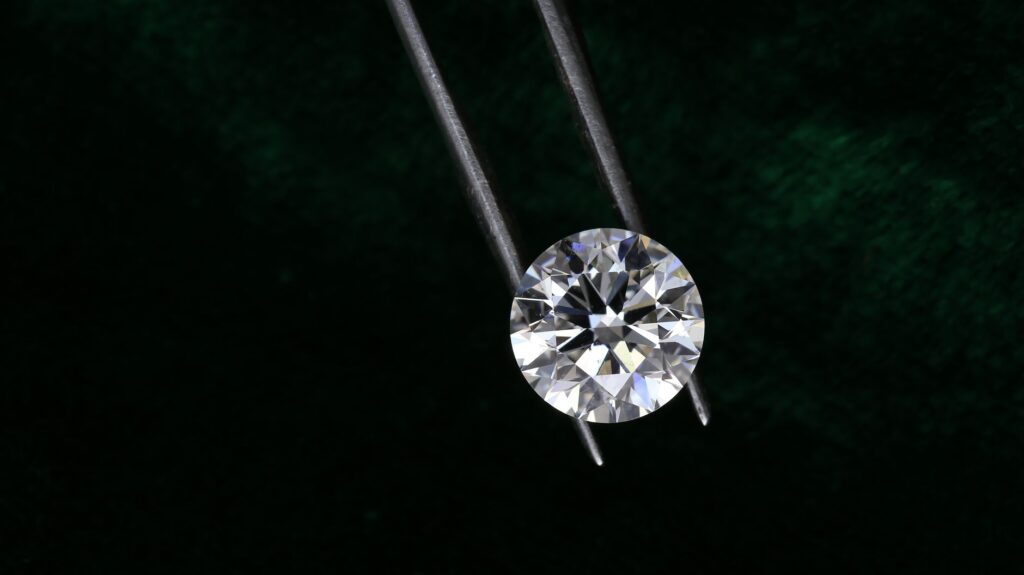
Choosing between cut and color is one of the most common diamond buying decisions, and it usually comes down to a simple question: where will you notice the difference most? In most cases, cut has the stronger effect on how attractive a diamond looks in everyday wear. A well-cut diamond can appear brighter, more lively, and more brilliant than a diamond with a better color grade but weaker proportions or poor light return.
That does not make color unimportant. Color affects how white or warm a diamond appears, and that can matter more in larger stones, step-cut shapes, or settings where tint is easier to see. Still, for most buyers comparing diamonds in the near-colorless range, cut usually has the greater impact on visual beauty.
This is especially relevant for lab grown diamonds, where buyers often focus on size and price and assume stones of the same color grade will look nearly identical. In reality, cut can change how much sparkle you see, how well the diamond handles light, and whether it appears crisp or flat in normal lighting.
Quick Answer: Does Cut Matter More Than Color?
Yes, for most buyers, cut matters more than color when the goal is visible beauty. Cut controls how efficiently a diamond reflects light back to your eye, which affects brightness, sparkle, fire, and overall life in the stone.
Color still matters, but its impact is often more subtle than cut, especially once you are in the near-colorless range. Many shoppers can spot the difference between a well-cut diamond and a poorly cut one very quickly, while the difference between neighboring color grades may be harder to notice once the diamond is mounted.
If you are deciding how to allocate your budget, it is usually wiser to prioritize cut first, then choose a color grade that looks clean enough for your setting and personal preference. That approach tends to produce the most attractive diamond for the money.
What Diamond Cut Really Means
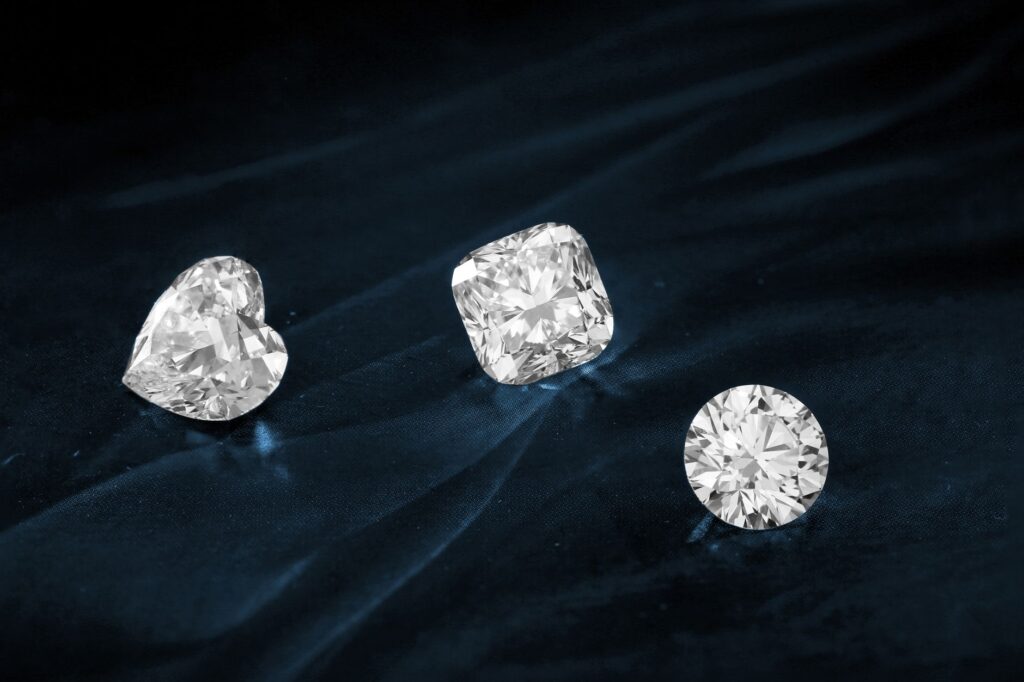
Diamond cut is not the same as diamond shape. Shape refers to the outline, such as round, oval, cushion, or emerald. Cut refers to how well the diamond was proportioned and finished, which affects how light moves through it.
In practical terms, cut answers a simple question: does the diamond perform well in light? A well-cut diamond returns more light to the eye, creating a stronger combination of brightness and sparkle. A poorly cut diamond may leak light, look dark in the center, or appear dull even if it has a high color grade.
Cut Is About More Than Shape
Many buyers assume a diamond that looks “well cut” simply has a pleasing shape. In reality, shape and cut are separate. Two oval diamonds can have very different visual performance depending on their proportions, symmetry, and polish.
This is why diamond education places so much emphasis on cut quality. It is one of the few characteristics that can dramatically change how the stone looks face-up, meaning from the top in normal wearing conditions.
The Main Parts of Cut Quality
When people talk about cut quality, they are usually referring to several connected features:
- Proportions, which influence how the diamond handles light
- Symmetry, which affects how precisely the facets line up
- Polish, which describes the smoothness of the facet surfaces
- Light performance, which is the overall result you see
For round brilliant diamonds, grading systems are more standardized, so buyers can often compare cut grades more directly. For fancy shapes like oval, pear, or emerald, cut assessment is less uniform and requires more careful inspection.
What Diamond Color Means
Diamond color refers to the presence or absence of a visible tint, usually yellow or brown in near-colorless diamonds. On grading reports, color is often assigned on a scale from D, which is colorless, down through the alphabet as tint becomes more noticeable.
In practical terms, color matters because it can affect how white a diamond looks. Some buyers want the crispest, most colorless appearance possible. Others are comfortable choosing a slightly lower color grade if it allows them to prioritize size or cut quality.
Color Is Often More Subtle Than Buyers Expect
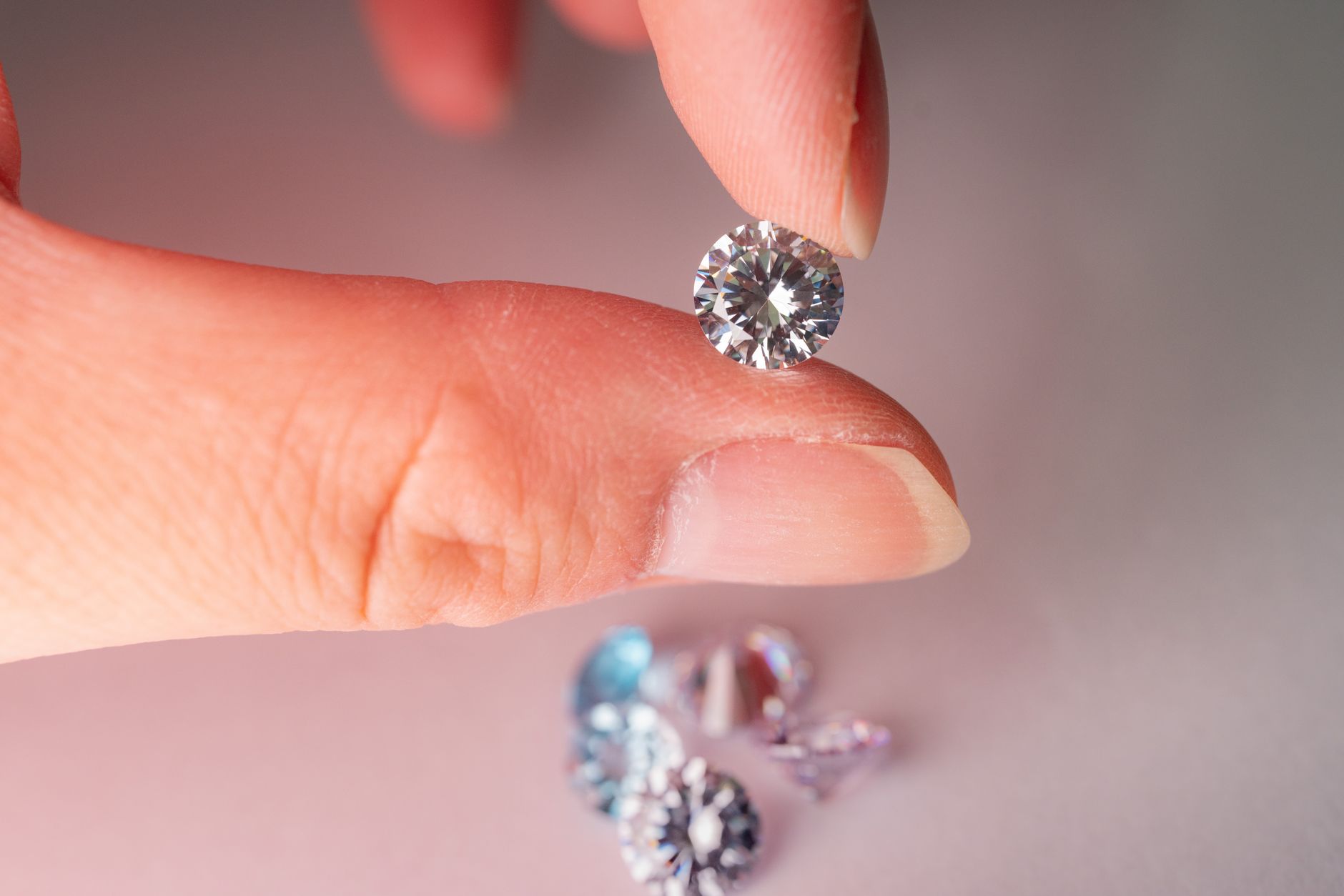
For many people, color differences are easiest to see when diamonds are viewed loose, from the side, or next to each other under controlled lighting. Once a diamond is set in a ring, the mounting and viewing distance can make the difference harder to notice.
That is one reason color can be a less urgent concern than cut for many shoppers. If the diamond is not returning light well, a high color grade does not fully rescue the appearance.
Why Cut Usually Has the Bigger Visual Impact
Cut affects how a diamond interacts with light. That makes it central to the stone’s brilliance, which is the white light return that gives a diamond its bright appearance, and fire, which is the flashes of colored light you see when the diamond moves. It also affects scintillation, which is the pattern of sparkle and contrast on the move.
Color, by contrast, influences the baseline tint of the stone. A beautifully cut diamond with a slightly lower color grade can still look lively and attractive, while a higher color diamond with poor cut may appear dull. This is why experienced buyers often say cut is the engine of beauty.
That said, cut and color are not competing in a strict either-or way. Both matter. The key is that cut usually creates a more immediate and obvious improvement to the diamond’s face-up appearance.
How Cut Affects What You Actually See
Brilliance
Brilliance is the white light that bounces back from the diamond to your eye. In a well-cut diamond, brilliance makes the stone look bright and lively even in moderately lit settings. In a poorly cut diamond, light may escape from the bottom or sides instead of reflecting back, making the stone appear less bright.
Most buyers notice brilliance very quickly. It is one of the first things people respond to, even if they cannot explain why one diamond looks better than another.
Fire
Fire is the colorful flash you see when light splits as it moves through the diamond. It is often easier to notice in certain lighting conditions, such as spot lighting or direct sunlight.
Fire is influenced by cut proportions and facet arrangement. A well-cut diamond often shows a more pleasing balance of white light and colorful flashes. Color grade alone does not guarantee strong fire.
Scintillation
Scintillation refers to the sparkle pattern created by light and dark contrast as the diamond moves. This is one reason a diamond can seem to “come alive” when viewed from different angles.
Good scintillation depends on how the facets are arranged and how precisely they are aligned. If the cut is poor, the sparkle pattern can look weak, uneven, or blurry. Buyers often notice this when comparing diamonds side by side.
Brightness and Light Return
Light return is the amount of light reflected back to the viewer. Brightness is the visual result of strong light return. Diamonds with strong light return tend to look cleaner and more vivid across a range of lighting conditions.
Color affects how white the diamond appears, but it does not fix weak light return. A diamond can be colorless on paper and still look disappointing if it is not returning light efficiently.
Face-Up Appearance
Face-up appearance is how the diamond looks from the top, which is the way people usually see it in a ring. Cut strongly affects face-up appearance because it determines whether the diamond looks open, lively, and proportional, or dark and sleepy.
This is particularly important in engagement rings, where the diamond is worn every day and seen from a normal conversational distance. A difference that seems small on a grading report can become very noticeable in the hand.
How Color Affects Appearance
Color mostly influences the overall whiteness of the stone. In higher color grades, the diamond may appear icy or neutral. In lower grades within the near-colorless range, some diamonds can show a slight warmth, especially when viewed from the side or against a white background.
For many buyers, the effect of color becomes more noticeable as carat weight increases. Larger diamonds have more surface area, so there is more opportunity for tint to be seen. Shape also matters. Some shapes, such as emerald cuts, can show color more easily than round brilliants because they have larger open facets and less face-up sparkle to mask tint.
Still, color differences are often more situational than cut differences. Lighting, setting style, and the viewer’s perspective all affect how noticeable the color really is.
Cut Versus Color in Real-World Buying Situations
| Factor | Cut | Color |
|---|---|---|
| What it influences | Brightness, sparkle, fire, and overall light performance | Degree of whiteness or warmth |
| How easy it is to notice | Usually obvious, especially in side-by-side comparisons | Often subtle, especially once mounted |
| Effect on beauty | Very strong | Moderate, depending on the grade and setting |
| Best use of budget | Usually a top priority | Important, but often after cut is secured |
| Risk of overspending | Chasing size or color while sacrificing performance | Paying for a higher color grade that may not be visibly necessary |
Understanding Cut Grades
For round brilliant diamonds, cut is usually assigned a grade such as Excellent, Very Good, Good, Fair, or Poor. These grades are intended to summarize how well the diamond was proportioned and finished.
An Excellent cut grade generally indicates strong light performance. A Very Good cut can still look impressive and may offer good value. Lower grades are more likely to show visible drawbacks such as weak brightness or poor sparkle patterning.
For fancy shapes, cut grades are less standardized and may not be as informative on a grading report. That means buyers need to rely more on shape-specific proportions, visual inspection, and the stone’s actual appearance.
What Cut Grades Do and Do Not Tell You
A cut grade is helpful, but it is not the whole story. Two diamonds with the same grade can still look different, especially in non-round shapes. Grading systems also focus more strongly on measurable factors than on every aspect of the eye’s final impression.
This is why buyers should not assume that a single cut label guarantees beauty. It is a good starting point, not the entire evaluation.
Symmetry and Polish Explained Simply
Symmetry describes how precisely the facets line up with one another. Polish describes how smooth the facet surfaces are after cutting and finishing. Both are part of the craftsmanship of the diamond.
In practical terms, better symmetry and polish can support better light behavior and a cleaner appearance. However, the visual difference is often more subtle than the difference between good and poor overall cut proportions.
Will Buyers Actually Notice Symmetry?
Usually not unless the symmetry issues are significant or the diamond is being examined closely. Minor symmetry differences are often more important to professionals than to everyday buyers.
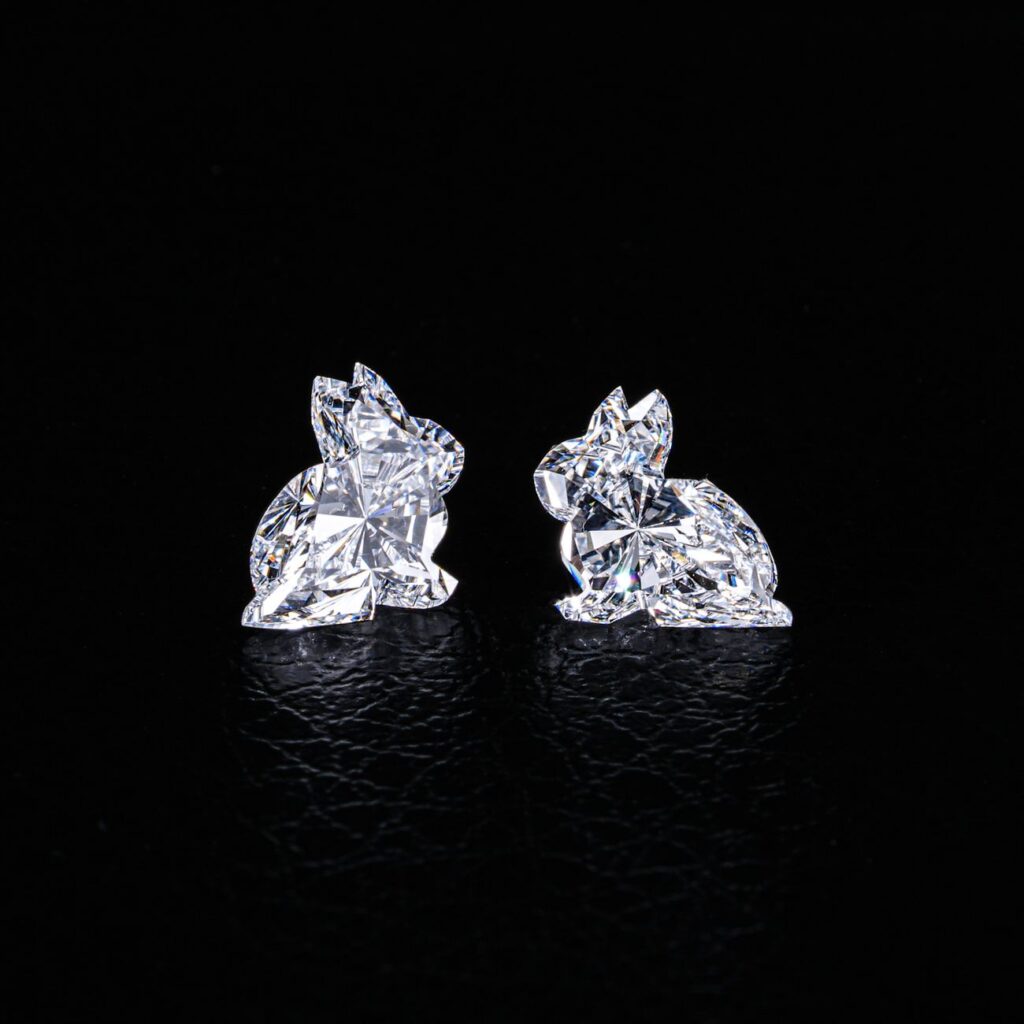
That said, symmetry can matter more in certain fancy shapes and in styles like Hearts and Arrows round diamonds, where precision is part of the appeal. It also reflects overall workmanship, which some buyers value.
Will Buyers Actually Notice Polish?
Minor polish differences are rarely obvious to the average buyer. Poor polish can sometimes create a hazy or less crisp look, but most people will not detect subtle polish grades without magnification.
For that reason, polish is important, but usually not more important than the diamond’s overall cut performance.
Light Performance: The Practical Meaning Behind the Term
Light performance is one of the most useful concepts for buyers because it describes how the diamond actually looks in reflected light. It combines many factors into a real-world result, rather than focusing only on measurements.
When light performance is strong, the diamond looks bright, lively, and balanced. When light performance is weak, the stone may show dull zones, dark areas, or uneven sparkle. This is where cut has the biggest impact on visual quality.
What Light Leakage Means
Light leakage occurs when light enters the diamond but escapes through the bottom or sides instead of returning to the eye. In practical terms, leakage can create dark or washed-out areas and reduce brightness.
Not all leakage is equally visible, and some diamonds still look good with minor leakage. But when leakage is significant, most buyers can see that the diamond lacks life compared with a better-cut stone.
Why Light Performance Matters More Than Numbers Alone
Measurements such as table percentage, depth percentage, and crown angle can be helpful clues, but they do not tell the full story by themselves. Two diamonds with similar numbers can perform differently because facet interaction is complex.
This is one reason many experienced buyers and jewelers care about actual face-up performance, not just a single set of proportions.
Hearts and Arrows: What It Is and Whether It Matters
Hearts and Arrows is a pattern visible in some very precisely cut round diamonds when viewed under special conditions. The pattern indicates a high level of optical symmetry, meaning the facets are aligned with unusual precision.
For buyers, the key question is not just whether the pattern exists, but whether it translates into a better-looking diamond. Often it does support excellent optical performance, but it is not the only path to a beautiful stone.
What Buyers Actually See
Most buyers do not see the Hearts and Arrows pattern during normal wear. What they do see is the result, which can include strong sparkle, crisp contrast, and a very balanced visual appearance.
It can be a useful sign of quality, but it is not necessary for every buyer. Some diamonds without a formal Hearts and Arrows pattern still look excellent to the eye.
Does Cut Matter More Than Color in Lab Grown Diamonds?
In many ways, yes. Cut matters just as much in lab grown diamonds as it does in natural diamonds. The optical principles are the same. Light still needs to enter, interact with the facets, and return to the eye in a pleasing way.
One difference is that lab grown diamonds are often priced lower per carat, which can make buyers more likely to choose a larger stone. That makes cut even more important, because a larger poorly cut diamond can be far less appealing than a slightly smaller, well-cut one.
Lab grown buyers also tend to compare a wider range of color and clarity combinations because the budget may stretch further. That is helpful, but it can also lead people to focus too much on high color or high clarity while underestimating the visual impact of cut.
Color in Lab Grown Diamonds
Lab grown diamonds are available across the same general color range as natural diamonds, including colorless and near-colorless grades. Some lab grown diamonds can show slight color tints, and the same visual principles apply.
For buyers who want the most eye-clean and attractive result, a well-cut lab grown diamond in a practical color grade often offers a better balance than a technically higher color stone with weaker cut performance.
Which Matters More in Different Shapes?
The answer can vary by shape. Round brilliants are the most forgiving and the most standardized, which makes cut grading especially useful. Fancy shapes often show more variation in how cut affects appearance, so the comparison becomes even more important.
| Shape | Cut Importance | Color Visibility | Buyer Note |
|---|---|---|---|
| Round brilliant | Very high | Moderate | Cut usually has the biggest effect on sparkle and brightness |
| Oval | Very high | Moderate | Watch for bow-tie effects and uneven light return |
| Emerald | High | High | Color and clarity can be more visible because of open facets |
| Pear | High | Moderate | Symmetry and brightness across the shape matter a lot |
| Cushion | High | Moderate | Cut style varies, so visual inspection is important |
In shapes like emerald and asscher, color may be easier to see because the facets create broader windows into the stone. In shapes like round brilliant and some modified brilliant cuts, strong sparkle can help mask a bit of color.
When Paying More for Cut Makes Sense
Paying more for cut makes sense when you care about visible beauty, especially in a ring you will wear often. Since cut influences sparkle and brightness more directly than color, it usually delivers a noticeable return in appearance.
It also makes sense when you are choosing a larger diamond. As carat weight increases, any weakness in cut can become more obvious. A well-cut diamond often looks more impressive than a larger but poorly performing stone.
If you are shopping for a lab grown diamond and trying to maximize size, it is tempting to move down in cut quality to stretch the budget. That can work in some cases, but only if the appearance remains strong. The savings are not worthwhile if the stone looks dull or lacks sparkle.
When a Higher Color Grade May Be Worth It Instead
There are cases where color deserves a higher priority. If you prefer a very white look, especially in a larger stone or an emerald cut, a higher color grade may matter more to you than it would to another buyer.
Some settings, such as yellow gold or rose gold, can also make slight color differences less noticeable. In those cases, a buyer may decide to balance cut and color differently.
When the Color Difference Is More Noticeable
Color is easier to see in larger diamonds, step-cut shapes, and stones viewed from the side. It can also be more noticeable if the diamond is compared directly against a much whiter stone under controlled lighting.
That means a buyer choosing a very large engagement ring, especially in a shape like emerald or asscher, may want to be more selective about color. Even then, cut remains important because a weakly cut diamond can still appear flat or glassy regardless of color grade.
Metal Color and Setting Style Matter Too
White gold and platinum tend to make near-colorless diamonds look whiter. Yellow gold and rose gold can make slightly lower color grades look warmer, but sometimes that warmth blends in naturally with the setting.
So when asking whether cut matters more than color, the answer should also include how the diamond will be worn. The setting can either reveal or soften color, while cut continues to drive sparkle in nearly every setting.
Practical Examples Buyers Can Relate To
A Well-Cut 1.5-Carat Diamond Versus a Poorly Cut 2-Carat Diamond
Many buyers assume the larger stone will always look better. In reality, a 1.5-carat diamond with excellent cut can often appear brighter, more lively, and more attractive than a 2-carat diamond with poor light performance.
The larger stone may have more spread, but if the cut is weak, it can look dark, sleepy, or uneven. This is one of the clearest examples of why cut can matter more than size alone.
Excellent Cut Versus Very Good Cut in Everyday Lighting
In controlled lighting, the difference between Excellent and Very Good can be subtle or even difficult to spot unless you are comparing carefully. In everyday use, many Very Good diamonds still look excellent to the average buyer.
The important point is that not all Very Good diamonds are equal. Some are close to Excellent in appearance, while others are noticeably less lively. If you are trying to optimize value, a high-end Very Good stone can be a smart compromise.
Higher Clarity With Poor Cut Versus Lower Clarity With Excellent Cut
This comparison comes up often. A diamond with higher clarity may be cleaner under magnification, but if the cut is weak, the stone may still look dull. Meanwhile, a slightly lower clarity diamond that is eye-clean and well-cut can look far more beautiful in everyday wear.
For many buyers, that is the more practical choice. Unless inclusions are visible to the eye, cutting quality often has the stronger effect on beauty than going up several clarity grades.
Advantages of Prioritizing Cut
- Better sparkle and brightness in normal viewing conditions
- Stronger face-up appearance, which is what most people see most often
- More forgiving value decisions, since a slightly lower color grade can still look excellent if cut is strong
- Better long-term satisfaction, because the diamond is more likely to keep looking attractive across different lighting environments
- Helpful for lab grown diamonds, where buyers often want maximum visual impact for their budget
Disadvantages and Trade-Offs of Prioritizing Cut
- You may need to accept a slightly lower color grade to stay within budget
- Some buyers strongly prefer a colorless look and may notice tint more than others
- For certain fancy shapes, cut quality is harder to judge from a report alone
- Excellent cut stones can cost more, especially when combined with other premium grades
The main trade-off is budget allocation. Choosing the best cut may mean compromising somewhat on color, clarity, or carat weight. For many shoppers, that is a sensible trade, but the right balance depends on the buyer’s priorities.
Buying Considerations for Lab Grown Diamond Shoppers
Lab grown diamond shoppers often have more room in the budget, which can be both a benefit and a trap. The benefit is that you can often afford better size, cut, and clarity than you could in a comparable natural diamond. The trap is over-optimizing for larger carat weight while forgetting that cut determines much of the visual appeal.
When shopping for a lab grown diamond, it is wise to compare stones visually rather than relying only on the certificate. Look for brightness, balance, and even sparkle. If possible, view the diamond under more than one lighting condition.
Certification Still Matters
A grading report from a respected laboratory helps you compare quality more objectively. It does not replace visual judgment, but it gives you useful data about cut, color, clarity, and carat weight.
For round diamonds, a report can be especially helpful when evaluating cut grades. For fancy shapes, supplemental images or optical data can be valuable if available.
Don’t Let Carat Weight Drive Every Decision
Carat weight is easy to understand, so it often gets too much attention. Two diamonds with similar size can look very different if one is cut well and the other is not.
If you want the diamond to look beautiful in everyday wear, a slightly smaller but better-cut stone often delivers more satisfaction.
Common Buyer Mistakes
- Prioritizing carat over cut and ending up with a larger diamond that looks less lively
- Overpaying for color when the difference is barely visible once the diamond is mounted
- Assuming all diamonds sparkle the same, which is not true at all
- Reading the grading report without looking at the diamond
- Ignoring shape-specific cut issues such as bow-tie patterns in ovals or color visibility in emerald cuts
- Chasing clarity grades when the diamond is already eye-clean
One of the most common mistakes is assuming the highest color grade automatically means the most beautiful diamond. In practice, buyers often notice the cut difference first.
How to Balance Cut and Color on a Budget
If your budget is limited, start by protecting cut quality. That is usually the safest place to spend. Once the cut is strong, choose a color grade that looks good to your eye in the chosen setting.
For many round diamonds, a near-colorless grade offers an excellent balance. For fancy shapes or larger stones, you may want to adjust upward if you are sensitive to tint. The point is not to chase the highest possible grades, but to allocate budget where it changes appearance the most.
A Simple Priority Order for Most Buyers
- Cut
- Shape and proportions
- Color
- Clarity
- Carat weight
This order is not absolute, but it works well for many buyers who want the best visible result for their money. If you strongly value a colorless look or are buying a step-cut diamond, color may move up the list.
Frequently Asked Questions
Is a colorless diamond always better than a well-cut near-colorless diamond?
Not necessarily. A beautifully cut near-colorless diamond can look more attractive than a colorless diamond with poor cut quality. The better-performing stone often appears brighter and more lively in everyday wear.
Can a diamond look bright even if the color grade is lower?
Yes. If the cut is excellent, the diamond can still look very bright and appealing. Strong light return often helps mask slight warmth, especially in mounted stones.
Do people notice color more than cut in real life?
Usually not. Most people notice sparkle and brightness first, even if they cannot name the reason. Cut has a stronger effect on those immediate visual impressions.
Should I always choose Excellent cut?
Excellent is often a safe choice, but not every buyer needs it. Some Very Good diamonds offer strong value and look beautiful. The key is to compare actual appearance, especially if you are buying a fancy shape or working with a tight budget.
Does cut matter as much in lab grown diamonds?
Yes. Lab grown or natural, the diamond still needs to handle light well. Since lab grown diamonds often allow buyers to reach larger sizes, cut becomes even more important because size alone does not guarantee beauty.
Why do two diamonds with the same color grade look different?
Because cut, shape, proportions, and lighting all influence appearance. A better-cut diamond may look whiter because it reflects more light back to the eye, even if the formal color grade is the same.
Can a lower color diamond still be a good choice for an engagement ring?
Absolutely, if it looks clean and attractive in the chosen setting. Many buyers prefer to spend more on cut and size while choosing a practical color grade that still looks good in daily wear.
What should I look at first when comparing diamonds?
Start with cut quality and the stone’s visual performance. Then consider whether the color looks acceptable to you in the setting you plan to use. After that, balance clarity, size, and price.
Conclusion
For most buyers, cut matters more than color because it has a bigger effect on what the diamond actually looks like. Cut influences brightness, sparkle, fire, scintillation, and overall light performance, while color mainly affects how white or warm the diamond appears.
That does not make color unimportant. It simply means that if you have to prioritize, strong cut usually gives you more visible beauty for the money. This is especially true for lab grown diamonds, where the budget often allows flexibility and the temptation is to focus on carat weight first.
If you want the most practical approach, choose the best cut you can reasonably afford, then pick a color grade that looks clean to your eye in the intended setting. That strategy usually leads to a diamond that looks more beautiful in real life, not just on paper.