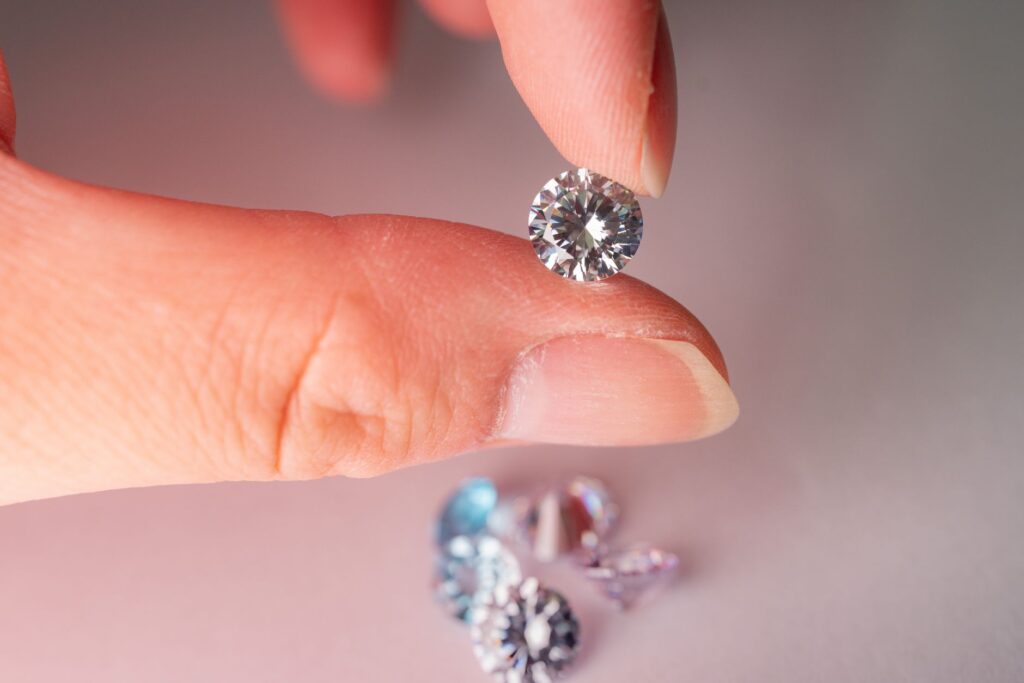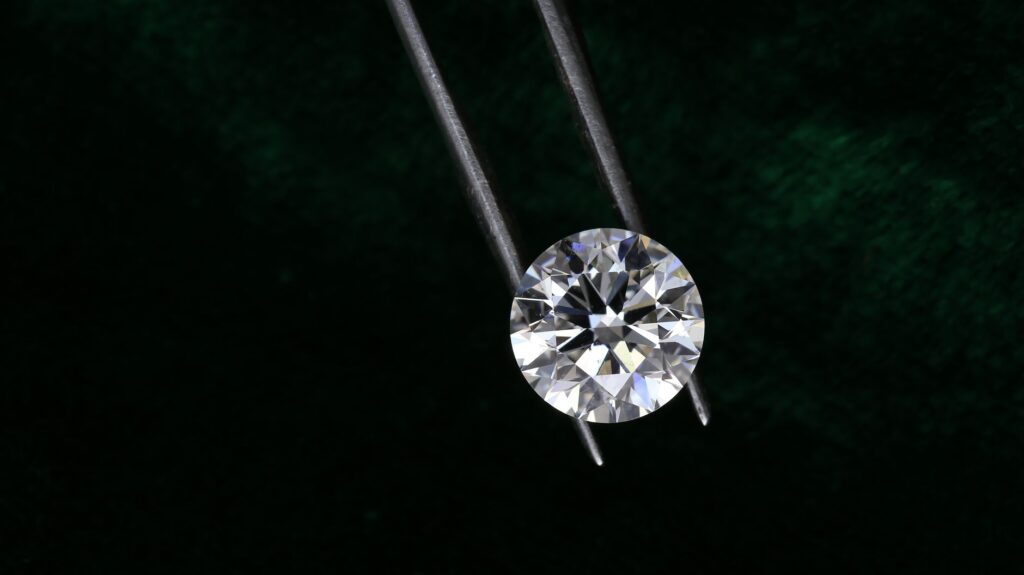
A diamond can have the same carat weight as another stone and still look slightly larger, brighter, or smaller once it is set. Color is one of the factors that can influence this visual impression, but it usually does so indirectly. The outline of the stone, the quality of the cut, the shape, and the setting often affect perceived size more than color does.
That makes the question does diamond color affect perceived size more nuanced than it first appears. In some situations, a whiter diamond can look a bit larger because its edges appear cleaner and it blends more seamlessly with white metal. In other cases, a warmer diamond can actually seem softer around the edges, which may reduce visual definition rather than increase apparent spread. The effect is real, but it is subtle compared with millimeter measurements, cut proportions, and shape.
Understanding that distinction matters for buying decisions. Color grades can change price significantly, especially in larger diamonds. If color has only a modest effect on how large a diamond appears face-up, buyers need to know when it is worth paying more and when those funds might create a bigger visual difference elsewhere.
Quick Answer
Yes, diamond color can affect perceived size, but usually only slightly. A higher color grade, especially in white metal settings, may make a diamond look a bit larger because it appears brighter and cleaner from edge to edge. A lower color grade can sometimes make the stone look slightly smaller if warmth is visible and the outline appears less crisp.
That said, cut quality, shape, actual millimeter dimensions, and setting design usually matter more than color when it comes to how big a diamond looks. If your goal is maximum face-up size for the budget, putting all of your money into a higher color grade is rarely the most effective strategy.
Understanding the Carat and Size Concept
Carat is weight, not visible size
Before looking at color, it helps to separate two ideas that are often confused. Carat is a unit of weight. It does not directly tell you how large a diamond will look from the top.
Two diamonds can both weigh 1.00 carat, but one may face up larger because it has a wider diameter or spread. Another may carry more of its weight in depth, which can make it look smaller when viewed from above.
Face-up size is what the eye notices first
Face-up size means how large the diamond appears when viewed from the top, which is how most rings are seen in daily wear. Buyers tend to respond to millimeter dimensions, not carat weight alone.
For example, a round diamond that measures 6.5 mm across will usually look larger than another round with a smaller diameter, even if their carat weights are very close. That visible outline is the foundation of perceived size.
Perceived size is not the same as measured size
Perceived size refers to the visual impression of how large the diamond looks. This can be influenced by several things beyond measurements:
- Brightness and contrast
- How clearly the edges are defined
- Shape and length-to-width ratio
- Setting style
- Finger size
- Diamond color
So when asking whether color affects size, the more accurate question is whether color changes how large the diamond appears, not how large it actually is.
How Diamond Color Works in Plain English
What a color grade means
In the standard white diamond color scale, grades usually run from D to Z. D, E, and F are considered colorless. G through J are near colorless. Beyond that, warmth becomes progressively easier to see.
A lower color grade does not mean the diamond is poor quality or unattractive. It means the stone has more yellow, brown, or gray body color than a higher graded stone. Whether that color is visible depends on the lighting, shape, size, cut, and setting.
Color is easier to see in some diamonds than others
Color tends to be more noticeable in larger diamonds because there is more material for the eye to look through. It can also be more visible in certain shapes, especially elongated cuts or cuts with larger open facets, such as emerald and Asscher shapes.
Round brilliants often hide color well because of their facet pattern and strong light return. That is one reason why some buyers comfortably choose a slightly lower color in a round while still getting a bright-looking stone.
Color does not change the stone’s dimensions
This point is simple but important. A J color diamond is not physically smaller than an F color diamond of the same measurements. The difference is visual. The stone may look a bit different in tone, brightness, or edge definition, which can influence how the eye reads its size.
Does Diamond Color Affect Perceived Size? The Visual Mechanism
Brighter-looking stones can appear a touch larger
A diamond that looks bright across a larger portion of its surface may seem slightly bigger. This happens because the eye tends to read brightness as visual presence. When the stone appears lively from edge to edge, it can create the impression of a fuller face-up appearance.
Higher color diamonds may contribute to this effect in the right conditions, especially when they are also well cut. In white gold or platinum, a near-colorless or colorless diamond often blends neatly with the metal, making the outline feel crisp and clean.
Visible warmth can soften the outline
If a diamond shows noticeable yellow or brown warmth, especially near the edges, some viewers perceive the stone as slightly less crisp. This does not necessarily make it unattractive. It simply changes the visual contrast between the diamond and its setting.
In a white metal ring, a warmer diamond can stand out as tinted rather than icy. That shift can make the edges feel less sharp, and in some cases the stone may seem a bit smaller than a whiter diamond with the same dimensions.
Contrast with the setting influences the effect
Perceived size depends heavily on contrast. A white diamond in white metal often has a seamless, bright look. A warmer diamond in yellow or rose gold may blend more harmoniously and show less contrast, which can reduce how obvious the color appears.
That means color’s effect on perceived size is not fixed. It changes based on the design around the stone.
The effect is usually subtle, not dramatic
For most buyers, the difference in perceived size caused by color alone is modest. You are not going to make a 1.00 carat diamond look like a 1.25 carat diamond just by moving from J color to F color. Millimeter spread matters far more.
Think of color as a refinement factor. It can slightly influence visual presence, but it rarely overrides the core size drivers.
What Buyers Usually Expect
Assuming a whiter diamond will look much bigger
Some buyers expect a high color grade to create a dramatic size boost. In practice, that usually does not happen. A whiter diamond may look cleaner and brighter, but the increase in apparent size is small compared with choosing a better-spread cut or a shape that faces up larger.
Confusing brightness with physical size
Brightness can make a diamond look more noticeable. Noticeable is not always the same as bigger. A well-cut, high-color stone often catches the eye more quickly, which some people interpret as size.
That can be true on first glance, but side-by-side measurements still matter more. A larger-diameter diamond with slightly lower color usually looks larger than a smaller-diameter, higher-color stone.
Ignoring the role of metal color
Buyers often compare color grades in isolation, without thinking about the setting. Yet the same diamond can look different in platinum, white gold, yellow gold, or rose gold.
A lower color grade that appears more obvious in white metal may look perfectly balanced in yellow gold. In that case, paying for a much higher color just to improve perceived size may not be the most efficient use of budget.
Overestimating what others will notice
Most people looking at a ring in everyday conditions do not identify exact color grades. They notice overall sparkle, shape, finger coverage, and how the ring looks at a normal viewing distance.
That is why buyers should be cautious about spending heavily on color if the goal is simply to make the diamond look larger.
What It Actually Looks Like in Real Life
From a normal viewing distance
At a conversational distance, people usually see a diamond’s outline, sparkle pattern, and general brightness before they notice slight warmth. If the stone is well cut, it may look impressive regardless of whether it is F color or H color.
At this distance, the visual impact of color on perceived size tends to be minor. The eye is much more sensitive to the overall spread of the stone and how much finger space it covers.
Up close under bright lighting
Under jewelry store lights or direct bright indoor lighting, higher color grades can appear especially crisp and bright. This may create a slightly larger visual impression because the diamond looks clean and lively from edge to edge.
By contrast, a warmer diamond may show a touch of tint near the side or through larger facets. That can soften its visual presence a little, especially if it is set in white metal.
In natural daylight
Daylight can reveal color more honestly than specialized store lighting. In soft daylight, a near-colorless diamond often still appears bright and white. A lower color grade may show more warmth, depending on shape and size.
This is where the difference between “looks bright” and “looks larger” becomes useful. A brighter or whiter stone may look cleaner, but unless the measurements are also larger, the size effect remains limited.
On the hand
Once worn on the finger, a diamond’s perceived size depends on context:
- The wearer’s finger size
- The width of the band
- Whether side stones are present
- The shape of the center stone
- How high or low the setting sits
Color becomes part of the overall impression, but it is only one component. Most of the time, finger coverage and setting design dominate the visual result.
Factors That Change Apparent Size More Than Color
Shape
Shape often has a larger effect on perceived size than color. Elongated shapes such as oval, marquise, and pear usually appear larger than round diamonds of the same carat weight because they have more surface spread and greater finger coverage.
A 1.50 carat oval may look larger on the hand than a 1.50 carat round, even if both have similar color grades. If apparent size is the priority, shape is one of the most powerful levers available.
Cut quality
Cut is how well a diamond’s proportions, angles, and facet arrangement work together to return light. A well-cut diamond can look brighter, more lively, and better defined.
Poor cut can make a diamond look smaller because it may have excess depth or weak edge-to-edge brightness. In many cases, improving cut quality does more for perceived size than moving up one or two color grades.
Millimeter spread
The actual length and width measurements are essential. Two diamonds with the same carat weight can have different diameters or face-up dimensions. The one with the larger spread usually looks larger, regardless of color.
This is why buyers should always check measurements on grading reports, not just carat and color.
Depth and proportions
A diamond that carries too much of its weight in the pavilion, which is the lower part of the stone, can face up smaller. That means you may pay for carat weight you cannot really see from the top.
Even a high color grade will not fully compensate for a diamond that is cut too deep and looks undersized for its weight.
Setting design
Halo settings, thin bands, hidden halos, and delicate prongs can all increase visual presence. Thick bezels or heavy metal around the diamond may make the center stone appear more contained.
These design choices often have a stronger effect on perceived size than modest shifts in color grade.
Clarity and transparency
Clarity usually does not affect size directly, but a diamond with good transparency and no obvious eye-visible inclusions tends to look cleaner and more open. A stone with reduced transparency can look duller, which may lessen visual impact.
Again, the relationship is indirect. The eye often reads brightness and crispness as presence.
How Color Interacts With Different Settings
White gold and platinum
White metal tends to highlight warmth more than yellow or rose gold. In these settings, higher color grades can help a diamond look cleaner and more consistent in tone. That may slightly improve perceived size because the stone appears bright and defined.
Lower near-colorless grades can still look beautiful in white metal, particularly in round brilliants. But if the diamond is larger or in a shape that shows color more easily, warmth may be more noticeable.
Yellow gold
Yellow gold can make a diamond’s color appear less obvious because the metal itself is warm. This can reduce the visual advantage of paying for a very high color grade if size is the main goal.
In practical terms, someone choosing yellow gold may be able to select a slightly lower color and redirect budget toward better size, cut, or setting design without sacrificing much face-up beauty.
Rose gold
Rose gold has a warm, pinkish tone that can also soften the visibility of faint body color. The diamond may not read as stark white as it would in platinum, but many buyers find the overall contrast attractive and flattering.
Here too, the size impact of upgrading color is often limited.
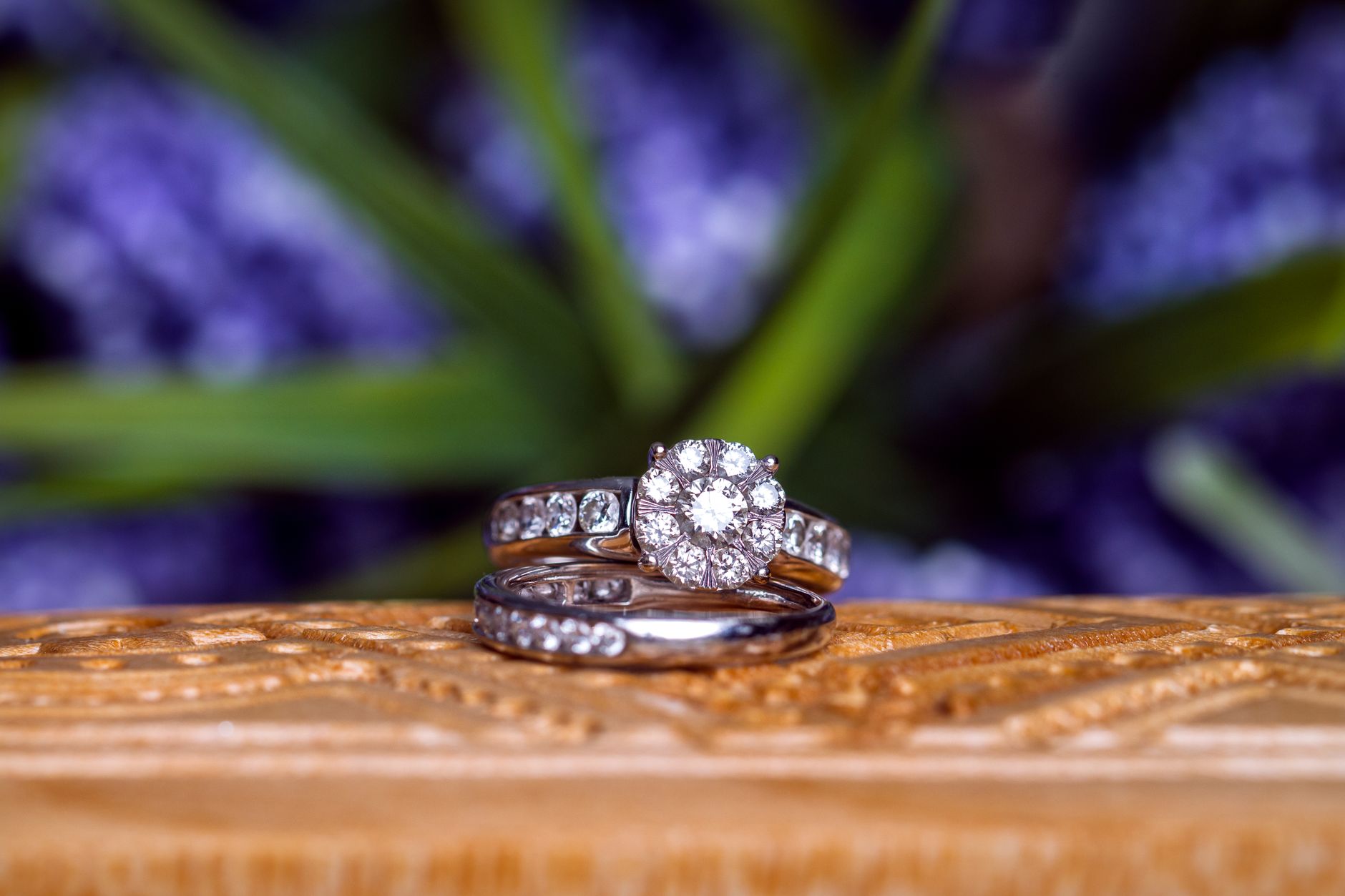
Halo and pavé settings
A halo of small diamonds can make the center stone look substantially larger. In this kind of design, the center diamond’s exact color may matter less for size perception than the halo effect itself.
However, if the center stone is significantly warmer than the surrounding accent diamonds, the contrast may become more noticeable. That can affect the overall look, though not necessarily the actual impression of size.
Color and Perceived Size by Diamond Shape
Round brilliant
Round brilliant diamonds generally hide color well. Their facet pattern produces strong sparkle, which can distract from slight warmth. As a result, the size advantage of choosing a higher color in a round is usually modest.
For many buyers, a well-cut round in the near-colorless range offers an excellent balance of appearance and value.
Oval, pear, and marquise
These elongated shapes often look larger than rounds of the same carat weight. They can also show color a bit more noticeably, especially toward the ends or in certain lighting.
If visible warmth bothers you, color may play a somewhat larger role here. Even so, the elongation itself usually contributes more to perceived size than the color grade does.
Emerald and Asscher
Step-cut diamonds have larger, more open facets and less of the splintered sparkle that hides color in brilliant cuts. That means color is often easier to see.
Because these shapes emphasize clarity and transparency, a higher color can create a cleaner, crisper look. Still, if your specific goal is to maximize apparent size, the shape’s long open face and measurements remain more important than color alone.
Cushion and radiant
Cushion and radiant cuts vary widely in outline and faceting. Some have strong brilliance that helps hide color. Others face up smaller for their weight because of deeper proportions.
In these shapes, you often get more visible size benefit by selecting a stone with good spread rather than paying primarily for a higher color grade.
Real-World Size Examples
1.00 carat round, F color vs 1.00 carat round, I color
Imagine two round diamonds with similar cut quality and the same 6.4 to 6.5 mm diameter. The F color may look whiter and a touch crisper in platinum. The I color may show a little warmth in certain lighting.
Will the F color look larger? Slightly, perhaps, to some eyes. But the difference is small because the measurements are the same. Most observers will mainly notice sparkle and overall ring design.
1.00 carat round, F color vs 1.10 carat round, I color
Now compare a 1.00 carat F color round to a 1.10 carat I color round with a larger diameter, assuming both are well cut. The larger stone will usually look larger despite the lower color grade.
This is a good example of why perceived size is driven first by spread. The color difference may affect crispness, but the extra millimeters generally win visually.
1.50 carat oval, G color vs 1.50 carat oval, J color
Because oval diamonds can show color more readily than rounds, the G color may look brighter and cleaner from end to end. The J color may show warmth more clearly, especially in white metal.
In this comparison, the G color might create a somewhat stronger impression of presence. Still, the oval shape itself is already doing most of the work in making the stone appear large.
2.00 carat emerald cut, H color vs 2.00 carat emerald cut, K color
In a step cut, color becomes more visible. The H color may look noticeably crisper and more glass-like. The K color may show warmth in a way that changes the entire face-up appearance.
Here, color can have a more meaningful effect on visual impression. Even so, it is still not changing the stone’s actual spread. It is changing how clean and open the diamond looks.
0.90 carat high-color diamond vs 1.00 carat lower-color diamond
This is a common buying trade-off. A 0.90 carat G color diamond may look bright and refined, while a 1.00 carat I color stone may provide a bit more diameter for a similar budget.
If the goal is to look larger on the hand, the 1.00 carat may be the better choice if it is well cut. If the goal is a whiter appearance in white metal, the 0.90 carat may appeal more. This is where priorities matter more than rules.
Price vs Visual Benefit
Color upgrades can be expensive
Moving up in color can add substantial cost, especially in larger sizes and popular categories. The exact premium depends on the market, shape, certification, and whether the diamond is natural or lab grown.
The key question is whether that extra cost creates a visible size benefit. Usually, it does not create enough of one to justify the upgrade if size is your main objective.
Millimeter gains are often more noticeable than color gains
If you have a fixed budget, you may notice a slight increase in visible spread more than a slight increase in whiteness. This is especially true for rounds and other brilliant cuts where near-colorless grades often still look bright.
That is why buyers focused on visual size often prioritize:
- Excellent or very good cut quality
- Strong face-up measurements
- A shape that offers more spread
- A setting that enhances finger coverage
Lab grown diamonds change the equation
Lab grown diamonds often allow buyers to choose a larger carat weight and still stay within budget. That means the tension between size and color can be less severe than it is with natural diamonds.
For example, a buyer considering a natural 1.00 carat high-color diamond might be able to choose a significantly larger lab grown diamond while still selecting a desirable color range. In that case, the question becomes less about sacrificing color for size and more about which overall combination offers the best balance for personal preferences.
Diminishing returns are real
There is a point at which paying more for higher color produces only a small visual difference for most viewers. This often happens in the near-colorless to colorless range, especially in well-cut round brilliants.
If you are trying to make a diamond look bigger, the money spent moving from G to E may produce less visible impact than the same budget used to improve spread, shape, or setting style.
Who Should Size Up Instead of Paying Primarily for Higher Color
Buyers focused on finger coverage
If your goal is for the diamond to take up more visual space on the hand, larger measurements usually matter more than a small improvement in color. This is particularly true for buyers comparing near-colorless stones in brilliant-cut shapes.
Buyers choosing yellow or rose gold
Warm metal often makes color less critical. If the setting itself has warmth, paying a large premium for a very high color grade may do less for apparent size and overall beauty than choosing a slightly larger stone.
Buyers open to elongated shapes
Oval, pear, and marquise diamonds often appear larger per carat than rounds. If size matters more than having the iciest color possible, shape selection may provide a stronger visual payoff.
Lab grown diamond buyers seeking budget efficiency
Lab grown diamonds can offer more flexibility. Buyers may be able to choose both a pleasing color and a larger stone without the same financial trade-offs seen in natural diamonds. Even so, the best value still usually comes from balancing cut, spread, and color rather than chasing the highest color grade available.
Who May Benefit From Prioritizing Color
Buyers selecting step cuts
Emerald and Asscher cuts show color more readily. In these shapes, a higher color can noticeably improve the clean, open appearance of the stone. That may slightly enhance perceived size by keeping the face-up look crisp.
Buyers using white metal and wanting a very white look
In platinum or white gold, some people are sensitive to even mild warmth. If seeing tint would bother you, a higher color may be worthwhile for personal satisfaction, even if the size impact is small.
Buyers choosing larger diamonds
As diamond size increases, body color can become easier to notice. In larger stones, upgrading color may have a stronger visual effect than it does in smaller sizes, though it still does not replace the importance of spread and cut.
Buyers highly sensitive to warmth
Some people simply prefer a whiter look and notice color quickly. For them, the issue is not strictly perceived size. It is overall appearance. In that case, prioritizing color can make sense, but it should be framed as an aesthetic preference rather than a true size strategy.
Common Buyer Mistakes
Assuming color can substitute for dimensions
A higher color grade cannot compensate for a small face-up spread. If the diamond measures smaller than expected for its weight, it will usually still look smaller.
Paying too much for color when the setting hides the difference
In yellow or rose gold, a small color upgrade may have very little effect on appearance. Buyers sometimes spend money here that could have made a more visible difference elsewhere.
Ignoring cut quality
A beautifully cut near-colorless diamond often looks more impressive than a poorly cut higher-color stone. Cut affects brightness, edge definition, and life. All of these influence visual presence.
Comparing grades without comparing shape
Color behaves differently in different shapes. A grade that looks very white in a round may look noticeably warmer in an emerald cut. Buyers should avoid assuming the same color strategy works across all shapes.
Overlooking finger size and band design
A diamond’s apparent size on the hand depends heavily on context. On a smaller finger, even a modest stone can have strong presence. On a larger finger, the same diamond may look more restrained. Band width also changes proportion.
Chasing paper specifications instead of visual outcome
It is easy to focus on color grade, carat weight, and clarity as numbers. What matters in the end is how the diamond looks in real life. Measurements, cut, setting, and shape all work together to create that result.
Practical Buying Guidance
If your goal is the largest look for the budget
- Prioritize cut quality first
- Check actual millimeter measurements
- Consider elongated shapes
- Use setting design strategically
- Stay flexible in the near-colorless range if the diamond still faces up well
If your goal is a bright white appearance in white metal
- Pay more attention to color, especially in larger stones and step cuts
- Still confirm strong spread and cut
- Compare stones in varied lighting rather than relying on grading alone
If you are deciding between natural and lab grown
Lab grown diamonds can provide more room to balance color and size. A buyer who had to compromise heavily in natural diamonds may be able to choose a larger, whiter stone in lab grown form. That does not change how color affects perceived size, but it can reduce the need for difficult trade-offs.
Frequently Asked Questions
Does a whiter diamond always look bigger?
No. A whiter diamond may look slightly brighter or crisper, which can create a small increase in perceived size, but it does not always look bigger. Actual measurements, shape, and cut usually matter more.
Can a lower color diamond look smaller?
Sometimes, yes. If warmth is visible and softens the edge definition, especially in white metal, the diamond may appear a bit less crisp and slightly smaller. The effect is usually subtle.
Is color or carat more important for size appearance?
Carat alone is not enough, but visible spread and millimeter dimensions are much more important than color. A larger face-up diamond with a slightly lower color often looks larger than a smaller high-color diamond.
Does diamond color affect perceived size in lab grown diamonds too?
Yes. The visual effect of color works the same way in lab grown and natural diamonds. The main difference is that lab grown diamonds may allow you to choose a better combination of size and color within the same budget.
Which shapes show color more and may be more affected visually?
Emerald, Asscher, oval, pear, and marquise shapes can show color more readily than round brilliants. Step cuts in particular make color easier to notice because of their larger open facets.
Will people notice the size effect of color in everyday wear?
Usually not in a dramatic way. Most people notice overall sparkle, size, and ring design first. The subtle influence of color on apparent size is more noticeable when comparing stones closely.
Should I choose a higher color if I want my diamond to stand out?
Only if whiteness is part of what makes it stand out to you. If your main goal is a bigger-looking diamond, you may get more visible impact from better cut, larger spread, an elongated shape, or a size-enhancing setting.
Does yellow gold make color less important?
Often, yes. Yellow gold can make slight warmth in the diamond less noticeable, which means paying a high premium for color may have less visual benefit if perceived size is your main concern.
Conclusion
Does diamond color affect perceived size? Yes, but usually in a subtle way. A higher color diamond can look a bit brighter, cleaner, and more sharply defined, which may slightly increase its apparent size. A lower color diamond can sometimes look a little softer, especially in white metal or in shapes that show color more easily.
Still, color is rarely the main driver of how large a diamond looks. Cut quality, shape, millimeter spread, setting design, and finger coverage usually have a stronger effect. Buyers who want the biggest visual impact for their budget should focus on those factors first and then choose a color range that supports the look they prefer.
The most practical approach is to think of color as part of the overall appearance, not as a primary size tool. If a whiter look matters to you aesthetically, paying for higher color may be worthwhile. If your main goal is visible size, better spread and smart design choices will usually deliver a more noticeable result.