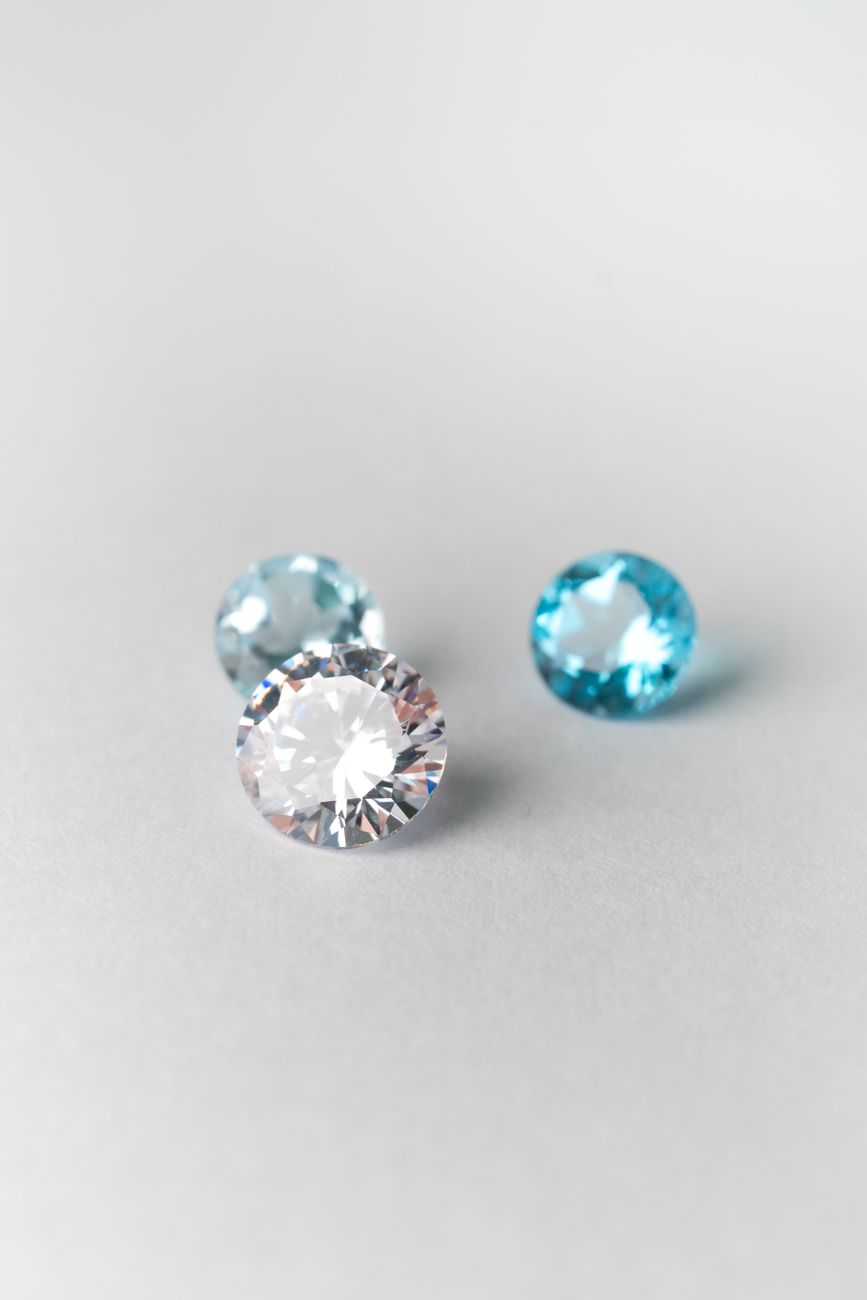
Diamond color is one of the easiest grading factors to misunderstand because the scale sounds more dramatic than the visual differences usually are. A buyer can hear that one diamond is a “D” and another is an “H” and assume the difference will be obvious, when in real life it is often subtle and highly dependent on lighting, setting, and viewing distance.
How Diamond Color Is Graded is a question worth answering carefully because color affects both appearance and price. In a well-cut diamond, especially a lab grown diamond, many grades can look beautifully white once the stone is set in jewelry. The challenge is knowing where the visible difference ends and where the price premium begins.
Quick Answer
Diamond color is graded by how closely a diamond appears to be colorless when viewed face up under controlled lighting and compared against master stones. The most widely used scale from the GIA runs from D to Z, with D being the most colorless and Z showing noticeable yellow or brown tint.
For most buyers, the practical takeaway is simple. In everyday wear, the difference between nearby grades is often very small, especially once the diamond is set. Higher color grades usually cost more, but the visible improvement becomes less dramatic as you move up the scale.
What Diamond Color Grading Actually Measures
Diamond color grading does not measure the sparkle of a diamond. That is more closely related to cut quality. Color grading focuses on how much body color a diamond shows, usually a yellow or brown tint, when the diamond is observed in a standard way.
The goal of grading is consistency. A trained grader examines the diamond face up under controlled lighting and compares it to a set of reference stones. The diamond is then assigned a grade based on how colorless it appears relative to those standards.
The D to Z Scale
On the common GIA scale, color grades are grouped as follows:
- D to F: Colorless
- G to J: Near colorless
- K to M: Faint color
- N to R: Very light color
- S to Z: Light color
This system is helpful, but it can also create unrealistic expectations. Two diamonds that are several grades apart on paper may still look very similar to most people once mounted in a ring.
Why Color Is Graded Face Up
Diamonds are graded face up because that is how they are normally seen in jewelry. This is important because a diamond may show more color from the side than from the top. Buyers should remember that grading reflects a standardized evaluation, not every possible viewing angle.
That is one reason a diamond with a lower color grade can still look bright and white in real life. The setting, cut, and metal color all influence the final appearance.
What Color Actually Looks Like to the Eye
When buyers ask about diamond color, they usually want to know one thing: will it look yellow? The answer depends on how low the grade is, the shape of the diamond, and the setting around it.
Higher color grades tend to look crisp, icy, and very neutral. As the grade moves lower, a slight warmth becomes more noticeable, especially in larger diamonds or stones viewed next to a higher-color reference. In many cases, though, the difference is subtle rather than dramatic.
Colorless Does Not Mean “Brighter” in Every Case
A common misconception is that a higher color grade always looks better. In reality, brightness is more strongly affected by cut quality. A well-cut G color diamond can appear more lively and attractive than a poorly cut D color diamond because light performance has a bigger visual impact than tiny differences in body color.
That is why buyers should not choose color in isolation. A balanced decision looks at cut, color, clarity, and carat together.
Color Perception Changes With Size
As diamonds get larger, color is easier to see. A 0.50 carat diamond may hide tint more effectively than a 3 carat diamond of the same grade. Larger stones give your eye more surface area to notice subtle warmth.
This is especially relevant for engagement rings. A buyer who is satisfied with a G grade in a smaller center stone may prefer an H or even I grade in a larger stone if the setting and lighting support it well.
Can Most People See the Difference?
Sometimes yes, but often only under specific conditions. Side-by-side comparison is the easiest way to detect differences, especially between grades that are several steps apart. In everyday wear, the distinctions are usually much less obvious.
Most people do not walk around comparing diamonds against one another under ideal grading lighting. They see a ring in normal daylight, office lighting, restaurant lighting, or at home. In those situations, many near-colorless diamonds look perfectly white.
Side-by-Side Visibility
When two diamonds are placed next to each other, color differences can become easier to see. A D color stone may look slightly cooler or more neutral than a G or H, particularly if both are loose stones and viewed under controlled lighting.
That visibility is one reason higher grades command higher prices. The premium is not only for absolute appearance, but also for the confidence that comes with a top grade on paper.
Everyday Visibility
Once a diamond is worn in a ring, the visual gap often narrows. Many consumers cannot tell the difference between D, E, F, G, and sometimes H at a glance. This is especially true if the diamond has excellent cut and is set in a way that minimizes side exposure.
In normal use, attention usually goes to sparkle, size, and overall beauty rather than fine color distinctions. That is one reason many educated buyers find strong value in the near-colorless range.
Professional vs Consumer Perception
Trained graders and jewelers are far more sensitive to color than most buyers. They know what to look for, how to compare stones, and how to control the environment. A consumer judging a ring in a store or at home is not using the same reference points.
This matters because a diamond that is technically higher on the scale does not automatically look different enough to justify a large price jump for every buyer. The value question is often more important than the grading label alone.
How Diamond Color Looks in Different Metals
The ring metal can either emphasize or soften color. This is one of the most practical factors in diamond buying, yet it is often overlooked when people focus only on the grading report.
Metal choice affects how white the diamond appears because the eye compares the stone to its surroundings. A diamond that looks slightly warm in a white metal may look more blended and intentional in yellow gold or rose gold.
White Gold and Platinum
White metals tend to show diamond color more clearly. If the goal is a bright, colorless look, white gold and platinum usually pair best with higher grades. D through F diamonds are often chosen for these settings, although many G and H stones still look very white.
In white metals, the contrast between the metal and the stone can make subtle warmth easier to notice. This is not necessarily a problem, but it does mean buyers who are very color-sensitive may prefer to stay higher on the scale.
Yellow Gold
Yellow gold can make near-colorless diamonds look whiter by comparison. A small amount of warmth in the stone may blend with the metal rather than stand out against it. That is one reason many buyers choose lower color grades for yellow gold settings without seeing any obvious downside.
If a diamond is going into yellow gold, paying a large premium for the highest color grade may offer less visible benefit than it would in platinum or white gold.
Rose Gold
Rose gold also tends to be forgiving. Its pinkish tone can soften the appearance of slight warmth in the diamond. For this reason, buyers often have more flexibility with color grade in rose gold than they would in a white metal setting.
That does not mean color no longer matters, only that the setting can help reduce the visibility of minor differences.
How Diamond Color Looks in Different Lighting
Lighting has a major effect on color perception. A diamond can look nearly colorless in one environment and slightly warmer in another. This is normal, not a sign of poor quality.
When evaluating a diamond, it helps to think about where it will actually be worn. A stone that looks excellent in the lighting conditions of daily life is usually a better practical choice than one that only looks exceptional in a grading environment.
Daylight
Daylight is often the easiest environment in which to spot subtle color. Natural light can reveal minor warmth that might be hidden indoors. At the same time, daylight also shows cut performance well, so a well-cut diamond may still look very bright even if it is not at the very top of the color scale.
Indoor Lighting
Most everyday viewing happens under indoor lighting. This includes overhead lights, lamps, and mixed light sources. In these settings, many diamonds in the near-colorless range look clean and appealing, especially when the cut is strong.
Because indoor lighting varies so much, diamonds do not have a single fixed appearance. That is another reason the best grade for value is not always the highest grade on paper.
Jewelry Store Lighting
Jewelry stores often use bright, flattering lighting that can make diamonds appear whiter and more brilliant than they may look at home. This can be helpful for seeing sparkle, but it can also make color differences harder to judge accurately.
Buyers should be cautious about making decisions based only on store lighting. A diamond that looks perfect there may look slightly different in a more ordinary setting.
Warm and Cool Lighting
Warm lighting can make a diamond appear softer and slightly more yellow. Cool lighting can make it appear whiter and crisper. This does not change the diamond itself, only how your eye perceives it.
If you are sensitive to warmth, testing a diamond under different lighting conditions is more useful than relying on one view in one environment.
Price Premium vs Visual Benefit
This is where diamond color becomes a value question, not just a grading question. Higher-color diamonds usually cost more, but the visual benefit gets smaller as you move up the scale.
That is known as diminishing returns. The jump from a lower grade to a much better-looking grade may be meaningful, but the jump from a very good grade to an excellent one may be harder to see.
Why Higher Grades Cost More
Top color grades are rarer, which helps explain the price premium. Buyers also pay for prestige and the peace of mind that comes with a top-tier report. In the diamond market, rarity and perception both influence price.
However, rarity does not always equal practical value. A diamond can be more expensive without looking noticeably better to the average viewer.
Where Value Often Improves
For many buyers, the strongest value is found in the colorless-to-near-colorless transition. Grades such as G, H, and sometimes I can look white in many settings while avoiding the steep premium of the highest color grades.
This is especially true when the diamond is well cut. Cut can make a near-colorless diamond look more impressive than a higher-color stone with weak light performance.
Lab Grown Diamond Pricing Considerations
In lab grown diamonds, color still matters, but pricing patterns can differ from natural diamonds. Lab grown diamonds often achieve higher color grades more easily, which means top color grades may be more common and sometimes more affordable than in the natural market.
That does not mean buyers should automatically choose the highest color available. In lab grown diamonds, it is often worth considering whether moving from, for example, F to D creates a visible improvement or simply a higher price. Because the category already offers strong value in general, paying extra for small color differences may be less compelling for some shoppers.
How Diamond Color Grades Work in Lab Grown Diamonds
Lab grown diamonds are graded using the same basic color scale as natural diamonds. The diamond is still evaluated for how colorless it appears, and the report should still specify the grade clearly.
One practical difference is that lab grown diamonds are often produced with very high color quality. This can make it easier to find stones in the D to F range without a major price penalty compared with natural diamonds. The result is a broader selection of very white-looking diamonds.
Does Color Behave Differently in Lab Grown Diamonds?
The color itself behaves the same way visually. A lab grown diamond is still a diamond, so the eye sees body color in a similar fashion. What changes is market availability and pricing, not the basic optics of the stone.
That means the same rules still apply. Cut, size, setting, and lighting all influence whether the color grade matters in everyday wear.
Should Lab Grown Buyers Prioritize Color?
Sometimes yes, but not always. Because lab grown diamonds can offer larger size or better cut at a given budget, some buyers may prefer to spend less on color and more on cut quality or carat weight. Others may want a top color grade simply because it is available at a manageable price.
The best approach is to compare what the extra money actually buys. If the improvement is mostly on paper, it may not be the best use of budget.
Which Color Grades Look White Enough?
This question gets at the practical side of diamond color. Most buyers are not trying to win a grading contest. They want a diamond that looks white, attractive, and appropriate for the ring.
While personal sensitivity varies, many consumers find that diamonds in the near-colorless range look sufficiently white, especially when the cut is strong and the stone is set in yellow or rose gold. In white metals, some buyers become more selective and prefer higher grades.
General Value Patterns by Grade
| Color Range | Typical Appearance | Visible Difference | Value Consideration |
|---|---|---|---|
| D to F | Colorless, very neutral | Hard to distinguish without comparison | Highest prestige, often highest cost |
| G to J | Near colorless, usually looks white face up | Subtle warmth may appear in some conditions | Often strong balance of appearance and price |
| K to M | Faint color, warmth may be visible | Easier to notice, especially in larger stones | Can offer savings if warmth is acceptable |
This table is a broad guide, not a rule. Cut quality, shape, and mounting can shift how these grades appear in real life.
Shape Matters More Than Many Buyers Expect
Diamond shape affects how easily color is seen. Some shapes hide color better than others because of their facet pattern and light return. Others are more transparent to color and therefore benefit more from higher grades.
Round Brilliant
Round brilliant diamonds usually hide color well because they are designed for strong light return. This makes them a forgiving shape for buyers who want a bright look without paying for the very top color grades.
Elongated and Fancy Shapes
Shapes such as oval, pear, marquise, and emerald cut can show color more readily in some cases. Their larger open areas or different facet structures may make subtle warmth easier to notice. That does not mean these shapes require a top grade, only that color deserves closer attention.
Emerald cut diamonds in particular can make color more visible because they tend to have broad, open facets. Buyers choosing step cuts often place more emphasis on color than those buying round brilliants.
Who Should Upgrade Color?
There are situations where paying more for a higher color grade makes sense. The best reason to upgrade is not pride in a label, but a real visual or personal preference benefit.
Buyers With Strong Color Sensitivity
Some people can notice slight warmth more easily than others. If you have compared diamonds before and consistently prefer the whitest look, a higher grade may be worth it. In that case, the extra cost can buy peace of mind and a look you know you prefer.
White Metal Settings
If you are choosing platinum or white gold, especially for a larger center stone, a higher color grade may be more justified. The metal setting gives you fewer visual cues to hide warmth, so the diamond itself becomes the focus.
Large Center Stones
As stone size increases, color becomes easier to notice. Buyers shopping for larger diamonds may feel more benefit from moving up in color grade than buyers choosing a modest center stone.
Minimalist or High-Contrast Designs
Some ring designs emphasize the center stone more strongly than others. If the setting is simple and the diamond is the main visual feature, a higher color grade can contribute to the crisp look the buyer wants.
Who Can Save Money on Color?
Many buyers can choose a lower color grade without losing visible beauty. That is especially true when they understand how settings and lighting affect appearance.
Buyers Who Want Best Value
If the goal is maximizing appearance per dollar, near-colorless grades often deserve serious consideration. A well-cut G or H diamond may offer a better balance than paying a large premium for a D or E stone.
Yellow or Rose Gold Settings
These metals are more forgiving of minor warmth. Buyers using yellow or rose gold can often select a slightly lower color grade and still end up with a diamond that looks attractive and intentional.
Smaller Diamonds
In smaller center stones, color is less visible. That means buyers may be able to save money by choosing a lower grade while keeping the same overall face-up beauty.
When Cut Is the Priority
If a buyer has to choose between a better cut and a higher color grade, cut often deserves the larger share of the budget. A diamond with outstanding light performance can look far more appealing than a slightly whiter diamond that lacks sparkle.
Common Buyer Mistakes
Color grading is simple on the surface but easy to overthink. A few common mistakes can lead buyers to spend too much or focus on the wrong detail.
Overpaying for Invisible Upgrades
One of the most common errors is paying a premium for a color grade that cannot be seen in normal wear. A diamond may look almost identical to a lower grade once set, yet still cost significantly more.
Ignoring the Metal Color
Some buyers choose a color grade without considering the setting. That can lead to unnecessary spending in yellow or rose gold, where a slightly lower grade may look just as good.
Assuming All Color Differences Are Obvious
Two grades apart on paper do not always mean a noticeable visual difference. Buyers often expect a larger gap than what their eyes will actually detect.
Buying from the Report Alone
A grading report is important, but it is not the whole story. The report does not capture all real-world factors, such as how well the diamond is cut, how it will be set, or how sensitive the buyer is to slight warmth.
How to Evaluate Color in a Real Buying Situation
The best color decision is made by combining the report with visual context. Buyers should think about how the diamond will actually be worn, not just how it looks in a grading description.
Start by asking where the diamond will be set, what metal will surround it, and how large the stone will be. Then consider whether you personally notice warmth easily or tend to prefer a very icy look. Those factors matter more than chasing the highest letter grade by default.
A Practical Decision Framework
- Choose higher color if you want a very white look in a white metal, especially for a larger center stone.
- Choose near-colorless if you want strong value and are comfortable with subtle warmth that is usually hard to notice.
- Be more cautious with lower grades in larger stones, step cuts, or white metal settings.
- Consider the whole ring, not just the diamond on paper.
Frequently Asked Questions
What is the best diamond color grade for value?
For many buyers, the best value is often in the near-colorless range, especially G or H. These grades can look white in most settings while avoiding the highest price premiums.
Is D color worth it?
D color can be worth it for buyers who want the top color grade, are highly color-sensitive, or simply prefer the peace of mind of owning a colorless stone. For others, the visual difference may be too small to justify the extra cost.
Can I see the difference between F and H color?
Sometimes, but not always. In side-by-side comparison under controlled lighting, the difference may be visible. In everyday wear, especially once the diamond is set, it is often subtle.
Do lab grown diamonds need higher color grades?
Not necessarily. Lab grown diamonds often come in high color grades already, so buyers have access to very white stones. That said, a lower near-colorless grade can still offer excellent value if the appearance meets your expectations.
Does color matter more in some diamond shapes?
Yes. Shapes with more open facets or step-cut styles, such as emerald cut, can show color more readily than round brilliants. Buyers should be slightly more selective with color when choosing those shapes.
Is a slightly yellow diamond bad?
Not at all. A small amount of warmth does not automatically make a diamond unattractive. Whether it is a good choice depends on the setting, size, and the buyer’s own preferences.
Should I choose color or cut first?
For most buyers, cut should come first because it has a stronger effect on sparkle and overall beauty. Once cut is secured, color can be chosen based on budget and preference.
Will a diamond look whiter in yellow gold?
Often yes. Yellow gold can make a diamond appear whiter by comparison because the metal’s warmth blends with slight tint in the stone. This is why some lower color grades work very well in yellow gold settings.
Conclusion
How Diamond Color Is Graded matters because color influences both appearance and price, but the visual differences are often smaller than buyers expect. In many real-world settings, especially with strong cut quality, near-colorless diamonds can look beautifully white and offer strong value.
The most useful approach is to think practically. Consider the metal color, stone size, shape, and your own sensitivity to warmth. For some buyers, a top color grade is worth the premium. For others, a near-colorless diamond delivers nearly the same look for less money, which can free up budget for better cut, larger carat weight, or a more balanced overall ring.