If you are trying to decide which diamond shape sparkles most, the short answer is that round brilliant diamonds usually show the strongest overall sparkle. Their facet arrangement is designed to maximize brightness, fire, and scintillation, which are the visual qualities most buyers mean when they talk about sparkle.
That answer is useful, but it is not the whole story. Different diamond shapes handle light in different ways, and the amount of sparkle you see depends on the shape, the cut quality, the proportions, and even the setting. A well-cut oval, princess, cushion, or radiant can look very lively, while a poorly cut round can appear flat. In other words, shape matters, but cut quality matters just as much.
Quick Answer: Which Diamond Shape Sparkles Most?
Round brilliant diamonds generally sparkle the most because their facet design is engineered to return a lot of light to the viewer’s eye. They usually produce the strongest overall combination of brightness, fire, and scintillation, which makes them the most visually lively shape overall.
If your main goal is maximum sparkle and classic appeal, round is usually the safest choice. If you want a different look, shapes such as oval, cushion, radiant, and princess can also deliver excellent sparkle, especially when cut quality is strong. Step-cut shapes like emerald and Asscher usually have a calmer, mirror-like appearance rather than the intense glitter associated with brilliant cuts.
What “Sparkle” Really Means in a Diamond
People often use the word sparkle as if it means one simple thing, but in diamond buying it includes several different visual effects. Understanding these helps explain why one shape may look livelier than another.
Brightness
Brightness is the white light a diamond reflects back to your eye. A bright diamond looks lively and open, especially in everyday indoor and outdoor lighting.
Fire
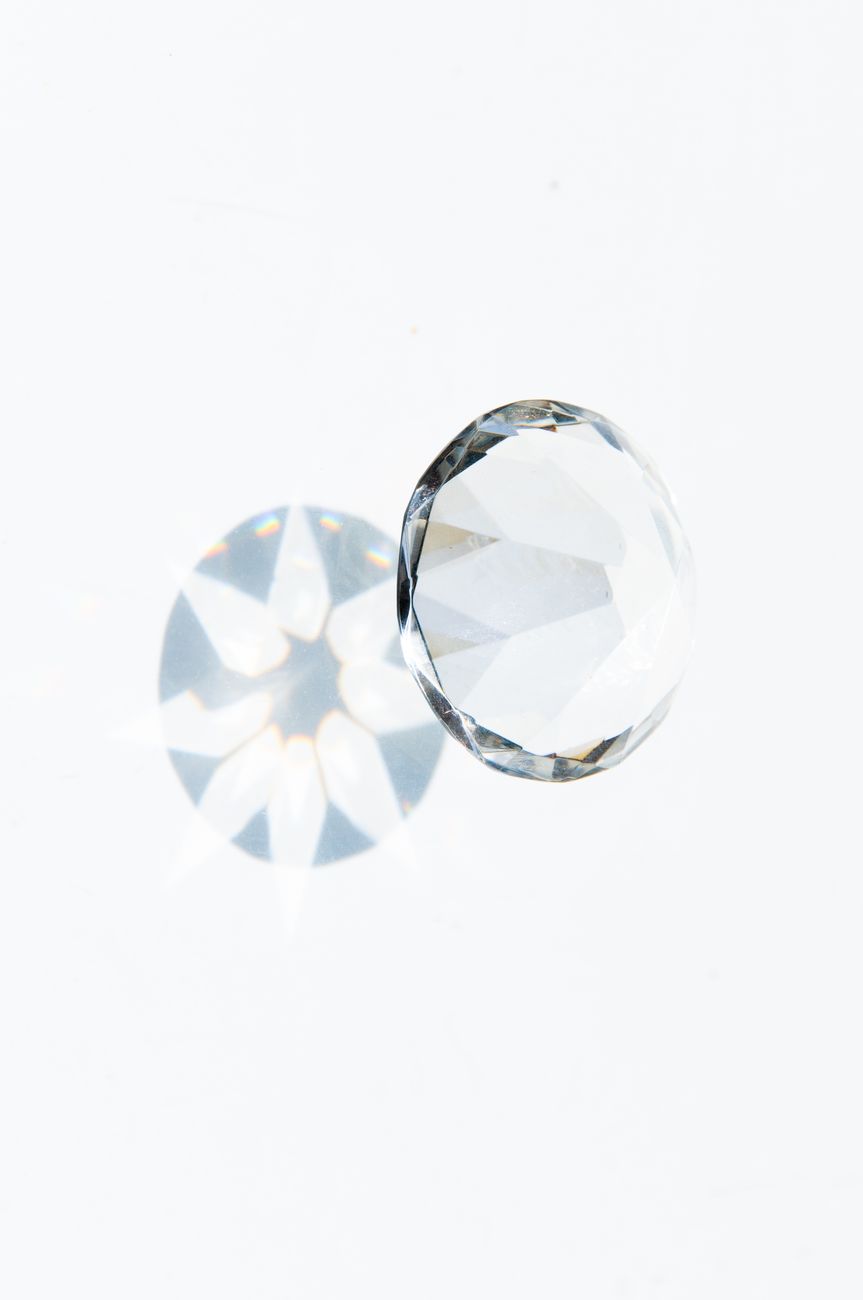
Fire is the flashes of colored light a diamond shows when it moves. This is easiest to notice under spot lighting or sunlight.
Scintillation
Scintillation is the pattern of flashes and contrast you see as the diamond or your hand moves. This is the twinkling effect many buyers notice first.
Brilliance
Brilliance is a broad term for light return overall. It includes brightness and helps describe how much light a diamond reflects face-up.
When shoppers ask which diamond shape sparkles most, they are usually asking which shape gives the most noticeable mix of these effects. That is why round brilliant diamonds are usually the benchmark.
Why Round Brilliant Diamonds Sparkle the Most
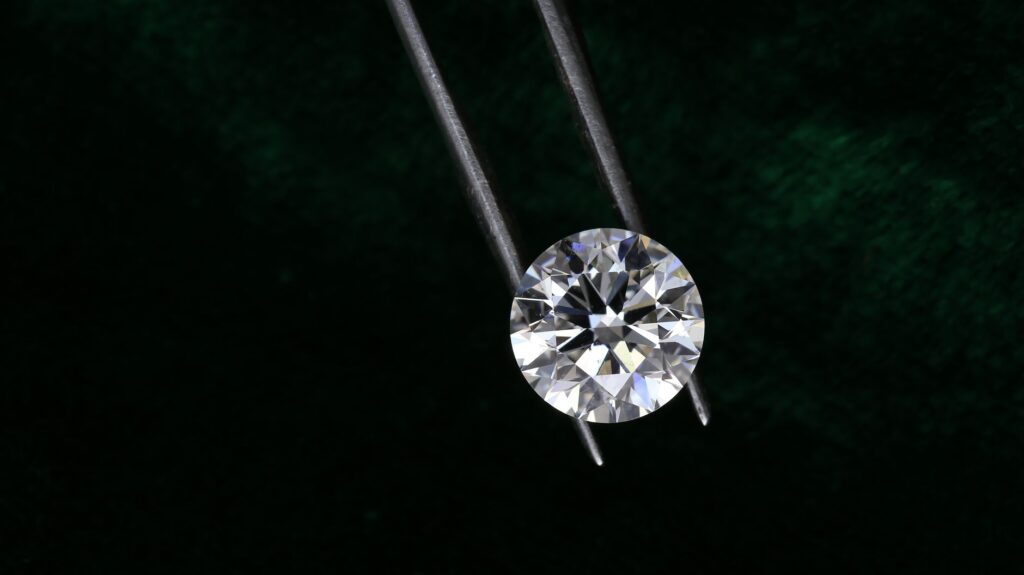
The round brilliant is cut with 58 facets in a pattern refined over decades to optimize light return. The shape is symmetrical, so light enters and reflects in a very balanced way. This makes it easier for the diamond to send more light back to the viewer instead of losing it through the bottom or sides.
Round brilliant diamonds also tend to show stronger scintillation because of the way the facets are arranged. As you move the diamond, the light and dark areas shift in a crisp, dynamic pattern. This gives the diamond a lively appearance from many angles.
Another reason round diamonds are so sparkly is that cutters have the most established standards for them. Because the round brilliant has been studied extensively, there are clearer guidelines for proportions and performance than for many fancy shapes. That makes it easier to find a well-performing round diamond.
How Other Diamond Shapes Compare on Sparkle
Not all diamond shapes are designed to perform light in the same way. Some emphasize broad flashes, some create a softer glitter, and some prioritize a more elegant or elongated look.
| Diamond Shape | Typical Sparkle Style | General Light Performance | Buying Note |
|---|---|---|---|
| Round brilliant | Strong, balanced, classic sparkle | Usually highest overall light return | Best choice if maximum sparkle is the goal |
| Oval | Bright and lively, often with larger flashes | Excellent when well cut | Look for symmetry and minimal bow tie |
| Cushion | Soft, romantic sparkle or chunkier flashes | Good to very good, depending on cut style | Facet style matters a lot |
| Princess | Sharp, intense sparkle | Very good, especially in square brilliant cuts | Check corners for durability |
| Radiant | Busy, lively sparkle with strong brightness | Very good, often among the top fancy shapes | Popular for buyers wanting brilliance with a rectangular outline |
| Pear | Lively sparkle with an elongated shape | Good to very good when proportions are balanced | Watch for bow tie and symmetry |
| Marquise | Bright at the tips, elegant flash in the center | Can be strong, but varies by cut | Elongated shape can face up large for carat weight |
| Emerald | Mirror-like flashes rather than high sparkle | Lower sparkle, more open visual style | Shows clarity more easily than brilliant cuts |
| Asscher | Elegant, vintage flash with step-cut symmetry | Moderate sparkle, less glittery than brilliant cuts | Chosen more for style than maximum sparkle |
Round Brilliant
The round brilliant is still the most sparkly shape overall. Its facet pattern is specifically designed for light return, so it tends to look bright from a wider range of angles and lighting conditions.
Oval
Ovals can be very sparkly, often with a more elongated look that makes the stone appear larger on the finger. The sparkle is usually broad and lively, but some ovals show a shadow across the center called a bow tie effect. A slight bow tie is common, but a dark or distracting one can weaken the look.
Cushion
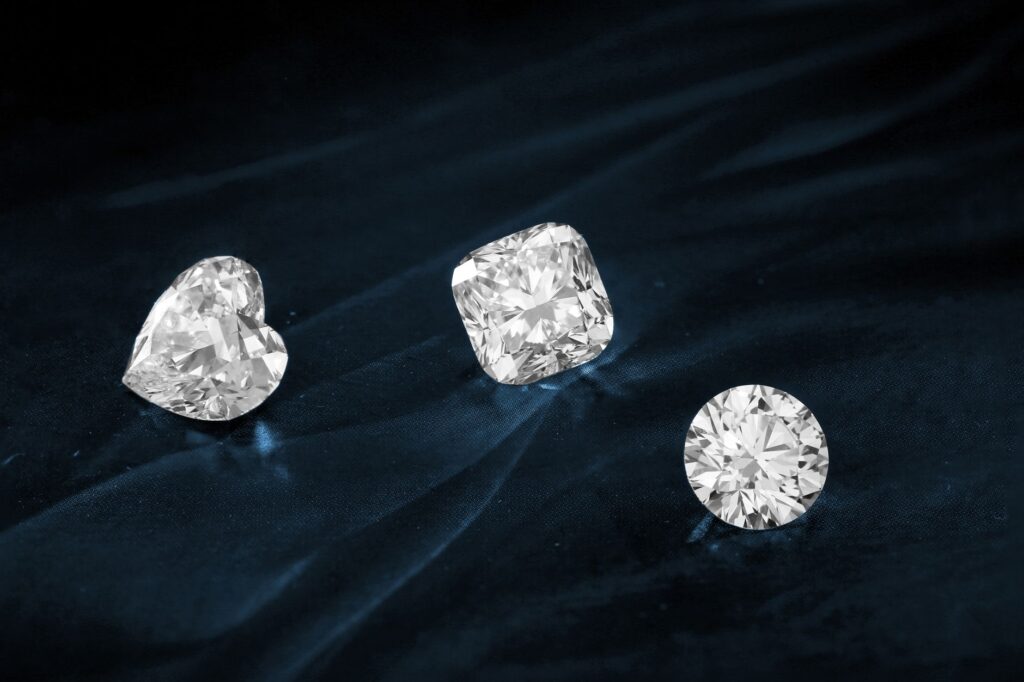
Cushion cuts vary more than many other shapes because there are several facet styles. Some cushions have larger, softer flashes of light, while others create a more intense glitter. A well-cut cushion can be beautiful, but the sparkle style is usually softer and less uniform than a round brilliant.
Princess
Princess diamonds are known for sharp brilliance and a modern appearance. They can produce strong sparkle, especially in bright environments. Their corners, however, are more vulnerable to chipping than the rounded edges of shapes like oval or round.
Radiant
Radiant cuts are often very lively because they combine the outline of a rectangular or square shape with a brilliant-style facet pattern. They can be a strong option for buyers who want sparkle similar to a round diamond but prefer a non-round shape.
Pear and Marquise
Pear and marquise diamonds can look very bright, but their sparkle can depend more heavily on proportion and symmetry. Since these shapes are elongated, they can create a flattering finger effect, but they also need careful evaluation to avoid imbalance or noticeable dark areas.
Emerald and Asscher
These are step-cut diamonds, which means they have long, rectangular facets arranged in steps rather than the many small facets found in brilliant cuts. They do not usually produce the most sparkle, but they can look elegant and sophisticated. Buyers often choose them for their clean lines and vintage character, not for maximum glitter.
Key Characteristics That Affect Sparkle
Shape alone does not determine sparkle. Two diamonds with the same shape can look very different if one is cut well and the other is not. These are the main factors that matter most.
Cut Quality
Cut quality is the most important factor affecting sparkle. It describes how well the diamond’s angles, proportions, and facet alignment work together to return light. A well-cut diamond reflects light efficiently, while a poorly cut stone can leak light and look flat.
For round diamonds, cut grades from a reputable lab such as GIA can be very useful. For fancy shapes, cut is still important, but the grading system is less standardized, so buyers need to look more closely at the actual appearance of the stone.
Facet Style
Brilliant-cut diamonds, such as round, oval, princess, and radiant, generally produce more sparkle than step-cut diamonds. That is because their many smaller facets create more opportunities for light to bounce and flash.
Step cuts, including emerald and Asscher, create broader flashes and a more open look. They are beautiful, but they are not usually the first choice for someone focused on maximum sparkle.
Proportions
Proportions affect how light travels through the diamond. If a stone is too deep, too shallow, or poorly balanced, it may lose brightness even if the shape itself is known for sparkle.
For elongated shapes like oval, pear, and marquise, proportions also affect outline and finger coverage. A well-balanced stone can appear more elegant and sparkly, while a poorly proportioned stone may show uneven light or a strong bow tie.
Symmetry
Symmetry helps light distribute evenly across the diamond. Good symmetry creates a more balanced look and makes sparkle appear more consistent as the stone moves. This is especially noticeable in fancy shapes where small asymmetries can be easier to detect.
Polish
Polish refers to the smoothness of the diamond’s facet surfaces. Better polish helps light move cleanly across the stone. While polish alone does not create sparkle, poor polish can reduce visual crispness.
Why Some Shapes Look Sparkly but Not Bright in the Same Way
A diamond can look sparkly without having the same brightness pattern as a round brilliant. This is one reason buyers sometimes fall in love with fancy shapes even if those shapes are not technically the most light-efficient.
For example, a cushion cut may show larger, softer flashes that some people find more romantic than the sharper scintillation of a round brilliant. A radiant may show a busy, energetic sparkle, while an emerald cut can look calm and glassy with dramatic flashes instead of constant twinkling.
So when asking which diamond shape sparkles most, it helps to decide whether you mean the most sparkle overall or the most sparkle in a certain style. Those are not always the same thing.
Advantages of Choosing a High-Sparkle Shape
High-sparkle shapes appeal to many buyers because they look active and bright in everyday life. They are often more forgiving in mixed lighting, which is useful for an engagement ring worn in different settings.
They Hide Minor Issues Better
Brilliant-cut shapes can sometimes disguise small inclusions or slight color better than step-cut shapes because the sparkle draws the eye and breaks up the view inside the stone. This does not mean you should ignore clarity or color, but it can provide more flexibility when choosing grades.
They Tend to Feel More Dynamic
Many people enjoy the sense of movement in a diamond that flashes as the hand moves. This dynamic look is one of the main reasons round, oval, and radiant shapes remain so popular in both natural and lab grown diamonds.
They Often Suit Everyday Wear
For an engagement ring, sparkle is not just about luxury. It can also make the ring feel lively in daily wear, from office lighting to outdoor daylight. A well-cut sparkly shape usually looks good in a broader range of environments.
Disadvantages of Prioritizing Sparkle Alone
Focusing only on sparkle can lead buyers to overlook other important factors. A highly sparkly diamond is not always the best choice for every person or every setting.
It Can Increase Price
The most popular sparkly shapes, especially round brilliant, often cost more per carat than other shapes with similar quality. That is partly due to demand and partly because more rough diamond is lost during cutting.
For buyers comparing budgets, this is one reason lab grown diamonds can be appealing. A lab grown round brilliant or radiant may allow a buyer to prioritize sparkle while choosing a larger size or higher quality within the same budget range.
Some Shapes Show More of Certain Imperfections
Step-cut diamonds show inclusions and color more easily, but even brilliant cuts have their own visual trade-offs. Some shapes may show a bow tie, uneven patterning, or darker zones if the cut is not balanced.
Maximum Sparkle May Not Match Personal Style
Not everyone wants a diamond that looks lively at all times. Some people prefer the calm, elegant appearance of an emerald cut or the vintage look of a cushion cut. Style preference matters as much as light performance.
Who Each Sparkly Shape Is Best For
Different shapes suit different buyers, depending on priorities like style, budget, and how the ring will be worn.
Round Brilliant
Best for buyers who want the strongest all-around sparkle, classic style, and proven performance. It is also a good choice for someone who wants fewer surprises when shopping.
Oval
Best for buyers who like a sparkly shape with a flattering elongated look. Ovals can make the finger appear longer and often face up larger than rounds of the same carat weight.
Princess
Best for buyers who want strong sparkle with a square outline and a modern look. It can be appealing to someone who likes bold geometry.
Radiant
Best for buyers who want an energetic, brilliant appearance in a square or rectangular shape. Radiant cuts are a practical option for people who want sparkle without choosing round.
Cushion
Best for buyers who want a softer, romantic aesthetic with plenty of light play. Cushion cuts often appeal to those who like a vintage-inspired style.
Pear and Marquise
Best for buyers who want a distinct silhouette and a lengthening effect on the finger. These shapes can look elegant and sparkly, but they require careful proportion checks.
Emerald and Asscher
Best for buyers who value sophistication, clarity, and shape over maximum sparkle. These cuts have a more understated beauty and are often chosen for their architectural look.
How Lab Grown Diamonds Affect Shape and Sparkle Choices
Lab grown diamonds do not change the basic answer to which diamond shape sparkles most. The same shape and cut principles still apply. A round brilliant lab grown diamond will usually sparkle more than an emerald cut lab grown diamond, just as it would in natural diamonds.
What lab grown diamonds do change is buying flexibility. Because lab grown diamonds are often priced lower than comparable natural diamonds, buyers may be able to choose a higher color grade, better clarity, or larger carat size without moving beyond budget. That can indirectly improve the overall visual impact of a sparkly shape.
This is especially useful for shoppers considering shapes like round, oval, radiant, or princess. Those shapes can look impressive at larger sizes, and lab grown options may make it easier to reach the size and quality combination a buyer wants.
Important Buying Considerations Beyond Shape
To choose the sparkliest diamond, you need to look beyond the shape name. These are the most important shopping factors.
Look at Cut Before Carat
A well-cut smaller diamond often looks better than a larger poorly cut one. If sparkle is the main goal, cut should usually come before carat weight in your priorities.
Check the Stone in Real Lighting
Photos and grading reports are useful, but diamonds should ideally be viewed in different lighting conditions. A diamond that looks lively under store lights should also hold up in softer, more natural lighting.
Use Videos for Fancy Shapes
For oval, cushion, pear, marquise, and radiant diamonds, videos can reveal issues that reports cannot. Look for symmetry, even light return, and any distracting dark zones or bow ties.
Consider Clarity Visibility
Highly sparkly shapes can sometimes hide small inclusions better, but that does not mean clarity should be ignored. For step cuts like emerald, inclusions are easier to see because the open facets act more like windows.
Consider Color Visibility
Round brilliant diamonds can mask color a bit better than step cuts, while emerald and Asscher shapes tend to show body color more clearly. Buyers who want a bright white look may want to pay closer attention to color grades in those shapes.
Pay Attention to Face-Up Size
Some shapes look larger from above than others at the same carat weight. Ovals, marquise, and pears often face up larger than rounds, which can be useful if the buyer wants visual size along with sparkle.
Think About the Setting
The setting can affect how much sparkle you notice. A simple solitaire often lets the diamond stand out more, while a halo setting can add extra brightness around the center stone. Prong style and metal color can also influence the look.
Common Mistakes Buyers Make When Choosing for Sparkle
Buyers often focus on one feature and miss the bigger picture. Avoiding a few common mistakes can lead to a better-looking diamond.
Assuming the Shape Name Tells the Whole Story
A round diamond is not automatically better than every other shape, and a fancy shape is not automatically less sparkly. Cut quality and proportions are what make the difference.
Choosing a Large Stone with Weak Cut
A larger diamond with poor light return may look less impressive than a smaller, well-cut one. This mistake is common when buyers chase carat weight without reviewing how the diamond actually performs.
Ignoring Bow Tie in Elongated Shapes
Ovals, pears, and marquise diamonds can show a bow tie effect, which is a dark area across the center. A small bow tie is common, but a strong one can reduce sparkle and distract from the shape.
Picking Step Cuts Expecting Brilliant Sparkle
Emerald and Asscher cuts are beautiful, but they do not sparkle the same way brilliant cuts do. Buyers who expect maximum glitter may be disappointed if they do not understand this distinction in advance.
Overlooking Personal Style
Some people love intense sparkle. Others prefer a more understated, architectural look. The best shape is the one that fits the wearer’s taste, hand shape, and daily style, not just the one with the highest sparkle score.
Comparison: Sparkle, Style, and Practical Trade-Offs
| Shape | Sparkle Level | Visual Style | Practical Notes |
|---|---|---|---|
| Round brilliant | Highest overall | Classic, timeless | Best all-around light performance, usually highest demand |
| Oval | High | Elegant, elongated | Can face up large, watch for bow tie |
| Princess | High | Modern, geometric | Corners need care in daily wear |
| Radiant | High | Bold, brilliant | Good balance of sparkle and shape variety |
| Cushion | Moderate to high | Soft, vintage-inspired | Sparkle style depends heavily on facet design |
| Pear | Moderate to high | Distinctive, graceful | Symmetry and bow tie matter a lot |
| Emerald | Lower sparkle, higher clarity appearance | Elegant, refined | Shows inclusions and color more easily |
| Asscher | Lower sparkle, more flash | Art Deco, vintage | Chosen for style and structure rather than glitter |
Current Shape Trends and Long-Term Appeal
Round brilliant diamonds remain the most popular choice because they are dependable, versatile, and widely recognized. Their sparkle has long-term appeal, which is one reason they continue to dominate engagement ring shopping.
Oval diamonds have also become extremely popular in recent years because they combine sparkle with a larger-looking face-up shape. Radiant and cushion cuts are common among buyers who want a less traditional look without giving up too much brightness.
Step cuts such as emerald and Asscher remain more style-driven. They may not be the sparkliest shapes, but they often appeal to buyers who want a refined and distinctive look that stands apart from the most common engagement ring styles.
From a long-term perspective, the safest shape choices are usually round, oval, and cushion because they have broad appeal. That said, the best shape for long-term satisfaction is the one the wearer genuinely likes, not just the one that is most popular at the moment.
Frequently Asked Questions
Does the round brilliant always sparkle more than every other shape?
In most cases, yes. The round brilliant is usually the sparkliest shape overall because it is engineered for maximum light return. However, a very well-cut fancy shape can still look more lively than a poorly cut round diamond.
Which fancy shape sparkles the most?
Radiant, oval, and princess diamonds are often among the sparkliest fancy shapes. The exact answer depends on cut quality, proportions, and personal preference for the type of sparkle the diamond produces.
Why do emerald cuts sparkle less?
Emerald cuts use step-cut facets instead of many small brilliant facets. This creates long flashes and an elegant, mirror-like effect rather than intense glitter. They are designed for a different visual style, not maximum sparkle.
Can a lab grown diamond sparkle as much as a natural diamond?
Yes. Sparkle depends mainly on cut quality, not whether a diamond is natural or lab grown. A well-cut lab grown round brilliant can look just as sparkly as a well-cut natural round brilliant.
Does a bigger diamond sparkle more?
Not necessarily. Larger diamonds may show more presence, but sparkle depends on how well the diamond is cut. A smaller well-cut diamond often looks livelier than a larger stone with weak proportions.
What is the bow tie effect, and does it affect sparkle?
The bow tie effect is a dark area across the center of some elongated shapes such as oval, pear, and marquise. A small bow tie is common, but a strong one can reduce the overall beauty and make the diamond appear less evenly sparkly.
Which shape is best if I want sparkle and a larger-looking stone?
Oval, pear, and marquise shapes often face up larger than rounds of the same carat weight. If sparkle is also important, oval is often considered a strong balance of visual size and brilliance when the cut is well proportioned.
Should I choose sparkle over clarity or color?
It depends on the shape and the overall budget. For brilliant cuts, sparkle can help disguise small inclusions and slight color, but clarity and color still matter. For step cuts, those factors are more visible, so buyers usually need to pay closer attention to them.
Conclusion
If you are asking which diamond shape sparkles most, the answer is usually the round brilliant. It offers the strongest overall combination of brightness, fire, and scintillation, which is why it remains the standard for maximum sparkle.
That said, the best choice depends on more than shape alone. Oval, princess, radiant, and cushion cuts can also look very lively, while emerald and Asscher diamonds offer a quieter, more elegant appearance. Cut quality, proportions, and symmetry all play a major role in how much sparkle a diamond actually shows.
For most buyers, the best approach is to match the shape to the style they want, then evaluate cut performance carefully. If you are comparing diamonds, it helps to look beyond the shape name and consider how the stone behaves in real light, how it wears on the hand, and how it fits your budget, especially when comparing natural and lab grown diamonds.