When people compare diamonds, they often focus on carat, color, and clarity first. In practice, though, cut is usually what determines how lively a diamond looks once it is worn. That is especially true when discussing How Diamond Cut Affects Fire, because fire is one of the most noticeable parts of a diamond’s beauty for many buyers.
Fire is the flash of color you see when a diamond breaks white light into spectral colors like red, blue, and yellow. A diamond with a strong cut can show more of that color, along with better brightness and sparkle overall. A diamond with a weaker cut may still be large or high in clarity, but it can look less lively because it does not handle light as well.
For buyers, the main question is not just what fire means in theory. It is how much of a difference you can actually see in normal viewing conditions, and whether a premium for better cut is worth it. The answer is usually yes, but only when the improvement is visible enough to matter in everyday wear.
Quick Answer
Diamond cut affects fire by controlling how light enters the stone, travels through it, and exits back to your eye. When a diamond is proportioned and finished well, it can split light into colorful flashes more effectively.
In simple terms, better cut often means more noticeable fire, but fire is only one part of a diamond’s overall visual performance. A diamond also needs good brilliance, scintillation, and light return to look balanced and attractive. That is why a well-cut diamond often looks more appealing than a larger diamond with poor proportions.
For most buyers, cut is worth prioritizing because its effect is easy to see. Even in lab grown diamonds, where crystal quality can be excellent, cut still plays a major role in whether the diamond looks bright, crisp, and lively.
What Diamond Fire Actually Is
Fire is the colored light you see when a diamond disperses white light into its component colors. Diamonds are famous for this effect because their internal structure bends different wavelengths of light by slightly different amounts. This creates tiny flashes of color, especially when the stone or the observer moves.
Fire is different from brilliance, which is the white light return that makes a diamond look bright. It is also different from scintillation, which is the pattern of sparkle and contrast you notice as the diamond moves. A diamond can have strong brilliance with modest fire, or strong fire with a more moderate level of brightness, depending on its cut and lighting conditions.
Most buyers notice fire most easily under spot lighting, sunlight, or other bright directional light. In softer indoor light, fire may be less dramatic and brilliance may become the more important visual effect. That is why cut should be evaluated as part of the whole light performance picture, not as a single isolated feature.
How Diamond Cut Creates Fire
Cut affects fire because it determines how efficiently light is captured and redirected inside the diamond. If the angles and proportions are well balanced, light can reflect internally in a way that lets the stone separate white light into color flashes before it exits.
If the cut is too shallow, too deep, or unevenly proportioned, light may leak out through the bottom or sides instead of returning to the viewer. In that case, the diamond may still have some fire, but the effect can appear weaker or inconsistent. A poorly cut diamond can also lose brightness, which makes the fire less noticeable because the stone itself looks duller overall.
In practical terms, good cut does not just create more fire. It helps fire appear within a diamond that is also bright, balanced, and visually lively. That combination is usually what buyers respond to when they say a diamond “sparkles more.”
Understanding the Main Cut-Related Terms
Cut Grade
Cut grade is the overall quality assessment of a diamond’s proportions, symmetry, polish, and light performance. For round diamonds, major grading laboratories such as GIA provide cut grades like Excellent, Very Good, Good, Fair, and Poor.
What it means for buyers is simple. A higher cut grade usually indicates a better chance of seeing strong brilliance, fire, and scintillation. The difference is often visible to the naked eye, especially when comparing two diamonds side by side.
What buyers actually see is a diamond that looks brighter and more balanced, with more lively flashes of light. Whether the difference is easy to notice depends on the viewing environment, but it is usually more apparent than small differences in color or clarity.
Symmetry
Symmetry refers to how precisely the facets of a diamond are arranged relative to one another. Good symmetry helps the stone reflect light evenly, which supports a cleaner, more organized sparkle pattern.
For buyers, symmetry can affect how crisp and uniform the diamond looks. In round brilliant diamonds, symmetry is also important for the classic patterning many shoppers expect. Minor symmetry differences may be difficult to notice without magnification, but stronger symmetry issues can reduce visual appeal.
Polish
Polish describes how smooth the facet surfaces are after finishing. A well-polished diamond has facet surfaces that allow light to move cleanly in and out of the stone.
What buyers see is usually subtle unless polish is poor. If polish is excellent, the diamond may appear cleaner and more transparent in its reflections. If polish is poor, it can create a slightly hazy or less crisp appearance, which may reduce overall sparkle performance.
Proportions
Proportions are the relationship between a diamond’s table, depth, crown, pavilion, and other measurements. These numbers influence how light travels through the stone and how efficiently it returns to the eye.
Buyers do not need to memorize the measurements, but they should know that proportions strongly affect fire and brightness. A diamond with favorable proportions is more likely to look lively in real life, even if two stones have the same carat weight and clarity grade.
Light Performance
Light performance is the broader term for how a diamond handles light overall. It includes brilliance, fire, scintillation, and light return, along with how much light leaks out of the stone.
This matters because a diamond is not judged in a grading report alone. What ultimately matters is how the stone looks from normal viewing distances, under changing lighting, and when it is moving on the hand.
Hearts and Arrows
Hearts and Arrows is a pattern seen in some precisely cut round brilliant diamonds when viewed through specialized tools. It indicates a high degree of optical symmetry and careful alignment of facets.
For buyers, Hearts and Arrows does not guarantee beauty by itself, but it often signals meticulous cutting. The visible benefit can be a very organized and crisp sparkle pattern, which some shoppers prefer. However, most people will not inspect a diamond with a viewer, so the practical value depends on how much the buyer cares about precision cutting.
Why Fire Matters to Buyers
Fire matters because it is one of the traits that makes a diamond look vibrant rather than flat. Many shoppers notice the colorful flashes even if they do not know the technical term for them. In well-cut diamonds, fire contributes to that sense of life and movement that makes a stone visually interesting.
Fire also helps separate a diamond from other transparent gems. When the cut is strong, the stone can look active in multiple lighting environments, from daylight to store lighting to indoor home settings. That versatility is one reason good cut often has more real-world impact than slight differences in clarity or color.
From a buying standpoint, fire is important because it is visible. If you are trying to choose between two diamonds, and one has clearly better light behavior, the difference may be noticeable every time you wear the ring. That makes cut one of the most practical quality factors to prioritize.
How Cut Affects Fire in Real-World Appearance
Fire is strongest in the right lighting
Fire becomes more visible in bright, directional lighting such as sunlight, spotlights, and jewelry store lighting. These environments create strong light entry and contrast, which help colored flashes stand out.
In diffuse lighting, like a cloudy day or a softly lit room, fire may be less intense. In those conditions, a diamond’s brightness and overall light return are often more noticeable than colored flashes alone. This is why a diamond should be judged in more than one lighting environment whenever possible.
Fire depends on movement
Fire is usually more apparent when the diamond, the viewer, or the light source moves. As the stone shifts, different facets catch and release light, creating quick flashes of color.
This is one reason people often describe a well-cut diamond as “alive.” The pattern of movement is what turns static brightness into dynamic sparkle. A diamond with poor cut may look acceptable when still, but lose much of that liveliness when worn.
Fire does not always mean a diamond is better overall
Some diamonds may show dramatic fire but less balanced brilliance. Others may prioritize brightness and white sparkle more than color flashes. The best-looking stone often depends on the overall balance of all these traits.
For buyers, this means the goal is not simply maximum fire at all costs. The goal is a diamond that looks attractive in everyday wear. A good round brilliant, for example, typically offers a pleasing mix of brilliance, fire, and scintillation rather than one trait dominating the others.
How Cut Affects Other Sparkle Factors
Brilliance
Brilliance is the white light a diamond reflects back to the eye. It is what makes a diamond look bright and full of life from a distance.
Cut influences brilliance by controlling how efficiently the stone returns light instead of leaking it. If brilliance is strong, fire is often easier to notice because the diamond has enough overall brightness to support it.
Scintillation
Scintillation is the pattern of sparkle, on-and-off flashes, and contrast as the diamond moves. It is the dynamic part of a diamond’s appearance.
Good cut often creates cleaner, more attractive scintillation patterns. Buyers may not use the word “scintillation,” but they usually notice it as a diamond that seems to “dance” in the light. Poor cut can make those flashes look scattered, dull, or uneven.
Light return
Light return means how much light enters the diamond and comes back to the viewer. Strong light return is a major reason some diamonds look lively while others look sleepy.
When light return is strong, fire and brilliance have a better foundation. When it is weak, the stone may appear dark in some areas or washed out in others. That can reduce the impact of all sparkle-related effects.
Light leakage
Light leakage happens when light passes through the diamond instead of reflecting back to the eye. It is usually caused by proportion issues or overly shallow and deep areas in the stone.
What buyers actually see is reduced brightness and less consistent sparkle. A diamond with noticeable leakage can still be attractive, but it often will not look as vibrant as a well-cut stone of similar size and quality.
How Different Cut Grades Can Change Fire
Not all cut grades create the same appearance. A diamond graded Excellent usually has a better chance of strong fire and overall light performance than one graded Very Good, although the actual difference can vary depending on the specific stone.
Very Good cut diamonds can still look attractive and may offer good value if the pricing reflects the grade difference. However, once you move further down the scale, fire and brightness often become more noticeably compromised. That is when the diamond may start to look smaller or less lively than its carat weight suggests.
It is also important to remember that grading is not the same as visual inspection. Two diamonds with the same cut grade can still look different because of variation in proportions, facet precision, and optical performance. This is one reason experienced shoppers often compare diamonds in person or request performance images when available.
| Cut Grade | Likely Fire | Brightness and Sparkle | Buyer Takeaway |
|---|---|---|---|
| Excellent | Usually strong and well-balanced | High brightness with lively sparkle | Often the safest choice for visible performance |
| Very Good | Can still be strong, sometimes slightly less precise | Often attractive, sometimes a bit less crisp | May offer better value if the stone looks good in person |
| Good | Variable, often less consistent | May lose brightness or sparkle efficiency | Needs careful review before buying |
| Fair to Poor | Usually reduced | Lower brightness and weaker sparkle performance | Often not ideal unless price is the overriding concern |
Does Diamond Shape Affect Fire Too?
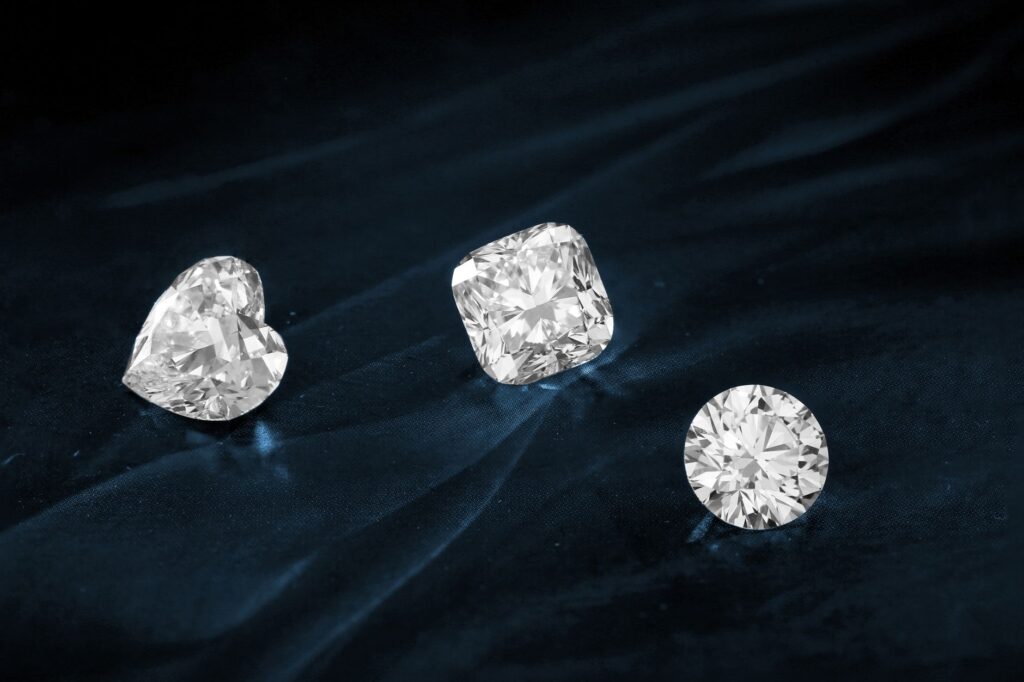
Yes, shape matters because different shapes handle light differently. Round brilliant diamonds are usually the strongest performers for fire and overall sparkle because their facet structure is optimized for light return.
Fancy shapes, such as oval, cushion, pear, emerald, and radiant, can still show excellent fire. However, the pattern and balance of sparkle can vary more from stone to stone. Some shapes may emphasize brightness more than fire, while others create broader, chunkier flashes of colored light.
For buyers comparing shapes, the key point is that cut quality matters within every shape. A well-cut oval can look much more lively than a poorly cut oval of the same size, and the same is true for cushion and radiant cuts. If you are comparing diamond shapes, it helps to evaluate each stone individually rather than relying only on the shape name.
Practical Examples Buyers Can Relate To
A well-cut 1.5-carat diamond versus a poorly cut 2-carat diamond
This is one of the most common real-world comparisons. Many buyers assume the 2-carat diamond will automatically look better because it is larger. But if the larger diamond has poor cut, it may leak light and appear dull in the center or around the edges.
A well-cut 1.5-carat diamond can look brighter, more fiery, and more visually balanced. In many viewing conditions, it may actually appear more impressive than the larger stone because the extra size does not compensate for weak light performance. This is a good example of how cut can outweigh carat in visible beauty.
Excellent Cut versus Very Good Cut in everyday lighting
In a bright jewelry store, the difference may be subtle at first glance. Under closer comparison, the Excellent Cut diamond may show cleaner brightness, more balanced fire, and a sharper sparkle pattern.
In normal day-to-day wear, that difference can matter more than buyers expect. The Excellent Cut stone may stay lively in more lighting environments, while the Very Good Cut stone may look slightly less crisp or less dynamic. Whether the premium is worthwhile depends on budget and how sensitive the buyer is to visual detail.
Higher clarity with poor cut versus lower clarity with excellent cut
This comparison helps many first-time buyers make smarter decisions. A diamond with very high clarity but weak cut may be technically cleaner under magnification, yet look less impressive to the eye than a lower clarity stone with strong cut.
For most buyers, the eye is more sensitive to sparkle and brightness than to small inclusions that cannot be seen without magnification. That is why many experienced jewelers prioritize cut first. If the stone does not return light well, high clarity alone will not make it look exciting.
What Matters Most in Lab Grown Diamonds
Lab grown diamonds can have excellent transparency and high clarity, but cut still determines how the stone performs visually. In other words, a lab grown diamond is not automatically beautiful just because it was grown in a controlled environment.
Because lab grown diamonds can offer larger sizes at lower prices than many natural diamonds, some buyers are tempted to focus on carat alone. That can be a mistake. A poorly cut lab grown diamond may still look less attractive than a smaller but better-cut stone.
Lab grown diamonds also benefit from careful cut evaluation because many shoppers choose them specifically for visual value. If you are trying to maximize appearance for the budget, cut remains one of the smartest areas to prioritize. This is true whether you are shopping for an engagement ring, pendant, or earrings.
When Paying More for Better Cut Makes Sense
Paying more for better cut makes sense when you want the diamond to look visibly brighter and more lively in normal wear. It also makes sense if you care about long-term satisfaction and want the stone to keep impressing you over time.
This premium is often justified because the effect is not just theoretical. You can usually see the difference in person, especially when comparing diamonds of similar size and shape. For many buyers, that visible improvement matters more than a small upgrade in clarity or a slightly larger carat number.
Better cut can also make a diamond look more expensive than it really is. That does not mean it changes the intrinsic value dramatically, but it does mean the diamond can deliver better visual performance for the money. In that sense, cut is one of the most efficient quality upgrades available.
When the Premium May Be Less Important
There are situations where paying extra for the very top cut tier may not be necessary. If you are buying a pendant or earrings viewed from a distance, small differences in fire and sparkle may be less noticeable than they would be in a ring worn close to the eyes.
Likewise, if your budget is tight, it may be reasonable to choose a slightly lower cut grade in exchange for the right balance of size, color, and clarity. The goal is not to insist on the absolute highest grade in every case. The goal is to choose the best overall appearance for your priorities.
That said, going too low on cut can be costly in visual terms. A larger diamond with weak proportions may not deliver the presence or beauty you expect. So even when budget matters, it is usually wise to protect cut quality before compromising on less visible factors.
Advantages of Prioritizing Cut for Fire
- Improves visible sparkle in everyday settings.
- Helps create stronger fire and more colorful flashes.
- Enhances brightness, which supports overall beauty.
- Can make a diamond look larger and more lively than a poorly cut stone of the same carat weight.
- Often provides better long-term satisfaction because the improvement is easy to see.
Limitations and Trade-Offs
- Top cut grades can cost more, even when other factors are similar.
- Fire is not the only measure of beauty, so a stone should still be evaluated for overall balance.
- Some diamond shapes are less predictable than round brilliants, so the same grade may not guarantee the same look.
- Lighting conditions affect what you see, so a diamond may not always show maximum fire in every environment.
- Cut can be excellent while another aspect, such as color or clarity, still limits the diamond’s appearance.
Common Buyer Mistakes
Prioritizing carat over cut
This is one of the biggest mistakes buyers make. A larger diamond with poor cut may look less impressive than a smaller diamond with excellent light performance. Size matters, but only if the diamond still looks bright and balanced.
Assuming all diamonds sparkle equally
Not all diamonds perform the same way. Two stones with the same shape and weight can look very different if their proportions and facet precision differ. Buyers sometimes discover this only after comparing stones side by side.
Ignoring light leakage
Light leakage is easy to overlook if you only look at the diamond briefly. But it can have a big impact on brightness and overall appeal. A stone with visible leakage may look dark or lifeless in certain areas, even if it appears fine in a bright showroom.
Overpaying for clarity while cutting corners on cut
Many first-time buyers are drawn to high clarity grades because they sound important. In real life, a diamond with excellent cut and modest clarity often looks more beautiful than a flawless-looking stone with poor light performance.
Relying on the grading report alone
A grading report is important, but it does not tell the whole story. It gives useful information about cut grade and measurements, but it cannot fully capture how a diamond looks in motion. Whenever possible, look at images, videos, or the diamond in person.
What Experienced Buyers and Jewelers Often Look For
Experienced diamond shoppers often look for balance rather than a single number. They want the stone to be bright, lively, and proportioned in a way that produces good fire without sacrificing overall appearance.
Jewelers commonly pay attention to how a diamond behaves under different lighting. A stone that looks strong under spotlights but weak in softer light may not offer the best real-world performance. A more consistently attractive diamond is usually the better buy, even if it is not the biggest option on the counter.
Many experienced buyers also understand that some visual differences are subtle and some are obvious. Minor symmetry or polish differences may be hard to spot without magnification, but cut-related differences in brightness and fire are often easier to notice. That is why cut gets so much attention from informed shoppers.
How to Evaluate Fire Before Buying
When possible, compare diamonds in multiple lighting conditions. A diamond that looks good only under intense store spotlights may not satisfy you as much at home or outdoors. Try to see it under natural light, indirect light, and normal indoor lighting if you can.
Ask to view the stone while it is moving. Fire and scintillation are dynamic qualities, so motion often reveals more than a still view. A diamond should still look attractive when stationary, but movement helps you understand how lively it really is.
If you are shopping online, look for images or videos that show the diamond from different angles. Ask whether performance images are available, especially for fancy shapes. A good vendor should be able to provide useful visual information without making exaggerated claims.
How Cut, Fire, and Certification Work Together
Certification matters because it helps standardize what you are buying. A grading report from a respected lab gives you important data on cut, polish, symmetry, and other characteristics, depending on the shape and report type.
Still, certification should be used as a starting point rather than the final word. Two certified diamonds can have the same grade and still look different. That is why buyers should use certification to narrow the search, then evaluate actual appearance before making a final decision.
For lab grown diamonds, certification is especially useful because it helps confirm the stone’s measured characteristics and quality. Whether the diamond is lab grown or natural, however, the real question remains the same: how does it look to the eye?
Frequently Asked Questions
Does better cut always mean more fire?
Usually, but not always in a simple linear way. Better cut improves the diamond’s ability to handle light, which often increases fire. However, the exact amount of fire also depends on shape, proportions, lighting, and the diamond’s overall optical balance.
Can a diamond have too much fire?
In practical buying terms, this is uncommon. Most shoppers are more likely to encounter diamonds with too little brightness or poor balance than stones with excessive fire. The real goal is a pleasing mix of fire, brilliance, and scintillation.
Is fire more important than brilliance?
Neither is more important in every situation. Brilliance gives the diamond its bright overall look, while fire adds colored flashes. Most buyers prefer a diamond that combines both rather than emphasizing one at the expense of the other.
Do lab grown diamonds show the same fire as natural diamonds?
Yes, lab grown diamonds are chemically and optically diamonds, so they can show similar fire when cut well. The difference in fire usually comes from cut quality, not from whether the diamond is lab grown or natural.
Will I notice fire more in a round diamond or a fancy shape?
Round brilliants often provide the most predictable fire and sparkle balance. Fancy shapes can show beautiful fire too, but the pattern and intensity vary more from stone to stone. Individual evaluation matters more with fancy shapes.
Is a higher cut grade always worth the extra price?
Not always. It depends on how visible the improvement is, how much the premium costs, and what else you could improve with that money. If the price difference is small, better cut is often worth it. If the premium is large, compare the stone carefully to see whether the visual gain justifies it.
Can poor cut make a diamond look smaller?
Yes. A diamond with poor light return may appear less bright and less lively, which can reduce its visual presence. Some poorly cut stones also spread light in less efficient ways, making them look smaller than their carat weight suggests.
What is the most important thing to remember about cut and fire?
The most important point is that fire is visible, but only when the diamond handles light well enough to support it. A well-cut diamond usually looks more beautiful because fire, brilliance, and sparkle work together. That makes cut one of the most important quality factors for buyers to understand.
Conclusion
Diamond cut has a direct impact on fire because it determines how effectively a stone splits and returns light. When proportions, symmetry, and finish are well executed, the diamond is more likely to show colorful flashes along with strong brightness and sparkle. When cut is weak, fire often becomes less noticeable because the diamond loses overall light performance.
For buyers, the practical lesson is straightforward. Cut is one of the most visible quality factors, and it often matters more in everyday appearance than small differences in clarity or even carat weight. A well-cut diamond can look more lively, more balanced, and more impressive than a larger stone with poor light behavior.
If you are comparing diamonds, focus on how the stone looks in real lighting, not just on the grading report. Understanding how diamond cut affects fire can help you choose a diamond that looks better in daily wear and delivers stronger long-term satisfaction.