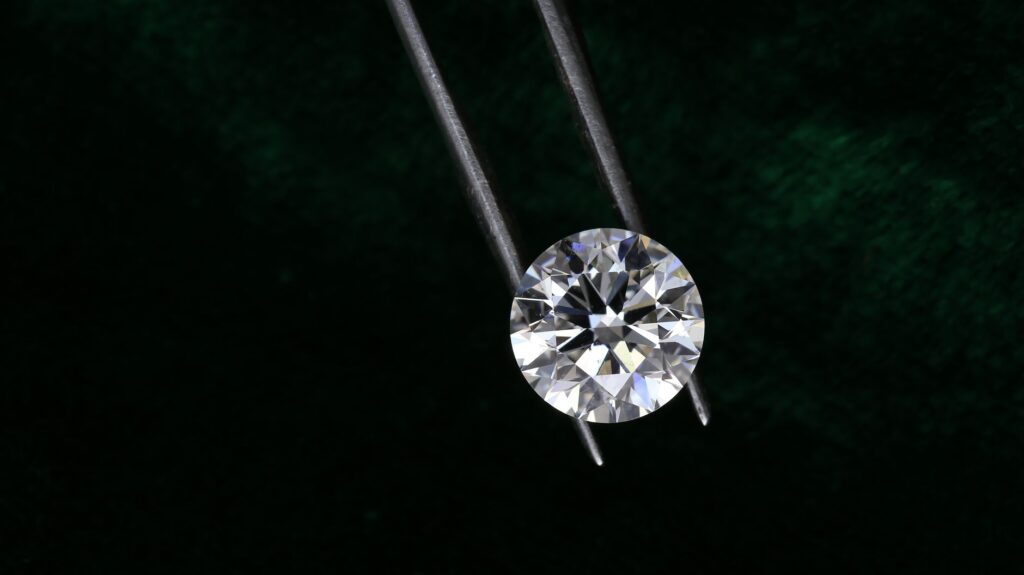
IGI grades diamond cut by evaluating how well a diamond’s proportions, symmetry, and finish work together to return light. For most buyers, this matters because cut is the quality most closely tied to sparkle, brightness, and overall visual appeal. A diamond with strong cut quality can look more lively and attractive, even if it is smaller or has lower color or clarity grades.
If you are shopping for a lab grown diamond or comparing diamonds with different certificates, understanding how IGI grades cut can help you avoid paying more for size while missing the visual qualities that make a diamond look beautiful in everyday life. Cut is not just a technical label. It affects what you actually see when the diamond is on a hand, under indoor lighting, or viewed from across a room.
IGI, or the International Gemological Institute, is one of the major diamond grading labs used for lab grown diamonds and natural diamonds. Their cut assessment is useful, but it is best understood as part of a bigger picture that includes proportions, symmetry, polish, and the diamond’s actual light performance. Buyers who learn how these factors work are better prepared to choose a diamond that looks good in real-world conditions, not just on paper.
Quick Answer: How IGI Grades Diamond Cut
IGI grades diamond cut by looking at how the stone is shaped and finished, then assigning a cut grade that reflects how effectively it handles light. In simple terms, the better the cut, the better the diamond is likely to look. That usually means more brilliance, stronger sparkle, and a brighter face-up appearance.
For round brilliant diamonds, IGI typically evaluates cut using proportions such as table size, depth, crown angle, pavilion angle, girdle thickness, symmetry, and polish. These measurements help determine how light enters the diamond, travels inside it, and returns to the viewer. When those elements work well together, the diamond tends to look more lively and balanced.
For buyers, the most important point is this: cut often has a bigger visible impact than color or clarity. A well-cut diamond can look more attractive than a larger diamond with weaker proportions. If you are comparing stones, IGI cut grade is one of the first quality factors worth checking.
What Diamond Cut Actually Means
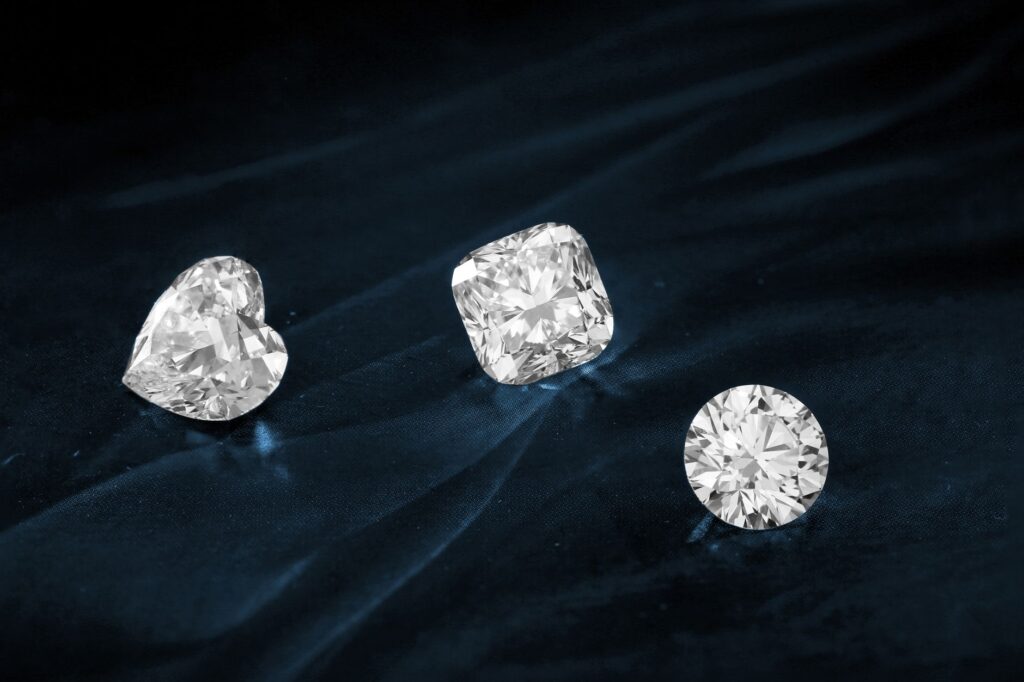
Many shoppers hear the word cut and assume it only means shape, such as round, oval, princess, or emerald. In diamond grading, cut means something more specific. It refers to how well the diamond has been fashioned from rough crystal into a finished stone, including proportions, angles, symmetry, and polish.
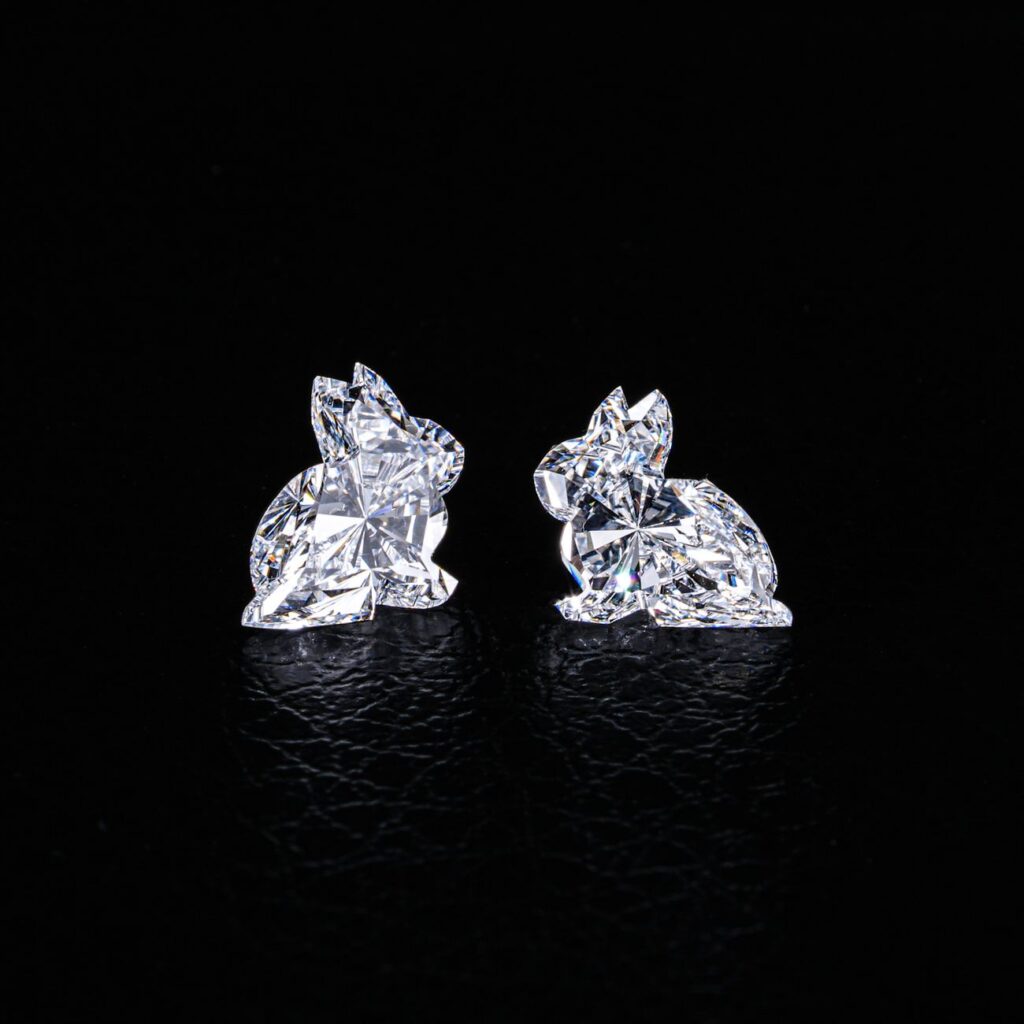
The shape is the outline. The cut is the craftsmanship behind it. A round diamond can be beautifully cut or poorly cut. The same is true for fancy shapes such as oval, cushion, pear, and radiant.
Cut Is About Light Performance
When jewelers and gemologists talk about cut quality, they are mainly talking about light performance. Light performance is how well the diamond handles light once it is viewed from above. A well-cut diamond returns more light to the eye, which creates brightness and sparkle.
If the proportions are too shallow or too deep, some light leaks out of the bottom or sides instead of returning to the viewer. That can make the diamond look dull, dark, or less lively. Buyers often notice this immediately when comparing stones in person, even if they do not know the technical reason.
Cut Is Different From Color and Clarity
Color describes how much tint a diamond has. Clarity describes internal or surface characteristics, often called inclusions and blemishes. Cut is different because it influences how the diamond looks overall, regardless of its color or clarity grade.
This is one reason cut is often considered the most important of the 4Cs for appearance. A well-cut diamond can help hide minor color or clarity issues. A poorly cut diamond can make even a high-color, high-clarity stone look less impressive.
How IGI Grades Diamond Cut
IGI uses a grading system designed to assess the quality of a diamond’s cut based on measurable factors and visual performance. For round brilliant diamonds, the grade may range from Excellent to Poor, depending on the stone and the report type. In practice, the grade helps buyers compare how one diamond is likely to perform against another.
IGI’s grading considers the diamond’s overall craftsmanship, not just a single number. This matters because two diamonds can have similar carat weight but very different visual results. The grading system is intended to identify whether the diamond is proportioned and finished in a way that supports attractive light return.
What IGI Looks At in a Round Brilliant Diamond
For round diamonds, IGI examines several elements that work together to shape visual performance:
- Table percentage, which is the size of the top facet compared with the diamond’s width.
- Depth percentage, which measures how deep the diamond is from top to bottom.
- Crown angle, the angle of the upper portion of the diamond.
- Pavilion angle, the angle of the lower portion of the diamond.
- Symmetry, which checks how precisely the facets align.
- Polish, which measures the smoothness and finish of the facet surfaces.
None of these factors matters in isolation as much as how they work together. A diamond can have a reasonable table size but still perform poorly if the pavilion is too deep or the symmetry is weak. This is why cut grading is more nuanced than simply looking at one measurement.
Symmetry and Polish Are Part of the Picture
Symmetry means the facets are arranged evenly and consistently. Polish refers to how smooth and clean the facet surfaces are after finishing. Both affect appearance, but in different ways.
Good symmetry helps the diamond reflect light more evenly. Good polish can support sharper reflections and a more refined overall look. These qualities are usually subtle to most buyers, but they matter when comparing well-cut diamonds side by side.
Why IGI Cut Grades Matter to Buyers
Cut grade matters because it affects the diamond’s beauty in everyday use. Buyers usually want a diamond that looks bright, sparkly, and balanced without needing ideal viewing conditions. Cut quality is one of the best indicators of whether a diamond will deliver that result.
Many first-time buyers focus on carat weight first because size is easy to understand. That is reasonable, but it can lead to disappointment if the diamond has weak cut quality. A diamond that is larger on paper can look less impressive than a slightly smaller diamond with better proportions and stronger light return.
Cut Has a Strong Effect on First Impressions
When people look at a diamond, they often react to the overall liveliness of the stone before they notice color or clarity. That liveliness is heavily influenced by cut. A diamond with strong cut quality tends to catch the eye more quickly and look more attractive under common lighting.
This is especially important in engagement rings, where the diamond is often seen in indoor light, office lighting, restaurant light, and daylight. A good cut helps the stone stay visually appealing in a wide range of settings.
Cut Can Improve Perceived Size
Although cut does not change the actual carat weight, it can change how large the diamond appears face-up. A well-cut diamond may look more spread out across the finger than a deeper stone of the same weight. This is one reason cut quality can affect value in practical terms.
Buyers sometimes assume a bigger diamond always looks better. In reality, a well-cut 1.5-carat diamond can often look more attractive than a poorly cut 2-carat diamond because it returns more light and appears more balanced.
What Buyers Actually See: Sparkle, Brilliance, Fire, and Scintillation
Diamond cut affects several visual qualities that people often describe in general terms as sparkle. In gemology, those effects can be broken into a few categories. Understanding them helps buyers know what they are looking at and why one diamond may appear more appealing than another.
Brilliance
Brilliance is the white light returned from the diamond. It creates the bright, lively look many buyers expect from a diamond. Strong brilliance usually makes a stone appear more vivid and attractive under everyday lighting.
If cut quality is weak, brilliance may be reduced. The diamond can appear darker or less full of life, especially in the center or around the edges.
Fire
Fire refers to flashes of color seen when white light is split into spectral colors. It is more noticeable when the diamond moves and when it is viewed under certain lighting conditions. Fire can be beautiful, but it is not always the main thing buyers notice first.
Cut affects fire because the diamond’s angles determine how light is dispersed. Some diamond styles show more fire than others, and the balance between brilliance and fire depends on proportions.
Scintillation
Scintillation is the pattern of light and dark flashes you see when a diamond moves. It is one reason diamonds look lively rather than static. Good scintillation gives the impression of crisp sparkle and contrast.
Too much darkness or poor patterning can make scintillation look muddy or uneven. A well-cut diamond usually has a cleaner, more pleasing pattern of bright flashes and contrast.
Brightness and Light Return
Brightness refers to how much light the diamond returns to the eye overall. Light return is the technical idea behind that appearance. When light enters the diamond and is reflected back efficiently, the diamond appears brighter and more vibrant.
Weak light return can cause light leakage. That means light escapes instead of reflecting back to the viewer. Buyers may see this as dullness, dark zones, or a general lack of life in the stone.
How IGI Cut Grades Compare in Real-World Viewing
The practical value of a cut grade depends on whether you can actually notice the difference. In many cases, the difference between top cut grades and slightly lower grades is visible, but not always dramatic to an untrained eye. The difference between a good cut and a poor cut is usually much easier to see.
Here is a simple way to think about it: the higher the cut quality, the more likely the diamond is to look balanced and lively in everyday use. But once a diamond is already well cut, the visible improvements from moving up another grade can become more subtle.
| Cut Quality | What Buyers Usually Notice | Practical Takeaway |
|---|---|---|
| Excellent or top-tier cut | Strong brightness, crisp sparkle, balanced appearance | Often worth prioritizing if beauty is the main goal |
| Very Good cut | Usually attractive, with some variation depending on proportions | Can be a practical value choice if the stone is otherwise strong |
| Good cut | May look fine, but brilliance or patterning can be less impressive | Worth checking carefully, especially in larger stones |
| Fair or Poor cut | Dullness, leakage, uneven sparkle, or a flat appearance | Usually not ideal for buyers focused on appearance |
The Difference Between Good and Great Can Be Subtle
Some buyers expect a dramatic visual gap between adjacent high grades, but that is not always the case. The difference between Excellent and Very Good can be subtle when viewed casually, especially if both diamonds are well proportioned. In controlled side-by-side comparison, however, the stronger stone usually appears more lively or better balanced.
This is why experienced jewelers often judge cut by looking at actual stones rather than relying only on a grade. Two diamonds with similar grades can still perform differently due to nuances in proportions, symmetry, and overall optical design.
Poor Cut Is Much Easier to Notice
If a diamond is too deep, too shallow, or poorly proportioned, the visual penalty is usually obvious. The stone may look smaller than expected, darker in the center, or less sparkly than nearby diamonds. This is where cut quality becomes most important from a buyer’s perspective.
For this reason, even buyers who are willing to compromise on color or clarity often try not to compromise too much on cut. The visual payoff is usually more obvious.
How IGI Cut Grading Relates to Lab Grown Diamonds
Lab grown diamonds are often sold with IGI grading reports, which makes cut grading especially relevant for buyers in this category. Since lab grown diamonds often provide larger sizes for a lower price than natural diamonds, buyers may be tempted to prioritize carat weight. That makes cut quality even more important.
A well-cut lab grown diamond can look highly attractive and deliver strong visual performance. A larger lab grown diamond with weaker cut quality may not look as impressive as a slightly smaller one with better light return. This is one of the most common trade-offs buyers should understand.
Why Cut Matters Even More When Size Is Affordable
One reason buyers choose lab grown diamonds is that they can often afford more carat weight for the same budget. That can be useful, but it can also encourage size-first shopping. If cut is ignored, the diamond may be large but less beautiful than expected.
In practical terms, a well-cut 1.5-carat lab grown diamond may outperform a poorly cut 2-carat diamond in brightness and sparkle. Many buyers notice the better-looking stone immediately, even without knowing why it looks more refined.
Certification Is Still Important
Even with lab grown diamonds, the grading report matters. An IGI report can help buyers compare quality, verify the stone’s details, and understand how the diamond was assessed. It is not a substitute for visual inspection, but it is an important part of the buying process.
Buyers should still review the proportions and, when possible, look at images, videos, or advanced light performance data. The report gives useful information, but the diamond itself should always be the final focus.
What Proportions Mean and Why They Matter
Proportions are the measurements that determine how the diamond is shaped internally. These measurements influence how light behaves inside the stone. In other words, they help explain why one diamond sparkles beautifully while another looks a bit flat.
Many first-time buyers do not need to memorize proportion charts. However, understanding the basics can help you avoid stones that look good on a certificate but less impressive in person.
Table Percentage
The table is the large top facet of the diamond. Table percentage compares that facet’s width to the diamond’s overall width. A table that is too large or too small can affect the balance between brilliance and fire.
What buyers see is usually not the number itself but the result. An unbalanced table can contribute to a diamond that looks overly flat or less lively than expected.
Depth Percentage
Depth percentage measures how deep the diamond is relative to its width. If a diamond is too deep, it may hide weight in the bottom and appear smaller from the top. If it is too shallow, it may leak light and lose brightness.
This is one reason carat weight alone can be misleading. Two diamonds with the same carat weight may face up very differently if their depths are not well balanced.
Crown and Pavilion Angles
The crown is the upper section of the diamond, and the pavilion is the lower section. Their angles help determine how light enters and exits the stone. When these angles are in harmony, the diamond is more likely to produce strong brilliance and pleasing sparkle.
Buyers usually do not see these angles directly, but they feel the effect when the diamond looks lively. Bad angle combinations can create dark areas or reduce the diamond’s overall visual performance.
Symmetry and Polish: Small Details With Real Impact
Symmetry and polish are sometimes treated as secondary details, but they are part of the overall cut story. They do not always change the look as dramatically as poor proportions do, yet they still matter. They are especially important in high-quality stones where the buyer wants the best possible finish.
What Is Symmetry?
Symmetry refers to how accurately the facets are placed and aligned. Good symmetry supports a clean pattern of reflections. Weak symmetry can lead to a less orderly appearance, even if the stone has decent proportions.
Most buyers will not identify symmetry issues without comparison, but better symmetry contributes to a more refined look. In higher quality diamonds, it is part of what makes the stone appear crisp and well made.
What Is Polish?
Polish describes the smoothness of the diamond’s facet surfaces. A well-polished diamond reflects light cleanly across each facet. If polish is poor, the surface may not perform as cleanly, which can slightly reduce the diamond’s visual sharpness.
For most shoppers, polish differences are subtle. Still, when comparing diamonds of similar quality, better polish supports the overall impression of craftsmanship.
Hearts and Arrows and Optical Symmetry
Some shoppers encounter the term Hearts and Arrows when researching high cut quality, especially for round brilliant diamonds. This refers to a specific optical pattern seen in stones with very precise facet alignment. It is often associated with strong symmetry and well-controlled proportions.
Hearts and Arrows does not automatically mean every buyer will notice a dramatic difference, but it can indicate careful cutting. The pattern is usually viewed with special tools rather than casually by eye, yet the optical precision may contribute to a very clean, crisp appearance.
What Buyers Should Know
Hearts and Arrows is not the only sign of a beautiful diamond. Some excellent-looking diamonds are not branded or described that way. Likewise, a diamond advertised with Hearts and Arrows should still be evaluated for overall performance, not just the pattern.
For consumers, the practical takeaway is simple: precise optical symmetry often supports attractive light behavior. It is one more clue, not the entire answer.
How IGI Cut Grades Affect Value
Cut quality has a direct impact on how much beauty you get for your budget. In many cases, it is better to pay a little more for a better cut than to spend the same money on a larger but weaker stone. That is because cut influences the look of the diamond every time it is worn.
When buyers think about value, they should separate carat value from visual value. A diamond that is cheaper per carat but lacks sparkle may not be the better purchase if appearance is your priority. Value depends on what you can actually see, not only on the price tag.
When Paying More Makes Sense
Paying more for stronger cut quality usually makes sense when:
- The diamond is being chosen for an engagement ring or other everyday wear piece.
- Appearance is more important than maximizing carat weight.
- You want the diamond to perform well in different lighting environments.
- You are already satisfied with color and clarity and want the best visual upgrade.
In these cases, cut often delivers the most noticeable return on investment from an appearance standpoint.
When the Premium May Be Smaller
Sometimes the premium for a higher cut grade may be smaller than buyers expect, especially in competitive lab grown diamond markets. In those situations, the visual improvement can be well worth it. But if the price jump is large, the buyer should weigh whether the upgrade is visible enough to justify the cost.
This is where comparing stones side by side can help. If the difference is hard to see in normal lighting, the lower-priced option may be the more practical choice.
Practical Buying Scenarios
Examples help make cut grading more concrete. These situations reflect what shoppers often see when comparing diamonds in a showroom or online.
A Well-Cut 1.5-Carat Diamond Versus a Poorly Cut 2-Carat Diamond
This is one of the clearest examples of why cut matters. The 2-carat stone may have more weight, but if its proportions are off, it can look dull, dark, or smaller than expected from the top. The 1.5-carat diamond, if well cut, may appear brighter, livelier, and more balanced.
Most buyers would likely prefer the better-cut stone once they see them side by side. This scenario shows why size alone does not determine beauty.
Excellent Cut Versus Very Good Cut in Everyday Lighting
In normal indoor lighting, the difference between Excellent and Very Good can range from subtle to noticeable. If both diamonds are well designed, the change may be seen as a slight increase in crispness, brightness, or contrast. If the Very Good stone is near the top of its range, it may still look excellent to many buyers.
This is why the grade is helpful, but not the full story. The actual stone still matters.
Higher Clarity With Poor Cut Versus Lower Clarity With Excellent Cut
Many buyers assume the higher clarity stone must be the better-looking choice. That is not always true. A diamond with fewer inclusions but poor cut may still look less attractive than a slightly included diamond with excellent cut and stronger sparkle.
Because cut affects overall brightness and liveliness, it often has a bigger impact on the first impression than modest clarity differences. This is especially true when inclusions are not visible without magnification.
Advantages of Paying Attention to IGI Cut Grades
There are several clear benefits to understanding how IGI grades diamond cut. These benefits are practical rather than theoretical.
- Better appearance: Strong cut quality usually means more sparkle and brightness.
- Smarter trade-offs: Buyers can choose where to spend money and where to save.
- More confidence: A cut grade gives a useful starting point for comparison.
- Improved value: A well-cut diamond often looks more impressive than its price suggests.
- Better everyday performance: Strong cut tends to hold up well in a range of lighting conditions.
For most shoppers, these advantages are practical and visible. They are not just grading language on a certificate.
Limitations and Trade-Offs to Keep in Mind
IGI cut grading is helpful, but it is not perfect or complete on its own. Buyers should understand the limitations so they do not rely on one number too heavily.
Grades Do Not Show Everything
A cut grade summarizes performance, but it does not always reveal every visual nuance. Two diamonds with the same grade can still look different because of variations in proportions and optical patterning. This is why videos, ideal scope images, and actual viewing can add value.
Fancy Shapes Are Harder to Judge
Round brilliant diamonds have the most established cut grading framework. Fancy shapes such as oval, pear, emerald, cushion, and marquise can be harder to judge because they do not all follow the same standards. Buyers should be extra careful when shopping for fancy shapes and pay attention to how the diamond actually looks.
Higher Grades Can Mean Diminishing Returns
Once a diamond is already well cut, moving to an even higher level may produce a smaller visible improvement. In that case, the buyer may be better off saving money or reallocating budget toward size, setting, or another quality factor. The right choice depends on what matters most to the shopper.
Common Buyer Mistakes
Many diamond buying mistakes happen when shoppers focus on the wrong factor or misunderstand what the grade means. These are some of the most common issues.
- Prioritizing carat over cut: Bigger is not always better if the diamond lacks sparkle.
- Overpaying for clarity: A cleaner diamond may still look less attractive if cut quality is weak.
- Ignoring light performance: A certificate alone does not tell the whole visual story.
- Assuming all diamonds sparkle the same: Cut creates very real differences in appearance.
- Trusting numbers without seeing the stone: Proportion charts are useful, but visual inspection matters too.
- Overlooking fancy shape behavior: Ovals, pears, and cushions can vary widely in light performance.
A good rule is to treat cut as a priority, not an afterthought. Buyers who do so are more likely to feel satisfied with the diamond after purchase.
How to Use IGI Cut Grades When Shopping
The smartest way to use an IGI cut grade is as part of a larger review. The report can help narrow down options, but it should not be the only deciding factor. A balanced approach usually leads to a better result.
Look Beyond the Grade
If possible, compare the diamond’s proportions, symmetry, and polish alongside the cut grade. For round diamonds, pay attention to whether the stone has strong light return and balanced patterning. For fancy shapes, focus even more on the diamond’s actual appearance and video performance.
Sometimes a diamond with a slightly lower grade still looks excellent in person. Other times, a top grade may be backed by visual performance that clearly justifies the premium.
Consider the Whole Ring
Cut quality should be considered in the context of the setting, finger size, and style preference. A diamond that looks perfect in a microscope is not necessarily the diamond that looks best on a hand. Since engagement rings are worn and viewed in everyday life, real-world appearance matters most.
Also consider how much maintenance the ring will get. A diamond that performs well under a variety of conditions is often easier to enjoy over time.
Use Cut to Guide Budget Allocation
If budget is limited, cut is one area where spending more can be worthwhile because the result is visible. After securing a strong cut, buyers can decide whether to stretch for more carat weight, slightly better color, or improved clarity. This usually leads to a more balanced purchase.
How IGI Grades Diamond Cut Compared With Other Labs
Different labs may have slightly different grading philosophies, which is important for buyers comparing certificates. While the broad idea of cut quality is similar across major labs, the strictness of the grading can vary. That means a grade from one lab should not be treated as identical to the same grade from another without context.
For buyers, the practical lesson is to compare the stone itself, not just the report heading. Look at the proportions, imaging, and how the diamond actually looks. This is especially useful when comparing lab grown diamonds with different lab reports.
| What to Compare | Why It Matters |
|---|---|
| Cut grade | Gives a quick quality reference |
| Proportions | Helps predict light return and appearance |
| Symmetry and polish | Indicate craftsmanship and finish |
| Video or images | Show the diamond’s actual face-up behavior |
| Vendor return policy | Provides a safety net if the diamond does not look right in person |
Frequently Asked Questions
Is IGI cut grade enough to judge a diamond?
It is a useful starting point, but not enough by itself. The grade helps you screen diamonds, yet the actual proportions, symmetry, polish, and visual performance still matter. For best results, use the grade together with images, videos, and the full report.
Does a higher cut grade always mean more sparkle?
Usually it means the diamond is more likely to sparkle well, but it is not an absolute guarantee. Two diamonds with the same grade can still look different depending on how their proportions are balanced. Sparkle is influenced by the overall design, not one label alone.
Can a very good cut diamond look better than an excellent one?
Yes, in some cases it can. If the Very Good stone happens to have proportions and visual balance that suit your eyes better, it may appear more appealing in person. This is why side-by-side comparison can be valuable.
Should I choose cut over carat weight?
For most buyers, yes, at least to a point. Cut has a strong effect on how beautiful the diamond looks, while carat weight mainly affects size. A well-cut smaller diamond often looks better than a larger poorly cut stone.
Does cut matter for lab grown diamonds as much as natural diamonds?
Yes. Cut affects light performance in the same way regardless of origin. Lab grown diamonds often allow buyers to reach larger sizes, which makes cut even more important because size alone can be tempting to prioritize.
Are symmetry and polish the same as cut?
No. They are part of the overall cut picture, but they are not the same thing. Symmetry is about facet alignment, and polish is about surface finish. Together with proportions, they help determine how well the diamond handles light.
What cut grade should I aim for?
Many buyers focus on the top range for round brilliant diamonds, but the best choice depends on budget and visual preferences. If you are comparing stones, it is often better to judge the actual appearance alongside the grade rather than chase a label alone.
Why do some diamonds with similar grades look different?
Because grading ranges are broad enough that two stones can both earn the same grade while still having different proportions or optical behavior. Small differences in angles and facet alignment can change how light moves through the stone. That is one reason real-world viewing matters.
Conclusion
IGI grades diamond cut by evaluating how well a diamond’s proportions, symmetry, and finish work together to return light. For buyers, that matters because cut strongly affects brilliance, sparkle, brightness, and overall beauty. In many cases, cut has more visible impact than color or clarity.
The most practical takeaway is simple: do not treat cut as a technical detail that only gemologists care about. It is one of the clearest predictors of how a diamond will actually look in daily life. A well-cut diamond can appear more attractive, more lively, and more balanced than a larger stone with weaker cut quality.
When comparing diamonds, use the IGI cut grade as a guide, then confirm the result with proportions, images, and actual appearance. That approach gives buyers the best chance of choosing a diamond that looks good not just on a certificate, but on the hand where it will be worn.