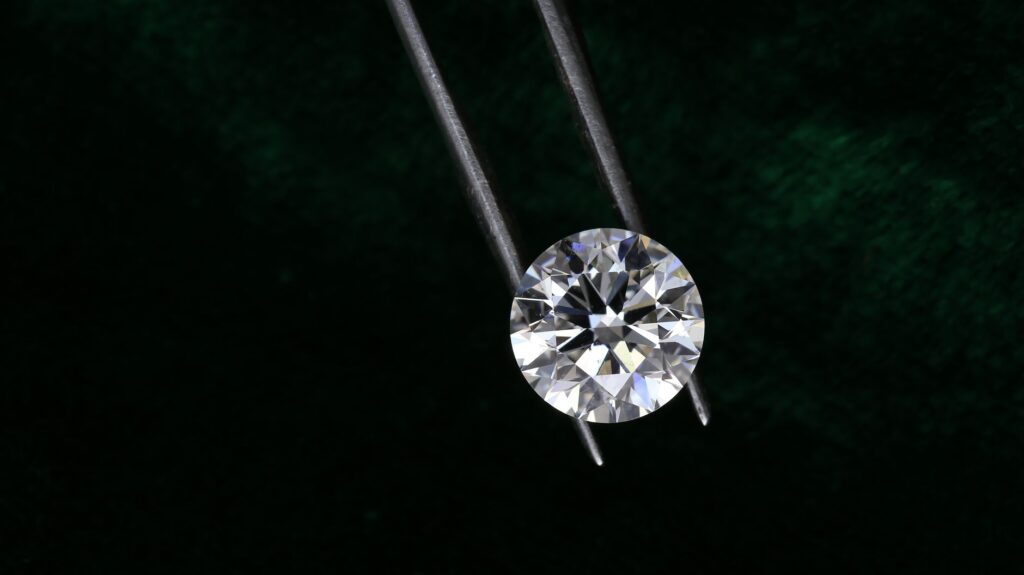
Diamond color is one of those grading factors that sounds more dramatic on paper than it often looks in real life. A stone can move from one color grade to another with only a very small visual change, yet the price can shift noticeably. That is why learning How to Read Diamond Color Grades matters so much for buyers who want a diamond that looks white without paying for differences they may never see.
Color grading is especially important in lab grown diamonds, because many of them are produced in very high color ranges. That creates a good opportunity for shoppers, but it can also make it easy to overvalue tiny differences between grades. The goal is not to memorize a chart. The goal is to understand what the grades mean, what they look like, and when a higher grade is actually worth the money.
Quick Answer: How to Read Diamond Color Grades
Diamond color grades measure how much body color a diamond shows, usually on a scale from D to Z. D, E, and F are considered colorless, G through J are near-colorless, and grades lower than that show increasingly noticeable warmth or yellow tint.
For most buyers, the most important question is not which grade is technically better. It is whether the diamond will look white in the size, shape, setting, and lighting conditions you plan to wear it in. In many real-world situations, the difference between adjacent grades is subtle, especially once a diamond is mounted.
What Diamond Color Grades Actually Measure
Diamond color grades are assigned by comparing a loose diamond to master stones under controlled lighting and viewing conditions. The grader is looking for how much yellow, brown, or gray tint the stone shows. A lower amount of visible color receives a higher grade.
This system often surprises buyers because it does not describe brilliance or sparkle. A diamond can be highly brilliant and still have a lower color grade. Color grading is only about the presence of body color, not about how lively the diamond looks overall.
The Basic Color Scale
Most diamond grading reports use the standard GIA-style alphabetic scale, even if the certifying lab is different. The scale typically runs from D to Z.
- D to F: Colorless
- G to J: Near-colorless
- K to M: Faint color
- N to R: Very light color
- S to Z: Light color
In practical shopping terms, most buyers focus on the upper part of the scale because those grades are commonly used in engagement rings and fine jewelry. Once you understand the broad groups, the letters become easier to interpret.
Why the Grade Is Not the Whole Story
A diamond’s cut, shape, carat size, and setting all affect how color appears. Two diamonds with the same grade can look different to the eye if one is better cut or much larger. This is why it is risky to buy based on the color letter alone.
For example, a well-cut round diamond can hide color better than a poorly cut one of the same grade. Likewise, a larger diamond usually shows color more easily than a smaller diamond because there is more material for light to pass through. Context matters.
What the Main Color Categories Look Like
Reading diamond color grades becomes easier when you stop thinking in letters and start thinking in appearance. Buyers usually want to know one thing: does the diamond look white?
Colorless Diamonds: D, E, and F
These diamonds are considered colorless. In a loose stone, they appear very icy, bright, and clean-looking under controlled lighting. Even so, the difference between D, E, and F is often extremely small to the average buyer.
In most mounted jewelry, a well-cut D may not look dramatically different from a well-cut F. The premium usually buys a subtle improvement, not a dramatic visual jump. For many shoppers, that subtlety is not worth a major price increase.
Near-Colorless Diamonds: G, H, I, and J
This is the range where value often becomes strongest. Many G and H diamonds look white once mounted, especially in white metal settings. I and J can also look very attractive, but warmth may become easier to detect in larger stones or certain lighting conditions.
Near-colorless grades are popular because they often balance appearance and price well. A G or H can provide a bright, clean look without the cost of a top colorless grade. This is often the range where a buyer can save money without a noticeable sacrifice in everyday beauty.
Faint and Lower Color Grades: K and Below
As the color grade drops, a soft warmth becomes more visible. In a diamond with a warmer facet pattern or a larger carat size, this tint can become obvious to the eye. Some buyers like this look, especially in yellow gold, but it is important to choose intentionally rather than accidentally.
Lower color grades can offer value, but they require more careful evaluation. The appearance depends heavily on cut quality, shape, and setting. In some cases, a lower-grade diamond will still look beautiful. In other cases, it may appear noticeably warm in everyday wear.
How to Read Diamond Color Grades in Real-World Terms
The easiest way to understand diamond color grading is to translate the letters into visual expectations. A grade tells you how much color the stone can have under controlled conditions, not exactly how it will look on your hand all the time.
| Color Range | General Look | Common Buyer Takeaway |
|---|---|---|
| D to F | Very white, colorless appearance | Best for buyers who want the highest color grade and are willing to pay for subtle improvement |
| G to H | Bright, white-looking in most settings | Often the best balance of appearance and price |
| I to J | Slight warmth may appear, especially in larger stones | Good value if the setting and cut help mask color |
| K to M | Noticeable warmth or faint yellow tint | Can work well in some designs, especially yellow gold |
| N to Z | Increasingly visible color | Requires careful buying and usually a specific style preference |
This kind of practical interpretation is often more useful than chasing a single letter. A buyer who understands appearance can make a smarter choice than someone who simply wants the highest number on the report.
Can Most People See the Difference?
In many cases, the answer is no, not easily. Color differences between adjacent grades are often subtle, especially when diamonds are compared separately rather than side by side. Once a diamond is mounted and worn in normal conditions, the visual gap can narrow even more.
Side-by-Side Comparison Changes Everything
When two diamonds are placed next to each other, a trained eye can often detect color differences more easily. This is true even when the difference is small. Side-by-side comparison magnifies what would otherwise be a minor distinction.
That is one reason why buyers sometimes feel pressured into higher grades after seeing multiple stones in a showroom. The comparison is real, but it may not reflect how the diamond will look in everyday wear. A single diamond viewed alone tells a more practical story.
Everyday Visibility Is Often Low
Most people do not inspect a diamond under grading conditions. They see it on a hand, from a normal conversation distance, in mixed lighting. Under those conditions, many diamonds in the G to I range still appear very white.
Even some J-color diamonds can look bright and attractive if the cut is excellent and the setting supports the appearance. The visual impact of color is often more modest than the price difference suggests.
Professional Eyes vs Consumer Eyes
A gemologist trained to evaluate color will notice differences that an average buyer may not. That does not mean the buyer is missing something important. It means professional grading is more sensitive than casual viewing.
This is why grading reports are useful for standardization, but not enough on their own to judge visual beauty. The report tells you where the stone sits on the scale. Your eyes tell you whether the appearance meets your expectations.
How Shape Affects Color Visibility
Diamond shape has a major effect on how much color you see. Some shapes are more forgiving, while others reveal body color more easily. This matters a great deal when deciding how to read diamond color grades in practice.
Round Brilliant Diamonds
Round brilliants are usually the best at masking color because their facet arrangement returns a lot of light to the eye. For many buyers, a round diamond can look white at a lower color grade than a step-cut or elongated shape.
This is one reason a G or H round diamond can look very clean, even when compared with higher grades. If you are shopping for a round engagement ring, you may not need to pay for the highest color grade to get a white look.
Oval, Pear, Cushion, and Marquise Shapes
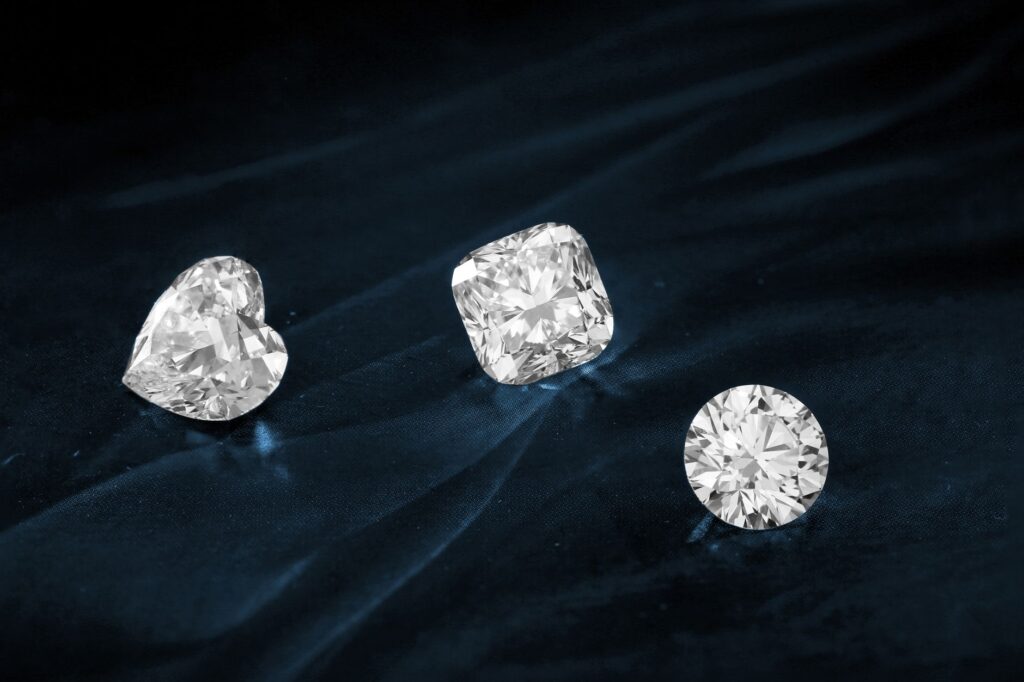
Fancy shapes can show color differently depending on their proportions and cutting style. Ovals, pears, and marquise diamonds may show more color in certain areas, especially near the points or edges. Cushions can also vary widely, with some appearing softer and warmer than others.
Because these shapes differ so much, color grading is only part of the picture. You should pay attention to the diamond’s actual appearance, not just the letter on the report.
Emerald and Asscher Cuts
Step cuts such as emerald and Asscher diamonds usually reveal color more easily. Their large, open facets act like windows, making body color more noticeable. Buyers often choose slightly higher color grades in these shapes to maintain a clean, elegant look.
If you are comparing shapes, keep this in mind: the same color grade does not always look the same from one cut style to another. A G in a round brilliant and a G in an emerald cut may present differently.
How Metal Choice Changes the Way Color Looks
The ring setting can have a strong effect on how white a diamond appears. The same stone may look different in platinum, white gold, yellow gold, or rose gold because the surrounding metal influences your eye’s perception.
White Gold and Platinum
These metals reflect a cool, white background. As a result, they tend to make color differences easier to notice. If a diamond has any warmth, a white metal setting may make that warmth more visible.
That does not mean you must always choose a top color grade for white metals. It simply means buyers who want a very white appearance often prefer G or higher, especially in larger stones or step cuts.
Yellow Gold
Yellow gold can make near-colorless and faint-color diamonds look whiter by contrast. The warm tone of the metal helps disguise slight yellow tint in the stone. This is one reason why some buyers confidently choose lower color grades for yellow gold settings.
In a yellow gold ring, a J or even a K may still look attractive if the setting and cut are well matched. The trade-off is that if you later compare it to a whiter stone, the warmth may become more obvious.
Rose Gold
Rose gold also adds warmth to the overall look. It can complement slightly warmer diamonds and create a cohesive appearance. Some buyers appreciate this effect because the stone does not need to appear icy white to look intentional and elegant.
As with yellow gold, the main point is to choose with the setting in mind. A diamond that looks slightly warm in isolation may look perfectly harmonious in rose gold.
How Lighting Changes Color Perception
Lighting affects diamond appearance more than many buyers realize. A diamond can seem whiter in one environment and warmer in another, even though the grade has not changed. This is why color should be judged in multiple lighting conditions whenever possible.
Daylight
Natural daylight is often the most revealing. It can show subtle body color more clearly than jewelry-store lighting. If a diamond looks white in daylight, that is a good sign for everyday wear.
At the same time, strong daylight can expose warmth in lower grades. Buyers evaluating a ring should not rely only on the bright sparkle of indoor display lighting.
Jewelry Store Lighting
Store lights are often designed to maximize sparkle. They can make diamonds look brighter and more lively, while minimizing the appearance of color. This can be helpful, but it can also make small differences harder to evaluate honestly.
It is wise to remember that a diamond’s in-store appearance may be slightly more flattering than its appearance in normal daily use. The best evaluation comes from seeing the stone in a variety of light.
Warm Indoor Lighting
Warm household lighting can make diamonds appear more yellow than they do under daylight. Lower color grades often show this effect first. A stone that looks nearly colorless in the showroom may show more warmth at home in the evening.
This is especially relevant for buyers who spend a lot of time indoors or who want the ring to look bright in everyday evening lighting. Those buyers may prefer a slightly higher color grade.
Cool Lighting
Cool LEDs and daylight-balanced lighting can make diamonds appear crisper and whiter. They can also emphasize contrast and brilliance. In these conditions, even near-colorless diamonds may look very clean.
Because lighting changes the visual result so much, a grading report should be treated as a guide, not the final answer.
Price Premium vs Visual Benefit
The biggest buying question is often whether a higher color grade is worth the price. In many cases, the cost rises faster than the visible benefit. That is especially true at the top of the scale, where the differences become increasingly subtle.
Why the Top Grades Cost More
Colorless diamonds are rarer in nature, and producing or selecting cleaner color grades can require more sorting and quality control. As the grade rises, the supply usually becomes more limited and the price tends to increase. Buyers pay for rarity as much as they pay for appearance.
However, rarity does not always equal better value for a particular person. If the visual difference is minimal in your chosen setting, the premium may not provide much practical benefit.
Diminishing Returns Are Real
Moving from J to H can sometimes produce a more noticeable improvement than moving from F to D. The higher you go on the scale, the smaller the visible change tends to be. Yet the price gap can still be meaningful.
This is why many informed buyers concentrate on the sweet spot rather than the top grade. They want the diamond to look white, not necessarily to carry the highest letter available.
When the Premium Makes Sense
There are situations where a higher color grade is worth paying for. This is especially true if the buyer wants a very icy look, is choosing a step-cut shape, or is setting the diamond in white metal and wants to minimize warmth as much as possible.
The premium may also make sense for buyers who simply prefer the aesthetic of colorless diamonds. Personal preference is valid, as long as the choice is intentional.
How Lab Grown Diamonds Change the Color Conversation
Lab grown diamonds deserve special attention because they often reach high color grades more easily than many natural diamonds. That does not mean every lab grown diamond is colorless, but it does mean the market often offers strong color options at accessible prices.
Why Lab Grown Diamonds Often Grade Higher
Lab grown diamonds are created in controlled environments, so producers can often optimize conditions to reduce body color. The result is a large supply of diamonds in the colorless and near-colorless ranges. For buyers, that means top color grades are more common and often less expensive than comparable natural stones.
This can be a real advantage. It allows buyers to prioritize larger size, better cut, or better clarity without sacrificing a white appearance.
Does Color Behave Differently in Lab Grown Diamonds?
The basic visual principle is the same. Color is still color, and the same viewing factors still apply. Shape, cut, size, and lighting all influence how the diamond looks.
What changes is the shopping landscape. Because higher color grades are more widely available in lab grown diamonds, buyers often have more flexibility. That can make it easier to choose a color grade based on appearance rather than scarcity.
Is It Worth Upgrading Color in Lab Grown Diamonds?
Sometimes, but not always. If the price difference between grades is small, choosing a higher grade may make sense for peace of mind. If the premium is significant, it may be better to redirect that money toward cut quality, a preferred shape, or a slightly larger carat size.
In the lab grown category, many buyers can find excellent value in the G to H range and still enjoy a very white appearance. Higher grades are appealing, but the practical benefit is often modest once the stone is mounted.
Who Should Upgrade Color?
Paying more for a higher color grade can be justified in certain buying situations. The key is whether the upgrade will actually improve what you see.
You May Want a Higher Grade If:
- You prefer a very icy, colorless look.
- You are choosing an emerald cut, Asscher cut, or another shape that shows color more easily.
- You want the diamond in white gold or platinum and are sensitive to warmth.
- You are buying a larger stone, where color is more visible.
- You simply know you will worry about color if you choose a lower grade.
That last point matters more than many buyers realize. If a slightly lower grade will cause ongoing doubt, paying more for comfort can be reasonable even if the visual difference is modest.
Who Can Save Money?
Many buyers can choose a lower color grade without giving up a beautiful appearance. The savings can be meaningful, especially if the diamond is well cut and set thoughtfully.
You Can Often Save If:
- You are buying a round brilliant diamond.
- You are setting the stone in yellow gold or rose gold.
- You care more about sparkle and size than the highest color grade.
- You are comfortable with a faint hint of warmth that may not be visible in everyday wear.
- You want better overall value and are willing to accept a slightly lower letter on paper.
For many shoppers, G, H, or I can be a very sensible range. The stone still looks attractive, but the budget goes further. That is often the practical choice when balancing color with cut and size.
Common Buyer Mistakes When Reading Color Grades
Color grading is easy to misunderstand because the report seems more precise than the eye can usually verify. A few common mistakes come up again and again in diamond shopping.
Overpaying for Invisible Upgrades
Some buyers assume that every grade step creates a visibly better diamond. In reality, the visual change is often minimal at the top of the scale. Paying a large premium for a difference you cannot see is usually poor value.
This is especially common with buyers comparing D, E, and F grades. Those stones are all technically colorless, but the leap in appearance is often much smaller than the leap in price.
Ignoring the Metal Color
A diamond chosen without considering the setting can look slightly different than expected. A stone that seems near-colorless in yellow gold may show more warmth in platinum. The ring metal is part of the final appearance.
Color grade should be judged in the context of the finished jewelry, not in isolation.
Assuming All Shapes Hide Color Equally
They do not. Round brilliants tend to mask color better than emerald cuts and some elongated shapes. Buying the same grade across every shape without adjustment can lead to surprises.
A buyer comparing diamond shapes should consider how each cut interacts with color, not just price and size.
Buying from the Report Alone
A grading report is important, but it is not a substitute for visual evaluation. Two diamonds with the same grade can still look different because of cut quality, proportions, and face-up appearance.
Whenever possible, buyers should ask how the stone looks in normal viewing conditions, not just what the certificate says.
A Practical Way to Evaluate Diamond Color
If you want to read diamond color grades more confidently, use a simple decision process. Start with the appearance you want, then work backward to the grade that best supports it.
Step 1: Decide How White You Want the Diamond to Look
Some buyers want a diamond that looks as colorless as possible. Others are fine with a faint warmth if it lowers the cost. Neither approach is wrong.
The best grade is the one that matches your visual preference and budget.
Step 2: Consider the Shape
If you are buying a round brilliant, you may have more flexibility on color. If you are buying an emerald cut or Asscher, you may want to stay a little higher on the scale. Shape should influence the color decision.
Step 3: Think About the Metal
White metals tend to highlight color differences more than yellow or rose gold. If the ring will be in platinum or white gold, a slightly higher color grade may feel more reassuring. If the ring will be in yellow gold, a near-colorless diamond may look plenty white.
Step 4: Balance Color with Cut and Size
Color does not matter if the diamond is poorly cut. In many cases, cut quality has a bigger impact on overall beauty than moving from one color grade to the next. A smaller improvement in color is often less valuable than a better cut or more pleasing proportions.
Size also matters because larger diamonds show color more readily. As carat weight increases, some buyers choose a slightly higher grade to keep the face-up appearance bright.
Comparison Table: What Buyers Usually Notice
| Grade Group | Visible Color? | Best In White Metals? | Best In Yellow/Rose Gold? | Typical Value View |
|---|---|---|---|---|
| D to F | Very little to none | Excellent | Still excellent, but often more than needed | Premium pricing for the most colorless look |
| G to H | Usually minimal | Very good | Excellent | Often the strongest balance of price and appearance |
| I to J | Slight warmth may be visible | Acceptable to very good, depending on cut and size | Often looks quite attractive | Good value for buyers comfortable with mild warmth |
| K to M | Warmth is usually noticeable | Less ideal for buyers seeking a white look | Can work well stylistically | Value depends heavily on preference and design |
Frequently Asked Questions
Is D color better than G color?
Technically, yes, because D is the highest color grade and G is near-colorless. Visually, the difference is often subtle, especially once the diamond is mounted. Whether D is better for you depends on how much you value that small improvement and whether the price premium feels worthwhile.
Can a G color diamond look colorless?
Yes. Many G color diamonds look very white to the eye, especially if they are well cut and set in white gold or platinum. In normal viewing, a G can often appear colorless to most people.
What color grade is best for an engagement ring?
There is no single best grade for every buyer. For many engagement rings, G or H is a strong balance of appearance and value. Buyers who want maximum whiteness may choose D to F, while those who want more savings may be comfortable with I or J.
Do lab grown diamonds need higher color grades?
Not necessarily. Lab grown diamonds often come in higher color grades more readily, but that does not mean every ring needs to be D or E. A well-cut G or H lab grown diamond can still look very white and may offer better overall value.
Does diamond size affect how color looks?
Yes. Larger diamonds tend to show body color more easily because there is more surface area and depth for light to pass through. A color grade that looks white in a smaller stone may show more warmth in a larger one.
Is color more important than cut?
For most buyers, no. Cut usually has the biggest effect on sparkle and overall beauty. A diamond with excellent cut but slightly lower color can often look more attractive than a higher-color stone with weaker cut proportions.
Should I avoid lower color grades entirely?
No. Lower color grades can still be beautiful, especially in the right setting and shape. The key is to know what you are buying and make sure the appearance matches your preferences.
Why do diamond stores show color less clearly than grading reports suggest?
Store lighting is often designed to make diamonds sparkle intensely and look bright. That environment can reduce the appearance of body color. This is helpful for showcasing brilliance, but it can make small grade differences harder to judge accurately.
Final Takeaway: What Matters Most When Reading Diamond Color Grades
Reading diamond color grades is less about memorizing letters and more about translating those letters into real-world appearance. In many cases, the difference between adjacent grades is subtle, especially once the diamond is set and seen in normal lighting. That is why color should always be evaluated alongside shape, cut, metal choice, and budget.
For buyers who want a very white look, D to F offers the highest color category. For buyers who want strong value, G to H is often an excellent practical range, and some I or J diamonds can still look very attractive, especially in yellow or rose gold. The best choice is usually the grade that gives you the look you want without paying for a difference you are unlikely to notice.
In lab grown diamonds, this becomes even more relevant because high color grades are commonly available. That gives buyers room to focus on what matters most in the finished ring. A careful reading of color grades can help you choose a diamond that looks white, fits your setting, and makes sense for your budget.