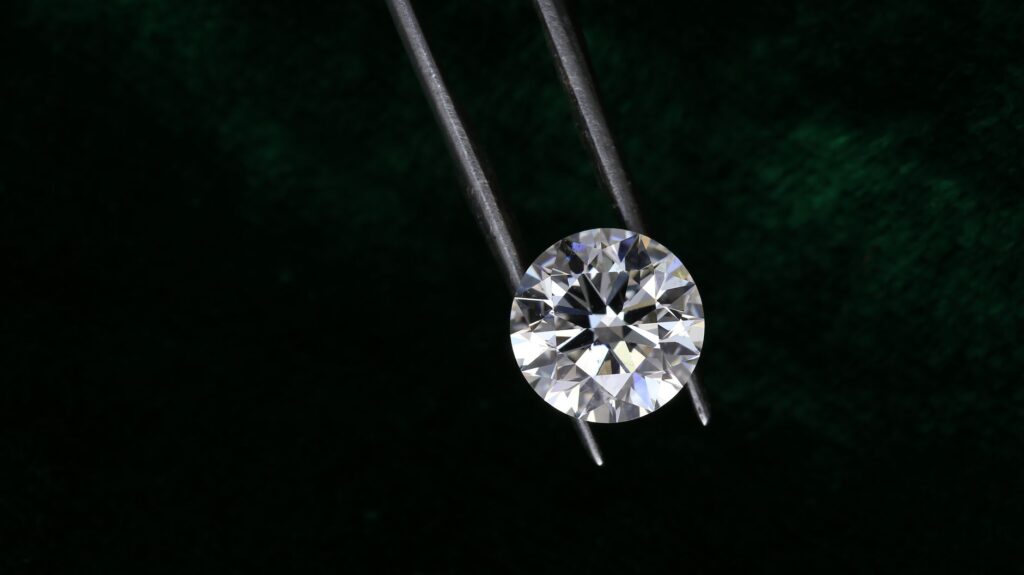
When shoppers compare Ideal Cut vs Super Ideal Cut Diamonds, they are usually trying to answer a simple question: is the higher-priced option visibly better, or is it mainly a technical upgrade? The short answer is that both are high-quality diamond cuts, but super ideal cut diamonds are typically held to stricter standards for light performance, symmetry, and overall optical precision.
For many buyers, an ideal cut diamond already offers excellent brightness and sparkle. A super ideal cut diamond may look a little more crisp, balanced, and lively, especially under direct lighting or when viewed side by side with another diamond. Whether that difference is worth paying for depends on budget, shape, certification, and how much visual precision matters to you.
Understanding this comparison is especially important for lab grown diamond shoppers, because higher color and clarity grades are often easier to find, which means cut quality becomes one of the biggest factors affecting appearance. If you want to compare diamonds based on what you can actually see, cut deserves as much attention as carat size or clarity.
Quick Answer
Ideal cut and super ideal cut both describe diamonds with excellent cutting quality, but super ideal cut usually means a tighter, more selective standard. In practice, that often translates to stronger light return, more precise sparkle patterns, and better visual consistency from stone to stone.
Most buyers will notice the difference most clearly when comparing two diamonds side by side. In everyday viewing, the gap can be subtle, especially if you are not looking at highly matched stones. If your budget is limited, a well-chosen ideal cut diamond can still look beautiful and may be the better value.
For shoppers prioritizing value, 8 Best Ideal Cut Lab Grown Diamonds offers useful examples of standout options.
If your priority is top-tier visual performance and you are willing to pay extra for precision, a super ideal cut diamond can be worth considering. The key is not the label alone, but how the diamond actually handles light. That is why cut grade, proportions, symmetry, polish, and light performance all matter together.
What Cut Quality Really Means
Diamond cut is not the same as diamond shape. Shape refers to the outline, such as round, oval, or cushion. Cut refers to how well the diamond has been proportioned and finished so it can reflect light back to your eye.
A well-cut diamond tends to look brighter, more lively, and more attractive in normal viewing. A poorly cut diamond may have dead zones, dark areas, or a washed-out appearance even if its color and clarity grades are high. This is why cut often has the biggest impact on how a diamond looks in real life.
When buyers hear terms like ideal cut or super ideal cut, they are usually hearing different ways of describing diamonds that are intended to maximize beauty. The difference is that super ideal cut typically implies a more exacting approach, often with stricter proportion ranges and additional optical testing.
What Is an Ideal Cut Diamond?
An ideal cut diamond is a diamond cut to proportions that generally produce excellent brilliance, fire, and scintillation. In plain English, it should return light well and look bright and lively when viewed face up.
The term is used in slightly different ways depending on the seller or grading system. In many cases, it refers to diamonds that meet top cut standards, though not necessarily the most exacting standards possible. A diamond can be ideal cut and still vary somewhat in how perfectly it is proportioned or finished.
For buyers, an ideal cut diamond is often a strong blend of beauty and value. It usually performs well enough that most people will find it visually appealing without paying the highest premium reserved for stricter classifications.
What Is a Super Ideal Cut Diamond?
A super ideal cut diamond is typically a diamond that goes beyond standard ideal cut requirements. It is usually chosen or graded according to stricter criteria for symmetry, proportions, polish, and optical performance.
In the round brilliant category, super ideal cut stones are often associated with precise light return and highly balanced patterning. Some are also examined for optical symmetry, which is the internal alignment of facets that helps create a more refined sparkle pattern.
Not every retailer defines super ideal cut the same way, so buyers should look for details rather than relying only on the phrase. If a seller uses the term, it is worth asking what standards were used and whether supporting images or data are available, such as light performance maps or hearts and arrows imaging.
How Ideal Cut and Super Ideal Cut Are Different
The difference between ideal cut and super ideal cut is often less about whether the diamond is good and more about how consistently it performs at a very high level. Both can be attractive. Super ideal cut simply aims for more precision.
Here is a practical way to think about it. Ideal cut diamonds are usually excellent performers, while super ideal cut diamonds are often the most tightly controlled examples of excellent performance. That control can make the diamond appear more crisp and balanced, especially in side-by-side comparisons.
| Feature | Ideal Cut | Super Ideal Cut |
|---|---|---|
| Brightness | Usually excellent | Usually excellent, often more even and precise |
| Sparkle pattern | Strong and attractive | Often more symmetrical and refined |
| Light return | High | Very high, with tighter control |
| Symmetry | Excellent to very good, depending on stone | Usually very precise, often exceptional |
| Price | Usually lower than super ideal | Usually higher |
| Visual difference | Often subtle unless compared directly | Most noticeable in direct comparison or under strong lighting |
Cut Grade vs Light Performance
Cut grade is the overall quality assessment of how a diamond was cut. Light performance is what the diamond actually does with light. These are closely related, but not always identical.
A diamond can receive a high cut grade and still vary in how lively it appears. That is why some shoppers look beyond the basic grade and review images, proportion details, or optical measurements. Light performance is the real-world result buyers care about.
For example, if you are shopping for a lab grown diamond, you may see excellent grades across color and clarity. In that case, cut and light performance become even more important because they often determine which diamond looks the best in person.
Symmetry and Polish
Symmetry refers to how accurately the facets align with one another. Polish refers to how smooth and clean the facet surfaces are after finishing. Both affect how light travels through the diamond.
Good symmetry helps create a more balanced pattern of light and dark reflections. Good polish helps light move cleanly across the diamond’s surface without tiny scratches or dullness interfering. These are usually small differences to the eye, but in top-tier diamonds they can contribute to a more refined look.
Super ideal cut diamonds often emphasize these details more strongly than ideal cut diamonds. For most buyers, the benefit is not a dramatic change in sparkle, but a cleaner, more precise appearance.
Proportions and Why They Matter
Diamond proportions include measurements such as table percentage, depth percentage, crown angle, and pavilion angle. These numbers influence how light enters the diamond and how much is returned to your eye.
In simple terms, the proportions help determine whether the diamond looks bright, fiery, balanced, or uneven. A diamond with great proportions can look lively even at a moderate size, while a larger diamond with poor proportions may look less impressive than expected.
Super ideal cut diamonds usually stay within narrower proportion ranges. Ideal cut diamonds also aim for excellent proportions, but the acceptable range may be broader.
Why Buyers Should Care About Cut Quality
Cut quality matters because it affects what you actually see every day. A diamond is not judged by its grading report alone, but by its appearance in real lighting conditions. That includes office light, natural daylight, evening settings, and the mixed lighting found in stores or restaurants.
When cut is strong, the diamond tends to look brighter and more dynamic. When cut is weaker, even a diamond with high color and clarity can look flat or dull. That makes cut one of the most important factors in overall beauty.
This is also where buying decisions become more practical. Many first-time buyers focus heavily on carat size because size is easy to understand. But a well-cut diamond can often look more impressive than a larger stone with less favorable proportions.
Appearance
Cut quality has the biggest influence on appearance because it affects brightness, sparkle, and contrast. In a well-cut diamond, light returns to the eye efficiently, creating a lively, attractive look.
Super ideal cut diamonds often have especially crisp contrast patterns. Some buyers describe the look as sharper or more precise. Ideal cut diamonds can also be beautiful, but the pattern may be slightly less refined depending on the individual stone.
Most consumers do not measure sparkle scientifically. They judge it by whether the diamond looks lively, bright, and attractive. That is why cut quality is often more important than tiny differences in clarity that cannot be seen without magnification.
Sparkle, Brilliance, and Fire
These terms are related but not identical. Brilliance is the overall brightness of the diamond. Fire is the colored flashes of light that appear when the diamond disperses light. Sparkle is the combination of bright flashes and movement as the diamond and viewer move.
A strong ideal cut diamond will usually show excellent brilliance and sparkle. A super ideal cut diamond may show even more controlled flashes and a more balanced pattern of brightness and dark contrast. The result can feel more dynamic and structured.
That said, a diamond with slightly less precision can still look wonderful. The difference is often most obvious to trained eyes or in direct comparison, not in isolated everyday wear.
Scintillation and Contrast
Scintillation is the pattern of sparkle you see when a diamond moves or when light changes around it. It is one of the reasons diamonds seem to flash instead of just shine.
Good cut quality helps create attractive contrast, which makes those flashes stand out. Super ideal cut diamonds often excel here because the facet arrangement is more tightly controlled. This can give the diamond a more structured and crisp sparkle pattern.
However, more contrast is not automatically better in every situation. Too much dark patterning or an aggressive visual style can be distracting if the proportions are not right. The best diamonds balance brightness, contrast, and fire.
What Buyers Actually Notice in Real Life
In real-world viewing, most buyers notice whether a diamond looks bright, sparkly, and clean. They usually do not notice exact proportion numbers unless someone points them out. That is why visual performance matters more than technical labels alone.
If you compare an ideal cut diamond with a super ideal cut diamond side by side, the super ideal stone may look slightly more organized and crisp. The sparkle can appear more even, and the reflections may have cleaner edges. In a blind everyday setting, though, many people would simply say both look excellent.
Lighting matters too. Under strong store lighting, the difference may seem more obvious because the diamond is being pushed to perform. In softer home lighting, the contrast between the two may be subtle.
How Much Difference Is Visible?
The visible difference depends on the quality of the two diamonds being compared. If both are truly strong performers, the gap may be small. If the ideal cut diamond is very good but not top-tier, a super ideal diamond can look more obviously refined.
For many buyers, the most noticeable differences are:
- Cleaner and more balanced sparkle patterns
- Brighter face-up appearance in certain lighting
- More symmetry in the visual pattern of the stone
- Slightly better contrast and light return
These are real differences, but they are usually subtle rather than dramatic. That is important to keep in mind before paying a large premium.
Side-by-Side vs Solitary Viewing
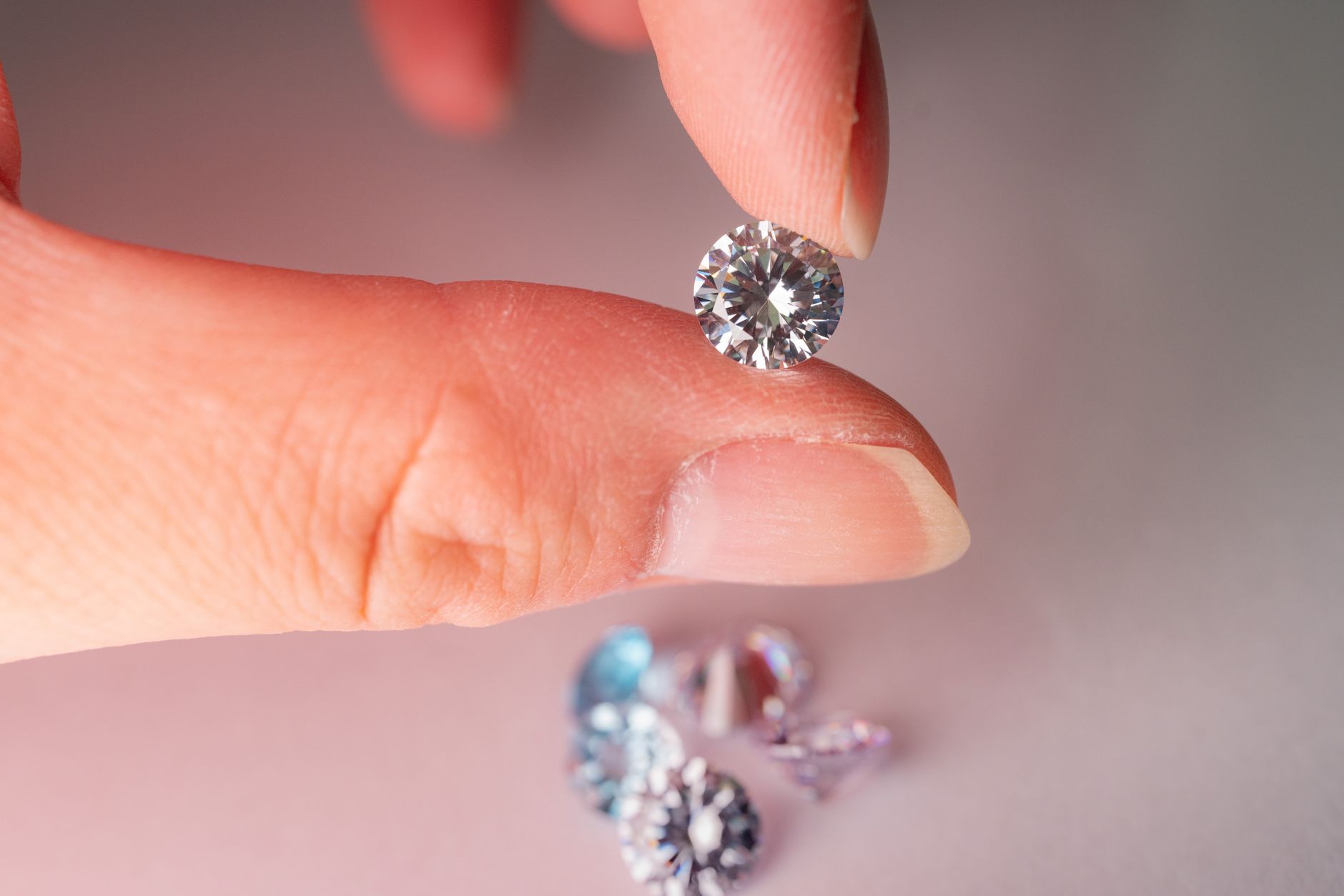
Most shoppers notice diamond differences more easily when stones are placed next to each other. A super ideal cut diamond may stand out in a comparison case because the pattern looks more crisp or balanced.
When viewed alone, a high-quality ideal cut diamond may already look so good that the additional refinement is hard to isolate. This is why online photos, videos, and direct comparison tools can be helpful, but they should not replace understanding the actual meaning of cut quality.
In simple terms, the premium for super ideal cut is often about refinement, not transforming a diamond from good to beautiful. If a diamond already looks excellent, the upgrade may be noticeable but not essential for every buyer.
How Cut Affects Value
Cut quality has a major influence on value because it affects the diamond’s visual impact more than many other grading factors. A well-cut diamond can appear larger, brighter, and more attractive than a poorly cut diamond of the same carat weight.
That is why buyers sometimes find that spending more on cut can be smarter than spending the same amount on carat or clarity. In the real world, a smaller diamond with exceptional cut may deliver a better overall impression than a larger diamond that does not return light as well.
Super ideal cut diamonds generally cost more because they require stricter selection and more precise finishing. Whether that premium is worthwhile depends on how much you value the extra refinement and whether the diamond is being compared with other top performers.
When Paying More Makes Sense
Paying more for super ideal cut can make sense if you want the best visual precision available within your budget. This is especially true if you are buying a round brilliant diamond and care deeply about sparkle pattern, symmetry, and overall polish.
It can also make sense if you are shopping for a diamond that will be seen up close often, such as an engagement ring you will inspect regularly. Some buyers simply prefer the assurance of stricter standards.
In lab grown diamonds, where budget often allows a larger or higher color stone, super ideal cut can be appealing because it helps maximize the beauty of the investment. If the rest of the diamond is already very strong, a superior cut may be the factor that separates a nice stone from a truly standout one.
When the Premium May Not Be Worth It
The premium may not be worthwhile if your budget is tight and the higher price would force major compromises elsewhere. For example, if choosing super ideal cut means sacrificing a meaningful amount of size or moving into a setting you do not prefer, the trade-off may not be practical.
It may also be unnecessary if the ideal cut diamond you are considering already has excellent visual performance. In that case, the difference may be too subtle for most viewers to justify the cost.
For many shoppers, the best value lies in finding a well-cut diamond that balances appearance, size, and budget rather than chasing the most exacting label available.
Practical Examples Buyers Can Relate To
A Well-Cut 1.5-Carat Diamond vs a Poorly Cut 2-Carat Diamond
This is one of the most useful comparisons because it shows how cut can outweigh size. A well-cut 1.5-carat diamond may appear brighter, more lively, and more attractive than a 2-carat diamond with weak proportions.
The larger stone may look heavier on paper, but if it leaks light or has a dull center, the visual impression can be disappointing. Buyers often assume bigger always means better, but cut can reverse that assumption very quickly.
This is especially important in engagement ring shopping, where the diamond is viewed from the top most of the time. Face-up beauty matters more than the number on the certificate alone.
Excellent Ideal Cut vs Super Ideal Cut in Everyday Lighting
In office lighting, home lighting, and outdoor shade, both an ideal cut and a super ideal cut diamond can look excellent. The super ideal stone may show slightly cleaner flashes and more precise contrast, but the difference may not be dramatic unless you are actively comparing them.
If the ideal cut diamond is already near the top of the category, most people will likely be very happy with it. The super ideal diamond may simply feel a little more refined and consistent.
This is why many buyers should not assume that a higher label automatically translates into a visible leap in beauty. The gains can be real, but they are often incremental.
Higher Clarity with Poor Cut vs Lower Clarity with Excellent Cut
This comparison comes up frequently because buyers worry about inclusions. A higher clarity diamond with poor cut may still look less impressive than a lower clarity diamond with strong cut if the inclusions are not visible to the naked eye.
In many cases, a clarity grade that is clean enough to appear eye-clean is sufficient. Once that threshold is met, cut becomes the more important factor for appearance. An excellent cut can make a diamond look lively and bright, while a weaker cut may draw attention to dullness instead of clarity.
For most buyers, this means clarity should be chosen intelligently, not obsessively. Paying extra for a clarity upgrade that does not change what you can see is often less effective than investing in better cut quality.
Advantages of Ideal Cut Diamonds
Ideal cut diamonds offer several practical benefits. They usually provide strong brilliance, attractive sparkle, and excellent overall appearance without requiring the highest premium.
- Generally strong light return
- Beautiful face-up appearance
- Often better value than ultra-premium stones
- Easier to find within a broader price range
- Can look impressive in many real-world settings
For many buyers, these advantages are enough. An ideal cut diamond often hits the sweet spot between beauty and budget.
Advantages of Super Ideal Cut Diamonds
Super ideal cut diamonds are appealing because they usually offer tighter visual precision. That can mean more refined sparkle, more balanced brightness, and a polished overall look that stands out in careful comparison.
- Often more exacting proportions and symmetry
- Potentially superior light performance
- Cleaner, more balanced visual patterning
- Appealing to detail-oriented buyers
- May represent the top tier of round brilliant performance
For shoppers who value optical precision, these differences can be meaningful. The key is that the improvement is usually about refinement rather than a completely different visual experience.
Limitations and Trade-Offs
Neither ideal cut nor super ideal cut is automatically the right answer for every buyer. The main limitation of super ideal cut is cost. You often pay more for a difference that can be subtle outside of comparison viewing.
Ideal cut diamonds, while excellent, may vary more in how precisely they perform. That means two diamonds with similar labels can still look slightly different. Buyers should not treat the term as a guarantee of perfect appearance.
Another trade-off is availability. Super ideal cut diamonds may be less common, especially if you are searching for specific combinations of shape, size, color, and budget. A buyer may need to compromise on one factor to get another.
Buying Considerations for Lab Grown Diamonds
Lab grown diamonds make this topic even more relevant because they often allow buyers to access larger or higher-quality stones for the same budget. That can shift the focus toward cut, since size and clarity may already be strong.
When shopping for a lab grown diamond, do not assume all diamonds with top color and clarity will look equally beautiful. Cut quality still determines how well the stone performs in daily wear.
Because lab grown diamonds are produced with modern methods, their availability can vary by cut style and shape. Round brilliants are often the most straightforward category for buyers looking at ideal or super ideal cut standards, because the round shape has the most established light-performance benchmarks.
Certification Matters
A grading report from a respected laboratory helps you compare diamonds more objectively. It gives you information about cut grade, proportions, polish, symmetry, color, and clarity.
However, certification alone does not tell the whole story. Two diamonds with the same broad grade can still look different. This is why images, proportion details, and, when available, optical performance data are so useful.
If you are comparing diamonds for an engagement ring, it is worth checking the certification carefully and understanding what the cut grade actually means for that particular shape and stone.
Shape Matters Too
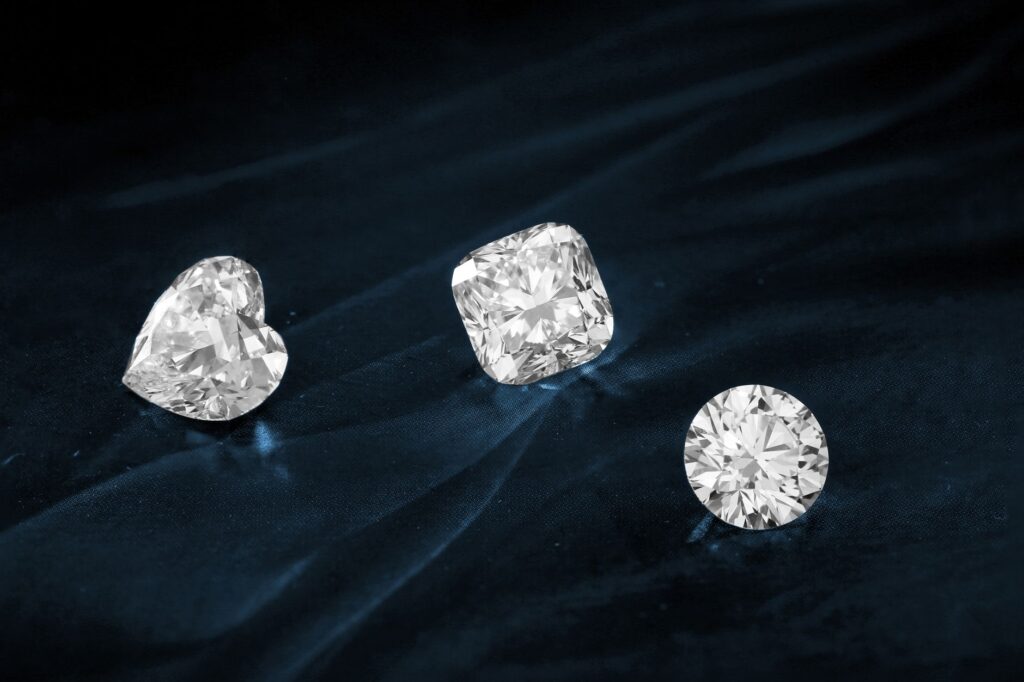
The ideal cut versus super ideal cut comparison is most commonly discussed for round brilliant diamonds. Other shapes, such as oval, emerald, cushion, or pear, are judged differently because their facet patterns and light behavior vary.
That does not mean cut is less important in other shapes. It simply means the terminology may not work the same way. For non-round diamonds, buyers should focus on shape-specific light performance rather than expecting the same ideal and super ideal framework.
Common Buyer Mistakes
One of the most common mistakes is prioritizing carat weight over cut. A larger diamond with poor light return can look less appealing than a smaller diamond that is well cut.
Another mistake is paying extra for clarity beyond what is visibly useful. Once a diamond is eye-clean, more clarity may not improve appearance nearly as much as better cut will.
Some buyers also assume that all diamonds sparkle the same in stores because everything looks bright under display lighting. In reality, the environment can make many diamonds look better than they will in normal wear, which is why cut should be evaluated carefully.
Finally, buyers sometimes misunderstand the word ideal. An ideal cut diamond is already a high-quality choice. Super ideal is not the only option for beauty, and it is not necessary for every budget or every shopping goal.
How to Evaluate a Diamond Beyond the Label
If you are serious about comparing Ideal Cut vs Super Ideal Cut Diamonds, look beyond the name and check the details. The best approach is to combine grading information with visual evidence.
Ask These Questions
- What laboratory graded the diamond?
- What are the cut, polish, and symmetry grades?
- What are the proportions, including table and depth?
- Are there light performance images or hearts and arrows photos?
- Does the diamond look bright and balanced face up?
These questions help you move from marketing terms to real quality indicators. They also make it easier to compare diamonds that may use similar wording but perform differently.
What Experienced Buyers Often Look For
Experienced diamond shoppers and jewelers often focus on how the diamond handles light first, then on technical grading details second. They want to know whether the diamond is bright, whether it has appealing contrast, and whether it looks symmetrical and balanced.
Many also prefer to see a diamond in motion. Sparkle is not static, so a diamond should be evaluated as it tilts and moves under different lighting. That is one reason why videos and in-person viewing can be valuable.
In top-quality stones, small differences may show up in the pattern rather than the amount of sparkle alone. A super ideal cut diamond may not necessarily sparkle “more,” but it may sparkle in a more organized and visually pleasing way.
Frequently Asked Questions
Is super ideal cut better than ideal cut?
Super ideal cut is usually a more precise and selective category, so it can be better in terms of optical refinement. But the difference is often subtle, and a strong ideal cut diamond can still be excellent. The better choice depends on your budget and how much you value precision.
Will I see the difference without a side-by-side comparison?
Sometimes, but not always. Many buyers notice the difference more clearly when two stones are compared directly. Viewed alone, both an ideal cut and a super ideal cut diamond can simply look beautiful.
Does super ideal cut mean the diamond is bigger or brighter?
No. Super ideal cut does not change the actual carat weight. It can improve how the diamond returns light, which may make it look brighter or more lively, but it is not a size upgrade.
Is super ideal cut worth paying extra for lab grown diamonds?
It can be, especially if you want the best visual performance and your budget allows it. Since lab grown diamonds are often more affordable than natural diamonds, some buyers choose to put more of their budget toward cut quality. Still, the premium should be weighed against size and overall budget priorities.
Do cut grades matter more than color and clarity?
For many buyers, yes, especially once color and clarity are already in an acceptable range. Cut has a bigger impact on how lively and attractive a diamond looks. A well-cut diamond can make modest color or clarity grades look very good in real life.
Can a diamond be ideal cut but not super ideal?
Yes. That is common. Ideal cut covers a high standard, while super ideal usually refers to a more selective subset with tighter optical precision.
Should I always choose the highest cut grade available?
Not necessarily. The highest cut grade is appealing, but the best diamond is the one that balances beauty, budget, and other priorities. For many shoppers, an ideal cut diamond offers a better overall value than paying extra for the most exacting category.
What matters most when comparing two diamonds?
Cut quality, light return, and overall face-up appearance usually matter most. After that, consider color, clarity, certification, and price. The goal is to choose a diamond that looks great to you, not just one with the most impressive terminology.
Conclusion
When comparing Ideal Cut vs Super Ideal Cut Diamonds, the most important takeaway is that both categories can offer excellent beauty, but super ideal cut usually raises the bar on precision. The difference is real, yet often subtle unless you compare stones side by side or pay close attention to optical performance.
For many buyers, an ideal cut diamond is already a strong and practical choice. For those who want the most refined sparkle pattern and are comfortable paying more, a super ideal cut diamond may provide a noticeable upgrade in visual consistency and polish.
The smartest approach is to focus on what the diamond actually looks like in real lighting, not just the label on the report. When you understand cut, symmetry, polish, and light performance, it becomes much easier to choose a diamond that delivers the right balance of beauty and value.