A 1 carat diamond sits in an interesting middle ground. It is large enough to feel substantial in most ring settings, but small enough that quality, shape, and budget still meaningfully affect what you get. That is why the question Is a 1 Carat Diamond Worth It does not have one universal answer. Its value depends less on the number itself and more on how that weight translates into visible size, sparkle, price, and long-term satisfaction.
Size expectations matter because carat weight is often misunderstood. A buyer may picture a 1 carat diamond as either impressively large or surprisingly modest, depending on what they have seen online, in jewelry stores, or on social media. In real life, a 1 carat diamond can look excellent, but its actual appearance is shaped by measurements, cut quality, shape, finger size, and setting design.
For some buyers, 1 carat is the practical sweet spot. For others, it can be an expensive milestone number that offers less visual value than a slightly smaller alternative. Understanding what 1 carat really looks like, and what you are paying for, is the key to deciding whether it is worth it for your situation.
Quick Answer
Yes, a 1 carat diamond can absolutely be worth it, but only when it fits your priorities.
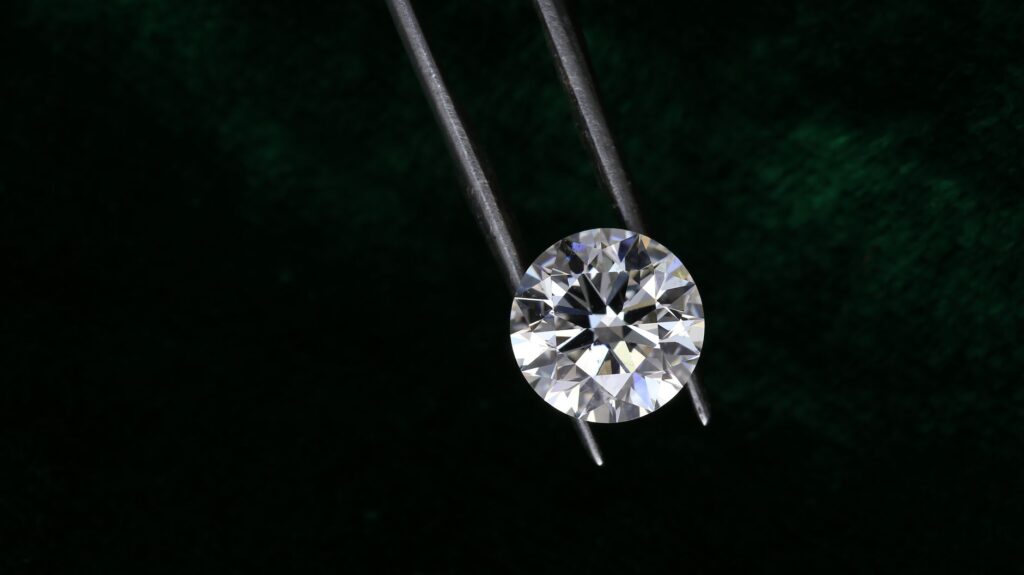
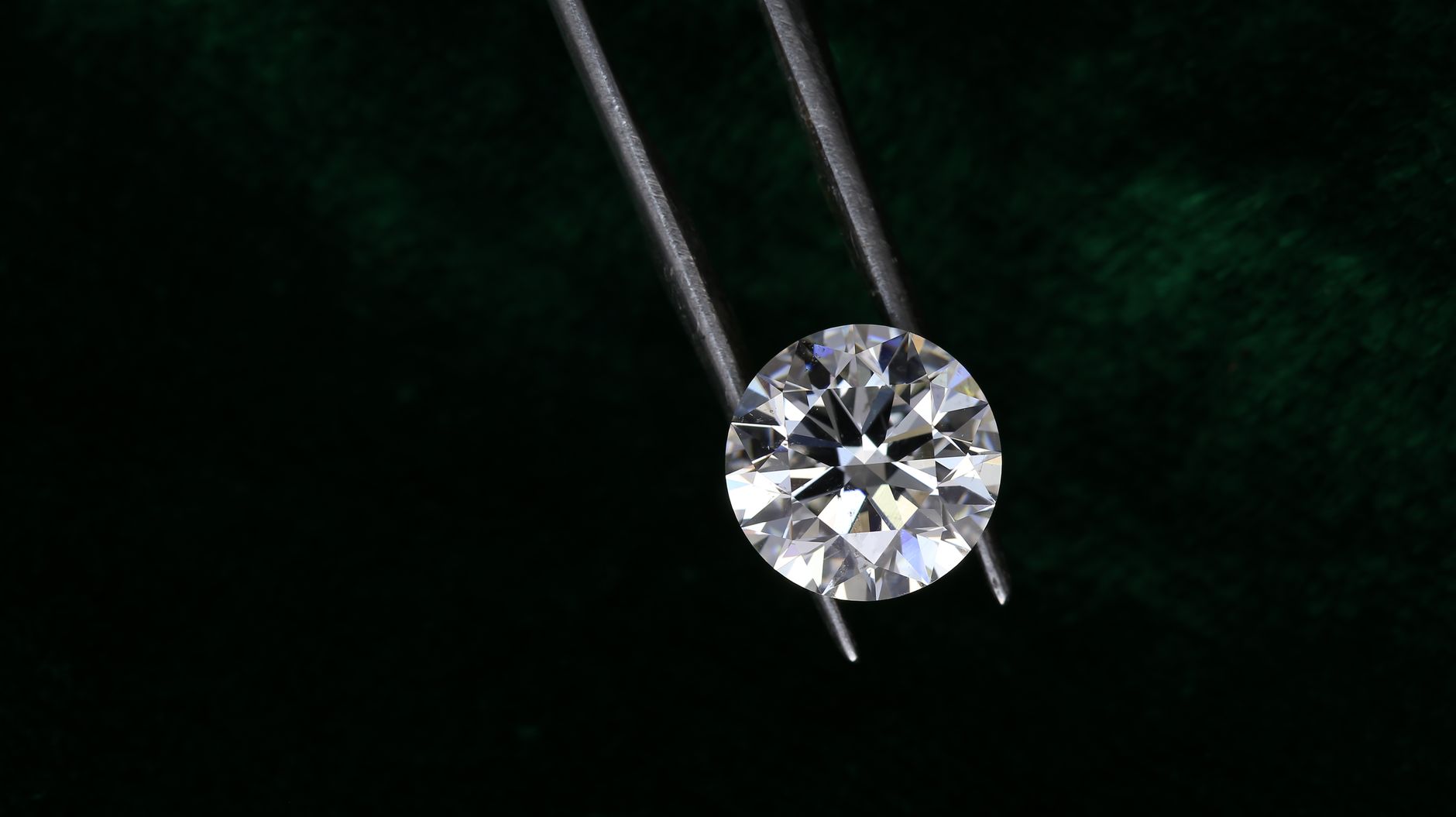
If you want a diamond that feels classic, balanced, and noticeably present without moving into very high price territory, 1 carat is often a strong choice. In a well-cut round diamond, 1 carat typically measures around 6.4 to 6.5 mm across, which gives a visible and elegant look on most hands.
However, 1 carat is not automatically the best value. You may pay a meaningful premium to hit that exact weight, especially in natural diamonds, even though a 0.90 to 0.95 carat diamond can look very similar face-up. On the other hand, if your budget allows and you care about reaching a classic benchmark size, 1 carat can be a satisfying purchase.
In short, a 1 carat diamond is worth it when:
- You want a traditional size benchmark
- You value balanced appearance over maximum spread
- You can prioritize cut quality, not just weight
- The price premium over slightly smaller options feels reasonable to you
It may be less worth it when:
- You are stretching your budget just to reach the 1 carat label
- You could get better cut or color by going slightly under
- You care more about visible size than hitting a milestone number
Understanding the Carat Concept
What Diamond Carat Actually Means
Carat is a weight measurement, not a direct size measurement. One carat equals 200 milligrams. That means a 1 carat diamond weighs 0.2 grams.
This matters because two diamonds with the same carat weight do not always look the same size. Some may carry more of their weight in depth, which is the lower portion of the diamond, instead of in visible width. Others may be cut to face up larger.
What Face-Up Size Means
Face-up size refers to how large the diamond looks when viewed from the top, which is how a ring is normally seen when worn. For most buyers, this is more important than the carat number alone.
A 1 carat round diamond often measures around 6.4 to 6.5 mm in diameter. That number gives a better sense of visible size than carat weight by itself. If two diamonds are both 1 carat but one measures 6.2 mm and the other 6.5 mm, the second one will usually look slightly larger from above.
Why 1 Carat Feels Significant
There is a psychological factor to carat weight. Certain weights are known as magic sizes, meaning buyers strongly recognize and seek them out. One carat is one of the biggest examples.
That milestone status can raise prices beyond the purely visual benefit. In practical terms, a 1.00 carat diamond may cost noticeably more than a 0.95 carat diamond, even though their appearance can be very close. This is especially common with natural diamonds.
What Buyers Usually Expect
Expectation: 1 Carat Will Look Large on Everyone
A 1 carat diamond often looks substantial, but not necessarily dramatic. On smaller fingers, it may stand out strongly. On larger fingers, it may look elegant but more moderate.
Finger size changes perception. The same diamond covers more of a size 4 finger than a size 8 finger. This is one reason online photos can be misleading if hand size is not considered.
Expectation: Carat Tells You Everything About Visible Size
Carat alone does not tell the full story. Buyers often compare diamonds by weight without checking millimeter measurements. That can lead to disappointment if a stone carries its weight in depth instead of spread.
A well-cut 0.95 carat may look better and even appear larger than a poorly cut 1 carat. The visual outcome matters more than the label.
Expectation: Reaching 1 Carat Automatically Means Better Value
Not always. The jump from 0.90 to 1.00 carat may bring a much bigger price increase than visual increase. Buyers who focus on value often compare just-under thresholds to exact thresholds for this reason.
Worth is personal. If the 1 carat milestone matters to you emotionally or socially, the premium may be acceptable. If your goal is pure visual efficiency, the best value may sit just below 1 carat.
What It Actually Looks Like
Typical Face-Up Appearance of a 1 Carat Round Diamond
A well-cut 1 carat round diamond usually looks refined, balanced, and clearly noticeable. It is rarely tiny, but it is also usually not oversized in the way social media close-ups sometimes suggest.
On the hand, a 1 carat round often gives a classic engagement ring look. It has enough width to stand out in solitaire settings and enough presence to work well with side stones or halos. For buyers wanting a traditional center stone size, it often feels proportionate rather than flashy.
How Much Finger Coverage to Expect
Finger coverage is the amount of visible finger width the diamond occupies. A 1 carat round can look more prominent on a narrow finger because it takes up a larger percentage of the top view.
As a rough guide:
- On smaller fingers, 1 carat can look bold and central
- On average fingers, it usually looks balanced and classic
- On larger fingers, it may appear elegant but less dominant
This does not mean it looks bad on larger fingers. It simply means the visual effect changes. The same diamond can read as “substantial” on one hand and “moderate” on another.
How It Compares to Common Expectations
People who have only seen magnified product photos sometimes expect 1 carat to look bigger than it does in person. Jewelry photography often uses close-up shots that make even modest stones appear much larger.
In real-world wear, a 1 carat diamond generally looks:
- Clearly visible
- Noticeably premium
- Appropriately sized for everyday wear
- Not unusually large by modern standards
That last point is important. In the current market, especially with lab grown diamonds making larger stones more affordable, 1 carat no longer always reads as “big” in the same way it once did. But it still remains a very attractive and practical size.
Factors That Change Apparent Size
Shape
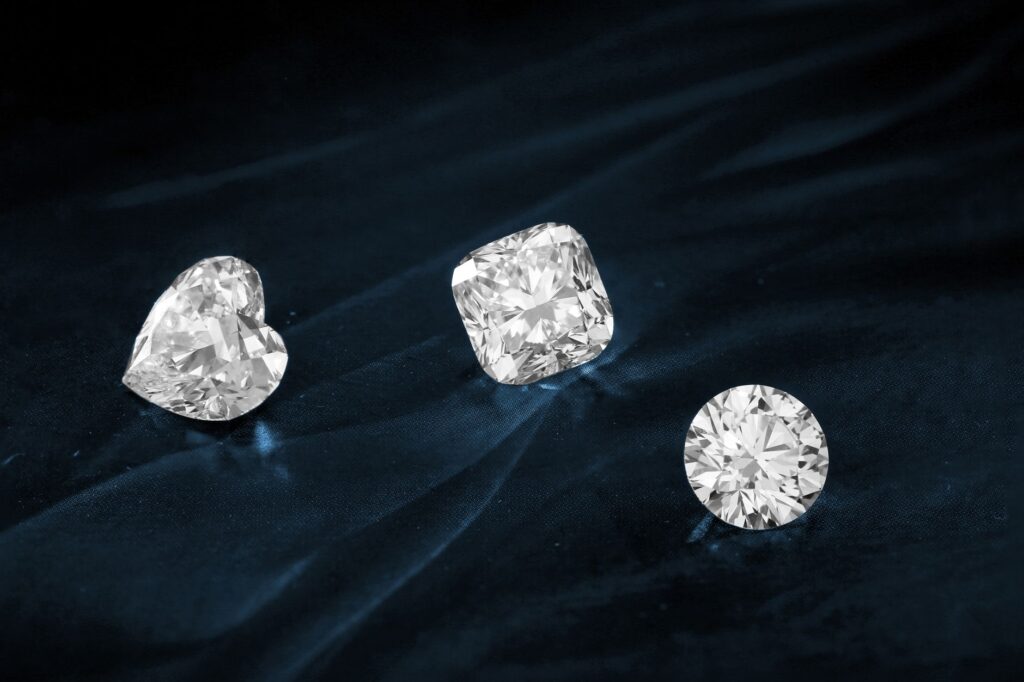
Shape has a major effect on how big a diamond looks. A 1 carat round is often the benchmark for comparison, but elongated shapes can look larger because they spread weight differently.
Shapes that often appear larger face-up include:
- Oval
- Pear
- Marquise
- Emerald
- Radiant with elongated proportions
By contrast, some shapes face up smaller for their weight, especially if they are cut deeper or have corners that reduce apparent spread.
Cut Quality
Cut is one of the most important quality factors in any diamond. It refers to how well the diamond’s proportions, symmetry, and facet arrangement are crafted to return light.
A well-cut diamond may not always look physically larger, but it usually looks more lively and attractive. Brightness and sparkle can influence perceived size because a lively stone draws the eye more effectively than a dull one.
Poorly cut diamonds can hide weight where you cannot see it. A deep stone may still weigh 1 carat but have a smaller face-up diameter than a better-proportioned stone.
Depth and Proportions
Depth is the height of the diamond from top to bottom. If a diamond is too deep, more of the weight sits below the visible top. That can reduce face-up size.
This is why measurements matter. When evaluating whether a 1 carat diamond is worth it, do not stop at the carat number. Check the millimeter dimensions and see how they compare to expected size ranges for that shape.
Setting Design
The ring setting can make a diamond look larger or smaller. A thin band often makes the center stone stand out more. A halo setting, which surrounds the center with smaller diamonds, can increase apparent size significantly.
Settings that often enhance visual size include:
- Halo settings
- Hidden halo designs
- Thin solitaires
- Tapered side stone settings
- Three-stone rings with delicate proportions
By contrast, a very wide band or heavy metal design can make a 1 carat center stone look smaller by comparison.
Color and Clarity Choices
Color and clarity do not directly change millimeter size, but they affect overall appearance. A bright, eye-clean diamond often looks more attractive and “present” than one with visible inclusions or warmth that distracts from the stone’s beauty.
Still, for many buyers, it makes more sense to choose a slightly lower clarity or color grade, as long as the diamond still looks good to the eye, if that allows better cut or more size within budget.
Real-World Size Examples
1 Carat on a Size 4 Finger
On a size 4 finger, a 1 carat round diamond often looks quite prominent. It covers a noticeable portion of the finger width and can easily read as substantial in a solitaire setting.
For someone with smaller hands, 1 carat may deliver exactly the level of presence they want without needing to size up. In some cases, larger elongated shapes at the same weight may even start to feel visually dominant.
1 Carat on a Size 7 Finger
On a size 7 finger, a 1 carat round usually looks balanced and classic. It has enough presence to be easily noticed, but it may not feel especially large if the buyer is hoping for strong finger coverage.
This is often where personal preference becomes more important. Some people love the proportional look of 1 carat on an average finger size. Others decide they would prefer a larger face-up appearance and start comparing 1.25 to 1.50 carats, especially in lab grown options.
0.90 Carat vs 1.00 Carat
This is one of the most practical comparisons for value-focused buyers. The visible difference between a 0.90 and 1.00 carat diamond is usually small, especially if both are well cut.
| Comparison Point | 0.90 Carat Round | 1.00 Carat Round |
|---|---|---|
| Typical Diameter | About 6.1 to 6.3 mm | About 6.4 to 6.5 mm |
| Visible Difference | Slightly smaller | Slightly larger |
| Price Perception | Often better value | Often carries premium |
| Milestone Appeal | No full-carat threshold | Strong psychological appeal |
To most casual observers, the difference is modest. To the buyer who wants the full-carat benchmark, the difference may feel more meaningful than it appears visually.
1 Carat Round vs 1 Carat Oval
At the same weight, an oval usually appears larger than a round. Its elongated shape gives more finger coverage and often creates a bigger visual footprint.
| Comparison Point | 1 Carat Round | 1 Carat Oval |
|---|---|---|
| Face-Up Look | Balanced and compact | Longer and often larger-looking |
| Finger Coverage | Moderate | Often greater |
| Sparkle Style | Brilliant, symmetrical sparkle | Brilliant sparkle with elongated outline |
| Visual Size Value | Classic benchmark | Often strong spread for the weight |
For buyers mainly concerned with how large the diamond looks, shape can matter as much as weight.
Price vs Visual Benefit
Why 1 Carat Often Costs More Than Expected
Diamonds are not priced in a straight line. The jump to a key carat threshold often increases price disproportionately. That means the move from 0.90 to 1.00 carat may cost more than the visible size increase suggests.
This is particularly true for natural diamonds, where supply, demand, and market psychology all push up pricing at major benchmark weights. In lab grown diamonds, the premium may still exist, but it is often less severe depending on the seller and grading details.
Diminishing Returns in Visible Size
As diamonds get larger, each added fraction of a carat produces a smaller percentage increase in face-up diameter than buyers often expect. Weight rises faster than visible width.
For example, adding 0.10 carat does not produce a dramatic increase in diameter. This helps explain why the move to exactly 1 carat may feel less transformative visually than it sounds on paper.
When the Premium Is Worth Paying
Paying more for a 1 carat diamond may be worth it if:
- You strongly prefer the milestone weight
- You plan to keep the ring long term and know the number matters to you
- You found a well-cut stone with good spread and balanced quality
- The price gap over 0.90 to 0.95 carat is manageable in your budget
It may be less worthwhile if the jump forces trade-offs such as worse cut, lower color than you are comfortable with, or visible inclusions.
Natural vs Lab Grown: Does That Change the Value of 1 Carat?
Natural Diamonds
In natural diamonds, 1 carat often remains an important status and pricing point. Buyers choosing natural stones may feel more pressure to decide whether reaching 1.00 carat is worth the premium.
For some, the answer is yes because they want a traditional benchmark in a natural diamond. For others, a slightly smaller stone with stronger cut or better overall quality is the more rational choice.
Lab Grown Diamonds
Lab grown diamonds change the conversation because they often make larger sizes more affordable. A buyer who can comfortably afford a 1 carat lab grown diamond may also be able to consider 1.25, 1.50, or even larger sizes without entering the same price territory as natural diamonds.
This does not automatically mean bigger is better. It simply means buyers have more flexibility. In lab grown diamonds, the question may shift from “Can I reach 1 carat?” to “Do I actually want 1 carat, or would a larger size better match my preferences?”
Resale and Long-Term Value Considerations
Lab grown diamonds and natural diamonds differ significantly in resale behavior. Buyers should not assume either type is a financial investment in the traditional sense. Resale prices are often lower than retail purchase prices.
With lab grown diamonds, lower purchase cost can make sizing up feel easier. With natural diamonds, higher pricing can make the 1 carat threshold feel more consequential. That difference affects what “worth it” means in practice.
Who Should Size Up
Buyers With Larger Finger Sizes
If you have a larger finger size and want the center stone to have strong presence, 1 carat may feel modest. In that case, moving up to 1.25 or 1.50 carats, or choosing an elongated shape, may create the look you actually want.
Buyers Prioritizing Finger Coverage
Some buyers care less about benchmark numbers and more about visual impact. If finger coverage is your main goal, there may be better options than a 1 carat round. Elongated shapes and larger lab grown diamonds often provide stronger visible size within the same broad budget range.
Buyers Choosing Minimalist Settings
A simple solitaire with no halo relies heavily on the center diamond for visual presence. If you want a minimal setting and still want the ring to look more substantial, sizing up may make sense.
Who Can Save Money
Buyers Open to Slightly Under 1 Carat
A diamond in the 0.90 to 0.95 carat range is often one of the smartest value zones. It can look very close to 1 carat while costing less, especially in natural diamonds.
If the goal is strong visual value rather than the exact label, this range deserves serious consideration.
Buyers Who Prioritize Cut Over Weight
A smaller well-cut diamond often looks more attractive than a larger poorly cut one. If you are deciding where to compromise, protecting cut quality usually makes more sense than chasing the full carat mark.
Buyers Using Size-Enhancing Settings
A halo, delicate band, or thoughtfully proportioned three-stone setting can make a sub-1 carat diamond look more substantial. For buyers comfortable with these designs, there may be no need to pay a premium just to cross the 1 carat line.
Common Buyer Mistakes
Chasing the Number Instead of the Look
This is perhaps the most common mistake. Buyers become fixed on “1 carat” and overlook whether the diamond actually looks the way they want. The label is easy to compare, but the visible result is what you will live with every day.
Ignoring Measurements
Always check millimeter dimensions. Two 1 carat diamonds can have different face-up sizes if their proportions differ. Measurements tell you more about apparent size than weight alone.
Accepting Poor Cut to Reach 1 Carat
A badly cut 1 carat diamond may look smaller, dimmer, and less lively than a slightly smaller but better-cut stone. Sacrificing cut quality for weight is often a poor trade.
Overpaying for Magic Sizes
Milestone weights can carry premiums that are not fully justified by visible difference. There is nothing wrong with paying for a meaningful number if it matters to you. The mistake is doing so without realizing that is what you are paying for.
Not Considering Shape and Finger Size Together
Shape and finger size strongly affect how a diamond appears on the hand. A 1 carat round on a size 4 finger and a 1 carat oval on a size 8 finger create very different visual impressions. Judging all 1 carat diamonds as if they look the same is misleading.
How an Experienced Buyer Would Evaluate Whether 1 Carat Is Worth It
Start With Visual Priorities
An experienced buyer usually begins by deciding what matters most:
- Classic benchmark size
- Maximum visible spread
- Best sparkle
- Best overall value
- Specific shape preference
That priority list often determines whether 1 carat is the right target or just a familiar number.
Compare Just-Under and Just-Over Options
Rather than looking only at 1.00 carat, compare nearby weights such as 0.90, 0.95, 1.00, and 1.10 carats. This helps reveal whether the price jump is giving you meaningful visible benefit.
Evaluate the Whole Diamond
Experienced buyers do not treat carat in isolation. They balance:
- Cut quality
- Face-up measurements
- Shape
- Color appearance
- Clarity visibility
- Setting style
- Total budget
That broader evaluation usually leads to better results than simply targeting a round number.
Frequently Asked Questions
Does a 1 carat diamond look big?
A 1 carat diamond usually looks noticeable and substantial, but whether it looks “big” depends on shape, cut, finger size, and current expectations. On smaller fingers it may look quite large. On larger fingers it often looks balanced rather than oversized.
Is 1 carat enough for an engagement ring?
Yes, 1 carat is enough for an engagement ring and remains a very popular choice. It offers a classic look with good presence in most settings. Whether it feels like enough depends on your style preference, budget, and desired finger coverage.
Can a 0.90 carat diamond look the same as a 1 carat?
In many cases, yes. A well-cut 0.90 carat diamond can look very close to a 1 carat diamond, especially once mounted. The visible difference is often smaller than the price difference.
Is a 1 carat lab grown diamond worth it?
It can be, especially if you want a 1 carat look at a lower price than natural. However, lab grown pricing may also make larger sizes accessible, so some buyers decide to go above 1 carat. The right choice depends on whether your priority is budget efficiency, size, or the benchmark itself.
Will people notice the difference between 1 carat and 1.2 carats?
Some may notice, especially side by side, but the difference is usually modest in everyday wear. Shape, setting, and sparkle often influence perception as much as that weight increase.
Is it better to buy a smaller diamond with better cut?
Often, yes. A slightly smaller diamond with excellent cut usually looks brighter, more lively, and sometimes even more visually appealing than a larger stone with poor cut quality. For most buyers, cut has a major impact on satisfaction.
Does 1 carat hold value better than smaller sizes?
Not necessarily in a practical resale sense. One carat is a recognized market category, but resale prices for diamonds are typically lower than retail prices. Buyers should choose 1 carat because it suits their preferences, not because they expect strong investment performance.
Should I choose 1 carat round or a different shape for better size appearance?
If your priority is classic symmetry and traditional sparkle, a round is an excellent choice. If your priority is making the diamond look larger for the weight, elongated shapes such as oval or marquise often provide more apparent size.
Conclusion
A 1 carat diamond is worth it for many buyers, but it is not automatically the smartest choice in every case. Its appeal comes from a mix of practical and emotional factors. It offers a classic size benchmark, strong versatility, and enough presence to feel substantial in most ring designs.
At the same time, 1 carat can carry a price premium that is larger than its visual advantage over slightly smaller stones. That is why the best way to judge value is not to ask whether 1 carat is good in the abstract. The better question is whether this particular 1 carat diamond, with its specific cut, shape, measurements, setting, and price, delivers the look you want.
For buyers focused on the exact milestone, 1 carat may be completely worth it. For buyers focused on visual efficiency, a 0.90 to 0.95 carat diamond or an elongated shape may offer stronger value. For buyers considering lab grown diamonds, 1 carat may be just the starting point rather than the main goal.
The most useful takeaway is simple. Do not judge a diamond by carat weight alone. Look at face-up size, cut quality, finger coverage, and total price together. That is how you decide whether a 1 carat diamond is truly worth it for you.