When shoppers compare Round vs Emerald Cut Diamonds, they are usually deciding between two very different visual styles. A round diamond is known for maximum sparkle and classic appeal, while an emerald cut is recognized for its elegant step-cut appearance, long clean lines, and more understated look.
The right choice depends on what you value most. If you want the most brilliance and a shape that works easily in almost any setting, round is often the safer choice. If you prefer a sophisticated, elongated look with a “hall of mirrors” effect, emerald cut can feel more distinctive. In lab grown diamonds especially, both shapes can offer strong value, but they behave differently in terms of sparkle, clarity visibility, pricing, and finger coverage.
Quick Answer
Round diamonds deliver the most sparkle, hide minor imperfections well, and remain the most popular diamond shape for engagement rings. Emerald cut diamonds have a quieter, more elegant appearance with large open facets that create broad flashes of light rather than intense sparkle.
If you want brilliance and a timeless look, round is usually the better fit. If you want a clean, elongated shape that emphasizes clarity and sophistication, emerald cut is often the better choice. Neither is universally better, because each shape serves a different visual style and buying priority.
What Makes Round and Emerald Cut Diamonds Different
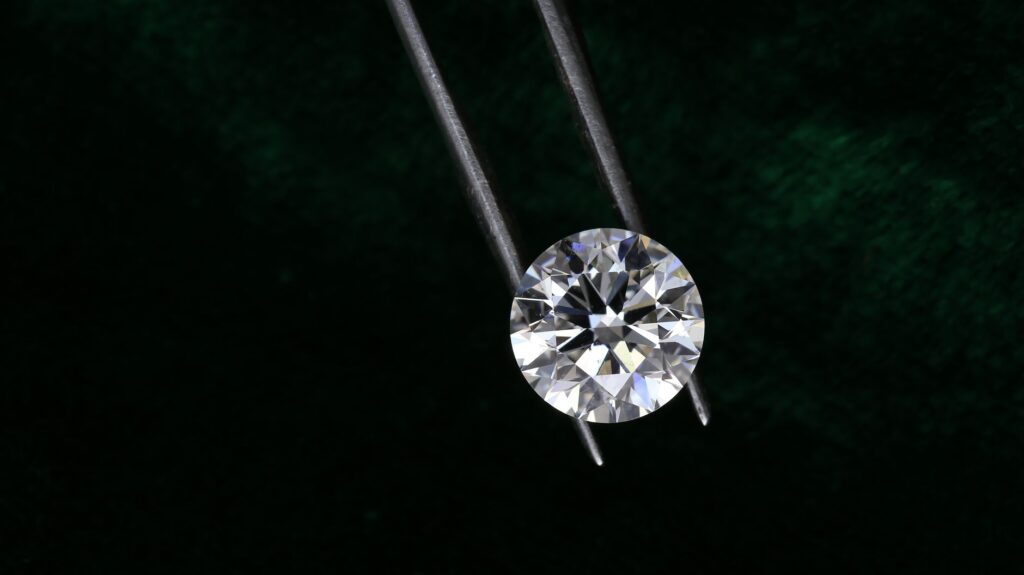
These two shapes are built very differently. A round diamond is cut with many triangular and kite-shaped facets arranged to maximize light return. That is why rounds generally look brighter and more fiery than other shapes.
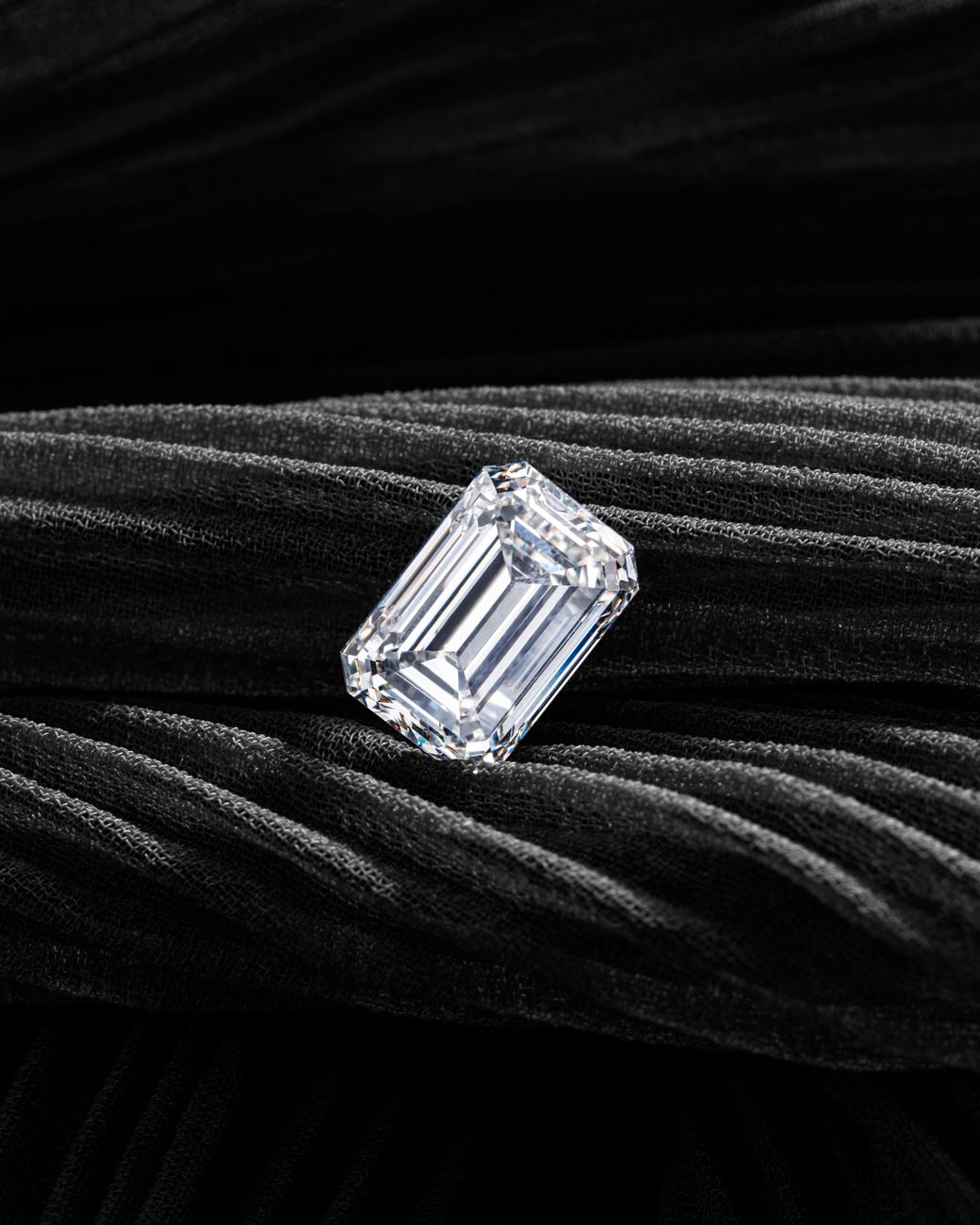
An emerald cut is a step-cut shape, which means its facets are arranged in long parallel rows. Instead of intense sparkle, it produces broad reflections and a mirror-like effect. This difference in facet structure is the main reason the two shapes look so different in person.
For buyers comparing diamond shapes, it helps to think of the choice as brilliance versus elegance. Round diamonds are lively and highly reflective. Emerald cuts are more restrained, with a sleek visual structure that many people describe as refined or architectural.
Round vs Emerald Cut Diamonds: Side-by-Side Comparison
| Feature | Round Diamond | Emerald Cut Diamond |
|---|---|---|
| Appearance | Classic, symmetrical, very sparkly | Elegant, elongated, clean, mirror-like |
| Sparkle | Highest overall brilliance and fire | More subdued, with broad flashes of light |
| Face-up size | Looks proportional and balanced, but may seem smaller than elongated shapes of the same carat weight | Often looks larger face-up because of its elongated outline and wider spread |
| Clarity visibility | Hides inclusions well | Shows inclusions more easily because of open facets |
| Color visibility | More forgiving of near-colorless grades | Color is easier to see, especially in larger stones |
| Durability | Very durable with no sharp corners | Durable, but corners can be more vulnerable if not well protected |
| Popularity | Most popular diamond shape | Less common, often chosen for a distinctive look |
| Pricing | Usually commands a premium due to demand and cutting loss | Often priced lower per carat than rounds of similar quality |
| Best for | Maximum sparkle and classic style | Minimalist, elegant, and vintage-inspired style |
Round Diamonds: What Buyers Should Know
Appearance and light performance
Round brilliant diamonds are engineered for light performance. Their facet arrangement is designed to reflect light back to the viewer’s eye efficiently, which creates strong brilliance, fire, and scintillation. Brilliance is the white light reflection, fire is the colored flashes of light, and scintillation is the sparkle you see when the diamond moves.
Because of this cut design, round diamonds often look lively even under modest lighting. They tend to “pop” in everyday settings, which is one reason they have remained the most requested diamond shape for decades.
Why rounds sparkle more than emerald cuts
The round shape has many facets arranged to bounce light efficiently. More facets mean more opportunities to split and return light, and the rounded outline helps distribute brightness evenly across the stone. When the angles are well proportioned, a round diamond can produce a balanced mix of brilliance and fire.
This is especially noticeable in lab grown diamonds, where buyers often compare cut precision closely. A well-cut lab grown round can look exceptionally bright, even at a moderate carat size.
Advantages of round diamonds
- Strong sparkle and brightness in most lighting conditions
- Classic shape with broad long-term appeal
- Very forgiving of small inclusions and minor color tints
- Easy to pair with many ring settings and wedding bands
- Often considered the safest choice for first-time buyers
Disadvantages of round diamonds
- Usually more expensive per carat than many other shapes
- Can appear slightly smaller face-up than elongated shapes of the same weight
- Very popular, so it may feel less distinctive to some buyers
Who round diamonds are best for
Round diamonds suit buyers who want the brightest, most classic look. They are also a practical choice for someone who is uncertain about shape preferences and wants a design that is easy to wear every day. If you are shopping for an engagement ring and want a shape with broad appeal, round is often the most straightforward option.
Emerald Cut Diamonds: What Buyers Should Know
Appearance and light performance
Emerald cut diamonds are known for their step-cut structure and long rectangular outline. Instead of an all-over sparkle pattern, they create broad flashes of light and dark areas that move across the stone. This is often called the “hall of mirrors” effect.
The visual result is elegant and deliberate rather than intense. Many buyers like emerald cuts because they highlight shape, symmetry, and clarity rather than sparkle alone. The look is more refined and less busy than a round brilliant.
Why emerald cuts look different in motion
Because emerald cuts have large open facets, they show reflections in larger panels. This means the diamond’s internal structure is easier to see. When the cut proportions are well balanced, that openness creates a clean, sophisticated appearance.
However, the same open facet pattern also means the stone will not hide imperfections as well as a round diamond. This is one of the most important practical differences for buyers.
Advantages of emerald cut diamonds
- Elegant, elongated appearance that often flatters the finger
- Face-up size can look impressive for the carat weight
- Distinctive style with a more architectural feel
- Often less expensive per carat than round diamonds of similar quality
- Works well for buyers who prefer a quiet, sophisticated look
Disadvantages of emerald cut diamonds
- Less sparkle than round brilliant diamonds
- Shows color and clarity characteristics more easily
- Corners can be more vulnerable to damage if the setting does not protect them
- Requires more attention to cut quality and proportions
Who emerald cut diamonds are best for
Emerald cuts are a strong choice for buyers who prefer understated elegance over maximum sparkle. They appeal to people who like vintage-inspired, modern, or minimalist designs. If you value shape, clarity, and a sleek profile, emerald cut may fit your style better than a round diamond.
Appearance: Which Shape Looks Bigger and Which Looks Brighter?
These two questions matter a lot to diamond buyers, but they have different answers.
Which shape looks bigger?
Emerald cut diamonds often look larger face-up than round diamonds of the same carat weight. That is because the elongated outline spreads the weight across more visible surface area. In practical terms, you may see more length and width on the finger, especially in larger stones.
Round diamonds can still look substantial, but much of their weight is distributed in a shape that prioritizes sparkle rather than spread. The face-up size difference is not dramatic in every case, but it is noticeable enough that many shoppers compare dimensions, not just carat weight.
Which shape looks brighter?
Round diamonds are usually much brighter. Their brilliant facet pattern is specifically designed to return light efficiently, which makes them appear lively even from across the room. If brightness and sparkle matter most, round is the clear leader.
Emerald cuts reflect light differently. They create broader flashes instead of intense sparkle, so they can appear elegant and crisp, but not as bright overall. This does not mean they are dull. It means their visual performance is based on a different kind of light behavior.
Sparkle, Fire, and Scintillation: Why the Difference Exists
Many buyers use the word sparkle for everything, but gemologists separate it into different visual effects. Understanding these differences makes the round versus emerald comparison much clearer.
If you’d like a broader comparison across multiple shapes, our guide to Which Diamond Shape Has the Best Light Performance? explains how different cuts handle brilliance, fire, and scintillation.
Brilliance
Brilliance is the white light reflected by the diamond. Round brilliant diamonds are built to maximize this effect. Emerald cuts reflect less light in a more structured way, so brilliance is usually less intense.
Fire
Fire is the rainbow-colored light that appears when a diamond breaks light into spectral flashes. Rounds generally show more fire because their facet pattern creates more opportunities for dispersion. Emerald cuts can show some fire, but it is usually subtler.
Scintillation
Scintillation is the sparkle and pattern movement you see when a diamond or the light source moves. Round diamonds tend to produce a lively, fast sparkle pattern. Emerald cuts create slower, broader flashes that many people find elegant and restrained.
So when buyers ask which shape is “more sparkly,” the answer is round. When they ask which shape has the more distinctive visual pattern, emerald cut is often the answer.
Clarity and Color: Why Emerald Cuts Demand More Attention
One of the biggest practical differences between these shapes is how they handle clarity and color. This matters whether you are buying a natural diamond or a lab grown diamond.
Clarity visibility
Round diamonds are better at disguising small inclusions because the many facets break up the view of the interior. That means a diamond with minor inclusions can still look clean to the eye if the overall clarity grade is decent.
Emerald cuts are much less forgiving. Their open, mirror-like facets can make inclusions easier to spot, especially near the center of the stone. For this reason, buyers often aim for higher clarity in emerald cuts than they would in rounds.
Color visibility
Round diamonds also tend to hide color better. The brilliance and facet pattern help mask slight tint, so many buyers can choose a near-colorless grade and still get a bright-looking stone.
Emerald cuts show color more readily because of their open facet structure and larger windows into the body of the stone. In larger sizes, this difference becomes more noticeable. Buyers often prefer a higher color grade for emerald cuts, particularly if the setting is white metal.
Practical buying guidance
If you are comparing lab grown diamonds, this is especially important because larger sizes are often more affordable. A larger emerald cut may look impressive, but the open facet pattern means you should pay close attention to color and clarity grades rather than focusing on carat alone.
For a round diamond, buyers can often be slightly more flexible on clarity and color without compromising appearance as much. That flexibility can help stretch a budget more effectively.
Durability and Daily Wear
Shape affects more than appearance. It also influences how well a diamond handles everyday wear.
Round diamonds and durability
Round diamonds are generally very durable because they have no corners. Corners are the points most likely to chip or catch on clothing, so a round shape avoids that concern entirely. This makes round an excellent option for active daily wear.
Emerald cuts and durability
Emerald cuts have beveled corners, which help reduce the risk of chipping compared with sharp corners on some other shapes. Still, the corners are more exposed than on a round diamond, so the setting matters. A protective setting with secure prongs is important.
For engagement rings worn daily, emerald cuts can absolutely be durable enough. They just require a bit more attention to setting design and ring maintenance.
Length-to-Width Ratio and Finger Appearance
Emerald cuts are often chosen for the way they shape the finger. Their elongated outline can create a slimming visual effect, especially when the length-to-width ratio is well balanced.
What length-to-width ratio means
The length-to-width ratio compares how long the stone is to how wide it is. A lower ratio looks more square, while a higher ratio looks more elongated. For emerald cuts, many buyers prefer a ratio that feels neither too short nor too narrow.
There is no single perfect ratio. Some buyers want a more traditional rectangular look, while others prefer a longer, slimmer appearance. The key is to view the dimensions in relation to the setting and the wearer’s finger shape.
How round diamonds affect finger appearance
Round diamonds do not create the same elongating effect, but they often look balanced and symmetrical on the hand. Their circular outline feels classic and versatile, which is part of their appeal. They suit a wide variety of ring styles and hand shapes.
If visual length is important, emerald cut usually has the advantage. If symmetry and universal compatibility matter more, round is the stronger candidate.
Pricing Considerations
Price differences between these shapes are driven by demand, cutting yield, and market preference. Round diamonds usually cost more per carat because they are the most popular and require more rough material to cut into the finished shape.
Why round diamonds cost more
More of the original rough diamond is lost when cutting a round brilliant. That lower yield, combined with higher consumer demand, typically pushes price up. In both natural and lab grown diamonds, rounds often command a premium compared with many fancy shapes.
Why emerald cuts can offer value
Emerald cuts often cost less per carat than rounds of similar size and quality. That does not necessarily make them “cheap.” It means the market usually values them differently. For buyers who want a larger-looking stone, emerald cuts can sometimes offer better face-up size for the money.
How lab grown diamonds affect the comparison
Lab grown diamonds often make both shapes more accessible, but the same pricing logic usually holds. A lab grown round can still cost more than a lab grown emerald cut of comparable quality. At the same time, lab grown diamonds can allow buyers to prioritize size, clarity, or color more easily, especially if they are comparing engagement ring budgets across different diamond shapes.
| Pricing factor | Round Diamond | Emerald Cut Diamond |
|---|---|---|
| Demand | Highest | Moderate |
| Cutting loss from rough | Higher | Often lower than round |
| Typical price per carat | Higher | Usually lower |
| Budget flexibility | Less flexible for size at a given budget | More flexible for size and visual spread |
How the Two Shapes Compare in Popularity and Style Trends
Round diamonds remain the most popular shape because they work well in nearly any setting and appeal to a broad range of buyers. Their style is timeless, which helps them feel safe and familiar for engagement rings.
Emerald cuts are less common, but that is part of their attraction. They can feel more curated and style-driven. Buyers who choose emerald cuts often want something that looks intentional and a little less conventional.
In current engagement ring trends, both shapes have strong followings. Round diamonds remain the most mainstream choice, while emerald cuts are often seen in modern solitaire settings, vintage-inspired designs, and east-west or bezel styles. For buyers who want a shape with lasting appeal, both are viable. The difference is that round is broader in appeal, while emerald cut is more personality-driven.
Buying Considerations for Round Diamonds
Cut quality matters most
With round diamonds, cut quality is the most important factor affecting beauty. Two rounds with the same carat, color, and clarity can look very different if one is better cut. This is why cut grades and proportions deserve close attention when you shop for a round stone.
If you’re specifically shopping for outstanding cut quality, our guide to the Best Excellent Cut Lab Grown Diamonds highlights several highly rated options worth considering.
Clarity and color can be more forgiving
Because round diamonds hide inclusions and slight color well, many buyers can focus on getting a stronger cut or slightly larger size within budget. This is one reason rounds remain so practical for first-time buyers.
Setting compatibility
Round diamonds work well in most settings, including solitaires, halos, three-stone rings, and pavé bands. Their symmetry makes them easy to pair with wedding bands and accessory rings. If you want maximum flexibility in ring design, round is hard to beat.
Buying Considerations for Emerald Cut Diamonds
Clarity and color deserve extra attention
Emerald cuts are more revealing, so buyers should pay close attention to clarity images, video, and certification details. A stone that looks clean on paper may still show visible inclusions if the facet pattern exposes them clearly.
Color also matters more, especially in larger stones. Some buyers prefer a warmer look, but if you want a bright white appearance in a white metal setting, a higher color grade is often worth considering.
Proportions affect the look significantly
Because emerald cuts are less about sparkle and more about shape and reflection pattern, proportions matter a great deal. A stone that is too wide, too narrow, or poorly balanced can look less elegant. Buyers should review dimensions, not just carat weight.
Setting choice is important
Emerald cuts often look excellent in simple settings that let the shape stand out. A secure four-prong or bezel setting can help protect the corners. If you want a vintage look, halo or cathedral settings can also complement the shape well.
Common Mistakes Buyers Make
Choosing based on carat weight alone
Carat weight does not tell the full story. A 1.50 carat round and a 1.50 carat emerald cut can look very different on the hand because shape affects spread, sparkle, and perceived size. Always look at dimensions and visual performance, not just weight.
Underestimating how much clarity matters in emerald cuts
One of the most common mistakes is applying round diamond standards to emerald cuts. What may be an acceptable inclusion in a round stone can be obvious in an emerald cut. Buyers should inspect images carefully and not rely only on grading reports.
Ignoring the impact of cut quality in rounds
Some shoppers focus on size and forget that round diamonds depend heavily on cut quality for beauty. A poorly cut round can look less lively than a slightly smaller but better-cut stone. If sparkle matters, cut should be a top priority.
Not considering the setting
Setting design can change the entire look of the ring. An emerald cut needs a setting that protects the corners and complements the long lines. A round diamond offers more freedom, but the setting still influences how large and bright it appears.
Lab Grown Diamonds: How They Fit Into This Comparison
Lab grown diamonds are relevant to this discussion because they often allow buyers to compare larger sizes or better specifications within the same budget. That can be especially useful when choosing between a round and an emerald cut.
In a lab grown diamond, a round may let you focus more on cut quality and sparkle without sacrificing as much on size. An emerald cut may allow you to buy a larger-looking stone with a more refined presentation. In both cases, the value proposition is about making informed trade-offs, not assuming one shape is automatically better.
It is still important to review certification, proportions, and actual images. A lab grown diamond is not automatically excellent just because it is lab grown. The shape still determines how the stone will perform in real life.
How to Evaluate Round and Emerald Cut Diamonds Before Buying
Whether you are buying a natural diamond or a lab grown diamond, the best approach is to compare the shape in context, not in isolation. Look at certificate data, but also pay attention to images, proportions, and ring setting.
For round diamonds
- Prioritize cut quality first
- Check brightness and symmetry in photos or videos
- Consider near-colorless grades for better value
- Choose clarity based on whether inclusions are visible to the eye
For emerald cut diamonds
- Review clarity carefully because inclusions show more easily
- Compare length-to-width ratio and dimensions
- Look at the stone in different lighting if possible
- Choose a setting that protects the corners and enhances the shape
If you are learning about diamond grading for the first time, it can help to review related topics such as diamond cut grades, diamond color grades, and diamond clarity grades before making a final decision. Those concepts are especially useful when comparing shapes with different light performance.
Frequently Asked Questions
Do round diamonds sparkle more than emerald cut diamonds?
Yes. Round diamonds generally sparkle more because their facet structure is designed to maximize brilliance, fire, and scintillation. Emerald cuts reflect light in broader flashes, so they look more elegant and less sparkly.
Do emerald cut diamonds look bigger than round diamonds?
They can. Emerald cuts often face up larger because their elongated outline spreads across more visible surface area. The difference depends on the stone’s exact proportions, but emerald cuts often have a larger-looking presence for the same carat weight.
Are emerald cut diamonds less durable?
Not necessarily, but they do need more careful setting design because of the corners. A round diamond has no corners, so it is slightly more forgiving for everyday wear. With the right setting, an emerald cut can still be very durable.
Which shape is better for hiding imperfections?
Round diamonds are better at hiding small inclusions and slight color tints. Emerald cuts are more transparent visually, so they reveal clarity and color characteristics more easily.
Are emerald cut diamonds cheaper than round diamonds?
Usually, yes. Emerald cuts often cost less per carat than rounds of similar quality because round diamonds are more in demand and more costly to cut from rough material. However, price also depends on color, clarity, carat, and certification.
Which shape is more timeless?
Round diamonds are generally considered the most timeless because they have broad, long-standing popularity. Emerald cuts are also classic, but they tend to feel more style-specific and less universal.
Should I choose a round or emerald cut for a lab grown diamond?
That depends on your priorities. If you want maximum sparkle and easier shopping flexibility, a round lab grown diamond is often the best fit. If you want a larger-looking, elegant shape and are willing to pay more attention to clarity and color, an emerald cut can be a smart choice.
Conclusion
The choice between Round vs Emerald Cut Diamonds comes down to how you want the diamond to look and what matters most in daily wear. Round diamonds offer the strongest sparkle, the broadest appeal, and the most forgiving performance when it comes to clarity and color. Emerald cuts offer a sleek, elongated look with a refined style that stands apart from more common shapes.
If you want brilliance and a classic engagement ring style, round is usually the better match. If you prefer elegant lines, visible structure, and a more distinctive presence on the hand, emerald cut may be the right direction. For many buyers, the best choice is the shape that fits both the budget and the way they want the ring to look for years to come.