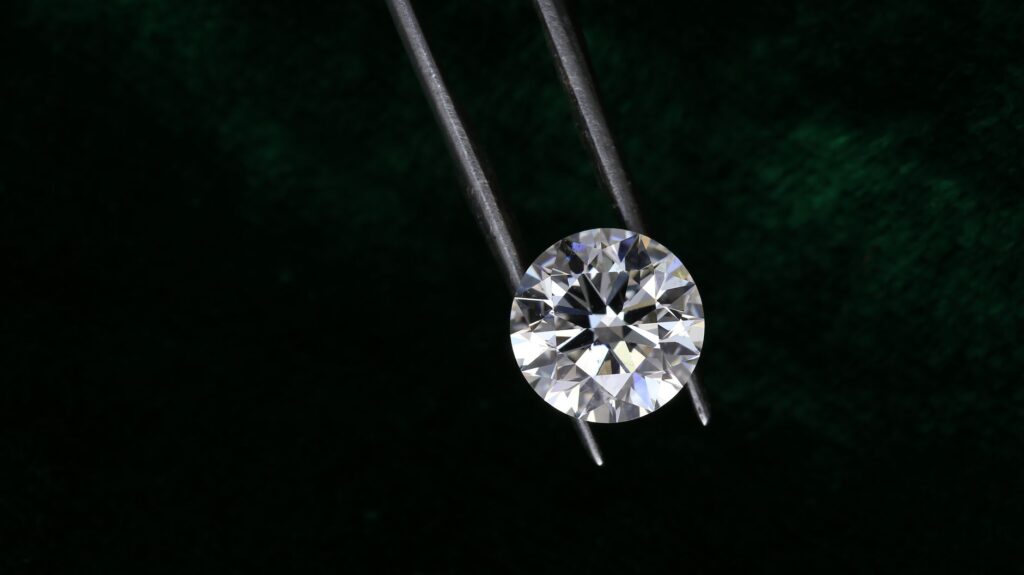
When shoppers ask Which Diamond Shape Has the Best Light Performance, they are usually asking a practical question: which shape looks brightest, sparkliest, and most lively in everyday wear. The short answer is that round brilliant diamonds generally have the best light performance because their facet pattern was designed specifically to return light efficiently. That does not mean every other shape looks dull, only that round brilliants are usually the most consistent when it comes to brilliance, fire, and scintillation.
That said, light performance is not determined by shape alone. Cut quality, proportions, symmetry, polish, and even the specific faceting style within a shape all affect how much sparkle you actually see. A well-cut oval, cushion, or radiant can be beautiful and highly lively, while a poorly cut round can still look flat. For buyers, the most useful question is often not just which shape performs best, but which shape offers the best appearance for the size, style, and budget they want.
Quick Answer
Round brilliant diamonds usually have the best light performance of all diamond shapes. Their facet arrangement is engineered to maximize brightness, sparkle, and fire in a predictable way. If your top priority is seeing the strongest and most balanced light return, round is usually the safest choice.
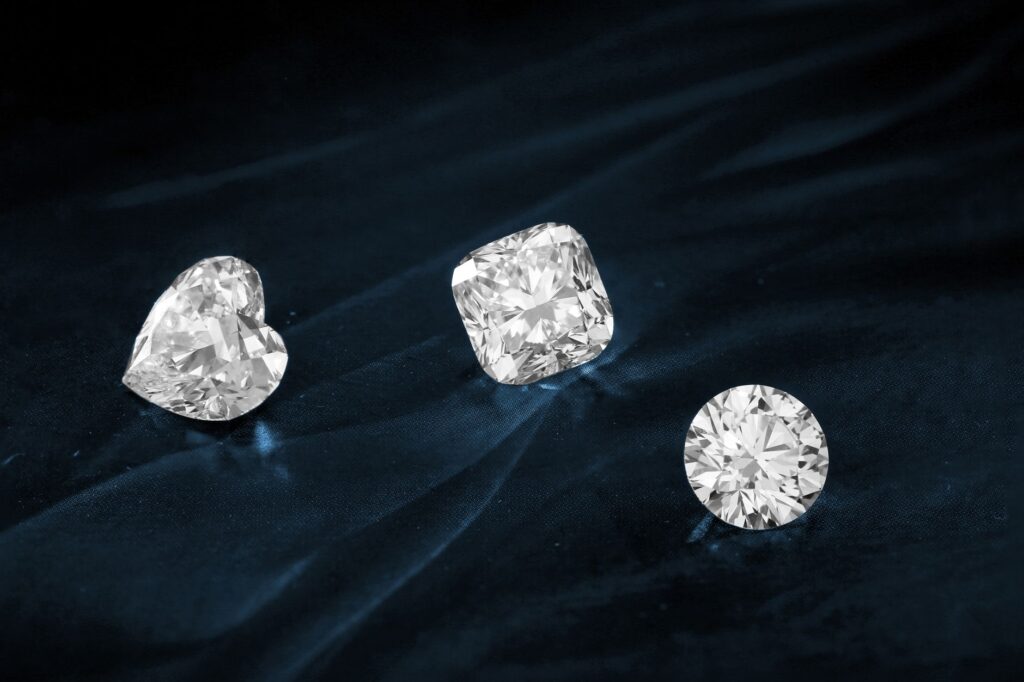
Other shapes can also perform very well, but their light behavior is often less uniform. Fancy shapes such as oval, cushion, radiant, pear, and princess each have their own strengths, and the quality of the cut makes a bigger difference in what you see. In practice, the “best” shape depends on whether you value maximum sparkle, a specific look, finger coverage, or a particular style preference.
For many buyers, the best approach is to choose a shape first, then evaluate the cut quality carefully. A beautifully cut fancy shape can be more satisfying than a poorly cut round that looks smaller or has unattractive areas of darkness. If you want to understand the practical differences, it helps to look at cut as the bigger category and light performance as the result you can actually see.
What Light Performance Means in a Diamond
Light performance describes how a diamond handles light once it is set in jewelry and viewed in real life. It includes several visible qualities, not just sparkle. A diamond with strong light performance tends to look bright, lively, and attractive from different angles.
The main components of light performance are:
- Brilliance, which is the brightness created by white light returning to the eye.
- Fire, which is the colorful flashes of light you see when a diamond disperses light into spectral colors.
- Scintillation, which is the pattern of sparkle and contrast as the diamond moves.
- Light return, which is the overall efficiency of how much light enters and exits the stone in a pleasing way.
Buyers often use the word sparkle to describe all of these at once. That is understandable, but it helps to know the distinction. Some diamonds are very bright but have modest fire. Others create dramatic colored flashes but less overall brightness. A good diamond balances these effects rather than emphasizing only one.
Why Round Brilliant Diamonds Usually Perform Best
The round brilliant is the most studied and most optimized diamond shape for light return. Its standard facet arrangement was developed to reflect light back toward the viewer as efficiently as possible. That is why round diamonds often look brighter than other shapes of the same size and quality.
In simple terms, the round shape gives cutters more freedom to place facets in a way that supports balanced brightness and sparkle. Most other shapes are constrained by their outline, which means the cutter has to make more trade-offs between weight retention, shape, and optical performance. Round brilliants are the benchmark because they are designed around light behavior first.
This is especially noticeable in everyday viewing. Under office lighting, outdoor shade, and indoor mixed lighting, a well-cut round brilliant usually shows a consistent combination of brightness and sparkle. That consistency is one reason round diamonds remain the most popular choice for engagement rings and many lab grown diamond buyers.
How Different Diamond Shapes Compare for Light Performance
Not all diamond shapes behave the same way. Each shape has its own strengths, limitations, and common optical patterns. Some shapes are more forgiving than others, while some are more sensitive to cut proportions and symmetry.
Round Brilliant
Round brilliant diamonds generally offer the best overall light performance. They tend to show the highest combination of brilliance, fire, and scintillation, especially when well cut. They are also the easiest shape to buy confidently because cut standards are more established and more widely understood.
For buyers, the main advantage is predictability. A well-cut round brilliant usually looks lively from many angles and under many lighting conditions. The main trade-off is that round diamonds typically cost more per carat than fancy shapes of similar quality because demand is high and rough diamond yield is lower.
Oval
Oval diamonds can have excellent sparkle and strong face-up size. When well cut, they often look bright and elegant, with a pleasing elongated shape that flatters the finger. Many buyers choose ovals because they offer a larger appearance than rounds of the same carat weight.
The challenge with ovals is cut consistency. Some ovals show a darker center area often called a bow-tie, which can reduce the sense of even light return. A light bow-tie is common in many oval diamonds, but a heavy one can make the stone look less balanced. Buyers should look carefully at actual photos or videos rather than relying on carat weight alone.
Radiant
Radiant cuts are among the strongest performers among fancy shapes. They often combine a lively sparkle with a more angular outline, and many show excellent brightness. Because their faceting is highly reflective, they can hide inclusions well and often look vibrant in a wide range of lighting conditions.
Radiants are a good choice for buyers who want a modern shape with strong visual life. They can also look larger than some other shapes because of their outline and the way they spread weight. As with all fancy shapes, proportion and faceting quality matter a great deal.
Cushion
Cushion cuts can have a softer, more romantic appearance. Their light performance varies widely because there are multiple cushion faceting styles, from chunky antique-style patterns to more brilliant modern versions. Some cushions flash big, broad bursts of light, while others produce a finer sparkle pattern.
This shape is appealing to buyers who want personality and a slightly different visual texture than a round. However, cushion cuts are not as standardized in appearance, so two stones with the same grade can look very different. Buyers should pay attention to photos, videos, and how the stone looks in actual light.
Princess
Princess cuts can offer very strong sparkle and lively scintillation. They are one of the most brilliant square shapes and are often appreciated for their sharp corners and modern look. A well-cut princess can appear intense and bright, especially from the top.
That said, princess cuts can lose light from the corners if proportions are not well balanced. Their durability is also worth considering because the pointed corners can be more vulnerable to chipping than the rounded edges of some other shapes. For sparkle-oriented buyers who want a square outline, princess is often a strong option.
Pear
Pear-shaped diamonds can perform very well when carefully cut. They often combine brilliance in the rounded end with elegant tapering toward the point. Many buyers like the shape because it has a distinctive look and can appear large for its weight.
Like ovals, pears can show a bow-tie effect depending on the cut. They also need good symmetry so the shape does not appear lopsided. A well-made pear can be beautiful and lively, but shoppers should evaluate individual stones rather than assuming all pears sparkle equally.
Marquise
Marquise diamonds can create a dramatic, elongated appearance and impressive finger coverage. When well cut, they can return a lot of light and produce a bold sparkle pattern. Their shape also has a strong visual presence, which some buyers find appealing.
However, marquise diamonds can show darkness near the center or unevenness if the proportions are not carefully managed. The pointed ends also require protective settings. While they can perform well, they are less forgiving than round brilliants in terms of visual balance.
Emerald Cut
Emerald cuts are not known for maximum sparkle in the same way as brilliant-style shapes. Instead, they are valued for their elegant, mirror-like flashes and clean lines. Their step-cut faceting creates a different kind of light performance, one that emphasizes clarity and broad flashes rather than intense scintillation.
For buyers seeking the most sparkle, emerald cuts usually do not rank at the top. But they can look exceptionally sophisticated and refined. Because the open table and large facets show more of the interior, emerald cuts also make clarity more visible than many other shapes, which affects buying decisions.
Asscher Cut
Asscher cuts share some characteristics with emerald cuts, but their square outline and deeper appearance create a distinctive look. They offer a more geometric sparkle pattern and usually less overall brilliance than round or radiant cuts. Their appeal is in their vintage style and hall-of-mirrors effect.
For buyers focused strictly on light performance, Asscher cuts are usually not the top choice. For buyers who value design and a more restrained style, they can be very attractive. The key is understanding that their visual beauty comes from a different type of light behavior.
Comparison of Common Diamond Shapes and Light Performance
The table below gives a practical, buyer-focused overview. It does not mean one shape is always better, but it helps show how the shapes typically compare in real-world viewing.
| Shape | Typical Light Performance | Strengths | Common Trade-Offs |
|---|---|---|---|
| Round brilliant | Excellent | Most consistent brightness, sparkle, and fire | Higher price per carat, less unique than some fancy shapes |
| Radiant | Excellent to very good | Strong sparkle, lively look, good brilliance | Cut consistency varies |
| Princess | Very good | Intense sparkle, modern square shape | Corners can be vulnerable, proportions matter |
| Oval | Very good | Bright appearance, flattering shape, strong spread | Bow-tie effect can reduce evenness |
| Pear | Very good | Elegant shape, strong visual size, lively sparkle | Symmetry and bow-tie need attention |
| Cushion | Good to very good | Soft style, pleasing flashes, many design variations | Performance varies significantly by faceting style |
| Marquise | Good to very good | Large appearance, dramatic shape | Can show dark areas, needs careful proportions |
| Emerald | Good, but different style | Elegant flashes, refined appearance | Less sparkle than brilliant cuts, inclusions more visible |
| Asscher | Good, but different style | Geometric beauty, vintage look | Less brightness than brilliant shapes |
What Makes One Shape Light Better Than Another
It is easy to assume that shape alone decides sparkle, but the reality is more nuanced. The way a diamond is cut determines how light enters, reflects, and exits the stone. A diamond’s outline is only one piece of the puzzle.
Facet Design
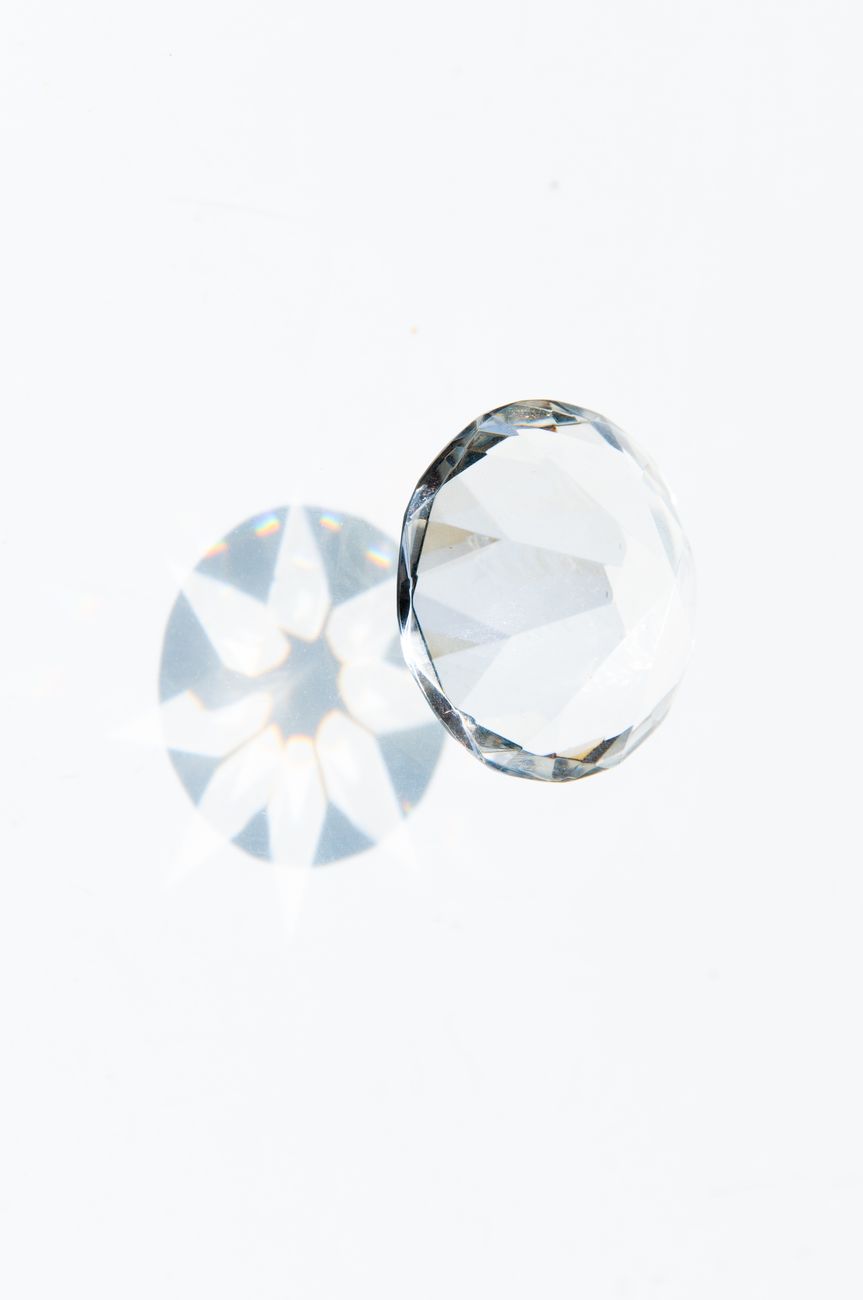
Facets are the small flat surfaces cut into a diamond. Their size, placement, and angle influence how the diamond handles light. Brilliant-style shapes use many smaller facets to increase sparkle, while step cuts use larger facets for a calmer, more reflective look.
For buyers, the important point is that more facets do not automatically mean better sparkle. What matters is whether the facet pattern is designed to return light efficiently and create an appealing balance of brightness and contrast.
Proportions
Proportions refer to the relationship between a diamond’s table, depth, crown, and pavilion. These measurements affect whether light returns to the viewer or leaks out from the bottom or sides. Even a good shape can look underwhelming if the proportions are off.
Buyers do not need to memorize every proportion range. What matters is understanding that cut grading and visual inspection are both important. Two diamonds with the same shape can look very different if one has better proportions than the other.
Symmetry
Symmetry describes how well the facets and shape lines match each other. Good symmetry helps light distribute evenly and creates a more polished appearance. Poor symmetry can lead to irregular sparkle, uneven outline, or distorted patterns.
In practical terms, symmetry issues are often visible when a diamond looks slightly off or unbalanced. Most buyers do not need perfection in a laboratory sense, but very poor symmetry can be noticeable, especially in shapes like ovals, pears, and marquise cuts.
Polish
Polish refers to how smooth and finished the diamond’s facet surfaces are. A well-polished diamond allows light to move cleanly across the facets. Poor polish can interfere with that clarity of reflection and make the surface appear less crisp.
Most buyers will not see small polish differences easily, especially in smaller stones. But polish still matters as part of overall cut quality, and it becomes more relevant when comparing higher-end stones or larger diamonds.
Light Leakage
Light leakage happens when light enters a diamond and escapes instead of being reflected back to the eye. This can create dull zones, especially in the center or around the edges. A diamond with noticeable leakage may look less lively even if it has excellent color or clarity.
This is one of the most important reasons why some diamonds with similar grades look different in person. It is also why experienced buyers often study actual images, not just certificates.
How Cut Grade Affects Light Performance
Cut grade is one of the most important quality factors for buyers to understand. It is not simply about shape. It is the overall evaluation of how well the diamond has been cut to reflect light. In round diamonds, grading systems are usually more standardized, which makes comparison easier.
For round brilliant diamonds, cut grades such as Excellent, Very Good, Good, and so on help predict performance. An Excellent cut round is generally more likely to look bright and lively than a lower-grade round of similar size and clarity. However, even within the same grade, two stones can look different depending on proportions and craftsmanship.
For fancy shapes, grading is often less standardized. That means buyers need to pay closer attention to the actual look of the diamond. The certificate matters, but it should not be the only thing you use to judge light performance.
Is Excellent Cut Always Worth Paying For?
Often, yes, especially in round brilliant diamonds. The visual improvement can be noticeable in everyday light, and many buyers appreciate the more reliable sparkle. If you are buying an engagement ring or a diamond meant to be worn often, paying for stronger cut quality is usually money well spent.
That said, the premium is not always equally worthwhile in every budget. Sometimes a Very Good cut diamond offers a strong visual result at a better price, especially if the buyer is balancing carat size and budget. The key is to compare stones side by side whenever possible.
What Buyers Actually See in Everyday Light
Diamond shopping often happens under bright store lighting, but that is not the only setting that matters. Buyers should think about how a diamond looks in office light, home lighting, shade, daylight, and evening environments. A diamond with good light performance tends to remain appealing across these conditions.
In real-world viewing, most people notice:
- Whether the diamond looks bright or dull from the top.
- Whether sparkle is lively or flat when the stone moves.
- Whether dark areas are balanced or distracting.
- Whether the diamond appears attractive at arm’s length.
Buyers usually do not notice subtle technical differences first. They notice whether the diamond feels alive. This is why videos, side-by-side comparisons, and expert guidance are so valuable when choosing between shapes.
How Different Lighting Conditions Affect Shape Performance
A diamond may look different depending on the light source. This is normal. The same stone can show more fire in direct sunlight, more brightness in overhead lighting, and a softer glow in diffused indoor light.
Round brilliant diamonds tend to adapt well across many environments because their light behavior is balanced. Fancy shapes can also look wonderful, but their patterns may be more sensitive to lighting. A shape that looks stunning in one environment can appear less lively in another if the cut is not optimized.
Natural Daylight
Daylight often reveals a diamond’s brightness and patterning clearly. In this setting, well-cut rounds and radiants usually stand out for consistent liveliness. Shapes with bow-tie effects may show darker areas more clearly in daylight.
Indoor Lighting
Indoor lighting can emphasize sparkle flashes, especially in brilliant-style shapes. This is where scintillation becomes important. A diamond with good cut quality will still look active and attractive, while a weakly cut diamond may appear sleepy or flat.
Mixed Lighting
Many buyers judge a diamond in mixed light without realizing it. This is a useful test because real life rarely offers ideal conditions. A strong performer should look good under a range of lighting, not only under a jeweler’s spotlight.
Realistic Buyer Scenarios
A Well-Cut 1.5-Carat Diamond Versus a Poorly Cut 2-Carat Diamond
This is one of the most common trade-off questions buyers face. A 2-carat diamond sounds more impressive on paper, but if the cut is poor, it may look dull, have weak sparkle, or show unappealing dark zones. A 1.5-carat diamond with excellent cut quality can often look more beautiful in person.
For many shoppers, the visual difference matters more than the number on the certificate. If the goal is a diamond that looks lively and bright, cut quality should usually outrank carat weight. This is especially true in engagement rings, where the stone will be seen often and from multiple angles.
Excellent Cut Versus Very Good Cut in Everyday Lighting
In side-by-side viewing, the difference can be noticeable, but not always dramatic. An Excellent cut round may show slightly stronger brightness, crisper sparkle, and better overall balance. A Very Good cut can still be beautiful and may represent better value if budget is tight.
The practical question is whether the premium for Excellent cut produces a visible improvement you care about. For buyers who prioritize performance, the answer is often yes. For buyers who need to allocate budget toward size or setting, Very Good can be a reasonable compromise.
Higher Clarity With Poor Cut Versus Lower Clarity With Excellent Cut
Many first-time buyers assume clarity should always come before cut. In reality, a diamond with slightly lower clarity but excellent cut often looks better to the eye than a higher-clarity stone with weak light performance. This is because sparkle and brightness draw attention more quickly than tiny inclusions.
If an inclusion is not visible without magnification, it may matter less than the way the diamond handles light. Buyers often get more visual value by choosing a better cut and a practical clarity grade rather than paying extra for a grade they will not notice.
Why Light Performance Matters for Lab Grown Diamonds
Lab grown diamonds have the same optical and physical properties as natural diamonds, so their light performance depends on the same principles. A lab grown diamond still needs good cutting to look its best. In other words, being lab grown does not automatically make a diamond sparkle more.
Because lab grown diamonds are generally more affordable per carat, buyers sometimes allocate more of the budget toward size. That can be a smart approach, but only if cut quality remains strong. A larger lab grown diamond with weak cut proportions may not look as impressive as a slightly smaller one with better optical performance.
For buyers comparing lab grown and natural diamonds, this is an important point: the diamond’s origin does not replace the importance of cut. Whether the stone is lab grown or natural, the visible beauty still depends heavily on how well it was cut and finished.
Advantages of Choosing a Shape With Strong Light Performance
There are several practical benefits to choosing a shape known for strong light performance.
- More reliable sparkle across different lighting conditions.
- Better face-up appearance, meaning the stone looks attractive from the top.
- More forgiving shopping process in shapes with established cut standards, especially round brilliant.
- Greater long-term satisfaction, because the diamond is less likely to feel dull or underwhelming after purchase.
These advantages are especially meaningful for buyers who value everyday wear. A diamond is not only judged in a showroom. It is seen while walking, sitting, taking photos, and moving through normal life. Strong light performance helps the stone look appealing in all of those contexts.
Limitations and Trade-Offs
Choosing the “best” light performance is not always the same as choosing the best diamond for every buyer. Some shapes with weaker brilliance by strict technical standards are still highly desirable because of their style, size appearance, or vintage character.
There are also trade-offs to consider. Round brilliant diamonds often cost more per carat, which means a buyer may need to sacrifice size or setting budget. Fancy shapes can offer greater individuality and sometimes more face-up spread, but they may require closer inspection to avoid weak areas or asymmetry.
It is also worth remembering that some buyers prefer a softer or more architectural look rather than maximum sparkle. Emerald and Asscher cuts, for example, are chosen for elegance and structure, not for the highest possible sparkle score. Beauty is not limited to one optical style.
Buying Considerations That Matter Most
Budget
Budget is the first practical filter for most buyers. If your budget is flexible, round brilliant diamonds with excellent cut are often the easiest way to achieve the strongest and most predictable light performance. If budget is tighter, a well-chosen fancy shape can deliver excellent visual results at a lower price.
The goal is not to buy the most expensive stone. It is to choose the diamond that looks the best to you within your budget.
Visual Performance
Ask yourself what matters most: maximum sparkle, large face-up appearance, a specific shape, or a softer vintage style. Once you know your preference, you can make a more informed trade-off. If performance is the top priority, round brilliant is usually the leading candidate.
Certification
A diamond grading report is useful, but it does not tell the whole story. Certificates from respected labs help confirm the stone’s measured properties and cut grade, but they do not fully capture visual beauty. That is why actual images, proportions, and expert review are so important.
If you are comparing diamond certifications, use the report as a foundation, not the final answer.
Lab Grown Diamond Considerations
For lab grown diamonds, buyers often have access to larger stones for the same budget. This makes cut quality even more important, because a bigger diamond will not automatically look better. Good light performance can make a lab grown stone feel significantly more refined and visually impressive.
Long-Term Satisfaction
Many buyers are happiest when they choose the shape they love, then insist on strong cut quality within that shape. That balance tends to hold up well over time. A diamond with pleasing light performance is less likely to create regret later, even if the buyer had to accept a slightly smaller size.
Common Buyer Mistakes
First-time buyers often make a few predictable mistakes when evaluating sparkle and shape.
- Prioritizing carat over cut and ending up with a larger but less attractive diamond.
- Assuming all diamonds sparkle equally just because they are the same shape.
- Ignoring bow-tie effects in oval, pear, and marquise shapes.
- Choosing clarity grades too high while sacrificing cut quality.
- Relying only on certificates instead of viewing actual photos or videos.
- Assuming the best light performance always means the best value for every buyer.
One of the most important lessons is that size and sparkle are not interchangeable. A diamond that looks lively will often be more satisfying than one that is technically larger but visually weaker. Experienced jewelers notice this quickly when comparing stones side by side.
How to Evaluate Light Performance When Shopping
If you are comparing diamonds online or in person, use a combination of tools rather than one factor alone. Look at the report, study the proportions if they are available, and view the diamond in different lighting whenever possible. Actual images and videos are especially valuable for fancy shapes.
Here are a few practical things to look for:
- Does the diamond look bright across the center and edges?
- Are the sparkle flashes lively when the stone moves?
- Is there a dark bow-tie or other shadow that feels distracting?
- Does the diamond still look attractive in ordinary indoor light?
- Does the shape appear balanced and symmetrical?
If a stone looks dull or uneven in real images, that is often more important than a high grade on paper. The best light performance is the one you can actually see and enjoy.
Frequently Asked Questions
Is round brilliant always the best shape for sparkle?
Round brilliant diamonds usually offer the best overall sparkle and light performance, but “best” depends on what you value. If you want maximum brightness and fire, round is the strongest default choice. If you prefer a specific shape or style, a well-cut fancy shape may still be the better personal choice.
Do fancy shapes always have worse light performance than round diamonds?
No. Fancy shapes can be very lively and beautiful, especially when well cut. They may just have different optical behavior, and their performance can vary more from stone to stone than round brilliants.
Can a lab grown diamond have better light performance than a natural diamond?
Not because it is lab grown. Light performance depends on cut quality, not whether the diamond grew underground or in a laboratory. A well-cut lab grown diamond can look excellent, but the same is true for a well-cut natural diamond.
What shape hides imperfections best?
Brilliant-style shapes such as round, radiant, oval, and cushion often hide inclusions better than step cuts like emerald or Asscher. Their many facets break up the view of the interior more effectively. This can matter if you want to choose a lower clarity grade without seeing imperfections easily.
Why do some oval diamonds have a dark center?
That dark area is usually the bow-tie effect, caused by how light moves through the elongated shape. Nearly all ovals have some version of it, but the severity varies. A light bow-tie may be acceptable, while a strong one can reduce the stone’s visual appeal.
Does a better cut always mean a brighter diamond?
Usually, but not always in a simple linear way. Better cut generally improves the chance of strong brightness and sparkle, but the shape, proportions, and lighting conditions also matter. Two diamonds with similar cut grades can still look different to the eye.
Should I choose a smaller round diamond or a larger fancy shape?
It depends on your priorities. A smaller round brilliant may offer better sparkle and more consistency, while a larger fancy shape may provide more face-up size and a distinctive look. If light performance matters most, the smaller round often wins visually. If size and shape matter more, a fancy shape may be preferable.
Final Takeaway
If your question is strictly which diamond shape has the best light performance, the answer is round brilliant. It is the most consistent shape for brightness, fire, and sparkle, and it remains the benchmark for optical performance. For many buyers, especially those who want a reliable and lively look, it is the strongest all-around choice.
But the best diamond for you may not be the roundest one. Oval, radiant, princess, pear, and other shapes can look excellent when cut well, and some buyers prefer their style or larger appearance. The smartest buying approach is to balance shape preference, cut quality, budget, and certification, then evaluate the actual stone in real light.
In practice, the most satisfying diamond is often the one that looks beautiful to you every day, not just the one with the most technical sparkle on paper. If you focus on cut quality first and shape second, you are more likely to choose a diamond with strong, lasting visual appeal.