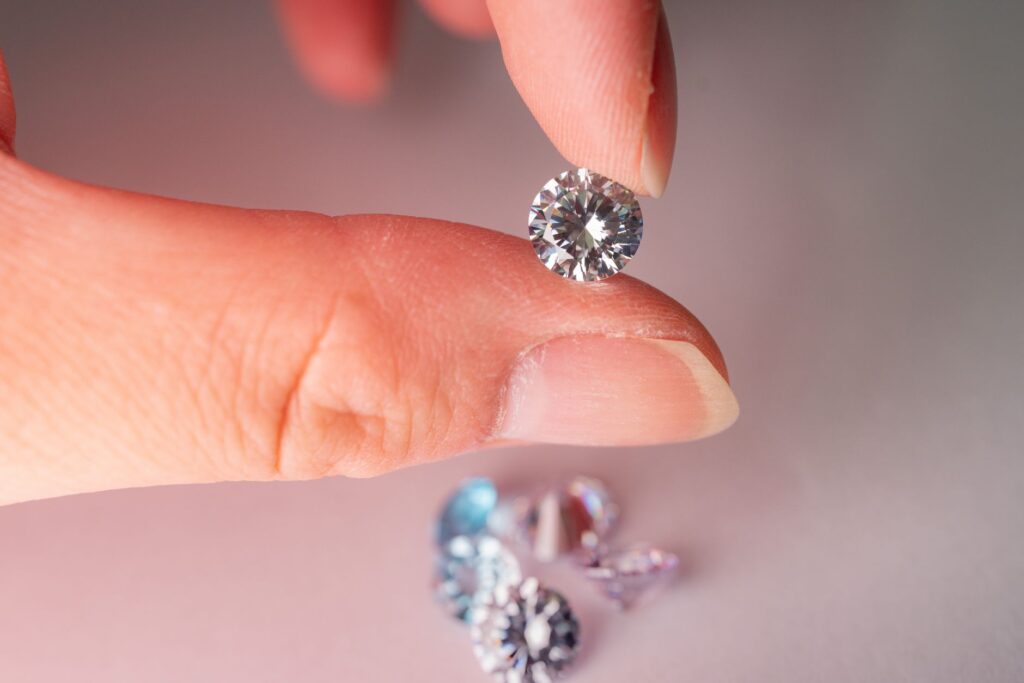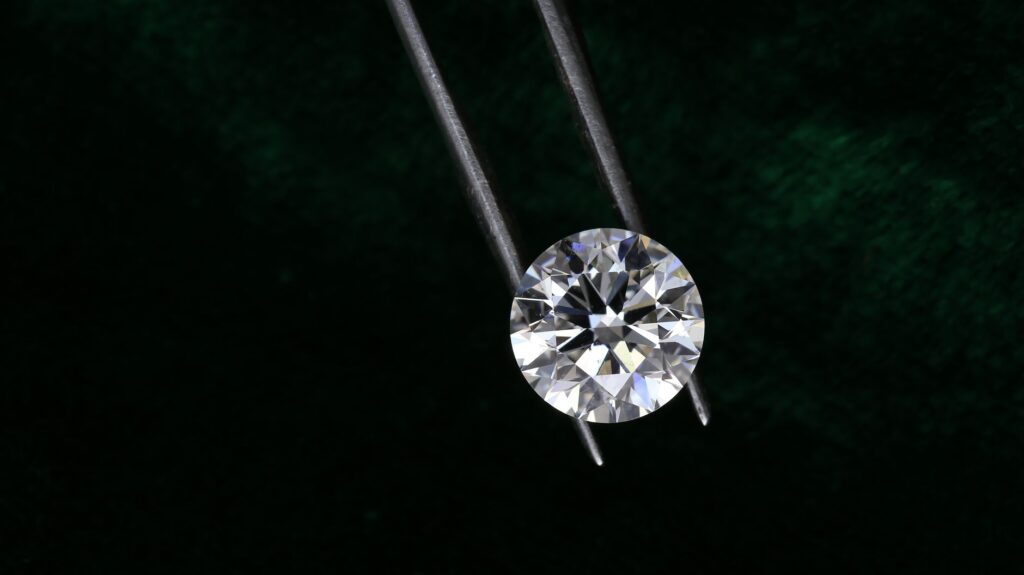
A 1 carat diamond often looks smaller than people expect from photos and larger than people expect from the number alone. In real life, it is a noticeable center stone, but it is not an oversized diamond. Its appearance depends on more than weight, including shape, cut quality, finger size, and setting design.
That gap between expectation and reality matters. Carat is one of the most recognized diamond terms, yet it is also one of the most misunderstood. A buyer may focus on reaching the 1 carat mark, only to discover that two 1 carat diamonds can look meaningfully different once they are set in a ring.
Understanding what does a 1 carat diamond look like helps with more than curiosity. It helps you judge value, compare options intelligently, and avoid paying for weight that does not translate into visible size.
Quick Answer
A 1 carat diamond usually looks like a medium-sized center stone that is clearly visible on the hand without appearing extremely large. In a round brilliant cut, a well-cut 1 carat diamond typically measures about 6.4 to 6.5 mm in diameter. That is a little over one-quarter of an inch across.
On a ring, a 1 carat diamond often looks:
- Elegant and substantial on smaller fingers
- Balanced and classic on average finger sizes
- Noticeable but not dramatic on larger fingers
If you are picturing a bold, high-coverage look from social media photos, a standard 1 carat round may seem smaller in person. If you want a classic engagement ring size with strong visual presence, 1 carat usually fits that description well.
Understanding the Carat Concept
What diamond carat actually means
Carat is a weight measurement, not a measurement of visible size. One carat equals 200 milligrams, or 0.2 grams. That tells you how much the diamond weighs, but not exactly how large it will look from the top.
This is the source of a lot of confusion. Buyers often treat carat like inches or millimeters, but it is not the same thing. Two diamonds can both weigh 1 carat and still have different face-up dimensions.
What face-up size means
Face-up size refers to how large the diamond looks when viewed from above, which is how people usually see a ring. This is the visual size that matters most in day-to-day wear.
For a round diamond, face-up size is usually described by diameter. For fancy shapes such as oval, cushion, pear, emerald, or marquise, it is described by length and width.
When asking what does a 1 carat diamond look like, face-up size is usually more useful than weight alone.
Why measurements matter as much as carat
A diamond can carry more of its weight in the bottom portion, which is called the pavilion, rather than across the top surface. When that happens, the diamond may weigh 1 carat but look smaller than another 1 carat diamond with better proportions.
That is why experienced buyers compare:
- Carat weight
- Millimeter measurements
- Cut quality
- Shape
The carat number alone does not tell the full story.
What a “magic size” diamond is
A magic size is a popular benchmark carat weight that often carries a pricing premium because buyers strongly prefer the number. Common examples include 0.50, 1.00, 1.50, and 2.00 carats.
A 1 carat diamond is one of the best-known magic sizes. That popularity can make it more expensive than a slightly smaller diamond, even when the visible difference is minimal.
What Buyers Usually Expect
The number sounds larger than the diamond looks
For someone new to diamonds, 1 carat can sound like a major size milestone. In the jewelry world it is important, but visually it is better described as classic and noticeable rather than huge.
Part of the issue is that carat is not intuitive. Most people do not naturally know what 6.5 mm looks like on a hand. Without context, expectations are often shaped by edited photos, close-up videos, and rings shown on very small fingers.
Photos often distort size expectations
Diamond photos are frequently taken at very close range. Macro photography makes a stone appear much larger than it will look in everyday viewing distance. A 1 carat diamond can seem oversized in images, then look more modest in person.
Lighting also changes perception. Bright jewelry lighting increases sparkle, which can make the stone seem more prominent, even if its actual spread is average.
Buyers often confuse sparkle with size
A well-cut diamond looks lively and bright. That visual performance can make it feel larger and more impressive. A poorly cut diamond may technically weigh the same, but if it looks dark or deep, it can feel smaller.
This is why a beautiful 1 carat diamond may stand out more than a heavier diamond with weak cut quality.
Finger size changes the whole impression
The same diamond can look generous on one hand and moderate on another. On a size 4 finger, a 1 carat stone covers more of the available width. On a size 8 finger, it covers less.
That does not mean the diamond changed. It means the visual frame around it changed.
What It Actually Looks Like
The typical dimensions of a 1 carat diamond
A well-cut round brilliant 1 carat diamond usually measures around 6.4 mm to 6.5 mm in diameter. This is the most commonly referenced benchmark because round diamonds are the standard comparison shape.
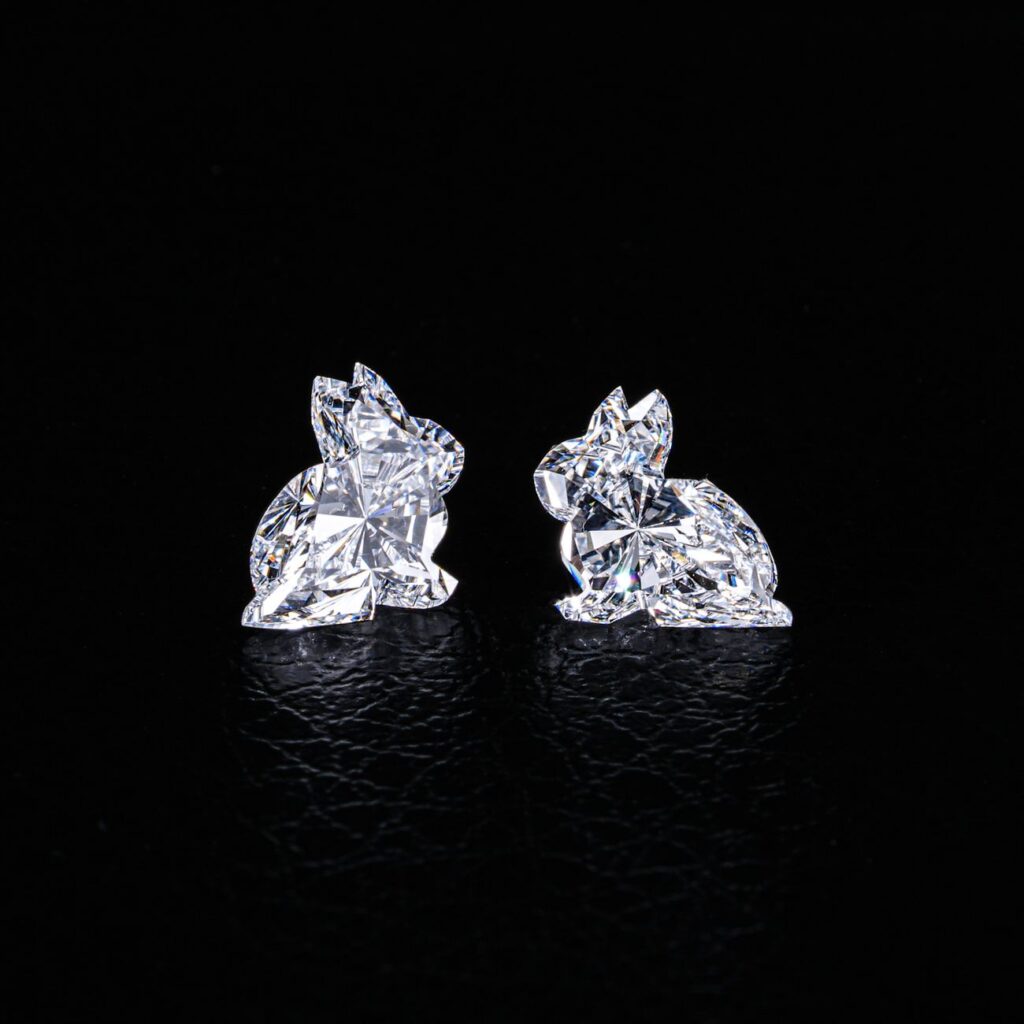
Fancy shapes vary more. A 1 carat oval, pear, or marquise may look larger face-up than a 1 carat round because the weight is distributed across a longer shape.
How large a 1 carat round looks on the hand
In real-world wear, a 1 carat round diamond usually looks:
- Clearly visible from conversational distance
- Large enough to feel substantial as a center stone
- Smaller than many people expect if they are used to zoomed-in online images
- Balanced rather than oversized in most engagement ring styles
It is often considered a classic engagement ring size because it strikes a middle ground. It is neither tiny nor especially large by modern standards.
Finger coverage and visual presence
Finger coverage refers to how much of the finger width the diamond seems to occupy. This strongly influences whether a stone looks delicate, balanced, or bold.
For a round 1 carat diamond:
- On smaller fingers, it can look prominent and impressive
- On average fingers, it typically looks balanced and traditional
- On larger fingers, it may look refined rather than statement-sized
This is one reason shoppers should not rely on carat alone. The same 1 carat diamond can create very different visual impressions depending on the wearer.
What most people notice first
Most non-experts do not estimate diamond carat weight accurately by sight. They usually notice overall presence, sparkle, and shape before they think about size in technical terms.
That means a well-cut 1 carat diamond with good brightness and an attractive setting often makes a stronger impression than a heavier stone chosen only for the carat number.
Factors That Change Apparent Size
Shape
Shape is one of the biggest factors in how large a 1 carat diamond looks. Some shapes spread their weight across a larger top surface, while others hide more weight in depth.
Shapes that often look larger face-up for the same carat weight include:
- Oval
- Marquise
- Pear
- Emerald
Shapes that may look a bit smaller or more compact include:
- Round
- Cushion
- Princess, depending on cut proportions
- Asscher
Longer shapes can create more finger coverage, which often makes them appear larger than a round diamond of the same weight.
Cut quality
Cut affects brightness, sparkle, and visual spread. In plain language, it influences how well the diamond handles light and whether its proportions make good use of its carat weight.
A deeply cut diamond can look smaller because more of its weight sits where you cannot see it from the top. A well-proportioned diamond usually offers better face-up appearance and stronger light return.
For round diamonds especially, cut quality is often more important than chasing a slightly higher carat number.
Depth and proportions
Depth percentage measures how tall the diamond is compared with its width. A diamond that is too deep may have a smaller diameter than expected for its weight. A diamond that is too shallow may face up larger but can lose brightness or look watery.
The goal is not simply maximum spread. It is a balance between visible size and good optical performance.
Setting design
The setting can make a 1 carat diamond look larger or smaller. Design details around the center stone change how the eye reads its outline.
Settings that can increase visual size include:
- Halo settings
- Thin bands
- Hidden halo styles that add some visual presence from angles
- Minimal prongs that expose more of the stone
Settings that may make the center stone seem smaller include:
- Very thick bands
- Bulky prongs
- Heavy side stones that visually compete with the center
A slender band is one of the simplest ways to make a 1 carat center diamond feel more prominent.
Color and clarity perception
Color and clarity do not usually change physical size, but they can affect perception. A bright, clean-looking diamond often feels more impressive than one with noticeable inclusions or a tint that makes it look less crisp.
That said, paying far more for very high clarity or color does not automatically make a 1 carat diamond look bigger. The visual benefit can be small once you reach attractive everyday grades.
Real-World Size Examples
1 carat round on a size 4 finger
On a size 4 finger, a 1 carat round diamond usually looks fairly prominent. It can create strong finger coverage and may appear larger than expected, especially in a solitaire setting with a thin band.
This is the kind of proportion that often photographs well. On smaller fingers, even a classic 1 carat stone can have a strong visual presence without looking overwhelming.
1 carat round on a size 6 finger
A size 6 finger is close to average for many ring shoppers. On this finger size, a 1 carat round often looks balanced and versatile. It has enough presence to be clearly visible but still feels traditional and wearable every day.
For many buyers, this is the look they imagine when they picture a timeless engagement ring.
1 carat round on a size 7 finger
On a size 7 finger, a 1 carat round still looks attractive and noticeable, but it may not have the same finger coverage it has on smaller hands. Some buyers with this finger size choose elongated shapes or halo settings to create a larger visual effect.
That is not because 1 carat looks small. It is because proportion preferences vary, and larger fingers change how centered stones read visually.
1 carat round on a size 8 or larger finger
On a size 8 or larger finger, a 1 carat round may look more modest and refined than bold. Buyers who want significant coverage often compare 1 carat with 1.25, 1.50, or elongated fancy shapes.
Still, for someone who prefers understated elegance, 1 carat can remain an excellent fit.
1 carat oval vs 1 carat round
A 1 carat oval usually looks larger than a 1 carat round because it has a longer outline. Even if the weight is identical, the oval often appears to cover more finger length and can create a more elongated visual effect.
| Diamond Shape | Typical Face-Up Look | Visual Impression |
|---|---|---|
| 1 ct Round | About 6.4 to 6.5 mm across | Classic, balanced, compact brilliance |
| 1 ct Oval | Often looks longer and slightly larger | Elongated, flattering, more finger coverage |
Buyers focused on visual size often prefer oval for this reason. Buyers focused on classic symmetry and brilliant sparkle often prefer round.
0.90 carat vs 1.00 carat
This is one of the most important real-world comparisons. Visually, the difference between a 0.90 carat and a 1.00 carat diamond is usually small. The millimeter difference may be subtle enough that most people will not notice it without side-by-side comparison.
| Carat Weight | Typical Round Diameter | Visual Difference |
|---|---|---|
| 0.90 ct | About 6.1 to 6.3 mm | Slightly smaller, often hard to notice alone |
| 1.00 ct | About 6.4 to 6.5 mm | A bit more presence, but not dramatically larger |
Price, however, can jump noticeably at the 1 carat mark because it is a magic size. For value-focused buyers, a well-cut 0.90 to 0.95 carat diamond can be a smart alternative.
1 carat cushion vs 1 carat round
A 1 carat cushion can look slightly smaller than a round, depending on its proportions and outline. Cushions often carry more weight in the body of the stone, and their soft corners can reduce apparent spread.
Some buyers love this look because it feels soft and pillowy. Others are surprised that a cushion of the same weight may not look as large as expected.
1 carat emerald cut vs 1 carat round
Emerald cuts can look larger in length and width, but the visual effect is different from round diamonds. Their step-cut faceting creates broad flashes rather than the more scattered sparkle of a round brilliant.
A 1 carat emerald cut may appear elegant and elongated, but it also shows color and clarity more easily. Buyers choosing this shape often need to think carefully about more than size alone.
Comparison Table: How Different 1 Carat Shapes Tend to Look
| Shape | Typical Visual Size for 1 ct | Finger Coverage | Notes |
|---|---|---|---|
| Round | Moderate | Balanced | Classic benchmark, strong sparkle |
| Oval | Slightly larger | Good | Elongated look, often faces up larger |
| Pear | Slightly larger | Good | Length helps size perception |
| Marquise | Larger | Excellent | Often maximizes visible spread |
| Emerald | Moderate to slightly larger | Good | Elegant outline, different sparkle style |
| Cushion | Moderate to slightly smaller | Average | Can appear compact depending on cut |
| Princess | Moderate | Average | Square shape, can look slightly smaller than expected |
| Asscher | Smaller | Average to low | Deep cut, often compact face-up look |
Price vs Visual Benefit
Why the jump to 1 carat costs more
The move from just under 1 carat to 1 carat can bring a disproportionate price increase. That happens because the 1 carat mark is psychologically important in the market. Buyers strongly recognize the number, and demand increases accordingly.
That means you may pay a premium for crossing the 1.00 threshold even though the visual increase from 0.95 to 1.00 carat is small.
Diminishing returns in visible size
Diamond prices do not rise in a straight line with visible size. As carat weight increases, prices often climb faster than the diamond appears to grow. This is especially true at popular milestone weights.
In practical terms, the extra money spent to move from 0.90 to 1.00 carat, or from 1.00 to 1.10 carats, may not produce a dramatic visual difference.
When the upgrade is worth it
Paying more for a full 1 carat can be worthwhile if:
- You care about hitting the exact benchmark
- The price difference is reasonable
- The stone also has strong cut and measurements
- You are buying in a shape where 1 carat creates the look you want
It may be less worthwhile if the carat upgrade comes at the cost of cut quality, beauty, or overall value.
Lab grown diamonds and size budgeting
Lab grown diamonds change this conversation significantly. Because lab grown prices are usually lower than natural diamond prices for similar carat weights and grades, buyers often have more flexibility to prioritize visible size.
That can mean:
- Choosing a full 1 carat instead of stopping just below it
- Selecting a larger shape such as oval or emerald within the same budget
- Balancing size with better cut, color, or clarity
The visual appearance of a lab grown diamond and a natural diamond of the same shape, cut, and measurements can be essentially the same. The main difference for size decisions is usually price, not appearance.
However, buyers should also understand the broader trade-offs. Lab grown diamonds often offer stronger size value upfront, but resale expectations differ from natural diamonds. For someone focused on how large the diamond will look on the hand, lab grown can be a very efficient option. For someone focused heavily on long-term secondary market considerations, the decision may be more nuanced.
Who Should Size Up
Buyers with larger fingers who want strong coverage
If you have a larger finger size and want a more prominent look, moving above 1 carat may make sense. The stone itself is not too small, but your desired proportions may call for more spread.
Buyers who prefer elongated shapes but still want impact
Someone choosing a round may be satisfied at 1 carat, while someone who wants a more dramatic visual line may prefer a 1.2 to 1.5 carat oval, marquise, or pear.
It depends on whether your goal is classic balance or stronger finger coverage.
Buyers who prioritize center-stone presence
In some ring styles, the center diamond is the clear focal point with very little surrounding detail. If that is the look you want, sizing up may be appropriate, especially if the band is plain and the stone stands alone.
Lab grown buyers maximizing budget
For buyers open to lab grown diamonds, sizing up can be especially rational when the budget allows a visible upgrade without major compromises elsewhere. In this case, the larger size may provide a clear real-world benefit at a more manageable cost.
Who Can Save Money
Buyers comfortable with just-under-benchmark sizes
A diamond in the 0.90 to 0.99 carat range can offer very similar visual impact to a 1.00 carat diamond. If the measurements are strong and the cut is excellent, the savings can be worthwhile.
Buyers choosing shapes that look larger face-up
Oval, pear, and marquise shapes often create more visual spread for the same weight. A buyer who wants the look of a larger diamond may not need to increase carat weight at all.
Buyers using a halo or slim-band setting
A halo can expand the overall visual footprint of the ring dramatically. A thin band can also make the center stone stand out more. These design choices often create a larger look without paying for more carat weight.
Buyers who value cut over milestone numbers
An experienced buyer will often choose a beautifully cut 0.92 or 0.95 carat diamond over a dull or deep-cut 1 carat diamond. This is a practical way to save money without sacrificing the look that people actually notice.
Common Buyer Mistakes
Chasing the 1 carat label without checking millimeters
Two diamonds can both be 1 carat but have different visible spread. Always look at the actual measurements, not just the carat number.
Ignoring cut quality
A bigger carat number can be disappointing if the diamond is cut too deep or lacks brightness. Cut quality has a major effect on both sparkle and apparent size.
Assuming round and fancy shapes face up the same
They do not. A 1 carat oval usually will not look the same size as a 1 carat round. Shape changes visual length, spread, and finger coverage.
Forgetting the effect of finger size
A diamond shown on a small hand can look much larger than it will on a larger finger. Try to judge size in proportion, not in isolation.
Overpaying for a magic size
Paying a premium for exactly 1.00 carat can be reasonable, but it should be a conscious choice. If the visible difference from a 0.95 carat is tiny, the value may not be there.
Using social media as a size reference
Close-up video, editing, lighting, and selective angles can all make a diamond appear larger than it really is. Real-life proportions are the better guide.
Focusing only on top-down size
Size matters, but so do durability, shape appeal, clarity visibility, and setting practicality. The best diamond is not always the one with the largest spread on paper.
How an Experienced Buyer Evaluates a 1 Carat Diamond
Start with the measurements
For a round diamond, a well-cut 1 carat should usually fall around the expected diameter range. If it is noticeably smaller, that may indicate excess depth.
Check the cut before the carat label
Brightness and balance matter more than simply reaching the number. A diamond that faces up lively and proportional often looks better than one chosen for weight alone.
Judge the stone in the context of the ring
A 1 carat diamond in a thin solitaire can feel very different from the same diamond in a heavy three-stone design. The ring structure influences visual size, style, and overall impression.
Think in terms of the wearer, not just the diamond
The right size depends on hand size, style preference, daily wear habits, and budget priorities. A buyer who wants timeless balance may land on 1 carat. A buyer who wants bold presence may decide that a different shape or larger size is better.
Frequently Asked Questions
Is a 1 carat diamond considered big?
A 1 carat diamond is generally considered noticeable and substantial, but not very large. On smaller fingers it can look quite prominent. On larger fingers it often looks classic rather than bold.
What does a 1 carat diamond look like in millimeters?
A well-cut round 1 carat diamond usually measures about 6.4 to 6.5 mm in diameter. Other shapes will have different length and width measurements, and some can appear larger face-up than round diamonds.
Will a 1 carat diamond look too small for an engagement ring?
Not for most buyers. A 1 carat diamond remains a very popular engagement ring size because it offers a balanced look. Whether it feels too small depends mainly on finger size, shape preference, and whether you want a subtle or more dramatic style.
Does a 1 carat oval look bigger than a 1 carat round?
Usually, yes. A 1 carat oval often appears larger because its elongated shape creates more visible length and finger coverage. The difference is visual rather than a difference in actual weight.
Can two 1 carat diamonds look different in size?
Yes. Shape, depth, cut proportions, and even setting style can make two 1 carat diamonds look noticeably different. That is why measurements and cut quality matter so much.
Is 0.90 carat close enough to 1 carat visually?
In many cases, yes. The visual difference is often small, especially once the diamond is set. A well-cut 0.90 to 0.95 carat diamond can offer excellent value if you do not need the exact 1 carat label.
Does a halo make a 1 carat diamond look bigger?
Yes. A halo surrounds the center stone with smaller diamonds, increasing the overall visual footprint of the ring. It does not change the center stone’s actual size, but it can create a much larger look.
Is a 1 carat lab grown diamond the same size as a natural 1 carat diamond?
Yes, if the shape and proportions are similar. Carat weight and dimensions work the same way for lab grown and natural diamonds. The main difference is usually price, not physical appearance.
Conclusion
The simplest answer to what does a 1 carat diamond look like is that it looks like a classic, noticeable center stone with moderate but meaningful presence. In a round brilliant, that usually means about 6.4 to 6.5 mm across. It is large enough to stand out, but it is not the oversized look some buyers imagine from close-up images.
The final appearance depends on several factors. Shape affects spread. Cut affects brightness and visible size. Finger size changes proportion. Setting design can either emphasize or reduce the center stone’s presence. Because of that, two diamonds with the same carat weight can create very different real-world impressions.
For practical buying decisions, focus on how the diamond will actually look on the hand rather than treating 1 carat as a perfect target in every situation. A well-cut diamond just under 1 carat may deliver nearly the same appearance for less money. An elongated shape may provide more finger coverage without increasing weight. A lab grown diamond may allow a larger size while staying within budget.
The best choice is the one that matches your visual goals, your budget, and your priorities. Once you understand the difference between carat weight and face-up appearance, it becomes much easier to choose a diamond size confidently and realistically.