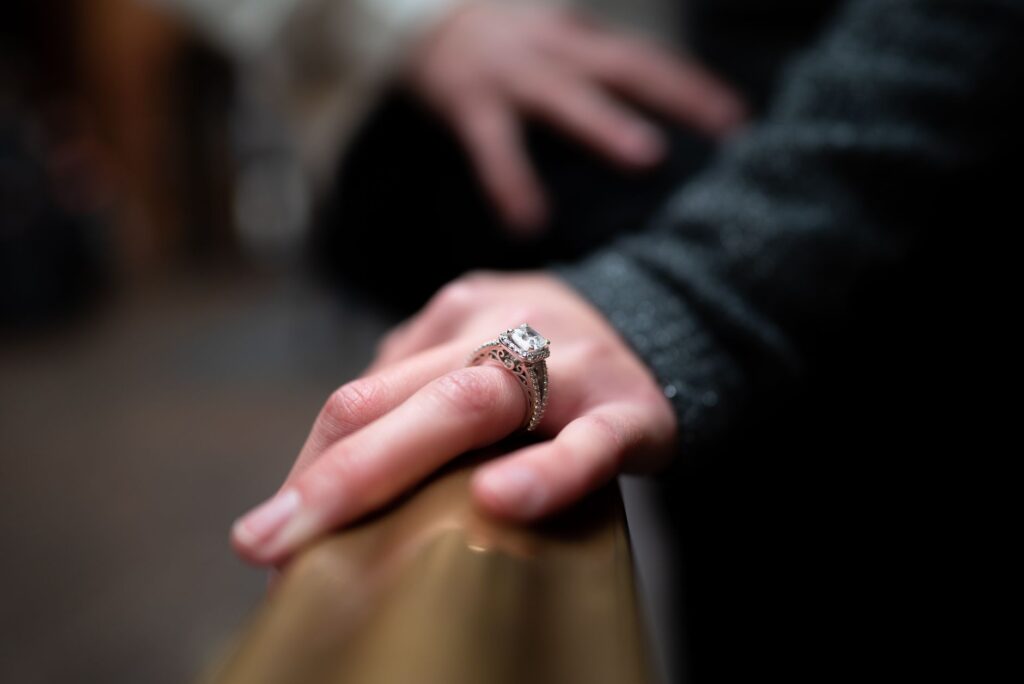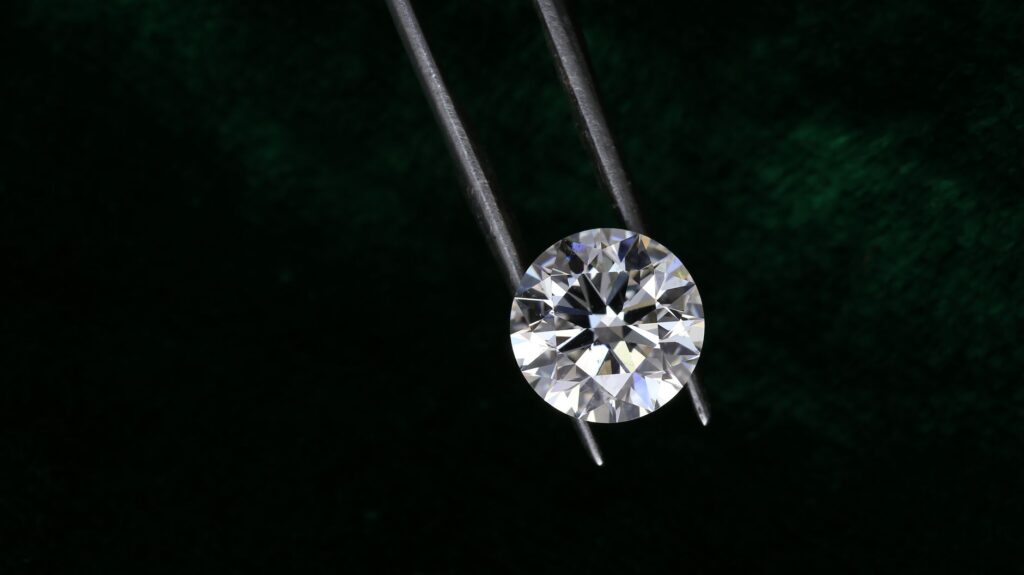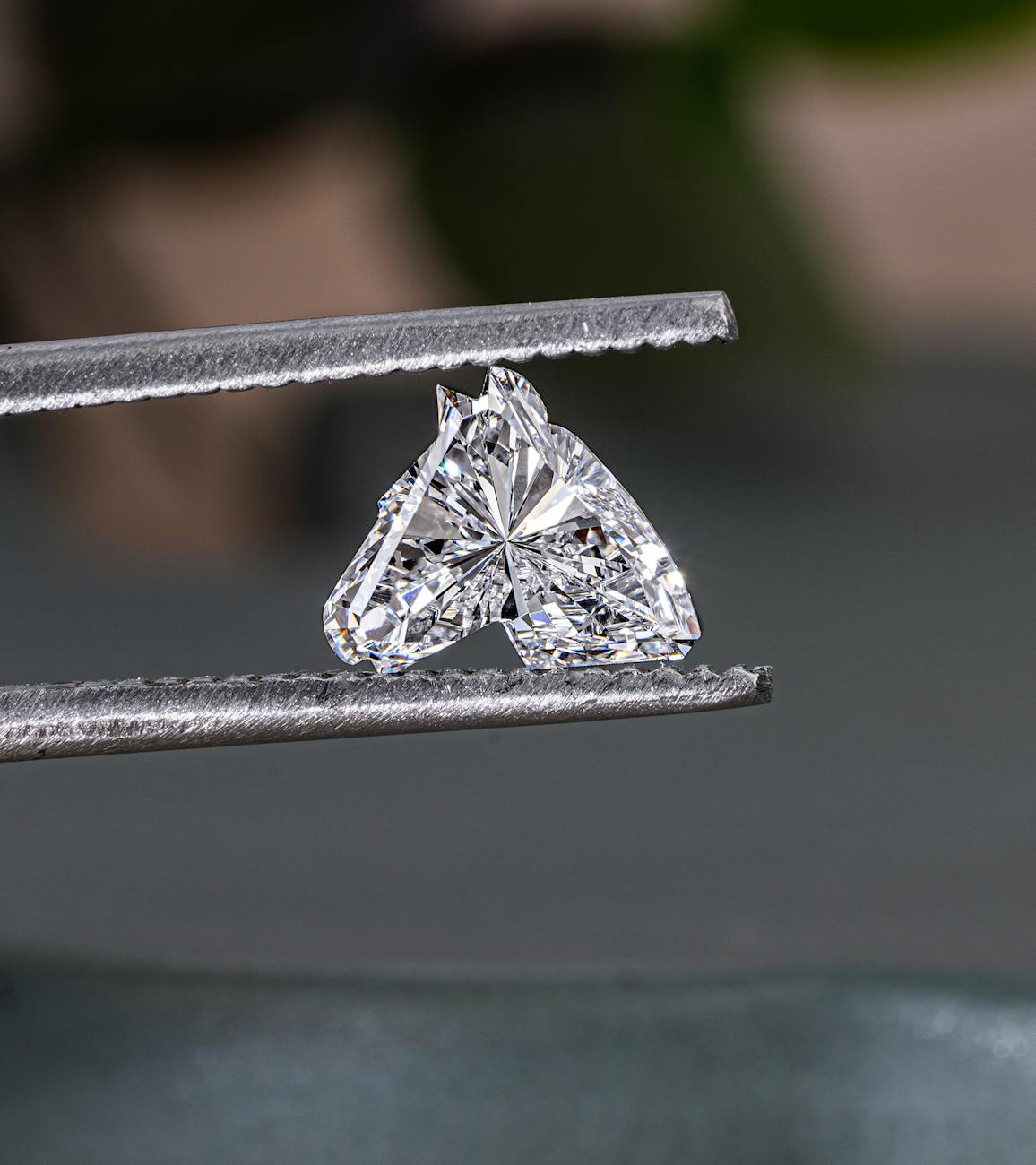
A marquise cut lab grown diamond is a diamond shaped like a long oval with pointed ends. The shape gives it a distinctive, elegant look and can make the stone appear larger than some other shapes of the same carat weight. For many buyers, that combination of visual size and style is the main reason the marquise shape stands out.
If you are comparing diamond shapes for an engagement ring or another piece of jewelry, the marquise is worth understanding in practical terms. It has a dramatic outline, strong finger coverage, and a different light pattern than round, oval, or cushion shapes. Like any shape, it also has trade-offs, including durability considerations at the pointed tips and a need to pay close attention to proportions.
Quick Answer
A marquise cut lab grown diamond is a lab-created diamond cut into an elongated shape with two pointed ends. It is known for its elegant, finger-lengthening appearance and strong face-up size, which means it can look larger than other diamonds of the same carat weight.
For buyers, the marquise shape can be a good choice if you want something a little less common than round or oval, while still getting a bright, sparkling look. The main things to watch are the bow tie effect, which is a dark area that can appear across the center in some stones, and the pointed tips, which may need protective setting styles for daily wear.
What Is a Marquise Cut Lab Grown Diamond?
The marquise cut is an elongated diamond shape with pointed ends and curved sides. It is sometimes described as an eye-shaped or boat-shaped outline. The shape is designed to maximize surface area, which helps the diamond appear larger when viewed from above.
When the diamond is lab grown, the crystal structure is the same as a mined diamond. That means a marquise cut lab grown diamond has the same physical, optical, and durability characteristics as a marquise cut natural diamond. The difference is in how it was created, not how it performs in jewelry.
Lab grown diamonds are made using controlled technological processes that replicate diamond formation. They are typically graded by the same independent labs used for natural diamonds, which means you can compare cut, color, clarity, and carat using familiar standards. For many shoppers, that makes it easier to consider larger marquise stones within a lower budget than a mined diamond of similar quality.
Why the Marquise Shape Stands Out
The marquise cut is visually distinctive because it combines length, symmetry, and pointed ends. It creates a bold outline that catches the eye without relying on a round shape. That makes it attractive to buyers who want a diamond that feels classic but not overly common.
The shape also has a strong visual effect on the hand. Because it is elongated, it can make fingers look longer and slimmer. This is one reason marquise rings are often chosen for engagement settings where the buyer wants a refined, flattering profile.
Another reason buyers consider the shape is efficiency. A marquise cut often uses carat weight in a way that creates a larger-looking stone than some deeper or more compact cuts. That does not mean it is always the best value in every case, but it is a shape where visual size can be especially noticeable.
Key Characteristics of a Marquise Cut Lab Grown Diamond
Shape and outline
The marquise has a narrow center that widens toward the middle and tapers to pointed ends. The ends should ideally be symmetrical, with one point matching the other in length and shape. A well-balanced outline is important because uneven tips or lopsided curves can make the stone look off-center.
Elongation
Marquise diamonds are usually evaluated by their length-to-width ratio, which compares how long the stone is relative to its width. A lower ratio makes the stone look fuller and slightly wider, while a higher ratio makes it look more slender and elongated.
There is no single ideal ratio for every buyer. Some people prefer a more stretched, elegant look, while others want a broader shape with more visible width. The right ratio depends on personal style, ring design, and how large you want the diamond to appear on the finger.
Faceting style
Most marquise diamonds are brilliant-style cuts, meaning they use many angled facets to create sparkle. In practical terms, this means they tend to show strong brightness and flashes of light rather than the step-like mirror effect seen in emerald cuts.
The brilliance of a marquise cut depends heavily on how well the diamond is proportioned. A well-cut stone will return light evenly and show attractive sparkle across most of its surface. A poorly proportioned stone may show darker areas, especially near the center.
Pointed ends
The pointed ends are one of the most recognizable features of the marquise shape. They also create one of the main durability considerations. Those tips can be more vulnerable to chipping than rounded corners, especially in rings worn every day.
Because of that, setting style matters. A protective setting, such as V-prongs or bezel elements, can help shield the tips from impact. This is one of the most important practical buying points for a marquise cut lab grown diamond.
Appearance and Visual Performance
How a marquise cut looks in person
In person, a marquise diamond looks elegant, elongated, and slightly dramatic. It tends to stand out more than a round diamond because the shape is less common. Many buyers like the combination of vintage character and clean geometry.
The shape can also create strong finger coverage. That means a relatively modest carat weight may still look substantial when set in a ring. For shoppers comparing diamond shapes, this is one of the marquise shape’s strongest visual advantages.
Sparkle and brilliance
Because marquise diamonds are typically brilliant-cut, they can show lively sparkle. Brilliance refers to the white light a diamond returns to the eye. In a well-cut marquise, the facets work to reflect light in a way that keeps the stone lively rather than flat.
The sparkle pattern is not identical to a round brilliant. Round diamonds usually offer the most balanced light return, while marquise diamonds can show a mix of bright flashes and slightly more obvious directional patterns. Some buyers love that uniqueness, while others prefer the uniform sparkle of a round.
Fire
Fire is the colored flash of light a diamond produces when it disperses light into spectral colors. Marquise cuts can show fire, but the amount depends on the cut quality and lighting conditions. Like all brilliant-style cuts, they can display attractive flashes, especially under spot lighting or sunlight.
However, fire is not always the main reason people choose this shape. Most marquise buyers are drawn more to the outline, size appearance, and brightness than to fire alone.
Scintillation
Scintillation refers to the flashes and contrast patterns you see as the diamond moves. This is a big part of how lively a marquise looks in real life. A well-cut stone should show appealing movement and contrast without large dull zones.
Scintillation can vary based on proportions. If the stone is too shallow or too deep, the light pattern may be less even. This is why buyers should not rely on shape alone and should still evaluate the stone’s proportions and images when possible.
Bow tie effect
The bow tie effect is a dark horizontal area that can appear across the center of elongated shapes such as marquise, oval, and pear. It is caused by light leakage or shadowing in the middle of the diamond. A small amount of bow tie is common in many elongated cuts, but a strong one can reduce visual appeal.
Not every marquise diamond has the same amount of bow tie. Some stones show only a subtle center contrast, while others have a more obvious dark band. This is one reason it helps to inspect videos or ask for an image of the exact diamond, especially when buying a lab grown diamond online.
Advantages of a Marquise Cut Lab Grown Diamond
It can look larger than its carat weight
One of the biggest advantages of the marquise shape is face-up size. Because the stone is elongated and spreads across more surface area, it may appear larger than a round diamond of the same carat weight. This is particularly useful for buyers who want a noticeable ring without moving to a much higher carat weight.
It flatters the finger
The elongated shape often makes the hand look more slender. This effect is one reason marquise diamonds have long been popular in engagement rings and statement pieces. The visual line from tip to tip naturally draws the eye along the finger.
It offers a distinctive look
Marquise diamonds are not as common as round brilliants, so they can feel more individual. That can appeal to buyers who want something recognizable but not standard. The shape has both vintage and contemporary associations, depending on the setting.
It can be a practical choice in lab grown form
Because lab grown diamonds often cost less than mined diamonds of similar size and quality, a buyer may be able to choose a larger or higher-quality marquise within the same budget. This can be especially relevant if you want strong face-up size in an engagement ring. Lab grown pricing can make it easier to balance carat weight with clarity and color preferences.
Disadvantages of a Marquise Cut Lab Grown Diamond
The pointed tips are more vulnerable
The sharp points at each end can chip if the diamond is struck or if the setting leaves the ends exposed. This does not mean marquise diamonds are fragile in general, but the tips require more thoughtful mounting than rounded shapes. For daily wear, ring protection is an important consideration.
Cut quality matters a lot
With marquise diamonds, proportion issues are often more visible than they are in some other shapes. If the stone is too shallow, it may look watery or show more bow tie. If it is too deep, it may face up smaller than expected.
That means two marquise diamonds with the same carat weight can look noticeably different. Buyers should pay attention to the overall shape, not just the size on paper. This is especially important when comparing stones across different diamond shapes.
It is less standardized in appearance than round cuts
Round brilliant diamonds have very clear and widely understood proportions, especially in relation to cut grading. Marquise diamonds are evaluated more by overall visual balance than by a single universal recipe. This gives shoppers more style flexibility, but it also means the eye test matters more.
Some buyers see it as trend-sensitive
Marquise diamonds have gone through periods of stronger and weaker popularity. The shape has a vintage appeal, but it is not as universally in demand as round or oval. If long-term mainstream popularity matters to you, that is worth considering.
Who a Marquise Cut Lab Grown Diamond Is Best For
Buyers who want strong finger coverage
If your goal is a diamond that looks substantial without needing an extremely high carat weight, marquise is worth considering. The elongated shape offers a lot of visual presence. This can be attractive for people who want a ring that looks noticeable but not overly large.
Buyers who like elegant, less common shapes
People who want a shape that feels a little more distinctive than round or princess often gravitate toward marquise. It offers a classic look with a bit of personality. That makes it a good fit for someone who wants jewelry that stands out without being unusual for the sake of novelty.
Buyers who are comfortable paying attention to setting details
If you are willing to think carefully about prongs, tips, and symmetry, the marquise shape can be an excellent choice. The stone rewards careful selection. Buyers who enjoy evaluating design details often appreciate the shape more than buyers who want a simple, highly standardized option.
Buyers working within a specific budget
Lab grown marquise diamonds can be a smart option when size matters and budget is limited. Because lab grown stones often offer a lower price per carat, buyers may be able to prioritize a larger outline or higher color and clarity. That said, it is still important to compare the stone on quality, not just price.
How a Marquise Cut Compares to Other Popular Diamond Shapes
Comparing shapes is often the best way to understand whether a marquise is right for you. The table below highlights the main practical differences buyers usually notice.
| Shape | Appearance | Sparkle Pattern | Face-Up Size | Durability | Best Known For |
|---|---|---|---|---|---|
| Marquise | Elongated with pointed ends | Bright flashes, can show bow tie | Looks large for its carat weight | Tips need protection | Finger-lengthening look |
| Round | Classic circular shape | Most balanced brilliance | Good, but less stretched | Very durable | Maximum sparkle and timeless appeal |
| Oval | Elongated with rounded ends | Strong brilliance, may show bow tie | Large-looking and soft-edged | More durable than pointed shapes | Elegant, modern versatility |
| Pear | Teardrop shape | Brilliant sparkle with asymmetry | Strong size appearance | Pointed tip needs care | Romantic, distinctive styling |
| Emerald | Rectangular step-cut | Mirror-like flashes | Elegant, less sparkly face-up | Good, but corners can chip | Clarity and sophistication |
Marquise vs round brilliant
Round brilliant diamonds are usually the benchmark for sparkle because their shape is optimized for light return. If your top priority is maximum brilliance and the most universally familiar look, round remains the standard.
Marquise, however, can look larger for the same carat weight and offers a more elongated, distinctive profile. Buyers who want something less common often prefer marquise, even if they sacrifice a little of the round cut’s predictable brilliance.
Marquise vs oval
Oval and marquise are often compared because both are elongated shapes. Oval diamonds have rounded ends, which makes them feel softer and slightly more forgiving in daily wear. Marquise has points, which create a more dramatic silhouette.
Oval is usually easier to set securely, while marquise can look more striking and vintage-inspired. The right choice often comes down to whether you prefer softness or edge in the outline.
Marquise vs pear
Pear-shaped diamonds have one pointed end and one rounded end, giving them a teardrop look. Marquise is more symmetrical, which creates a more even line and a stronger sense of balance. Pear is often more romantic or whimsical, while marquise feels more structured.
Both shapes can show a bow tie effect and both need care at pointed tips. The difference is mostly in the overall silhouette and how the shape appears on the hand.
Marquise vs emerald
Emerald cuts are step cuts, which means they use long, parallel facets that create broad flashes instead of intense sparkle. Marquise is a brilliant-style cut and is usually much sparkier in motion. If you want a quiet, elegant look, emerald may appeal more.
If you want a more lively, reflective appearance with a stronger size impression, marquise is the better comparison. This difference comes down to faceting style, not just shape.
Important Buying Considerations for a Marquise Cut Lab Grown Diamond
Length-to-width ratio
One of the first details to review is the length-to-width ratio. This ratio affects the overall look more than many new buyers expect. A ratio near the lower end of the common range looks wider and fuller, while a higher ratio creates a slimmer, more elongated silhouette.
There is no universal best ratio, but many shoppers prefer a marquise that feels balanced rather than overly narrow. In a ring, a very slender marquise may look elegant, but it can also appear delicate to the point of losing some visual impact.
Bow tie presence
Because the bow tie effect can be noticeable in marquise cuts, it is important to inspect images or videos of the exact stone. A small amount of contrast can be normal and even attractive. A dark, distracting band across the middle is more likely to reduce the diamond’s beauty.
Since lab grown diamonds are often purchased online, visual review is especially useful. Do not rely only on carat weight and grading report numbers when the shape itself can influence appearance so strongly.
Cut proportions
Although marquise diamonds are not always assigned a simple cut grade like round brilliants, proportions still matter a great deal. Depth, table size, and overall balance affect how the stone handles light. A diamond that is proportioned well will usually look livelier and more attractive.
Buyers often benefit from comparing a few stones side by side, even if only through videos. Small differences in proportions can change how the diamond looks on the hand.
Clarity visibility
Clarity refers to internal features called inclusions and surface features called blemishes. In elongated brilliant cuts like marquise, some inclusions may be easier or harder to see depending on where they are located. Stones with inclusions near the center may show them more readily than stones with minor features near the edges.
Lab grown diamonds often offer strong clarity grades at attractive prices, which can be especially helpful in shapes where visibility matters. Still, it is worth choosing a clarity grade that keeps the stone visually clean, especially if you want a larger marquise.
Color visibility
Marquise diamonds can show color a bit differently depending on setting style and ratio. Elongated shapes may reveal warmth more readily at the ends or in the body of the stone if the color grade is lower. For buyers who prefer a bright, icy appearance, this is something to consider carefully.
Because lab grown diamonds can offer better value, some buyers choose a higher color grade than they might in a mined stone. That can be a practical way to preserve a crisp look without stretching the budget too far.
Setting protection
How the diamond is mounted matters a lot for marquise shapes. V-prongs or protective prongs at both ends can reduce the risk of chipping. A setting that leaves the tips too exposed may look sleek, but it can also increase vulnerability in everyday wear.
If you expect the ring to be worn frequently, ask how the jeweler protects the points. This is one of the most practical differences between a well-designed marquise ring and one that may need more maintenance.
What Lab Grown Changes, and What It Does Not
Lab grown diamonds do not change the basic appearance of a marquise cut. The shape, sparkle pattern, durability concerns, and setting considerations remain the same whether the diamond is lab grown or mined. What changes is how the diamond was created and often how it is priced in the market.
For buyers, that means the shape discussion still matters just as much. A well-cut marquise lab grown diamond should be evaluated the same way you would evaluate any other diamond of the same shape. The most useful approach is to compare quality factors first, then consider whether lab grown pricing helps you reach a better overall balance of size, color, and clarity.
Common Mistakes Buyers Make
Choosing by carat weight alone
Carat weight tells you how much a diamond weighs, not how well it looks. In a marquise cut, two stones with the same carat weight can have very different face-up appearances. One may look elegant and balanced, while another may appear too deep, too narrow, or less lively.
Ignoring the bow tie effect
Some buyers focus on size and color while overlooking the center appearance. A strong bow tie can make even a large diamond look less appealing. Since the effect is visual, it is best judged with images or videos rather than only on paper.
Overlooking tip protection
Marquise tips are more exposed than rounded corners. A ring without proper tip protection can be more vulnerable to impact. This is especially important for anyone planning to wear the ring daily.
Not comparing proportions
Buying a marquise without comparing its length-to-width ratio and overall balance can lead to disappointment. Some buyers want a more classic, fuller marquise, while others prefer a longer, slimmer look. Knowing your preference in advance makes the search much easier.
Assuming all lab grown diamonds are the same
Lab grown is not a quality grade. A lab grown diamond can be excellent, average, or weak in appearance depending on cut, color, clarity, and proportions. The shape still needs to be assessed carefully, especially in marquise where visual performance varies more than many first-time buyers expect.
Marquise Shape Trends and Long-Term Appeal
Marquise diamonds have a long history in jewelry, and that gives them a vintage credibility that many newer shapes do not have. They are not the most common choice, which can be an advantage for buyers who want a ring that feels slightly different from the mainstream. At the same time, they are familiar enough that most people recognize them as elegant and classic.
In terms of long-term appeal, marquise is less about trend and more about personal style. Buyers who like strong lines and a distinctive outline often continue to appreciate the shape even when broader market preferences shift. That makes it a reasonable choice for someone who wants individuality without losing timelessness entirely.
For shoppers who care a great deal about resale or broad market demand, it is worth knowing that round brilliant diamonds are still the most universally popular. Marquise may appeal to fewer people overall, but that does not make it a poor choice. It simply means it should be chosen for personal preference rather than broad popularity alone.
Frequently Asked Questions
Is a marquise cut lab grown diamond durable enough for an engagement ring?
Yes, it can be durable enough for everyday wear, but the pointed tips need protection. The shape itself is not inherently weak, but the ends are more exposed than rounded shapes. A secure setting with protective prongs is strongly recommended.
Does a marquise diamond look bigger than a round diamond?
It often can, especially from the top view. The elongated shape spreads across more surface area, which creates a larger face-up appearance for the same carat weight. The actual result depends on the stone’s proportions and setting.
What is the ideal length-to-width ratio for a marquise diamond?
There is no single ideal ratio. Many buyers prefer a balanced look that feels elegant but not overly narrow. The best ratio depends on personal style, hand shape, and how prominent you want the stone to look.
Is the bow tie effect bad in a marquise diamond?
Not necessarily. A small amount of contrast in the center can be normal. It becomes a concern when the dark area is large, obvious, or distracting in normal viewing conditions.
Are lab grown marquise diamonds cheaper than mined ones?
Usually yes, for comparable size and quality. Lab grown diamonds often give buyers more flexibility in carat weight, color, or clarity within the same budget. The exact price still depends on the stone’s quality and market conditions.
Should I choose higher color in a marquise shape?
Many buyers do, especially if they want a bright, colorless look. Elongated shapes can show warmth more readily in some cases, depending on the setting and proportions. A higher color grade may be a practical choice if appearance is a priority.
Is a marquise cut better than oval?
Neither is universally better. Marquise is more dramatic, with pointed ends and a stronger vintage feel. Oval is softer, more rounded, and often easier to protect in daily wear. The better choice depends on the look you want and how the ring will be worn.
Conclusion
A marquise cut lab grown diamond is a distinctive elongated shape that can offer strong face-up size, an elegant finger-flattering appearance, and a look that feels less common than round or oval. It is especially appealing to buyers who want a noticeable diamond with a little more personality in the outline.
At the same time, the shape requires careful attention to proportions, bow tie appearance, and tip protection. Those details matter more in a marquise than in some other cuts, which is why viewing the exact stone is so important. If you are comparing shapes, it helps to think beyond carat weight and focus on how the diamond actually looks and wears in a ring.
For buyers who value a distinctive silhouette and want the added budget flexibility of lab grown diamonds, the marquise can be a thoughtful and practical choice. The key is to evaluate the stone for balance, brightness, and setting security so the finished piece works well in real life, not just on a grading report.