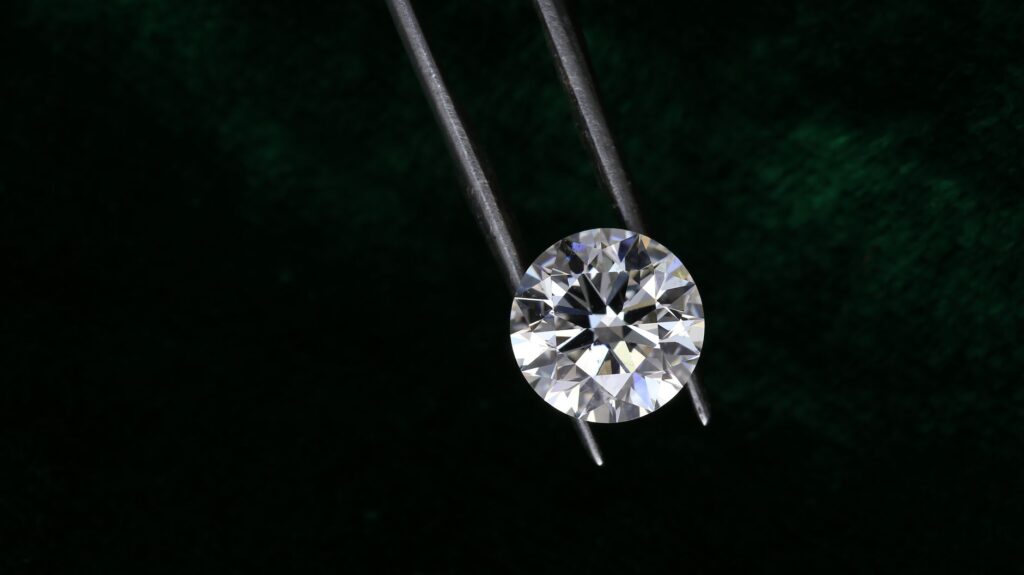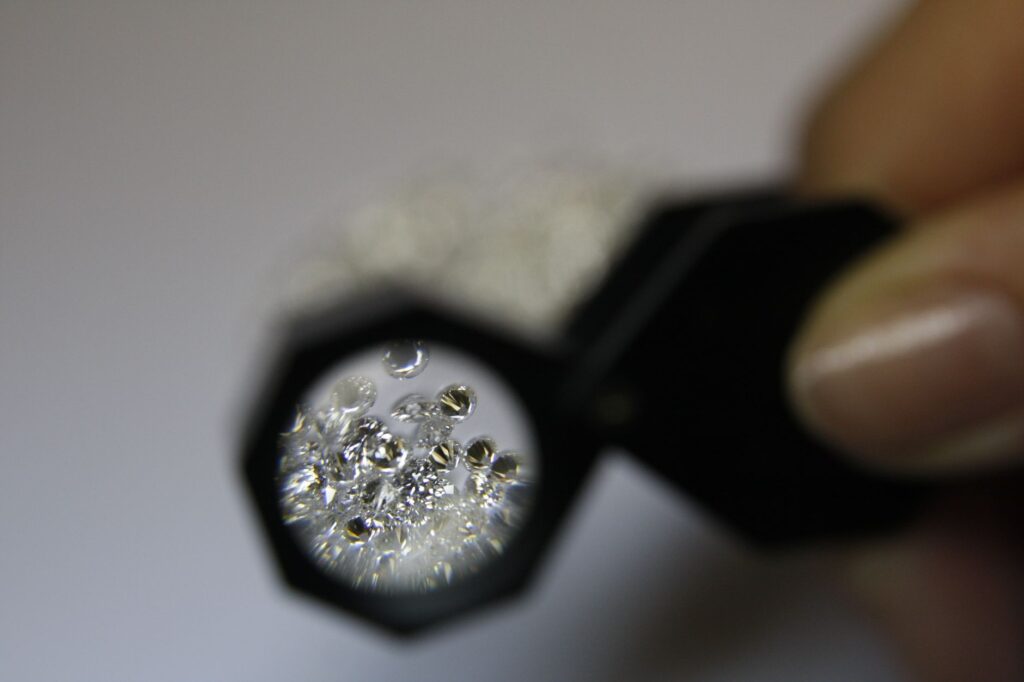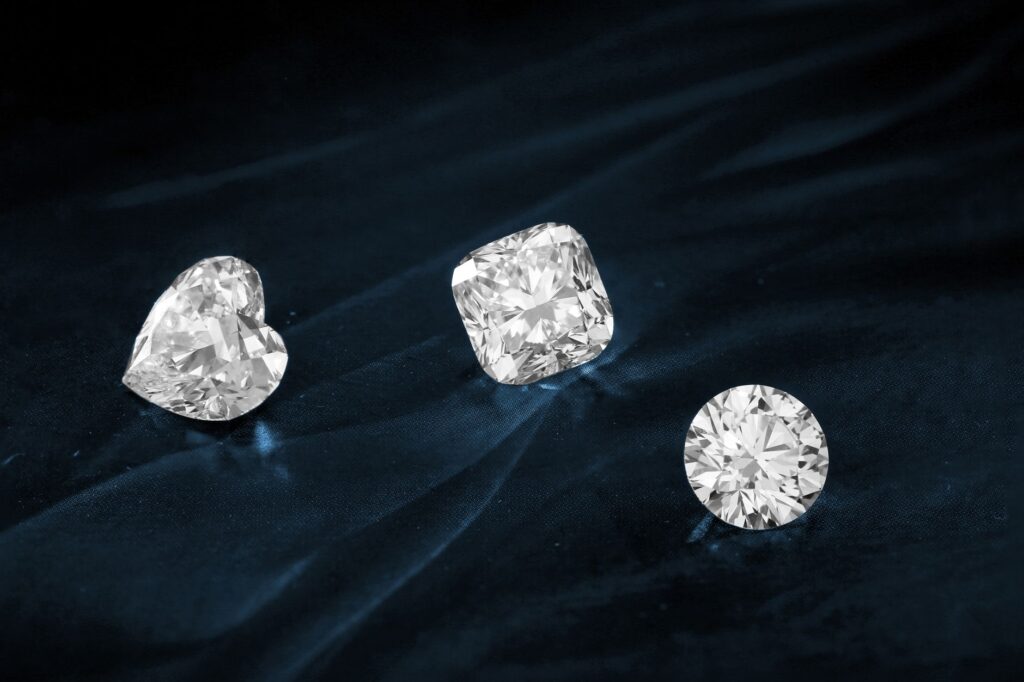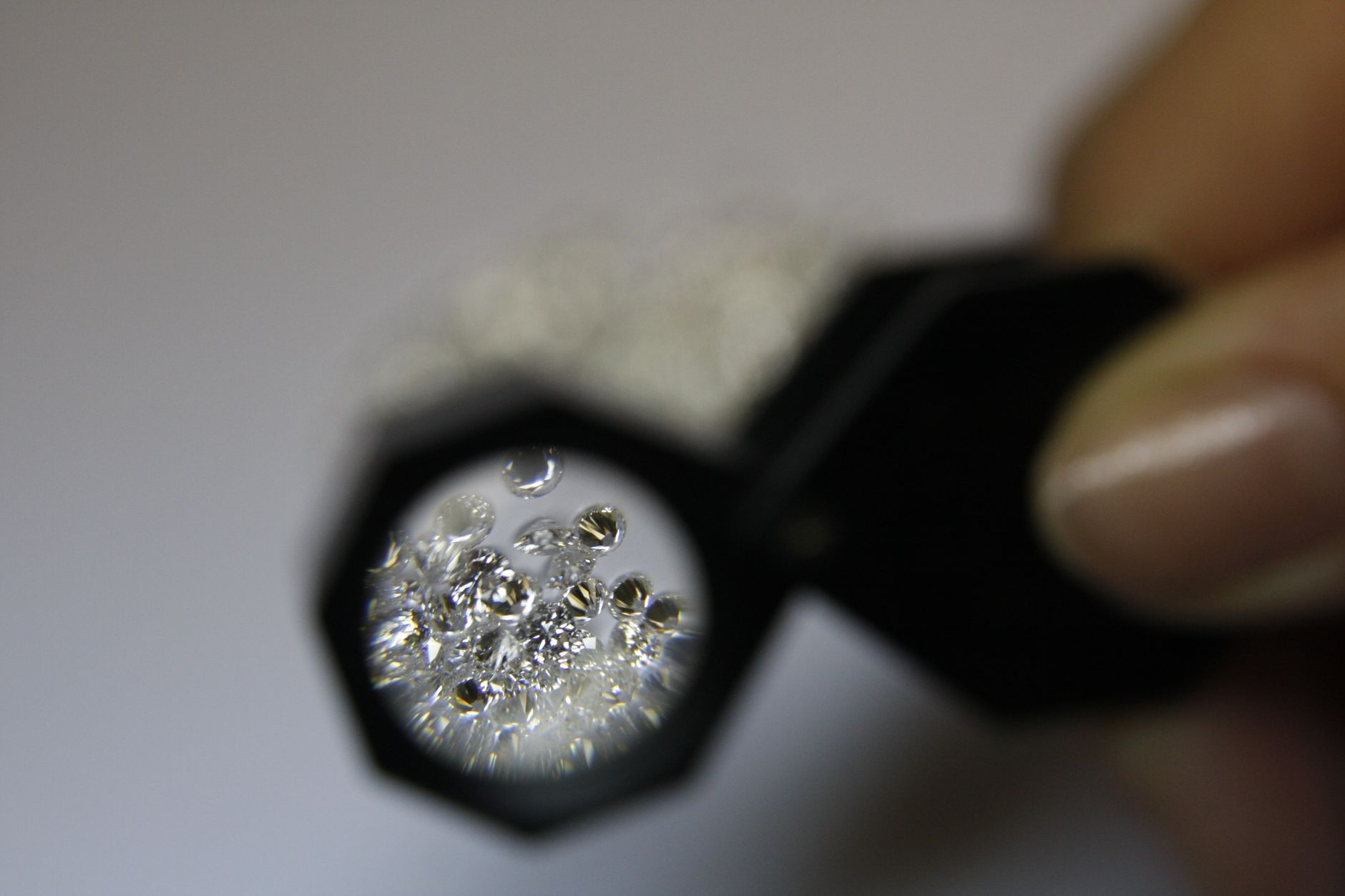
Clarity grades can be misleading if you only look at the letter on the report. A diamond that is labeled I1 may look acceptable in one case and obviously included in another, even when the grade is the same. That is why the practical question is not simply what the grade means, but what you will actually see once the stone is set and worn.
When people ask What Is I1 Diamond Clarity, they are usually trying to answer a more useful question: will the diamond still look attractive in real life, or will the inclusions be obvious? That is the right thing to focus on. Clarity only matters to buyers when it affects appearance, durability, or value.
I1 is one of the lower clarity grades on the diamond grading scale, but that does not automatically make it a poor choice. Some I1 diamonds have visible inclusions that are easy to spot, while others can still look decent from a normal viewing distance depending on the type, size, and placement of the inclusions. In lab grown diamonds, this issue can come up often because buyers sometimes expect very high visual quality at a lower price point.
If you are comparing clarity grades for an engagement ring or another fine jewelry purchase, it helps to understand what I1 really means, what buyers usually see, and when the lower price may or may not be worth the trade-off. Clarity is not just about the lab report. It is about whether the diamond looks clean enough for your expectations and everyday use.
Quick Answer
I1 diamond clarity means the diamond has inclusions that are noticeable under magnification and are often visible to the naked eye. In many cases, an I1 diamond will not be eye-clean, which means you can usually see some kind of flaw without a loupe.
That said, not every I1 diamond looks the same. Some have one obvious inclusion near the center, while others have several smaller inclusions that are less noticeable from a normal viewing distance. The real buying question is not just the grade, but how the diamond looks in person.
For most shoppers, I1 is best approached carefully. It can offer a lower price, but the savings may come with visible clarity characteristics, possible transparency issues, or, in some cases, durability concerns if the inclusions are near the edge or surface.
Understanding I1 Diamond Clarity
Diamond clarity is a measure of how many internal characteristics, called inclusions, and external characteristics, called blemishes, are present in a diamond. The clarity scale typically ranges from Flawless to Included. I1 sits in the Included range, which means imperfections are easier to see than in higher clarity grades.
Grading labs evaluate clarity using magnification and specific viewing standards. That matters because the grade is not based only on whether the inclusion can be seen by the naked eye. It also considers the number, size, location, nature, and relief of the inclusions. In plain English, the grader looks at how many imperfections there are, how big they are, how easy they are to spot, and whether they affect the diamond’s appearance or durability.
With I1 clarity, the diamond has inclusions significant enough to be assigned a lower clarity grade. In practice, that often means the stone may show visible marks, clouds, feathers, crystals, or other internal features that are noticeable without magnification. Some are subtle. Others are obvious.
What the I1 grade means in everyday terms
For a buyer, I1 usually means the diamond is not the safest choice if you want a stone that appears clean and open from normal viewing distances. You may still find an I1 diamond that looks acceptable, especially if the inclusions are small, off to the side, or hidden by the setting. But there is a greater chance of seeing imperfections compared with VS or SI grades.
This is why I1 diamonds are often treated as a value category rather than a premium quality category. The price may be lower, but the buyer needs to be comfortable with visible inclusions or the possibility of a less crisp look.
Why lab grown diamond shoppers ask about I1 more often
Lab grown diamonds often provide a larger size for the same budget compared with natural diamonds. Because of that, many shoppers focus on getting the best carat size and cut quality first, then try to balance color and clarity. In that process, some buyers consider lower clarity grades like I1 to stretch their budget.
That can make sense in some cases, but only if the stone still looks good to the eye. Lab grown diamonds are not automatically different in clarity expectations, although the market often has more lower-clarity inventory available because production is less constrained than mining. That means shoppers may see more price variation and more opportunities to inspect stones carefully.
Why I1 Matters
Clarity matters because it affects what the diamond looks like when worn, not just what appears on a grading report. A diamond is usually judged in real life from arm’s length, in regular lighting, and sometimes in close-up moments when someone is looking at an engagement ring, pendant, or pair of earrings.
I1 becomes important because it can influence three things buyers care about most: appearance, durability, and price. A lower clarity grade might save money, but the savings may be offset if the inclusions are visibly distracting or if the diamond has features that need to be monitored over time.
Some shoppers are willing to accept visible inclusions if it allows them to buy a larger diamond or stay within budget. Others prefer a cleaner appearance and would rather pay more for a higher grade. Neither choice is wrong. The right answer depends on what matters most to the buyer.
Appearance is usually the biggest concern
Most buyers care less about the label itself and more about whether the diamond looks clean and attractive. An I1 diamond can sometimes look fine from a distance, but when viewed up close, the inclusions may be obvious enough to affect the overall impression.
This is especially important in larger stones. As carat size increases, inclusions can become easier to see, simply because there is more surface area and more opportunity for imperfections to show. A 1 carat I1 and a 3 carat I1 may behave very differently in terms of visible clarity.
Durability can also matter
Not all inclusions are just cosmetic. Some can weaken the diamond if they are near the surface or located in a way that creates a risk of chipping. A feather near the girdle, for example, may be more concerning than a small crystal buried deep inside the stone.
That does not mean every I1 diamond is fragile. It means the buyer should not assume all inclusions are harmless. The type and placement of the inclusion matter as much as the grade itself, which is one reason a gemologist’s eye or a detailed report can be useful.
How I1 Affects Appearance
The most practical question is simple: can you see it? With I1 clarity, the answer is often yes, at least under closer inspection. The diamond may still look attractive overall, but there is a higher likelihood that inclusions are visible without magnification.
Some I1 diamonds have one prominent inclusion in the middle of the stone. Others have several smaller inclusions spread throughout the diamond. The first type may look more distracting because the eye tends to notice the center first. The second type may create a softer but still less clean appearance.
Cut quality also affects how noticeable inclusions appear. A well-cut diamond may reflect light in a way that helps disguise small imperfections. A poorly cut diamond can make inclusions stand out more, even if the clarity grade itself is similar.
Eye-clean versus not eye-clean
“Eye-clean” means a diamond looks free of visible inclusions to a person with normal vision at a normal viewing distance, usually around 6 to 12 inches or more. This is not a formal grading term. It is a practical shopping term that helps buyers think about what they can actually see.
Many I1 diamonds are not eye-clean, but some may appear clean from a typical distance depending on the location, size, and nature of the inclusions. If a diamond is not eye-clean, that does not mean it is bad. It simply means the buyer should expect visible characteristics in some lighting or viewing conditions.
For shoppers researching diamond clarity, eye-clean appearance is often more important than the grade on paper. A clean-looking SI1 can be more appealing than an obvious I1, even if the price difference is not enormous.
Transparency and cloudy appearance
Some clarity issues do not show up as a clear dot or line. Instead, they reduce transparency, making the diamond look hazy, milky, or less lively. This can happen when there are many small inclusions, often called clouds, or when the inclusions are arranged in a way that affects light return.
This is one of the reasons I1 diamonds require careful evaluation. A diamond can technically be a lower-clarity stone and still look sharp, but another diamond with the same grade may appear dull or murky. The visual effect matters more than the label alone.
How I1 Affects Value
Clarity and value are closely linked, but not in a simple way. A lower clarity grade usually means a lower price, yet the value depends on whether the price reduction is meaningful compared with the visual trade-off.
I1 may make sense when the discount is large and the inclusions are not too distracting. For example, a buyer might accept a visible inclusion if it allows them to prioritize a better cut or a larger carat weight. That can be a reasonable trade if the final diamond still looks good in everyday use.
However, clarity savings can reach a point of diminishing returns. If the inclusions are obvious enough that the diamond looks noticeably less attractive, the lower price may not feel like good value after all.
When paying less for I1 can be reasonable
I1 can be worth considering when the diamond will be set in jewelry where the stone is viewed from a bit farther away, or when the inclusions are hidden near the edge and not obvious face-up. Some buyers also accept I1 in side stones or secondary jewelry where absolute clarity is less important.
Budget-conscious buyers may also choose I1 if it frees up money for a larger size, a better cut, or a preferred setting. In that case, the decision is not just about clarity. It is about the overall balance of the finished piece.
When I1 may not be good value
I1 is often poor value if the inclusions are easy to see right away or if the diamond has a hazy look that reduces sparkle. In those cases, spending a little more for a cleaner stone can produce a much better-looking result.
This is especially true for engagement rings, where the center stone is often the focal point. If the inclusion is obvious at a glance, the lower clarity may become something the wearer notices every day. That can reduce satisfaction over time.
Common Inclusion Types Seen in I1 Diamonds
Not all inclusions are the same. Two diamonds with the same I1 grade can look very different depending on the type of inclusion. Understanding inclusion types helps buyers evaluate real-world appearance instead of relying only on the grade letter.
| Inclusion type | What it is | Visible to the eye? | Durability concern? | Buyer takeaway |
|---|---|---|---|---|
| Crystal | A mineral crystal trapped inside the diamond | Often yes, especially if large or dark | Usually low | Can be distracting if centered or dark |
| Feather | A small internal fracture | Sometimes yes | Sometimes yes, especially near the edge | Needs attention if it reaches the surface |
| Cloud | A grouping of tiny inclusions | May create haziness rather than a single visible spot | Usually low | Can reduce transparency and sparkle |
| Needle | A thin, long inclusion | Sometimes, depending on size and contrast | Usually low | May be subtle or noticeable under certain lighting |
| Pinpoint | A tiny dot-like inclusion | Usually not by itself, but clusters can show | Low | Often minor unless very numerous |
| Twinning wisp | A wavy internal pattern formed during growth | Can be visible in some stones | Usually low | May affect appearance more than durability |
| Knot | A crystal that reaches the surface | Often yes | Can be a concern | Should be reviewed carefully if exposed |
| Cavity | A small opening or pit in the surface | Usually yes | Possible concern | More of a surface issue than a hidden one |
| Chip | A small piece broken from the surface | Usually yes | Yes | Typically a red flag if not very minor |
Which inclusions matter most to buyers
For most buyers, inclusions that affect appearance are the first concern, followed by those that could affect durability. A dark crystal in the center of the diamond is often more distracting than many tiny pinpoints near the edge. A feather that reaches the surface deserves more attention than a small internal crystal far from the perimeter.
Clouds are often underestimated because they may not look like a single obvious flaw. Instead, they can make the stone appear less crisp overall. That is why two diamonds with the same clarity grade can have very different visual outcomes.
Comparing I1 with Other Clarity Grades
It is easier to understand I1 when you compare it with nearby clarity grades. In real shopping, buyers usually do not compare I1 to Flawless. They compare it to SI2, SI1, VS2, and sometimes VVS1 or VVS2.
I1 versus SI2
SI2 diamonds are also in the Included range, but they are generally a step up from I1 in appearance. Some SI2 stones are visibly included, while others are close to eye-clean. Compared with I1, SI2 often has a better chance of presenting a cleaner face-up look.
That does not mean every SI2 is preferable. A poorly chosen SI2 can still look worse than a well-chosen I1. But if two stones are otherwise similar, SI2 is usually the safer bet for appearance.
I1 versus SI1
SI1 diamonds are often the first clarity grade many buyers consider “safe enough” for a ring because some SI1 stones are eye-clean. Compared with I1, SI1 usually has fewer or less obvious inclusions, and the likelihood of visible imperfections is lower.
That does not mean every SI1 is better than every I1. A particularly strong SI1 can still have a visible inclusion, while a well-chosen I1 might look surprisingly decent. Still, as a category, SI1 generally offers a more reliable eye-clean experience than I1.
I1 versus VS2
VS2 is a much more appearance-focused grade for most shoppers. In many diamonds, VS2 inclusions are difficult to see without magnification and may not be visible at all in normal wear.
Compared with I1, VS2 is usually the safer choice if you want a diamond that looks cleaner and more consistent. Many buyers who initially consider I1 end up preferring VS2 once they see the difference in person, especially for engagement rings.
I1 versus VVS clarity
VVS diamonds have very, very slight inclusions, meaning even under magnification they are difficult to see. For everyday buyers, the practical difference between VVS and VS is often very small, and the difference between VVS and a clean-looking SI1 can be even harder to justify.
Compared with I1, VVS is on the opposite side of the clarity spectrum. However, that does not mean VVS is automatically the best value. Many buyers do not need that level of clarity if the stone is already eye-clean at a lower price point. The real question is whether you can see the difference without magnification.
Side-by-side comparison table
| Clarity grade | What buyers usually see | Eye-clean likelihood | Price impact | Typical buyer fit |
|---|---|---|---|---|
| VVS | Inclusions are extremely difficult to see | Very high | Higher | Buyers who want top clarity, even beyond practical need |
| VS | Usually very clean to the eye | High | Moderate to high | Buyers who want a dependable clean look |
| SI1 | May be eye-clean or may show minor inclusions | Moderate | Moderate | Buyers balancing value and appearance |
| SI2 | Inclusions are often visible | Low to moderate | Lower | Careful buyers willing to inspect stones individually |
| I1 | Inclusions are often visible and may affect appearance | Low | Lower | Budget-focused buyers willing to accept visible characteristics |
Real-World Buying Scenarios
Clarity decisions make more sense when they are tied to actual shopping situations. Buyers rarely buy clarity in a vacuum. They are trying to find the best mix of cut, color, carat, and price.
Scenario 1: VS2 versus SI1 in normal viewing conditions
If you compare a good VS2 and a good SI1, the visible difference may be small or nonexistent from normal viewing distance. That is why many experienced buyers focus on finding an eye-clean SI1 before paying more for VS2.
If the SI1 is clean-looking and the price difference is meaningful, the SI1 may be the smarter value. If the SI1 has a visible center inclusion or slight cloudiness, the VS2 may be worth the extra cost for a cleaner and more dependable appearance.
Scenario 2: Eye-clean I1 versus obvious I1
An eye-clean I1 is uncommon but possible in some stones, especially when the inclusions are small, off to the side, or hidden under prongs after setting. In that case, the buyer may get a lower price without sacrificing appearance too much.
An obvious I1, on the other hand, often shows a noticeable flaw that stays visible even after setting. That kind of diamond is best considered only if the lower price is a deliberate trade-off the buyer fully accepts.
Scenario 3: VVS clarity versus VS clarity for everyday wear
For most everyday shoppers, the difference between VVS and VS is not dramatic to the eye. Both can look very clean in normal use. In many cases, paying extra for VVS does not improve what most people can actually see.
This is why some buyers prefer to prioritize cut quality or size rather than chase extremely high clarity. If the stone is already eye-clean and attractive, moving from VS to VVS may not add much practical benefit.
Advantages of I1 Diamond Clarity
I1 is not without advantages. The main advantage is price. Lower clarity often means lower cost, and that can open up room in the budget for a larger carat weight, a better cut, or a more elaborate setting.
Another advantage is that some I1 diamonds can still look appealing if the inclusions are not in an obvious location. A carefully selected I1 can sometimes provide a good face-up appearance for a buyer who understands what to look for.
I1 can also be useful in certain design contexts. For example, some settings hide the side view of the stone or mask small edge inclusions. In a pendant or earring, the diamond may be viewed less critically than in a center-stone ring.
Disadvantages of I1 Diamond Clarity
The biggest disadvantage of I1 is that the inclusions are often visible. If you want a diamond that looks clean in everyday use, I1 may require more careful shopping than higher clarity grades.
Another drawback is that the same clarity grade can cover a wide range of visual results. One I1 may be acceptable, while another may look obviously flawed or cloudy. That makes consistency a challenge for buyers who want predictability.
Durability can also be a concern with certain inclusion types, especially if a feather, cavity, or chip is near the surface. Even when durability is not a major issue, the buyer still has to accept that the diamond may not have the polished, open appearance of a higher-grade stone.
Buying Considerations for I1 Diamonds
If you are considering I1 clarity, the most important factor is not the letter on the report. It is whether the diamond looks good to you in person or in high-quality images and video. The grade can help narrow the search, but it should not be the only decision point.
Budget and trade-offs
I1 can be attractive if it helps you stay within budget. The key is to decide what you are giving up in exchange. If the savings are small, the trade-off may not be worth it. If the savings are meaningful and the diamond still looks good, I1 could be a reasonable choice.
Many buyers find that stepping from I1 to SI1, or even to a good SI2 in the right stone, offers a better overall balance. That is because the visual improvement can be more noticeable than the extra cost.
Eye-clean priorities
If eye-clean appearance matters to you, inspect the diamond carefully. Ask where the inclusion is located, what type it is, and whether it is visible face-up. Try to view the stone under neutral lighting and at a normal distance, not only under magnified photos.
Eye-clean does not mean perfect. It means the diamond presents well in ordinary use. That is often the standard most buyers actually care about.
Lab grown diamond considerations
With lab grown diamonds, many shoppers expect strong value and may be more sensitive to visible flaws at larger sizes. That makes clarity selection especially important. A lab grown diamond with I1 clarity may be priced attractively, but it still needs to look right in the setting.
Because lab grown diamonds often deliver strong size and color value, some buyers find they do not need to compromise on clarity as much as they first thought. In many cases, moving up to a cleaner stone can be affordable if the buyer is already in the lab grown market.
Inclusion placement matters
Where the inclusion sits is often as important as what it is. A tiny inclusion near the edge may be hidden by prongs or less noticeable face-up. A similar inclusion in the center can draw the eye immediately.
This is one reason two diamonds with the same clarity grade can have very different appeal. Buyers who want a better-looking stone should pay attention to inclusion maps on the grading report and, when possible, actual images or video.
Certification and report details
A diamond grading report can be a useful tool, but it is not a substitute for visual inspection. The report tells you the clarity grade and often shows a map of inclusions. That helps you understand what the grader saw and where the features are located.
If you are reading a diamond certification, look for more than the grade alone. The report may also indicate whether the inclusions are surface-reaching, clustered, or potentially more significant than the label suggests.
Common Buyer Mistakes with I1 Diamonds
One of the most common mistakes is assuming all I1 diamonds are equally problematic. They are not. Some are visibly flawed, while others are less distracting than expected. The only way to know is to evaluate the actual stone.
Another mistake is focusing only on price. A cheaper diamond is not a better value if it looks dull or has an inclusion you will notice every day. Clarity should be judged in the context of how the diamond will actually be worn.
Buyers also sometimes ignore inclusion type and placement. A center crystal is not the same as a tiny edge inclusion. Two I1 diamonds can have very different visual outcomes, and that difference should affect the decision.
Finally, some buyers overestimate how much clarity they need. Paying for VVS when a clean-looking VS or SI1 would look just as good in real life often does not improve the experience. At the same time, going too low on clarity can create disappointment if the inclusions are obvious.
How Experienced Buyers Often Approach Clarity
Experienced buyers usually do not chase the highest clarity grade available. Instead, they try to find the lowest clarity grade that still looks clean enough to them. That approach often produces better value because it avoids paying for invisible improvements.
Many knowledgeable shoppers prioritize cut first, then choose a clarity grade that is eye-clean in the actual stone. In practical terms, that often means considering VS2 or SI1 before moving to lower grades. I1 is typically only selected after careful review of the actual diamond, not just the certificate.
This approach is even more common in lab grown diamonds, where the buyer may be able to secure a larger or better-cut stone without moving into a lower clarity category. Still, if the right diamond happens to be I1 and the inclusions are minor, some buyers may find it acceptable.
Frequently Asked Questions
Is I1 diamond clarity bad?
Not automatically, but it is a lower clarity grade with a higher likelihood of visible inclusions. Whether it is bad depends on how the stone looks in person and whether the buyer is comfortable with the imperfections.
Can an I1 diamond be eye-clean?
Sometimes, yes. It is less common than with higher grades, but an I1 diamond can appear eye-clean if the inclusions are small, well-placed, or hidden by the setting. You should not assume it will be eye-clean without checking the actual stone.
Does I1 affect diamond durability?
It can, depending on the type and location of the inclusion. Internal features like small crystals may not affect durability much, while feathers, cavities, chips, or surface-reaching inclusions can be more concerning.
Is I1 okay for an engagement ring?
It can be, but only if the buyer accepts the clarity trade-off. For a ring worn every day, many shoppers prefer a cleaner grade because they want the center stone to look attractive from all angles and in different lighting.
Why are I1 diamonds cheaper?
They are cheaper because the inclusions are more significant and more likely to be visible. Lower clarity grades usually carry lower demand and lower price points than cleaner stones.
Should I choose a higher color or higher clarity first?
For many buyers, cut comes first, then color and clarity are balanced based on budget. If the diamond is visually appealing and eye-clean, paying extra for a higher clarity grade may not be the best use of money.
Does I1 matter more in lab grown diamonds?
It can, because lab grown buyers often expect strong value and high visual quality. Since lab grown diamonds can be priced more accessibly in higher clarity grades, many shoppers choose to avoid I1 unless the specific stone has been carefully evaluated.
Can the setting hide I1 inclusions?
Yes, sometimes. Prongs, bezel settings, and certain mountings can hide edge inclusions or reduce how noticeable they are. They cannot fully fix a diamond that has an obvious center inclusion or cloudy appearance, though.
Conclusion
I1 diamond clarity means the stone has inclusions that are significant enough to fall into the Included category, and those inclusions are often visible without magnification. For buyers, the most important issue is not the grade itself but the real-world appearance of the diamond.
Some I1 diamonds can still look acceptable, especially if the inclusions are small, off-center, or hidden by the setting. Others look obviously included, cloudy, or less attractive, which can make the lower price less compelling. That is why it is important to evaluate the actual stone, not just the report.
If you are shopping for a diamond, especially a lab grown diamond, the best approach is to balance clarity with cut, color, and budget. In many cases, an eye-clean VS2 or SI1 offers better everyday value than a lower-clarity stone. If you do consider I1, make sure the diamond looks good to your eye, not just on paper.