Diamond cut is one of the most important quality factors a buyer can understand, yet it is also one of the most misunderstood. Many shoppers assume cut refers only to a diamond’s shape, such as round or oval, but in gemology it mainly describes how well a diamond’s proportions, angles, symmetry, and polish allow it to interact with light.
If you are trying to figure out What Is Diamond Cut Grade, the short answer is that it is a quality rating that helps predict how well a diamond will sparkle and look in real life. A strong cut grade usually means better brightness, more balanced fire, and livelier scintillation. A weaker cut grade can make a diamond look dull, dark, or smaller than expected, even if its carat weight is high.
For buyers, cut grade matters because it often has the biggest impact on visual beauty. In many cases, a well-cut diamond will look more impressive than a larger diamond with poor proportions. That is especially important for engagement rings and for lab grown diamonds, where shoppers often compare stones side by side and want the best appearance for their budget.
Quick Answer: What Is Diamond Cut Grade?
Diamond cut grade is an assessment of how well a diamond has been fashioned from its rough crystal into a finished gem. It is not the same as shape, and it is not just about whether a diamond looks round or square. Instead, it evaluates how the diamond’s design and craftsmanship affect the way light enters, travels through, and exits the stone.
For round diamonds, major grading labs such as GIA assign cut grades ranging from Excellent to Poor. These grades help buyers understand how the diamond is likely to perform visually. In everyday terms, the better the cut grade, the more likely the diamond is to look bright, lively, and balanced in different lighting conditions.
Cut grade is especially useful because it helps you compare diamonds that may look similar on paper but perform very differently in person. A diamond with a top cut grade can often appear more brilliant and attractive than a larger stone with a weaker cut. That is why cut is often considered the most important factor for appearance, especially after budget and shape preferences.
Understanding Diamond Cut Grade in Simple Terms
Cut grade is about light performance
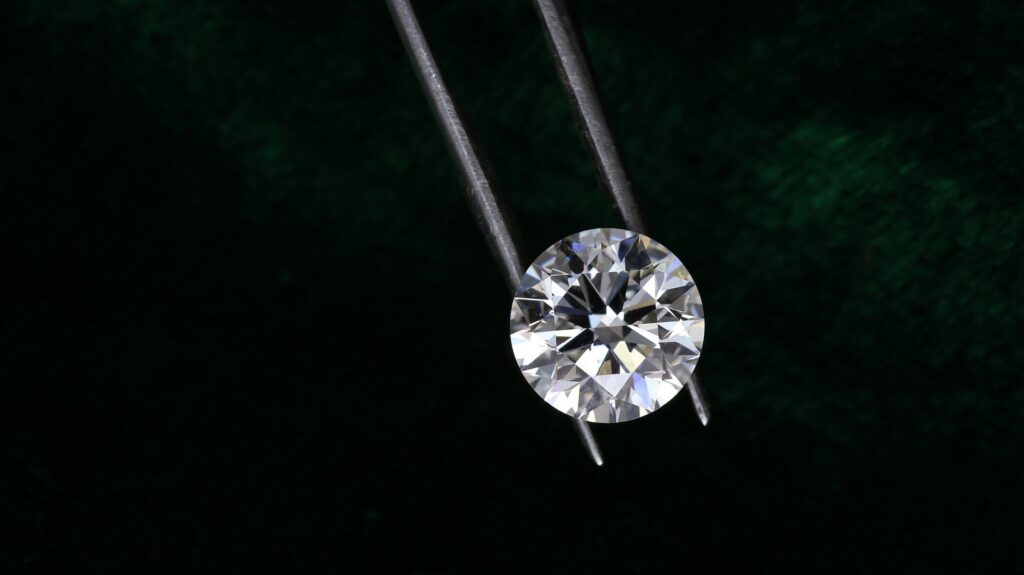
The easiest way to think about cut grade is to think about how a diamond handles light. A well-cut diamond acts like a carefully designed optical tool. It captures light, reflects it internally, and sends it back to your eye in a way that creates sparkle and brightness.
When a diamond is cut too shallow, too deep, or with poorly balanced proportions, light can leak out of the sides or bottom instead of returning to the viewer. That can make the diamond appear less lively. So while cut grade is based on measurements and craftsmanship, the real-world result is what matters most: how beautiful the stone looks when worn.
Cut grade is not the same as diamond shape
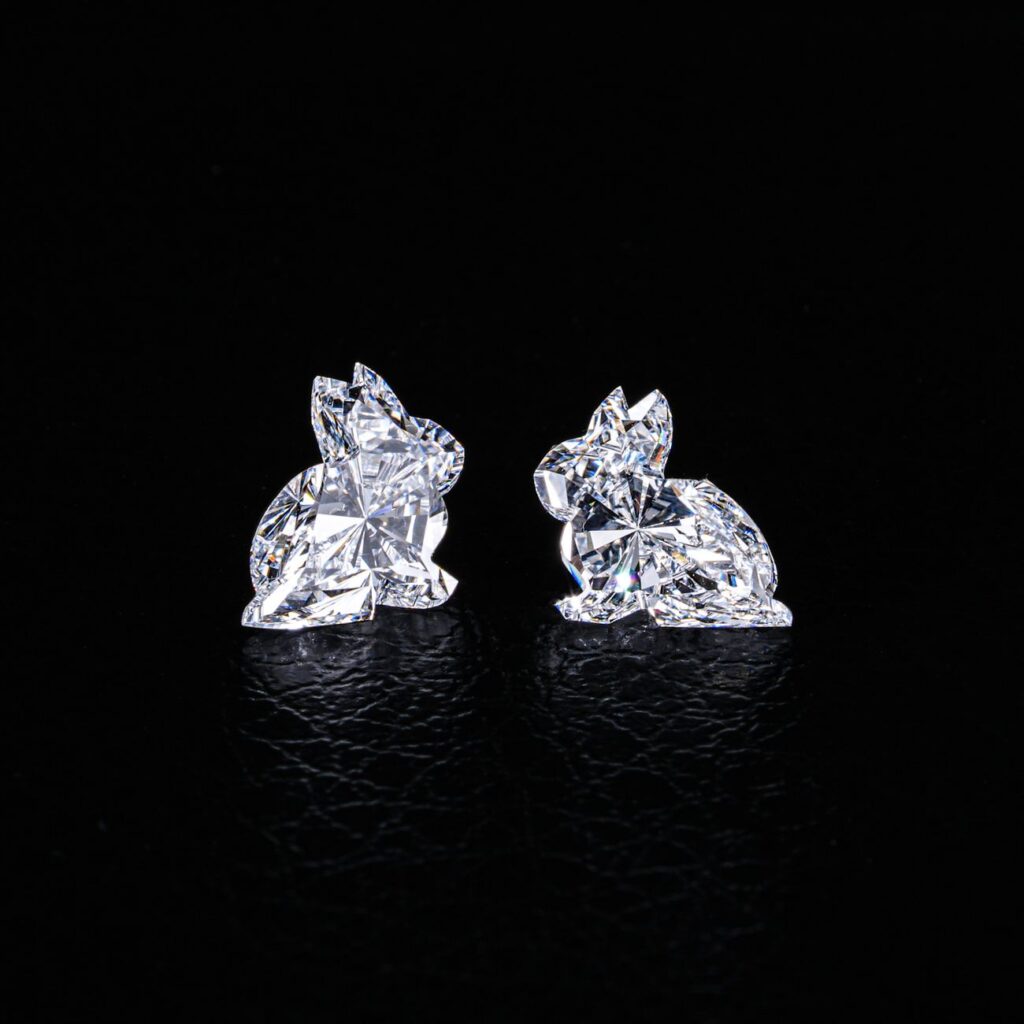
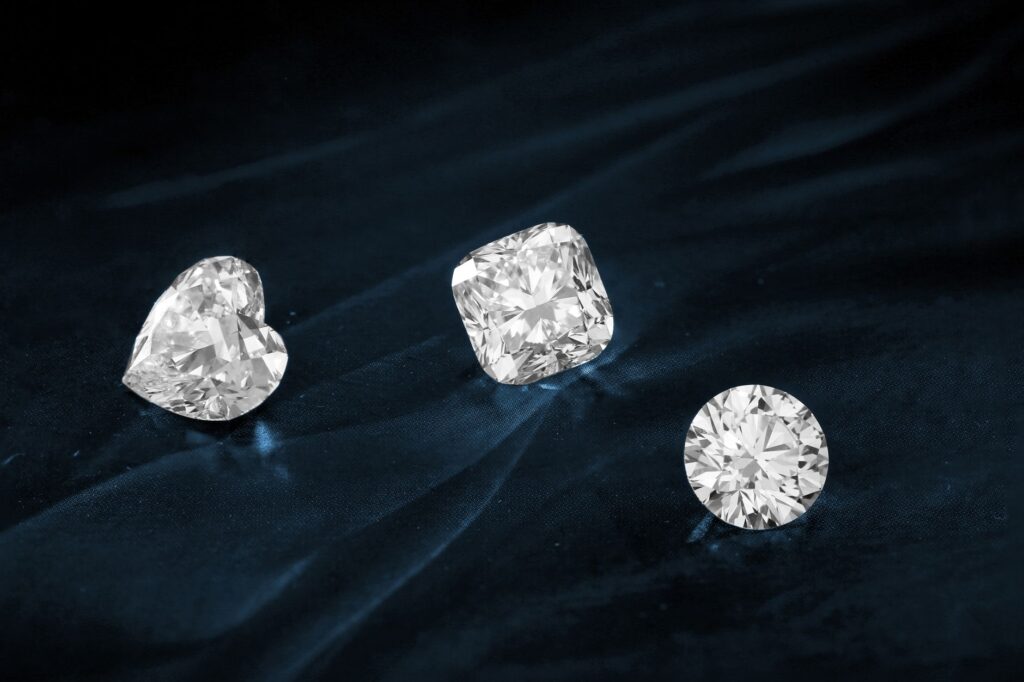
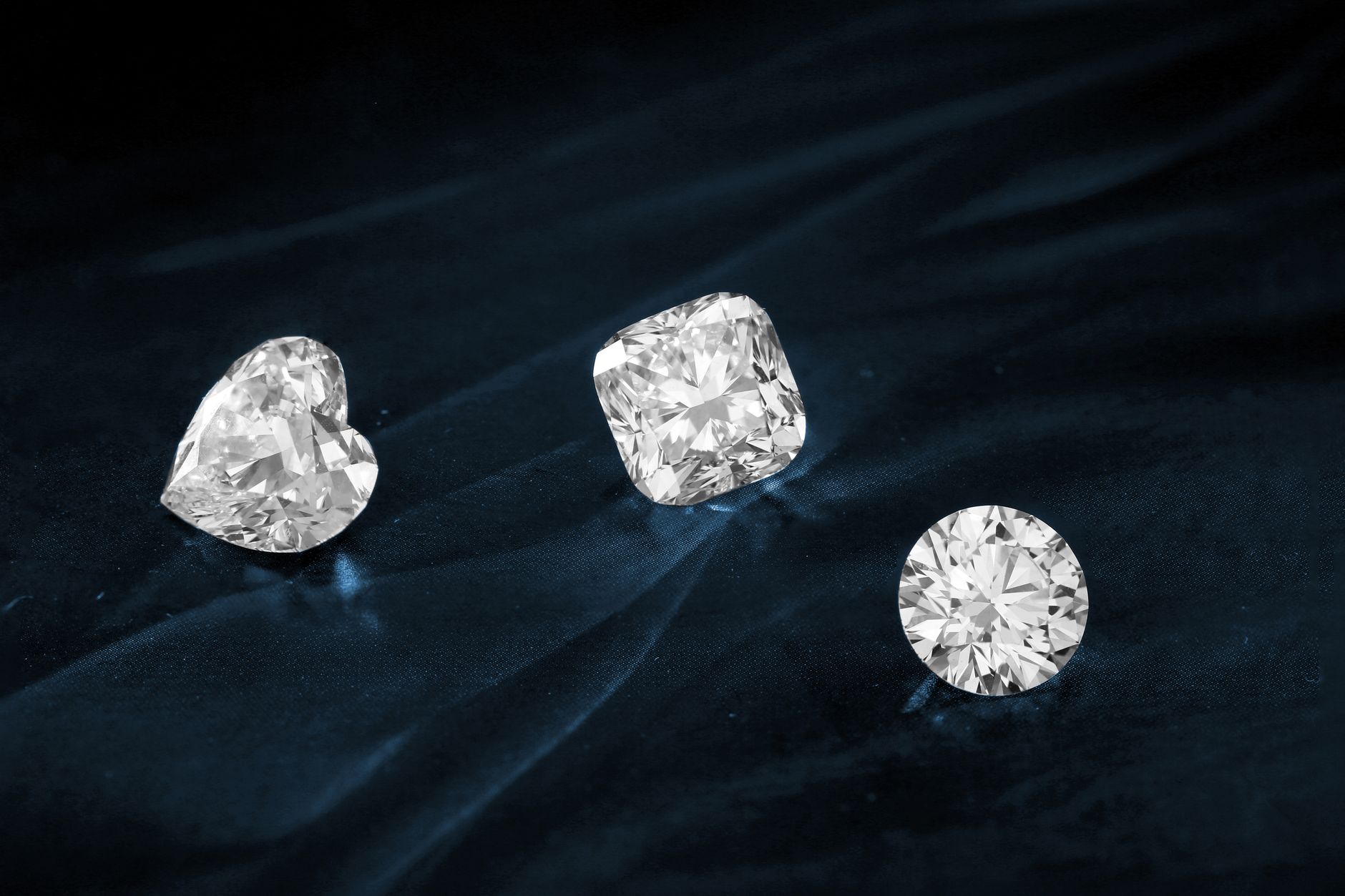
Many first-time buyers confuse cut and shape. Shape refers to the outline of the diamond, such as round, princess, oval, cushion, emerald, or pear. Cut grade, on the other hand, refers to how well that shape has been executed.
For example, two round diamonds may both be round in shape, but one can have a much better cut grade than the other. That difference can affect sparkle, brightness, and overall visual balance. For fancy shapes, the industry often uses different grading approaches, so the term cut grade may be less standardized than it is for round brilliant diamonds.
Cut grade includes more than one factor
Several details go into a diamond’s cut quality. The main ones are:
- Proportions, such as table size and depth
- Symmetry, meaning how precisely the facets match each other
- Polish, which is the smoothness of the facet surfaces
- Facet design, which influences how the diamond returns light
These details work together. A diamond can have excellent polish but still perform poorly if the proportions are off. For buyers, the important point is that cut grade is a combined measure of design and workmanship, not just a single measurement.
How Diamond Cut Grade Is Evaluated
Proportions: the diamond’s internal design
Proportions describe the size relationships of different parts of the diamond. Common measurements include table percentage, depth percentage, crown angle, pavilion angle, and girdle thickness. These measurements matter because they influence how light moves through the stone.
In plain English, proportions help determine whether the diamond will look bright and balanced or dark and inefficient. Buyers do not need to memorize every measurement, but it is useful to know that proportions are a major part of why one diamond looks better than another even if both have the same carat weight.
Symmetry: how precisely the diamond is arranged
Symmetry refers to how accurately the facets line up with one another. If the facets are well aligned, light tends to behave more predictably, which can improve optical performance. Good symmetry also contributes to a cleaner, more polished appearance.
Minor symmetry differences are not always easy to notice with the naked eye, but they can matter more in higher-quality diamonds. Very precise symmetry is especially important in well-cut round brilliant stones because it helps create even sparkle patterns and, in some cases, the crisp visual pattern known as Hearts and Arrows.
Polish: the smoothness of the surface
Polish describes how smooth and well-finished each facet is after cutting. A well-polished diamond allows light to travel cleanly across the surface without being disrupted by tiny scratches or marks left by the cutting process.
For most buyers, polish issues in higher grades are subtle and difficult to see without magnification. Still, polish is part of the overall cut quality picture, and it helps separate a neatly finished diamond from one that is merely acceptable.
Light performance: how the diamond actually looks
Light performance is the practical result of all the above factors. It is the way a diamond returns light to your eye through brightness, sparkle, contrast, and color flashes. Some grading systems and advanced optical tools look directly at light performance because it is one of the best indicators of beauty.
For consumers, light performance is the easiest thing to care about, even if the measurements behind it are technical. If two diamonds have similar carat, color, and clarity, the one with better light performance will usually look more lively and visually pleasing.
Why Diamond Cut Grade Matters
It strongly affects sparkle
When people say a diamond “sparkles,” they are usually noticing a combination of brightness, fire, and scintillation. Cut grade strongly influences all three. A diamond with excellent cut quality tends to throw light back in a more attractive way, creating the lively appearance shoppers usually want.
If cut quality is weak, sparkle can become uneven or muted. The stone may still be attractive, but it is less likely to deliver the crisp, lively look that draws attention in everyday wear.
It can make a diamond look larger or smaller
Cut grade affects face-up appearance, which means how large the diamond appears when viewed from above. A diamond with a very deep cut can hide some of its weight below the surface, making it look smaller than a better-cut diamond of the same carat weight.
That is one reason cut matters so much for buyers who want maximum visual presence. A well-cut diamond can often appear more balanced and more substantial than a heavier diamond with less efficient proportions.
It affects value for money
Cut often provides the biggest visible return on your budget. In many cases, moving from a lower cut quality to a higher one creates a more noticeable visual improvement than upgrading color or clarity by one grade. That does not mean color and clarity are unimportant, but cut is often the first place to focus if you want the diamond to look its best.
For shoppers comparing natural and lab grown diamonds, cut can be even more important because lab grown diamonds often allow you to buy better cut quality within a given budget. That makes it easier to prioritize visible beauty rather than paying extra for attributes that are harder to see.
How Cut Grade Affects Appearance in Real Life
Sparkle
Sparkle is the quick flash you see when a diamond or the viewer moves. A well-cut diamond tends to produce more controlled and frequent flashes, which makes it feel lively. Poorly cut diamonds can sparkle less evenly or look flat in certain lighting.
Most buyers notice this difference immediately when comparing stones side by side. Even in a store with strong lighting, the better-cut diamond usually appears more animated and attractive.
Brilliance
Brilliance is the white light returned by the diamond. A brilliant diamond looks bright and lively, not dark or washed out. Cut grade has a major effect on brilliance because the stone’s proportions determine how much light comes back to the eye.
In a well-cut diamond, brilliance can make the whole stone look more vibrant. In a poorly cut diamond, brilliance may be reduced even if the color and clarity grades are strong.
Fire
Fire refers to the flashes of colored light, often seen as small rainbow flashes. These flashes happen when white light splits inside the diamond. A well-cut diamond can show fire in a pleasing, balanced way, especially in round brilliant stones.
Fire is not always the main feature buyers notice first, but it adds to the overall liveliness of the stone. If proportions are off, fire can become less noticeable or less attractive.
Scintillation
Scintillation is the pattern of sparkle and contrast you see as the diamond moves. It includes the on-off flash pattern that gives a diamond its lively look. Good scintillation usually means a diamond has a pleasing mix of bright and dark areas that change as it moves.
Many experienced buyers and jewelers consider scintillation one of the most important parts of a diamond’s personality. A stone may be bright, but if it lacks contrast and dynamic flashes, it can still feel visually flat.
Brightness and light return
Light return is the amount of light sent back to your eye. Brightness is the visible result of that light return. A diamond with strong light return tends to look more attractive in many lighting environments, not just under jewelry store spotlights.
This is important because some diamonds can look impressive in a display case but less convincing in normal room lighting. Cut quality helps determine whether the diamond still looks beautiful in everyday conditions.
Face-up appearance
Face-up appearance is how the diamond looks when worn and viewed from above. Buyers care about this because that is the angle most people see in real life. A diamond with a strong cut grade usually makes better use of its surface area and visual spread.
Two diamonds with the same carat weight can look noticeably different face up. The better-cut stone often appears brighter, cleaner, and sometimes even larger.
Diamond Cut Grade and the Big 4 Factors
Cut does not exist in isolation. Buyers usually compare it with color, clarity, and carat weight. Understanding how these four factors interact can help you spend your budget more wisely.
| Factor | What it affects most | How buyers usually notice it |
|---|---|---|
| Cut | Sparkle, brilliance, and overall visual performance | Very noticeable in most lighting |
| Color | How white or tinted the diamond appears | More noticeable in larger stones or side view |
| Clarity | Internal marks and surface features | Sometimes noticeable, often not without magnification |
| Carat | Physical size and weight | Very noticeable, especially by size comparison |
For many buyers, cut is the factor most directly connected to beauty. Carat is easy to understand because it relates to size, but size alone does not guarantee a lively or attractive stone. A well-cut diamond of modest carat weight can often look more impressive than a larger but poorly cut diamond.
Cut Grade Standards: What the Grades Mean
Round brilliant diamonds have the clearest grading systems
Round brilliant diamonds are the most standardized when it comes to cut grading. Labs such as GIA provide cut grades that help buyers compare diamonds more consistently. The scale commonly includes Excellent, Very Good, Good, Fair, and Poor.
In practical terms, Excellent cut diamonds are designed to perform at a very high level. Very Good diamonds can also be attractive and often offer strong value. Once you move into Good or lower, the visual trade-offs become more noticeable for most buyers.
Fancy shapes are different
Fancy shapes such as oval, cushion, emerald, pear, marquise, and princess do not always receive the same kind of standardized cut grade as round diamonds. That means buyers need to look more closely at proportions, symmetry, bow-tie appearance, and actual visual performance.
This is especially important for lab grown diamonds, where fancy shapes are very popular. Because grading can be less standardized, two stones with similar paperwork may still look quite different in person.
Excellent is not the only good option
Some buyers assume only the top cut grade is worth considering. That is not always true. In many cases, Very Good cut diamonds can deliver excellent beauty and better pricing, especially when paired with strong proportions and careful visual evaluation.
The right choice depends on your budget, your shape preference, and how much you care about subtle visual differences. For many people, the jump from Poor to Good is dramatic, while the jump from Very Good to Excellent may be more subtle.
What Is Diamond Cut Grade in Lab Grown Diamonds?
Cut grade works the same way for lab grown diamonds as it does for natural diamonds in terms of visual effect. Light still behaves according to the same physics, so a well-cut lab grown diamond will usually sparkle more beautifully than a poorly cut one.
The difference is often in buying strategy. Because lab grown diamonds can cost less than natural diamonds of similar size, many buyers can afford to prioritize better cut quality. That often leads to a more visually impressive stone at the same overall budget.
That said, the same caution applies. Not every lab grown diamond is cut well, and a lower price does not automatically mean better visual quality. Buyers should still review cut grade, proportions, and in some cases real images or videos when available.
Practical Examples Buyers Can Relate To
A well-cut 1.5-carat diamond versus a poorly cut 2-carat diamond
On paper, the 2-carat stone sounds more impressive because it weighs more. But if its cut is weak, it may face up smaller than expected and look less lively. The 1.5-carat diamond with strong cut quality can appear brighter, more balanced, and often more appealing overall.
This is a classic example of why carat should not be judged alone. Many experienced buyers would choose the smaller but better-cut stone if visual beauty matters most.
Excellent cut versus Very Good cut in everyday lighting
In everyday conditions, the difference between Excellent and Very Good can range from subtle to noticeable, depending on the specific diamond. Some Very Good stones perform nearly as well as Excellent stones and may represent strong value. Others have more visible trade-offs in brightness or patterning.
Most ordinary shoppers will not be able to identify tiny grading differences without a side-by-side comparison. What they usually notice instead is whether one stone looks more lively and pleasing. That is why actual viewing, imaging, or trusted expert guidance can be helpful.
Higher clarity with poor cut versus lower clarity with excellent cut
A diamond with high clarity may still look disappointing if its cut quality is weak. The sparkle may be reduced, and the stone may not feel vibrant. Meanwhile, a diamond with slightly lower clarity but excellent cut can look more beautiful because the sparkle draws attention away from minor inclusions.
This is one reason many buyers overpay for clarity when a better cut would have delivered a more visible improvement. For many engagement ring shoppers, the eye is drawn first to light performance, not to microscopic details.
Advantages of Prioritizing Diamond Cut Grade
- Better sparkle and brilliance in daily wear
- More attractive face-up appearance, often with better visual spread
- Stronger long-term satisfaction, because the diamond looks good in a variety of lighting conditions
- Smarter budget use, since cut often creates more visible impact than minor upgrades in color or clarity
- Better comparison shopping, especially when reviewing similar stones side by side
For many buyers, prioritizing cut makes the entire diamond look more refined. That can matter more than small paper differences in other grades. If a diamond is going to be worn every day, visual performance is usually worth serious attention.
Disadvantages and Trade-Offs to Keep in Mind
- Top cut grades can cost more, which may reduce budget flexibility elsewhere
- Some differences are subtle, especially between neighboring grades like Very Good and Excellent
- Fancy shapes are less standardized, so grading alone may not tell the full story
- Buyers can overfocus on cut and ignore factors like color and setting style that also affect appearance
Cut is important, but it is not the only decision that matters. A buyer with a fixed budget may choose to accept a slightly lower cut grade if it allows them to buy the shape, size, or overall look they prefer. The key is understanding the trade-off rather than assuming there is one perfect answer for every shopper.
How to Judge Cut Grade When Shopping
Start with the lab report
If a diamond has a grading report from a respected laboratory, begin there. The report gives a baseline understanding of cut grade and may also provide useful measurements. For round diamonds, this is especially helpful because cut grading is more standardized.
Still, the report should not be the only factor you consider. Two diamonds with the same cut grade can still look different because of variation in proportions, optical precision, and overall craftsmanship.
Look at the proportions, not just the label
Table percentage, depth percentage, crown angle, and pavilion angle can help explain why a diamond performs the way it does. You do not need to become a gemologist, but learning the basics can help you avoid obvious weak stones.
If a diamond has unusually deep or shallow proportions, that may affect its brilliance or spread. When possible, compare those numbers with known best-practice ranges for the shape you are buying.
Use images or videos when available
High-quality photos, videos, and light performance images can reveal more than a grading report alone. They help show brightness, contrast, and how the diamond behaves in motion. This is especially useful for lab grown diamonds and fancy shapes, where visual performance can vary more from stone to stone.
Online images are not perfect, but they can be a valuable second layer of review. A diamond that looks lively in motion is often a stronger candidate than one that only looks good in a static report.
Do not ignore setting choice
The ring setting can influence how a diamond appears. A cathedral setting, halo, or bezel can change the way light enters the stone or how large it appears on the hand. While the setting does not change the diamond’s cut grade, it can influence the overall visual effect.
For buyers comparing engagement rings, cut quality and setting design should be considered together. A great diamond can still look underwhelming in a setting that blocks light or overwhelms its proportions.
Common Buyer Mistakes About Diamond Cut Grade
Prioritizing carat over cut
Many first-time buyers focus on size first because carat is easy to understand. But a large diamond with weak cut quality may look less beautiful than a slightly smaller diamond with excellent cut. Bigger is not always better if the diamond does not return light well.
Assuming all diamonds sparkle the same
This is one of the most common misconceptions. Sparkle is strongly affected by cut quality, and even small differences in proportions can change the way a diamond looks. Two diamonds can have the same carat, color, and clarity yet look very different.
Overpaying for clarity instead of cut
Many shoppers spend more on a clarity grade they cannot see while neglecting cut, which affects visible beauty every day. That can lead to a diamond that is technically cleaner on paper but less attractive in person. For most buyers, a balanced approach usually makes more sense.
Using the certificate as the only shopping tool
A certificate is important, but it is not a substitute for visual evaluation. Reports describe the diamond’s measurements and grades, but they do not fully capture how the stone looks in real lighting. Buyers who rely only on paperwork can miss diamonds that perform much better or worse than expected.
Assuming excellent cut means every stone is perfect
Even within the same cut grade, diamonds can vary. One Excellent cut diamond may have stronger visual balance or more pleasing optical contrast than another. The label is useful, but it does not replace careful comparison.
What Experienced Buyers and Jewelers Often Notice
People who compare diamonds regularly tend to look for more than the headline grade. They often notice whether a diamond looks bright from edge to edge, whether sparkle is evenly distributed, and whether the center appears dark or sleepy.
They also pay attention to how the diamond behaves in different lighting. A diamond that looks great only under strong jewelry-store lights may not be as satisfying once worn daily. That is why seasoned buyers often favor stones that have strong cut quality plus balanced proportions, not just a high-level grade on paper.
Another common observation is that cut can influence emotional response. People often react more strongly to a diamond that feels lively and crisp, even if they cannot explain why. That reaction is usually the result of strong light performance.
Frequently Asked Questions About Diamond Cut Grade
Is diamond cut grade the most important quality factor?
For appearance, cut is often the most important quality factor. It has the strongest effect on sparkle, brilliance, and overall visual life. That said, the “most important” factor still depends on what the buyer values most, such as size, color, or budget.
Does a higher cut grade always mean a better-looking diamond?
Usually, but not always in a dramatic way. Higher grades generally indicate better craftsmanship and better light performance, yet the difference between neighboring grades can be subtle. Visual comparison is still useful.
Can a diamond with a lower cut grade still look good?
Yes, especially if the proportions are still reasonably well balanced. Some Good or Very Good diamonds can look attractive and offer good value. The main concern is avoiding stones where weak cut quality noticeably reduces brightness or spread.
Should I buy only Excellent cut diamonds?
Not necessarily. Excellent cut is a strong standard, but Very Good cut diamonds can also be appealing and may leave room in the budget for other priorities. The right choice depends on your shape preference, budget, and how closely you want to optimize sparkle.
Does cut matter more in lab grown diamonds?
Yes in the sense that the same optical rules apply, and lab grown diamonds can give buyers more room to choose better cut quality for the money. Because lab grown diamonds are often purchased with value in mind, many shoppers focus heavily on cut to maximize visual appeal.
Why do two diamonds with the same cut grade look different?
Because the grade is a summary, not a complete picture. Two diamonds can share a cut grade while differing in specific proportions, symmetry, polish, or optical patterning. That is why side-by-side viewing or visual media can be helpful.
Does cut grade affect durability?
Indirectly, yes. Cut grade is mostly about beauty, but some proportion choices can influence how exposed edges are or how practical the stone is in a setting. However, durability is more directly affected by shape, setting, and girdle thickness than by cut grade alone.
How should I balance cut with color, clarity, and carat?
For many buyers, cut should be one of the first things they protect in the budget. After that, choose the best balance of color, clarity, and carat based on what you can see and what matters most to you. A diamond that looks lively and well-proportioned often feels more satisfying than one that simply has a larger number on the label.
How Diamond Cut Grade Fits Into Smart Buying Decisions
If you are shopping for an engagement ring or comparing loose diamonds, cut grade should be part of a broader visual strategy. Start by deciding the shape you like, then narrow your options by cut quality, then compare color, clarity, and size. This approach helps prevent overpaying for traits that are hard to see while missing the traits that shape everyday beauty.
For lab grown diamonds, this strategy is especially useful because the lower cost can make it easier to prioritize stronger cut. That does not mean every buyer should choose the highest grade available. It means you should understand which trade-offs will actually matter once the diamond is on the hand.
If you are comparing stones online, pay attention to the grading report, the measurements, and any available images or light performance data. If you are shopping in person, view the diamonds in different lighting and look for brightness, even sparkle, and pleasing contrast. Those are the real-world signs that cut quality is doing its job.
Conclusion
Diamond cut grade is a practical way to judge how well a diamond has been made to handle light. It affects the features buyers notice most, including sparkle, brilliance, fire, and overall liveliness. In many cases, cut has a greater impact on beauty than a small change in color, clarity, or carat weight.
If you remember only one thing, remember this: a well-cut diamond often looks more impressive than a larger diamond with weaker cut quality. That is true for both natural and lab grown diamonds. For most shoppers, the best buying decisions come from balancing cut with budget and using real visual performance, not just numbers on a report, as the final guide.