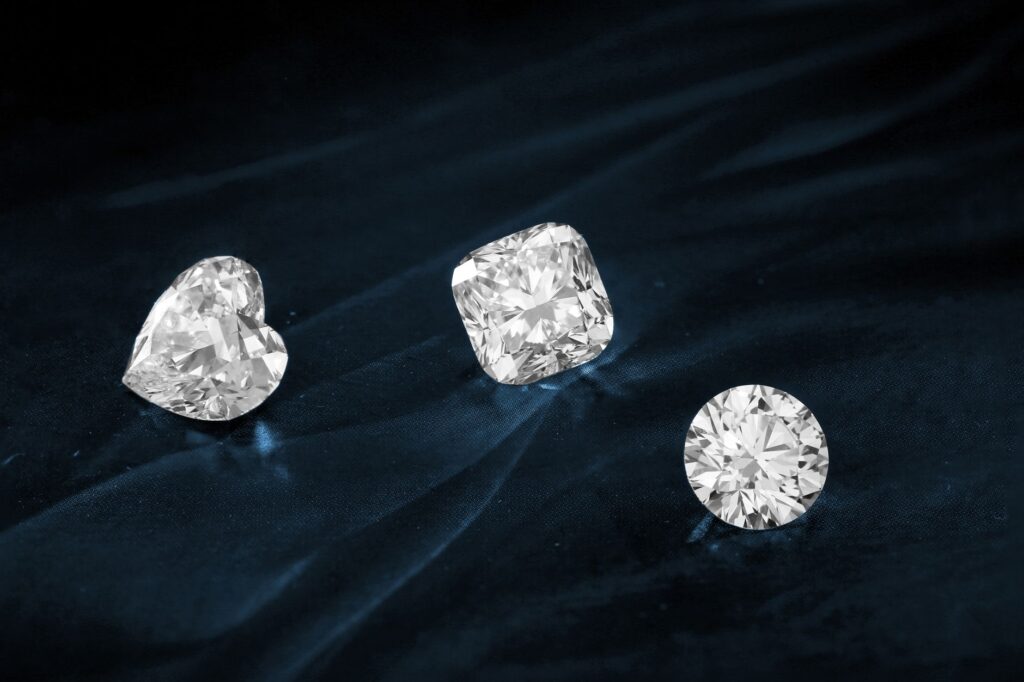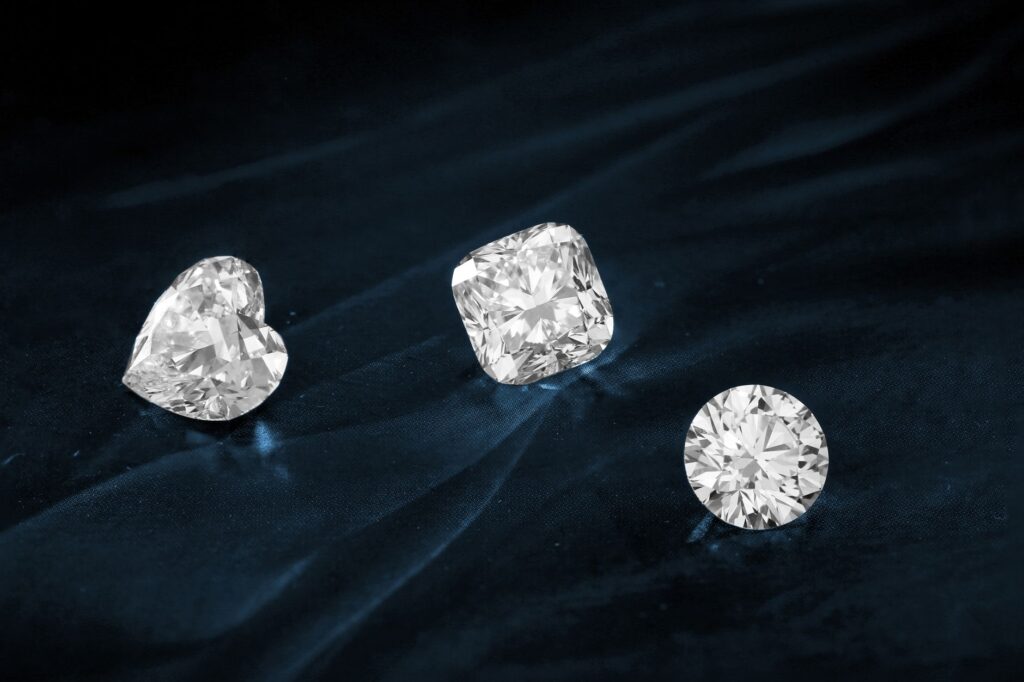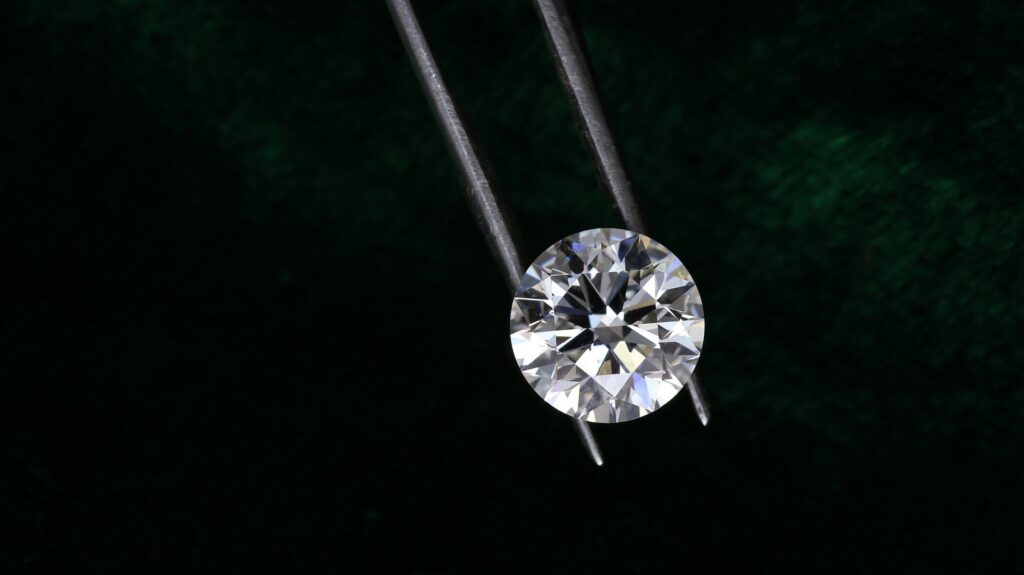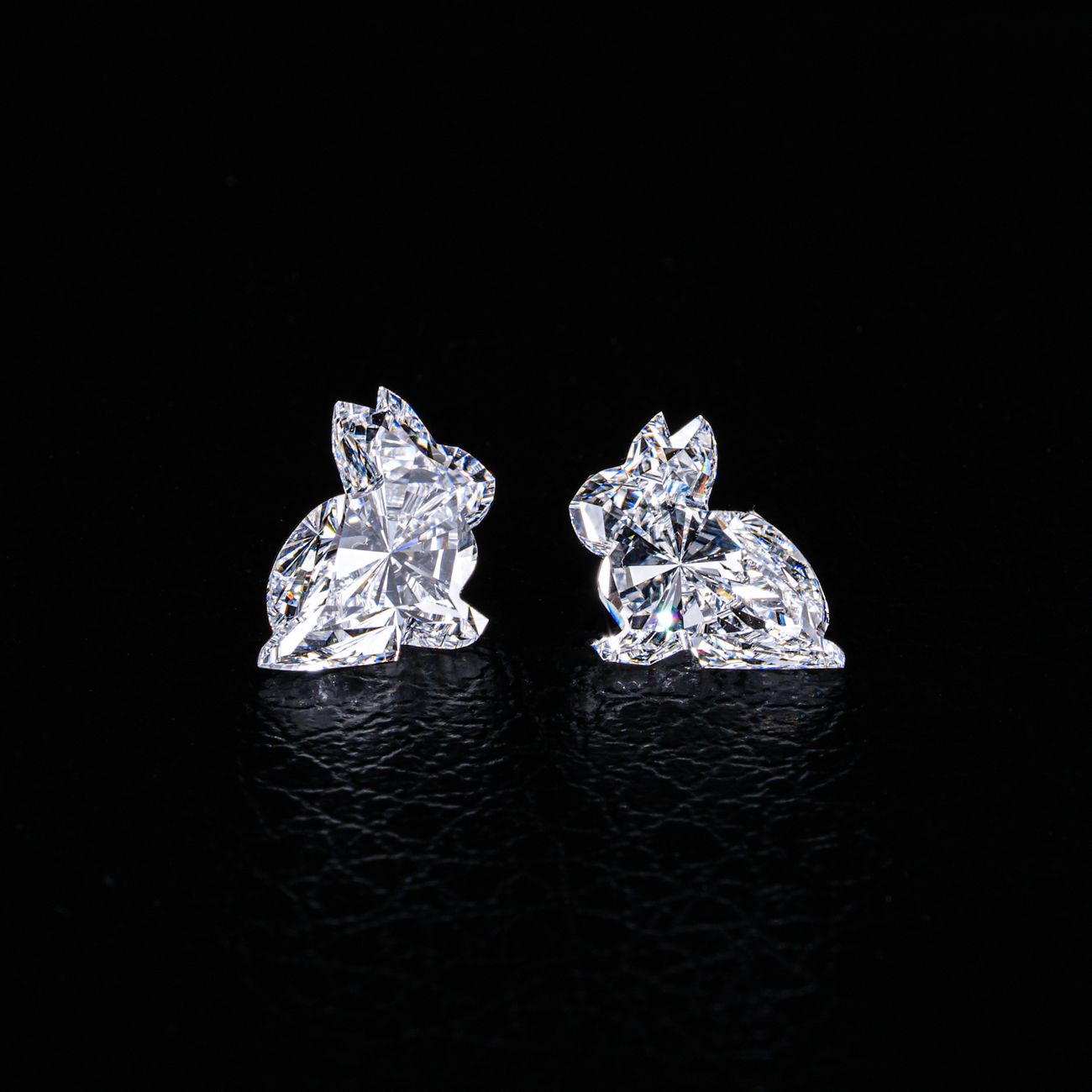
Some diamond buyers spend far more time worrying about clarity than they need to. The better question is usually simpler: can you actually see anything that changes the way the diamond looks?
That is where lab grown diamonds have a real advantage. Because they are created in controlled conditions, they often come to market with fewer visible inclusions than mined diamonds, which means buyers are more likely to find stones that look clean to the eye without paying a premium for rarity alone.
Still, better clarity does not automatically mean better value. The smartest purchase is usually the diamond that looks clean in real life, fits your budget, and does not force you to sacrifice cut quality or overall beauty just to chase a higher grade on a report.
Quick Answer
Lab grown diamonds often have better clarity because their growth process is more controlled than natural diamond formation. That control reduces many of the random inclusions and fractures that commonly appear in mined diamonds, so it is more common to see lab grown stones in the VS and VVS range.
For most buyers, that means you can often get an eye-clean diamond without paying much extra for a higher clarity grade. In everyday viewing, a well-cut VS2 or even some SI1 lab grown diamonds may look just as clean as a VVS stone.
The important part is not the label alone. You still need to consider inclusion type, inclusion placement, cut quality, and certification. A good clarity grade is helpful, but it is only one part of how a diamond performs in real life.
What Diamond Clarity Actually Means
Diamond clarity describes the number, size, location, and visibility of internal features and surface marks. Internal features are called inclusions, while surface marks are called blemishes. Both can affect how clean a diamond looks under magnification and, in some cases, to the naked eye.
Clarity is graded by trained gemologists who examine a diamond under 10x magnification. The better the clarity grade, the fewer or less visible the inclusions generally are. The scale runs from Flawless and Internally Flawless at the top, then VVS, VS, SI, and finally lower grades such as I1, I2, and I3.
For buyers, the most important takeaway is that a grading report is not the same thing as your eyes. A diamond can have inclusions visible under magnification and still appear clean when worn normally. That is why terms like eye-clean matter so much in real-world buying decisions.
Why lab grown diamonds often have better clarity
Lab grown diamonds are made using processes such as HPHT, which stands for high pressure high temperature, or CVD, which stands for chemical vapor deposition. Both methods grow crystal carbon into diamond under carefully controlled conditions.
Because the environment is monitored, manufacturers can reduce many of the random events that create inclusions in natural diamonds. Mined diamonds formed deep in the earth over billions of years, where pressure, heat, and changing geology often left behind tiny crystals, fractures, and other irregularities.
That does not mean lab grown diamonds are perfect. Growth conditions can still create features such as clouds, pinpoints, twinning wisps, or metallic inclusions, depending on the growth method. But overall, the process tends to produce a higher share of cleaner-looking stones.
Why Lab Grown Diamonds Often Have Better Clarity
The biggest reason is simple: controlled growth reduces randomness. In a laboratory setting, the conditions can be managed much more closely than in nature. That makes it easier to limit the kinds of inclusions that appear during crystal formation.
There is also a sorting effect. Once lab grown diamonds are cut and graded, stones with visible inclusions or other issues may be separated into lower-quality categories or reworked. The diamonds that reach retail often represent a filtered group of cleaner stones.
Cost also changes the buying experience. Since lab grown diamonds usually cost less than mined diamonds of similar size and appearance, buyers can often move into higher clarity grades without stretching the budget as much. That does not change the stone itself, but it changes what feels realistic to purchase.
In practical terms, this is why many shoppers notice that lab grown diamonds often look exceptionally clean for the price. The value is not just in the grading itself. It is in how much visible quality is available within a given budget.
How Clarity Is Graded
Clarity is evaluated by looking at what is visible under magnification, usually 10x. Graders assess the type of inclusion, how many there are, how large they are, where they are located, and how much they interrupt the visual appearance of the diamond.
Here is a simple overview of the main grades buyers are likely to encounter:
| Clarity Grade | What It Means | What Buyers Usually See |
|---|---|---|
| FL / IF | Flawless or internally flawless, with no visible inclusions under magnification, or only insignificant blemishes | Usually appears completely clean to the eye |
| VVS1 / VVS2 | Very, very small inclusions that are difficult to see under 10x | Almost always eye-clean |
| VS1 / VS2 | Very small inclusions that are easier to see under magnification | Usually eye-clean, especially in well-cut diamonds |
| SI1 / SI2 | Small inclusions that may be visible under magnification and sometimes to the naked eye | Can be eye-clean or not, depending on the stone |
| I1 and below | Inclusions are generally visible without magnification | Usually not eye-clean |
The important point is that two diamonds with the same grade can still look different. A VS2 with a tiny side inclusion may look cleaner than another VS2 with a dark inclusion under the table. The report helps, but it does not replace visual review.
What Buyers Actually See in Real Life
Most people do not inspect a diamond with a loupe during daily wear. They see it across a table, in store lighting, outdoors, and in photos. In those settings, a lot of clarity differences become far less important than they appear on paper.
This is why eye-clean is such a useful phrase. An eye-clean diamond looks clean to the naked eye in normal viewing conditions. It may still have inclusions under magnification, but those inclusions are not easily noticed in day-to-day use.
In the lab grown diamond market, eye-clean diamonds are common, especially in the VS range. Some SI1 stones are eye-clean too, depending on the type and placement of the inclusion. That means buyers often do not need to pay for VVS or IF clarity just to get a clean-looking stone.
How viewing conditions change what you notice
A diamond can look different depending on lighting and distance. Bright jewelry store lighting may mask minor inclusions because the stone is flashing strongly. Softer indoor lighting can make imperfections a little easier to spot, especially if the inclusion is dark or centrally located.
Distance matters too. At a normal viewing distance, small inclusions often disappear into the overall sparkle of the diamond. When a stone is held very close to the eye, more details become visible, but that is not how most people wear or judge jewelry.
That is why experienced buyers usually think in terms of practical visibility, not microscope-level perfection.
Why cut affects clarity perception
Cut plays a major role in whether inclusions are noticeable. A diamond with strong cut proportions tends to reflect light well, which creates brightness and sparkle. That sparkle can help hide small inclusions and make the diamond appear cleaner overall.
A weakly cut diamond can do the opposite. If the stone looks dull or lifeless, imperfections may stand out more. In other words, a very high clarity grade does not automatically make a diamond look better if the cut is poor.
This is one of the most important practical points for buyers. A well-cut VS2 or SI1 lab grown diamond may look more attractive than a VVS stone with weaker light performance.
Common Inclusion Types and What They Mean
Clarity is not just about how many inclusions a diamond has. It is also about what kind they are. Some inclusions are mostly harmless and invisible to the eye. Others deserve more caution because they can be easier to see or, in rare cases, affect durability.
Feather
A feather is a small internal fracture that can look like a fine white line or a wispy, broken texture under magnification. Small feathers are common and often harmless.
They matter more when they reach the surface, especially near the edge of the diamond. A surface-reaching feather can be a durability concern in a ring that will be worn every day, so buyers should pay attention to its location.
Crystal
A crystal is a tiny mineral trapped inside the diamond during formation. It may appear bright, dark, or opaque under magnification depending on what mineral it is and where it sits.
Small crystals near the edge are often not a concern. A larger crystal under the center of the stone can be more visible, particularly if it is dark in color. Crystals are common in both natural and lab grown diamonds, and a single small crystal is often not a deal-breaker.
Cloud
A cloud is a group of tiny pinpoints that creates a hazy area. Small clouds may be invisible to the naked eye, but denser clouds can reduce transparency and make the diamond look less crisp.
This is one inclusion type where buyers should look beyond the grade. A diamond can have a good clarity label but still look slightly hazy if the cloud is dense enough. That is more of a visual issue than a grading issue.
Needle
A needle is a thin, elongated inclusion that resembles a tiny line. Needles are often very small and usually not visible without magnification.
They generally do not create durability problems on their own. A few needles are usually not something buyers need to worry about unless they contribute to a larger visible pattern.
Pinpoint
Pinpoints are tiny dot-like inclusions. They are among the most common clarity features and are often so small that they are not noticeable without magnification.
Individually, pinpoints are rarely important. A dense cluster, however, can contribute to a cloud or hazy area. In most eye-clean diamonds, pinpoints are simply part of the normal grading landscape.
Twinning Wisp
A twinning wisp is an internal feature related to growth patterns in the diamond crystal. It often appears as a wispy or slightly textured area under magnification.
This feature is especially relevant in lab grown diamonds, where growth patterns can create more noticeable internal structures. Some twinning wisps are completely harmless and invisible to the eye. Others can create a faint cloudy or grainy look if they are dense or centrally located.
Knot
A knot is a crystal inclusion that reaches the surface of the diamond. It is less common in higher-clarity stones, but when present it can be more noticeable than an internal inclusion alone.
Knots deserve attention because they may affect polish or durability in some cases. If a knot is visible or located in a high-wear area, it should be reviewed carefully before purchase.
Cavity
A cavity is a small indentation or opening in the diamond’s surface. It can occur when an inclusion is removed during cutting, leaving behind a tiny pit.
Cavities are worth noting because surface openings can trap dirt and can be more vulnerable than internal features. A small cavity is not always a major issue, but it should not be ignored if it sits in a visible location.
Chip
A chip is a small piece missing from the diamond’s surface. It is usually a damage-related issue rather than a normal growth feature, although small chips can occur during cutting or setting.
Chips can affect both appearance and durability. A visible chip is generally something buyers should avoid unless the diamond has been recut or professionally restored.
How Better Clarity Affects Appearance
Better clarity increases the odds that a diamond will look clean and undistracted, both under magnification and in everyday wear. But the visible difference between grades is often smaller than new buyers expect, especially once the stone is already eye-clean.
The most noticeable improvement usually happens when moving from a diamond with visible inclusions to one without them. After that point, the gains become more subtle. For many buyers, the jump from SI2 to a good SI1, or from SI1 to VS2, is more meaningful than the jump from VS2 to VVS2.
Transparency also matters. A diamond can have an excellent clarity grade and still appear less appealing if it shows haze or strain. That is why actual visual inspection, videos, and trusted certification are so important.
How Better Clarity Affects Value
Clarity affects price, but not in a way that always matches visible improvement. In many cases, the price premium rises faster than the eye can see. That is especially true when comparing eye-clean VS stones to VVS or IF stones.
For most practical buyers, the best value is often in the eye-clean range rather than at the very top of the clarity scale. A well-chosen VS2 or SI1 lab grown diamond can look excellent while leaving room in the budget for stronger cut quality or a larger carat weight.
There are times when paying more for higher clarity makes sense. Some buyers prefer the reassurance of a cleaner grading report, or they are purchasing a larger stone where inclusions may be easier to see. Others simply want the peace of mind that comes with a higher grade.
But if the question is purely visual, the difference between a great VS diamond and a much more expensive VVS stone is often minor. In many cases, the extra money buys rarity rather than a noticeable improvement in appearance.
Where clarity spending starts to deliver diminishing returns
Once a diamond is already eye-clean, each jump to a higher grade usually produces less visible benefit. Moving from VS2 to VVS2, for example, may increase the price without changing what most people see in normal wear.
This is one of the reasons clarity is such a useful place to save money in lab grown diamonds. Since these stones are already more affordable than mined diamonds, buyers can often choose a clean, attractive stone without paying for top-tier rarity that only matters under magnification.
Practical Buyer Examples
VS2 versus SI1 in normal viewing conditions
A typical VS2 diamond has inclusions that are easy to locate under a microscope but usually invisible to the naked eye. A well-chosen SI1 can also be eye-clean, but the inclusion may be a little larger or more noticeable under magnification.
In daily wear, both can look very similar if the cut is strong. The difference is often in consistency. VS2 is usually the safer choice, while SI1 can be the better value if it has a favorable inclusion location.
Eye-clean SI1 versus non-eye-clean SI1
Not all SI1 diamonds are equal. One may have a tiny inclusion near the edge that is impossible to notice in normal wear. Another may have a dark inclusion under the center that is easy to see, even without magnification.
This is why it is risky to buy based on grade alone. Eye-clean matters more than the letter on the report. A good SI1 can be a smart purchase, but a random SI1 without visual review can be disappointing.
VVS versus VS for everyday wear
VVS diamonds have very, very small inclusions that are extremely hard to see under 10x magnification. VS diamonds have slightly more noticeable inclusions under the loupe, but most are still eye-clean.
For everyday wear, the visible difference is usually minimal. The main appeal of VVS is the extra margin of rarity and reassurance, not a dramatic improvement in beauty. If your goal is simply a clean-looking diamond, VS often delivers the same practical result for less money.
Lab grown diamonds with very high clarity grades
One reason lab grown diamonds are popular is that high clarity is often more accessible. Buyers may find VVS and even IF grades at prices that would be unrealistic in natural diamonds.
That can be useful, but it is still worth asking whether the extra grade will change what you actually see. In many cases, once the diamond is already clean to the eye, the higher grade is more about the report than the look.
Advantages of Better Clarity in Lab Grown Diamonds
There are several real advantages to the fact that lab grown diamonds often come with better clarity.
- More eye-clean options are available, especially in VS and VVS grades.
- Better value is possible because higher clarity is less expensive than in many natural diamonds.
- Less compromise on appearance because many diamonds look very clean without a major premium.
- More flexibility when balancing clarity with size, color, and cut.
- More comfort for cautious buyers who prefer a cleaner report and fewer visible inclusions.
These advantages are especially useful for engagement ring shoppers. If you want a diamond that looks polished and refined but do not want to overspend on microscopic differences, lab grown diamonds often make that balance easier to achieve.
Limitations and Trade-Offs
Better clarity is helpful, but it does not solve every diamond buying problem. A diamond can have excellent clarity and still look less appealing if the cut is weak or the color is not what you want.
There is also a practical difference between beauty and resale value. Lab grown diamonds generally cost less upfront, but their resale market is different from that of natural diamonds. Clarity does not change that reality.
Another trade-off is that grading reports can still leave out important visual context. A diamond may have a pleasing clarity grade but still show haze, strain, or an inclusion pattern that is more visible than expected. That is why inspection through photos, videos, and a reliable certificate is still important.
Buying Considerations That Matter Most
Budget
Your budget should guide how much clarity matters. If spending more on clarity means sacrificing cut quality, it is often the wrong trade. In many cases, a well-cut eye-clean diamond will look better than a higher-clarity stone with weaker light performance.
Lab grown diamonds make it easier to reach a satisfying balance. You can often get a cleaner-looking stone without pushing the price too high. Still, it is worth asking whether the money would do more for the diamond if it were used on cut or carat instead.
Eye-clean priorities
If your main goal is a diamond that looks clean in normal wear, eye-clean should be the standard that matters most. That can include VS2, VS1, and sometimes SI1, depending on the individual stone.
For engagement rings, that is usually the most practical benchmark. The diamond will be seen at arm’s length, in motion, and in different lighting conditions. In those situations, tiny inclusions often do not matter much.
Inclusion placement
Where an inclusion sits can be just as important as what type it is. Inclusions under the table are more likely to be noticed than those near the edge. Dark inclusions are usually easier to see than transparent or light ones.
A small inclusion near a facet edge may be a better choice than a similar inclusion directly in the middle of the stone. This is why certificate diagrams and magnified videos are so valuable when buying online.
Lab grown diamond considerations
With lab grown diamonds, clarity is often less restrictive than it is with mined diamonds. That gives you room to focus more on visible beauty than on rarity. For many buyers, that means the sweet spot is somewhere in the VS range or in a carefully selected SI1.
It is still wise to review the full certification. Labs such as IGI and GIA provide important details about the stone, including clarity, cut, color, and growth characteristics. If you are comparing options, it helps to understand diamond certifications as well as diamond clarity.
Long-term satisfaction
The best clarity choice is usually the one that looks good to you and feels appropriate for the price. Some buyers want the peace of mind that comes with a cleaner report. Others are perfectly happy with a well-selected eye-clean SI1 if it saves money without affecting appearance.
Long-term satisfaction usually comes from balance. Most people are happiest when the diamond looks beautiful, fits the budget, and does not feel like they paid extra for a difference they cannot see.
Common Buyer Mistakes
- Overpaying for invisible clarity upgrades when the stone is already eye-clean.
- Ignoring inclusion location, even though placement can matter more than the grade itself.
- Assuming all SI diamonds look the same, when SI stones can vary widely in appearance.
- Choosing clarity without considering cut, even though cut strongly influences how noticeable inclusions seem.
- Buying from the report alone without reviewing photos or videos.
- Assuming higher clarity always means better value, when the visible difference may be very small.
- Ignoring possible durability concerns when an inclusion is surface-reaching or located near an edge.
A more useful approach is to ask a few simple questions. Can I actually see it? Does it affect the way the diamond looks? Could it affect durability? Is the price difference worth it? Those questions usually lead to better decisions than chasing the highest clarity grade available.
How to Judge Whether a Diamond Is Truly Eye-Clean
Eye-clean is a practical term, not a strict grading category. It means the diamond appears clean to the naked eye from a normal viewing distance, usually around 6 to 10 inches or more.
To judge eye-clean status, review the diamond in multiple lighting conditions if possible. Bright showroom lighting can hide imperfections, while softer lighting may reveal them more clearly. If you are buying online, high-resolution videos and magnified images are especially useful.
It also helps to ask where the inclusion is located and what type it is. A small side inclusion is often less important than a similar inclusion directly under the table. The certificate matters, but the visual presentation matters more.
Frequently Asked Questions
Do lab grown diamonds always have better clarity than natural diamonds?
No. They often do, but not always. Lab grown diamonds are produced in controlled conditions, which reduces many common inclusions, but some still have visible imperfections. Natural diamonds can also be very clean in higher grades.
Is VS2 enough for a lab grown diamond?
For most buyers, yes. VS2 is commonly eye-clean and usually offers a strong balance of appearance and price. The exact result depends on the specific stone, but VS2 is often a practical choice.
Can an SI1 lab grown diamond still look clean?
Yes. Many SI1 diamonds are eye-clean, especially if the inclusion is small or placed near the edge. The key is to inspect the individual stone, because SI1 quality can vary a lot.
Should I avoid any inclusion shown on the certificate?
No. Almost every diamond has some inclusion or blemish, even in higher grades. The important question is whether the feature affects appearance or durability. Many inclusions are harmless and not noticeable in daily wear.
Does higher clarity mean better sparkle?
Not directly. Sparkle is influenced much more by cut than clarity. A well-cut diamond can look lively even if it has minor inclusions, while a poorly cut diamond may look dull even at a higher clarity grade.
Is VVS worth paying extra for in a lab grown diamond?
Sometimes, but often not for visual reasons alone. VVS diamonds are extremely clean under magnification, but most buyers will not see a clear difference compared with a well-chosen VS diamond. The extra price is often about rarity and peace of mind.
Can clarity affect durability?
Yes, in some cases. Small internal features usually do not create problems, but surface-reaching inclusions like feathers, cavities, knots, or chips can matter more. If the diamond will be worn every day, the type and location of the inclusion are important.
What clarity grade gives the best value for most buyers?
There is no single answer for everyone, but many shoppers find the best value in the eye-clean VS range or in carefully selected SI1 diamonds. These grades often provide a clean appearance without the steep premium attached to VVS or IF.
Conclusion
Lab grown diamonds often have better clarity because they are created in controlled environments that reduce many of the random inclusions common in natural diamonds. For buyers, that usually means more access to eye-clean stones at a lower price point.
Even so, clarity should always be judged in practical terms. The real questions are whether you can see the inclusion, whether it affects durability, and whether the extra price is worth it. In many cases, a well-selected VS2 or SI1 lab grown diamond offers excellent everyday appearance and strong value.
The best buying decisions usually come from balance. When you weigh clarity alongside cut, color, carat, and certification, you are much more likely to choose a diamond that looks good, fits your budget, and feels right over time.