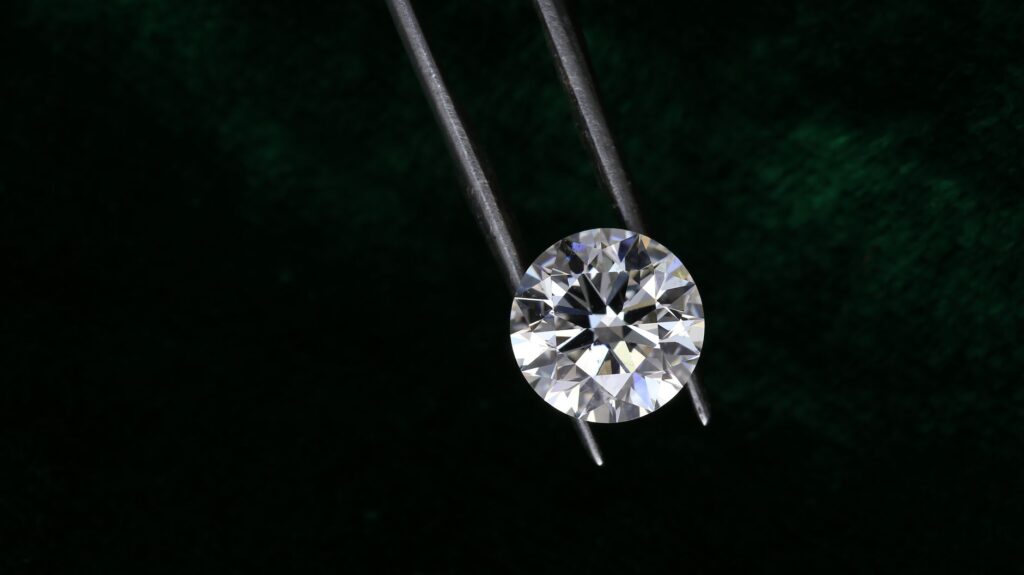
An Old European Cut lab grown diamond combines a vintage-inspired cut style with modern lab grown diamond technology. For many buyers, that makes it an appealing option because it offers the soft, romantic look of an antique round diamond while often coming with more accessible pricing than a mined equivalent.
It is important to understand, though, that an Old European Cut is not the same thing as a modern round brilliant. The shape, facet pattern, and light behavior are different, and those differences affect sparkle, face-up appearance, and how the diamond looks in a ring. If you are comparing an Old European Cut lab grown diamond with other shapes, the details matter.
This guide explains what the shape is, how it performs visually, what to look for when buying one, and how it compares with other popular diamond shapes. It is designed to help you make a practical, informed decision whether you are shopping for an engagement ring or another piece of diamond jewelry.
Quick Answer
An Old European Cut lab grown diamond is a round diamond cut in a vintage style that was popular before modern cutting standards took over. It usually has a smaller table, a taller crown, a larger culet, and chunkier facets than a modern round brilliant.
In practical terms, this means it often looks softer and more romantic than a modern round diamond. It tends to show more visible fire, meaning colored flashes of light, and less of the intense brilliance that modern buyers often associate with “maximum sparkle.”
Because it is lab grown, the diamond itself is created in a controlled environment rather than mined from the earth. That can make it more accessible from a pricing perspective, but the cut style still follows the same visual rules. The shape and faceting are what create the Old European look, not the growth method.
If you are deciding between antique style and modern performance, the most helpful question is simple: do you want a diamond with historic character, or one designed for the brightest, most consistent sparkle? That distinction is more important than whether the stone is lab grown or mined.
What Is an Old European Cut Lab Grown Diamond?
An Old European Cut is a historic diamond style that dates back to the late 19th and early 20th centuries. It was cut by hand or with early cutting tools, long before today’s precision equipment and computer modeling. The goal was to maximize beauty under candlelight and softer indoor lighting, not under the bright LED lighting common today.
When a diamond is described as an Old European Cut lab grown diamond, it usually means the stone has been cut to resemble that antique style, but the diamond material was grown in a lab. In other words, the distinction is between how the diamond was created and how it was cut.
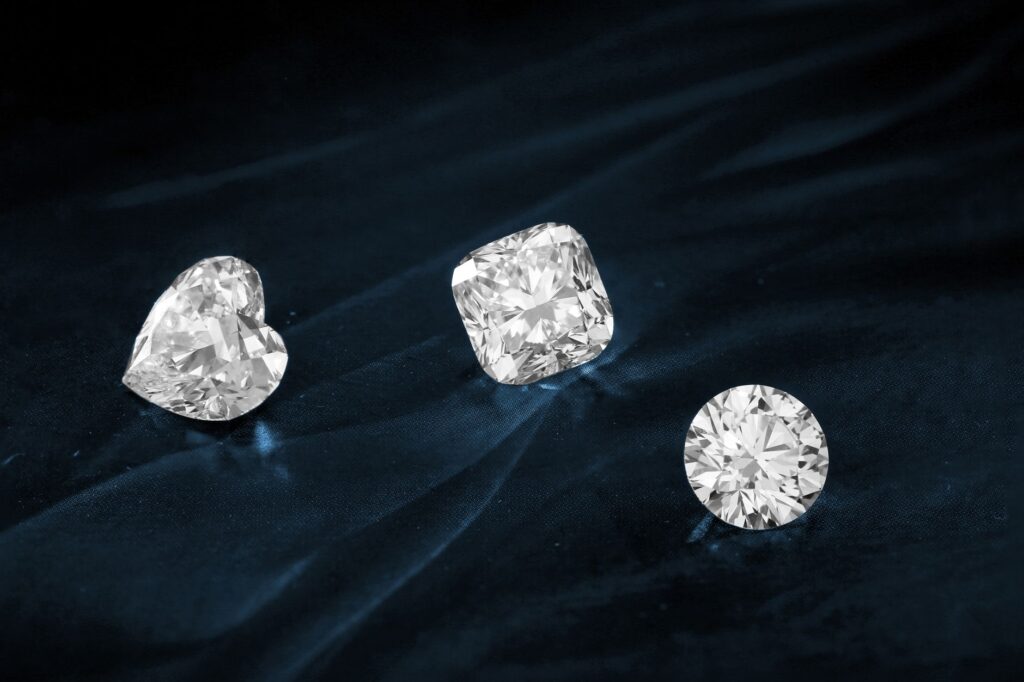
This is an important difference because lab grown diamonds can be fashioned into many shapes, including modern round brilliants, cushions, ovals, pears, emerald cuts, and antique-inspired cuts such as Old European styles. If you want to understand the broader context, it helps to compare this shape with the basics of diamond cut and how cut affects appearance more than many buyers realize.
What makes it “old European”?
The Old European Cut has several recognizable traits:
- A round outline with slightly less precision-perfect symmetry than modern rounds
- A smaller top opening, known as the table
- A taller crown and deeper pavilion
- Chunkier facet structure
- A visible culet in many stones, which is the small facet at the bottom tip
- More emphasis on fire than on pure brilliance
These traits create a distinct look that many buyers describe as vintage, romantic, or softly sparkling. Some people specifically seek this style because it feels different from the sharp, bright look of a modern brilliant cut.
How is it different from a modern round brilliant?
A modern round brilliant is engineered for maximum brightness, scintillation, and light return. It uses a more standardized facet arrangement to create strong sparkle in a wide range of lighting conditions.
An Old European Cut is less about mathematical optimization and more about a classic visual style. It can still sparkle beautifully, but the pattern of light is different. Instead of a highly even, crisp sparkle, you may see broader flashes and a more antique feel.
That difference matters in everyday wear. A modern round brilliant is often chosen for predictable performance across lighting environments. An Old European Cut is often chosen because the buyer prefers a more distinctive personality, even if the diamond is not as uniformly bright.
Key Characteristics of an Old European Cut Lab Grown Diamond
If you are trying to identify or evaluate this shape, the characteristics below are the most important ones to understand. They influence appearance more than the lab grown origin itself.
Round shape with antique proportions
Old European Cuts are round, but they often do not look exactly like modern rounds. The proportions can make the diamond feel a little more open in the center and slightly fuller in the body. That is part of the charm for buyers who want vintage styling.
In engagement rings, this can create a softer profile that pairs well with antique-inspired settings, solitaire mountings, and designs with milgrain or filigree details.
Smaller table
The table is the flat top surface of the diamond. Old European Cuts typically have a smaller table than modern round brilliants. A smaller table often contributes to a more classic, elegant look and can increase the perception of fire.
For buyers, the practical takeaway is that the diamond may not appear as bright and glassy as a modern brilliant, but it may show more colorful flashes when light hits it in certain ways.
Taller crown and deeper pavilion
The crown is the top portion above the girdle, and the pavilion is the lower portion beneath it. In Old European Cuts, these areas are usually more pronounced than in modern rounds.
This affects how the diamond handles light. The taller crown can create a richer visual texture, while the deeper pavilion may reduce face-up spread compared with a modern diamond of the same carat weight. In simple terms, two diamonds with the same carat weight may not look the same size when viewed from above.
Visible culet in many stones
Many Old European Cuts have a small open culet, which is the point at the bottom of the diamond. In older cuts, this was common. In modern diamonds, it is usually minimized or closed.
A visible culet is not necessarily a flaw. It is part of the antique appearance. However, buyers who want a very crisp, modern look may find it unusual. The visibility of the culet can also affect the impression of the center when viewed face-up.
Chunkier facet pattern
Facet patterns refer to the arrangement of flat surfaces cut into the diamond. Old European Cuts generally have broader facets than modern brilliants. This creates larger flashes of light rather than the smaller, more frequent sparkles often seen in modern rounds.
Some buyers love this because it feels more “alive” and less uniform. Others prefer the lively, pinfire sparkle of modern brilliant cuts. Neither is better in absolute terms. The right choice depends on your taste and the jewelry style you want.
How an Old European Cut Lab Grown Diamond Looks in Real Life
Understanding the appearance of this cut helps set realistic expectations. Many first-time buyers expect all round diamonds to look similar, but the difference between a modern round brilliant and an Old European Cut is easy to notice once you see them side by side.
Sparkle style: broad flashes instead of tiny pinfire
The sparkle of an Old European Cut is often described as softer and more romantic. Rather than producing a high volume of tiny, rapid flashes, it tends to create broader flashes of light.
This happens because of the facet structure and proportions. Larger facets reflect light in larger visual segments, which can give the diamond a more old-world appearance. In mixed lighting, the effect can be especially noticeable.
If you are comparing stones in person, pay attention to how they move. A modern round brilliant tends to show more constant twinkle. An Old European Cut may show bigger flashes that turn on and off more slowly as the stone moves.
Fire: often more noticeable than in modern rounds
Fire refers to the colored flashes that appear when white light splits into different colors inside the diamond. Old European Cuts often show stronger or more obvious fire than many modern rounds because of their crown height and facet pattern.
That said, fire is not always the main focus for every buyer. Some people prefer intense white brightness and fast sparkle. Others prefer the look of colored flashes, especially in candlelight, evening settings, or jewelry with a vintage feel.
Brilliance: present, but different from modern brilliance
Brilliance is the white light return that makes a diamond look bright. Old European Cuts can still be brilliant, but the brightness is less uniform than with a modern round brilliant. This difference is part of the antique character.
If your ideal diamond is one that looks very bright and crisp in all conditions, a modern cut may be more suitable. If you want a diamond with personality and historic charm, the Old European style may be more appealing.
Scintillation: larger, slower-moving flashes
Scintillation is the pattern of light and dark contrast as the diamond moves. In Old European Cuts, the flashes may appear larger and less frequent. Some buyers experience this as a more graceful and elegant kind of sparkle.
This also means that an Old European Cut can look quite different depending on the lighting. Under warm indoor light, it may look especially attractive. In bright daylight, the contrast pattern may be more obvious than in a modern round.
Face-up appearance and spread
Face-up size is how large a diamond appears when viewed from above. Because Old European Cuts are often deeper, they can face up smaller than a modern round of the same weight.
That does not make them less desirable, but it is a practical point to consider if size is important to you. Buyers comparing shapes should always look at millimeter measurements, not just carat weight. For a broader understanding, it helps to review diamond carat alongside cut style.
This is one reason lab grown diamonds can be appealing in this category. If a buyer wants the Old European Cut look but also wants a larger visual presence, lab grown pricing may leave room to choose a higher carat weight or more generous dimensions.
Advantages of an Old European Cut Lab Grown Diamond
This cut has a number of strengths, especially for buyers who appreciate vintage design and distinctive light performance.
Distinctive vintage character
The biggest advantage is style. An Old European Cut has a recognizable antique look that stands apart from the standard round brilliant. For buyers who want a ring that feels less conventional, this can be a major advantage.
It often pairs especially well with vintage-inspired settings, which can enhance the overall design rather than competing with it.
Beautiful fire and romantic sparkle
Many buyers are drawn to the colored flashes that this cut can produce. The sparkle is not as aggressive as a modern round brilliant, but it can feel more nuanced and elegant.
That softer character is part of why antique cuts have remained popular with collectors and style-conscious buyers.
Works well in antique and custom settings
Old European Cuts look particularly strong in settings that respect their shape and period style. Solitaire rings, bezel settings, three-stone rings, and vintage-inspired halos are common choices.
This gives buyers flexibility if they want a custom piece with personality. The cut can be a focal point rather than just a source of sparkle.
Lab grown pricing can make the style more accessible
Because the diamond is lab grown, buyers often have more budget room than they would with a comparably sized natural antique-style diamond. That can make it easier to choose a larger stone or a higher color and clarity grade within the same budget.
For buyers comparing options, this can be especially useful if they want the visual appeal of a larger center stone without moving into a much higher price range. It is still wise to compare actual stones, because cut quality and proportions affect appearance significantly.
A distinctive alternative to mainstream shapes
Many shoppers choose round brilliants, ovals, and cushions because they are familiar and easy to compare. An Old European Cut offers a different path. It gives a ring a more collected, intentional look, which can be appealing to buyers who do not want the most common style.
That distinctiveness is not just about fashion. It can also make the stone feel more personal, especially if the rest of the ring design supports the antique character.
Disadvantages and Trade-Offs to Know
No diamond shape is ideal for every buyer. The Old European Cut has some limitations that are worth understanding before you commit.
Less brightness than modern brilliant cuts
If you are used to the lively sparkle of a modern round brilliant, the Old European Cut may seem softer or less intense. That is not a defect. It is a design characteristic.
Some buyers interpret this softness as elegance. Others see it as less sparkle than they expected. Knowing your preference ahead of time can prevent disappointment.
Smaller face-up size for the carat weight
Because these stones are often cut deeper, a one-carat Old European Cut may look smaller from the top than a one-carat modern round. This is one of the most practical trade-offs.
If your priority is maximum visible size, you may want to compare measurements carefully and consider other shapes with better spread.
More variation between individual stones
Unlike some modern cutting styles that are produced with very consistent standards, antique-inspired cuts can vary more from stone to stone. That means two Old European Cuts with the same carat weight may look quite different.
This makes stone-by-stone evaluation important. You should not rely only on the label. Photos, videos, and measurements matter a lot.
Not everyone likes the open culet or antique symmetry
The visible culet and less exact symmetry can be part of the charm, but not every buyer wants those features. If you prefer a clean, modern appearance, the antique look may feel too old-fashioned.
This is why personal style matters as much as technical grade. A diamond can be beautifully cut and still be the wrong aesthetic for the wearer.
Can be harder to compare online without images
Old European Cuts are not always easy to judge from a grading report alone. Online listings that rely only on a basic report can leave out the visual details that matter most, such as the size of the culet, the depth of the crown, and the overall balance of the stone.
For online shoppers, this means videos and actual measurements are especially important. A seller who provides only minimal information is not giving you enough to judge the cut properly.
Who Is an Old European Cut Lab Grown Diamond Best For?
This shape is a strong choice for buyers who value style, history, and visual character over maximum brightness or a purely modern look.
Good fit for vintage-inspired buyers
If you like antique jewelry, Edwardian or Art Deco styling, or romantic details, this cut may suit your taste very well. It feels historically grounded, even when created with modern lab grown technology.
It also works well for buyers who want an engagement ring that does not look like every other round diamond ring.
Good fit for buyers who love fire and soft sparkle
If you notice and appreciate colored flashes more than fast white sparkle, this cut is worth considering. It can look especially beautiful in warm light or in settings with reflective metal details.
For some buyers, this visual personality is exactly what makes the shape special.
Good fit for custom ring shoppers
Because the cut has a strong design identity, it often suits custom rings where the setting is built around the center stone. Designers can use the shape to create a piece that feels tailored rather than standard.
If you are building a ring from scratch, it can help to review both shape and setting together, as the two are closely linked in the final look.
Good fit for buyers who want value flexibility
Lab grown diamonds often allow more room in the budget for size, color, or clarity. That can be helpful if you want an Old European Cut look but also want to prioritize one or two other quality factors.
For example, a buyer might choose a larger lab grown Old European Cut with a higher color grade, while staying within the same budget that a smaller mined diamond would require.
Less ideal for buyers who want maximum modern sparkle
If your priority is a diamond that looks bright, crisp, and lively under almost any lighting, a modern round brilliant is usually a better fit. The Old European Cut is about character, not just performance metrics.
That does not make it inferior. It simply means it serves a different buyer preference.
How It Compares to Other Popular Diamond Shapes
Comparing the Old European Cut to other shapes is one of the best ways to understand whether it is right for you. The differences are not just visual. They also affect how the stone wears, how it photographs, and how large it appears.
| Shape | Look | Sparkle Style | Face-Up Size | Best For |
|---|---|---|---|---|
| Old European Cut | Vintage, round, antique-inspired | Broad flashes, more fire | Often smaller for weight | Buyers who want character and old-world style |
| Modern Round Brilliant | Classic, bright, precise | High brilliance, rapid sparkle | Good spread | Buyers who want maximum sparkle and timeless appeal |
| Oval | Elongated, flattering on the finger | Brilliant sparkle, possible bow tie | Often looks large | Buyers who want length and perceived size |
| Cushion | Soft corners, romantic | Can be fiery or brilliant depending on style | Varies by cut | Buyers who want softness with personality |
| Emerald Cut | Elegant, step-cut, elongated | Subtle, reflective flashes | Can look large and open | Buyers who like clean lines and a refined look |
Old European Cut vs modern round brilliant
This is the most common comparison because both are round. The main difference is in the faceting style and overall visual behavior.
A modern round brilliant is designed for maximum light return. It looks bright, crisp, and lively across many environments. An Old European Cut has a more antique structure, so the sparkle feels softer and more dramatic in its own way.
If you want a modern engagement ring with broad consumer appeal, the round brilliant is still the standard. If you want something more distinctive and historically inspired, the Old European Cut may be more satisfying.
From a buying standpoint, the round brilliant is usually easier to compare because grading and performance expectations are more standardized. Old European Cuts require more visual review, which is one reason they appeal to buyers who enjoy selecting a stone with personality.
Old European Cut vs cushion cut
These two can appeal to similar buyers because both often feel romantic and vintage. However, cushion cuts are typically square or rectangular with rounded corners, while Old European Cuts are round.
Cushions can show a broader range of appearances, from chunky flashes to more crushed-ice sparkle. Old European Cuts are more specifically tied to antique round design. If you want a round shape with a strong vintage identity, the Old European Cut is usually the better match.
Cushions can also appear slightly softer around the edges, which some buyers like for a pillow-like feel. Old European Cuts generally look more formally round and more historically specific.
Old European Cut vs oval
Ovals often look larger than rounds of the same carat weight because of their elongated shape. They also tend to create a flattering, lengthening effect on the finger.
Old European Cuts do not offer that elongation. Instead, they offer symmetry and old-world character. If spread and finger coverage are your top priorities, oval may be the better option. If you want a classic round with antique charm, the Old European Cut has the advantage.
Ovals can also show a bow tie effect, which is a dark area across the center in some stones. Old European Cuts do not have that same concern in the usual sense, although they do rely on their own proportion balance to look appealing.
Old European Cut vs emerald cut
Emerald cuts are step cuts, which means they reflect light in a hall-of-mirrors pattern rather than producing intense sparkle. Old European Cuts are brilliant-style cuts, so they are much more lively.
These shapes serve very different tastes. Emerald cuts are sleek and elegant. Old European Cuts are more romantic and visually textured. A buyer choosing between them should focus on overall style rather than trying to compare them on sparkle alone.
Emerald cuts often show inclusions and color more easily because of their large, open facets. Old European Cuts can also reveal clarity characteristics, but the presentation is different because the faceting is more compact and antique in style.
Important Buying Considerations
When buying an Old European Cut lab grown diamond, the most useful information often comes from actual measurements and visuals, not just grading reports. This is especially true for antique-inspired cuts, where proportions and light performance can vary more than in modern rounds.
Look at millimeter size, not only carat weight
Carat weight tells you how much the diamond weighs. It does not tell you how large it looks from above. Because Old European Cuts are often deeper, two diamonds with the same carat weight can have different face-up sizes.
If size matters to you, ask for length, width, and depth measurements. Comparing those numbers with a standard round brilliant can give you a more realistic sense of visual presence.
Check the culet and symmetry carefully
A visible culet is normal for this style, but you should still judge whether it looks proportionate. Some buyers prefer a noticeable antique culet, while others prefer a subtler appearance.
Symmetry also matters, although you should understand that a perfectly modern symmetry profile is not the goal here. The diamond should still look balanced and attractive, even if it is not engineered like a contemporary ideal-cut round.
Review color in different lighting
Old European Cuts can sometimes show color more readily than modern brilliant cuts because of their larger facets and vintage proportions. This does not mean they are low quality. It means color can be more noticeable, especially in warmer stones.
If you want a bright white appearance, consider a higher color grade. If you are comfortable with a slightly warmer look, you may be able to save money without sacrificing beauty. For more background, a guide to diamond color can help you understand how grading affects appearance.
Do not overlook clarity, especially if the stone is larger
Clarity describes internal characteristics and surface features. In Old European Cuts, inclusions may be easier or harder to see depending on their location, size, and the stone’s larger facets.
Because of this, buyers should look at magnified images and ask whether any inclusions are visible to the naked eye. A useful overview of diamond clarity can help set expectations.
Lab grown diamonds often give buyers more room to prioritize clarity without stretching the budget. That does not mean you should pay for grades you do not need, but it does mean eye-clean options may be easier to find in this category.
Confirm the certification details
Certification is important for any diamond purchase, including lab grown stones. The report should identify the stone as lab grown and provide measurements, color, clarity, and other grading details.
Reputable grading reports give buyers a clearer understanding of what they are purchasing. If you are comparing multiple stones, a guide to diamond certifications can help you understand which lab reports are most useful.
For lab grown diamonds especially, it is wise to confirm whether the report comes from a recognized grading lab and whether the diamond has been clearly identified as lab grown. That helps avoid confusion later if you ever compare the stone with other diamonds or discuss it with a jeweler.
Ask for videos and face-up images
Old European Cuts are visual diamonds. Photographs and video can tell you far more than a grading report about how a specific stone handles light.
Look for images in both indoor and natural light if possible. That gives you a better sense of sparkle style, contrast pattern, and overall personality.
If the seller provides only one lighting environment, ask for more. Antique-style cuts often shift appearance more dramatically than modern brilliants, so a single image is rarely enough.
Consider the setting as part of the design
This cut often looks best when the setting complements its vintage character. A setting that is too modern may clash visually, while a thoughtful antique-inspired design can bring out the diamond’s strengths.
If you are comparing ring styles, it is useful to think about the diamond and the mounting together, not separately. The final look depends on both.
Think about daily wear and maintenance
As with any engagement ring or everyday piece, the setting matters for durability. Prongs that are too exposed or a design with sharp edges can increase the chance of catching on clothing or bumping surfaces.
If the ring will be worn every day, it is worth choosing a setting that protects the diamond while still fitting the vintage style you want.
Common Mistakes Buyers Make
Many buyers make the same errors when shopping for antique-style or lab grown diamonds. Knowing these ahead of time can save disappointment.
Assuming all round diamonds look the same
Round does not automatically mean modern. An Old European Cut is round, but it behaves very differently from a modern round brilliant. If you compare only shape names, you may miss major differences in sparkle and appearance.
Always ask what kind of cut style the diamond has, not just the outline shape.
Focusing only on carat weight
Carat weight is easy to understand, but it is not the best predictor of how large a diamond appears. Old European Cuts can look smaller face-up than expected because of their deeper proportions.
Comparing measurements and viewing the stone from above is often more helpful than chasing a specific carat number.
Ignoring the antique look of the culet and facet pattern
Some buyers fall in love with the idea of an Old European Cut but later realize they wanted something more modern. The open culet and chunkier facets are not minor details. They are core parts of the look.
If you are unsure, compare the shape visually with a modern round and ask yourself which appearance feels more natural for your style.
Not checking how color and clarity appear to the eye
Laboratory grades are useful, but visual performance matters more. A diamond with a technically good report can still show a warmer tone or visible inclusion if the proportions and lighting reveal it.
For lab grown diamonds, this is particularly important because buyers often have access to higher color and clarity within budget. That advantage is best used wisely, not assumed.
Buying without considering the setting
Old European Cuts can look beautiful in the wrong setting, but they usually look much better in a setting that respects their style. Ignoring the mounting can make the whole piece feel mismatched.
Before buying, think about whether you want antique, transitional, or modern styling around the stone.
Overlooking resale expectations
Some buyers assume every diamond will hold value in the same way. That is not realistic. Lab grown diamonds, including antique-style lab grown stones, generally have different resale behavior than natural diamonds.
If resale value matters to you, it should be part of the decision from the beginning rather than an afterthought.
How Lab Grown Origin Affects the Buying Decision
The lab grown origin does not change the shape’s visual style, but it does affect the practical side of buying. Many shoppers choose lab grown diamonds because they can often prioritize size, color, and clarity within a lower budget than a comparable mined diamond.
That can be helpful if you want an Old European Cut with strong visual appeal and a more accessible price point. It may also allow you to choose a better color grade or a larger carat weight than you could otherwise afford.
At the same time, buyers should keep expectations realistic. Lab grown diamonds generally have different resale dynamics than natural diamonds, and market value can vary. If long-term resale is a priority, it is worth understanding the trade-offs before deciding. You can also review diamond pricing to see how cost is influenced by shape, size, origin, and cut style.
Another practical point is availability. Lab grown Old European Cuts may be less common than standard modern rounds, so it is worth comparing several stones rather than assuming the first one you find is the best option.
Where Old European Cut Lab Grown Diamonds Work Best
This cut is especially strong in jewelry where the goal is visual character rather than maximum modern brilliance.
Engagement rings
It can make a beautiful engagement ring center stone, especially for buyers who want a vintage-inspired design. It is less common than a round brilliant, which can make the ring feel more personalized.
However, it is best suited to someone who appreciates antique style. A buyer who wants a very bright, contemporary round ring may not enjoy it as much.
Three-stone rings
An Old European Cut can work well in three-stone rings, especially when the side stones are chosen to match the vintage feel. The center stone becomes the focal point without needing an overly elaborate setting.
Pendant necklaces
In pendants, the antique charm of this shape can be especially appealing because the stone is viewed more statically. Its fire and vintage profile can show very nicely in a simple, elegant design.
Heirloom-style or custom jewelry
For custom jewelry meant to feel distinctive, this cut can be a strong choice. It gives designers a starting point that already has a defined personality.
It can also work well in heirloom-inspired jewelry where the aim is to create a piece that feels like it has history, even if it was made recently.
Frequently Asked Questions
Is an Old European Cut lab grown diamond the same as an antique diamond?
Not necessarily. An actual antique diamond would have been cut during the historical period when Old European Cuts were originally produced. A lab grown diamond can be cut in the Old European style, but the material itself is modern and grown in a lab.
Does an Old European Cut sparkle less than a modern round brilliant?
Usually, yes, if by sparkle you mean bright, rapid, uniform brilliance. But it often shows more visible fire and larger flashes of light, which many buyers find attractive in a different way.
Will an Old European Cut look smaller than other diamonds of the same carat weight?
It can. The deeper proportions often mean less face-up spread than some modern cuts. That is why measuring the stone in millimeters is important.
Is clarity more important in an Old European Cut?
It can be, depending on the stone. Larger facet structures may make some inclusions easier to notice, especially if they are near the center. Eye-clean appearance matters more than relying only on the grade.
What color grade should I choose?
That depends on how white you want the diamond to appear and what metal color you are using. Higher color grades can help preserve a crisp appearance, but some buyers like the warmer look that can suit antique styling.
Is this shape good for everyday wear?
Yes, if it is set securely and you are comfortable with the style. As with any diamond ring, durability depends more on the setting and how the piece is worn than on the cut style alone.
Are Old European Cut lab grown diamonds common?
They are less common than modern round brilliants and many other mainstream shapes. That relative rarity can appeal to buyers who want something more distinctive, but it also means you may need to compare more carefully from stone to stone.
Should I choose this cut if I want the biggest-looking diamond for my budget?
Not usually. Because Old European Cuts often have deeper proportions, they may face up smaller than some other shapes at the same carat weight. If visual size is your top priority, compare spread carefully before deciding.
Conclusion
An Old European Cut lab grown diamond is a round diamond with a distinctly vintage personality. It offers a softer, more romantic sparkle than a modern round brilliant, with broader flashes, often stronger fire, and a look that feels tied to antique jewelry design.
For the right buyer, that combination is a real advantage. It can be especially appealing if you like historic styling, value character over maximum brightness, and want the pricing flexibility that lab grown diamonds can provide.
The trade-offs are equally important. These stones often face up smaller for their carat weight, may show color and clarity more readily than some modern cuts, and will not deliver the same crisp brilliance as a modern round brilliant. That does not make them better or worse. It simply means they serve a different aesthetic.
If you are considering this shape, focus on how the stone looks in real images, how it measures, and whether the antique style matches the person who will wear it. A well-chosen Old European Cut lab grown diamond can be a distinctive and elegant choice, especially when the buyer understands its visual character and practical buying factors.