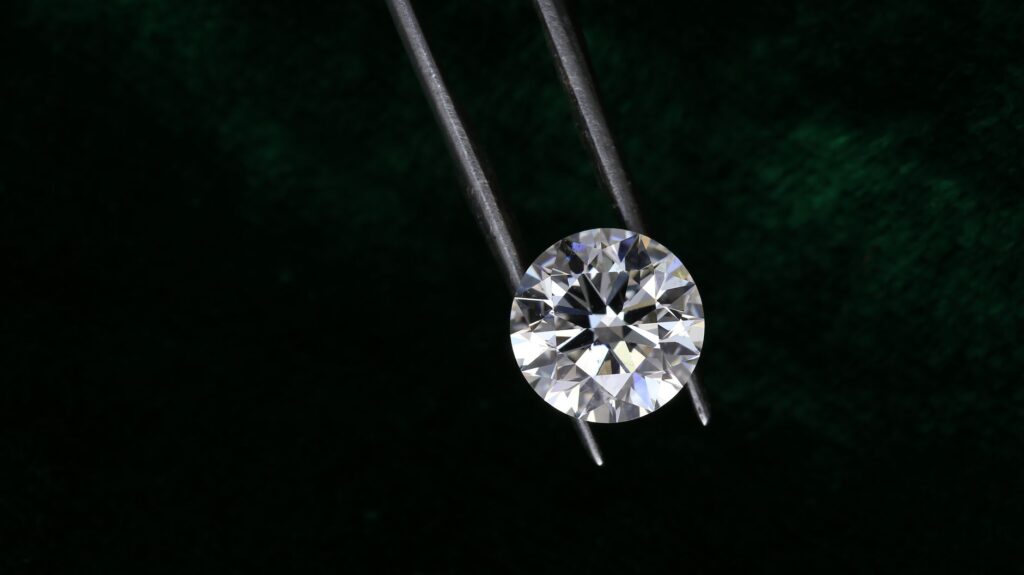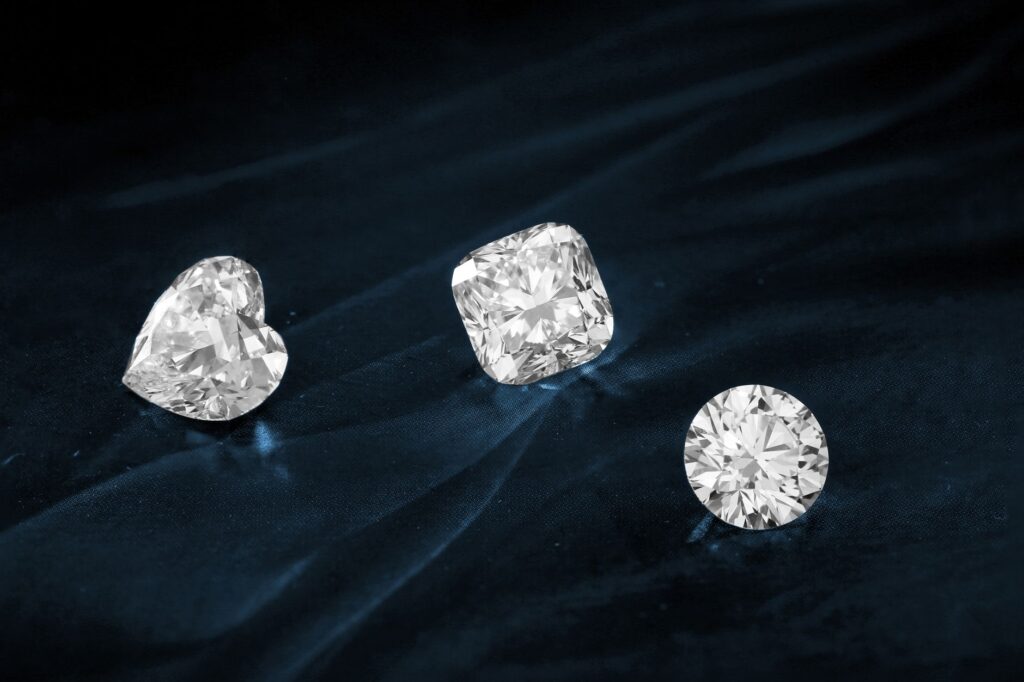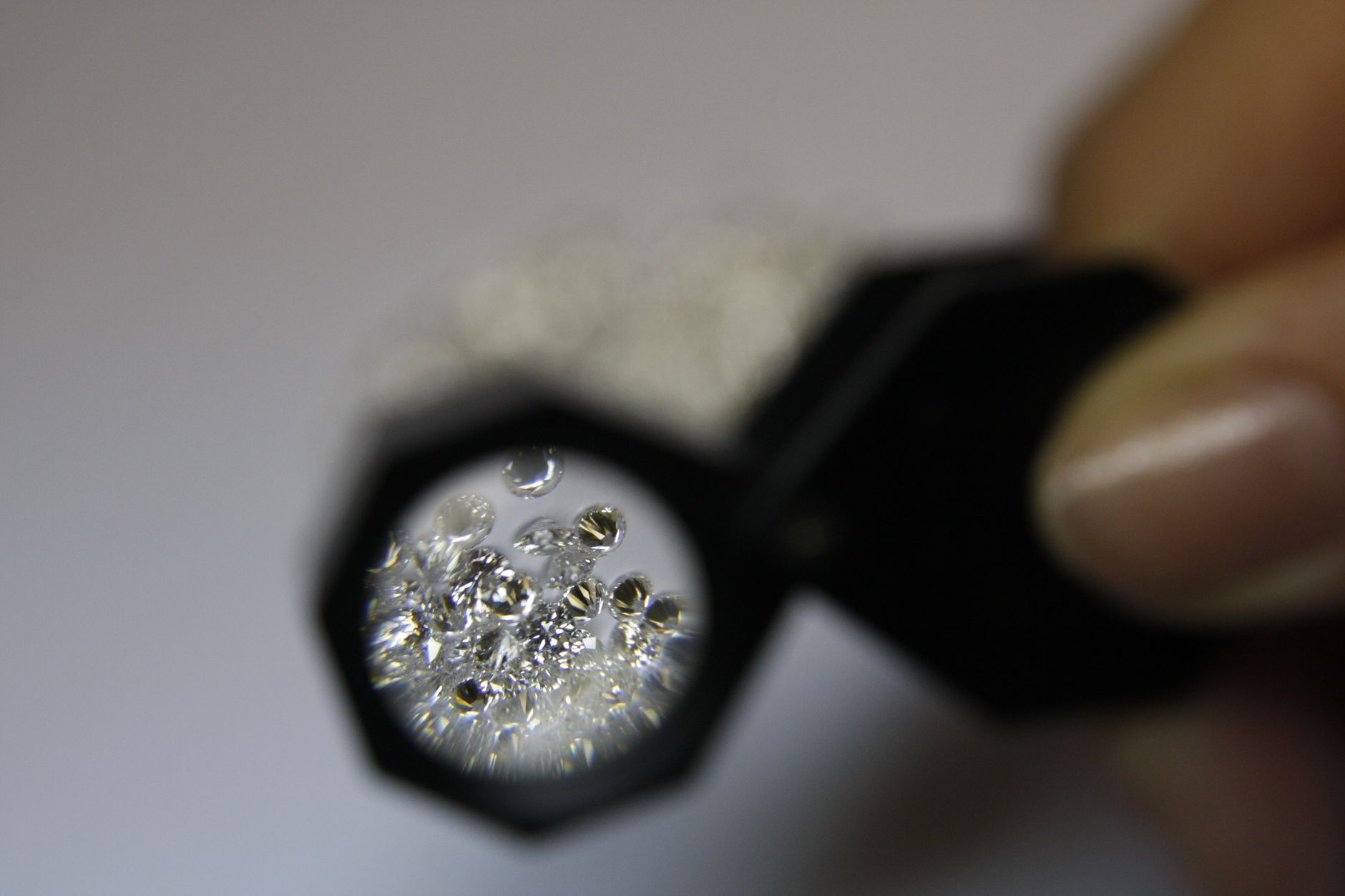
Diamond polish is one of the finishing details that helps determine how a diamond handles light and how clean its surface looks under magnification and everyday viewing. If you are comparing diamonds and trying to understand why two stones with similar size and color can look a little different, polish is worth knowing about. It is especially relevant when shopping for lab grown diamonds, where buyers often compare several high-quality stones and want to know which grading factors actually matter most.
In simple terms, polish refers to how smooth and polished the diamond’s facet surfaces are after cutting. A well-polished diamond has fewer microscopic surface marks, which can improve the way light moves across the stone. While polish is not the same thing as cut quality, it is part of the overall finish that contributes to a diamond’s appearance.
Quick Answer: What Is Diamond Polish?
Diamond polish describes the quality of the diamond’s surface finish. It is graded by gemological laboratories after the diamond has been cut and faceted. A higher polish grade means the facet surfaces are smoother and better finished, while a lower grade means there may be more tiny surface blemishes left from the polishing process.
For most buyers, polish matters, but usually less than cut proportions, symmetry, and overall light performance. In many cases, a diamond with Very Good or Excellent polish will look essentially the same to the naked eye. Lower polish grades can sometimes affect brightness and sharpness of reflection, but the difference is often subtle unless the finish is poor or the diamond is examined closely.
When you are deciding whether a diamond is worth the price, polish should be viewed as one part of the quality picture rather than the main deciding factor. It is important, but it usually does not create the same visible impact as cut grade or clarity to the unaided eye.
What Diamond Polish Means
Polish is the final smoothness of the diamond’s facet surfaces. During cutting, each facet is shaped and then polished so it can reflect light cleanly. If the polishing is done well, the surface becomes very smooth and highly reflective.
Gemological laboratories grade polish based on how noticeable the surface imperfections are. These imperfections are usually extremely small and can include faint lines, tiny scratches, or minor abrasions. They do not mean the diamond is damaged in a major way, but they do indicate how well the finishing work was done.
How polish is graded
Most grading reports use a scale that includes terms such as Excellent, Very Good, Good, Fair, and Poor. The exact wording can vary a little by lab, but the idea is the same. Higher polish grades indicate fewer or less visible polishing marks on the facet surfaces.
Here is a simple way to think about it:
| Polish grade | What it generally means | Typical buyer impact |
|---|---|---|
| Excellent | Facet surfaces are very smooth with minimal visible marks | Usually best for overall finish, though differences may be subtle |
| Very Good | Minor surface imperfections may be present, usually hard to notice | Often looks excellent in normal viewing |
| Good | More noticeable polishing marks may exist under magnification | Can still look fine, but finish is less refined |
| Fair or Poor | Surface issues are more obvious and may affect visual quality | Usually not ideal for buyers focused on appearance |
For many shoppers, especially those comparing lab grown diamonds for an engagement ring, the practical question is not “What does the polish grade technically mean?” but “Will I actually see a difference?” In most cases, the answer is that the difference is subtle unless the polish is low enough to affect the diamond’s crispness or overall finish.
For shoppers prioritizing clarity, 8 Best High Clarity Lab Diamonds highlights stones where polish and clarity both matter.
How Polish Fits Into Diamond Quality
Polish is only one part of a diamond’s overall appearance. It works alongside cut proportions, symmetry, clarity, and color. A diamond can have Excellent polish and still look dull if the proportions are poor. It can also have Very Good polish and still be visually beautiful if the cut is strong.
This is why experienced buyers and jewelers usually prioritize the diamond’s overall cut performance before focusing on polish. Polish is a finishing quality, while cut proportions influence how much light the diamond returns to the eye. That difference matters when deciding where to spend your budget.
Polish versus cut: they are not the same
Diamond cut is often used in two different ways. Sometimes it means the overall shape and style of the diamond, such as round brilliant or oval. More often in grading, it refers to how well the diamond’s proportions and facet arrangement handle light. Polish, by contrast, is about the surface finish of those facets.
A diamond with strong cut quality can look lively and bright even if its polish is not perfect. A diamond with poor proportions can struggle to sparkle even if the polish grade is excellent. That is why polish should be read as one supporting quality factor, not the main measure of beauty.
Why Diamond Polish Matters
Polish matters because it affects how cleanly light moves across the stone and how refined the diamond looks up close. A smooth surface helps the facets reflect light more efficiently. Even when the difference is subtle, higher polish contributes to a sharper and cleaner appearance.
It also matters because polish is part of what separates a well-finished diamond from one that was cut more casually. When buyers compare two diamonds of similar size, color, and clarity, the one with better finish may have a slightly more polished and crisp look.
What buyers should care about most
From a buyer’s perspective, polish matters for three practical reasons:
- It affects refinement. A well-polished diamond tends to look more finished and clean.
- It can influence light return slightly. Very smooth facet surfaces help light reflect more efficiently.
- It contributes to overall value perception. Buyers often prefer diamonds with stronger grading reports and better craftsmanship.
That said, polish is usually not the first factor that determines whether a diamond looks beautiful in everyday wear. Most shoppers will notice cut brilliance and sparkle before they notice polish details.
How Diamond Polish Affects Appearance
Polish affects appearance in subtle but real ways. It influences how crisp the facet reflections look and how smoothly light travels across the diamond. A diamond with superior polish can look a little cleaner and more precise, especially under strong lighting or when viewed closely.
For many buyers, the important question is whether the difference is obvious in normal conditions. In everyday indoor lighting, most people will not be able to identify polish grades by eye. What they may notice instead is that one diamond looks slightly sharper or more refined than another, but that difference is usually small compared with the impact of cut proportions.
Sparkle, brilliance, and scintillation
These terms are related but not identical.
- Brilliance refers to white light reflected back to the eye.
- Fire refers to flashes of color created when light splits inside the diamond.
- Scintillation refers to the pattern of sparkle and contrast as the diamond moves.
Polish can support all three by making facet surfaces smoother and more efficient. However, it usually does not drive these effects the way proportioning and facet design do. A diamond with excellent polish but weak proportions may still have disappointing sparkle.
What people realistically see in normal use
Most buyers view a diamond at arm’s length, under mixed lighting, and while it is moving on the hand. In those conditions, polish differences are generally subtle. Better polish may contribute to a more crisp face-up appearance, but it is rarely the main reason one diamond looks more beautiful than another.
If you are choosing between two diamonds and one has Excellent polish while the other has Very Good polish, the difference is usually not a major concern if the rest of the diamond quality is strong. If one stone has Poor polish, that is a different story, because the finish may begin to affect the overall look more noticeably.
How Diamond Polish Affects Value
Polish affects value by influencing the diamond’s craftsmanship grade and overall desirability. A diamond with better polish may command a higher price, especially when it is part of a high-end combination of grades. But the premium is often modest compared with the price impact of carat weight, cut grade, and clarity.
For many buyers, the key question is whether paying more for top polish makes sense. The answer depends on the rest of the diamond. If the diamond already has an excellent cut, good color, and an appropriate clarity grade, paying a little more for Excellent polish can make sense. If budget is tight, moving from Very Good to Excellent polish may not be the best place to spend extra money.
When paying more for polish makes sense
Paying more for polish can be justified when:
- The diamond already has strong cut quality and light performance.
- You want a more complete high-grade specification.
- The price difference is small compared with the total budget.
- You are buying a larger or premium diamond where every detail matters more.
When the premium may not be worth it
A higher polish grade may not be worth a noticeable premium when:
- The diamond is already visually excellent and the difference is hard to see.
- You would have to sacrifice better cut or size to get it.
- The only upgrade is from Very Good to Excellent, with no visible improvement in the overall face-up look.
This is especially relevant in lab grown diamonds, where buyers often have more flexibility with budget and can choose between slightly different grade combinations. In many cases, it is smarter to focus on cut quality first and polish second.
Diamond Polish Versus Symmetry
Polish and symmetry are often listed together on grading reports, but they measure different things. Symmetry refers to how precisely the facets line up with each other. Polish refers to how smooth those facet surfaces are after finishing.
Both contribute to craftsmanship, but symmetry often has a more noticeable effect on the diamond’s overall pattern and light behavior. Polish tends to be more about surface finish. A diamond can have very good symmetry and polish and still look ordinary if the proportions are not well balanced.
Which one matters more?
For most buyers, symmetry is slightly easier to connect to visible appearance, especially in diamonds with patterned facet design such as round brilliants. Polish is still important, but its impact is often more subtle. In practical buying terms, both are worth checking, but neither should distract from the overall cut performance of the stone.
| Factor | What it measures | Typical visual impact |
|---|---|---|
| Polish | Smoothness of facet surfaces | Usually subtle, more noticeable under magnification or strong light |
| Symmetry | Precision of facet alignment and shape | Can affect pattern, face-up balance, and overall craftsmanship |
What Buyers Actually Notice in Real Life
Many first-time buyers assume every grading factor translates into an obvious visible difference. In reality, polish is usually one of the less obvious qualities unless it is poor. What people generally notice first is the diamond’s overall brightness, sparkle pattern, and how lively it looks when it moves.
Here is how polish typically shows up in real life:
- At arm’s length: usually hard to detect directly.
- Under store lighting: better polish may contribute to a cleaner sparkle, but the effect is subtle.
- Under magnification: grading differences are easier to see.
- In side-by-side comparisons: a diamond with lower polish may look slightly less crisp.
For engagement rings and everyday jewelry, most buyers care more about whether the stone looks lively and attractive in ordinary use. If polish is already at a solid grade, spending more for a marginal improvement is often less important than getting the best cut and a comfortable overall budget.
Practical Examples for Diamond Shoppers
It helps to think through polish in the context of real buying decisions. The following examples show how polish interacts with other factors and what buyers are likely to notice.
Example 1: A well-cut 1.5-carat diamond versus a poorly cut 2-carat diamond
This is one of the most useful comparisons for shoppers. The larger diamond may sound more impressive on paper, but if its cut performance is weak, it may not look as brilliant or lively as the smaller well-cut stone.
In that situation, the diamond with better proportions, better symmetry, and decent polish will usually look more attractive in everyday viewing. Polish alone will not rescue a poorly cut diamond, but a clean finish can support the stronger overall appearance of the smaller stone.
Example 2: Excellent polish versus Very Good polish in normal lighting
Most buyers would struggle to tell these apart without magnification or a side-by-side comparison. In many cases, both diamonds will appear equally beautiful. If the price difference is meaningful, it often makes sense to prioritize cut quality, color, or size instead.
Example 3: Higher clarity with average polish versus slightly lower clarity with excellent polish
Many buyers focus heavily on clarity grades, but the practical difference depends on whether inclusions are visible to the naked eye. A diamond with a slightly lower clarity grade but excellent overall cut and polish may actually look better than a higher-clarity diamond with a weaker finish or poorer light return.
This is especially relevant in lab grown diamonds, where very high clarity grades are common. Buyers often pay extra for clarity they do not actually need, while polish differences may be given too much attention. In most cases, a balanced approach provides better value.
Advantages of Higher Diamond Polish
Higher polish grades offer several advantages, even if they are subtle.
- Cleaner facet surfaces. The diamond looks more refined and well finished.
- Better support for light performance. Smooth facets help light reflect cleanly.
- Stronger overall craftsmanship. High polish often reflects careful cutting and finishing.
- More confidence for detail-oriented buyers. Some shoppers simply prefer top grades across the report.
For diamonds intended as engagement rings or meaningful gifts, that extra refinement can matter emotionally and aesthetically. The effect may be subtle, but in a well-matched comparison, it can contribute to a more polished final look.
Limitations and Trade-Offs
Polish has limitations, and buyers should understand them clearly. A high polish grade does not guarantee an attractive diamond, and a lower polish grade does not automatically make a diamond look bad. The impact depends on how the diamond is cut overall.
There are also diminishing returns at the high end. Once a diamond already has a strong polish grade, extra spending to move from Very Good to Excellent may produce little or no noticeable benefit to the eye. In many real-world purchases, that money is better used for a better cut, a more pleasing diamond shape, or a slightly larger carat size.
What polish cannot do
Polish cannot fix:
- poor proportions
- weak light return
- visible inclusions
- unwanted body color
- a diamond shape that does not suit the buyer
That is why polish should be treated as a supporting quality factor. It matters, but it does not override the fundamentals of visual performance.
How Polish Relates to Lab Grown Diamonds
Lab grown diamonds are often cut and graded to high standards, which means polish frequently ends up Excellent or Very Good. This is one reason many lab grown stones look impressively clean and bright. However, the same buying principles still apply: cut quality matters more than chasing the highest polish grade alone.
Because lab grown diamonds often provide more carat size for the budget, some buyers assume that all the quality details become less important. That is not true. A well-cut lab grown diamond with strong polish can deliver excellent visual performance, but a larger lab grown diamond with weaker proportions may still look less appealing than a smaller, better-made stone.
It is also worth noting that lab grown diamonds may be compared more frequently by detailed reports and online listings. In those cases, polish becomes part of the quality checklist. Buyers should use it to narrow choices, not to make the decision by itself.
Buying Considerations: How Much Should You Care About Polish?
Polish should be part of your diamond review, but not the only thing you focus on. A practical buying approach is to look at polish after you have already narrowed the diamond by shape, cut quality, size, color, clarity, and budget.
Budget
If your budget is limited, prioritize the factors with the biggest visible impact. In most cases, that means cut quality first, then a clarity grade that looks clean to the eye, and then a color grade that appears appropriate in the chosen setting. Polish usually comes after those factors.
Visual performance
Ask whether the polish grade changes the way the stone actually looks. If the answer is “not much,” then a better value diamond may be the one with slightly lower polish but stronger overall cut performance.
Certification
Always review a reliable grading report from a recognized laboratory. The report tells you how the polish was assessed and allows you to compare diamonds fairly. This is especially important when shopping online, where you cannot inspect the stone in person before purchase.
Long-term satisfaction
Some buyers simply feel more comfortable knowing the diamond has a top polish grade. That preference is valid. If the budget supports it and the diamond still offers strong cut performance, Excellent polish can contribute to peace of mind, even if the visual difference is modest.
Common Buyer Mistakes About Diamond Polish
Buyers often misunderstand polish because it sounds more important than it is. The biggest mistake is treating it like the main measure of beauty. In reality, it is one quality detail within a much bigger picture.
- Prioritizing polish over cut. A diamond with excellent polish but weak light performance may still look dull.
- Overpaying for a tiny grade difference. Moving from Very Good to Excellent often produces little visible change.
- Assuming all “excellent” diamonds look the same. Cut proportions and symmetry can still create major differences.
- Ignoring the rest of the grading report. Color, clarity, carat, and shape all affect appearance and value.
- Thinking lower polish always means low quality. Some lower grades are still acceptable, especially if the difference is minor.
Another common mistake is comparing diamonds only by report and not by actual appearance. Two diamonds can have similar polish grades but look different because of cut precision, proportions, or how the stone handles light.
Related Quality Factors You Should Also Understand
If you are researching diamond polish, it helps to understand the other terms you will often see on grading reports. These concepts work together and shape the diamond’s real-world appearance.
Cut grade
Cut grade is the broader assessment of how well the diamond’s proportions and finish work together to return light. It matters more than polish alone because it directly affects brilliance, fire, and sparkle.
Symmetry
Symmetry describes how precisely the facets align. It affects the pattern and craftsmanship of the diamond. In some stones, symmetry can be more noticeable than polish.
Clarity
Clarity describes internal inclusions and surface blemishes. A diamond with very high clarity may still look less attractive if its cut is weak. For many buyers, clarity is important, but not as important as cut.
Light performance
Light performance refers to how a diamond interacts with light overall. This is the practical outcome buyers care about most when they say a diamond is “sparkly.”
Understanding these factors together helps you avoid overvaluing any one grading term, including polish.
Frequently Asked Questions About Diamond Polish
Is diamond polish visible to the naked eye?
Usually not, at least not in a dramatic way. Excellent and Very Good polish often look nearly identical to most people. Lower grades may create a slightly less crisp appearance, but the difference is generally subtle unless the polish is poor.
Does polish affect sparkle?
Yes, but usually only indirectly and modestly. Smooth facet surfaces help light reflect cleanly, which can support sparkle. The bigger drivers of sparkle are still cut proportions, symmetry, and the diamond’s overall light performance.
Should I choose Excellent polish every time?
Not necessarily. Excellent polish is a strong grade, but it is not always worth paying extra for if the rest of the diamond is already visually strong. In many cases, Very Good polish offers very similar appearance for less money.
Is Very Good polish bad?
No. Very Good polish is commonly found on attractive diamonds and is often a perfectly reasonable choice. The key is whether the diamond’s overall appearance is strong and the price makes sense.
Can poor polish make a diamond look cloudy?
Poor polish can reduce crispness and make the surface look less refined, but true cloudiness is usually caused by other factors such as inclusions, certain growth characteristics, or poor cut performance. Polish alone is rarely the main cause of a cloudy look.
Does polish matter more in lab grown diamonds?
It matters in the same general way it does in natural diamonds, but lab grown diamonds are often available with strong polish grades. Because lab grown stones are often compared at similar high quality levels, polish can become one of the details used to narrow choices.
What polish grade is best for an engagement ring?
For most engagement rings, Very Good or Excellent polish is a sensible target. If the price difference is small, Excellent can be appealing. If choosing Excellent polish forces you to compromise on cut or budget, Very Good may be the better practical option.
Should I care more about polish or symmetry?
In most cases, symmetry is at least as important, and sometimes more visible. Both are worth checking, but neither should distract from the diamond’s cut quality and overall appearance.
Conclusion
Diamond polish is the quality of a diamond’s facet surfaces after cutting, and it plays a supporting role in how cleanly the stone reflects light. It matters because smoother surfaces help create a more refined appearance, but the visual effect is usually subtle unless the polish is poor. For most buyers, polish should be viewed as one piece of the diamond quality puzzle, not the main deciding factor.
If you are comparing diamonds, focus first on the qualities that have the strongest real-world impact: cut performance, size balance, color, and clarity that looks clean to the eye. Then use polish, symmetry, and the grading report to refine your choice. That approach usually leads to better value and a more satisfying diamond in everyday wear.
For shoppers researching lab grown diamonds or natural diamonds alike, the most useful question is not simply “What is diamond polish?” but “How much difference will this actually make when I wear the stone?” In most cases, the answer is that polish matters, but only after the more important visual factors are in place.