If you are trying to decide Which Diamond Shape Is Best for Engagement Rings, the honest answer is that there is no single best choice for everyone. The right shape depends on your priorities, including sparkle, finger coverage, durability, style, budget, and how classic or distinctive you want the ring to look.
For many buyers, the decision comes down to balancing appearance and practicality. Some shapes look larger for their carat weight, some hide inclusions better, and some are easier to wear every day. In the lab grown diamond market, shape choice matters just as much as it does with natural diamonds, especially because buyers often have more room to choose higher quality, larger sizes, or a more specific style within the same budget.
Quick Answer
The best diamond shape for an engagement ring is the one that fits the wearer’s style, hand shape, and buying priorities. That said, a few shapes stand out for different reasons.
- Round brilliant is the most popular and the safest all-around choice for sparkle and timeless appeal.
- Oval is a strong choice if you want a larger-looking diamond with a soft, elegant shape.
- Princess offers a modern look with strong brilliance and a square outline.
- Cushion appeals to buyers who want a romantic, softer shape with vintage character.
- Emerald is best for those who like a clean, sophisticated step-cut look rather than maximum sparkle.
- Pear, marquise, and radiant can be excellent if you want something a little different, but they require more attention to proportions and setting style.
If you want the most universally safe option, round brilliant is usually the default answer. If you want the best balance of size appearance and style personality, oval is often the strongest contender. If you want something that feels distinctive, one of the elongated fancy shapes may be more appealing.
Understanding Diamond Shape in Engagement Rings
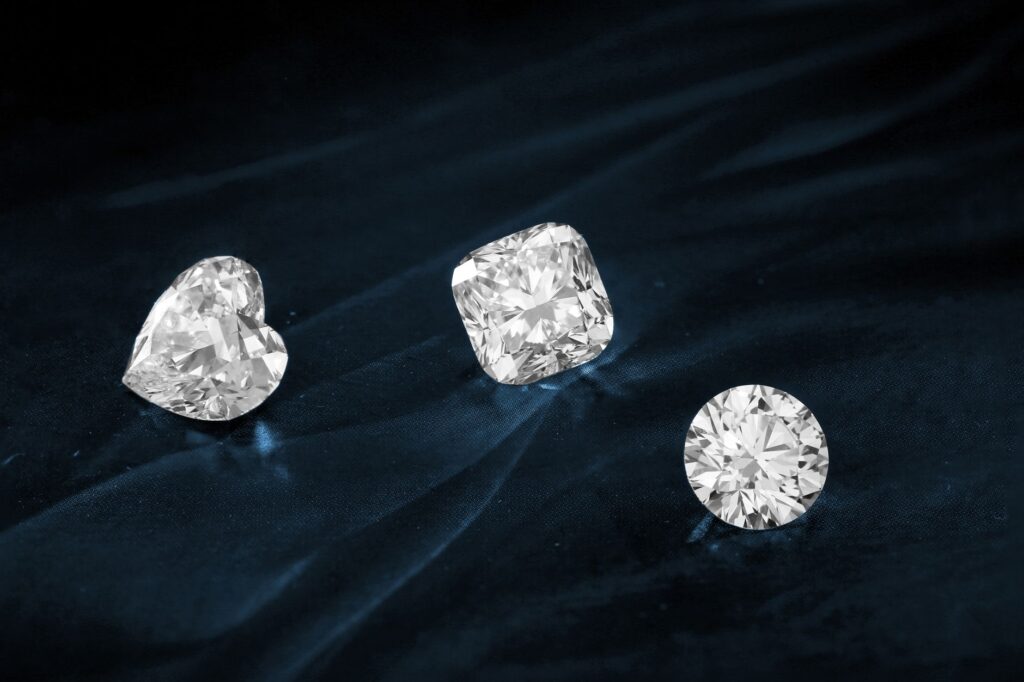
Diamond shape is the outline or silhouette of the stone when viewed from above. It is different from cut quality, which refers to how well the diamond is proportioned and polished. A diamond can be round, oval, princess, emerald, pear, or another shape, and each shape handles light differently.
Shape affects more than style. It influences sparkle pattern, face-up size, how much of the finger the diamond appears to cover, how easily inclusions are seen, and how much care the ring may need over time. For that reason, shape is one of the most important decisions in an engagement ring purchase.
In lab grown diamonds, shape is especially relevant because the pricing difference between shapes can influence how much size or quality you can get for the same budget. Buyers often compare shapes not just for appearance, but for overall value and visual impact.
What Makes a Diamond Shape “Best”?
There is no universal winner because different shapes excel in different areas. A buyer who prioritizes sparkle may choose differently from someone who prioritizes finger coverage or a more architectural look.
When evaluating which diamond shape is best for engagement rings, it helps to compare these factors:
- Appearance – Does the shape suit the wearer’s style?
- Sparkle – Does it return light strongly and evenly?
- Face-up size – Does it look large for its carat weight?
- Durability – Are corners or edges exposed?
- Clarity and color visibility – Does the shape show imperfections more easily?
- Long-term appeal – Will it still feel stylish years from now?
- Budget efficiency – How far does the budget go in this shape?
The best shape is usually the one that performs well in the areas that matter most to the wearer, not the one that looks best in every category.
Side-by-Side Comparison of Popular Diamond Shapes
The table below gives a practical overview of the most common engagement ring shapes. It is not meant to rank one shape above another. Instead, it shows where each shape tends to excel or need more careful selection.
| Shape | Sparkle Style | Face-Up Size | Durability | Clarity Visibility | Best For |
|---|---|---|---|---|---|
| Round brilliant | Strong, balanced brilliance and fire | Average for weight | Very good | Moderate | Classic, all-around appeal |
| Oval | Bright brilliance with elegant spread | Often looks large | Good, but check pointed ends in settings | Moderate | Elongated look and finger coverage |
| Princess | Sharp, lively sparkle | Good | Good, corners need protection | Moderate | Modern square look |
| Cushion | Soft sparkle, often romantic | Can look slightly smaller than elongated shapes | Very good | Moderate to high depending on cut | Vintage-inspired style |
| Emerald | Step-cut flashes instead of intense sparkle | Large open look | Very good, but corners matter | High | Clean, elegant, sophisticated style |
| Pear | Brilliant with a distinctive silhouette | Often looks large | Good, but pointed tip needs protection | Moderate | Soft, asymmetrical shape |
| Marquise | Bright with dramatic length | Looks very large | Moderate, pointed ends are vulnerable | Moderate | Dramatic, elongated look |
| Radiant | Strong brilliance with mixed-cut sparkle | Good | Very good | Moderate | Bright sparkle in a fancy shape |
Appearance and Visual Performance
Round Brilliant
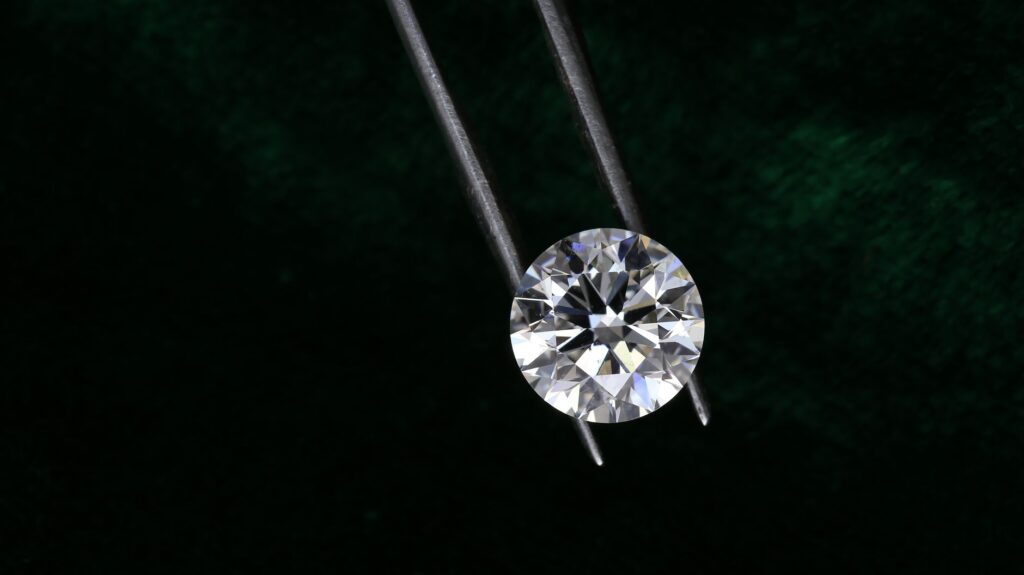
Round brilliant is the standard by which many other shapes are compared. It is designed to maximize light return, which is why it often shows the strongest combination of brilliance, fire, and scintillation. Brilliance is white light reflection, fire is colored light flashes, and scintillation is the sparkle movement you see as the diamond or viewer changes angle.
The round shape tends to look balanced and symmetrical on the finger. It also suits many ring settings, from solitaires to halos to three-stone designs. Because of its popularity, it usually feels timeless rather than trend-driven.
Oval
Oval diamonds are popular because they combine strong brilliance with an elongated outline that can make the finger look slimmer and the diamond appear larger. Many buyers like the soft, elegant shape because it feels less traditional than a round but still familiar.
One consideration with ovals is the bow tie effect. This is a darker area that can appear across the center of some elongated diamonds when light does not reflect evenly. A mild bow tie is common and not always a problem, but a heavy one can reduce the stone’s visual appeal.
Princess
Princess cuts have a square outline and a lively, modern look. They often produce strong sparkle because they are cut with many facets that return light efficiently. For buyers who want something angular rather than round, princess is one of the most recognizable choices.
The main visual trade-off is that the corners are sharp and can be more exposed in daily wear. A setting with protective prongs can help reduce the risk of chipping.
Cushion
Cushion diamonds have rounded corners and a softer square or rectangular outline. They often create a romantic appearance, especially in vintage-style settings. Their sparkle can look a little different from round brilliant, sometimes softer and broader rather than highly crisp.
Because cushion diamonds come in different faceting styles, some look more fiery while others look brighter and more modern. This is one reason buyers should evaluate the actual stone rather than relying on the shape name alone.
Emerald
Emerald cuts are step cuts, which means they use long, linear facets rather than many small triangular ones. This creates a hall-of-mirrors effect instead of the intense sparkle seen in brilliant cuts. The result is elegant and refined, but not flashy in the same way.
Emerald cuts show clarity more easily because of their large open table and transparent appearance. Buyers often need to pay closer attention to clarity and color with this shape.
Pear
Pear-shaped diamonds combine a rounded end and a pointed end. They are visually distinctive and can look very graceful on the hand. When well proportioned, a pear can create a flattering elongated effect similar to an oval, while still feeling more unique.
The pointed tip is the most vulnerable area, so the setting should protect it. Many buyers choose a V-prong or a setting designed to shield the point.
Marquise
Marquise diamonds are dramatic and elongated, with pointed ends on both sides. They often look larger than other shapes of the same carat weight because of their long outline. This can make them appealing for buyers who want maximum finger coverage.
However, marquise diamonds can show bow tie effects and uneven light return if proportions are not well balanced. They also require careful setting to protect the tips.
Radiant
Radiant cuts combine the shape of a rectangle or square with the sparkle style of a brilliant cut. This gives them a lively, bright appearance with more structure than a round and more sparkle than a step cut. They are often a strong middle ground for buyers who want a fancy shape without sacrificing too much sparkle.
Radiant shapes can be especially useful in lab grown diamonds because buyers sometimes want a shape that balances visual size, brilliance, and practical durability.
How Sparkle Differs by Shape
Many buyers use the word sparkle to mean all forms of diamond light return, but it helps to separate the three main effects. Brilliance is white light reflection. Fire is the rainbow flashes of colored light. Scintillation is the pattern of sparkle and contrast as the diamond moves.
Round brilliant typically delivers the strongest overall sparkle because its facet arrangement was designed specifically to maximize light performance. Radiant and princess cuts can also be very lively, but they create a different visual pattern. Emerald cuts, by contrast, are valued more for clarity and elegant flashes than for intense sparkle.
Fancy shapes can look beautiful, but their sparkle depends more heavily on proportions. Two ovals may look very different if one has better symmetry and less bow tie than the other. That is why shape alone does not guarantee appearance.
Face-Up Size and Finger Coverage
One of the biggest reasons buyers choose fancy shapes is that some shapes appear larger from the top than round diamonds of the same carat weight. This is called face-up size. It matters because most people judge a ring by how much of the finger the diamond seems to cover.
Elongated shapes such as oval, marquise, pear, and emerald often offer strong visual spread. This does not mean they are physically larger in weight, only that their outline can create a bigger visual presence. Buyers who want a more noticeable look within a certain budget often find this attractive.
Round brilliant can sometimes look slightly smaller for its carat weight because more weight is distributed in the depth of the stone. Princess cuts often sit in the middle. Cushion cuts can vary widely depending on their proportions.
How Shape Affects Finger Appearance
Shape can subtly change how the ring looks on the hand. Elongated shapes often make fingers appear longer and slimmer. Round and square shapes tend to look more balanced and compact.
This is not about “better” or “worse.” It is about visual proportion. Someone with shorter fingers may prefer an oval or marquise for the lengthening effect, while someone who likes a broader, centered look may prefer a round or princess cut.
Durability and Daily Wear Considerations
Engagement rings are worn daily, so shape should be evaluated for practicality as well as beauty. The biggest durability issue is usually the presence of pointed corners or tips. These areas can be more vulnerable to chips or wear over time.
Round brilliant is generally the safest shape for everyday wear because it has no corners. Princess, radiant, cushion, emerald, pear, and marquise can all be worn daily, but the setting matters more. Protective prongs, bezel settings, and well designed mountings can improve long-term durability.
If the ring will be worn constantly, durability should be part of the shape decision, especially for active lifestyles or jobs with frequent hand use. A beautiful shape can still be practical, but it should be chosen with the right setting and care plan.
Clarity and Color Visibility by Shape
Not all diamond shapes show imperfections the same way. Clarity visibility refers to how easy it is to see internal characteristics, or inclusions, in the stone. Shapes with more open faceting, such as emerald cuts, tend to reveal inclusions more readily because there is less sparkle to disguise them.
Round brilliant, oval, radiant, and princess cuts often hide small inclusions better because their sparkle is more active. This does not mean lower clarity is always acceptable, but it can affect how far your budget goes. In lab grown diamonds, where buyers often prioritize size and quality together, this can be a useful advantage.
Color visibility also varies by shape. Step cuts such as emerald can show body color more easily than brilliant cuts. This means buyers may want to pay closer attention to color grade if they choose a step cut, especially in white metals like platinum or white gold.
Advantages and Disadvantages of Popular Diamond Shapes
Round Brilliant
- Advantages: Strong sparkle, classic look, excellent durability, easy to match with settings.
- Disadvantages: Usually costs more per carat than fancy shapes, often looks smaller than elongated shapes of the same weight.
Round brilliant remains popular because it is very balanced. For many buyers, that balance is exactly what they want in an engagement ring.
Oval
- Advantages: Looks large, elegant on the finger, offers a contemporary but familiar style.
- Disadvantages: Can show bow tie effect, symmetry matters a lot, proportions vary widely.
Oval is often a smart choice for buyers who want size appearance and soft style without moving too far away from the classic look of a round.
Princess
- Advantages: Modern shape, strong sparkle, good value compared with round in many cases.
- Disadvantages: Sharp corners need protection, square shape does not suit every hand equally.
Princess cuts are a good option for buyers who want a more geometric look while still keeping a bright, lively diamond.
Cushion
- Advantages: Soft outline, vintage feel, good durability, versatile styling.
- Disadvantages: Sparkle style can vary a lot, some shapes look less lively than round or radiant.
Cushion is one of the most flexible shapes, but buyers should inspect the specific cut style carefully. Two cushions can look very different from each other.
Emerald
- Advantages: Elegant and refined, large open look, sophisticated long lines.
- Disadvantages: Shows clarity and color more easily, less sparkle than brilliant cuts.
Emerald cuts are best for people who appreciate design and transparency more than glitter. They are often chosen by buyers who want a calm, architectural look.
Pear
- Advantages: Distinctive shape, flattering length, often looks large for the weight.
- Disadvantages: Pointed tip needs protection, symmetry is important, bow tie can be noticeable.
Pear shapes can be beautiful in the right setting, but they reward careful selection. Proportions and symmetry make a big difference.
Marquise
- Advantages: Very elongated, dramatic presence, strong face-up size.
- Disadvantages: Pointed ends are vulnerable, can look dated in some settings, bow tie may appear.
Marquise is a bold choice. It can look elegant and unique, but it is less common than oval or round, so it usually appeals to a more specific taste.
Radiant
- Advantages: Strong brilliance, durable corners relative to princess, flexible shape options.
- Disadvantages: Can be harder to compare without seeing the actual stone, proportions affect appearance a lot.
Radiant is often underappreciated by first-time buyers. It can offer a useful compromise between the sparkle of a round and the outline of a fancy shape.
Which Diamond Shape Is Best for Different Types of Buyers?
The best shape depends on the buyer’s priorities, not just the shape itself. Here is a practical way to think about it.
For buyers who want the safest classic choice
Round brilliant is usually the best answer. It has the widest appeal, strong light performance, and a style that rarely feels outdated. If the goal is an engagement ring that will look familiar and polished in any setting, round is the most dependable option.
For buyers who want the biggest visual impact
Oval, marquise, pear, and some emerald cuts often look larger than their weight suggests. These shapes are good if face-up size matters more than absolute sparkle intensity. In lab grown diamonds, that can be a helpful way to maximize visible size within a budget.
For buyers who want something modern
Princess and radiant are strong choices. They have a cleaner geometric feel than round or oval and often suit contemporary ring designs. Princess feels sharper and more structured, while radiant is usually brighter and more versatile.
For buyers who want a vintage or romantic feel
Cushion and pear are often appealing. Cushion has a softer, more nostalgic character, while pear adds grace and individuality. Both work well in settings that lean toward vintage or custom styling.
For buyers who like understated elegance
Emerald is the best-known choice in this category. It is not about maximum sparkle, but about refined visual presence. Buyers who appreciate clean lines and a more architectural look often prefer it.
How Diamond Shape Compares in Lab Grown Diamonds
In the lab grown diamond market, shape selection works a little differently from a strict budget standpoint because buyers often get more size or better quality for the same money. That can make shape trade-offs easier to manage. For example, a buyer may choose an oval or emerald in a larger carat size while still staying within a comfortable budget.
Lab grown diamonds are available in all major shapes, and the same visual rules still apply. A poorly proportioned oval can still show bow tie. An emerald cut still shows clarity easily. A round brilliant still tends to offer the strongest sparkle. The fact that a diamond is lab grown does not change the way the shape behaves optically.
What does change is flexibility. Buyers comparing lab grown diamonds with natural diamonds often find they can prioritize shape, size, and quality more freely. That makes education on shape especially important, because the purchase decision is less about compromise and more about defining preferences.
Important Buying Considerations by Shape
Proportions matter more than shape name alone
A shape label tells you the general outline, but not how well the diamond is cut. Two oval diamonds may both be oval, yet one may look narrow and one may look full and balanced. The same is true for cushions, pears, and emeralds.
This is why buyers should pay attention to measurements, not just carat weight. Length, width, depth, and overall symmetry all influence the final look. Shape guides and diamond cut resources are useful because they explain why proportions affect performance.
Length-to-width ratio affects appearance
For elongated shapes such as oval, pear, marquise, and emerald, the length-to-width ratio helps determine whether the stone looks short, balanced, or slender. A ratio that is too low may look wide and compact. A ratio that is too high may look stretched or narrow.
There is no single perfect ratio for everyone. A buyer who wants a bold, elongated silhouette may prefer one ratio, while someone who wants a softer outline may prefer another.
Settings should support the shape
The right setting improves both safety and appearance. Pointed shapes often benefit from protective prongs. Emerald cuts can look especially elegant in three-stone or bezel styles. Round brilliant works in almost any setting because of its symmetry and strong light return.
In practical terms, the setting should be chosen with the shape in mind, not after the fact. A beautiful diamond can still be a poor daily-wear ring if the setting leaves vulnerable areas exposed.
Consider how shape interacts with color and clarity grades
Some shapes are more forgiving than others. Brilliant cuts can hide small inclusions more easily than step cuts. Step cuts can reveal body color more clearly, especially in larger stones. That means the same quality grade may look different from one shape to another.
If you are comparing options, it helps to review diamond clarity grades, diamond color grades, and diamond certifications together rather than separately. Shape influences how those grades show up in real life.
Common Mistakes Buyers Make When Choosing a Shape
- Choosing based on popularity alone. A popular shape is not automatically the best one for every buyer.
- Ignoring proportions. Shape matters, but cut quality and measurements matter just as much.
- Not considering daily wear. Sharp corners and tips need protection if the ring will be worn every day.
- Overlooking clarity and color visibility. Some shapes reveal imperfections more easily than others.
- Focusing only on carat weight. Carat does not tell you how large the diamond will look on the finger.
- Forgetting about the setting. A shape can look very different depending on how it is mounted.
These mistakes are common because shape is often discussed as a style choice, when in reality it is also a technical choice. Understanding the trade-offs leads to a better long-term purchase.
Shape Trends Versus Timeless Appeal
Some shapes trend more heavily than others. Oval, pear, and emerald cuts have seen strong interest in recent years because they feel modern while still being recognizable. Round brilliant remains the most timeless because it is so established and universally worn.
Trend-driven shapes are not a bad choice, but they should be selected with the understanding that personal taste matters most. A shape that is fashionable now may still look beautiful later, but buyers should choose it because they like it, not because it is currently popular.
If long-term appeal is important, round brilliant and oval are often considered safer. If individuality matters more, pear, marquise, or radiant may feel more expressive.
How to Decide Which Shape Fits the Wearer
If you are shopping for yourself, think about what you naturally wear and what visual styles you prefer. Do you like clean lines, soft curves, bold shapes, or classic symmetry? The diamond should feel comfortable with the wearer’s style, not compete with it.
If you are shopping for someone else, pay attention to the jewelry they already wear. Do they choose simple pieces or more distinctive ones? Do they wear round earrings, oval pendants, or angular designs? These clues can help narrow the shape selection.
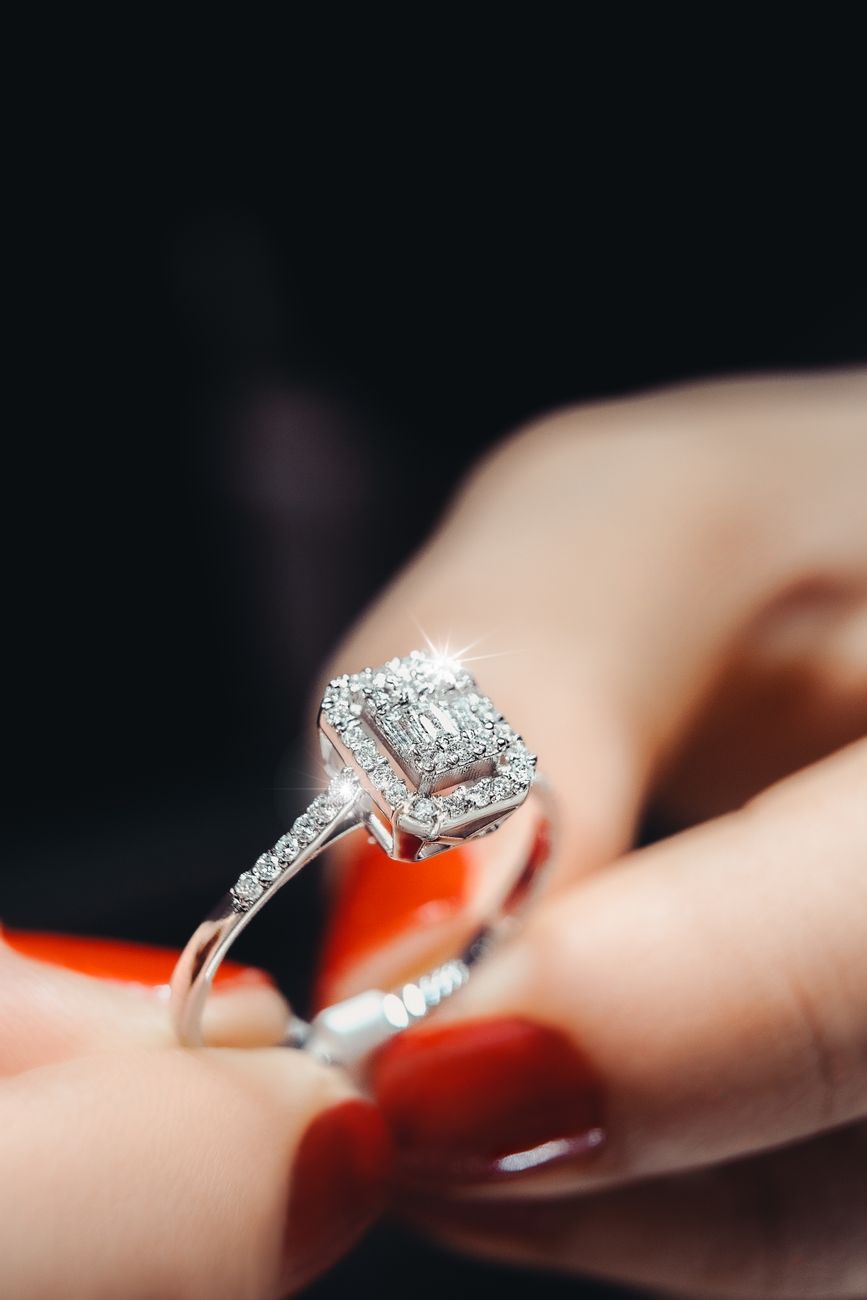
It also helps to think about the ring in context. The same diamond shape can feel very different in a solitaire, halo, pavé, or three-stone setting. A shape should be judged as part of the full ring design, not in isolation.
When Round Brilliant Is the Best Choice
Round brilliant is often the best choice when the buyer wants a highly reliable combination of sparkle, durability, and timeless style. It is also the easiest shape to shop for because most jewelers are familiar with how to evaluate it. That can make the buying process less stressful for first-time shoppers.
Round is especially appealing if you want strong brilliance in a variety of settings. It works well in both natural and lab grown diamonds, and it rarely creates concern about proportions the way some fancy shapes do. If uncertainty is high, round is often the safest starting point.
When a Fancy Shape May Be Better
Fancy shapes are worth considering when size appearance, style individuality, or hand-flattering proportions matter more than pure sparkle symmetry. Oval and emerald are especially popular for this reason. They offer a distinctive look without feeling too unusual.
Fancy shapes can also make better use of budget in some cases. A buyer may be able to choose a larger-looking diamond or a higher quality grade by moving away from round. For buyers comparing options across different carat sizes, reviewing diamond pricing can be very helpful.
Frequently Asked Questions
What is the most popular diamond shape for engagement rings?
Round brilliant remains the most popular shape because of its sparkle, symmetry, and timeless appeal. Oval has also become very popular because it looks elegant and often appears larger than a round diamond of the same weight.
Which diamond shape looks the biggest?
Marquise, oval, pear, and some emerald cuts often look large for their carat weight because they spread across more surface area. The exact result depends on proportions, so two diamonds of the same shape can still look different in size.
Which shape sparkles the most?
Round brilliant usually sparkles the most because it is optimized for light return. Princess and radiant can also be very lively, but they produce a different sparkle pattern.
Which diamond shape is most durable for everyday wear?
Round brilliant is usually the most durable because it has no corners. Shapes with pointed tips or sharp corners, such as pear, marquise, princess, and emerald, can still be practical, but they benefit from protective settings.
Do lab grown diamonds look different in certain shapes?
No. Lab grown diamonds follow the same optical rules as natural diamonds. Shape influences appearance the same way in both types. The main difference is often budget flexibility, which can allow buyers to choose a larger or higher quality stone in the shape they prefer.
Are step cuts better than brilliant cuts?
Neither is better in every situation. Step cuts such as emerald offer a cleaner, more elegant look and show clarity more easily. Brilliant cuts such as round, oval, and radiant offer stronger sparkle and are usually more forgiving of small imperfections.
How important is the setting when choosing a shape?
Very important. The setting affects durability, appearance, and how secure the diamond is in daily wear. A great shape can still be a poor practical choice if the setting does not protect corners or tips.
Should I choose a shape based on trends or personal style?
Personal style should come first. Trends can help you discover new options, but an engagement ring is usually worn for many years. A shape that fits the wearer’s taste and lifestyle is the better long-term choice.
Conclusion
There is no single answer to Which Diamond Shape Is Best for Engagement Rings. Round brilliant is the strongest all-around choice for sparkle and timelessness. Oval is often the best option for buyers who want an elongated, flattering look. Princess, cushion, emerald, pear, marquise, and radiant each offer distinct advantages depending on the style, budget, and daily wear needs of the wearer.
The smartest way to choose is to compare shape performance in real terms, not just by name. Look at sparkle, face-up size, durability, clarity visibility, color visibility, and how the ring will be worn every day. If you are shopping in the lab grown diamond market, shape choice can be an especially effective way to balance size, quality, and budget in a way that fits the wearer’s preferences.
For buyers who want the safest and most versatile answer, round brilliant is still the benchmark. For buyers who want a little more visual impact or individuality, oval, radiant, pear, and emerald are all worth careful consideration. The best diamond shape is the one that feels right on the hand, performs well in daily life, and aligns with the priorities that matter most to the wearer.