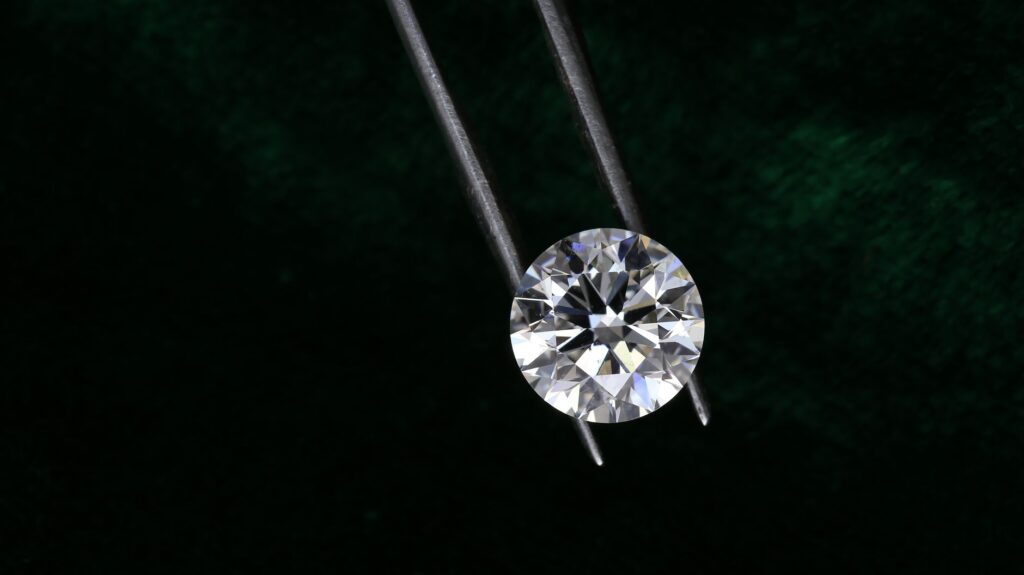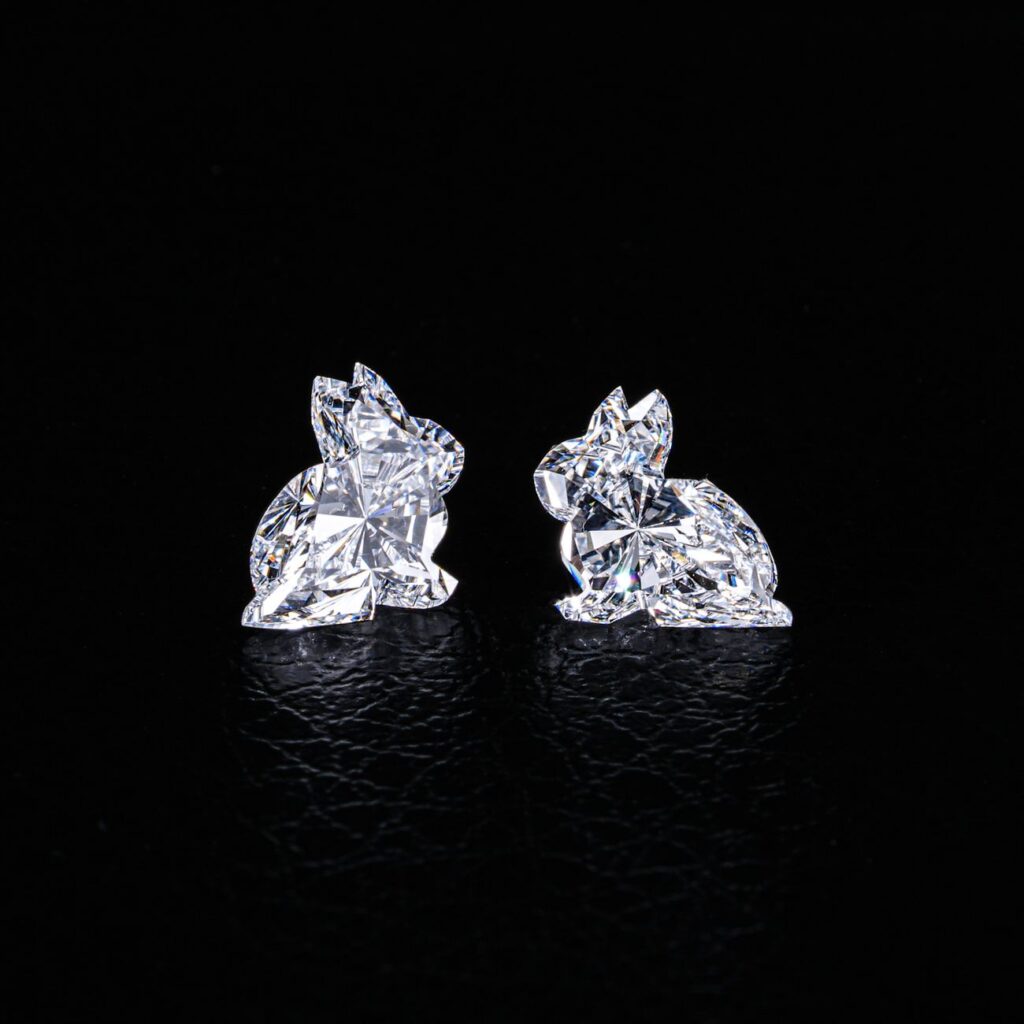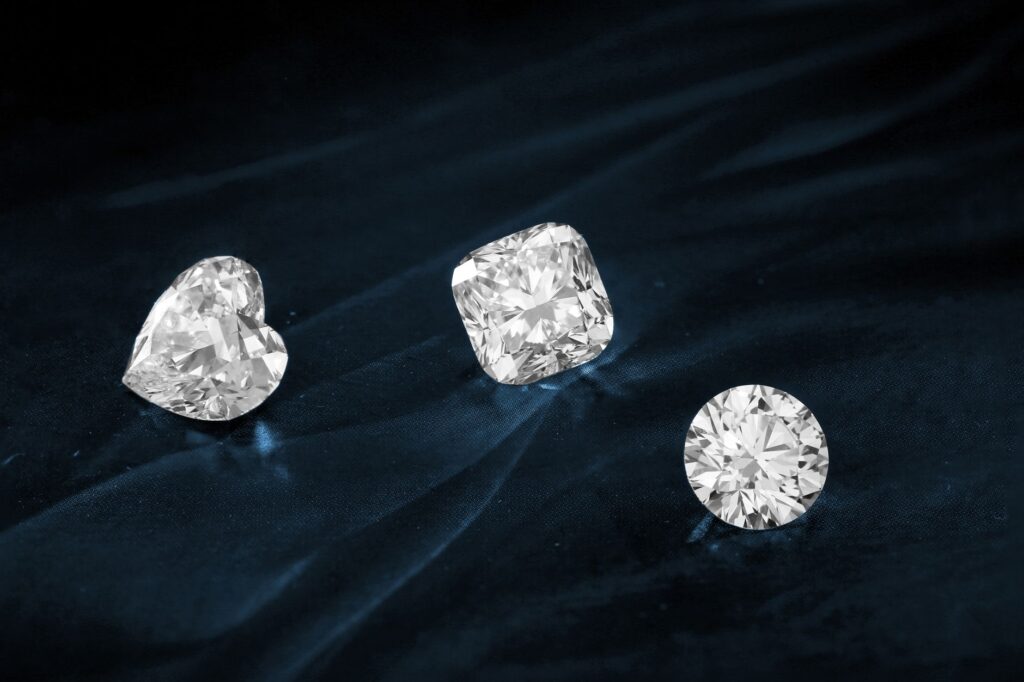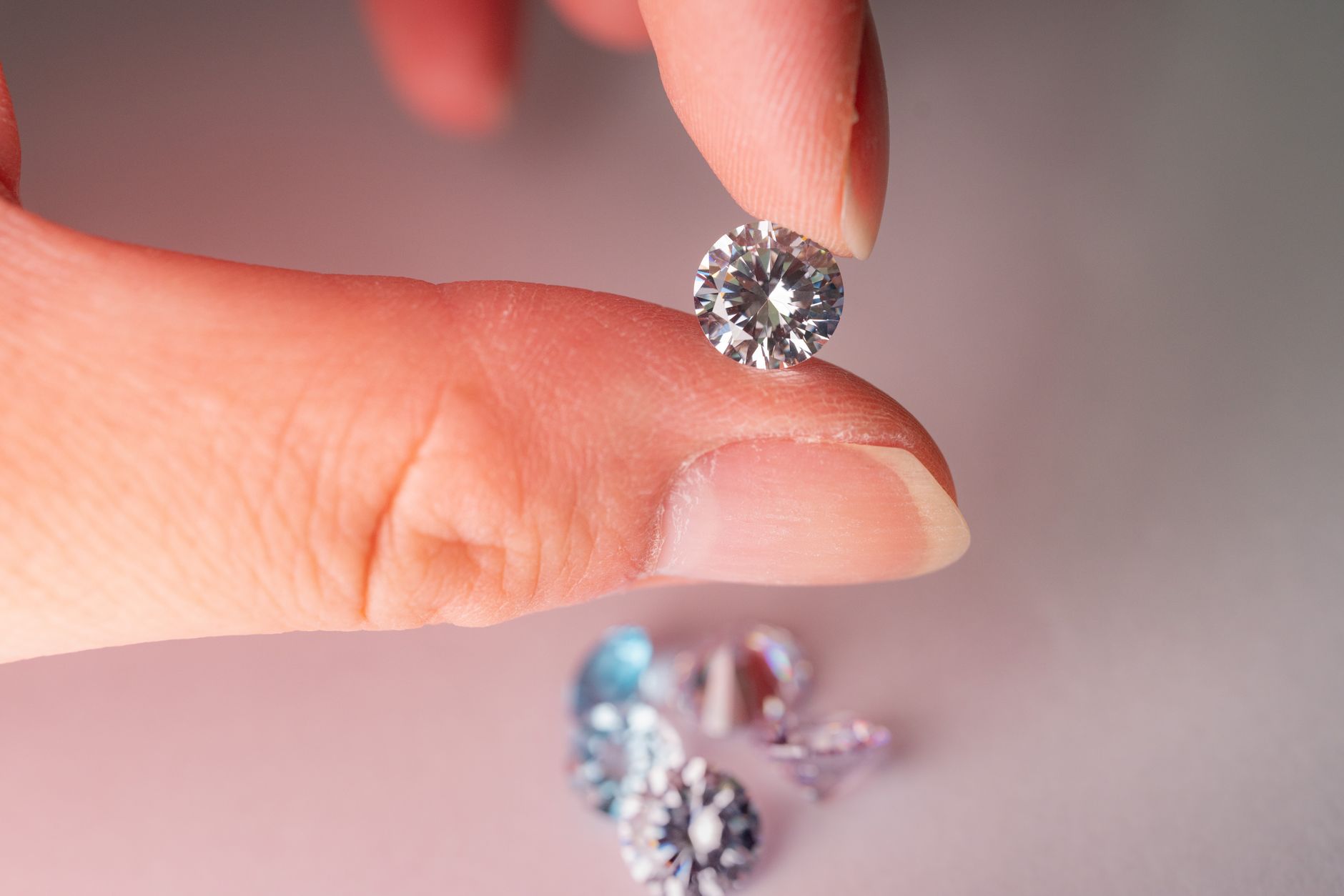
Diamond buyers often expect carat weight to tell the whole story, but that is not how diamonds work in real life. Two stones with the same weight can look noticeably different in size, brightness, and presence depending on how they are cut. In other words, diamond cut can make a diamond look bigger, even though it does not change the actual carat weight.
That difference matters because size is only one part of what people notice. A diamond that spreads well across the top, returns light efficiently, and avoids unnecessary hidden depth can look more substantial on the hand than a heavier stone with weaker proportions. At the same time, a diamond that is pushed too far toward shallow proportions may look wide but lose brilliance, which can make it less attractive overall.
This is especially relevant for shoppers comparing lab grown diamonds and natural diamonds. The same visual rules apply to both. If you understand how cut influences apparent size, you can make a more informed choice about whether to prioritize visible spread, sparkle, or total carat weight.
Quick Answer: Can Diamond Cut Make a Diamond Look Bigger?
Yes, it can. Diamond cut affects how efficiently a stone uses its weight, especially how much of that weight is visible from the top. A well-cut diamond often has better face-up spread, so it can appear larger than a deeper diamond of the same carat weight.
But bigger-looking is not always better-looking. If the proportions are off, the diamond may lose brightness, sparkle, or light return. In those cases, any apparent size advantage can be offset by a dull or less lively appearance.
The practical takeaway is simple. If you want a diamond that looks as large as possible without sacrificing beauty, you need to look at cut, shape, and millimeter measurements together, not carat weight alone.
What Diamond Cut Actually Means
Diamond cut is one of the most misunderstood parts of diamond shopping. It does not refer to the shape of the stone, such as round, oval, or cushion. It refers to how well the diamond’s facets, proportions, symmetry, and polish work together to handle light.
In plain English, cut determines how alive a diamond looks. A well-cut diamond reflects light back to the eye more efficiently, so it tends to look brighter and more sparkly. A poorly cut diamond may appear dark, glassy, or smaller than its weight suggests.
When buyers ask whether cut can make a diamond look bigger, they are really asking whether the diamond’s proportions are helping or hurting its face-up appearance. The answer is yes, because cut affects both visual spread and the way the eye perceives size.
Cut Versus Shape
Shape and cut are related, but they are not the same thing. Shape is the outline of the diamond. Cut is the quality of the craftsmanship and proportions within that shape.
Elongated shapes like oval, pear, and marquise often appear larger than round diamonds of the same carat weight because they cover more length across the finger. That is a shape effect. Cut then influences how efficiently that shape uses its weight and how attractive the stone looks when viewed face-up.
So if a buyer wants maximum apparent size, shape is the first factor to consider, and cut is the second. The best visual result usually comes from combining a size-friendly shape with strong cut quality.
How Diamond Cut Affects Face-Up Size
Carat weight measures mass, not visible size. That is one of the most important things to understand when comparing diamonds. Two diamonds can both weigh 1.50 carats and still have different millimeter measurements, which means they can look different in size when viewed from above.
A deeper diamond holds more of its weight below the visible surface. That extra depth does not add much to the face-up look. A diamond with better spread distributes more of its weight across the top, so it can appear larger even though it weighs the same.
This is why some diamonds look “fatter” or “smaller” than expected for their carat weight. The difference is often not about the amount of diamond, but about how efficiently the diamond uses its weight.
Spread, Depth, and What They Mean
Spread is the amount of visible surface area a diamond covers when you look at it from above. For buyers, this is one of the best practical ways to think about apparent size.
Depth is how tall the diamond is from top to bottom. A diamond that is too deep may have strong carat weight but less visible width. A diamond that is too shallow may look wider, but if the proportions are not balanced, it can lose brightness or show light leakage.
The goal is not to make the diamond as shallow as possible. The goal is to find a balance that gives good spread while preserving sparkle and light return.
Millimeter Size Versus Carat Weight
If you are trying to judge how large a diamond will look, millimeter measurements matter more than carat alone. Carat tells you how much the diamond weighs. Millimeter measurements tell you how wide and long it actually appears.
That distinction is especially important online, where buyers often compare listings without seeing the diamond in person. A well-cut stone with slightly larger millimeter dimensions can look more impressive than a heavier one with less spread.
This is one reason experienced diamond shoppers pay close attention to the actual measurements on a grading report.
Why Better Cut Can Make a Diamond Appear Larger
There are three main reasons a better-cut diamond can seem larger. First, it uses its weight more efficiently across the visible face. Second, it reflects light more effectively, which makes the stone appear brighter and more open. Third, stronger sparkle creates more visual attention, which can make the diamond feel more present on the hand.
People do not usually judge diamonds in controlled gem lab conditions. They see them in normal lighting, such as at home, in stores, in offices, and outdoors. In those real-world settings, a bright and lively diamond often draws more attention than a heavier diamond that looks dull or dark.
That is why jewelers sometimes say a diamond “wears its weight well.” It means the stone seems to give you more visual presence for every carat.
The Role of Light Return
Light return is the amount of light a diamond reflects back to the eye. Strong light return usually makes a diamond look brighter, cleaner, and more defined. That visual strength can contribute to the impression that the stone is larger than it really is.
If light return is weak, the diamond can look sleepy or flat. Even if the stone has good weight, the eye may not register it as strongly because it lacks sparkle and brightness.
What Buyers Actually Notice in Real Life
Most people do not inspect diamonds with a ruler in hand. They notice how large the stone looks, how much it sparkles, and whether it feels bright and lively in different lighting conditions. That is why apparent size matters so much.
The difference between two diamonds is most obvious when they are compared side by side. In that setting, a better-cut diamond with stronger spread can appear more impressive even if it is slightly smaller on paper. Once the stone is set in a ring, the mounting also affects how large it seems.
For many buyers, the first impression is what matters most. A diamond that looks full, bright, and balanced tends to create a stronger visual impact than one that simply carries more weight.
When the Size Difference Is Easy to See
The size effect of cut is easiest to notice when one diamond is clearly deep and another is more efficiently proportioned. It can also be easy to see in shapes where proportion variations are common, such as oval, cushion, pear, and emerald cut diamonds.
Round diamonds usually show smaller size differences than fancy shapes because their proportions are more standardized. Even so, a poorly proportioned round diamond can still look smaller than expected for its carat weight.
When the Size Difference Is Subtle
If two diamonds have very similar proportions, the difference in apparent size may be modest. In that case, sparkle and brightness may be the more noticeable differences rather than visible spread.
That does not make cut less important. It just means the size effect is not always dramatic. Sometimes the main benefit of better cut is not that the diamond looks much larger, but that it looks much better.
How Cut Affects Sparkle, Brilliance, and Fire
Cut is the main driver of a diamond’s visual performance. It influences brilliance, which is white light return, fire, which is the flashes of color, and scintillation, which is the pattern of sparkle and contrast as the diamond moves.
These qualities matter because they affect how noticeable and attractive the diamond feels. A lively diamond tends to draw the eye more strongly, which can make it seem larger and more impressive in everyday wear.
In practical buying terms, sparkle is not just decoration. It is part of the way a diamond communicates presence on the hand.
Brilliance
Brilliance is the white light a diamond reflects back to the eye. Diamonds with strong brilliance look bright, crisp, and well balanced. If brilliance is weak, the diamond can look dark or flat in some areas.
Buyers notice brilliance quickly because brightness is one of the first things the eye picks up. A bright diamond often feels more substantial because it stands out more in normal lighting.
Fire
Fire is the rainbow-colored flashes you see when a diamond moves under light. It is a visible effect of light dispersion, and it tends to be more noticeable when the cut and proportions are well balanced.
Fire does not physically increase size, but it adds richness and visual interest. Some buyers love strong fire, while others prefer a more balanced appearance with greater emphasis on white brightness.
Scintillation
Scintillation is the pattern of sparkle, flashes, and contrast that appears as the diamond or the viewer moves. It is one of the reasons diamonds look dynamic rather than static.
Strong scintillation can make a stone feel lively and full of energy. Weak scintillation can leave a diamond looking dull, even if its size is generous on paper.
Cut Grades and What They Really Tell You
For round brilliant diamonds, cut is usually graded by laboratories using categories such as Excellent, Very Good, Good, Fair, and Poor. These grades are helpful, but they are not the whole story.
A cut grade is best thought of as a screening tool. It helps buyers narrow the field and avoid clearly underperforming diamonds. It does not replace the need to look at proportions, measurements, and actual visual performance.
For fancy shapes like oval, pear, radiant, and cushion, cut grading is less standardized. That makes visual inspection and measurement comparison even more important.
Excellent Cut Versus Very Good Cut
Buyers often ask whether Excellent cut is visibly better than Very Good. Sometimes it is, but not always. In many cases, the difference is most obvious when two diamonds are viewed directly next to each other.
An Excellent cut diamond usually gives you a better chance of strong light performance. A carefully selected Very Good diamond can still be attractive and offer solid value, especially if the proportions are well balanced.
If the goal is to make the diamond look bigger, both grades can work if the stone has good spread. The real issue is whether the diamond looks bright and lively, not just how the certificate labels it.
Proportions That Influence Apparent Size
Diamond proportions describe the relationship between the stone’s different measurements. The most discussed proportions are table percentage and depth percentage, but crown angle, pavilion angle, and overall symmetry also affect how a diamond looks.
The table is the flat top surface of the diamond. A larger table can create a more open look, while a smaller one may contribute to more fire in some designs. The ideal table size depends on the diamond’s overall structure, not one number by itself.
The depth is the total height of the diamond. If it is too deep, the stone may hide weight below the visible surface. If it is too shallow, it may look spread out but lose brightness or show areas of light leakage.
Why Millimeter Measurements Matter More Than Percentages Alone
Percentage figures can be useful, but millimeter measurements are often more practical for buyers trying to judge size. Two diamonds can have similar depth percentages and still have different visible spreads depending on shape and design.
If you are shopping online, compare the listed millimeter dimensions directly. That is usually the clearest way to predict which diamond will look bigger on the hand.
Round Diamonds and Proportion Balance
Round brilliant diamonds are the most standardized shape, so proportion balance is especially important. A round diamond with efficient proportions tends to have a predictable face-up look and strong sparkle.
Because the shape is so recognizable, even small differences in cut quality can affect how bright and full the stone appears. That is one reason round diamonds are often judged so heavily on cut.
Light Leakage: When a Bigger-Looking Diamond Still Looks Worse
Light leakage happens when light passes through the diamond instead of reflecting back to the eye. It can create dark areas, washed-out zones, or a gray appearance in parts of the stone.
This is important because a diamond can look large on paper and still disappoint in person if its light return is weak. A shallow stone with poor proportions may spread well but fail to look lively.
That is the trade-off buyers need to understand. Visible size is only useful if the diamond still looks attractive.
How to Spot Light Leakage
In person, light leakage can make a diamond seem less crisp, less bright, or less defined. In videos and photos, it may show up as dark patches or areas that look flat compared with the rest of the stone.
It is not always easy to identify from a simple product photo. If available, light performance images such as ASET or Ideal Scope can help reveal whether the diamond is returning light efficiently.
Practical Examples Buyers Can Relate To
Real comparisons are often more useful than technical explanations. Here are a few examples that reflect what buyers commonly see when comparing diamonds in person.
Example 1: A Well-Cut 1.5-Carat Diamond Versus a Poorly Cut 2-Carat Diamond
This comparison surprises many first-time buyers. A 1.5-carat diamond with strong spread, good brightness, and balanced proportions can look more attractive than a 2-carat diamond that is too deep or poorly balanced.
The 2-carat stone still weighs more, but the extra weight may be hidden below the surface. If the larger diamond also has weaker sparkle, the better-cut smaller stone may actually create the stronger visual impression.
Example 2: Excellent Cut Versus Very Good Cut in Everyday Lighting
In a store with controlled lighting, the difference may be subtle unless the diamonds are viewed side by side. In normal indoor lighting, the better-cut stone may show a little more brightness and a more polished sparkle pattern.
Whether that difference is worth paying for depends on budget and priorities. Some buyers are happy with a carefully selected Very Good diamond. Others prefer the greater confidence that often comes with Excellent cut, especially for round brilliants.
Example 3: Higher Clarity With Weaker Cut Versus Lower Clarity With Better Cut
It is easy to assume that higher clarity should always produce the better diamond. In practice, a diamond with higher clarity can still look less impressive if the cut is weak.
A slightly lower clarity diamond with excellent cut can often appear more lively and more beautiful to the naked eye. That is because cut affects what people see immediately, while many clarity differences are hard to notice without magnification.
How Shape Changes the Size Perception
Cut is important, but shape also has a major influence on apparent size. Some shapes naturally look larger face-up at the same carat weight because they distribute their weight differently.
Elongated shapes such as oval, marquise, and pear usually cover more length on the finger. That can create a larger visual footprint than a round diamond of the same weight. Emerald cuts can also appear large because of their long outline and open center, though their visual style is very different from brilliant cuts.
Round diamonds often look slightly smaller than elongated shapes at the same carat weight, but they usually offer the most consistent sparkle. So the best shape depends on whether a buyer values apparent size, sparkle style, or a balance of both.
Shape and Cut Work Together
Shape sets the outline, while cut controls how effectively that outline is used. A poorly cut oval may lose much of the size advantage that oval shapes often offer. A well-cut oval, on the other hand, can look wide, bright, and elegant.
This is why buyers should not think of shape and cut as separate decisions. They affect one another in meaningful ways.
How the Setting Can Affect Apparent Size
The ring setting can make a diamond look bigger or smaller even when the stone itself has not changed. A thin band can help the center stone stand out, while a wide band can make the diamond look smaller by comparison.
Prong style, halo design, and the overall height of the setting also matter. A halo can make the center appear larger, but it changes the look of the ring and adds visual complexity. A low setting may feel more secure, while a higher setting can create more presence.
So if apparent size is a priority, it is important to judge the whole ring, not just the loose diamond.
Lab Grown Diamond Considerations
Lab grown diamonds follow the same optical rules as natural diamonds when it comes to cut. The origin of the diamond does not change how proportions affect spread, brightness, or sparkle.
Because lab grown diamonds are often more affordable per carat, many buyers use the savings to choose a larger stone. That makes cut even more important, since a larger lab grown diamond can still look underwhelming if it has poor proportions.
Lab grown diamonds are also often purchased online, where buyers rely heavily on certificates, videos, and measurements. In that situation, it is especially important to compare millimeter size, depth, and light performance rather than focusing on carat weight alone.
Certification Still Matters
Reputable certification helps confirm the diamond’s cut grade, proportions, and quality details. That is useful for both lab grown and natural diamonds.
For round diamonds, the grading report can be a strong starting point. For fancy shapes, the report is still helpful, but it should be paired with actual images or videos because the appearance of fancy cuts can vary more widely.
How to Decide Whether a Diamond Looks Big Enough
If your goal is to maximize apparent size, start by looking at shape. Elongated shapes usually offer more visible spread than round shapes of the same weight. After that, compare millimeter measurements rather than relying on carat alone.
Then look at cut quality. For round diamonds, a strong cut grade is a good sign that the diamond is more likely to have attractive brightness and balanced spread. For fancy shapes, pay attention to the specific proportions and the diamond’s visual performance in video.
Finally, consider the setting. A ring design can influence size perception almost as much as the diamond itself.
Questions Worth Asking Before Buying
- What are the diamond’s millimeter measurements?
- How deep is the stone, and is any weight hidden below the visible surface?
- What cut grade does the diamond have, if the shape is graded?
- Does the diamond look bright and lively in video?
- Will the setting make the diamond appear larger or smaller on the hand?
These questions help you focus on the diamond’s real-world appearance instead of carat weight alone.
Advantages of Prioritizing Cut When Size Matters
There are several practical benefits to paying attention to cut if you want a diamond that looks larger and more appealing overall:
- It can improve face-up spread, which helps the stone appear bigger.
- It usually increases brightness and sparkle.
- It can make a slightly smaller diamond look more impressive than a heavier one with poor proportions.
- It reduces the chance of paying for hidden depth that does not add visible size.
- It can improve everyday appearance in different lighting conditions.
For many buyers, these are meaningful benefits because they affect how the diamond looks every time it is worn.
Disadvantages and Trade-Offs
There are also limits to what cut can do. A diamond cannot become truly larger just because it is well cut. If two stones are very different in carat weight, the heavier one will still usually have a larger physical presence.
There is also a balance issue. If a diamond is cut too shallow to maximize width, it may lose brilliance. If it is too deep, it may look smaller than expected. In both cases, pushing size perception too far can hurt overall beauty.
Another trade-off is that not every improvement is dramatic. Sometimes the premium for a better cut grade produces a subtle rather than obvious visual difference. That is not a flaw, but it is important to keep expectations realistic.
Common Buyer Mistakes
One of the most common shopping mistakes is focusing on carat weight before anything else. Carat is easy to understand, so it gets a lot of attention. But if the cut is weak, the diamond may not look as large or as beautiful as the number suggests.
Other common mistakes include:
- Ignoring millimeter measurements, which matter more than carat for visible size.
- Assuming all diamonds of the same weight look the same, which is not true.
- Overpaying for clarity when cut or spread would have had a bigger visual impact.
- Choosing a shape only because it is popular, without considering how it faces up.
- Relying only on a grading label instead of looking at actual proportions and images.
- Believing larger automatically means better, even if sparkle and brightness are weak.
A better approach is to compare carat, measurements, cut, and shape together. That gives a much clearer picture of how the diamond will actually look in daily wear.
How Buyers Can Judge Whether Cut Is Helping Size
There is no single number that tells you everything, but there are a few useful ways to evaluate whether cut is helping a diamond look bigger. Start with the shape, then compare millimeter dimensions. If the diamond is unusually deep for its weight, it may be carrying hidden weight that does not contribute much to appearance.
After that, look at the brightness and sparkle. A diamond that returns light well often appears more noticeable and substantial. If photos or videos are available, pay attention to whether the center looks bright or lifeless, because that often reveals whether the cut is helping or hurting the overall look.
For round diamonds, a strong cut grade is usually a good sign. For fancy shapes, direct visual comparison is often more useful than relying on a label alone.
Frequently Asked Questions
Does a better cut always make a diamond look bigger?
Not always. Better cut often improves face-up spread and light return, but the size effect depends on the diamond’s proportions and shape. A diamond can still look smaller than expected if too much of its weight is hidden in depth.
Can a smaller diamond look bigger than a larger one?
Yes. A smaller diamond with efficient proportions and strong spread can look more substantial than a heavier diamond that carries extra depth. This is especially noticeable when comparing a well-cut stone to one with poor proportions.
Which shapes look biggest for their carat weight?
Elongated shapes like oval, pear, and marquise often appear larger face-up than round diamonds of the same carat weight. Some cushion and radiant diamonds can also face up generously, depending on the cut. The exact effect varies by stone.
Is it better to buy a slightly smaller diamond with excellent cut?
For many buyers, yes. A slightly smaller diamond with excellent cut can look brighter, more lively, and sometimes more substantial than a larger diamond with weak cut quality. The best choice depends on whether visible beauty matters more than carat number alone.
How can I tell if a diamond has too much hidden weight?
Compare the diamond’s millimeter measurements with its carat weight. If the stone seems unusually deep for its size, it may have weight hidden below the visible surface. A grading report and side-view images can help you judge this more accurately.
Does cut matter just as much in lab grown diamonds?
Yes. Lab grown diamonds follow the same visual rules as natural diamonds. Even if the price point allows you to buy a larger stone, cut still determines how big, bright, and attractive the diamond actually looks.
Should I always choose the highest cut grade available?
Not necessarily. The best choice depends on budget, shape, and how the specific diamond looks in person or on video. In some cases, a slightly lower grade with strong real-world performance can offer better value.
Conclusion
Diamond cut can absolutely make a diamond look bigger, but the effect comes from spread, proportions, and light performance rather than carat weight alone. A well-cut diamond often appears larger, brighter, and more attractive than a heavier stone with weak proportions.
For buyers, the most useful approach is to compare shape, carat, millimeter measurements, and cut quality together. That matters even more when shopping for lab grown diamonds, where it can be tempting to focus on size first and everything else later.
If your goal is to get the best balance of beauty and apparent size, look for a diamond that uses its weight well. In many cases, that will give you a more satisfying result than simply choosing the heaviest stone you can afford.