A K color diamond sits in an interesting part of the color scale. It is not considered colorless, but it can still look attractive and bright, especially once it is set in the right style of ring. For buyers who care more about overall appearance and value than about chasing the highest grading on paper, K color is worth understanding carefully.
The key question is not whether K is a “good” grade in theory. The real question is whether the slight warmth you may see in a K diamond will matter in everyday wear. In many cases, the answer depends on the diamond’s shape, cut, setting metal, and the lighting where it will be viewed most often.
Quick Answer: What Is K Color Diamond
What is K color diamond? A K color diamond is a diamond that shows a noticeable faint yellow or brownish tint when compared with higher color grades on the standard diamond color scale. It sits below the near-colorless range and is usually considered a lower-color diamond, though it can still look appealing in the right setting.
For many buyers, a K diamond is a budget-conscious choice. The color difference may be visible in side-by-side comparisons, but it is often less obvious once the stone is mounted, especially in yellow gold or rose gold. If you are trying to balance size, cut quality, and price, K can sometimes create room in the budget for a larger or better-cut diamond.
Understanding the Diamond Color Scale
Diamond color grades are based on how much body color a diamond shows when compared to a master set of stones. The scale runs from D, which is the highest colorless grade, down through letters that show increasingly more color.
The important part for shoppers is that the color scale is not about “beauty” in a general sense. It is about how much tint is present. A diamond can still sparkle well and look pleasing even if it is not near the top of the color scale.
Where K Fits on the Scale
K color is usually near the lower end of the near-colorless to faint-color transition, depending on how the stone is viewed and graded. In practical terms, this means the diamond may show a light warm tone in certain lighting, and that tone may be more noticeable in some shapes than others.
On a grading report, K is one letter, but in real life the appearance can vary more than buyers expect. Cut quality, shape, size, and setting can all affect whether the warmth is subtle or obvious.
What a K Color Diamond Actually Looks Like
A K color diamond often shows a soft yellow tint, though some stones can lean slightly brownish instead. The effect is usually not dramatic in isolation, but it becomes easier to notice when compared directly with whiter diamonds.
For a buyer looking at the diamond on its own, the stone may still appear bright and lively if the cut is good. The tint tends to become more apparent in larger stones, elongated shapes, and lighting that is neutral or cool. In warm lighting or when set in yellow gold, the color can blend in and look less noticeable.
Whiteness and Warmth
People sometimes describe K color as having a little warmth rather than a strong tint. That description is useful because it reflects what many buyers actually see. The diamond is not icy white, but it also may not look obviously yellow unless you are comparing it to a higher grade.
Whether that warmth is acceptable is a matter of preference. Some buyers do not mind it at all, while others want a brighter white appearance and may prefer to move up the color scale.
Color in Different Shapes
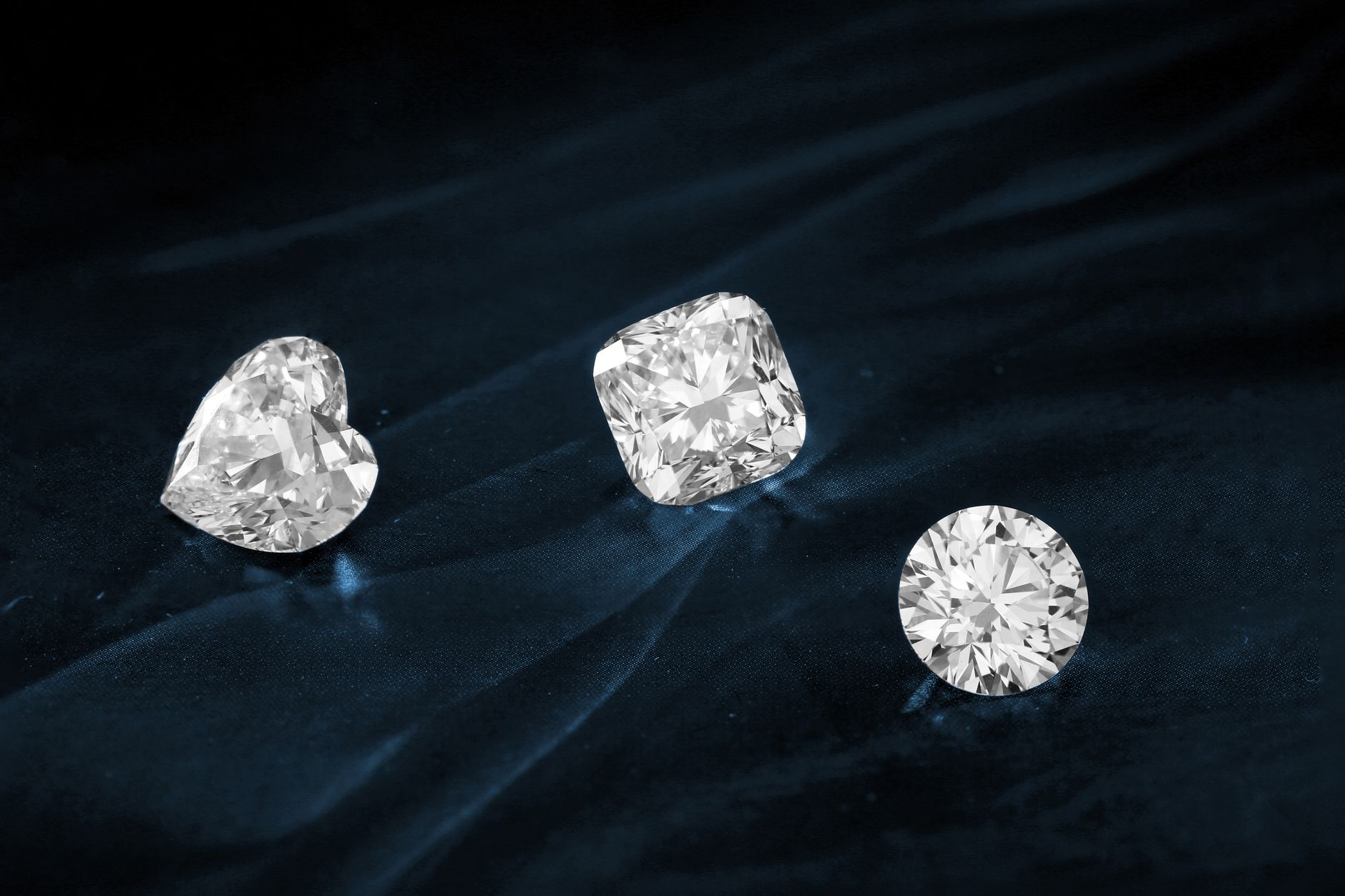
Shape matters a great deal. Round brilliant diamonds tend to hide body color better because their faceting pattern returns a lot of sparkle and light. Shapes such as oval, cushion, pear, and emerald can show color more readily, especially near the ends or in the open areas of the stone.
That means a K in a round brilliant may look more forgiving than a K in an emerald cut of the same size. This is one reason shape should always be considered alongside color grade, not separately.
Can Most People See the Difference?
Yes, in some situations. But the real answer depends on how and where the diamond is viewed. A trained jeweler comparing loose stones under controlled lighting will usually notice a K color difference more easily than a typical buyer wearing the stone day to day.
In normal use, many people will not focus on the diamond color unless it is placed next to a whiter stone. Once set in jewelry, a K diamond can still look attractive and lively, particularly if the cut is strong and the metal choice supports the overall look.
Side-by-Side Visibility
The difference becomes most obvious when a K diamond is compared directly against D through J grades. In a side-by-side view, the K stone may look a bit warmer or slightly less bright. This comparison can be useful in a showroom, but it is less representative of how the diamond will appear on its own.
If you are shopping online or looking at individual stones one at a time, you may not notice the difference as clearly. Human perception of color is relative, and a single diamond often looks quite different without a comparison point.
Everyday Visibility
In everyday wear, the average observer is usually more likely to notice sparkle, size, and shape than a faint color difference. A well-cut K diamond can still have excellent visual appeal from normal viewing distance.
That said, if your goal is a bright white look, K may not be the best fit. Buyers who are very color sensitive often prefer higher grades, especially in white metal settings.
Professional vs Consumer Perception
Diamond professionals are trained to notice small shifts in color, so their eyes are often more sensitive than a consumer’s. A shopper may only see a hint of warmth, while a grader or jeweler may classify the stone more precisely within the scale.
This difference matters because buyers sometimes assume that a grade sounds worse than it looks. K is a good example. The grade is below the premium colorless range, but that does not automatically mean the diamond looks unattractive or dull.
How K Color Looks in Different Metals
Setting metal has a major effect on how color is perceived. The same K diamond can look more or less warm depending on whether it is placed in platinum, white gold, yellow gold, or rose gold.
For this reason, color grade should always be considered together with the ring design. A metal that complements the diamond can make the stone appear whiter and more harmonious overall.
White Gold and Platinum
White gold and platinum tend to emphasize the diamond’s color more than yellow metals do. Because these metals are bright and neutral, they can make a K diamond’s warmth easier to notice. In a white metal setting, K may look a little less white than many buyers expect.
This does not mean K cannot work in white gold or platinum. It simply means buyers should inspect the stone carefully if they want a crisp white appearance. Some people are comfortable with a little warmth, while others are not.
Yellow Gold
Yellow gold is one of the most forgiving settings for K color. The warm tone of the metal helps the diamond’s slight tint blend into the overall design, which can make the stone appear whiter by comparison.
For shoppers who like a warmer aesthetic, K can be an efficient choice in yellow gold. The combination often looks balanced, and the lower color grade may be less of a concern than it would be in a white metal setting.
Rose Gold
Rose gold can also soften the appearance of warmth in a K diamond. Because the metal itself has a pinkish tone, the diamond’s color may feel intentional rather than distracting.
That said, rose gold does not eliminate the color grade. It simply changes how noticeable the tint feels. Some buyers prefer this softer, warmer overall look.
How K Color Looks in Different Lighting
Lighting plays a major role in how any diamond color grade appears. A K diamond might seem reasonably white in one environment and noticeably warmer in another.
This is why judging a stone under only one light source can be misleading. The most useful approach is to think about where the ring will be worn most often and what kind of lighting will matter in real life.
Daylight
Natural daylight is one of the most revealing lighting conditions. In daylight, the warmth in a K diamond may be easier to detect, especially in larger stones and in open settings that allow more light into the stone.
If you spend a lot of time outdoors or want the diamond to look very white in all settings, daylight performance is worth paying attention to. A K diamond can still look nice, but the color is more likely to be visible in this environment than under some indoor lights.
Indoor Lighting
Indoor lighting can vary widely. Some bulbs are warm and flattering, while others are cooler and more neutral. K color often looks softer and less noticeable under warm indoor lighting, especially in homes and restaurants.
Under cool, bright indoor lighting, the tint may appear a bit more obvious. This is one reason diamonds can look different from one store to another, even when the grading report is the same.
Jewelry Store Lighting
Jewelry store lighting is designed to make diamonds look bright and lively. It often increases sparkle and can minimize how much body color you notice at first glance.
Because of that, a K diamond may look better in a store display than it will in more natural environments. Buyers should try to view the stone under different lighting if possible, or at least understand that showroom lighting is flattering by design.
Price Premium vs Visual Benefit
One reason shoppers consider K color is value. Lower color grades generally cost less than higher grades, which can free up budget for better cut quality, a larger carat weight, or a more elaborate setting.
The trade-off is that the visual benefit of paying for a higher color grade often becomes smaller as you move down the scale. A buyer has to decide whether the premium for extra whiteness is worth it in actual appearance.
Why K Usually Costs Less
Higher color grades are rarer and more expensive. As the color grade drops, price typically becomes more accessible, even when other characteristics remain similar. That difference can be substantial depending on the diamond’s size and shape.
For lab grown diamonds in particular, the pricing structure may make higher color grades more attainable than in natural diamonds. Even so, K can still be a practical value option if the buyer prioritizes size or wants to keep the overall budget down.
Is the Visual Improvement Worth the Money?
That depends on what you notice most. If you are highly sensitive to slight warmth, upgrading from K to a higher grade may feel worthwhile. If you mainly want a beautiful diamond that looks good from normal viewing distance, the extra cost may not produce enough visible improvement to justify it.
This is where diminishing returns become important. The closer you get to a colorless appearance, the more you may pay for relatively small changes that are easiest to see only in direct comparison.
| Color Grade | Typical Appearance | Visibility of Color | Value Perspective |
|---|---|---|---|
| D to F | Colorless | Very low | Highest premium, most top-tier color |
| G to J | Near-colorless | Slight to moderate | Often strong balance of appearance and price |
| K and below | Faint warmth or tint | More noticeable in some lighting | Lower price, more trade-offs |
Who Should Consider a K Color Diamond?
K color can make sense for buyers who care more about the overall ring than about the highest color grade on the report. It can be a reasonable option if you are comfortable with a bit of warmth and want better value elsewhere in the diamond.
It is especially relevant when the setting metal helps soften the color or when the diamond shape naturally masks some tint.
Buyers Who May Be Comfortable With K
- Buyers choosing yellow gold or rose gold settings
- Buyers who prioritize larger size over top color grade
- Buyers who are less sensitive to subtle warmth
- Buyers selecting shapes that hide color better, such as round brilliant
- Buyers focused on getting the best overall value
Buyers Who May Want a Higher Color Grade
- Buyers who want a crisp white look in all lighting
- Buyers choosing platinum or white gold and prefer minimal warmth
- Buyers who are comparing the diamond directly with higher color stones
- Buyers selecting shapes that show color more easily, such as emerald or oval
- Buyers who know they are very color sensitive
Who Can Save Money by Choosing K?
K can be a smart value choice when a buyer knows that small color differences will not matter much to them in daily wear. If the diamond will be worn in a warmer setting, viewed from normal distance, and selected with a strong cut, the savings may be put to better use elsewhere.
Some buyers prefer to allocate budget toward a more impressive size, better clarity, or stronger cut performance. That can be a sensible strategy because cut affects sparkle more directly than minor color changes do.
Situations Where K Can Be a Practical Choice
- A yellow gold ring where warmth is less noticeable
- A budget that is better spent on cut quality
- A smaller diamond where color is less obvious
- A round brilliant shape with good light return
- A buyer who likes a softer, slightly warmer look
Common Buyer Mistakes With K Color Diamonds
K color is often misunderstood because shoppers focus too much on the letter and not enough on the full visual context. The result can be either unnecessary worry or unrealistic expectations.
Overpaying for Invisible Upgrades
Some buyers upgrade color without seeing a meaningful visual benefit. If the diamond will be set in yellow gold and viewed mostly from normal distance, paying a large premium for a higher color grade may not noticeably improve the final look.
This is especially important when the buyer is working within a fixed budget. Spending more on color can reduce the budget available for cut, which may affect the diamond’s beauty more than color ever would.
Ignoring Metal Color
A K diamond can look very different in white gold versus yellow gold. Ignoring the setting metal is one of the most common mistakes because it leads to a decision based on the grading report alone, not the finished ring.
The metal and the diamond should work together. If the setting makes the stone look warmer than desired, the grade may not be the right fit even if the price seems attractive.
Assuming All Color Differences Are Obvious
Not every buyer can identify diamond color differences easily, especially without a side-by-side comparison. Some people are very sensitive to warmth, while others barely notice it unless it is pointed out.
That means a K grade should not automatically be dismissed. What matters is whether the specific stone looks good to you in the type of setting you plan to wear.
Buying Based Only on the Grading Report
The grading report is important, but it does not tell the entire story. Two K color diamonds can look different if one has stronger cut quality or a different shape.
Always think about how the diamond will actually appear on the hand. The report is a tool, not the final answer.
K Color in Lab Grown Diamonds
Lab grown diamonds often reach higher color grades more easily than many natural diamonds, which means K is not usually the grade buyers are targeting first in that category. Still, K exists in lab grown diamonds and can be a practical option when value is the main priority.
Because lab grown diamonds are generally priced lower than natural diamonds of similar size and appearance, some buyers choose to spend a little more for higher color than they might in a natural diamond. Even so, K can remain relevant if the goal is to maximize size or stay within a strict budget.
Does Color Behave Differently in Lab Grown Diamonds?
The visual behavior of color is essentially the same. A diamond is a diamond in terms of how it returns light and how body color appears to the eye. The main difference is pricing and availability, not a separate color system.
In other words, a K color lab grown diamond can still show faint warmth in the same general way a natural K diamond would. The viewing experience depends on the same factors: cut, shape, setting, and lighting.
Is K Worth Considering in Lab Grown?
That depends on what the buyer values most. Since lab grown diamonds often make higher color grades more attainable, many shoppers may prefer to move up to a whiter grade if the budget allows. But if the diamond will be set in yellow gold, or if size is the top priority, K can still be a workable choice.
For buyers comparing lab grown options, it helps to think in terms of the finished look rather than the label alone. A slightly lower color grade may be perfectly acceptable if the diamond still looks balanced and bright in the intended setting.
How K Compares to Nearby Color Grades
It can be helpful to place K in context with neighboring grades. That makes the trade-offs easier to understand, especially if you are deciding whether to move up or down one or two color steps.
| Comparison | Visible Difference | General Value Take |
|---|---|---|
| J vs K | Usually subtle, but K may look a bit warmer | J may be a better choice in white metals if you want slightly more whiteness |
| K vs L | K is typically a little whiter and less tinted | K can offer a modest improvement without a huge price jump |
| I vs K | More noticeable difference, especially in white metals | I is often the safer choice for buyers who want a near-colorless look |
These comparisons are only a starting point. A well-cut K can look better than a poorly cut higher-grade stone, because sparkle and brightness can influence the overall impression more than a small color difference.
How to Evaluate a K Color Diamond Before Buying
If you are seriously considering K, it helps to evaluate the diamond as a complete object rather than a grade on paper. Try to observe it in different lighting if possible, and consider the finished ring design as part of the decision.
Practical evaluation is often more useful than obsessing over the color letter alone. That is especially true for buyers who want a diamond that looks good in real life rather than in a grading lab.
Things to Look For
- Cut quality: Good cut can make a diamond appear brighter and help mask some color.
- Shape: Round brilliants usually hide color better than many fancy shapes.
- Metal choice: Yellow or rose gold may make K look more natural and less tinted.
- Lighting: Check how the stone appears in both warm and neutral lighting.
- Personal preference: Decide whether a little warmth is acceptable to your eye.
Why Cut Matters So Much
Cut controls how much light a diamond reflects back to the eye. A well-cut diamond can look brighter and more lively, which may reduce the visual impact of a lower color grade.
That is why some buyers prefer to accept a K color if it allows them to buy a better cut. In many cases, that trade-off produces a more attractive ring overall.
Common Questions About K Color Diamonds
Is K color considered low quality?
Not necessarily. K is simply a lower color grade, which means it shows more warmth than higher grades. Quality depends on the whole diamond, including cut, clarity, and how the stone looks in its setting.
Will a K diamond look yellow?
It may show a slight yellow or warm tint, but that does not mean it will look strongly yellow in all situations. The appearance depends heavily on shape, size, metal, and lighting.
Is K color okay for an engagement ring?
Yes, it can be. Whether it is a good choice depends on your preference for warmth, your chosen metal, and how color-sensitive you are. Many engagement rings use grades lower than the top colorless range and still look very attractive.
Does K color look worse in larger diamonds?
Often, yes. As diamond size increases, body color can become easier to notice. That does not make K a bad choice, but it does mean buyers should pay closer attention in larger stones.
Is K color better in yellow gold?
Usually, yes. Yellow gold tends to complement the warmth in a K diamond and can make the overall look feel more intentional. This can be especially useful if you do not need a bright white appearance.
Should I choose K in a lab grown diamond?
You can, but many lab grown buyers have enough budget flexibility to consider higher color grades. If price is the main reason for choosing K, it is worth comparing whether a small step up in color is possible without sacrificing other important features.
Will people notice the difference between K and higher grades?
Some will, and some will not. People who are not trained in diamonds may only notice if the stones are compared side by side. In everyday wear, the difference is often much less obvious than the grading scale suggests.
Is K a good value?
It can be, especially if you are comfortable with a little warmth and want to prioritize size or cut. If you need a crisp white appearance, though, K may not be the best value because you may end up wanting to upgrade later.
Final Thoughts on K Color
K color diamonds occupy a practical middle ground for buyers who want to save money without losing the appeal of a real diamond. They are not the whitest option, and the warmth can be visible in certain situations, but that does not mean they are unattractive or unsuitable for fine jewelry.
The most important thing to understand is that K color should be judged in context. A round brilliant in yellow gold may look perfectly balanced, while a larger emerald cut in platinum may show the grade more clearly. If you focus on how the diamond will actually look when worn, rather than on the letter alone, you will make a more informed decision.
For buyers who want value, K can be a useful option. For buyers who are highly sensitive to color or want the whitest possible appearance, moving higher on the scale may be worth the extra cost. The right answer depends on your priorities, not on the grade itself.